B2B Fenestration Engineering Whitepaper

Vinyl Windows & Doors Manufacturers & Suppliers

Next-Generation uPVC Systems, Thermal Insulation Whitepaper, Global OEM Manufacturing, & Enterprise Supply Chain Integration

Featured Fenestration Catalog

High-Performance Vinyl Window & Door Systems

Explore NFRC, AS2047, and CE certified vinyl systems designed for energy efficiency, structural integrity, and architectural resilience.
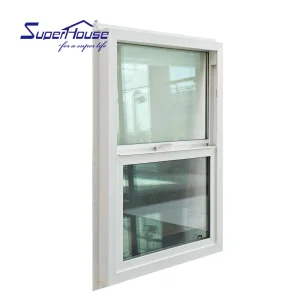
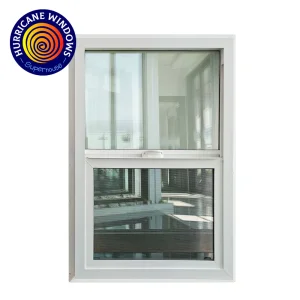
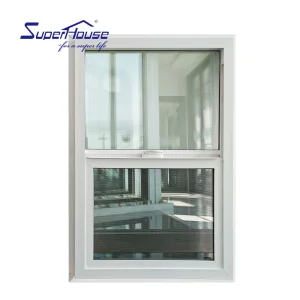
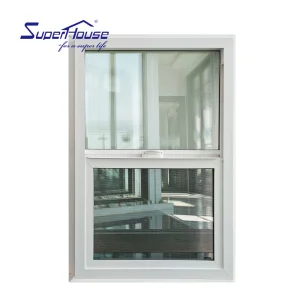
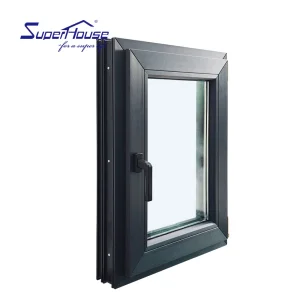
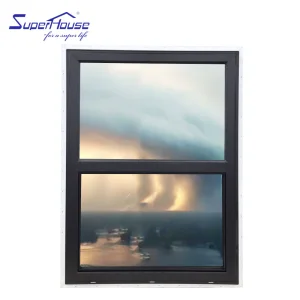
Superhouse Upvc Single Hung Window Double Insulated Glass Heat Insulation Waterproof Vertical Sliding Window Residential House
Request Commercial Quote
USA NFRC Certified Vinyl Single & Double Hung Window with Double Tempered Glass for Housing Condo Apartment Project
Request Commercial Quote
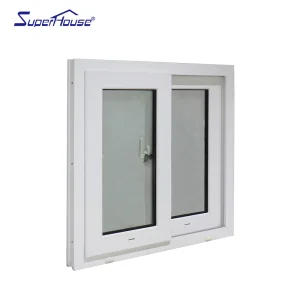
USA NFRC rated Vinyl sliding window high energy saving insulated tempered double low-e glass horizontal roller window
Request Commercial Quote
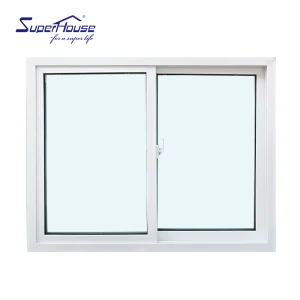
Low Budget White Aluminum Sliding Window, Cheap Wholesale for Building Projects
Request Commercial Quote
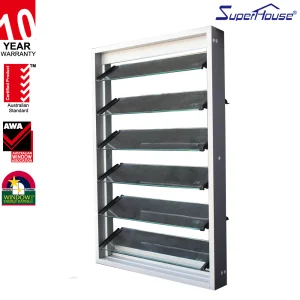
AS2047 Certified Aluminum Louver Window, China Direct Factory with 20 Years Window and Door Production Experience
Request Commercial Quote
Superhouse Custom Sizes Aluminum Skylight with Modern Design for Outdoor Use Ventilation & Light Transmission Awning Window
Request Commercial Quote
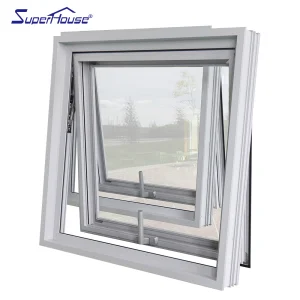
Modern Thermal Thermal Break Suitable for Traditional Chinese Villa Style AS2047 Australian Standard Aluminium Awning Window
Request Commercial Quote
Modern Design UPVC Hung Windows Energy Efficient Hurricane Resistant Vinyl Frame Windows for USA House Market
Request Commercial Quote
Executive Industry Insight

Macro Industry Solutions & The Decarbonization Epoch

How advanced vinyl profile formulations are addressing strict global energy conservation directives and structural performance criteria.

Thermal Decarbonization & Net-Zero Architecture

Building envelopes account for over 30% of total structural thermal transfer. Modern unplasticized polyvinyl chloride (uPVC/Vinyl) profiles provide intrinsic low thermal conductivity (approx. 0.14 W/mK compared to aluminum's 160 W/mK). Sourcing vinyl window systems engineered with multi-chamber internal geometry reduces whole-window U-factors down to 0.15 BTU/hr-ft²-°F (Passivhaus standards), dramatically curtailing operational carbon footprints in residential and commercial developments.

Extreme Weather & Coastal Resilience

Coastal and hurricane-prone geographical regions require extreme structural design pressures (DP ratings) and resistance to saline atmospheric corrosion. Advanced vinyl window profiles co-extruded with heavy-gauge galvanized steel or composite stiffeners resist salt-spray degradation indefinitely. Engineered to meet Florida Building Code (HVHZ) and ASTM E1886/E1996 hurricane impact criteria, high-spec vinyl windows safeguard occupants without sacrificial surface rusting.

Life-Cycle Total Cost of Ownership (TCO)

For real estate developers, housing authorities, and commercial contractors, initial capital expenditure must balance against long-term maintenance costs. Vinyl fenestration products require zero repainting, sealing, or anodizing touch-ups. Their resistance to UV degradation through titanium dioxide (TiO2) stabilization ensures color retention and impact resistance over a 30+ year lifecycle, decreasing facility management overhead by up to 65% compared to wood or basic painted frames.

Commercial Sourcing Reality: Modern multi-family, hospitality, and residential projects demand fenestration products that achieve a precise equilibrium between thermal efficiency, acoustic insulation (STC ratings > 38), and structural stability. Tier-1 vinyl window manufacturers utilize computerized twin-screw extrusion to achieve chemical homogeneity, eliminating structural warping even under continuous solar radiation load.
Manufacturing Rigor & Supply Chain Resilience

Fortisdor Security Doors Co., Ltd. & China Factory 4.0 Infrastructure

An institutional-grade breakdown of our 32,000 m² automated production complex and global supply chain logistics setup.

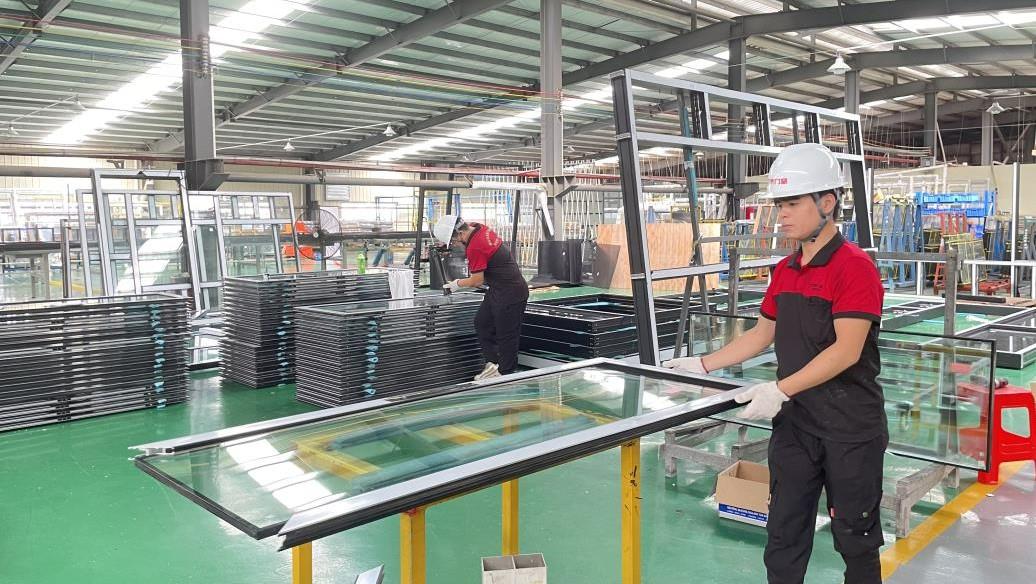
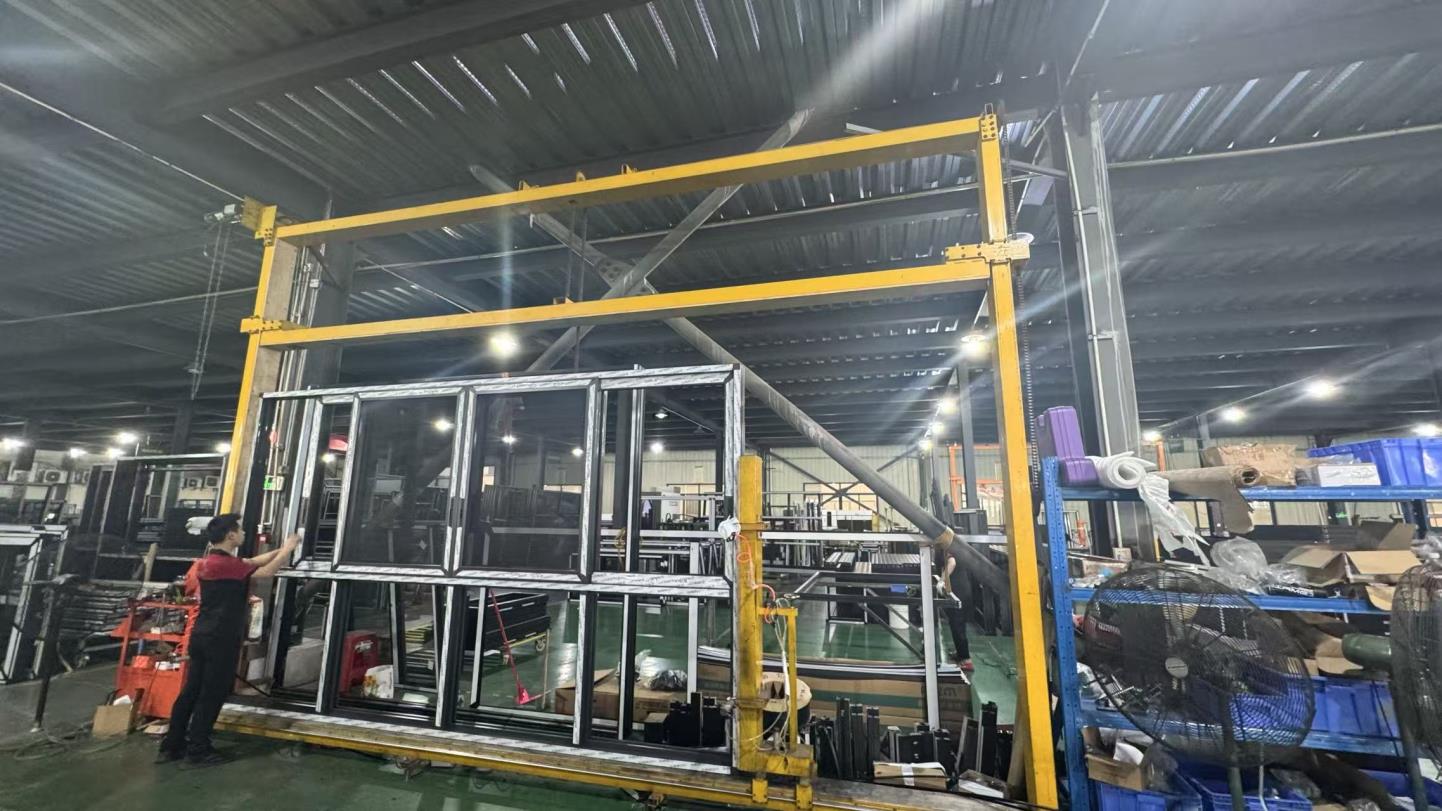
Established in 2004, Fortisdor Security Doors Co., Ltd. is a specialized manufacturer of premium entry doors and high-performance fenestration products, operating out of a modern 32,000 m² industrial facility. With 20 years of door manufacturing expertise and 8 years of international export experience, the company achieves an annual export revenue of $22 million. Fortisdor serves major market segments across North America, Europe, and the Middle East, primarily supplying building material wholesalers, commercial contractors, and residential real estate developers.

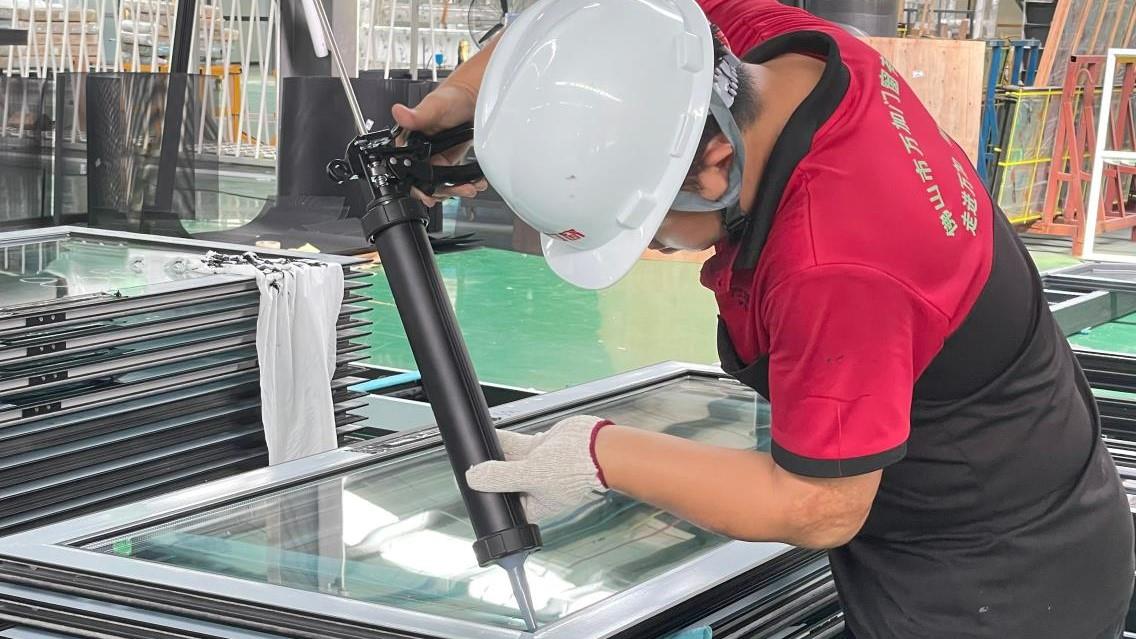
Backed by an established trade background and a robust network of over 950 supply chain partners, Fortisdor enforces uncompromising quality standards. Quality assurance is directed by a team of 40 certified QC inspectors using multi-stage raw material testing, automated frame alignment checks, and salt-spray corrosion resistance evaluations. The company's strong R&D department features 50 engineering professionals who launched 140 new door models last year. Custom options include multi-point electronic lock systems, custom glass panels, thermal-break aluminum profiles, and personalized surface finishes.

32,000m²
Modern Production Facility
$22M+
Annual Export Volume
950+
Supply Chain Partners
40 / 50
QC Inspectors / R&D Engineers

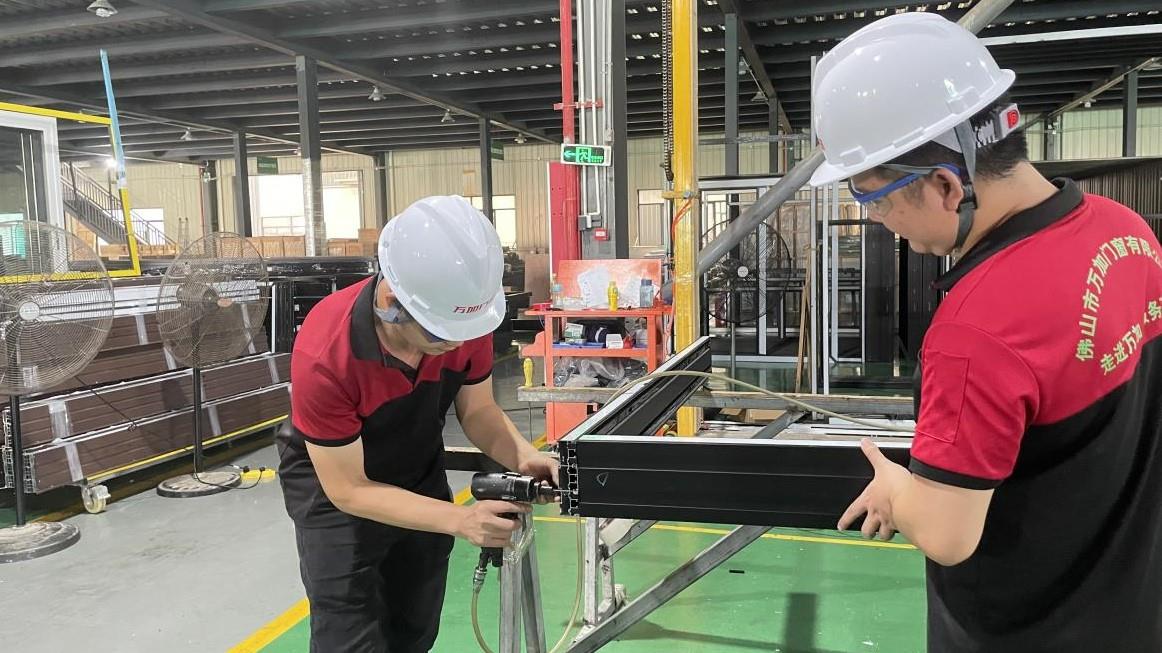
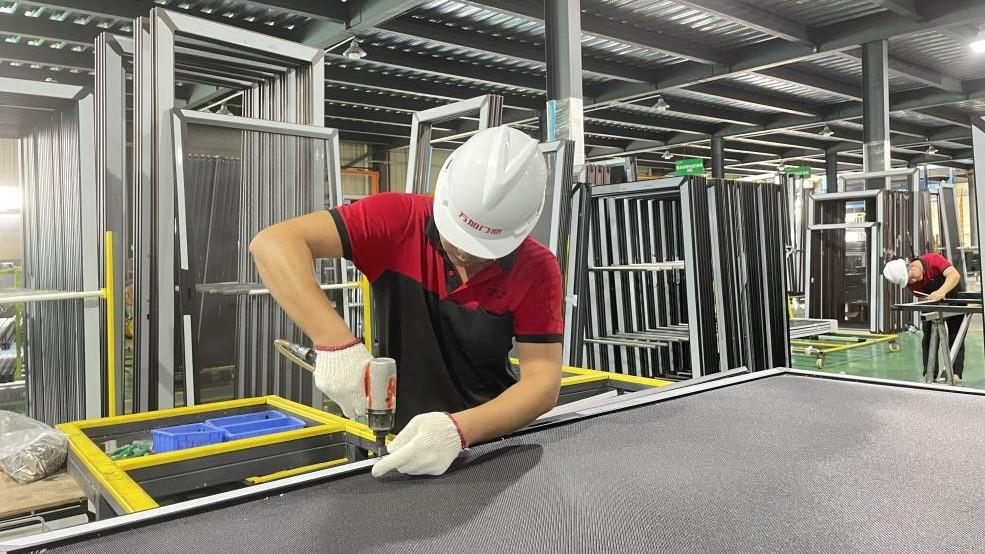
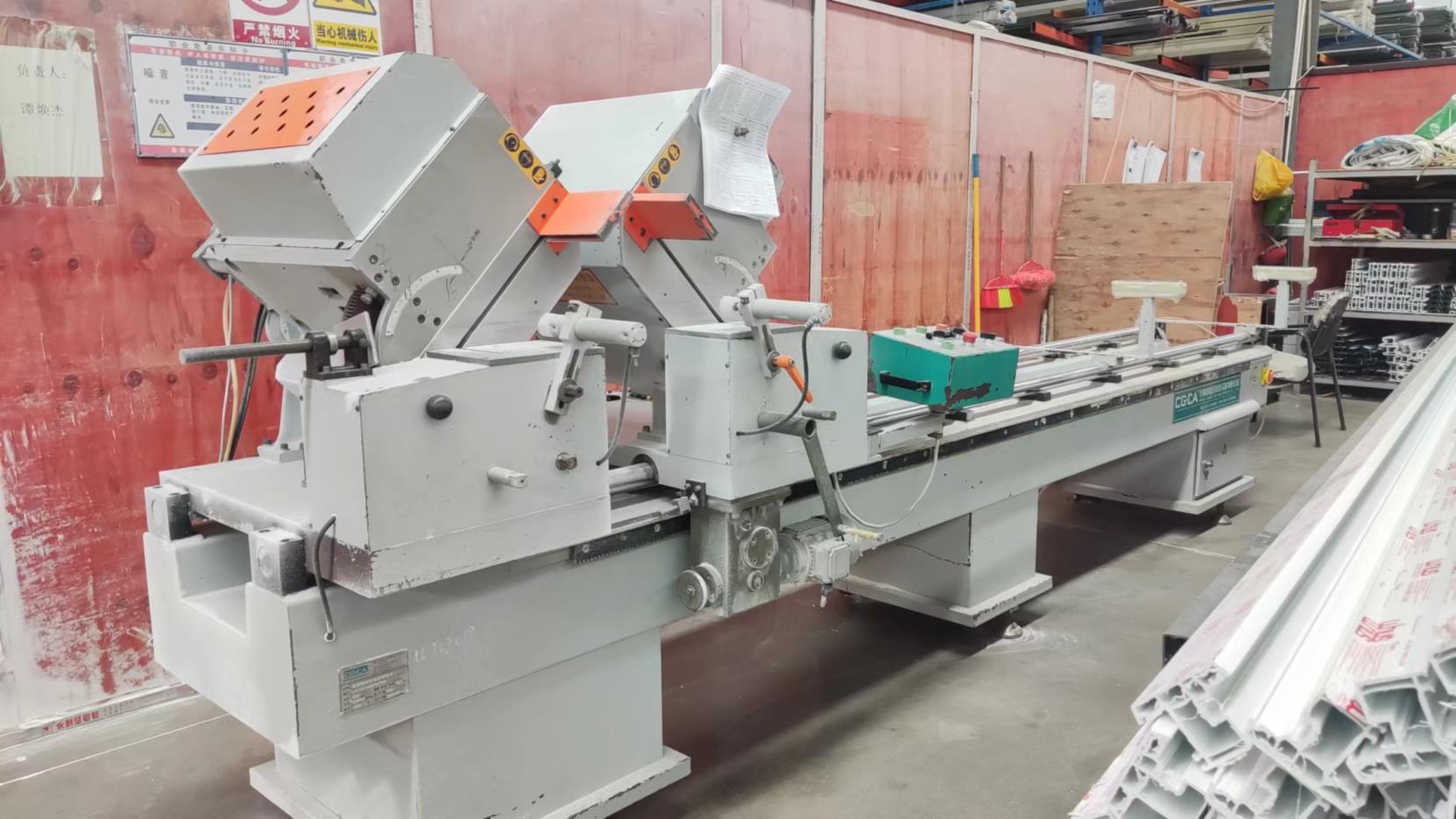
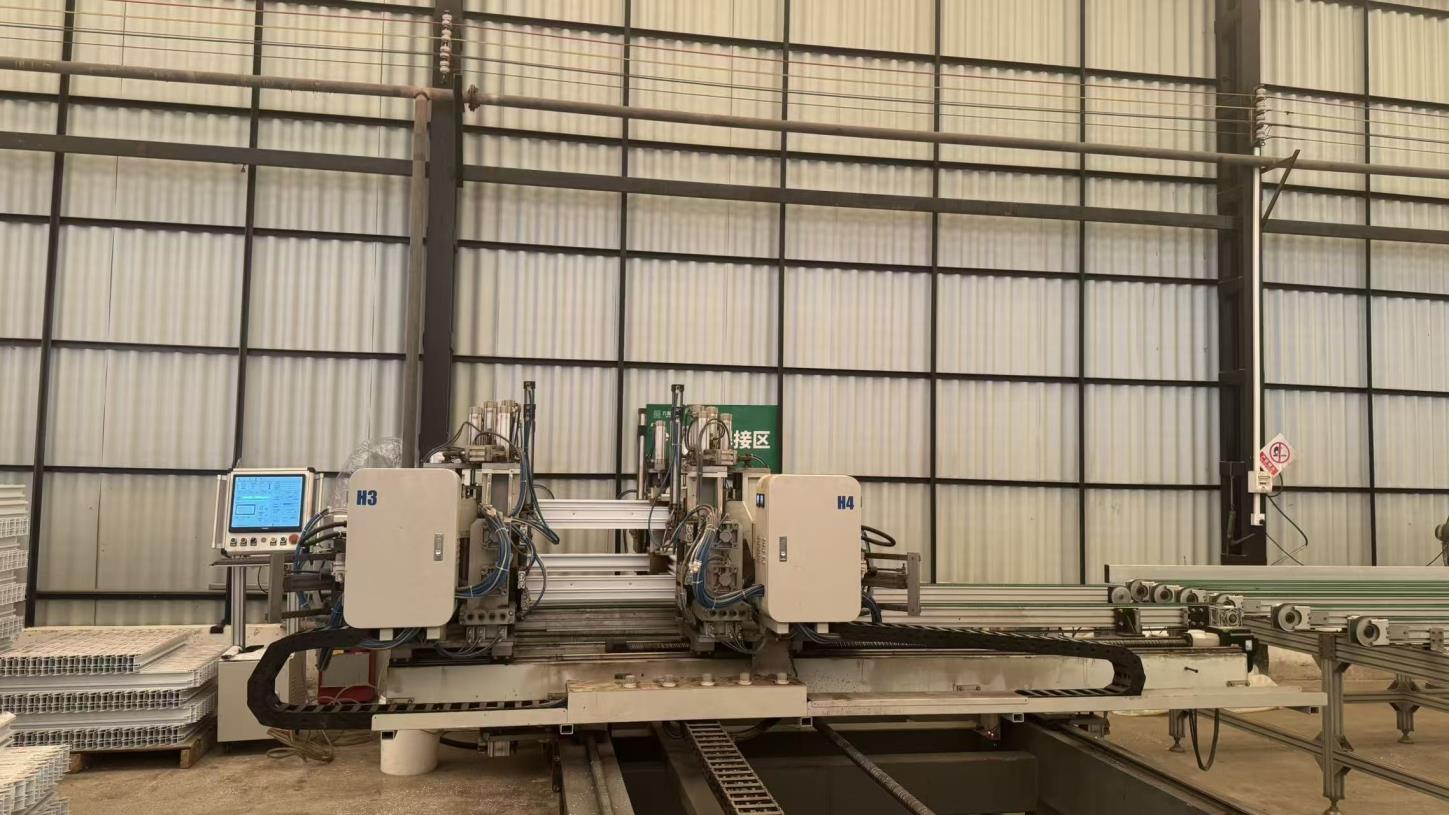
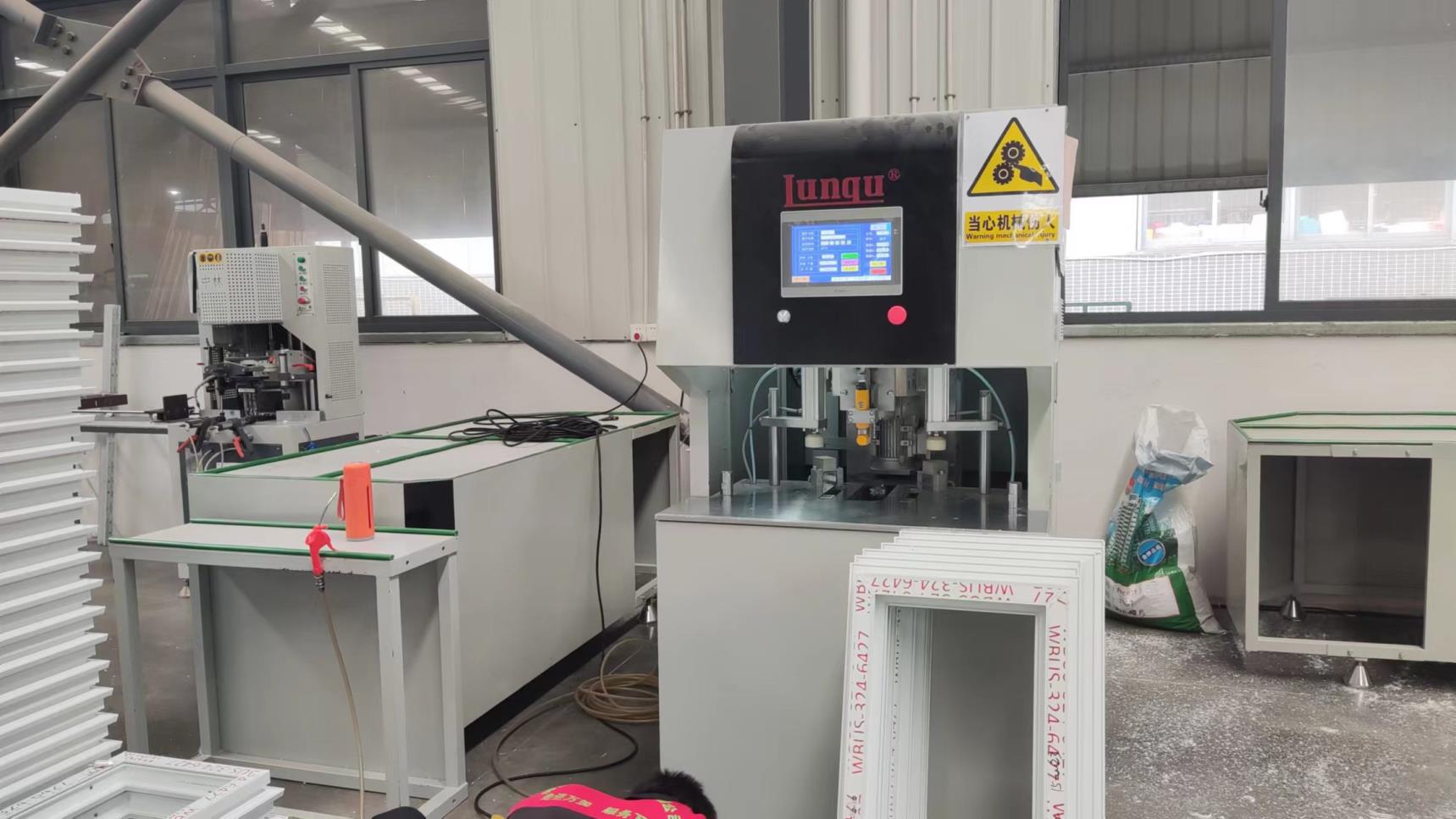
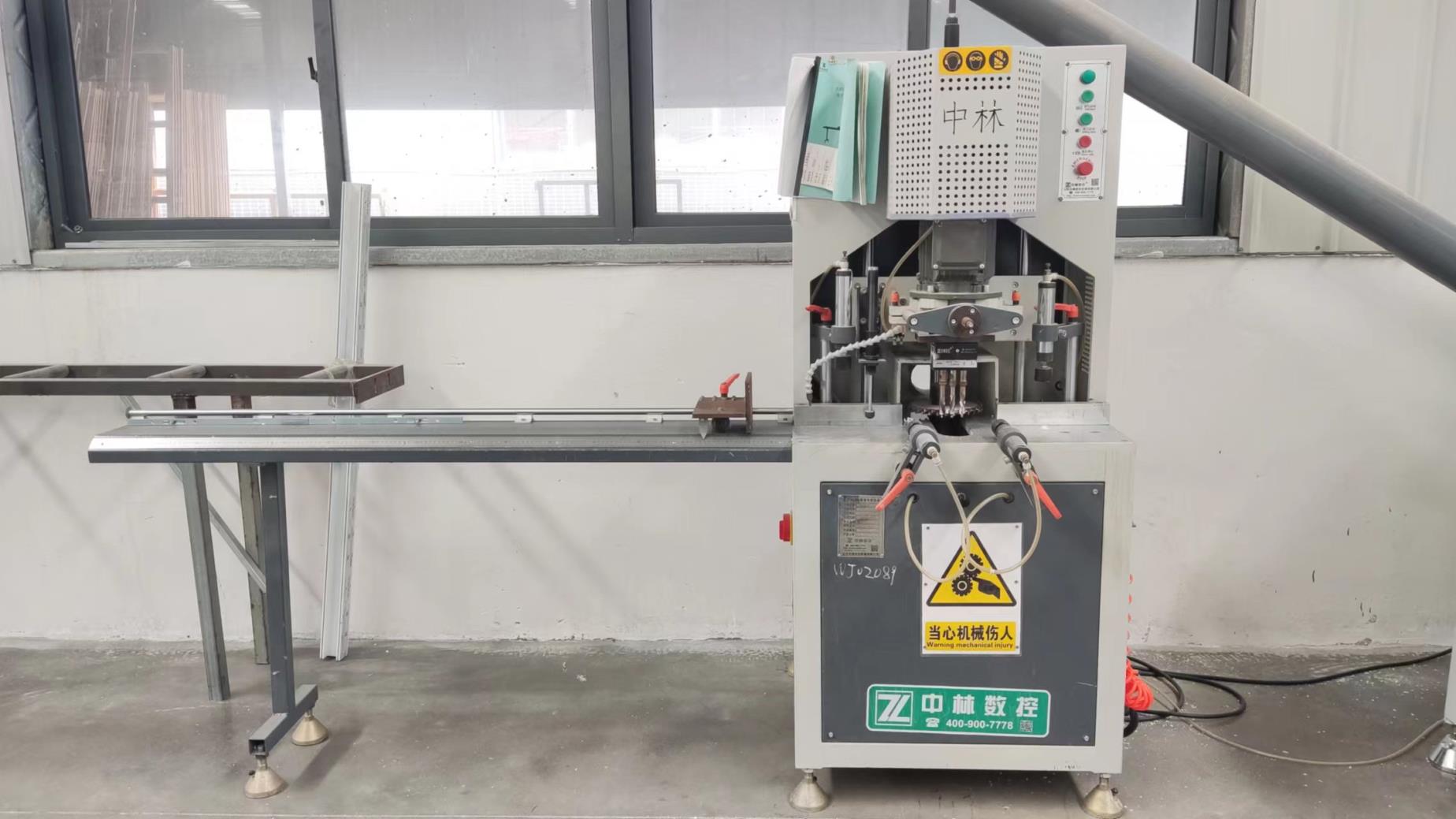
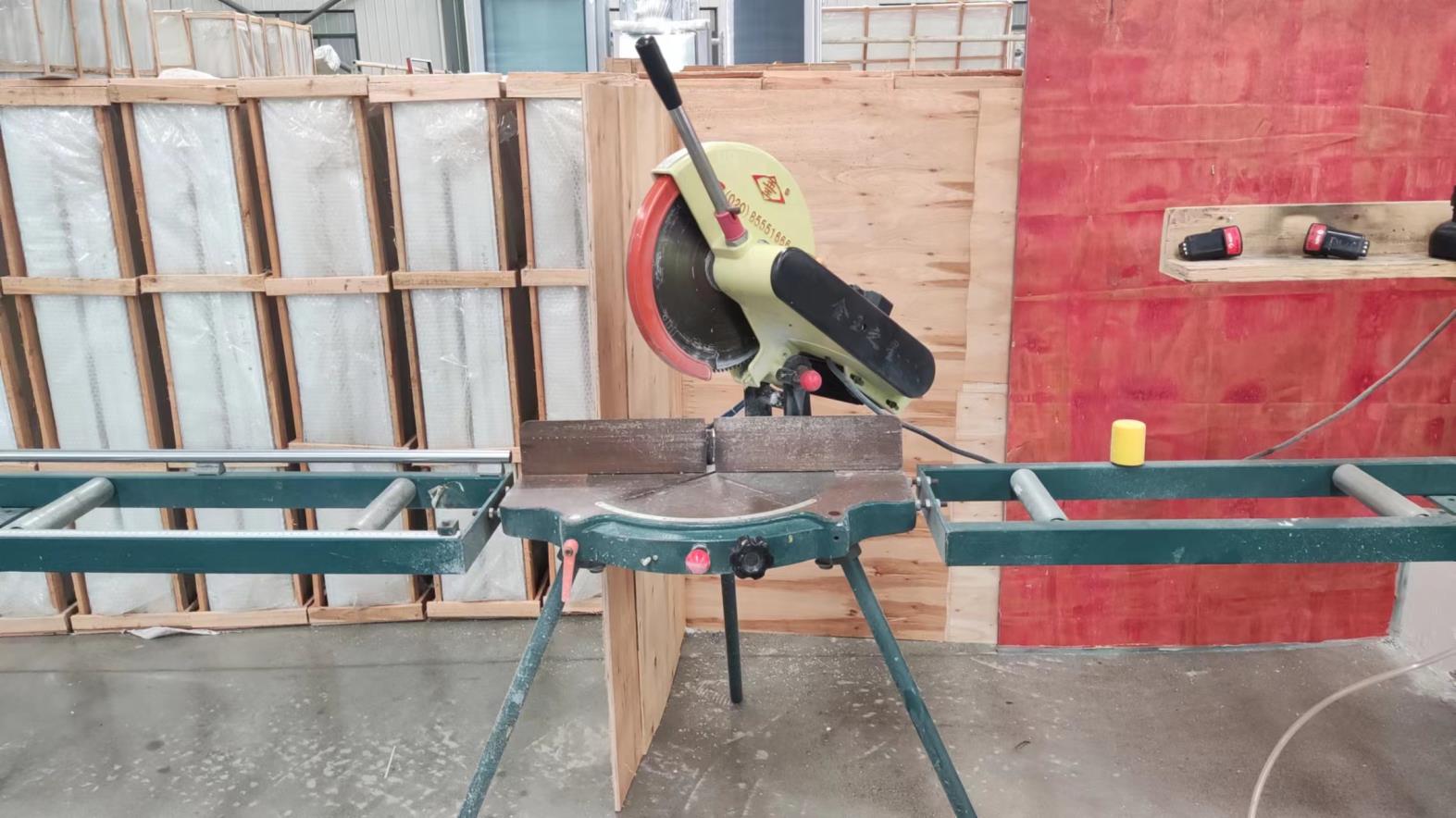
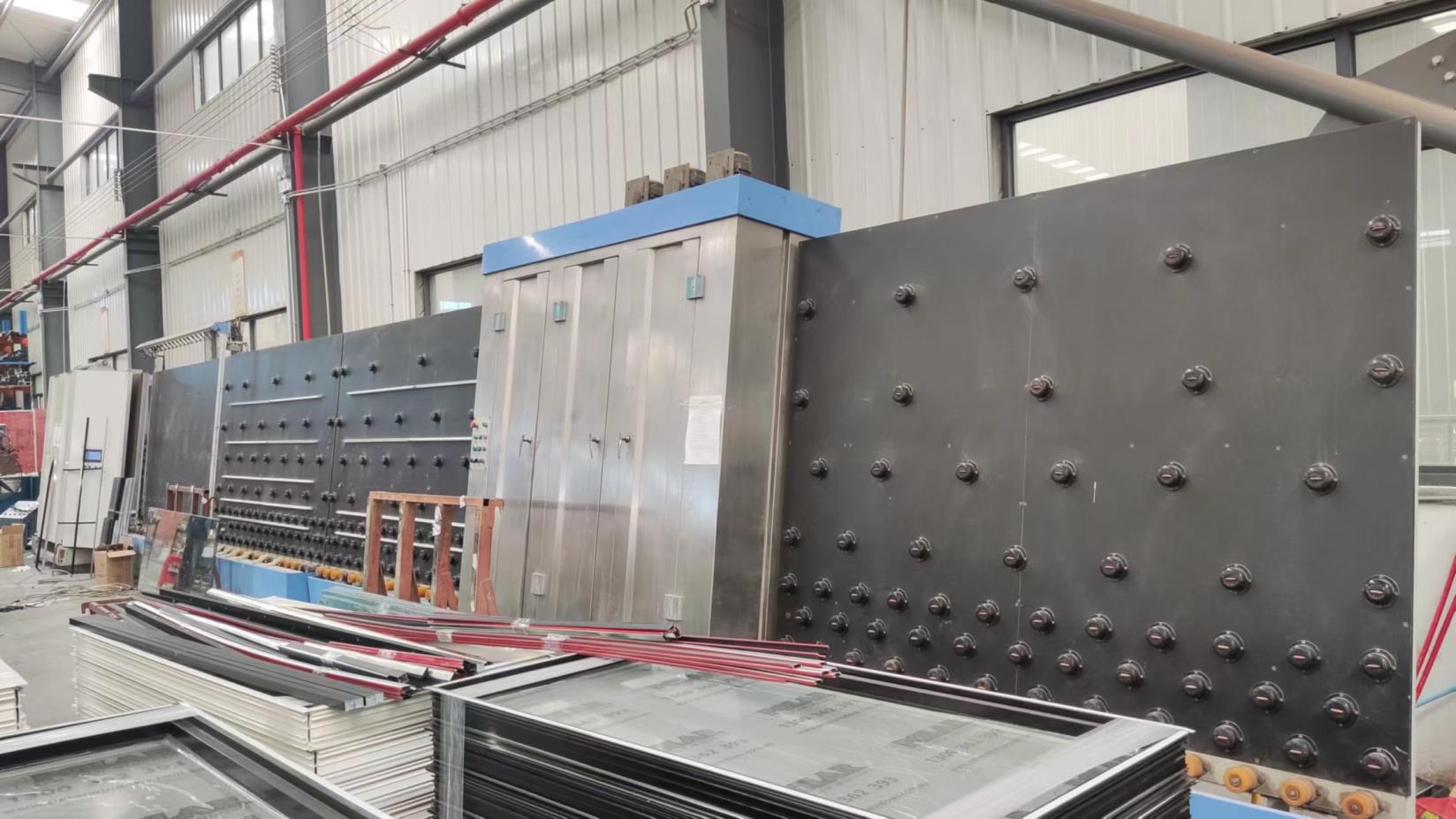
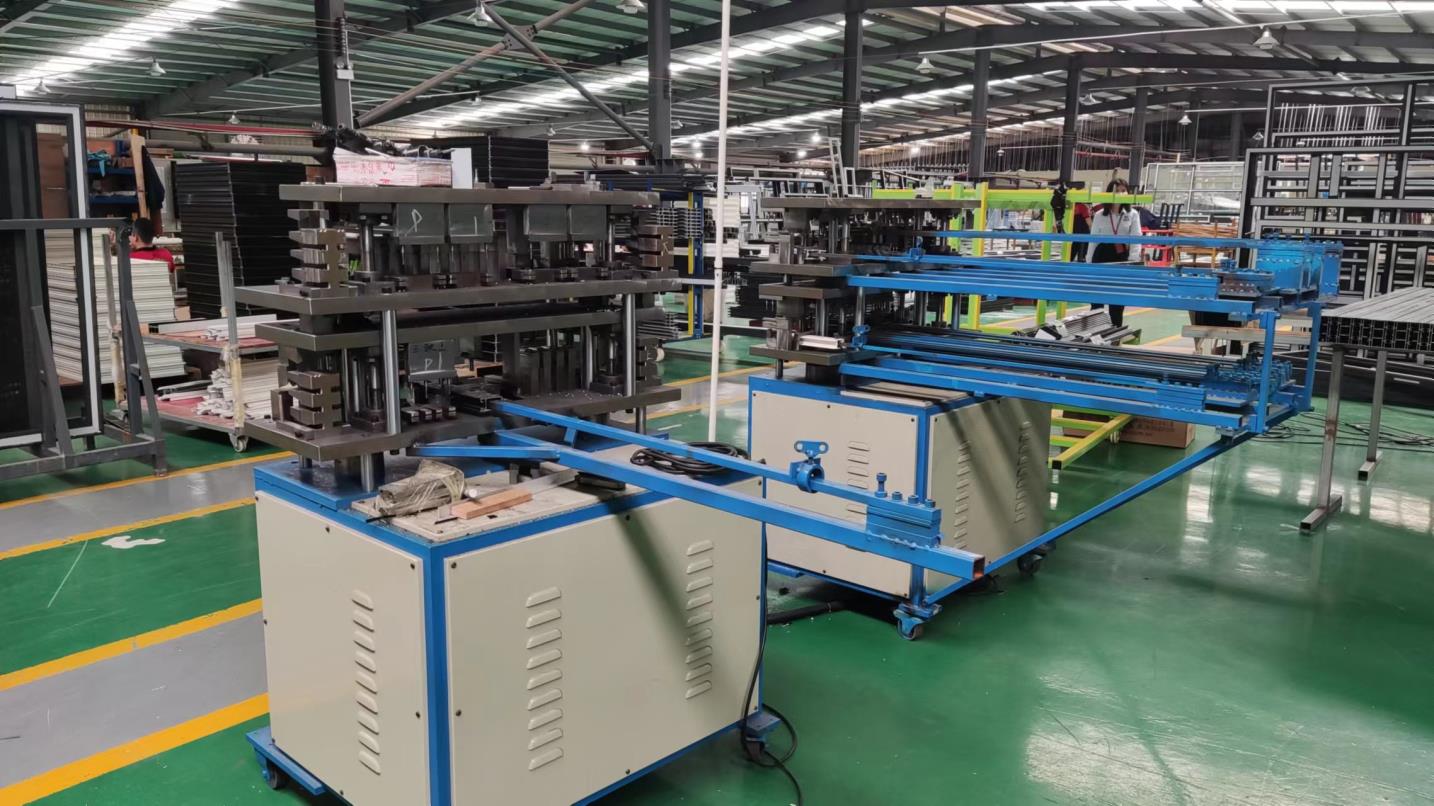
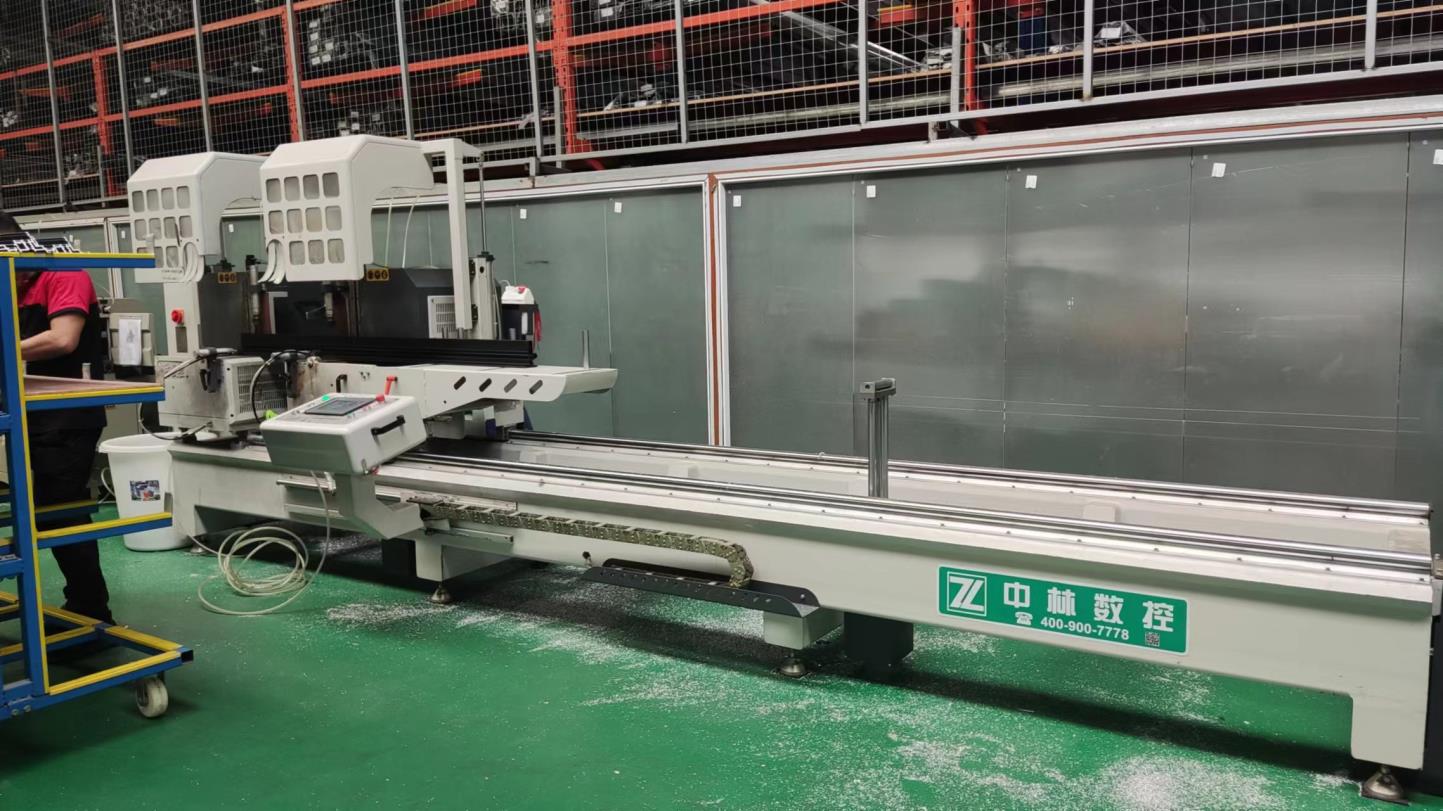
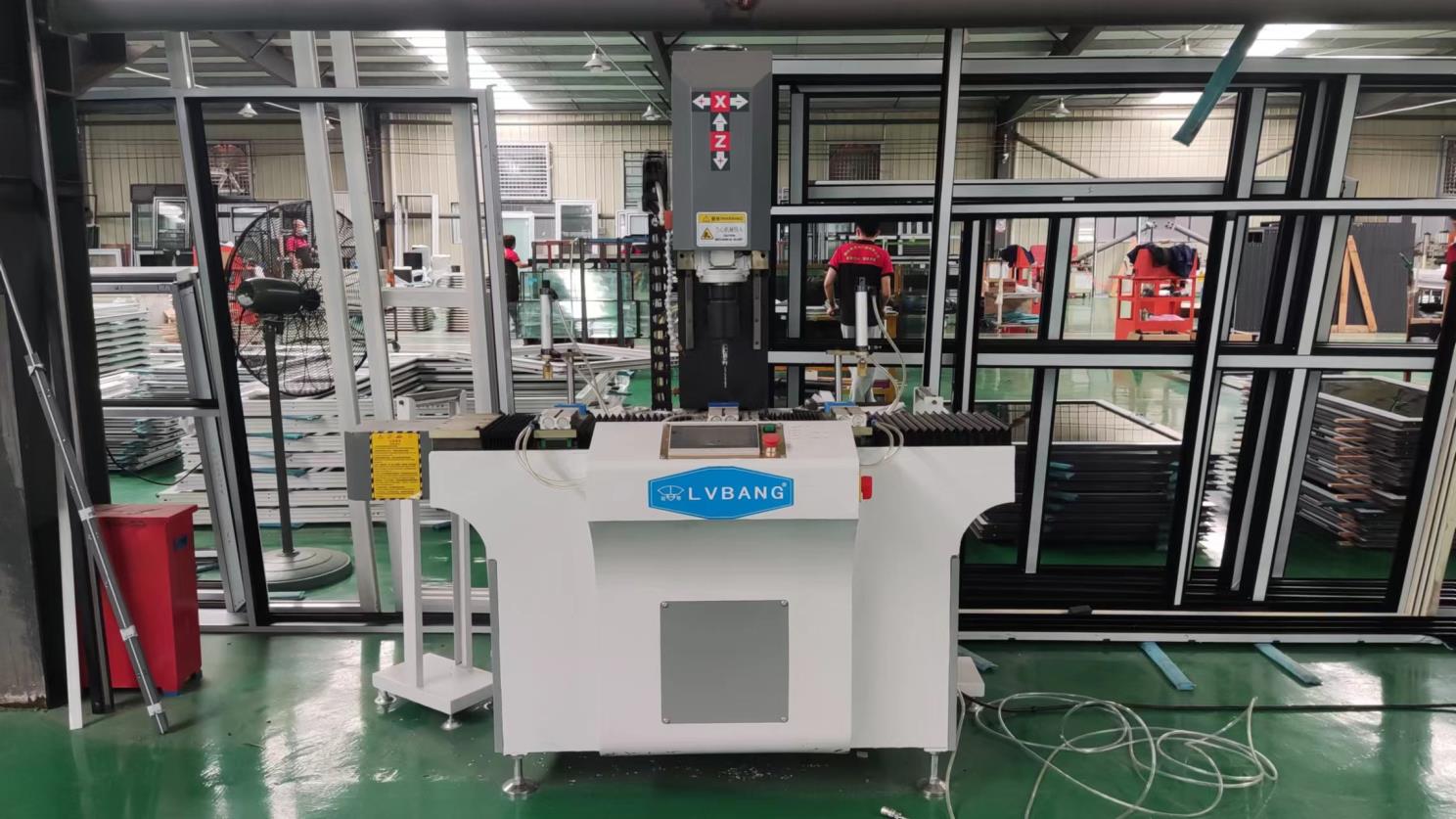
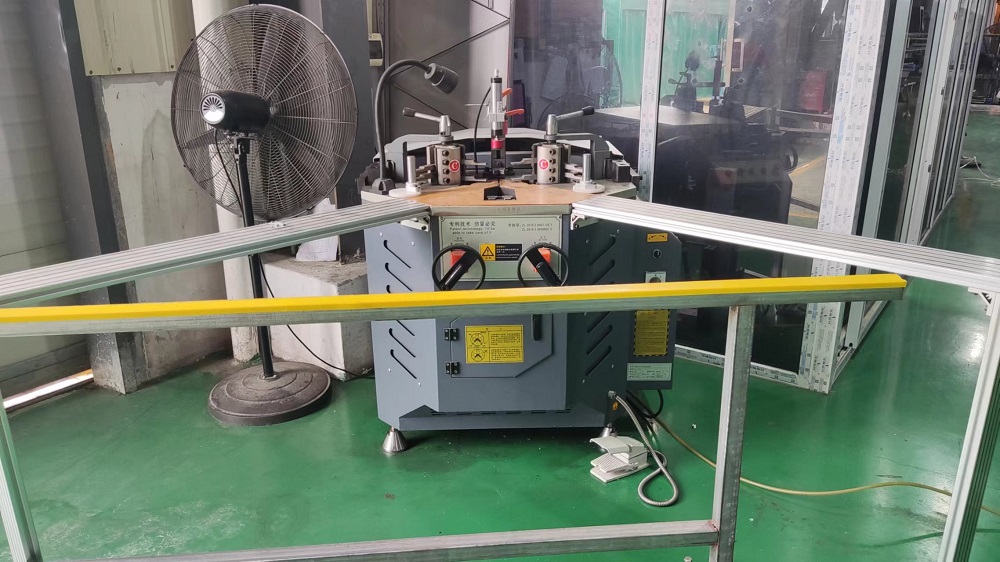
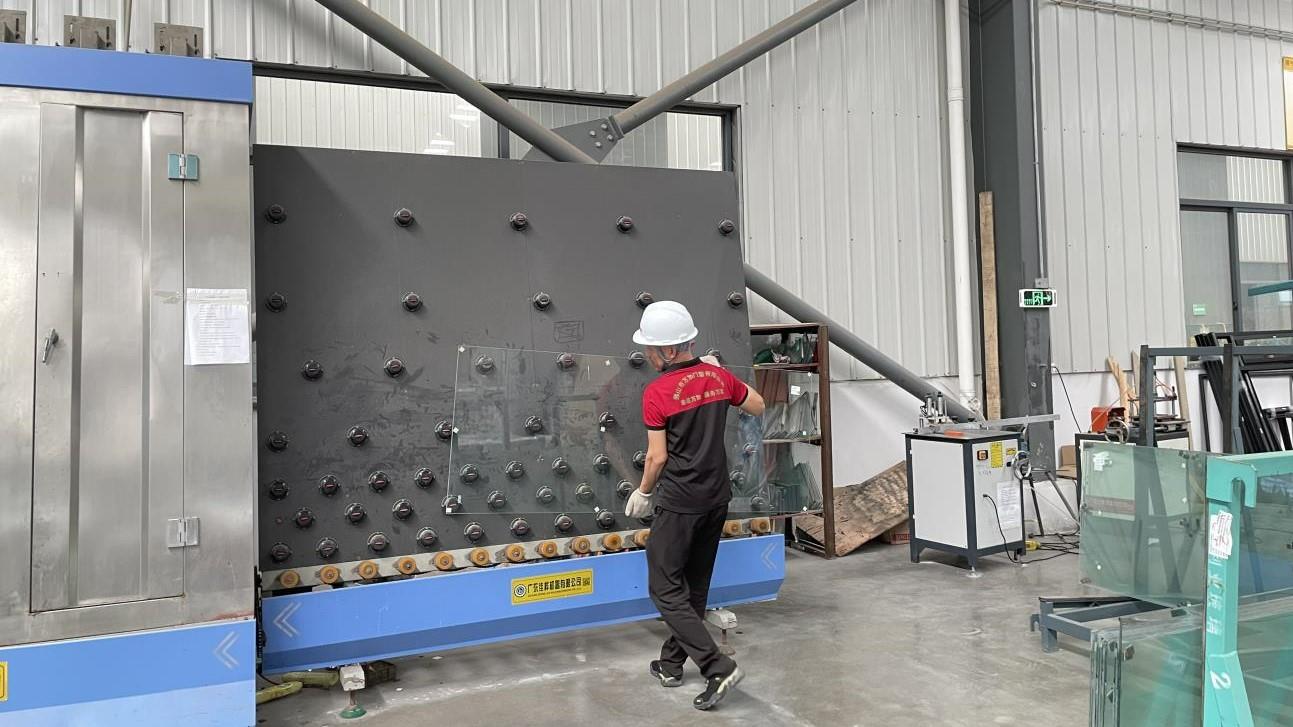
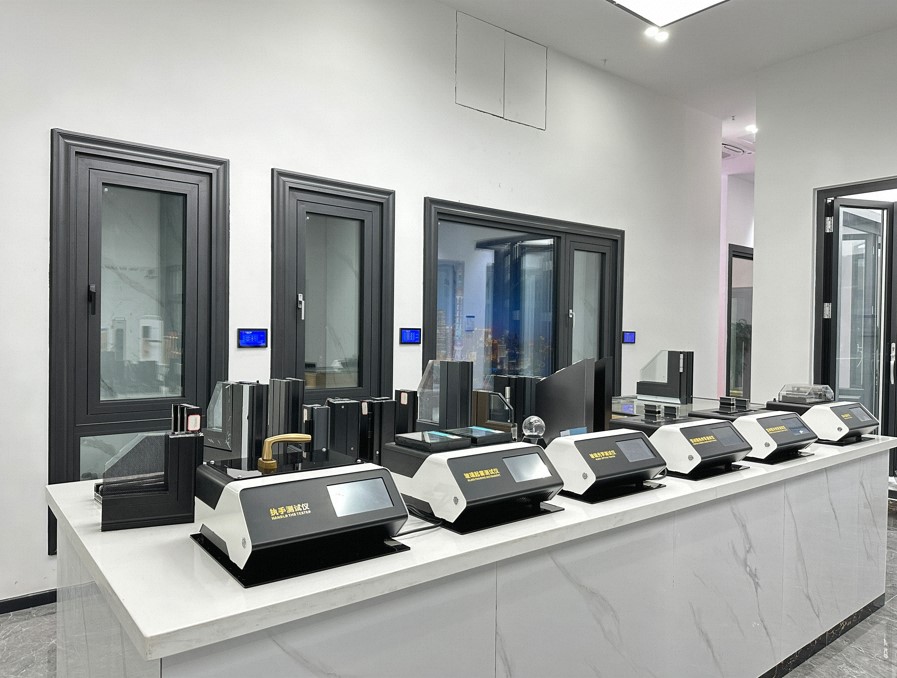
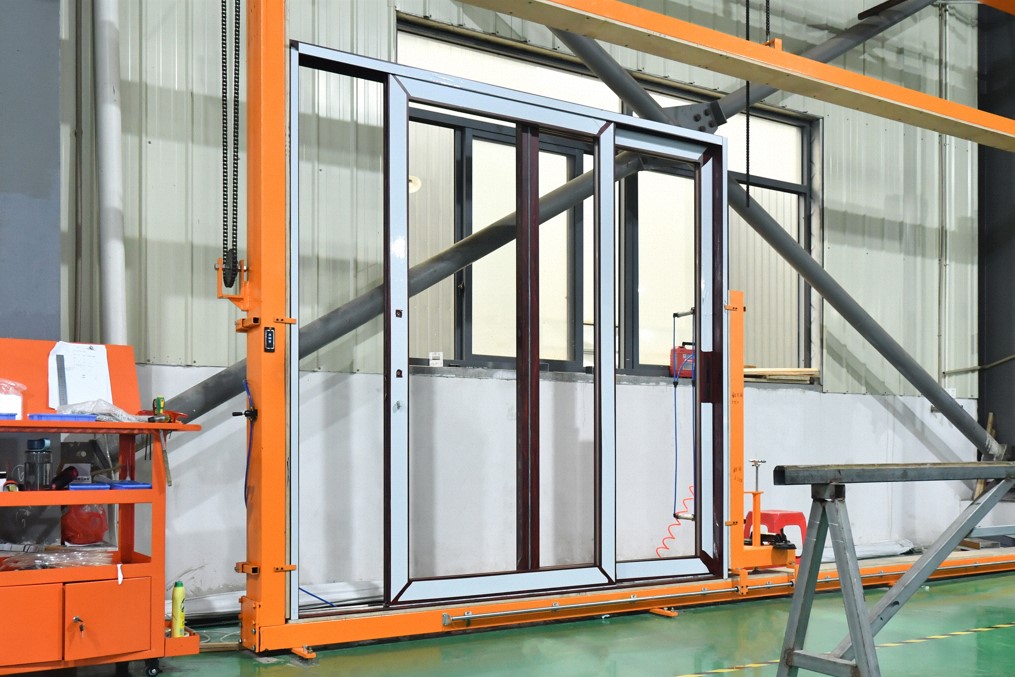
Automated Precision Manufacturing Sequence (19 Key Steps & Testing Nodes)

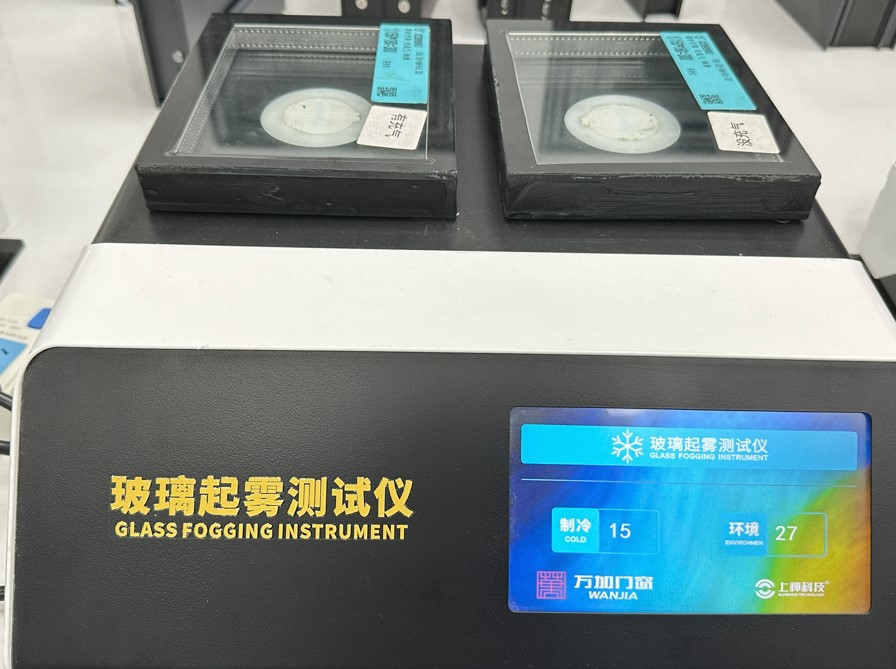
Every profile undergoes a standardized 19-stage process control flow—from CNC precision double-saw cutting to robotic corner welding and automated glass fogging testing.
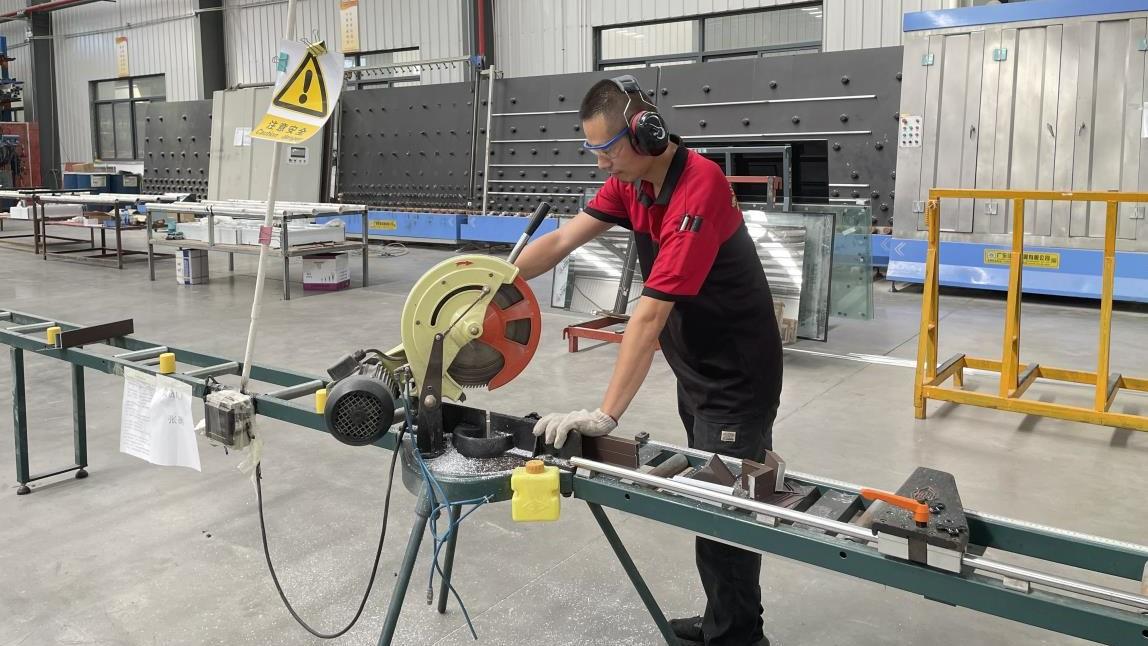
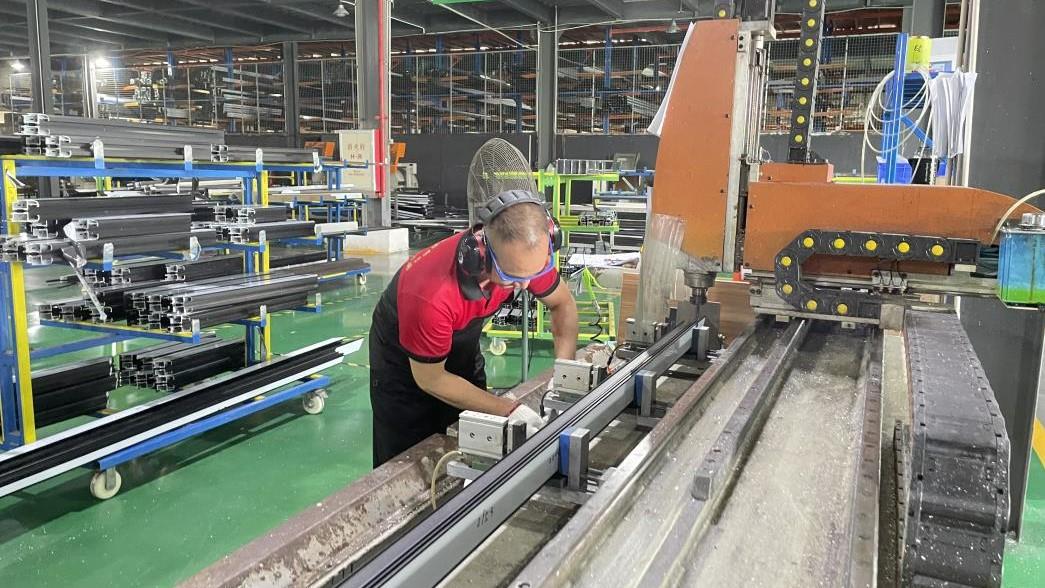
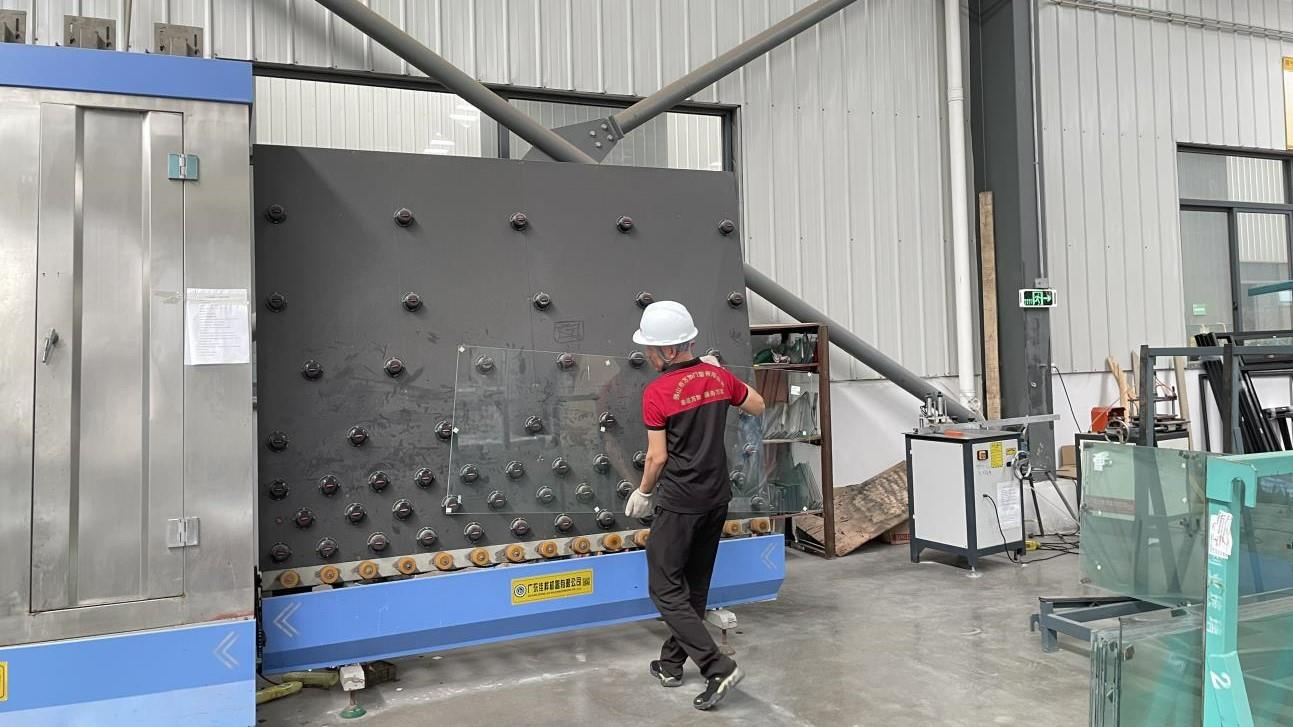
Internal Laboratory Quality Assurance & Verification Stations

R&D Horizon

Technology Roadmap & Engineering Innovations (2025–2035)

Anticipating next-decade energy mandates through material science, smart glass integration, and bio-based composite extrusion.

1. Calcium-Zinc (Ca-Zinc) & Bio-Attributed PVC Extrusion

To align with global RoHS directives and European Union REACH regulations, leading manufacturers are phasing out organotin and lead-based heavy metal stabilizers. The transition toward non-toxic Calcium-Zinc (Ca-Zn) stabilizer matrices, combined with bio-attributed vinyl polymers sourced from tall oil (a wood pulp byproduct), lowers embodied carbon by 40% while preserving high Vicat softening temperatures (>82°C) and tensile impact strength.

2. Multi-Chamber Polyurethane (PU) Foam Filling

Traditional hollow multi-chamber profiles rely on air pockets for thermal interruption. Advanced engineering roadmaps incorporate inline automated injection of low-density hydrophobic Polyurethane (PU) or expanded polystyrene (EPS) inserts within core internal chambers. This micro-cellular insulation barrier pushes overall profile thermal resistance to passive house certified levels ($U_f \le 0.75 \text{ W/m}^2\text{K}$).

3. Vacuum Insulated Glass (VIG) & Electrochromic Integration

As fenestration technologies converge with smart building management systems (BMS), vinyl frame sash designs are being modified to accommodate ultra-thin Vacuum Insulated Glass (VIG) units (8–10mm overall thickness with thermal performance matching triple glazing). Low-voltage wiring channels integrated directly inside vinyl frame extrusions facilitate dynamic Electrochromic (EC) glass tinting without compromising water tightness or structural warranties.

4. Structural Continuous Fiberglass Co-Extrusion (RAU-FIPRO)

To overcome the thermal expansion differential between PVC and steel reinforcements, R&D teams are pioneering fiber-reinforced vinyl composite profiles. By co-extruding continuous glass fiber threads into the profile core, frame stiffness increases dramatically, allowing large-scale architectural spans up to 2.8 meters in height without requiring heavy steel structural inserts, eliminating thermal bridges completely.

Fenestration Material Engineering Performance Matrix

Performance Index High-Spec Vinyl (uPVC) Thermal Break Aluminum Solid Architectural Wood
Thermal Conductivity ($K$-Value) 0.14 - 0.19 W/m·K (Superior) 2.5 - 4.5 W/m·K (Moderate) 0.13 - 0.15 W/m·K (High)
Frame U-Factor Range ($U_f$) 0.75 - 1.2 W/m²K 1.4 - 2.2 W/m²K 1.1 - 1.5 W/m²K
Saline / Coastal Corrosion Resistance Immune (100% Non-Metallic Surface) Requires Special Powder Coating Prone to Rot & Water Intrusion
Acoustic Attenuation (STC Rating) STC 34 - 45 (Fusion Welded Corners) STC 30 - 40 (Mechanically Fastened) STC 32 - 42
Maintenance Cycle & Refinishing Zero Refinishing Required Periodic Anodizing/Paint Touchups Refinish/Paint Every 3-5 Years
Institutional Procurement

Global Enterprise Sourcing Criteria & SCM Protocol

How commercial contractors, real estate developers, and wholesalers mitigate procurement risk when sourcing window systems from China factories.

Submittal Engineering & CAD/BIM Integration

Enterprise buyers require rapid submittal turnarounds. Tier-1 manufacturers provide fully configured Revit BIM models, 3D DWG installation details, and structural wind-load calculation reports. These submittal packages streamline architectural review boards, code compliance checks, and contractor submittal sign-offs prior to raw profile extrusion.

Heavy-Duty Export Packaging & Logistics Protection

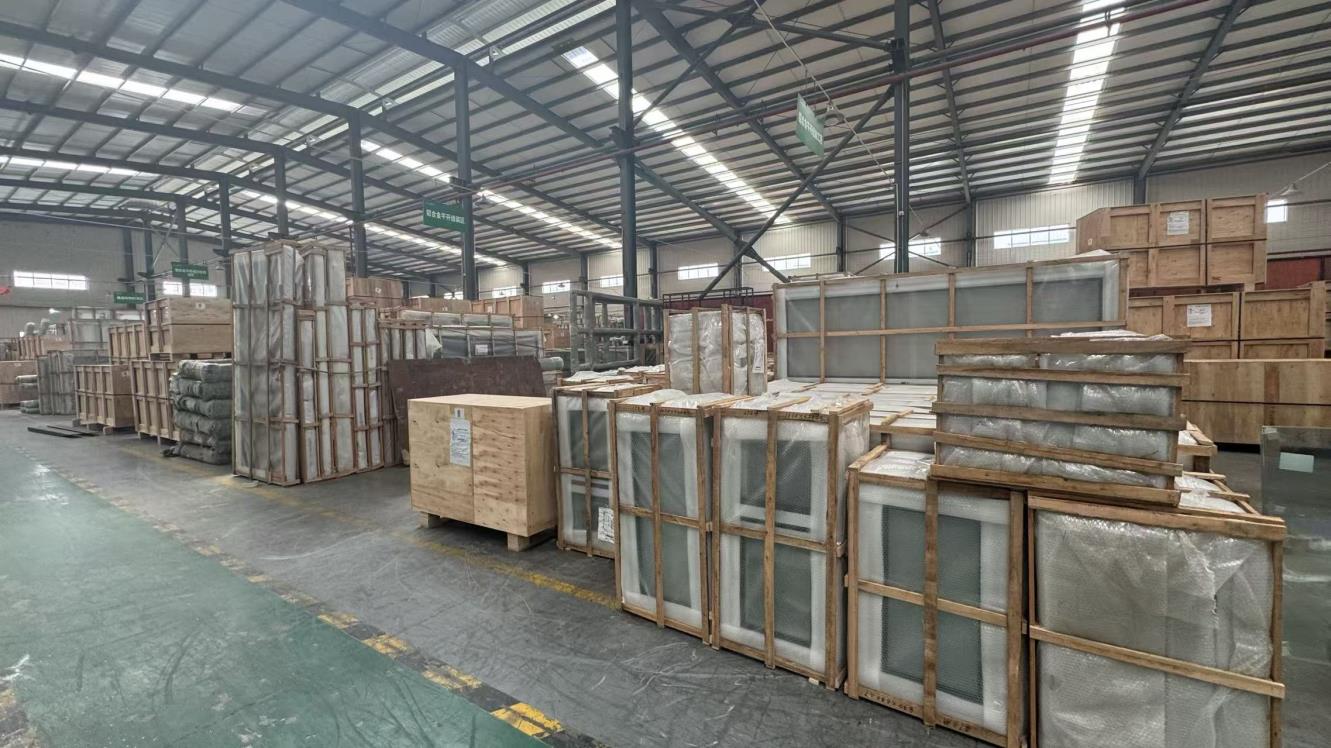
Breakage during maritime transport destroys project timelines. Institutional suppliers enforce export packaging standards: glass units covered with protective static peel-away film, corner protectors on all four sash points, frame bundles wrapped in moisture-barrier film, and full units locked inside custom A-frame steel or plywood crates built for forklift unloading on jobsites.

Raw Material Batch Traceability & Mill Test Certificates

Quality assurance relies on supply chain transparency. Factory 4.0 systems trace every lot of PVC powder, titanium dioxide, stainless steel hardware (SUS304/316), and sealant compounds back to raw material batch numbers. Mill Test Certificates (MTC) and glass tempering stress reports are logged for 10-year warranty coverage validation.

Global Regulatory Assurance

Localized Compliance, Certifications & Technical Field Support

Meeting hyper-local building code parameters across North America, Oceania, and the European Union.

North American Standards (NFRC, AAMA, Florida NOA)

For US and Canadian markets, vinyl window systems undergo rigorous simulation testing via the National Fenestration Rating Council (NFRC) to establish U-Factor, Solar Heat Gain Coefficient (SHGC), and Visible Transmittance (VT). Products engineered for coastal hurricane zones hold Florida Notice of Acceptance (NOA) and Texas Department of Insurance (TDI) approvals for cyclic pressure and missile impact loads.

Australian & New Zealand Mandates (AS2047, AS1288)

Fenestration exports to Oceania require strict compliance with AS2047 (Windows and External Glazed Doors in Buildings) and AS1288 (Glass in Buildings Selection and Installation). Testing parameters include deflection testing (under extreme wind pressure), air infiltration resistance, water penetration resistance (minimum 150 Pa to 600 Pa rating), and ultimate strength evaluation.

European Union Regulations (CE Marking, EN 12608)

European buyers enforce EN 12608 criteria for unplasticized polyvinylchloride (PVC-U) profiles for the fabrication of windows and doors, classifying profiles into Class A (outer wall thickness $\ge 2.8\text{mm}$) for structural longevity. Full CE marking compliance according to EN 14351-1 guarantees resistance to wind load, water tightness, acoustic isolation, and dangerous chemical non-off-gassing.

Specialized Systems Catalog

Architectural Vinyl & Hybrid Window Product Range

Select engineered window profiles optimized for high-density multi-family development, residential luxury villas, and hotel construction.
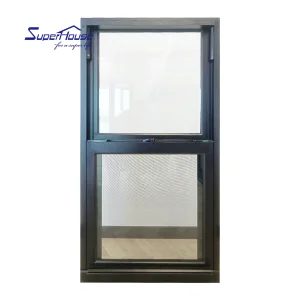
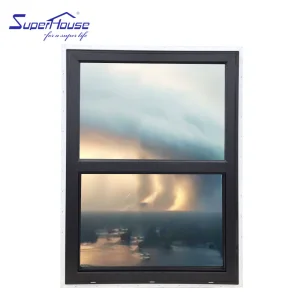
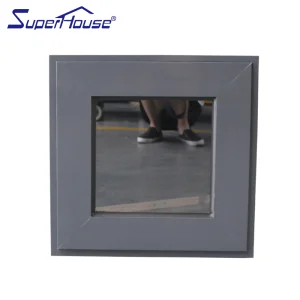
Custom Size Black Vinyl Single Hung Window with Double Glazing for Home
Request Commercial Quote
Custom Size NFRC NOA FPA AS2047 Certificated House Vinyl Double Hung Window with Double Glazed
Request Commercial Quote
10 years warranty Hurricane Proof NFRC NOA FPA AS2047 Hotel vinyl double Hung aluminum Window for villa and house
Request Commercial Quote
Thermal Insulation Hurricane Proof NFRC NOA FPA AS2047 Hotel vinyl double Hung Window With Good Quality and 10 years warranty
Request Commercial Quote
NFRC Certified Upvc Double Glazed windows Impact Resistant in Swing Casement windows
Request Commercial Quote
White and Black Vinyl Hung Window with Nail Fin Girds and Nfrc Certification Single Hung Casement Window
Request Commercial Quote
NFRC Certified Vinyl windows American Style Black Upvc Double Glass Casement Window for House
Request Commercial Quote
American Style Sliding PVC Vinyl Windows and Doors with Folding Screen Louver Double Glazed Energy Efficient on Sale
Request Commercial Quote
Knowledge Base

B2B Technical & Procurement Q&A (Frequently Asked Questions)

Direct answers to crucial technical, engineering, and supply chain queries encountered by professional fenestration buyers.

Q1: What structural internal reinforcements are implemented in high-span vinyl window profiles to prevent deflection under wind load?
For architectural vinyl window sashes exceeding standard residential dimensions (e.g., height > 1800mm or width > 1200mm), internal main chambers are retrofitted with hot-dip galvanized steel reinforcements ($1.5\text{mm}$ to $2.5\text{mm}$ wall thickness) conforming to ASTM A653. The steel profiles are mechanically secured to the vinyl chamber via self-tapping fasteners spaced at maximum $300\text{mm}$ intervals, keeping frame structural deflection within $L/175$ or $L/240$ under design pressures up to 60 PSF (Design Pressure DP60).
Q2: How do vinyl windows compare to thermal-break aluminum windows in cost-per-U-factor efficiency?
Vinyl windows consistently deliver a superior cost-to-thermal-performance ratio. Achieving a whole-window U-factor of $0.20 \text{ BTU/hr-ft}^2\text{-°F}$ ($1.14 \text{ W/m}^2\text{K}$) with thermal-break aluminum requires expensive polyamide isolation strips ($24\text{mm}+$ width) and specialized triple-silver Low-E IGU configurations, driving material costs up by 35%–50%. Vinyl profiles achieve identical or lower U-factors standardly due to the natural insulation properties of PVC, resulting in significant cost savings per square meter of window opening.
Q3: What chemical additives are utilized to prevent yellowing, chalking, and brittleness in high-UV operational environments?
To withstand continuous UV degradation in high-irradiance regions (such as Australia, the US Sunbelt, or the Middle East), our vinyl profile formulations incorporate 9–12 parts per hundred resin (phr) of Rutile Titanium Dioxide ($\text{TiO}_2$) combined with Hindered Amine Light Stabilizers (HALS) and acrylic impact modifiers. This compound structure absorbs UV radiation and dissipates it as heat, preventing polymer chain scission, yellowing (Delta E < 2.0 over 15 years), or loss of impact toughness under ASTM D4216 criteria.
Q4: What corner welding technology is utilized, and how does it affect water tightness and frame shear strength?
Sash and frame corners are fabricated using automated 4-point CNC fusion welding machines operating at $240^\circ\text{C}$ to $250^\circ\text{C}$. This process melts profile miter cuts into a homogenous continuous joint, yielding corner break forces exceeding 3,000 N (far above EN 514 standard requirements). Unlike mechanically jointed aluminum frames that rely on gaskets and silicone sealants which degrade over time, fusion-welded vinyl corners provide permanent, 100% water-tight corner seals.
Q5: Can vinyl windows accommodate specialized architectural finishes and dual-color lamination?
Yes. Modern vinyl profiles are no longer restricted to traditional white extrusions. Using high-durability exterior acrylic lamination foils (such as Renolit or Hornschuch), vinyl frames can be configured in solid matte tones (Bronze, Anthracite Grey, Jet Black) or realistic woodgrain textures (Golden Oak, Walnut). Co-extrusion technology also enables dual-color configurations—matching dark exterior architectural cladding while maintaining neutral white finishes inside interior living spaces.
Q6: How are acoustic insulation ratings (STC / OITC) maximized in vinyl window units for urban multi-family developments?
Acoustic performance is optimized through asymmetric double or triple glazing combinations paired with warm-edge composite spacer bars and dual-density EPDM/TPE weatherstripping gaskets. By pairing glass panes of varying thicknesses (e.g., $6\text{mm}$ exterior glass + $12\text{mm}$ Argon gap + $8.76\text{mm}$ Acoustic PVB laminated interior glass), sound wave resonance is disrupted, achieving Sound Transmission Class (STC) ratings between STC 38 and STC 43, ideal for hospital, hotel, and highway-adjacent developments.
Q7: What lead times, MOQ thresholds, and custom extrusion capabilities apply for OEM B2B orders?
Standard OEM production lead times range from 20 to 35 days post-submittal drawing approval. Minimum Order Quantities (MOQ) typically start at 1x20ft FCL (approx. 200–300 window units depending on dimensions). For large-scale real estate projects requiring proprietary profile geometries, our R&D department provides custom extrusion die tooling, delivering working profile samples within 21 days of initial CAD sign-off.
All Vinyl Windows&Doors Products