Architectural Grade Thermal-Break Aluminum Systems, Low-E Precision Glazing & Global OEM/ODM Engineering Solutions
High-performance architectural window systems designed for modern residential, commercial, and high-rise developments worldwide.
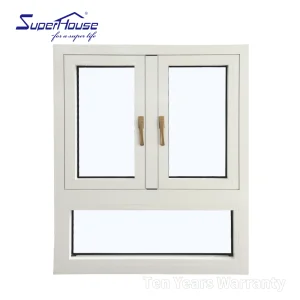
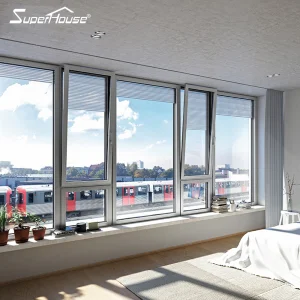
Analyzing thermal efficiency demands, minimalist architectural trends, and structural glass dynamics in modern facades.
Strict energy conservation codes across North America mandate U-factors below 0.22 BTU/h·ft²·°F. Combined with NFRC testing and Miami-Dade Notice of Acceptance (NOA) for hurricane impact resistance, slim profile casement systems must balance structural deflection limits with ultra-thin sightlines.
Driven by the EU Energy Performance of Buildings Directive (EPBD), European architects prioritize zero-carbon manufacturing, high recycle rates of 6060-T6 aluminum alloys, and multi-chamber polyamide thermal break designs capable of Passive House certification (Uw ≤ 0.8 W/m²K).
Fenestration systems operating in GCC regions face surface frame temperatures exceeding 75°C. Structural silicone glazing (SSG) combined with specialized solar-control Low-E coatings prevent thermal expansion fatigue and seal failure under extreme thermal cyclic stress.
Information Gain Insight: Modern slim profile casement windows are no longer merely aesthetic envelope treatments. By integrating high-density PA66-GF25 polyamide thermal barriers with argon-filled triple insulating glass units (IGU), engineers achieve up to a 42% reduction in envelope HVAC thermal loads compared to legacy standard aluminum profiles.
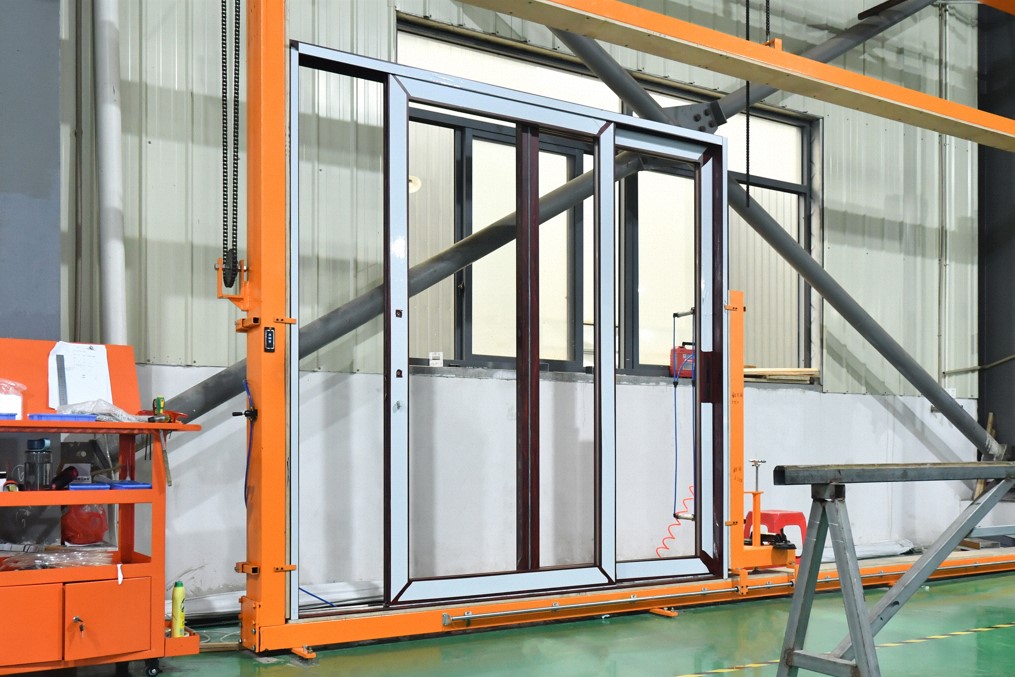
Achieving ultra-narrow frame sightlines (<25mm visible profile) requires advanced structural physics, precision alloy tempering, and optimized moment of inertia (Ix/Iy) calculations to withstand maximum wind loads (up to 5000 Pa) without structural deflection exceeding L/175.
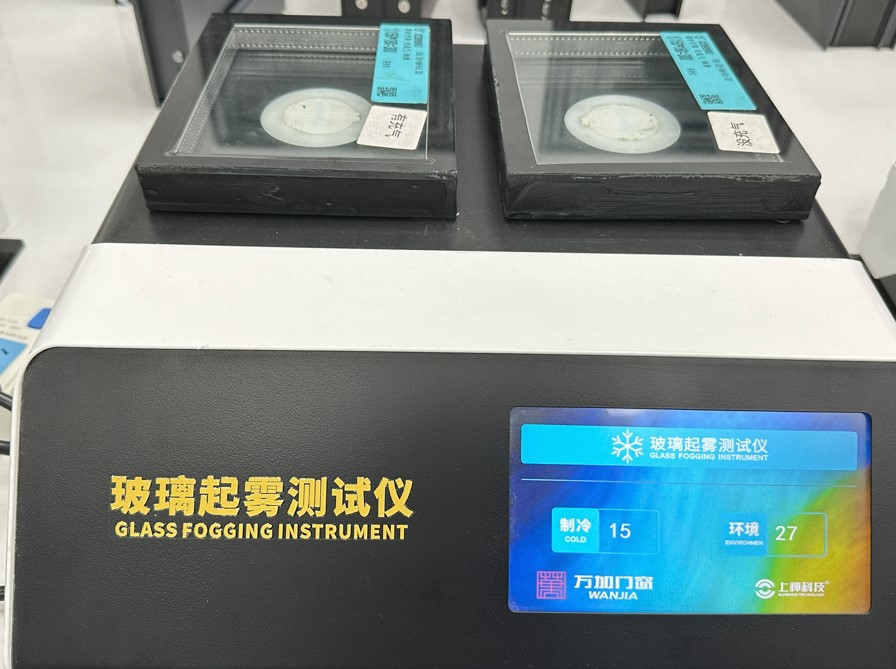
Standard aluminum is highly conductive (thermal conductivity ~200 W/mK). Slim casement profiles manufactured by Fortisdor utilize structural PA66-GF25 (25% fiberglass reinforced polyamide) strips that isolate outer and inner profile extrusions. This reduces the thermal transfer rate to less than 0.3 W/mK across the window bridge, mitigating interior condensation risk during severe freeze-thaw cycles.
Narrow sightlines concentrate heavy glass dead loads onto localized sash corners. By employing 304/316 stainless steel multi-point friction hinges and heavy-duty locking gear, Fortisdor slim casements sustain sash weights up to 180kg while maintaining effortless operating forces (<20N to initiate sash motion) under extreme wind pressure.
Architectural grade T6 alloy extrusion exceeding GB/T 5237 & ASTM B221 standards.
Asymmetric laminated glass configuration attenuates low-frequency urban sound waves.
Triple EPDM continuous weatherstripping seals prevent driven rain penetration.
Exceeds ASTM E283 air tightness benchmarks for commercial skyscraper facades.
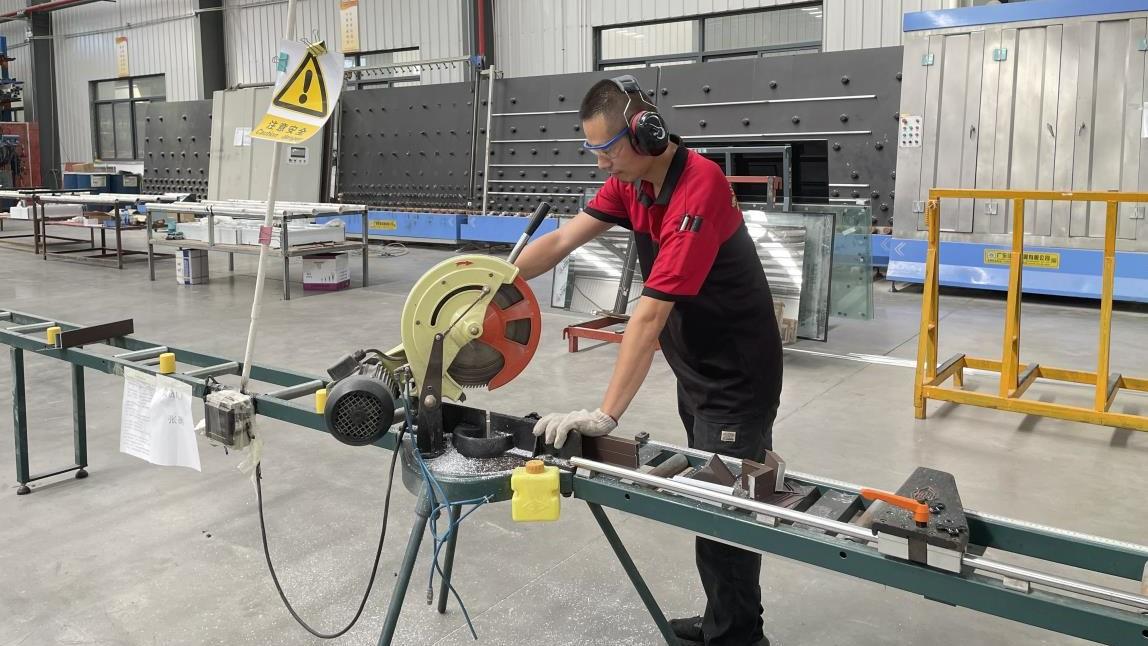
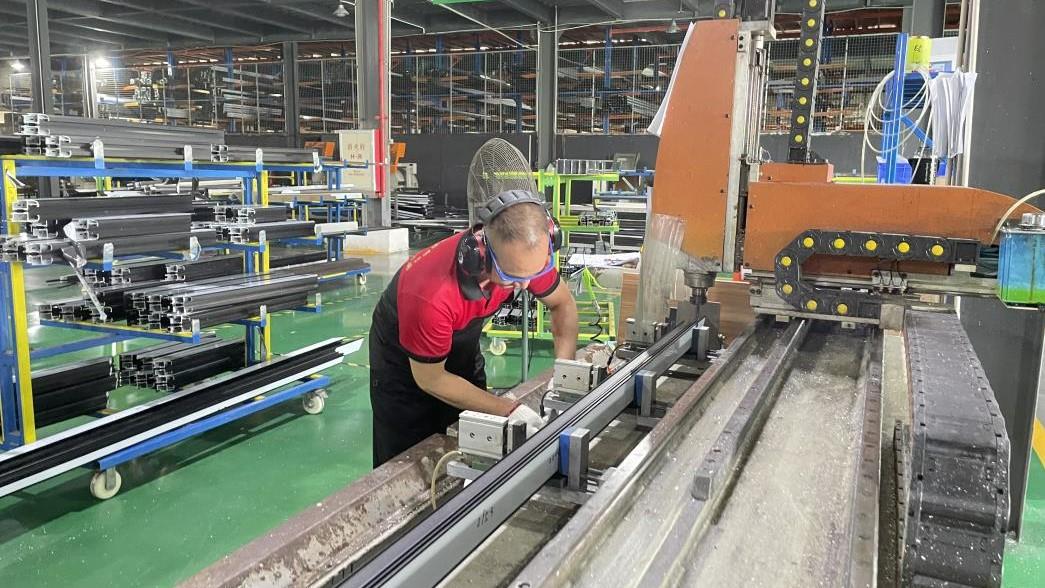
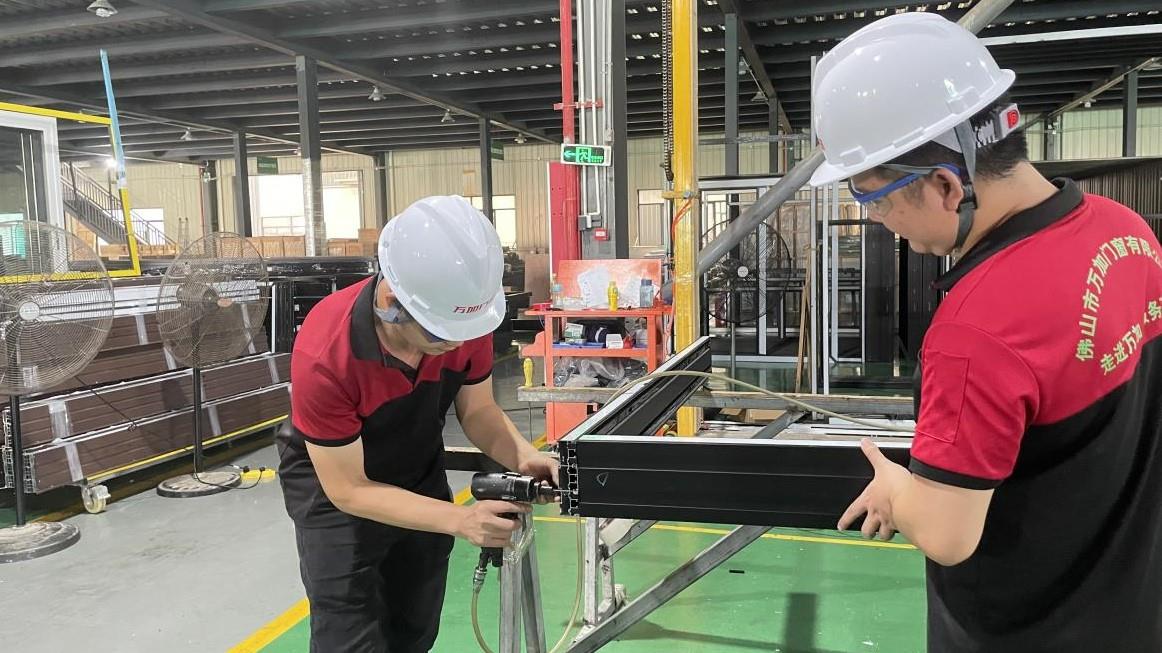
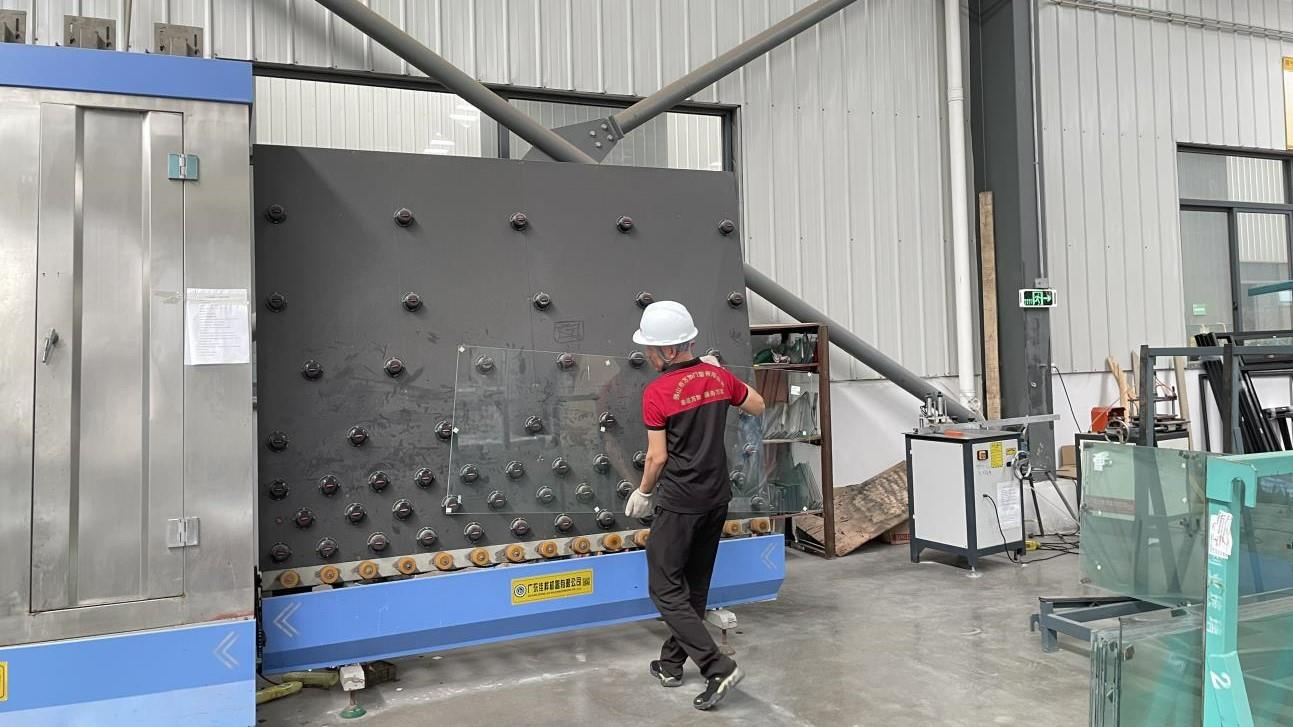
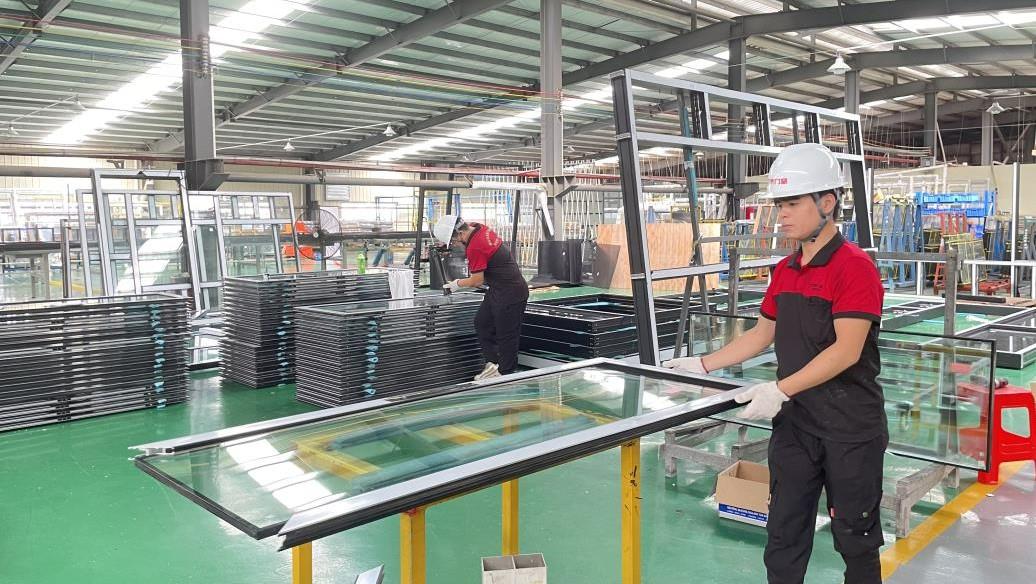
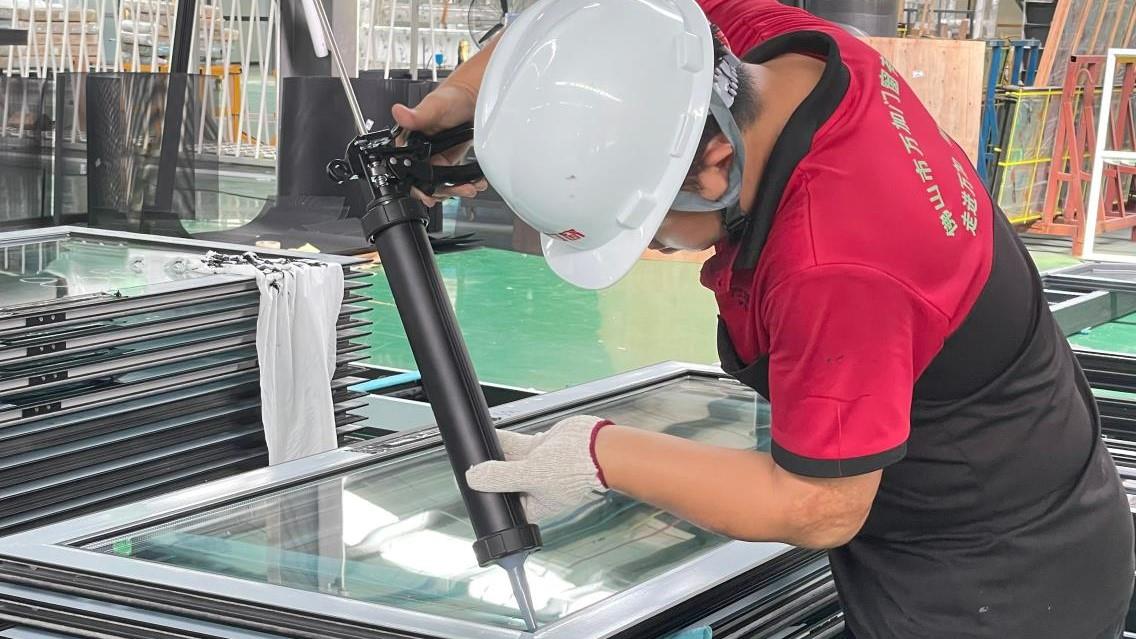
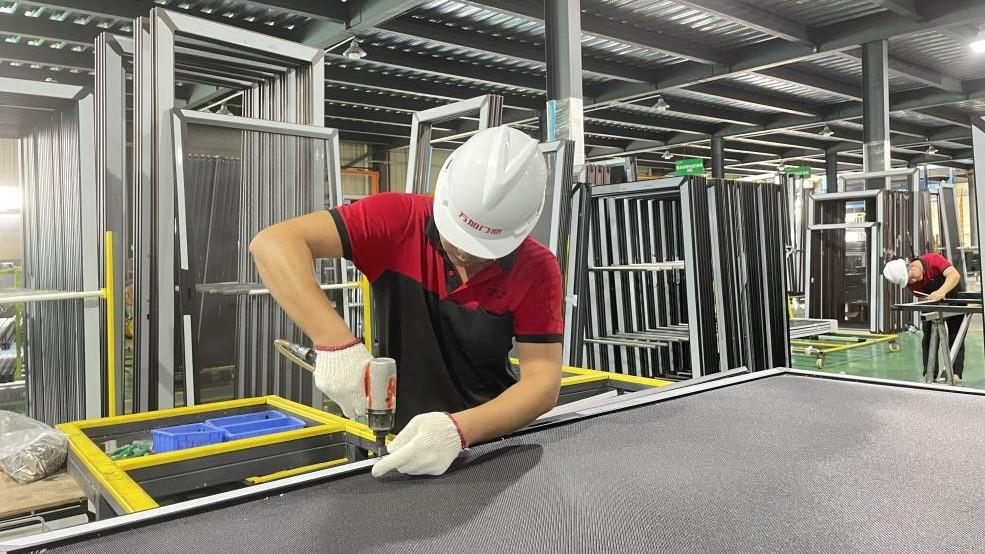
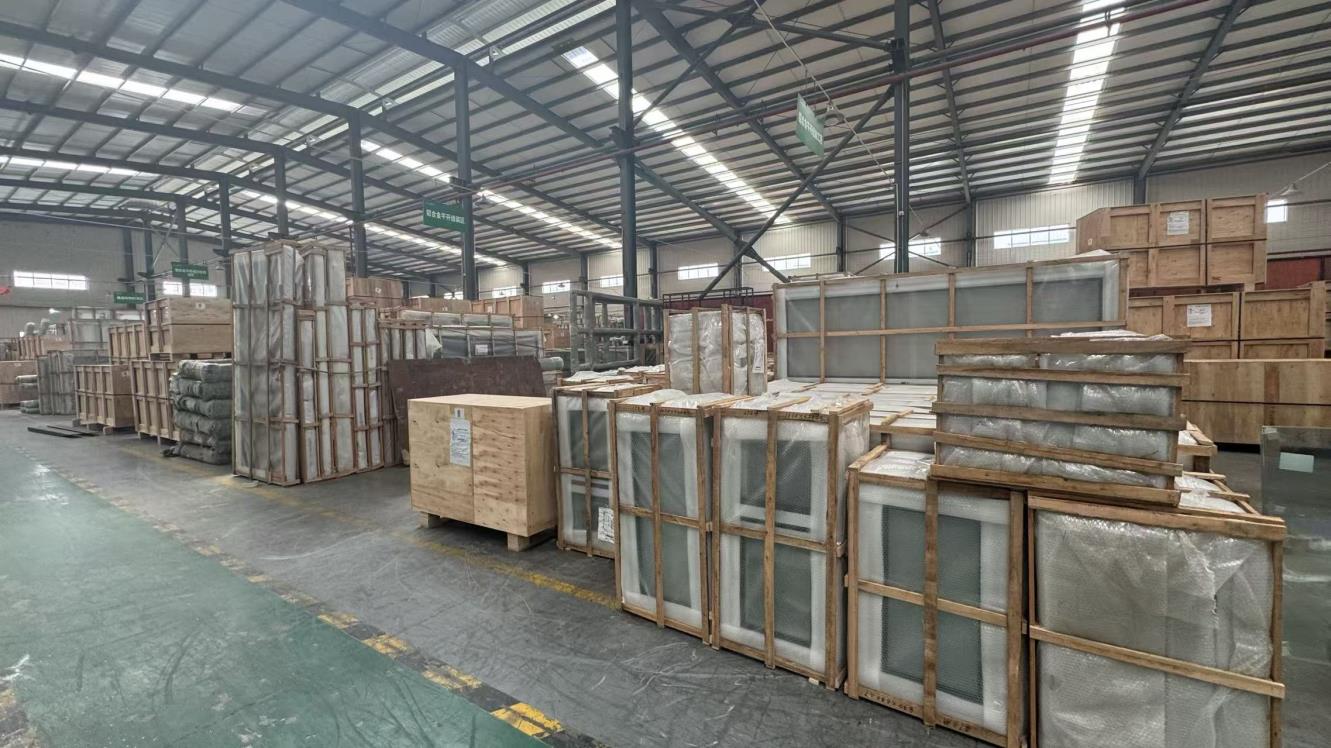
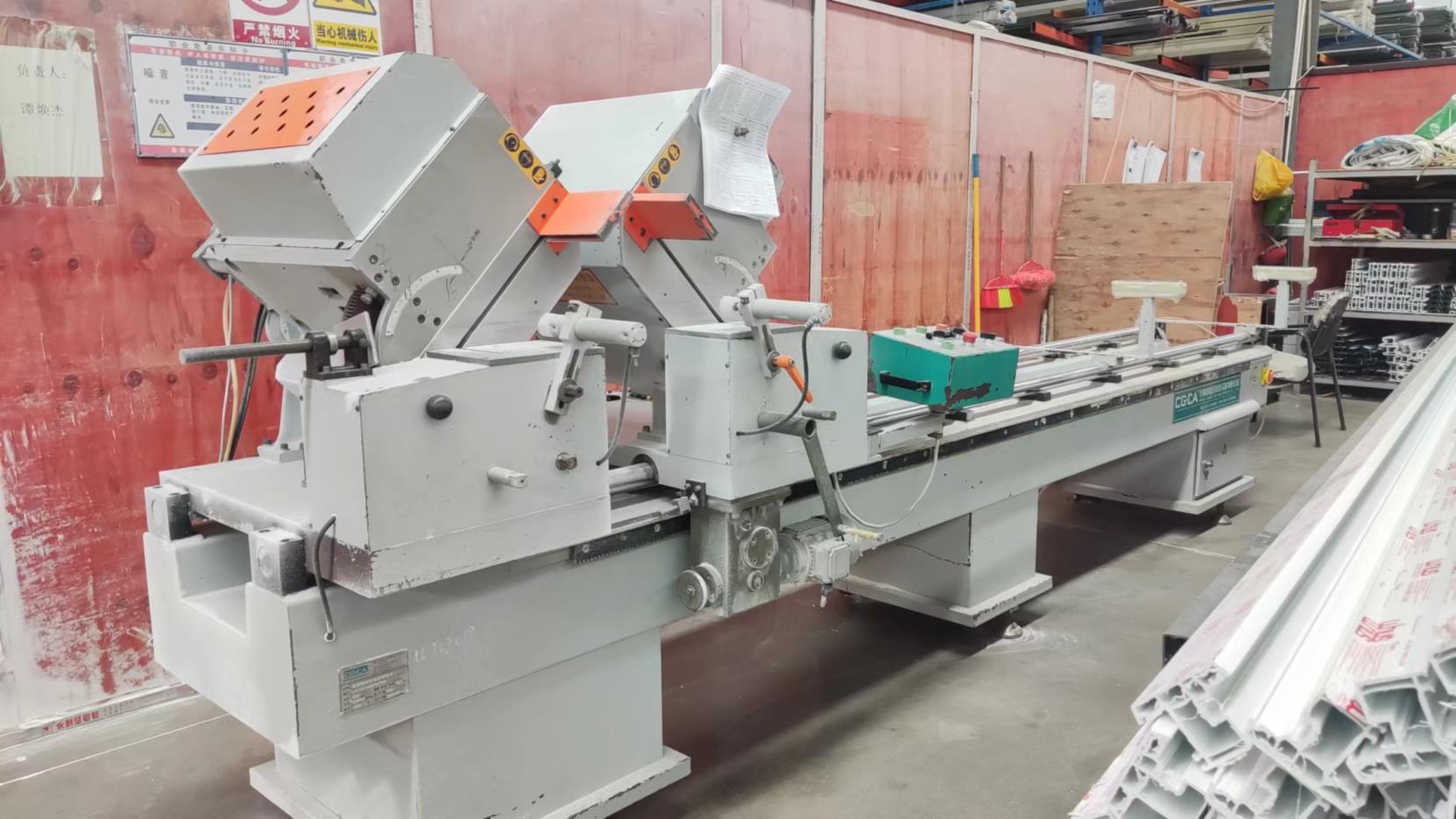
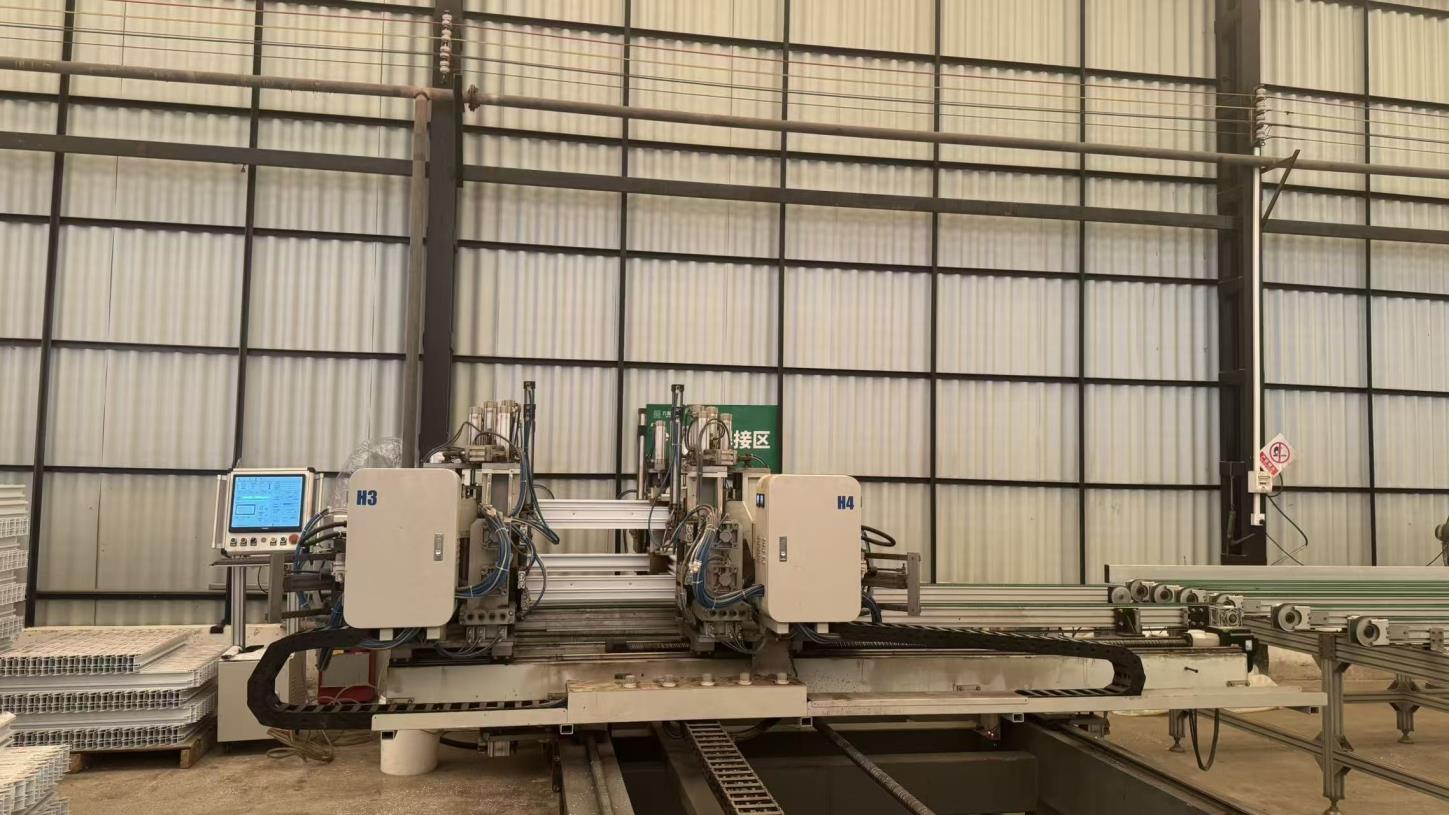
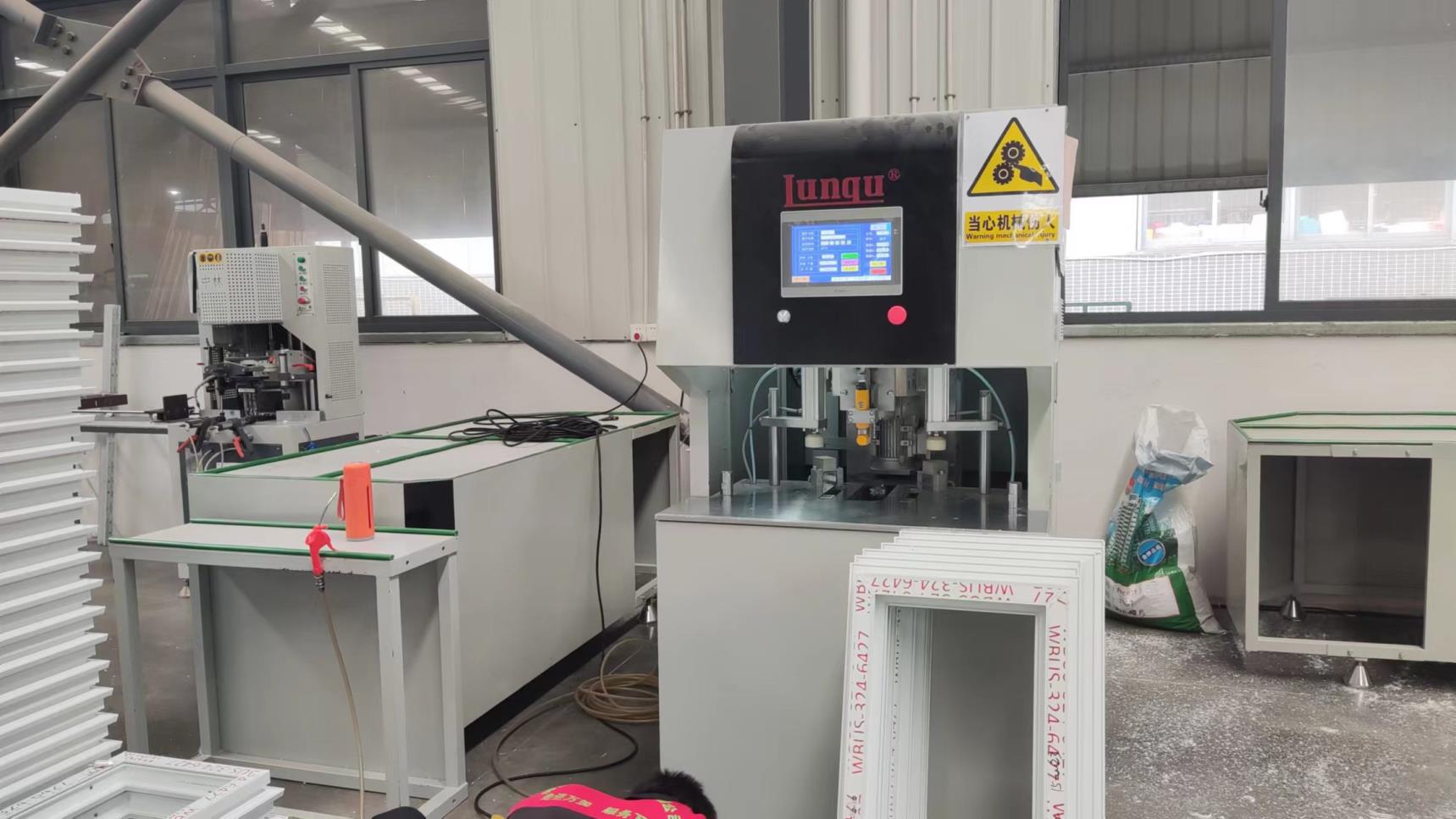
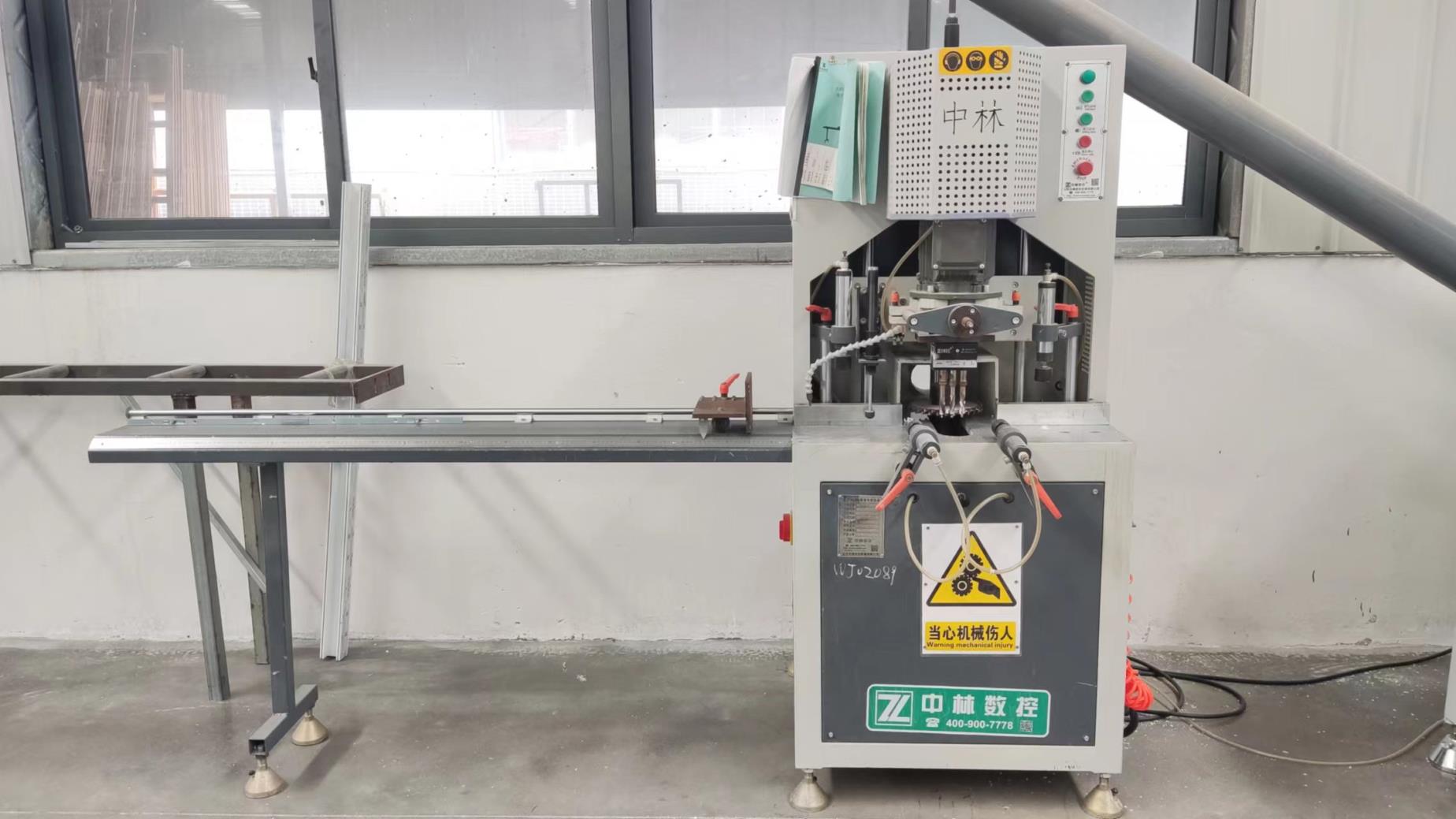
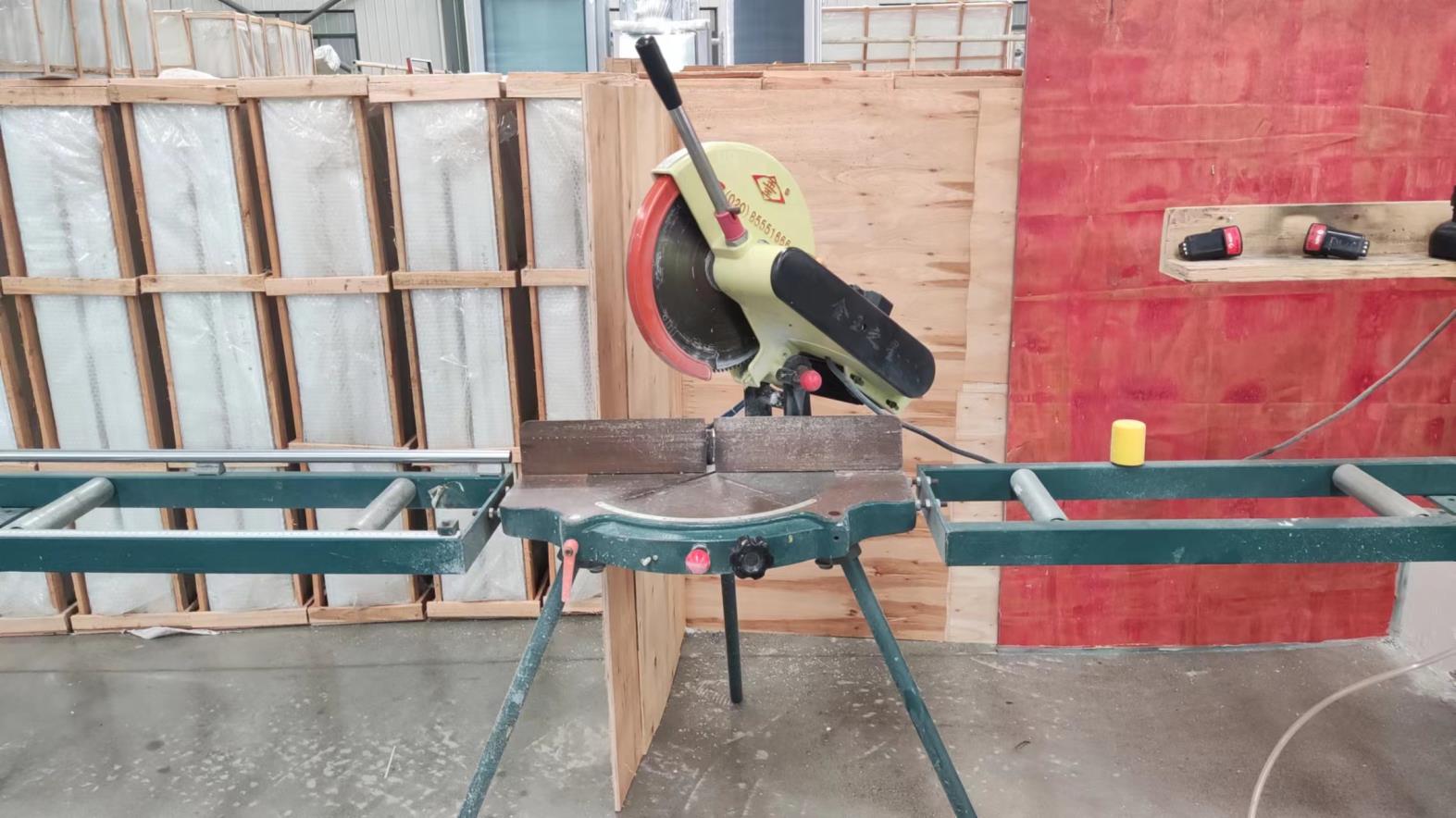
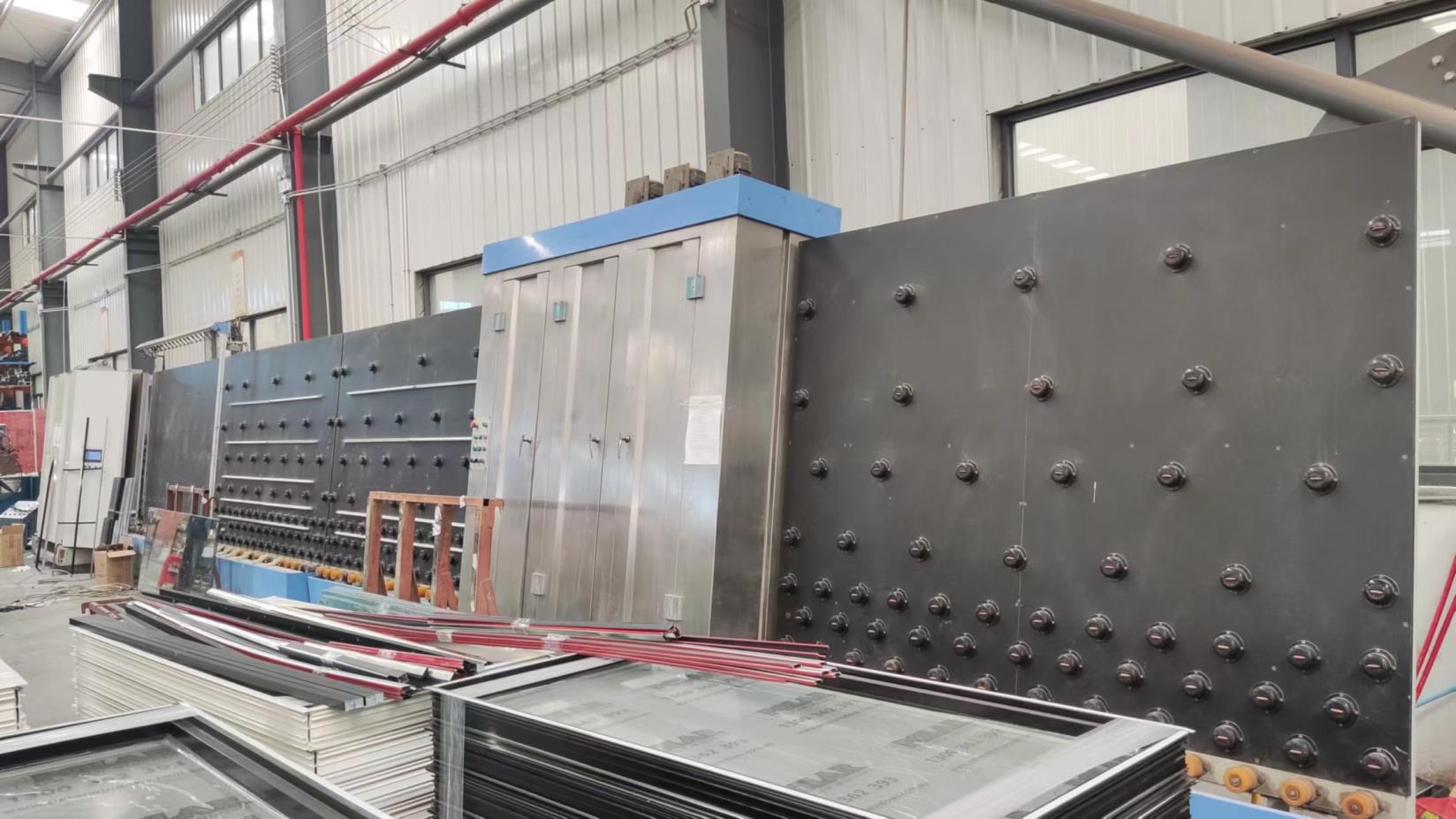
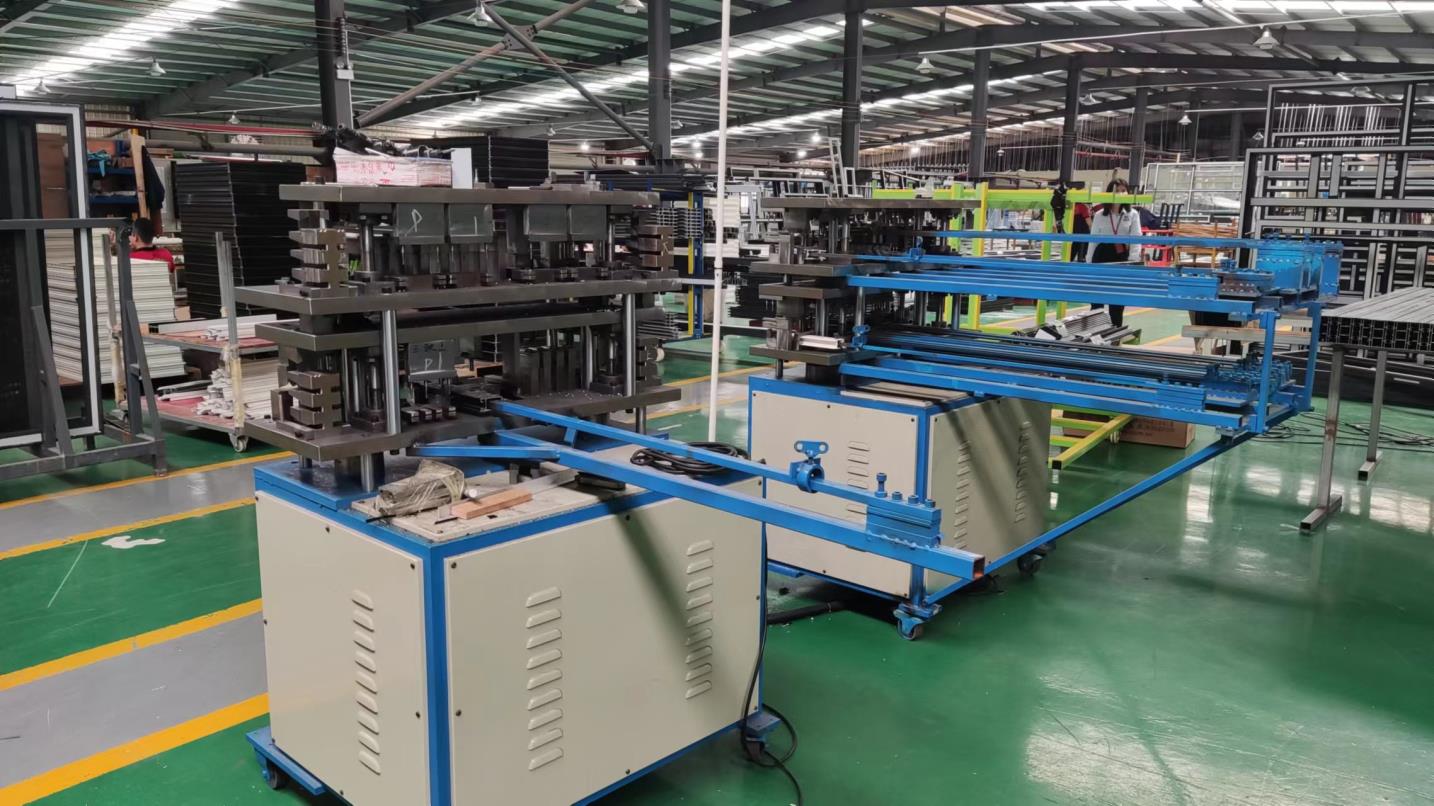
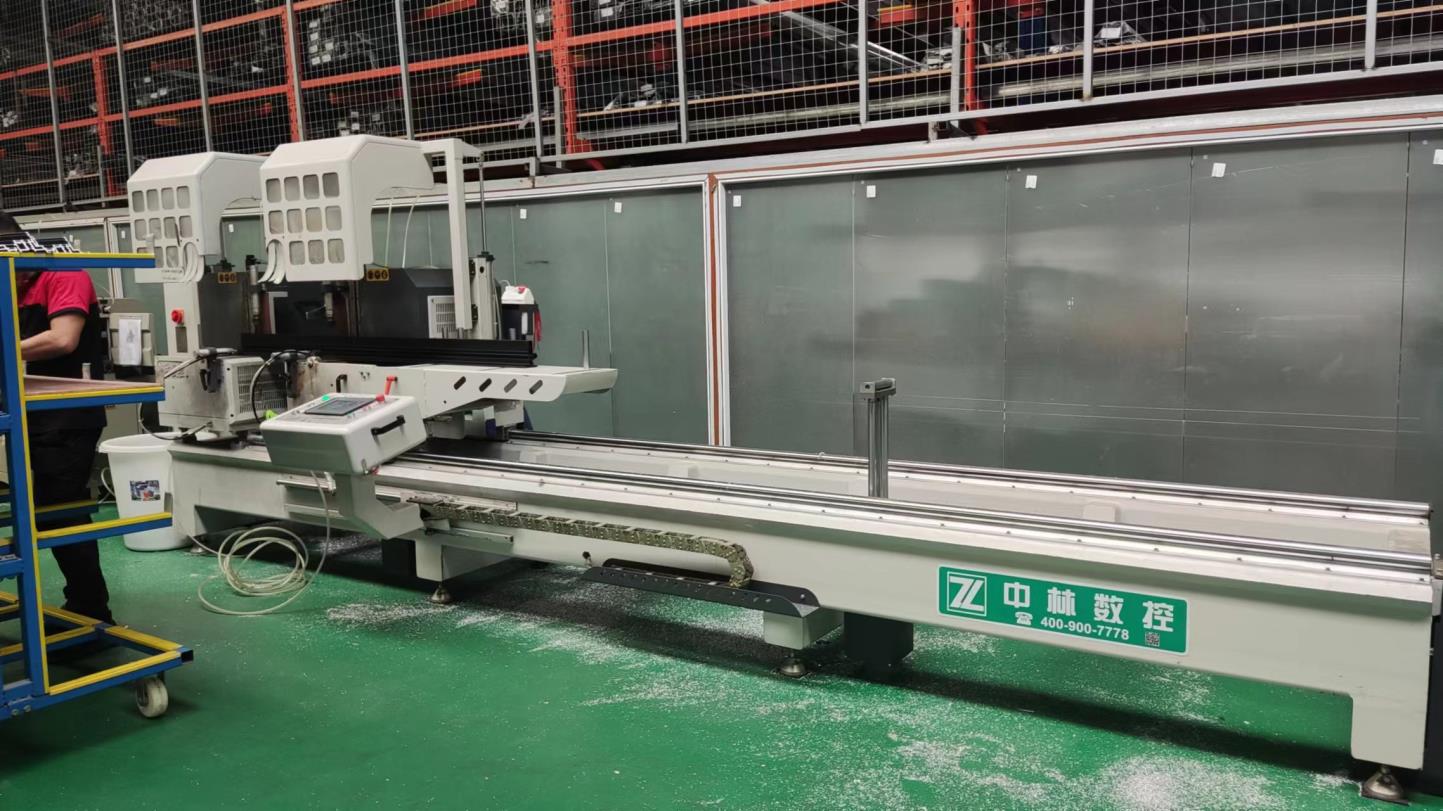
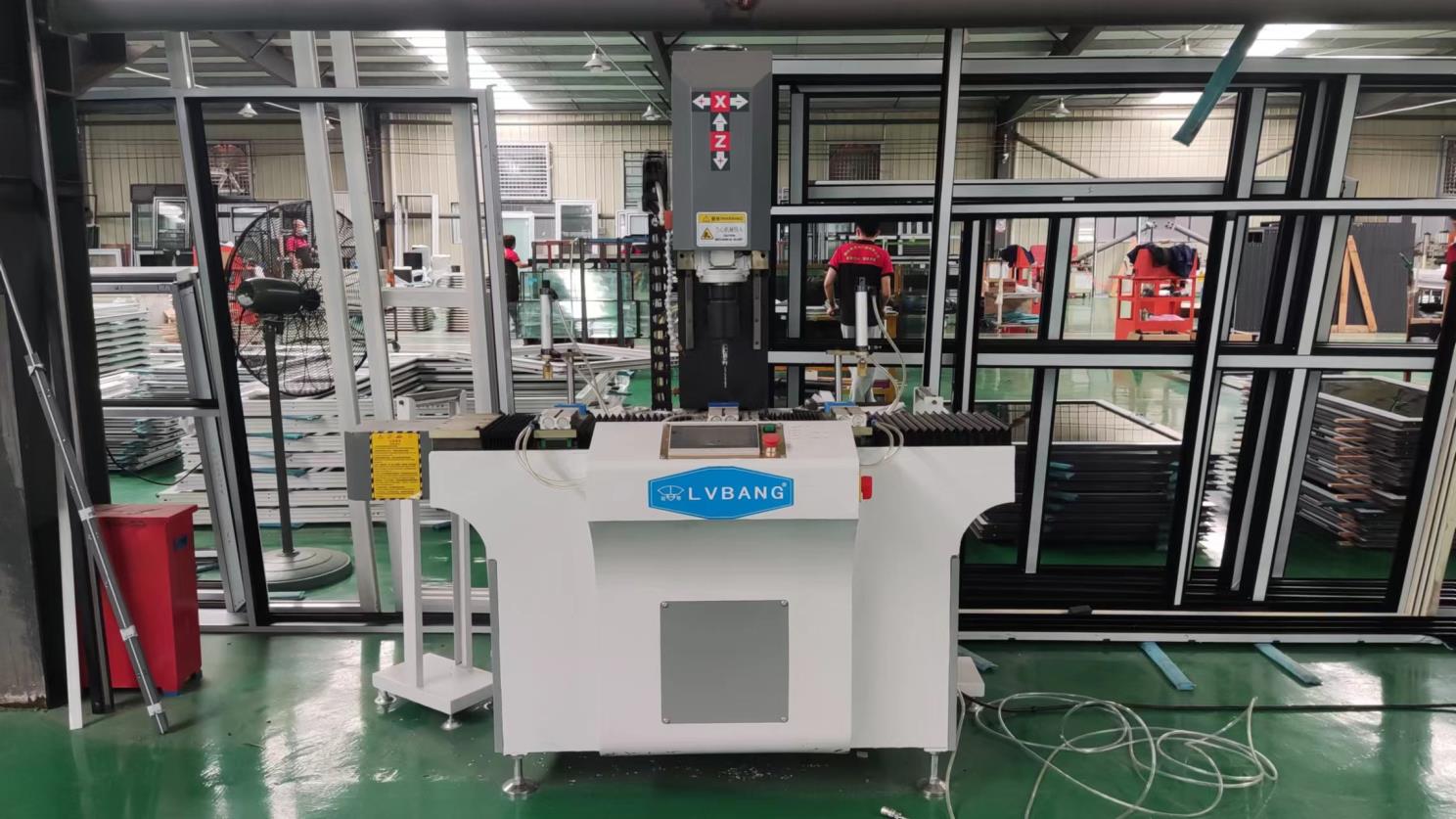
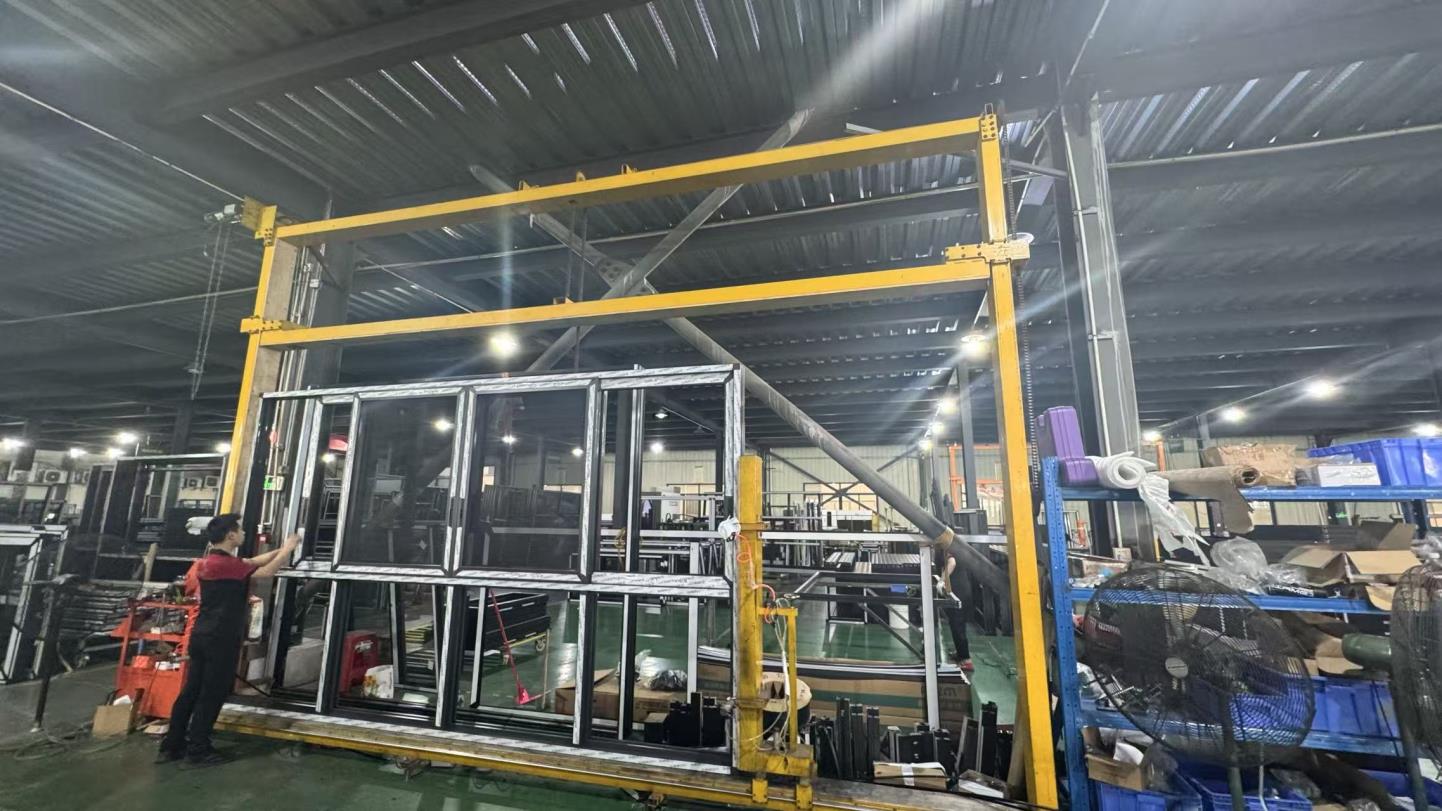
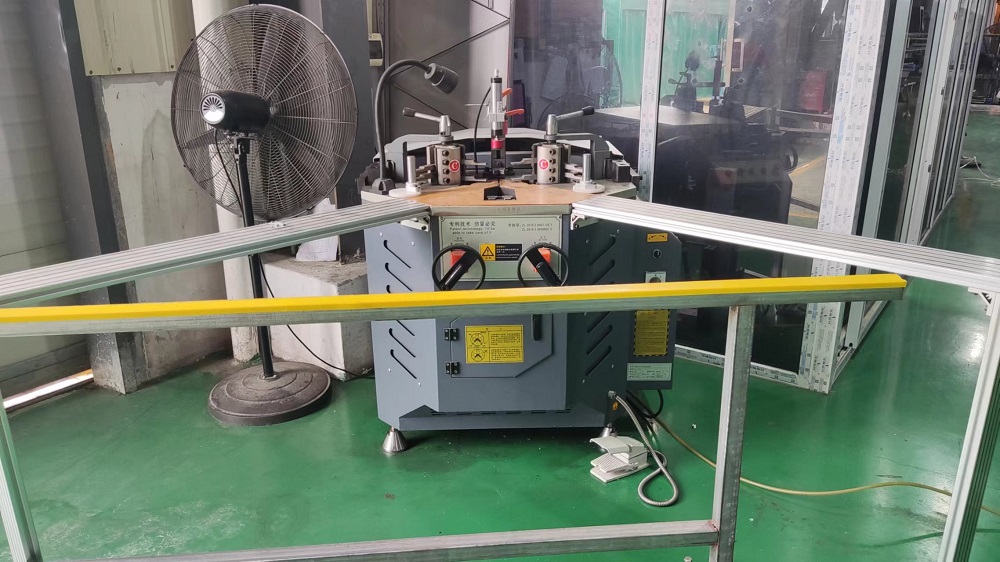
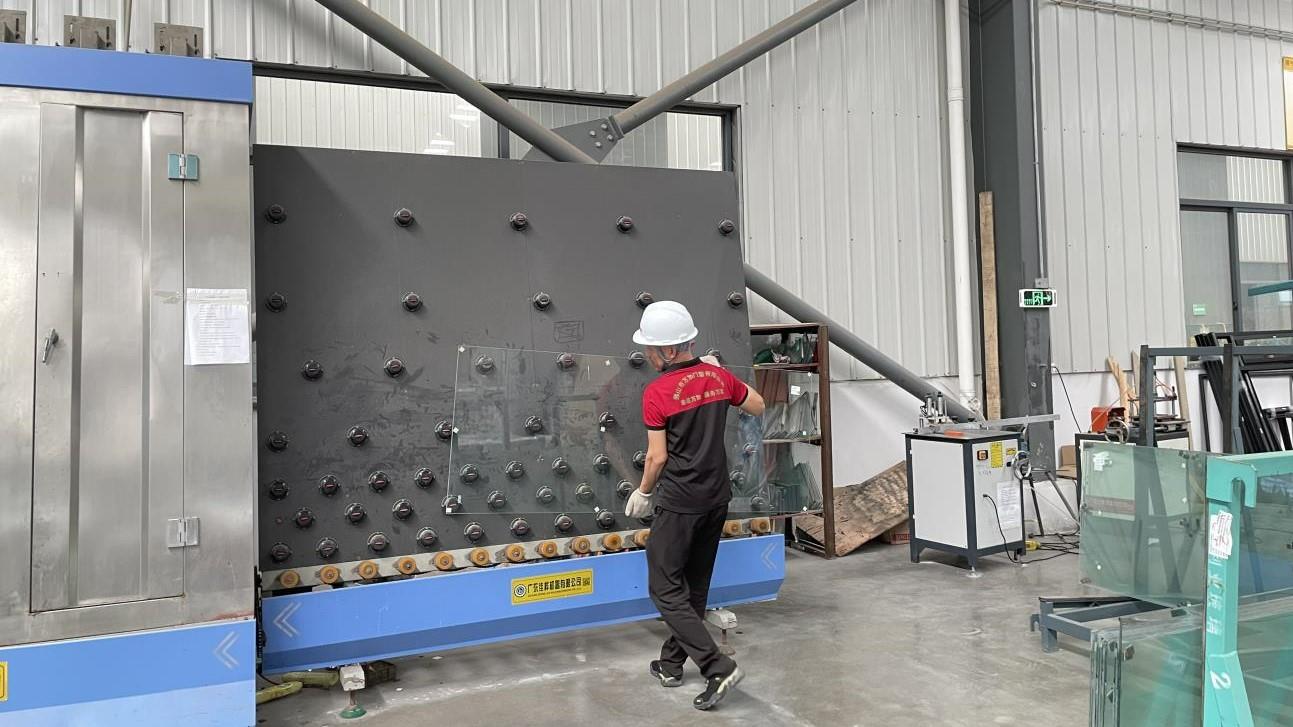
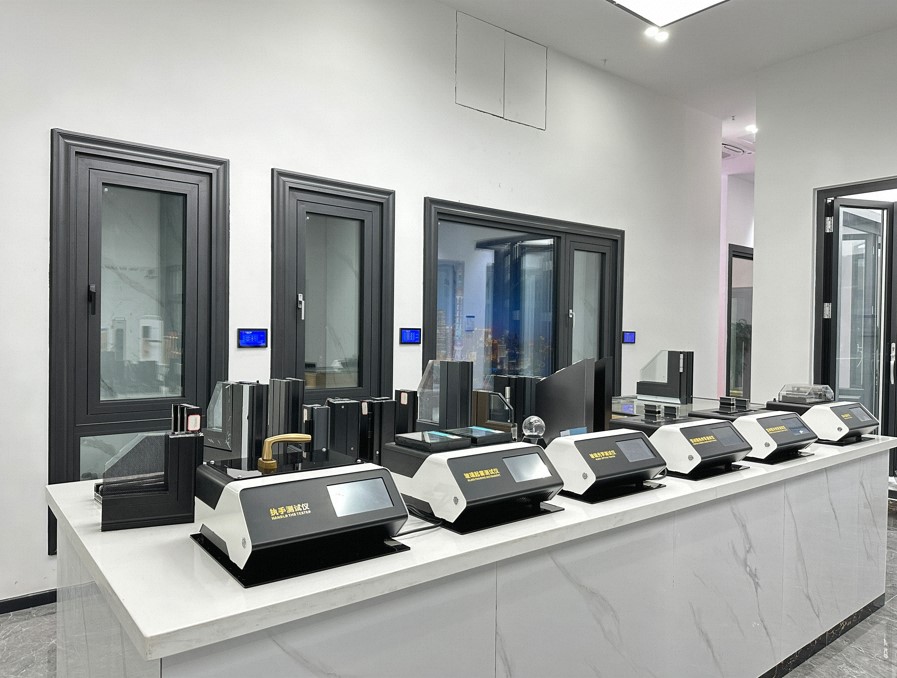
Established in 2004, Fortisdor Security Doors Co., Ltd. operates state-of-the-art automated CNC profile cutting, angle crimping, and glass assembly lines with 40 certified QC inspectors enforcing multi-stage quality control.
With 20 years of fenestration engineering expertise and 8 years of international export experience yielding $22 million in annual export revenue, Fortisdor serves real estate developers, commercial contractors, and architectural distributors across North America, Europe, and the Middle East. Our 50 R&D engineering professionals introduced 140 customized door and window systems last year alone.
Engineered for high-wind coastal zones, luxury suburban villas, and urban acoustic insulation environments.
Utilizing Miami-Dade approved large missile impact glass (0.090 SGP interlayer laminated glass) coupled with heavy-duty multi-locking gear. Designed to withstand wind load pressures up to +100/-100 PSF under ASTM E1886/E1996 cyclic pressure testing.
Tri-pane Argon gas units featuring Low-E coatings on surface #2 and #5 deliver U-values down to 0.14 BTU/hr·ft²·°F. Integrated warm-edge composite spacers prevent perimeter thermal bridging and condensation ice buildup.
Slim 16mm frame sightlines maximize daylight harvesting while integrating smart electrochromic glass tinting and hidden motorization systems controlled via smart home IoT protocol (Zigbee/Matter).
Transitioning from standard gas-filled dual IGUs to 8.3mm ultra-thin Vacuum Insulated Glass units. VIG provides an extraordinary R-value of R-12 (U-value ~0.08 W/m²K), matching solid insulated wall performance within a fraction of the frame depth.
Developing fluoropolymer powder coating formulas infused with graphene nanoparticles to achieve C5-M extreme marine corrosion resistance (over 5,000 hours salt spray endurance test without blistering).
End-to-end support ranging from custom CAD/BIM modeling to jobsite delivery logistics and code compliance verification.
Our 50 engineering professionals provide fully parametric Revit BIM models and detailed Shop Drawings including structural wind load anchor calculations tailored to local structural engineers' requirements.
Leveraging a network of over 950 certified supply chain partners, Fortisdor ensures continuous access to primary virgin aluminum billet, premium European hardware (Roto, Hoppe, Siegenia), and world-class glass sheets (PPG, Saint-Gobain, AGC).
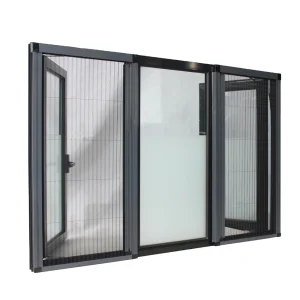
Complete customization options including multi-point electronic facial recognition lock systems, hidden concealed hinges, motorized tilt-and-turn operators, custom anodized/powder finishes, and integrated roll-up insect screens.
Expert insights covering structural integrity, glass specification, thermal performance, and global compliance testing.
Strength is achieved by utilizing high-tensile 6060-T6 aluminum alloys with reinforced profile wall thicknesses (up to 2.2mm) and optimizing profile depth (70mm to 90mm system depth). Structural silicone bonding (SSG) integrates the glass unit directly with the aluminum sash, allowing the glass itself to act as a structural load-bearing diaphragm.
Our casement products are rigorously tested to comply with AS2047 (Australian standard for windows and doors), NFRC thermal performance standards (USA), Miami-Dade NOA hurricane impact protocols, and CE building product directives across Europe.
Depending on glazing configuration (double Low-E vs. triple Low-E with Krypton/Argon fill), whole-window U-values range from 1.2 W/m²K (0.21 BTU/h·ft²·°F) down to Passive House compliant 0.75 W/m²K (0.13 BTU/h·ft²·°F).
Our team of 40 certified QC inspectors enforces a multi-tier QA protocol: raw material chemical composition analysis, automatic profile cut angle validation, 100% corner joint crimping strength checks, automated glass washing purity testing, and salt-spray corrosion chamber testing.
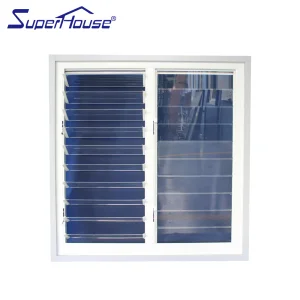
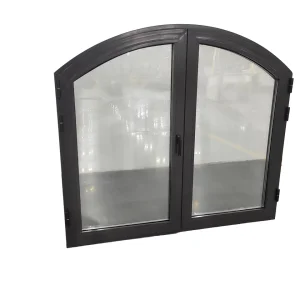
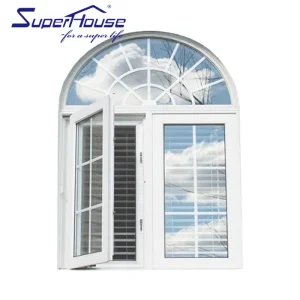
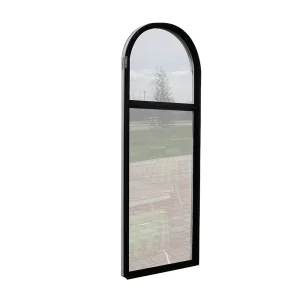
Yes, our 50-engineer strong R&D department specializes in custom designs including arched top frames, half-casement combinations, integrated louver systems, and custom surface finishes such as PPG Qualicoat Class 2 powder coating, fluorocarbon PVDF, and realistic anodized wood-grain textures.
Standard production lead times range from 25 to 35 days post structural shop drawing approval and deposit receipt. Expedited schedules are available for commercial construction projects utilizing standard profile extrusion dies.
Explore our complete range of certified impact-resistant, thermal break, and high-security architectural fenestration.
 Fortisdor