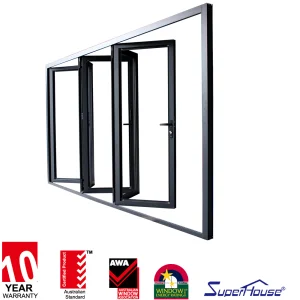
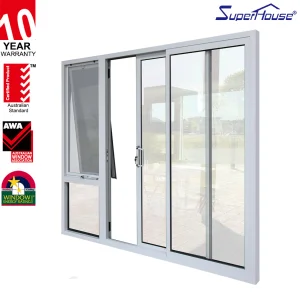
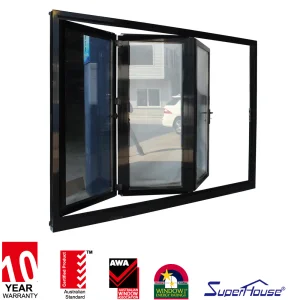
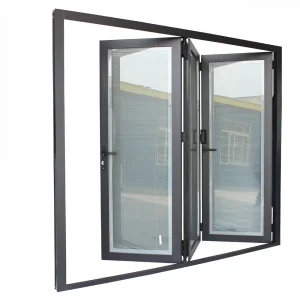
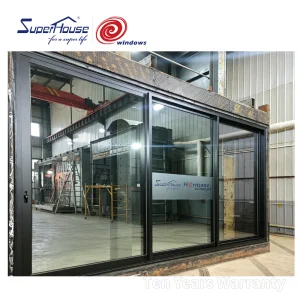
Explore our precision-engineered aluminum window and door systems rigorously tested to withstand Australian climate extremes—from high-pressure cyclone zones to harsh coastal UV environments.
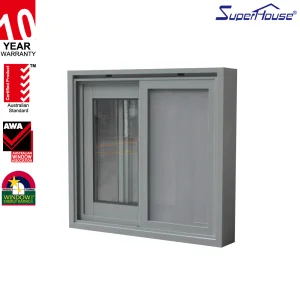
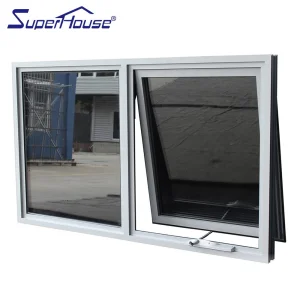
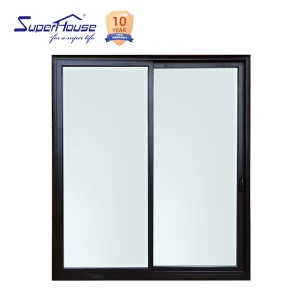
In modern architectural engineering and international building material procurement, the standard AS2047 (Windows and External Glazed Doors in Buildings) serves as one of the most stringent regulatory benchmarks in the global fenestration industry. Promulgated by Standards Australia, compliance with AS2047 is not merely a quality recommendation; it is a mandatory legal requirement enforced under the Australian National Construction Code (NCC / BCA Vol 1 & Vol 2).
The global commercial supply chain for AS2047 certified products has undergone a monumental shift over the past decade. Advanced manufacturing hubs in Asia—leveraging automated CNC machining centers, precision corner crimping systems, robotic glazing lines, and high-tensile 6063-T5/T6 aluminum extrusions—now provide tier-1 developers in Sydney, Melbourne, Brisbane, Perth, and Auckland with unprecedented structural integrity and thermal performance at highly competitive capital expenditures.
However, bridging the gap between foreign factory output and strict Australian site installation mandates demands absolute mastery of local environmental metrics. Australian building sites face unique geographic pressures: intense solar UV index ratings requiring high-grade powder coatings compliant with AS3715 / AAMA 2604 / AAMA 2605, extreme coastal salt-spray corrosivity, and high design wind pressure zones governed by AS/NZS 1170.2.
To achieve compliance, an Australian standard window or glass door must undergo a rigorous sequence of physical laboratory tests in accordance with AS4420.1 (Windows, external glazed timber and composite doors - Test methods). The primary physical parameters evaluated include:
Structural integrity under Serviceability Limit State (SLS). Frame structural members (mullions and transoms) must not deflect beyond strict limits—typically span/150 or span/250—when subjected to positive and negative wind pressure loads.
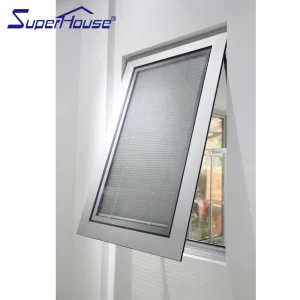
Ensures that operating sashes (sliding, casement, awning, bi-fold) open and close smoothly without excessive force, guaranteeing user accessibility and operational durability over thousands of opening cycles.
Measures controlled air leakage through the window assembly. Mandatory for meeting modern NatHERS energy ratings and reducing HVAC thermal losses in residential and commercial developments.
Evaluates the window’s ability to prevent water egress at specific test pressures (ranging from 150 Pa up to 600 Pa+ for cyclonic coastal zones), verified under continuous simulated rainfall spray conditions.
| Window Rating Class | Serviceability Wind Pressure (SLS) | Ultimate Wind Pressure (ULS) | Water Penetration Resistance Pressure | Primary Application Scenario |
|---|---|---|---|---|
| N1 / N2 (Low Wind) | 150 Pa to 300 Pa | 600 Pa to 1000 Pa | 150 Pa | Suburban single-story residential inland zones |
| N3 / N4 (Medium-High) | 400 Pa to 600 Pa | 1500 Pa to 2200 Pa | 200 Pa to 300 Pa | Two-story coastal homes & exposed suburban terrain |
| N5 / N6 (Extreme) | 800 Pa to 1000 Pa | 3000 Pa to 4000 Pa | 400 Pa to 450 Pa | High-rise residential towers & exposed escarpments |
| C1 - C4 (Cyclonic Zones) | 1200 Pa to 2500 Pa+ | 4500 Pa to 6500 Pa+ | 450 Pa to 600 Pa+ | Northern Australia coastal regions (WA, NT, QLD) |
Parallel to AS2047, all glass selection must strictly comply with AS1288 (Glass in buildings - Selection and installation). AS1288 mandates minimum glass thickness, human impact safety rules (requiring Grade A Toughened Safety Glass or Laminated Glass in doors, low-level glazing, and wet areas), and thermal stress analysis to prevent spontaneous breakage.
Established in 2004, Fortisdor Security Doors Co., Ltd. is a specialized manufacturer of premium entry doors, operating out of a modern 32,000 m² industrial facility. With 20 years of door manufacturing expertise and 8 years of international export experience, the company achieves an annual export revenue of $22 million. Fortisdor serves major market segments across North America, Europe, and the Middle East, primarily supplying building material wholesalers, commercial contractors, and residential real estate developers.
Backed by an established trade background and a robust network of over 950 supply chain partners, Fortisdor enforces uncompromising quality standards. Quality assurance is directed by a team of 40 certified QC inspectors using multi-stage raw material testing, automated frame alignment checks, and salt-spray corrosion resistance evaluations. The company's strong R&D department features 50 engineering professionals who launched 140 new door models last year. Custom options include multi-point electronic lock systems, custom glass panels, thermal-break aluminum profiles, and personalized surface finishes.
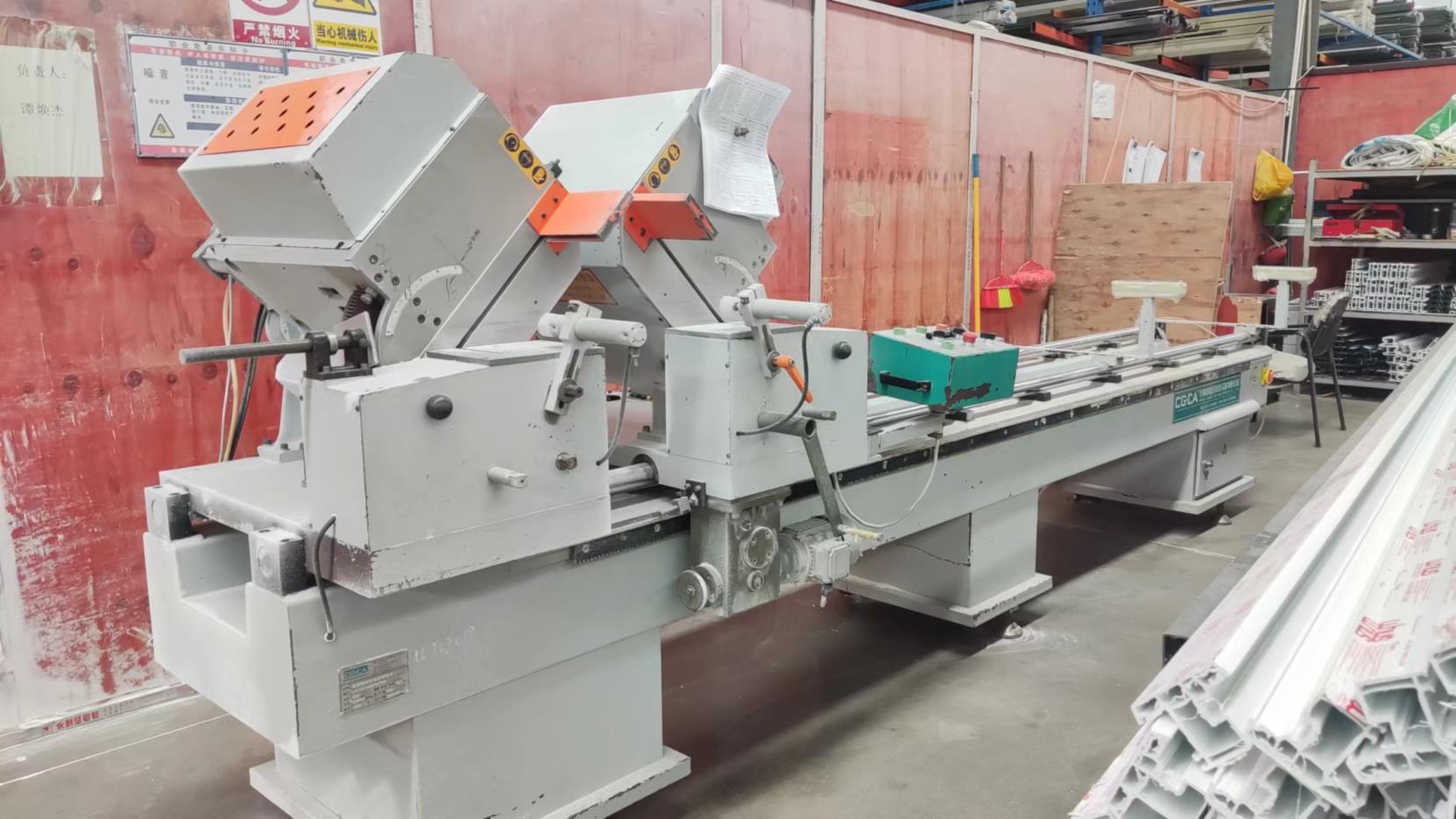
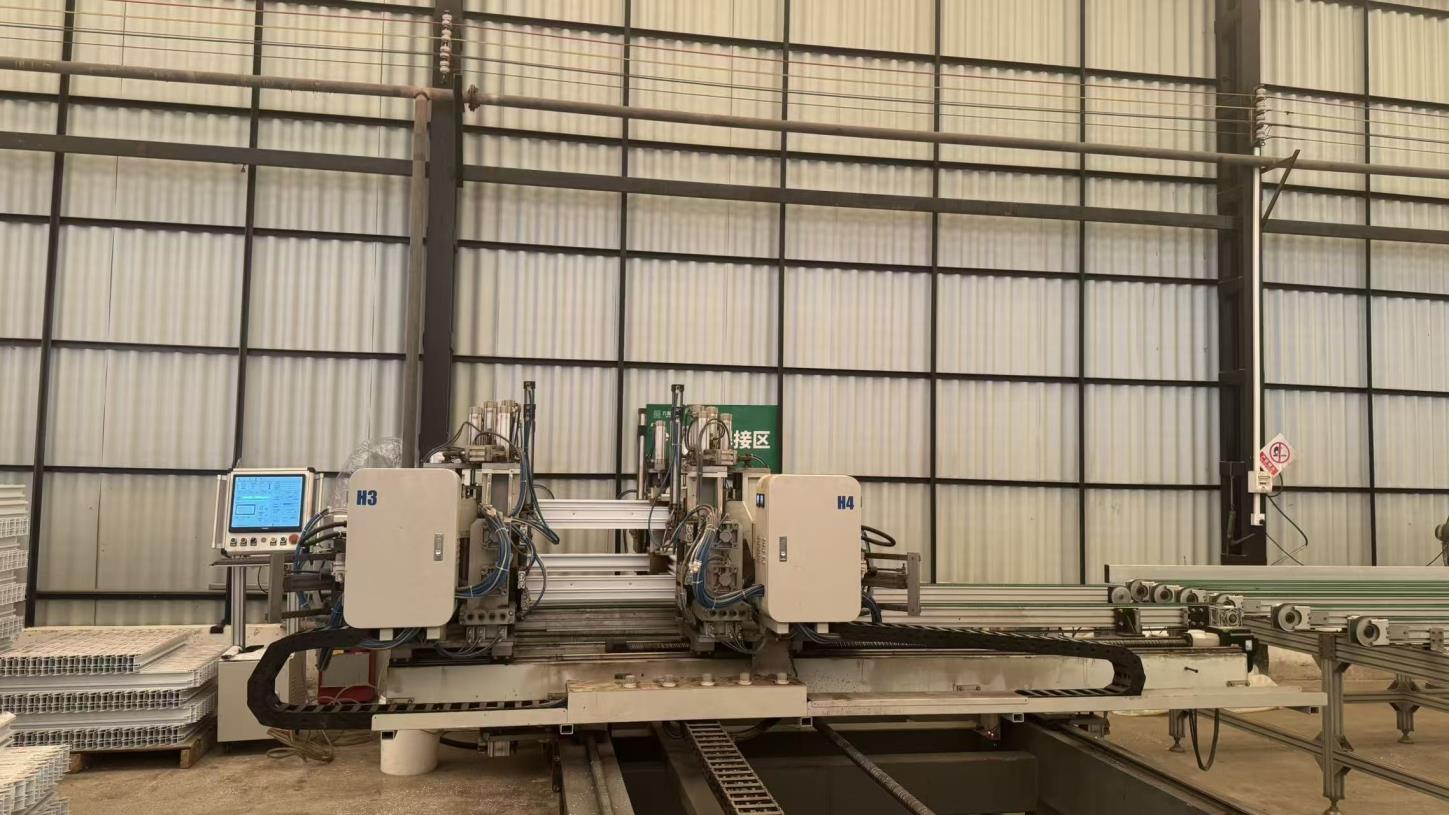
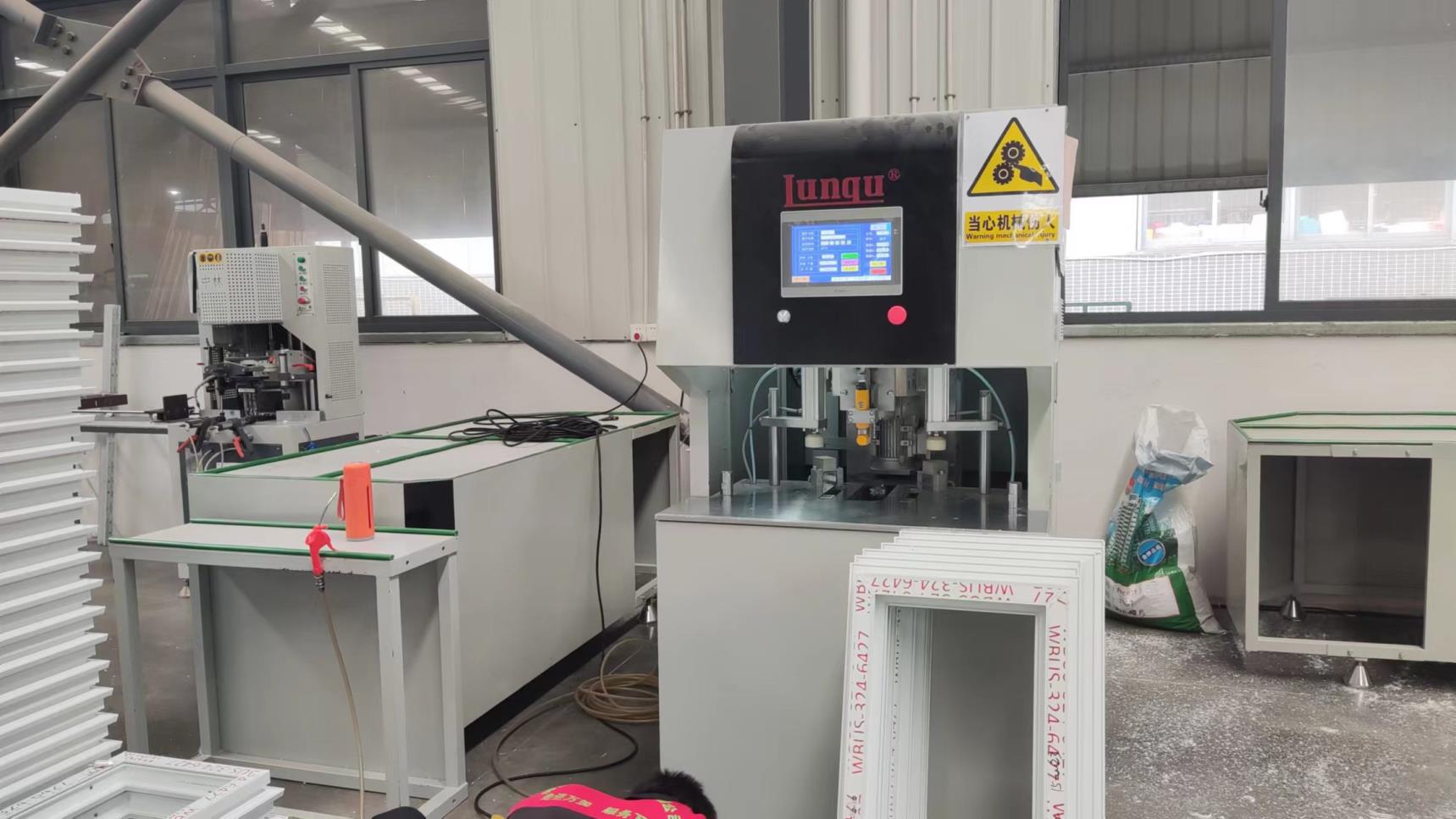
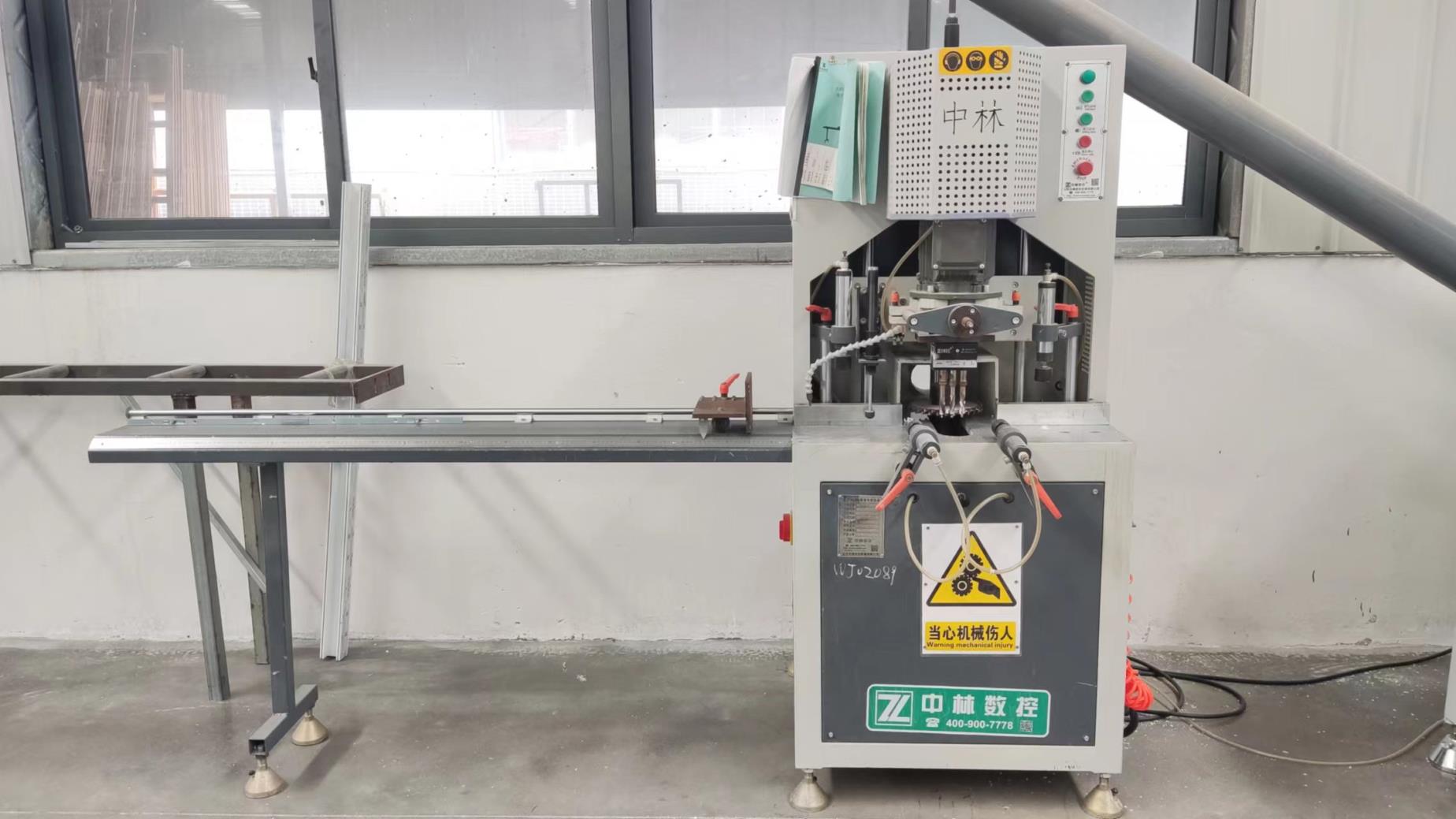
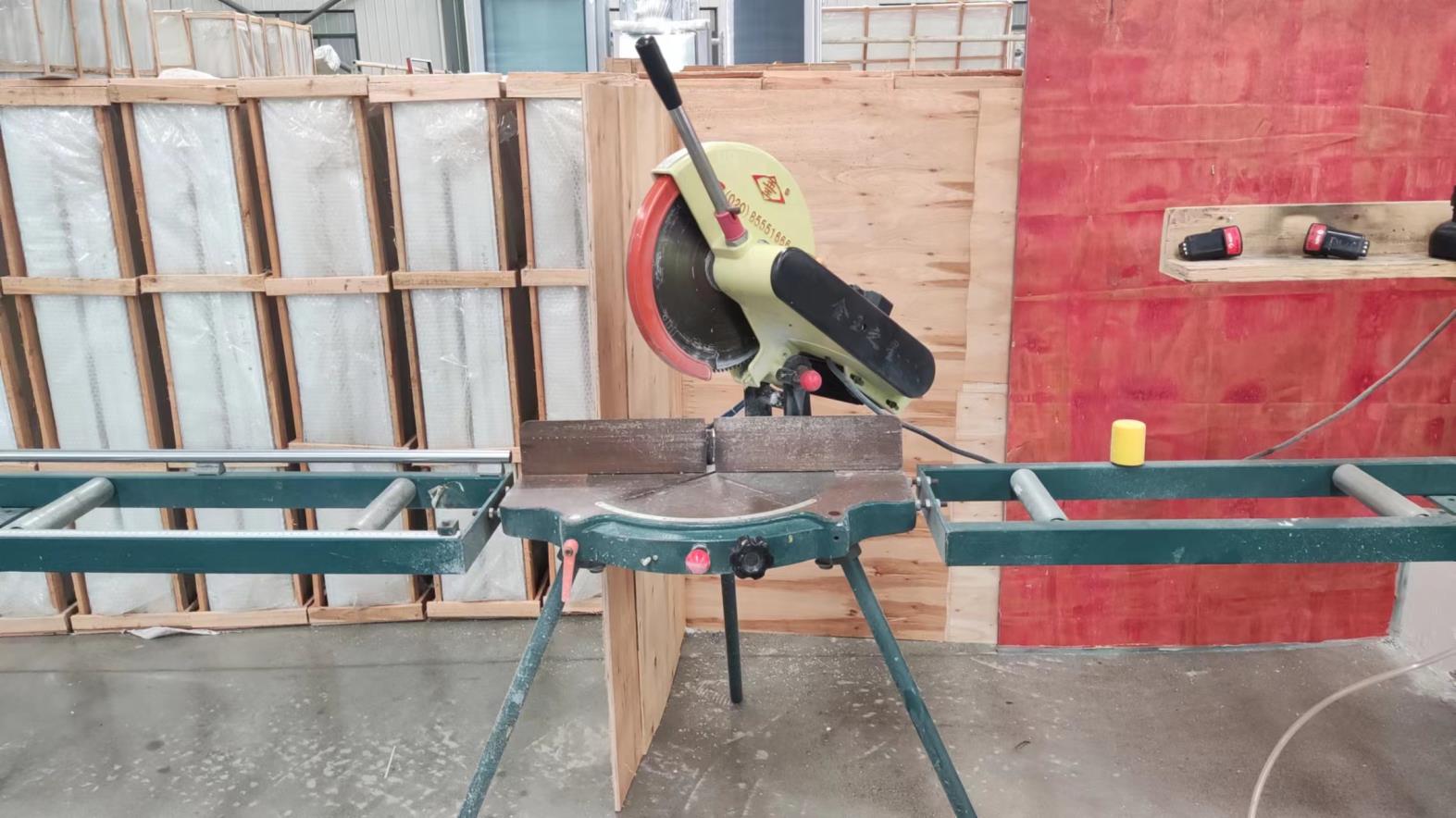
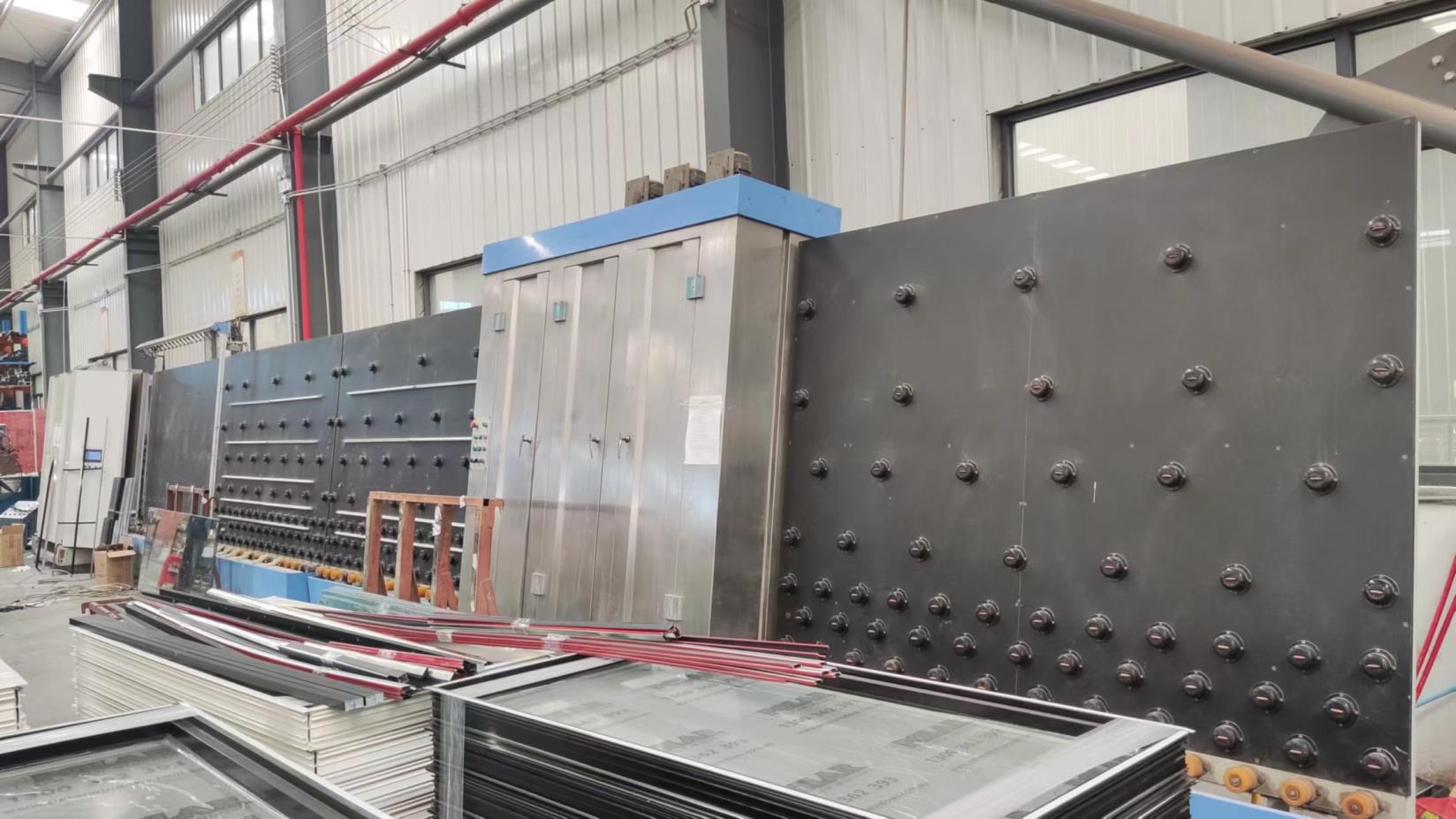
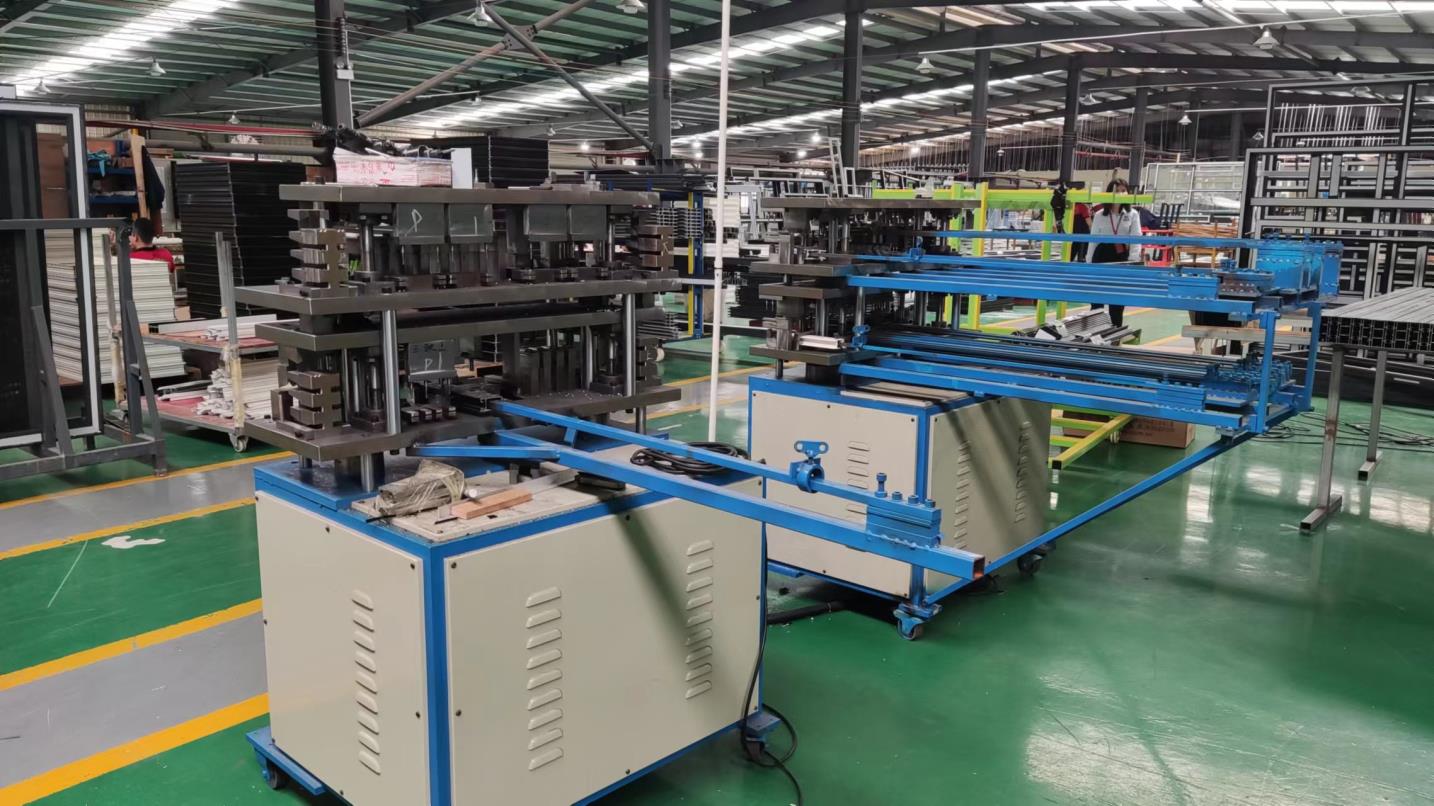
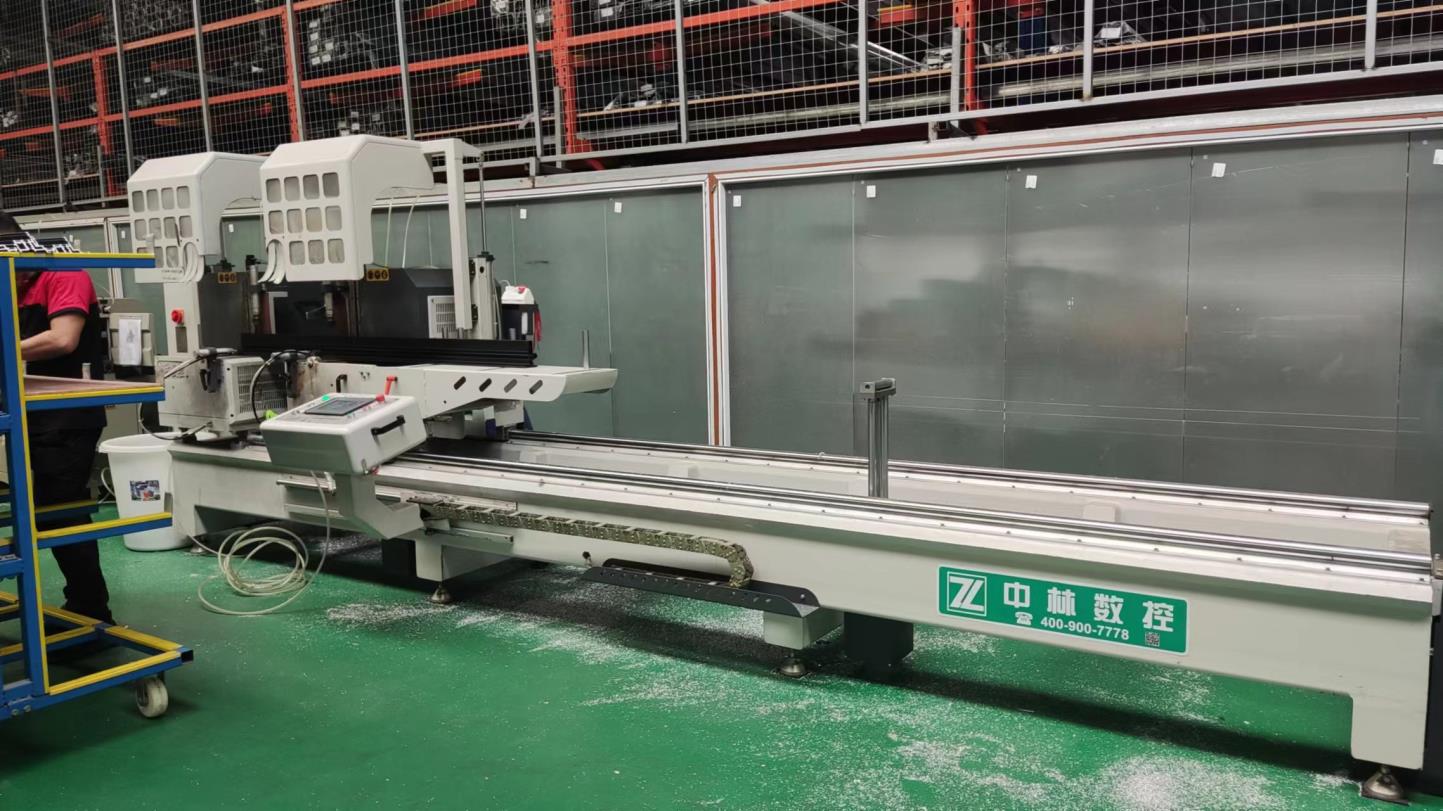
Each extrusion profile and glazed unit progresses through 19 meticulously controlled automated and manual fabrication stages:
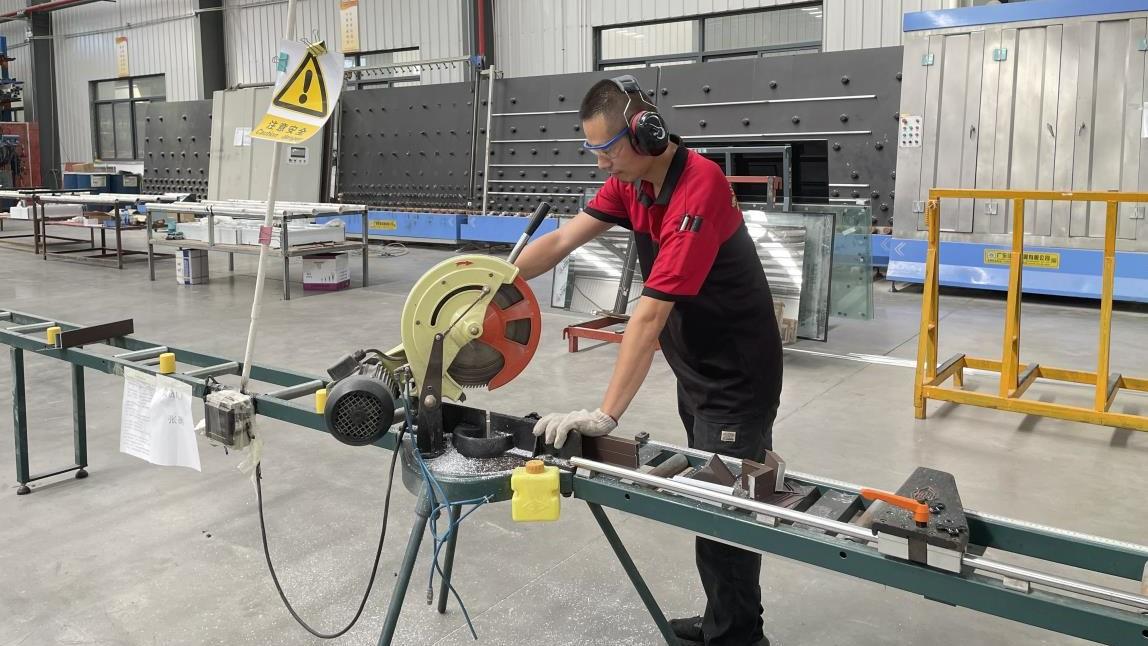
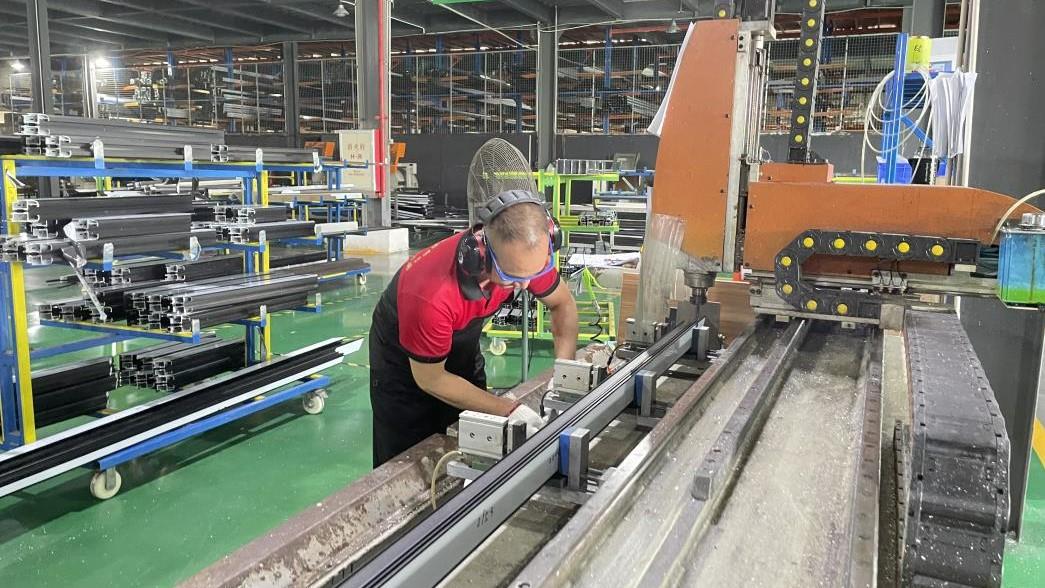
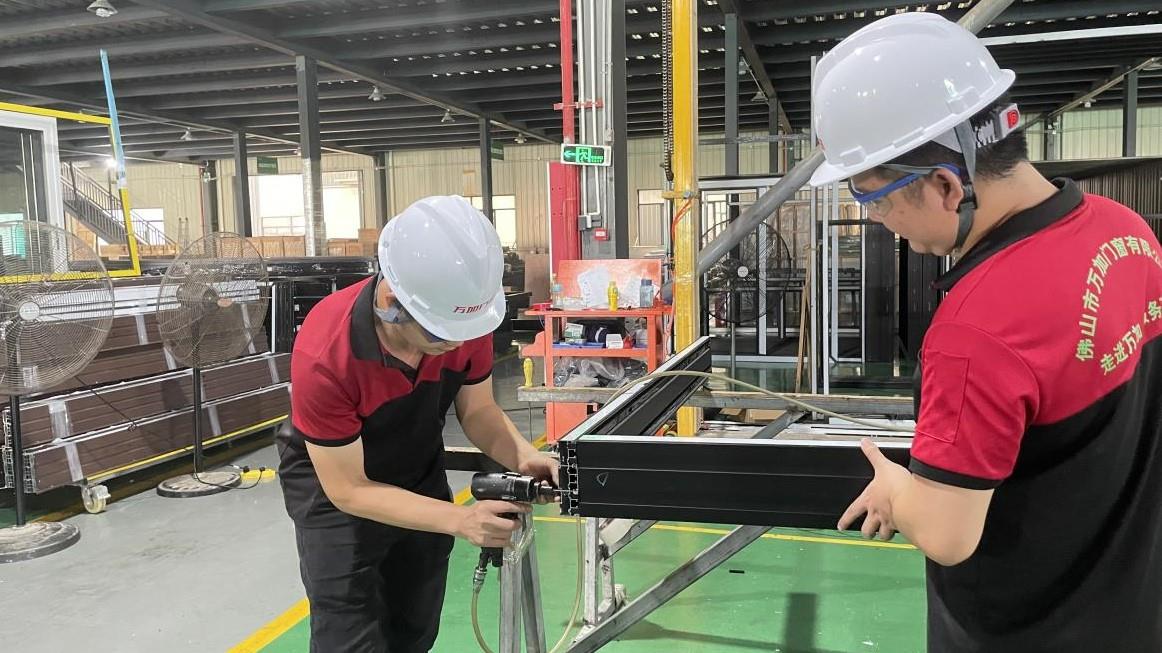
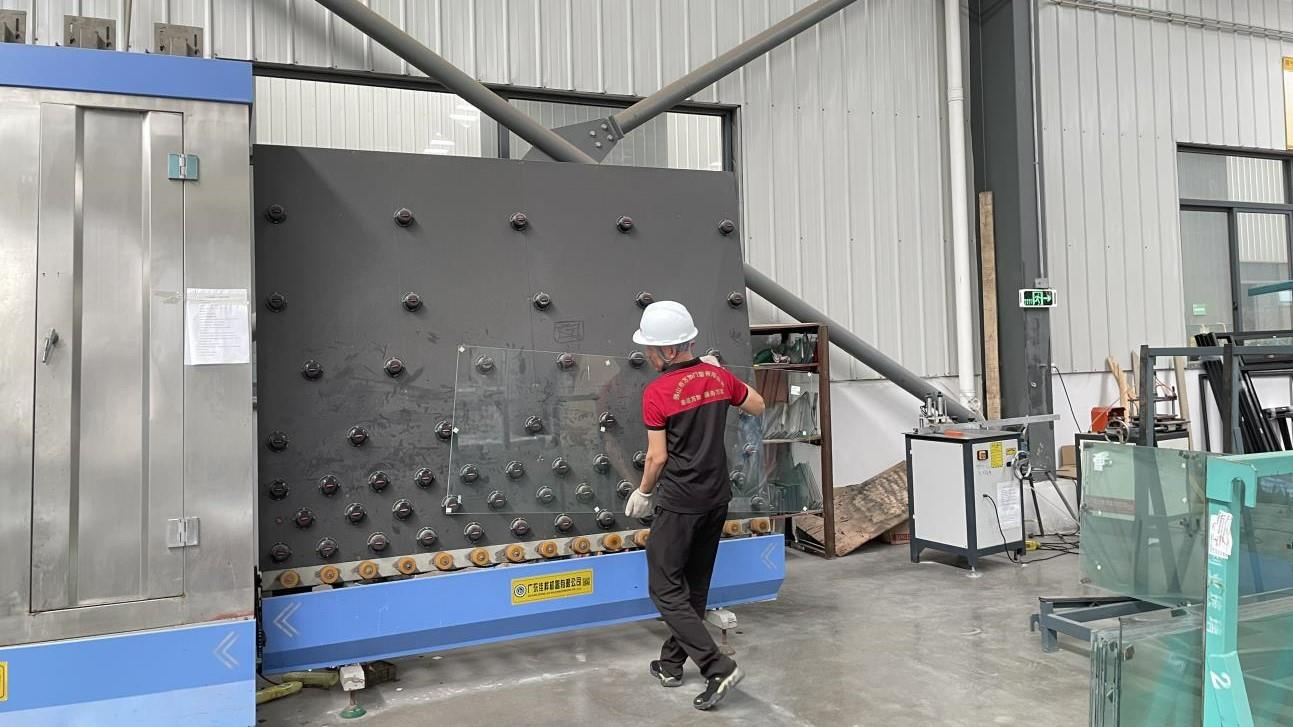
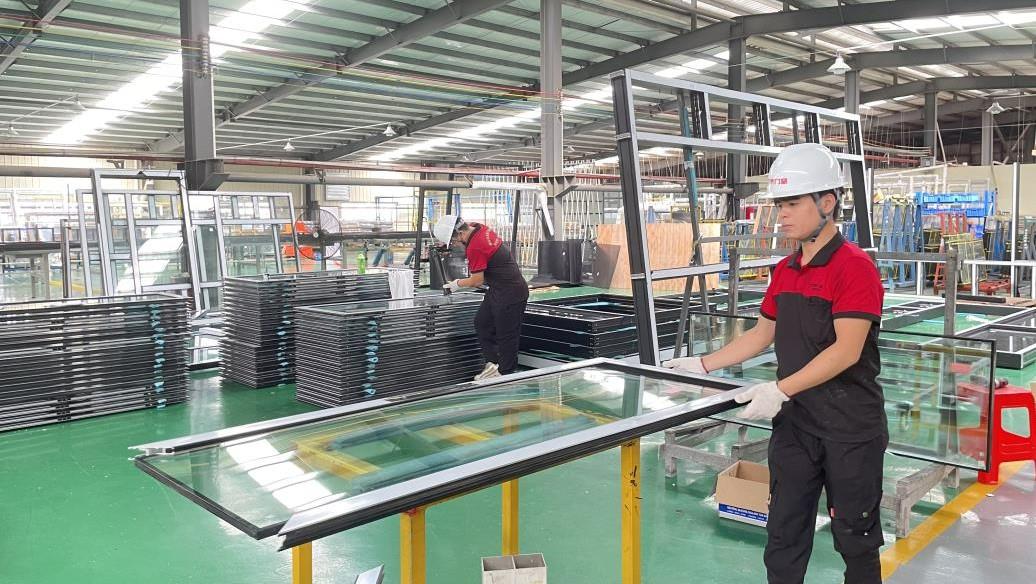
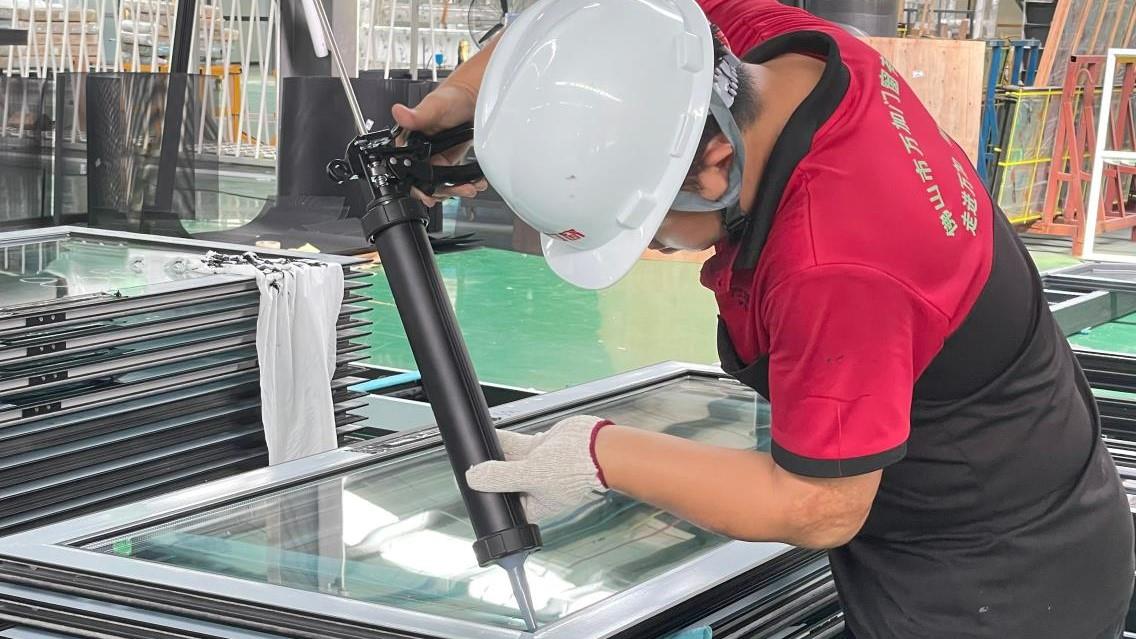
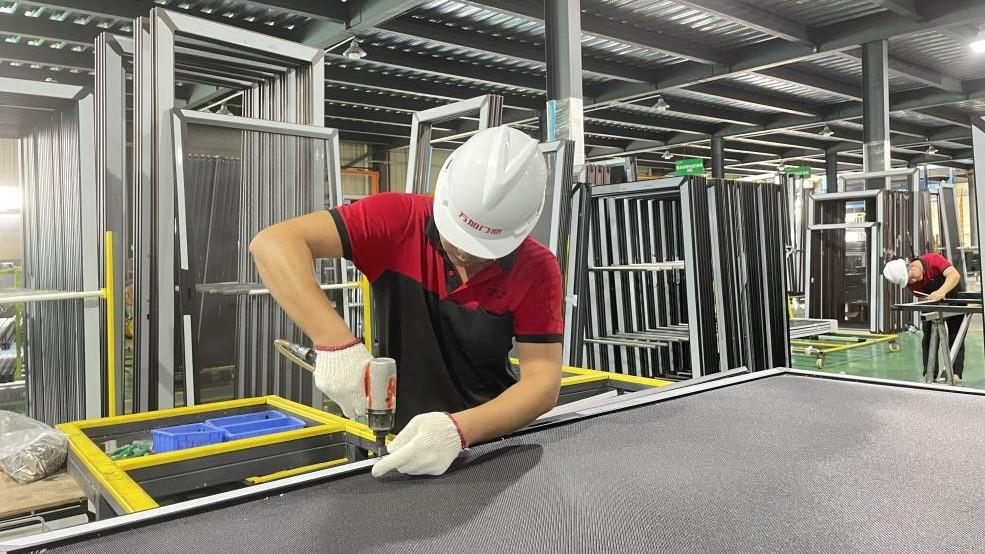
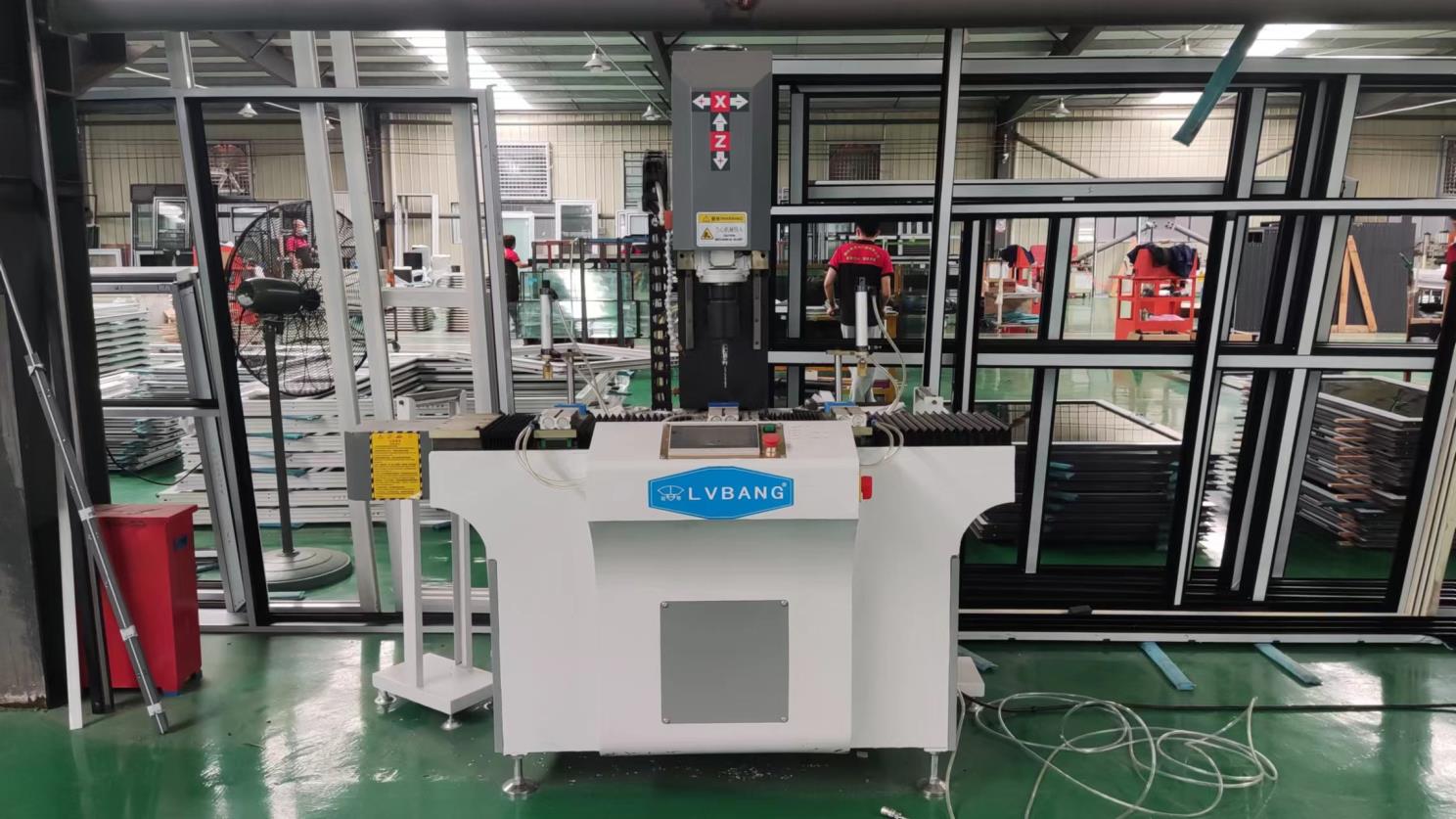
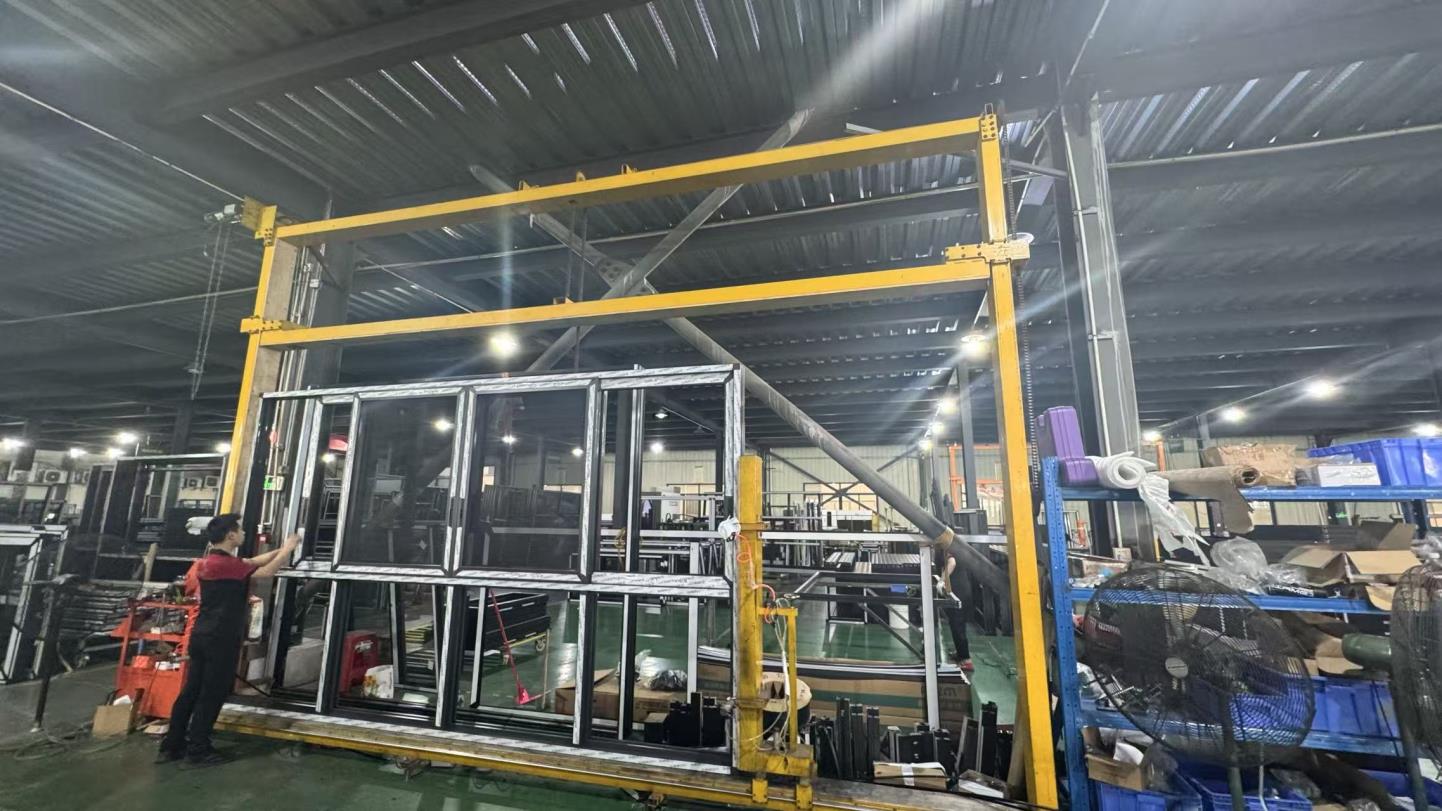
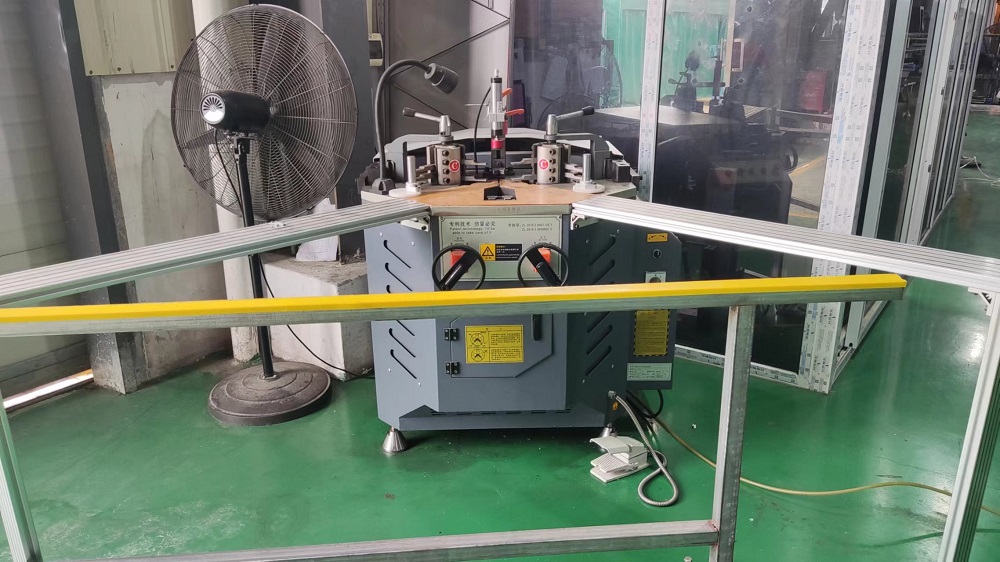
To guarantee complete compliance with Australian conditions, every batch of double glazing and frame assembly is subjected to multi-stage internal laboratory testing before shipment dispatch:
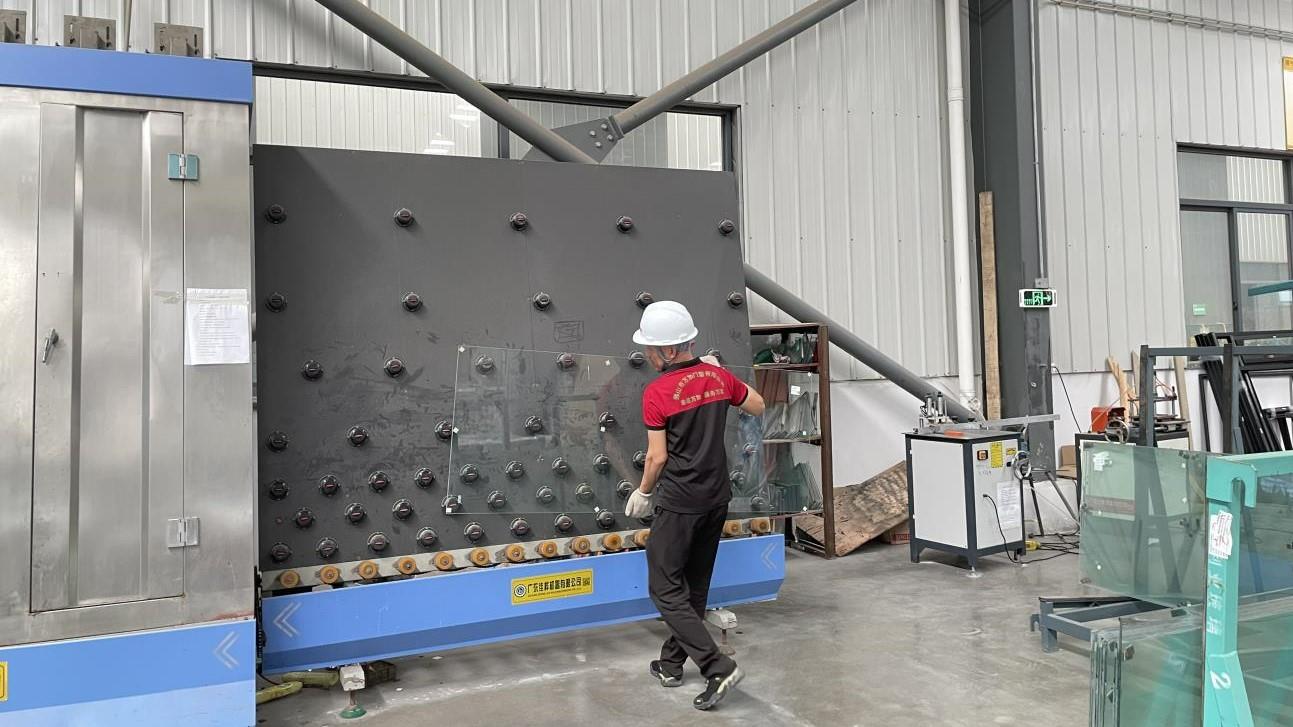
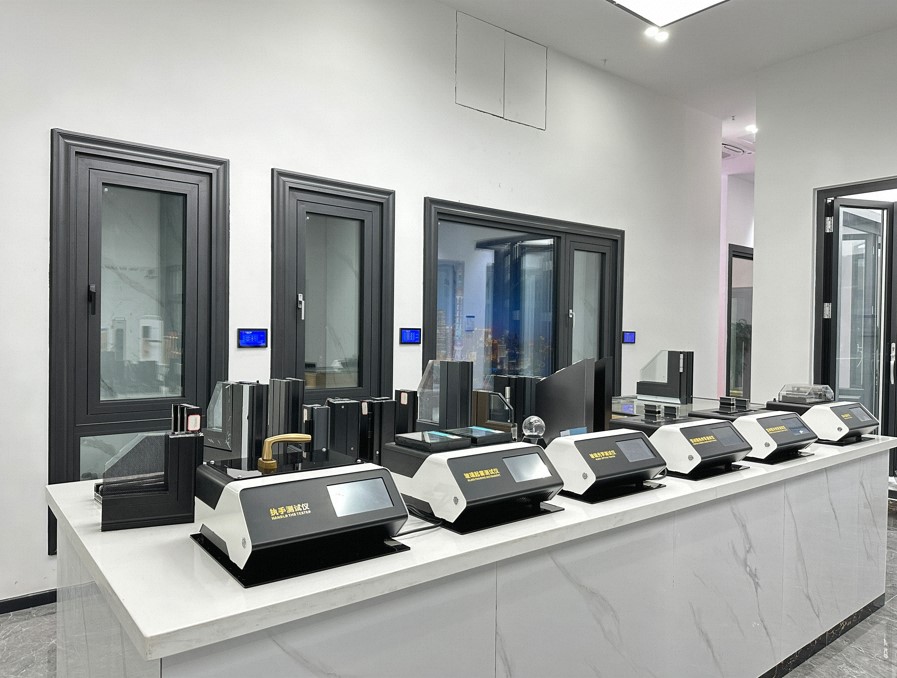
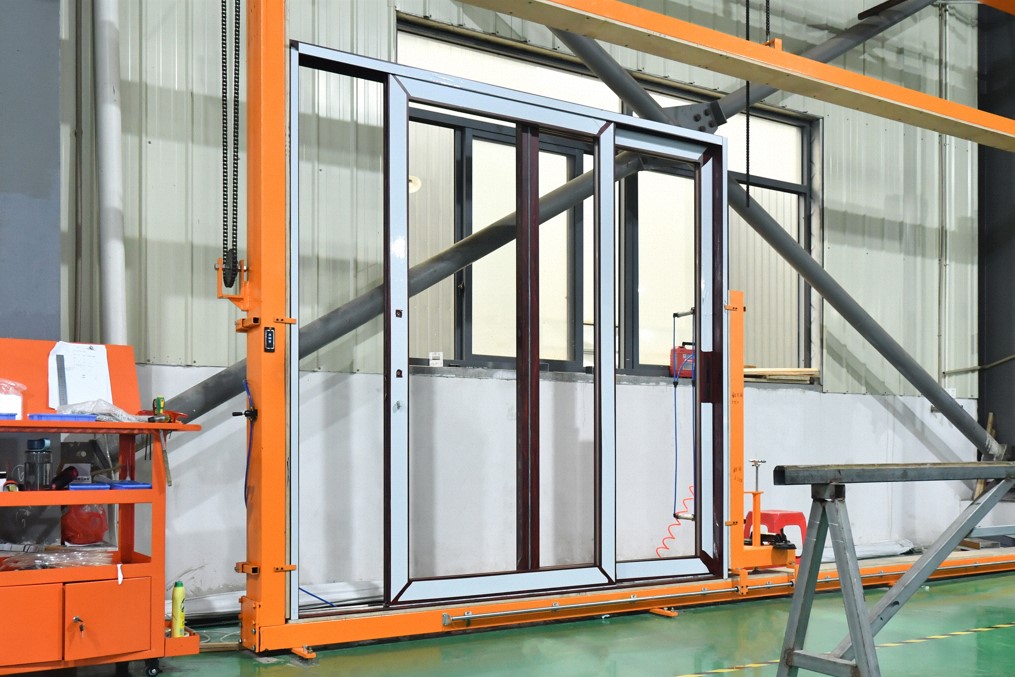
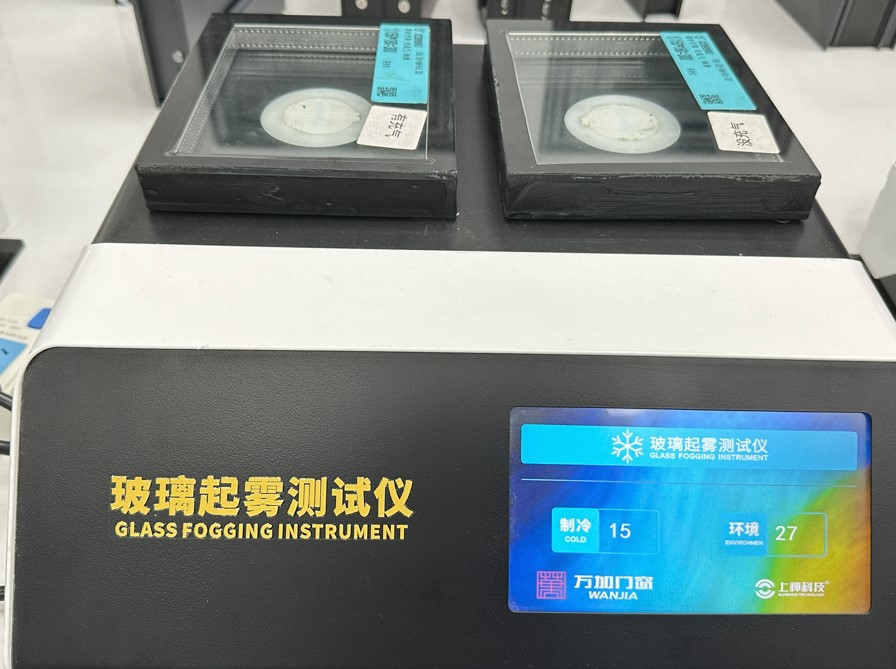
Australia’s vast continent exhibits diverse environmental conditions. AS2047 windows must be configured specifically to suit localized architectural contexts and building code requirements:
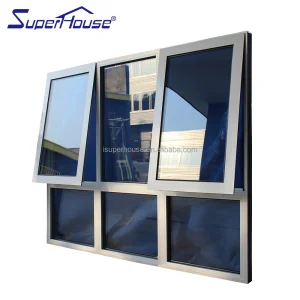
High-rise urban towers encounter severe dynamic wind loads at elevated heights. Our structural awning and fixed window combinations feature high-inertia thermal break extrusions, reinforced sub-frames, and pressure-equalized drainage systems capable of handling ultimate wind pressures exceeding 4500 Pa and water penetration resistance up to 600 Pa.
Severe airborne salt spray causes accelerated galvanic corrosion on standard hardware and standard powder coatings. We deploy marine-grade 316 stainless steel friction stays, multi-point locks, and ultra-durable Interpon / Dulux Fluoropolymer powder coatings (compliant with AS3715 and AAMA 2605 specifications) to guarantee decades of corrosion protection.
Properties built in bushfire-prone fringe areas (such as the Blue Mountains or Adelaide Hills) require strict compliance with AS3959 (Construction of buildings in bushfire-prone areas). Our specialized window configurations feature minimum 5mm or 6mm toughened safety glass, internal stainless steel mesh screens (hole size < 2mm), and non-combustible perimeter silicone sealants.
Noise pollution along major transport corridors (such as Sydney's M4 or Melbourne's CityLink) mandates high Weighted Sound Reduction Index (Rw) values. Utilizing asymmetric double-glazed units (e.g., 6.38mm acoustic laminated outer glass + 12mm argon gap + 6mm toughened inner glass), our soundproof window systems achieve acoustic ratings up to Rw 42dB.
The fenestration landscape in Australia and Oceania is undergoing rapid evolution driven by energy code revisions, carbon reduction mandates, and smart building integration:
The implementation of NCC 2022 has raised the baseline energy mandate for new residential homes from 6 Stars to 7 Stars NatHERS. Standard thermally unbroken aluminum profiles are no longer capable of meeting the low overall U-Values (Uw ≤ 2.8 W/m²K) required. Modern manufacturing has shifted decisively toward polyamide thermal break strip integration and argon-filled Low-E double/triple glazing.
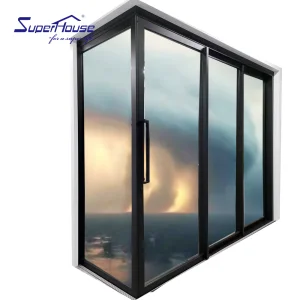
Architectural trends demand seamless indoor-outdoor living transitions. Development is accelerating toward heavy-duty, pillarless corner pocket sliding doors with concealed head and sill sub-frames, complemented by integrated smart home IoT motors capable of moving 400kg glass sashes at the touch of a button.
Leading tier-1 developers are now auditing the embodied carbon of building envelopes. Future technical roadmaps prioritize secondary recycled aluminum extrusion billets refined using hydro-electric energy, dramatically lowering Environmental Product Declaration (EPD) values without sacrificing structural tensile strength.
Importing windows directly from overseas factories introduces potential supply chain and compliance risks if not managed by an experienced manufacturer. Fortisdor eliminates procurement friction through comprehensive end-to-end operational protocols:
Every product series exported to Australia is accompanied by official NATA (National Association of Testing Authorities) laboratory test reports and clear WERS (Window Energy Rating Scheme) certifications for full council sign-off.
To simplify local trade installation, windows are supplied with standardized sub-head, sub-sill, sub-jamb profiles, and pre-fitted acoustic reveal fins suitable for timber stud, steel frame, or double brick construction details (AS4420.1 compliant).
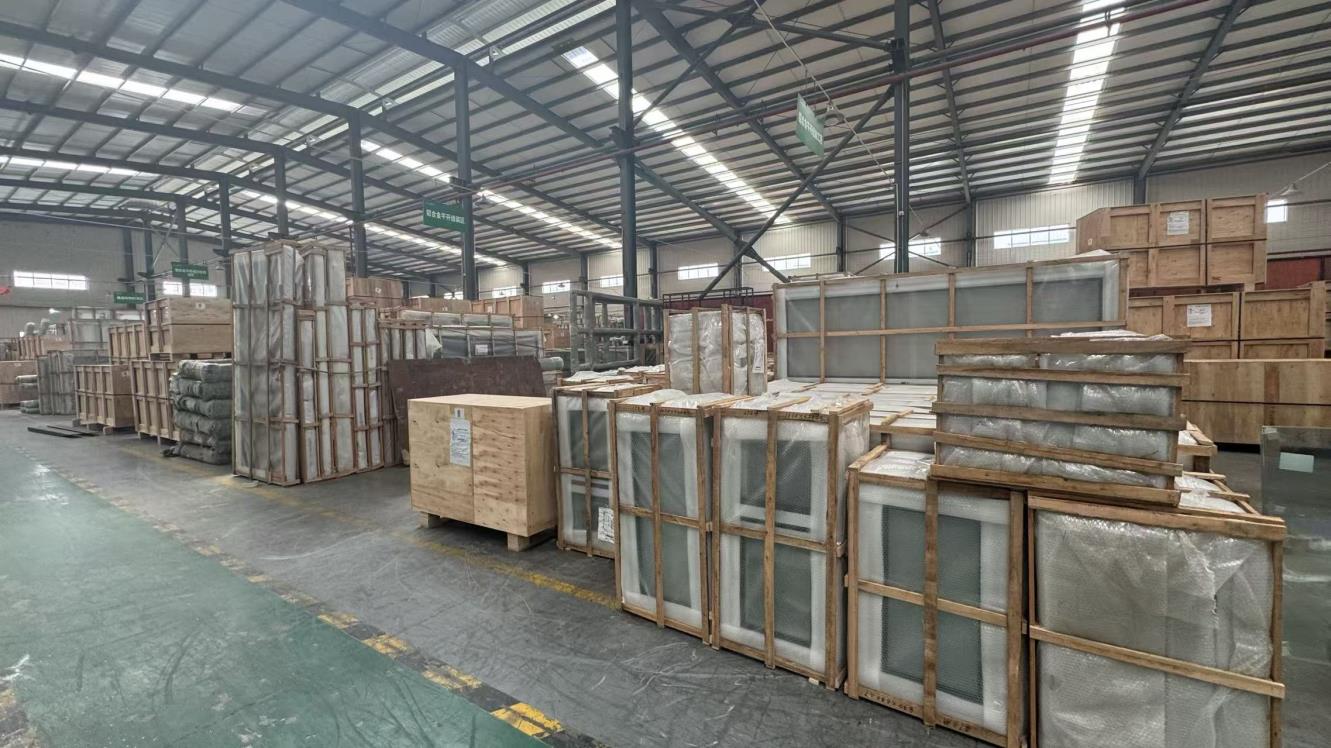
To prevent transit damage, glass panels and powder-coated frames are wrapped in protective peelable film, protected by corner guards, and packed inside fully enclosed fumigated wooden crates or custom steel A-frames designed for easy crane unloading on site.
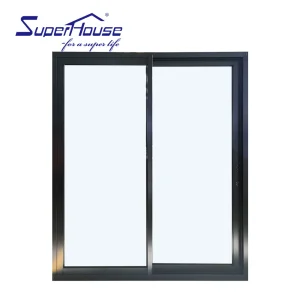
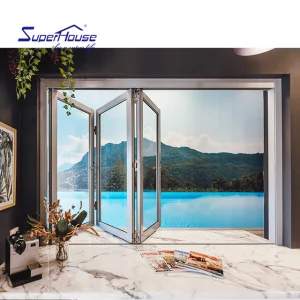
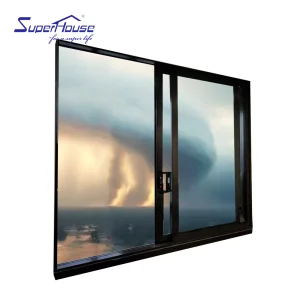
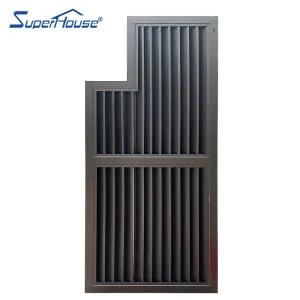
Explore our complete range of specialized commercial glazing solutions, bi-fold systems, acoustic sliding doors, and architectural louvers engineered for export markets.
 Fortisdor