Precision-engineered architectural aluminum fixed windows manufactured for high-rise commercial facades, luxury residential estates, and extreme weather zones.
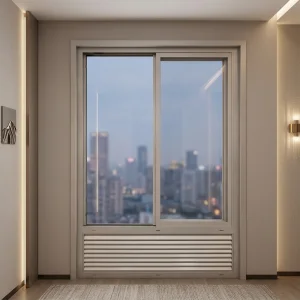
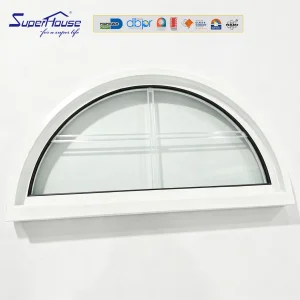
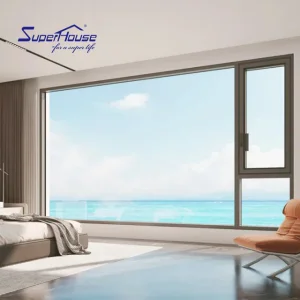
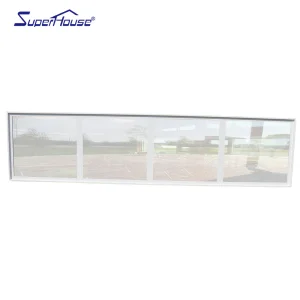
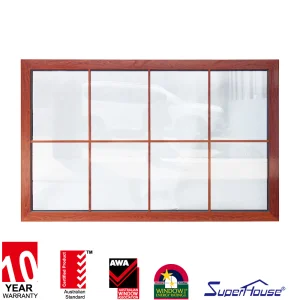
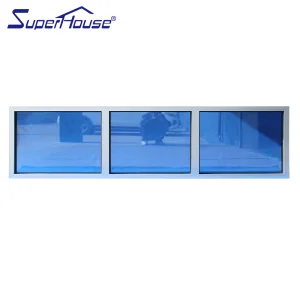
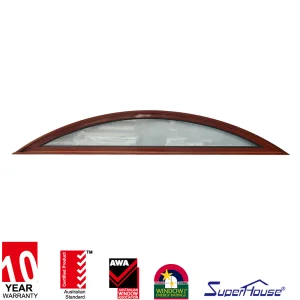
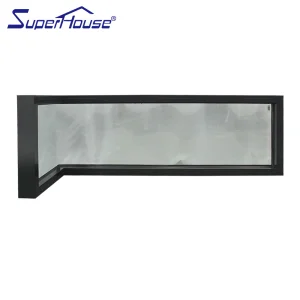
In modern architectural engineering, fixed aluminum windows—often designated as picture windows or structural glazing panels—serve as a cornerstone for contemporary envelope design. Unlike operable window configurations (such as casement, awning, or sliding units), fixed windows feature stationary, non-venting frames designed specifically to maximize natural daylit floor areas, optimize structural load pathways, and eliminate air infiltration vectors. As global energy building codes (such as ASHRAE 90.1, IECC, and Title 24) enforce stricter thermal efficiency mandates, high-performance fixed windows have transitioned from simple aesthetic choices to critical thermal-barrier components.
From high-rise commercial office towers and luxury hospitality developments to institutional campuses and high-end residential estates, fixed aluminum windows form the backbone of modern structural glazing walls. Aluminum alloy profiles (predominantly 6063-T5 and 6063-T6) are globally preferred for these applications due to their exceptional strength-to-weight ratio, structural rigidity under wind loads exceeding 5000 Pa, high resistance to atmospheric oxidation, and complete recyclability over a multi-decade operational lifespan.
Established in 2004, Fortisdor Security Doors Co., Ltd. is a specialized manufacturer of premium entry doors and architectural aluminum window systems, operating out of a modern 32,000 m² industrial facility. With 20 years of manufacturing expertise and 8 years of international export experience, the company achieves an annual export revenue of $22 million. Fortisdor serves major market segments across North America, Europe, and the Middle East, primarily supplying building material wholesalers, commercial contractors, and residential real estate developers.
Backed by an established trade background and a robust network of over 950 supply chain partners, Fortisdor enforces uncompromising quality standards. Quality assurance is directed by a team of 40 certified QC inspectors using multi-stage raw material testing, automated frame alignment checks, and salt-spray corrosion resistance evaluations. The company's strong R&D department features 50 engineering professionals who launched 140 new door and window models last year. Custom options include multi-point electronic lock systems, custom glass panels, thermal-break aluminum profiles, and personalized surface finishes.
The global architectural fenestration market is undergoing a structural transition driven by decarbonization targets, urban densification, and extreme climate events. Modern B2B procurement professionals must navigate four macro trends when sourcing fixed aluminum window systems:
Standard aluminum extrusions exhibit high thermal conductivity ($K \approx 160 \text{ W/m}\cdot\text{K}$). Modern architectural requirements mandate the insertion of glass-fiber-reinforced polyamide strips (such as PA66 GF25) to sever the conductive thermal path between interior and exterior aluminum profile chambers. This reduces profile U-factors down to below $1.2 \text{ W/m}^2\cdot\text{K}$, enabling compliance with stringent European Passive House (Passivhaus) and North American NFRC energy codes.
With increasing frequencies of severe meteorological events, demand for impact-rated structural fixed glazing has surged. Engineered with double or triple laminated safety glass—incorporating high-performance Interlayers like SentryGlas® (SGP) or Polyvinyl Butyral (PVB)—these windows resist projectile impacts (ASTM E1996 / E1886 Missile Level D) and cyclic wind pressures up to $\pm 90 \text{ PSF}$, safeguarding structural envelopes against Category 5 hurricanes.
Architectural design language favors minimalist frames and maximized glass-to-frame ratios. Advanced structural silicone glazing (SSG) techniques allow glass panes to act as structural diaphragms, enabling floor-to-ceiling jumbo fixed picture windows reaching dimensions over $3000\text{mm} \times 6000\text{mm}$ without sacrificing structural deflection limits ($L/175$ or $L/240$).
Long-term durability in coastal or highly polluted industrial regions demands superior coating technologies. Modern anodizing (AAMA 611 Class I) and fluoropolymer powder coatings (PVDF / AAMA 2605) ensure exceptional color retention, gloss retention, and resistance to salt spray exposure exceeding 3,000 hours under ASTM B117 testing conditions.
Building codes, climate stresses, and architectural specifications vary significantly across international markets. Below is an engineering analysis of localized installation scenarios:
| Target Region | Primary Climate Driver | Architectural Solution & Profile Engineering | Compliance Standards |
|---|---|---|---|
| North America (US East Coast, Gulf Coast, West Coast) | Hurricanes, severe thermal swings, high solar heat gain in southern zones. | Nail-fin frame profiles, heavy-gauge thermal break extrusions, Low-E Argon double/triple IGUs with impact PVB/SGP lamination. | NFRC 100/200, AAMA/WDMA/CSA 101/I.S.2/A440, Florida Product Approval (FPA), ASTM E1300. |
| Europe & UK (Central & Northern EU) | Extreme cold, stringent building energy performance directives (EPBD). | Multi-chamber PA66 thermal breaks ($34\text{mm}+$ width), Triple Low-E glazing filled with Krypton/Argon gas, Warm-edge spacers. | CE Mark, EN 14351-1, Passivhaus Certified Component specifications (U-val $< 0.8 \text{ W/m}^2\text{K}$). |
| Middle East & GCC (UAE, Saudi Arabia, Qatar) | Intense solar radiation, extreme heat ($> 50^\circ\text{C}$), airborne sand/dust abrasives. | High SHGC suppression Low-E coatings (Spectrally Selective Glass), thick anodized or PVDF external finishes, heat-strengthened outer panes. | SASO, Gulf Building Code (GBC), ASTM B117 Salt Spray & Sandstorm abrasion compliance. |
| Australia & New Zealand (Coastal & Inland) | High UV exposure, bushfire threats, coastal air salinity. | High UV-blocking glass matrices, double sealed EPDM gaskets, BAL-40/BAL-FZ fire-rated framing configurations. | AS2047 (Windows in buildings), AS1288 (Glass in buildings), AS3959 (Bushfire attack level). |
As smart building envelopes evolve, aluminum fixed window systems are transitioning from passive barrier elements to dynamic energy management components. Our engineering R&D team tracks and develops advanced integration technologies across three major horizons:
By substituting traditional gas-filled cavities with a micro-spacer high-vacuum layer ($10^{-4} \text{ Pa}$), VIG achieves center-of-glass U-factors down to $0.6 \text{ W/m}^2\text{K}$ in an overall glass thickness of under $10\text{mm}$. This revolutionary slimness allows ultra-sleek aluminum frame designs while dramatically reducing dead loads on building facades.
Integrating semi-transparent thin-film solar cells directly into fixed window spandrel panels and vision glass areas allows building envelopes to convert solar radiation into clean electrical power. This turns non-operable facade facades into net-positive energy generators without compromising visual transparency.
Direct integration of electrochromic dynamic tinting driven by low-voltage controls allows automatic adjustment of Solar Heat Gain Coefficient (SHGC) and Visible Light Transmittance (VLT) in real-time, reducing HVAC cooling demand by up to 30% during peak solar irradiance periods.
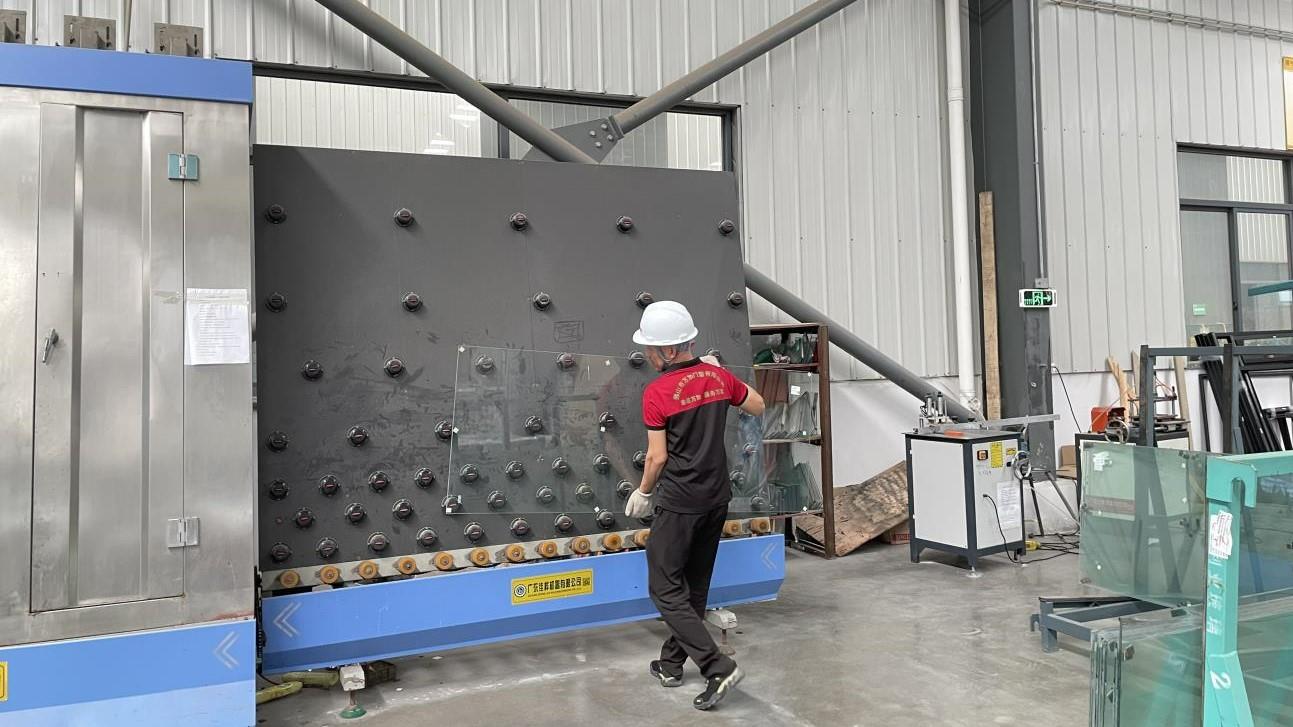
Precision execution is required to manufacture large-span fixed aluminum window assemblies that withstand decades of environmental stress. Fortisdor operates an end-to-end automated fabrication workflow utilizing high-precision CNC machinery and multi-stage testing protocols.
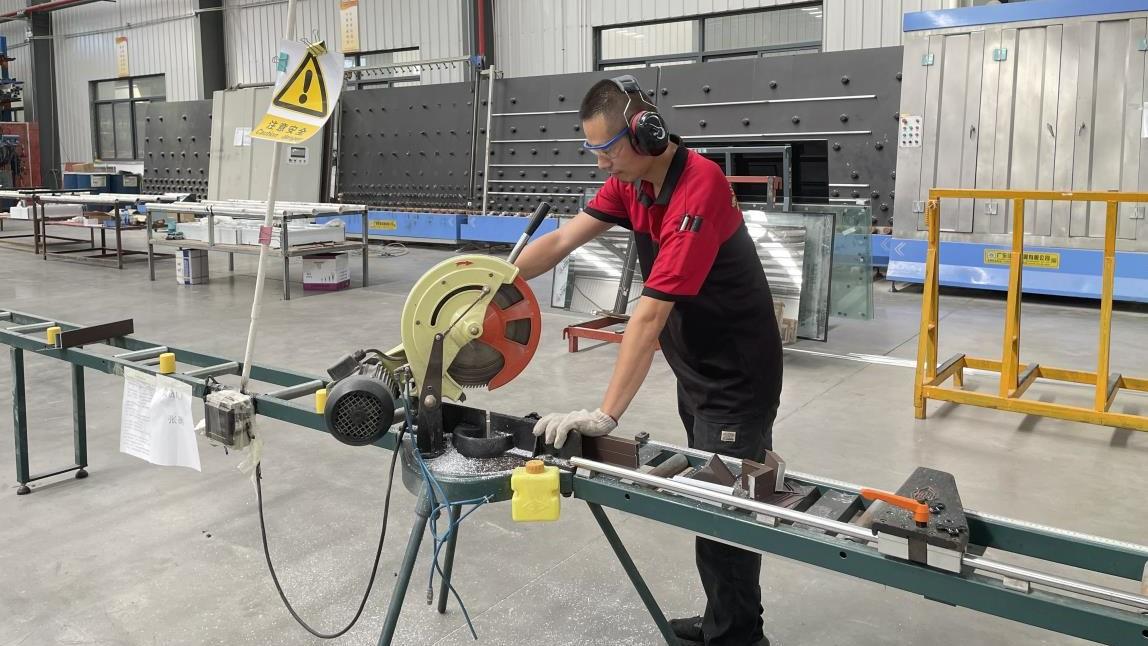
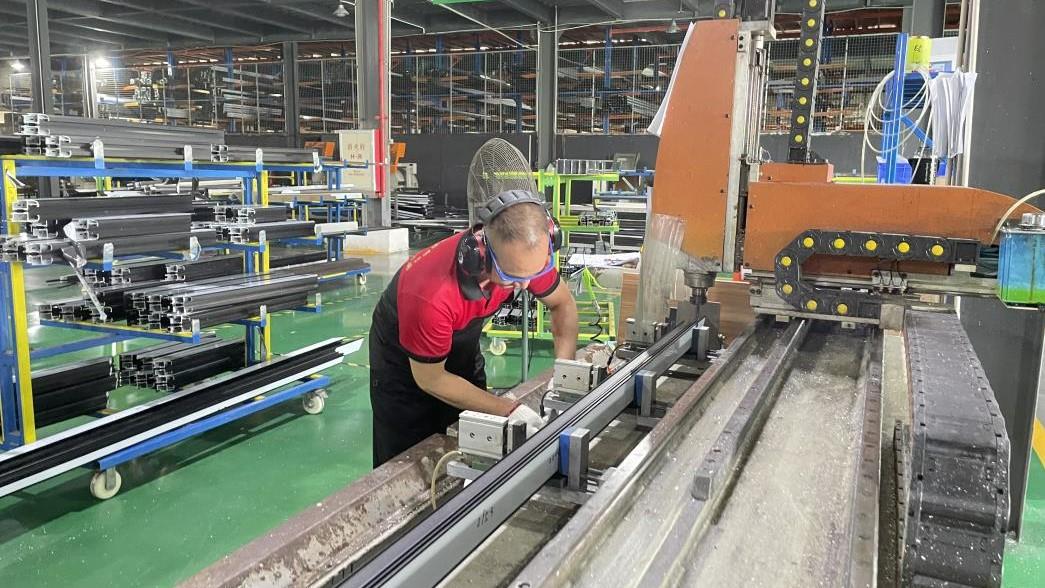
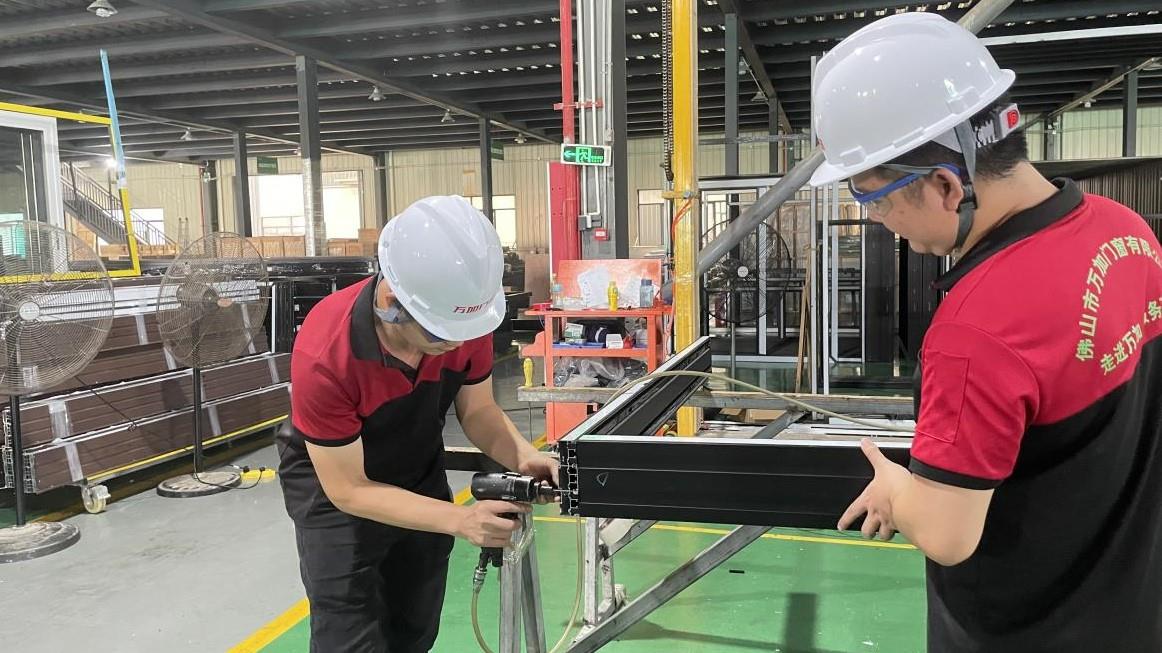
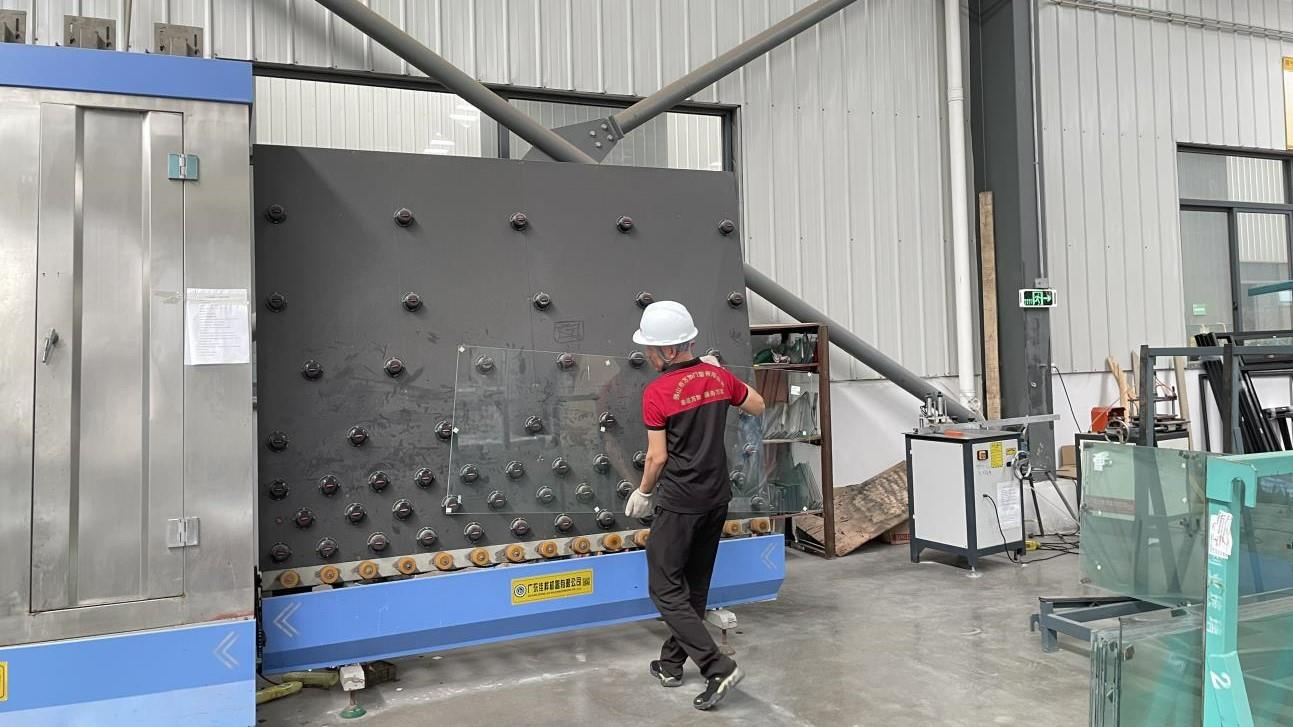
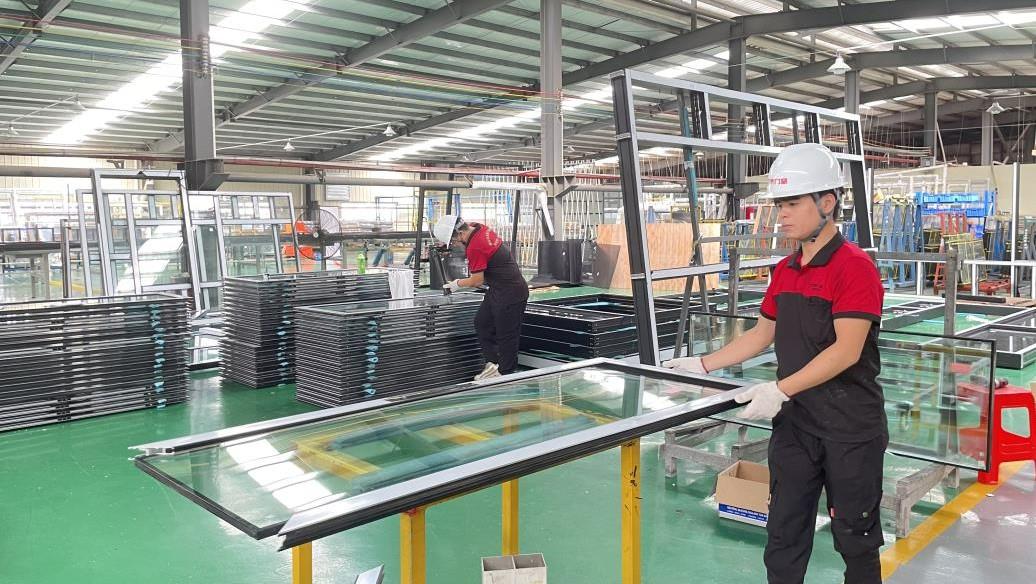
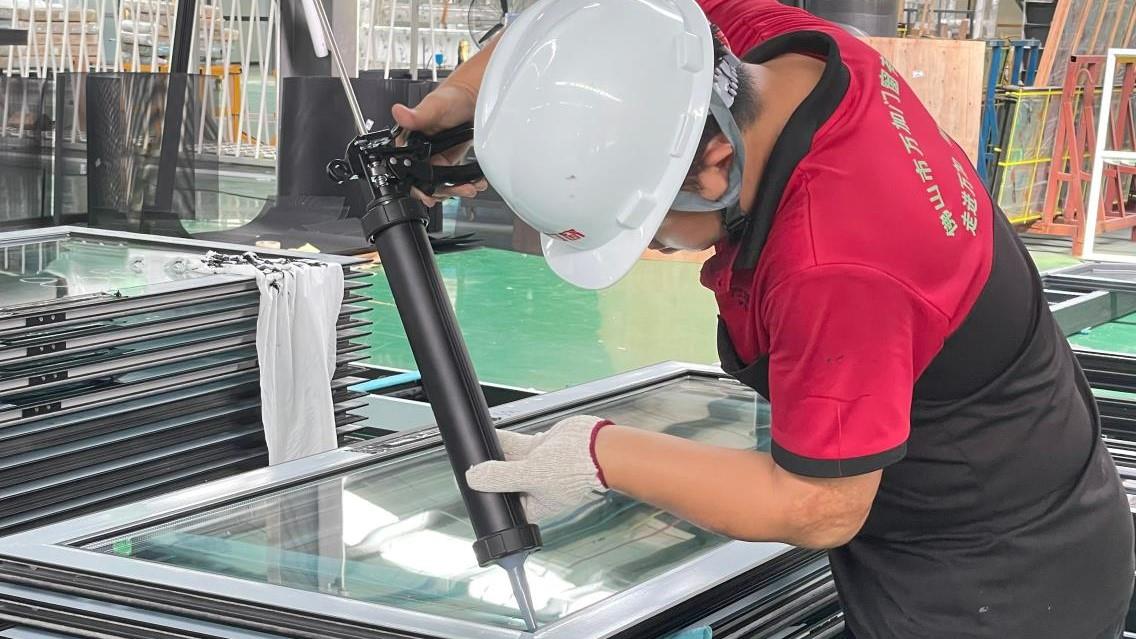
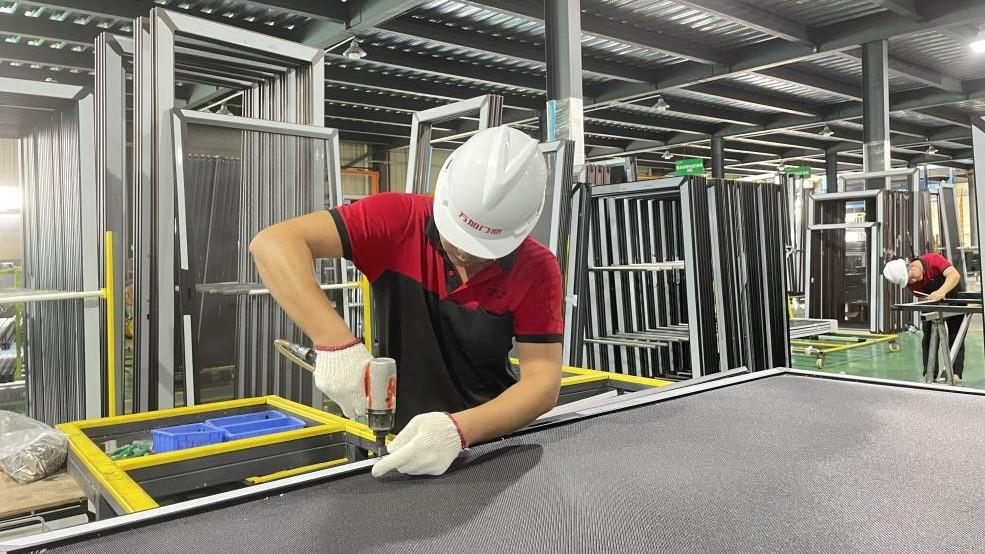
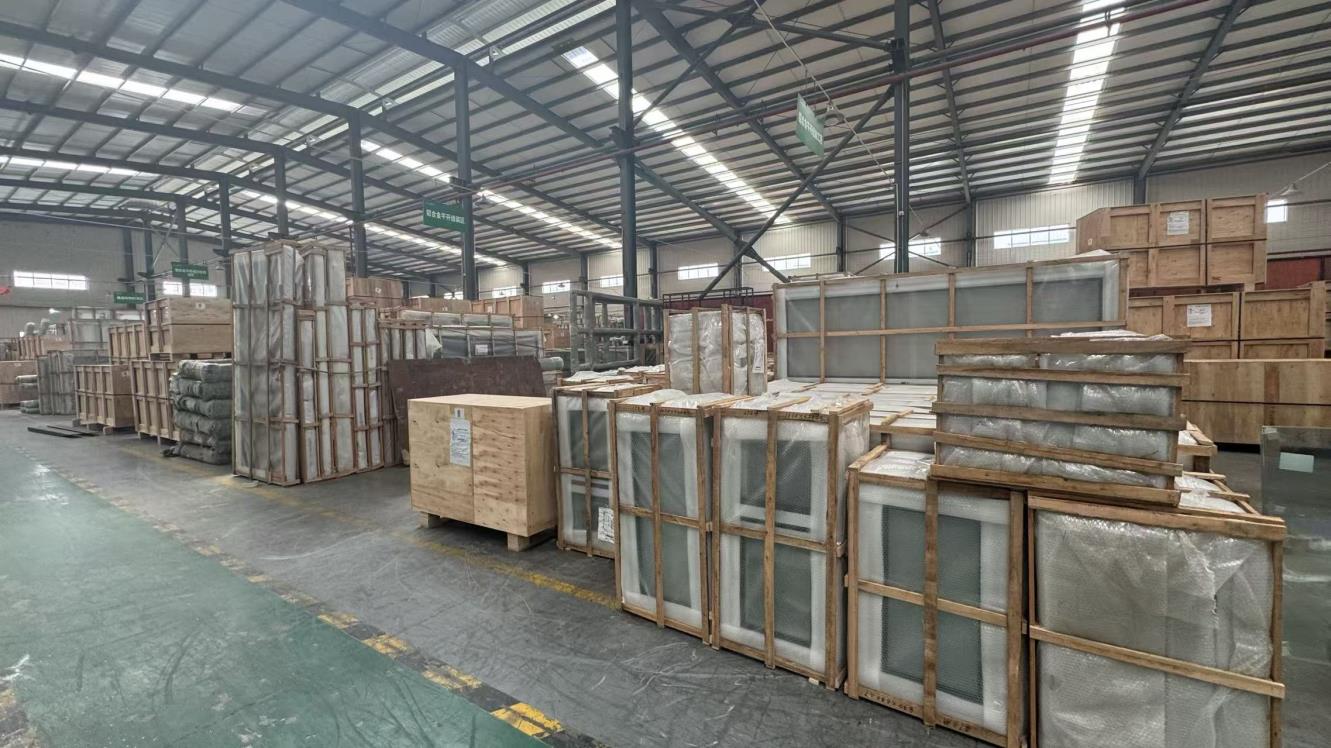
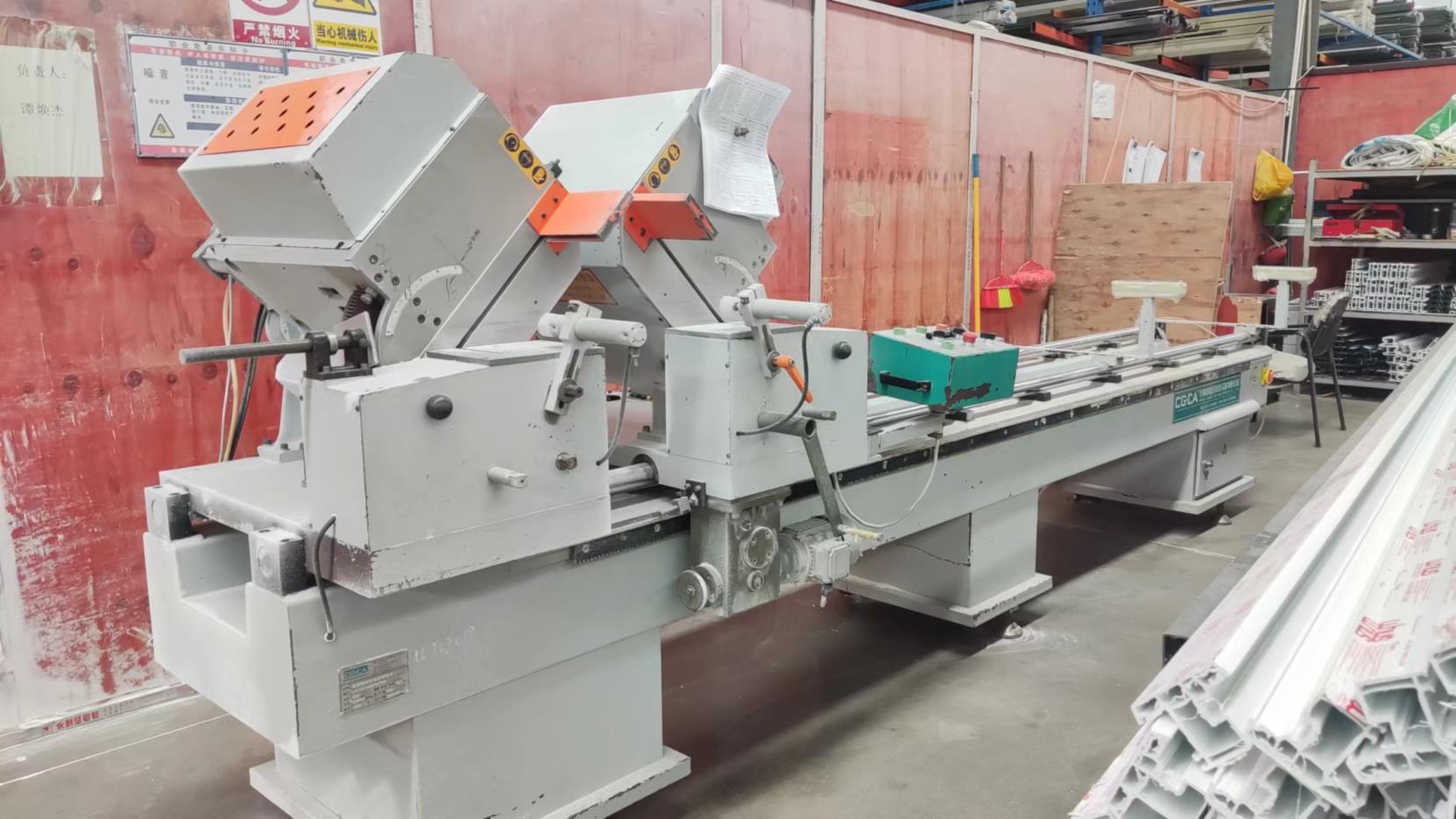
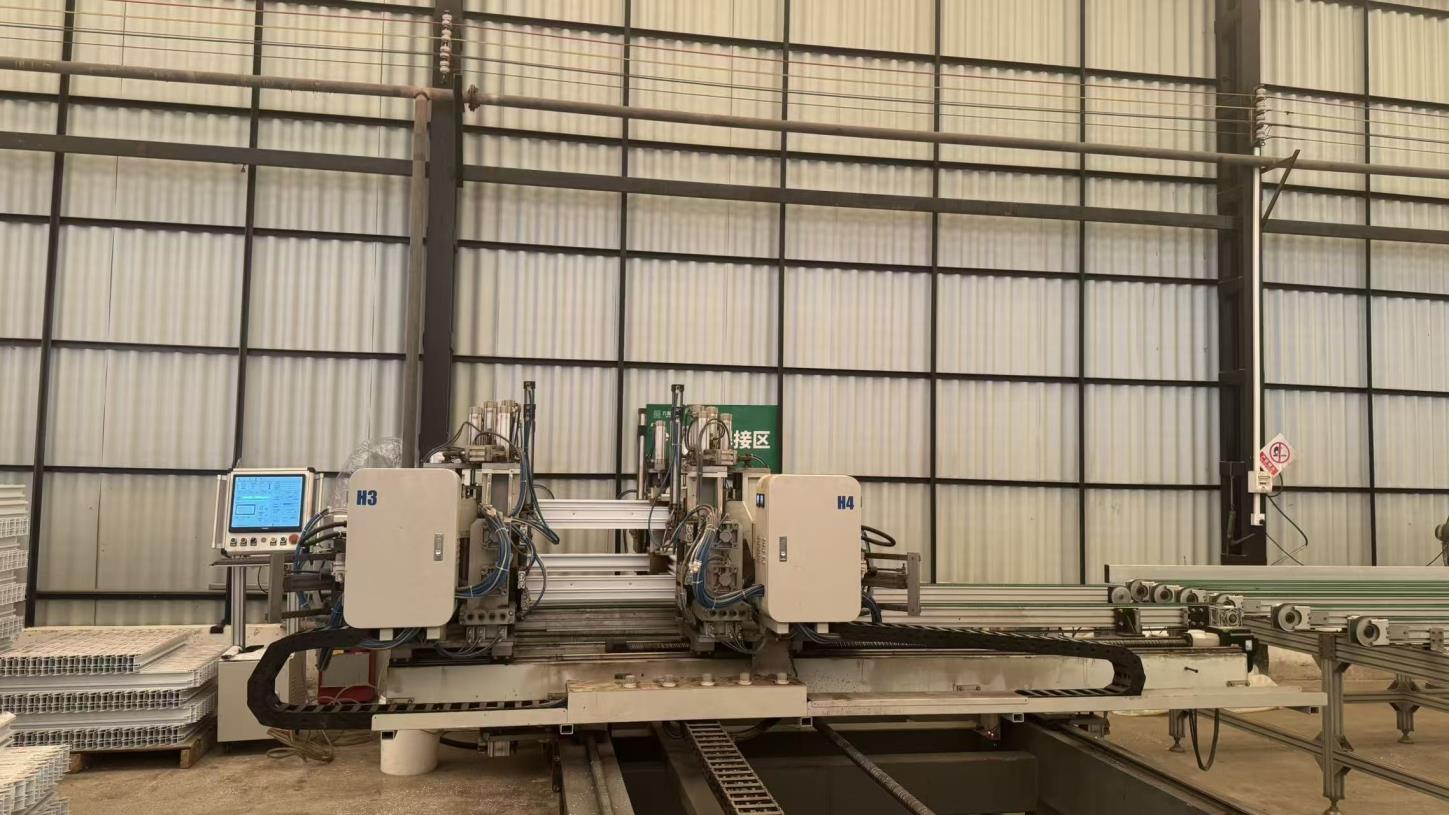
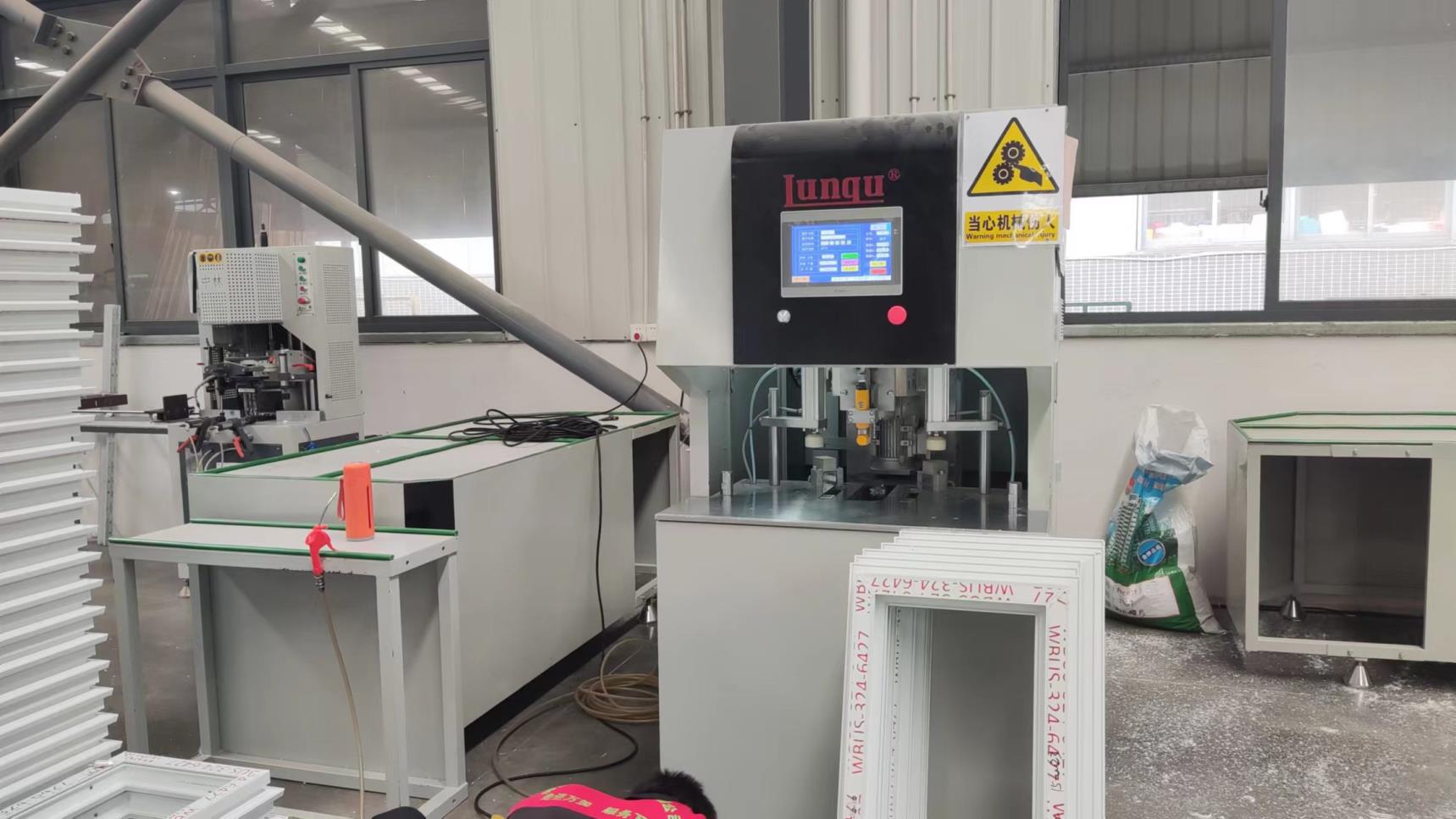
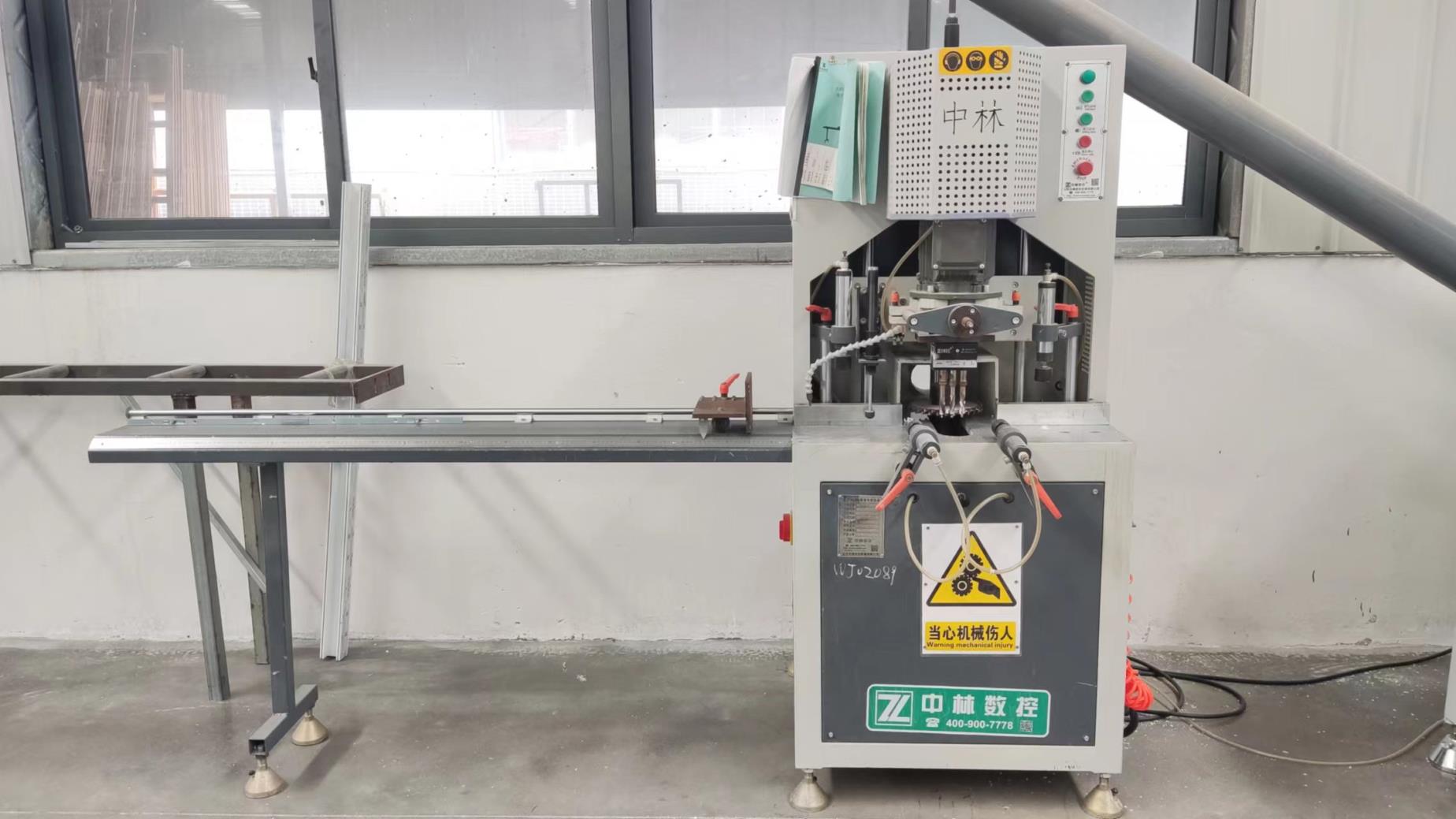
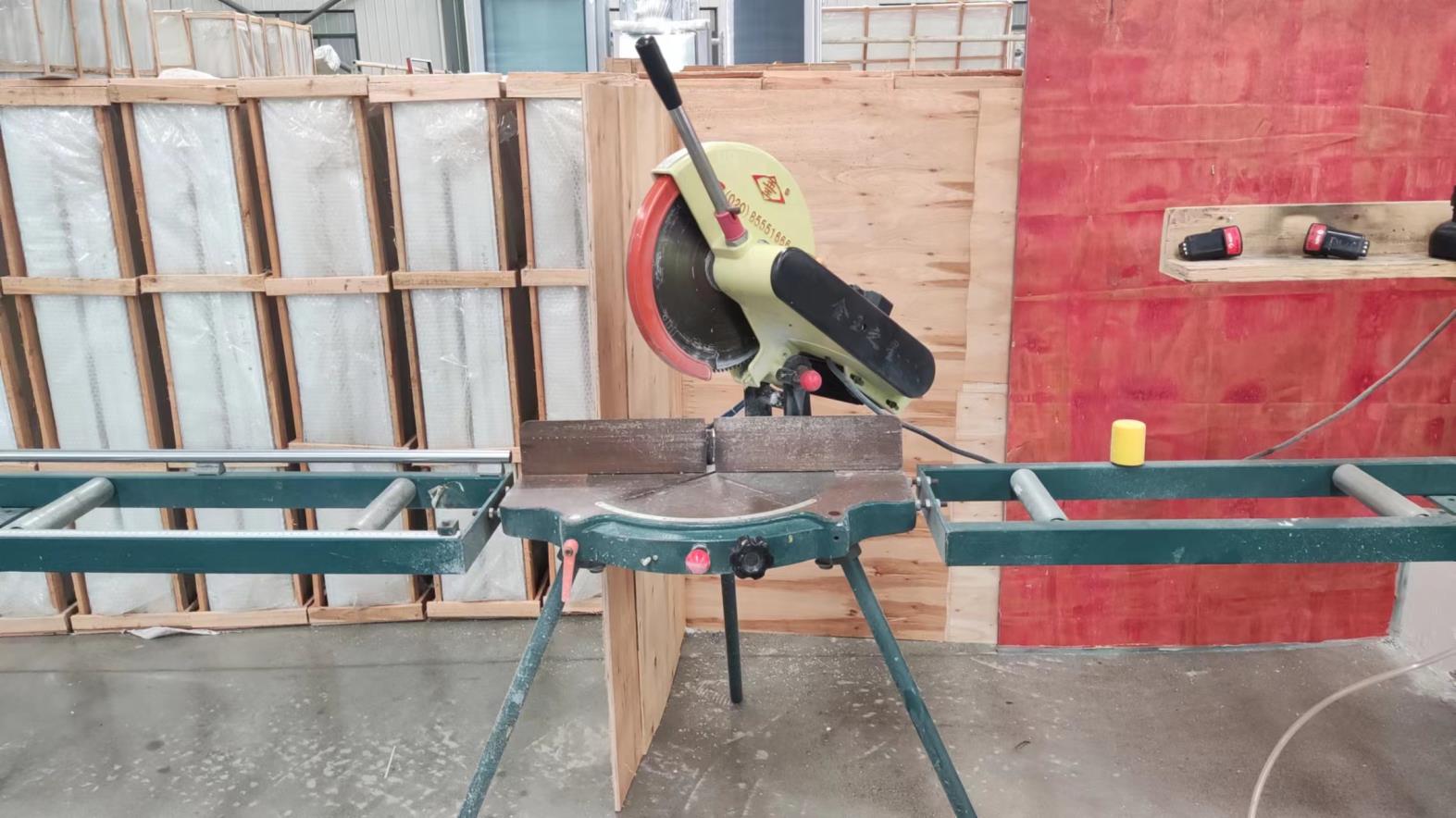
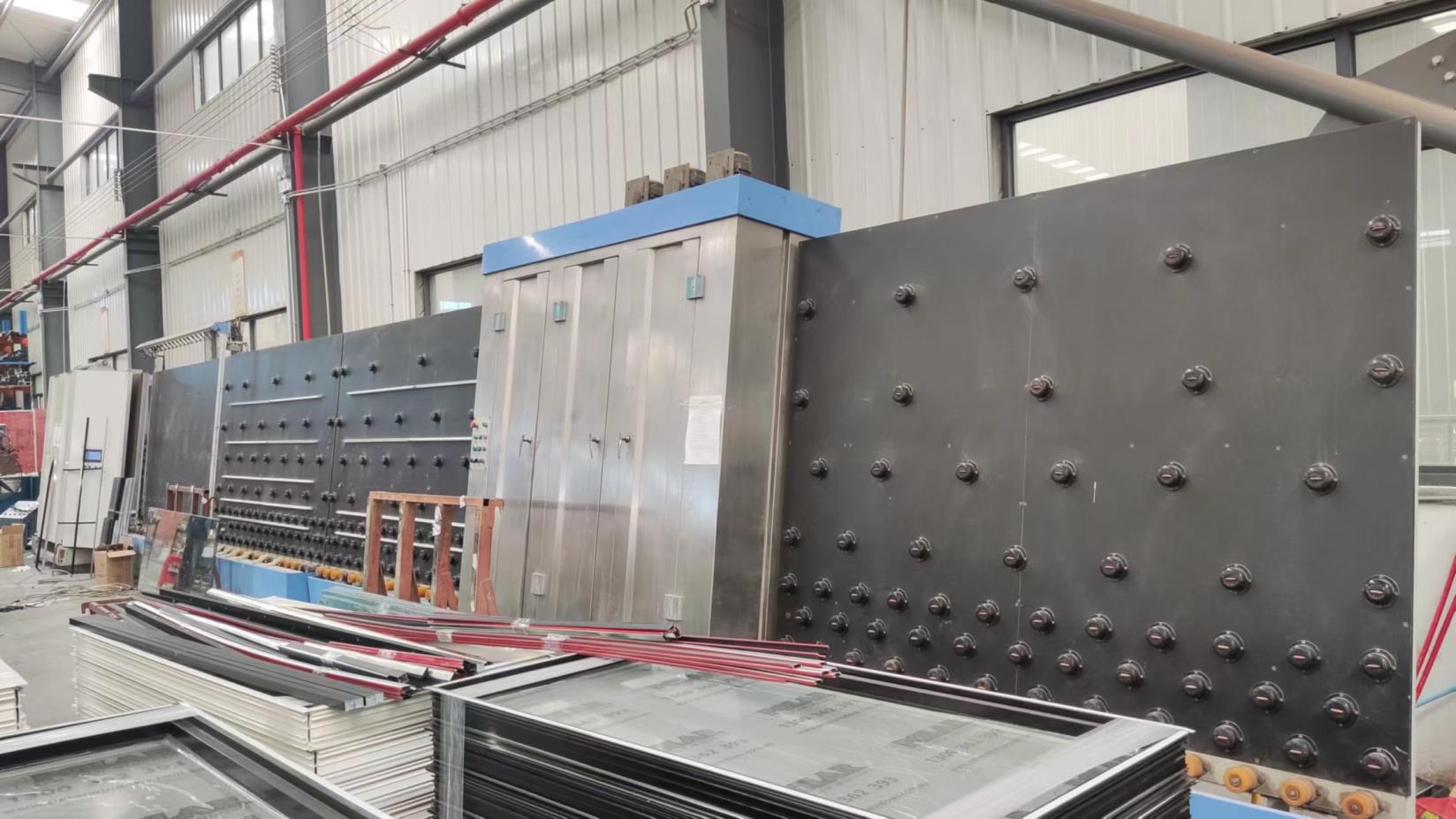
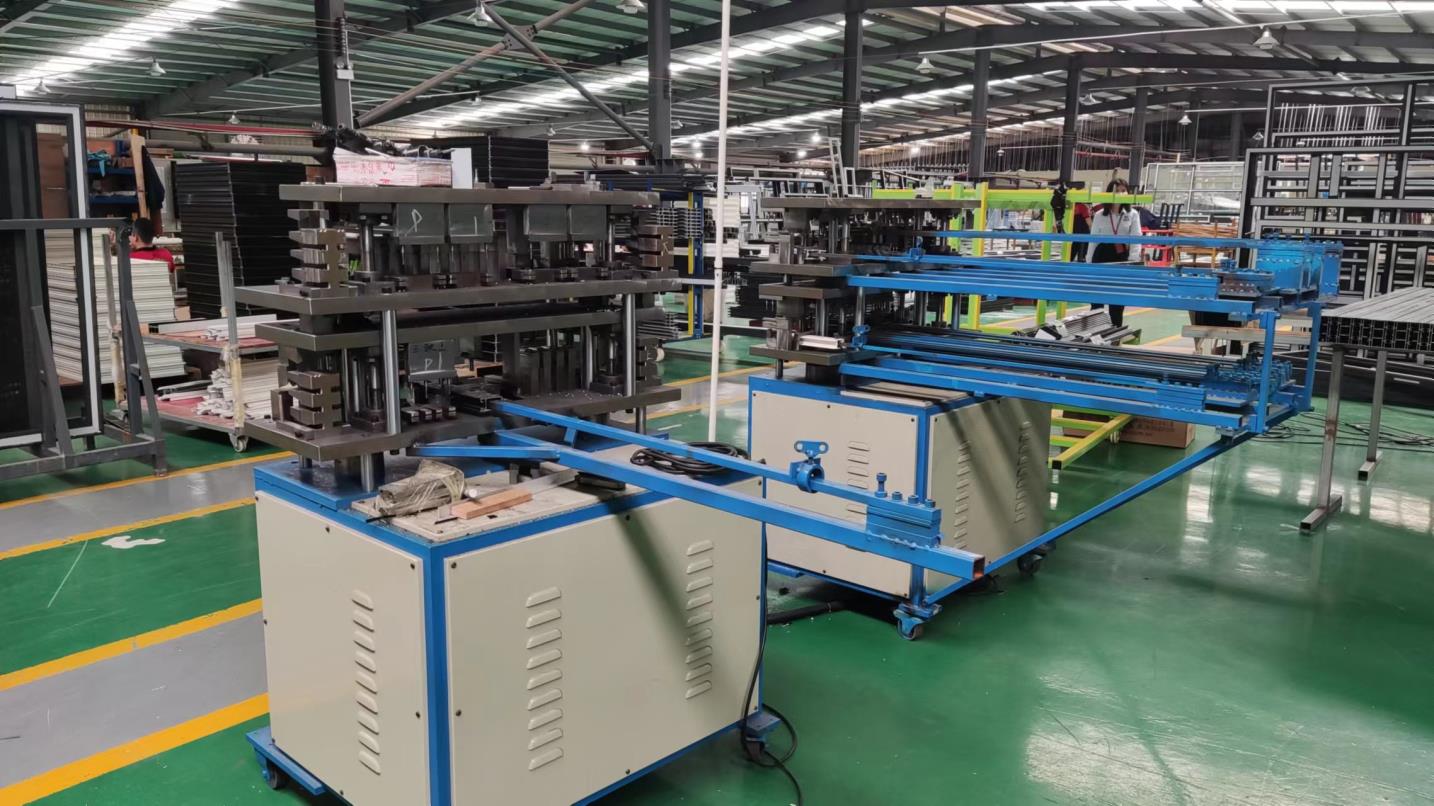
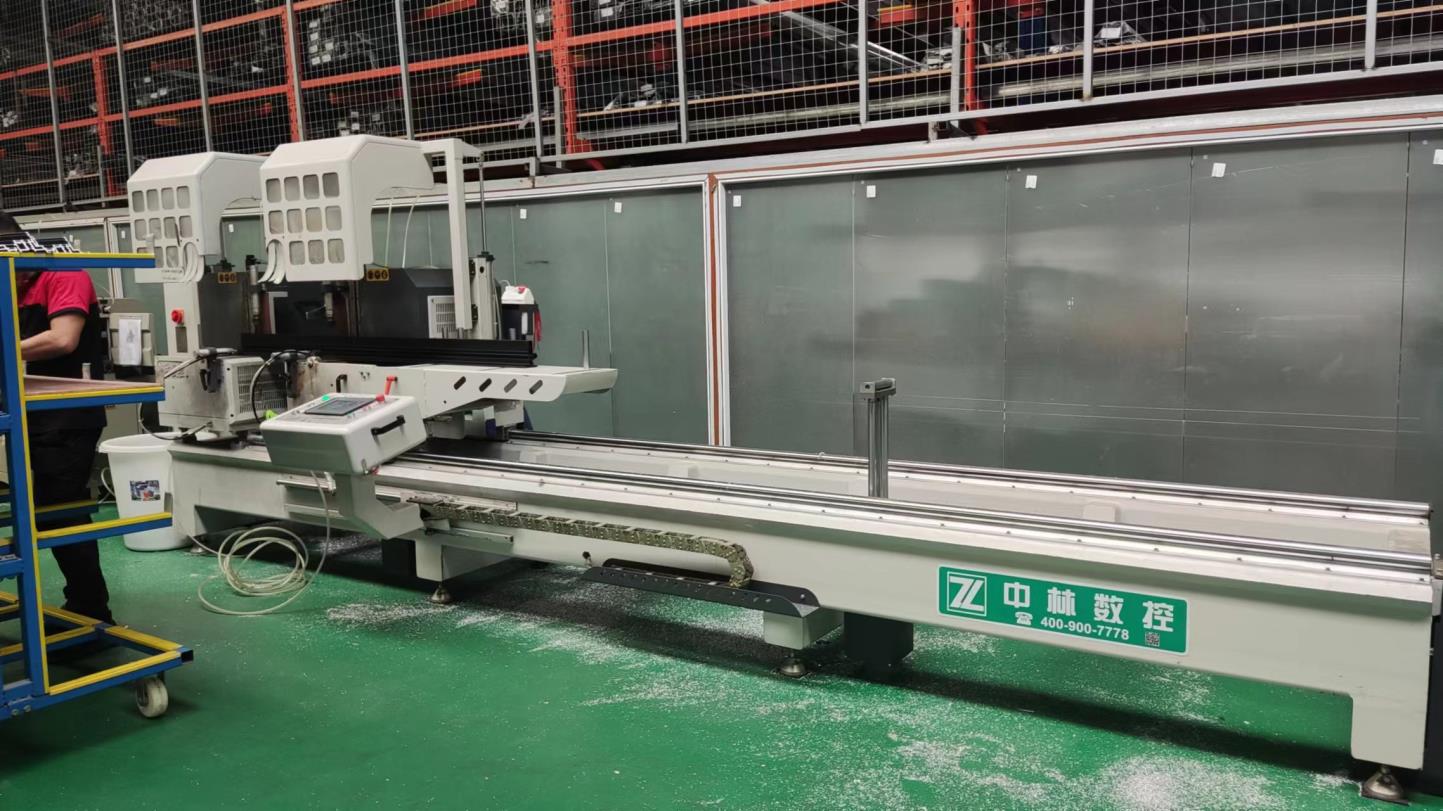
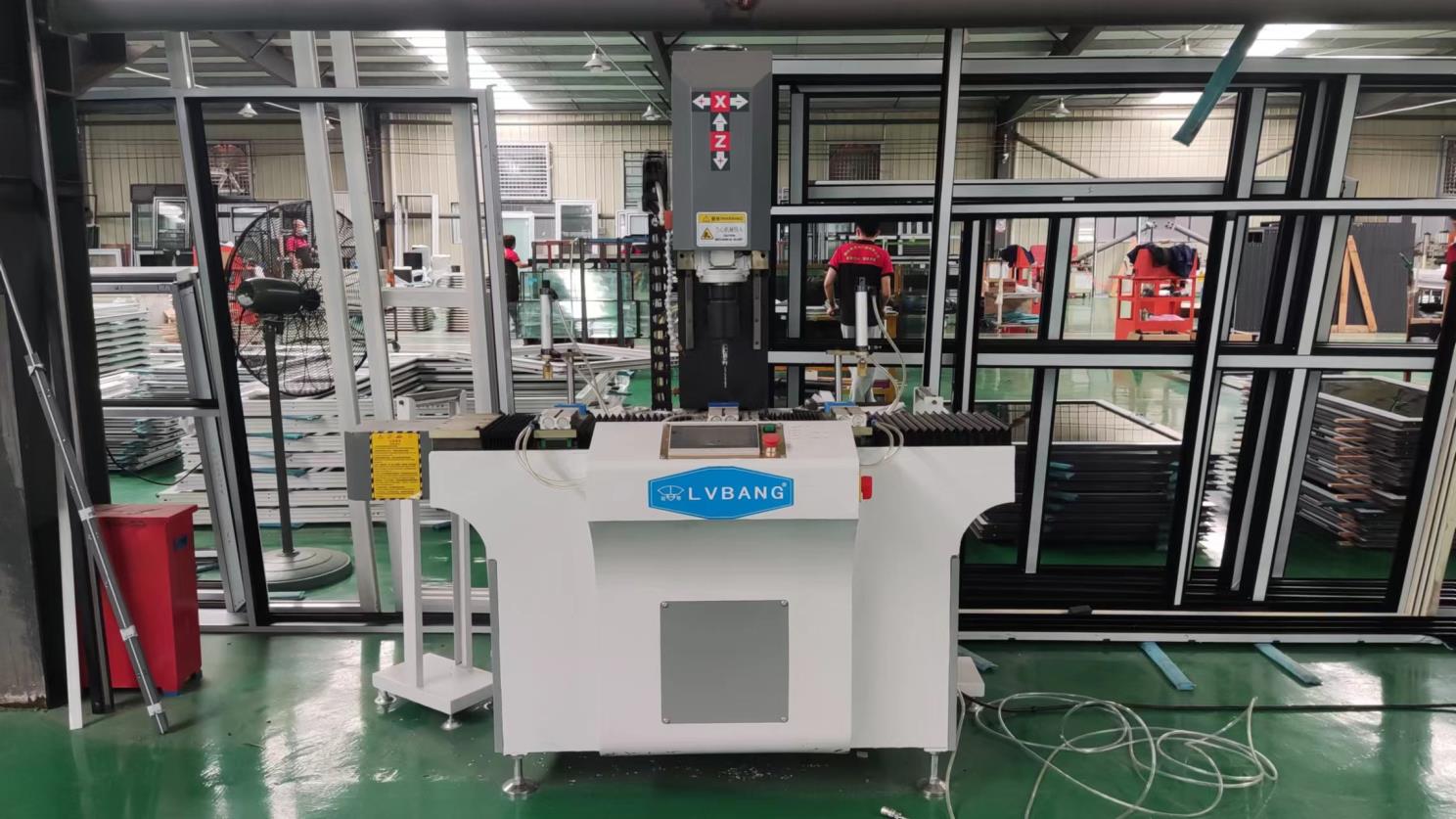
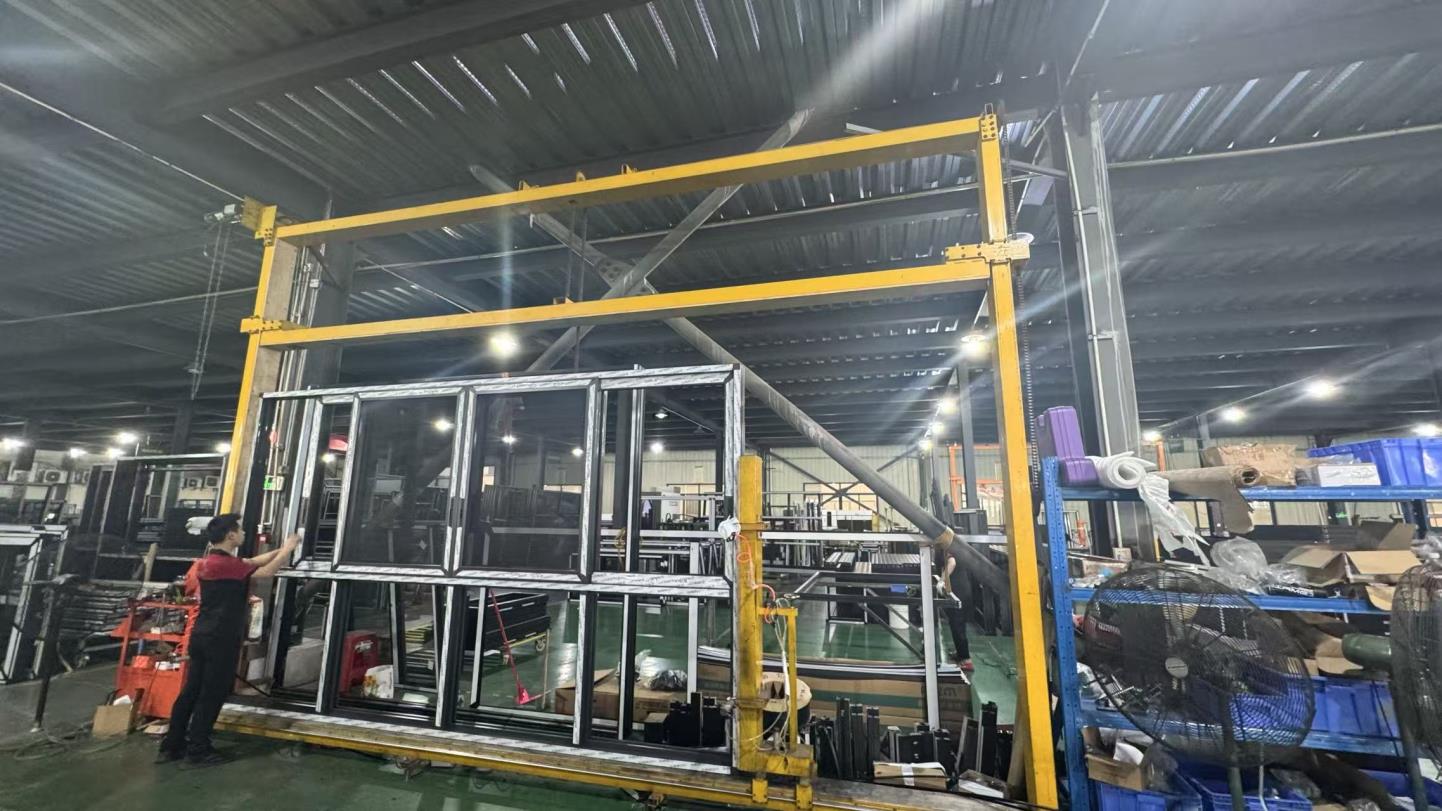
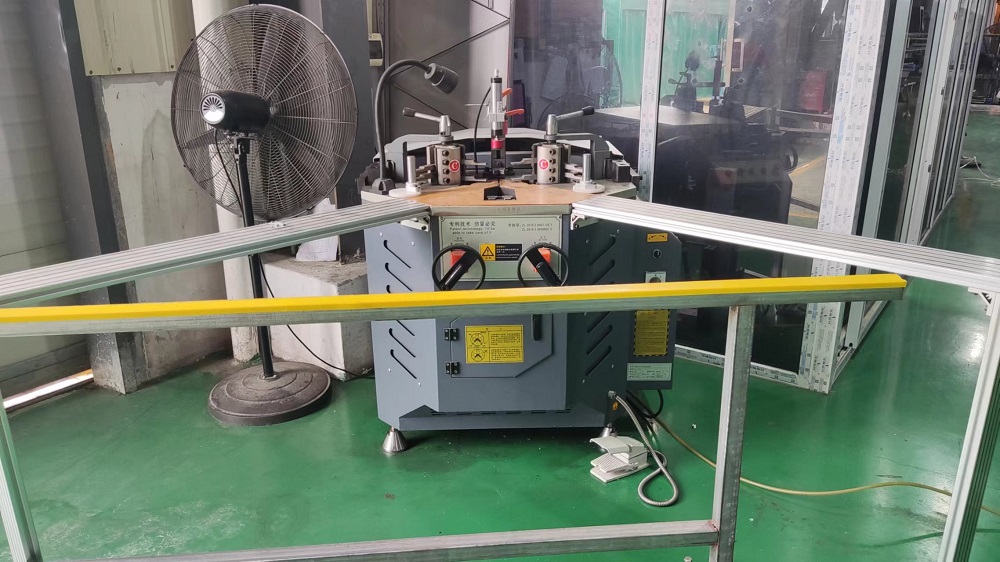
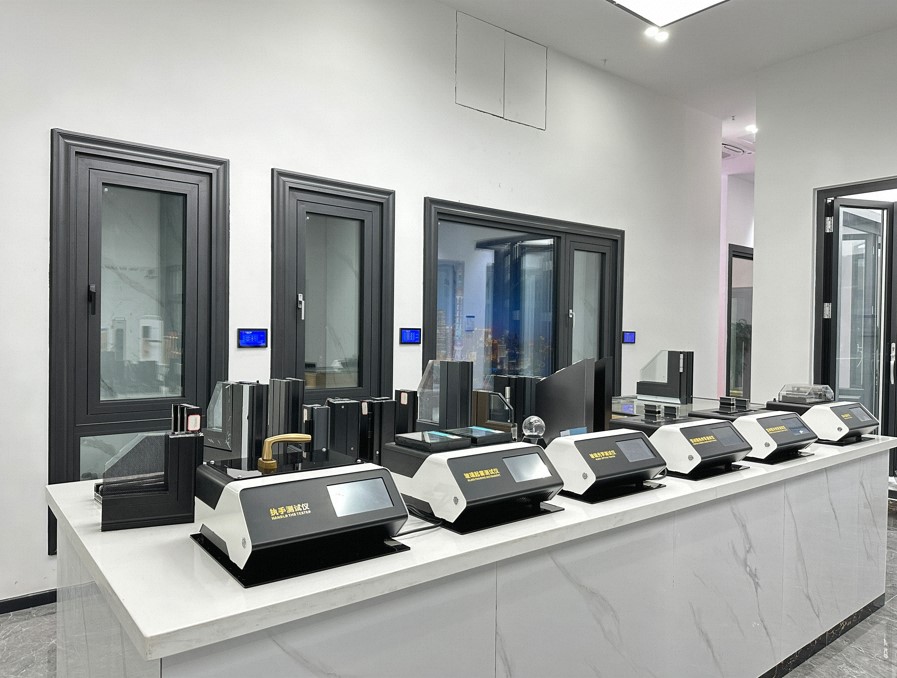
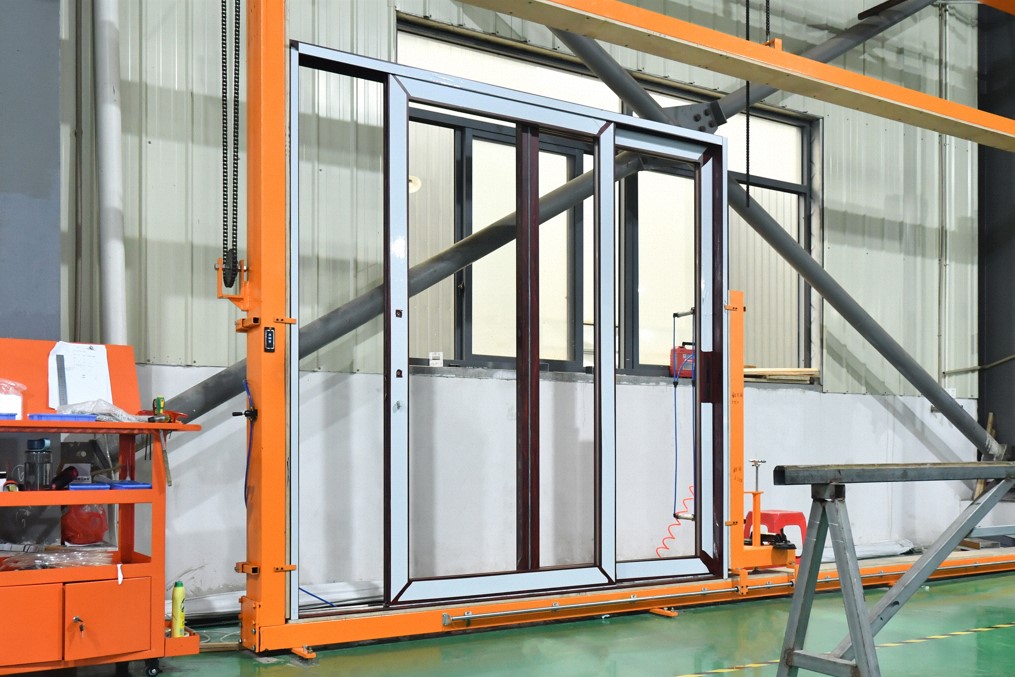
Every batch of fixed aluminum windows manufactured by Fortisdor undergo severe testing managed by 40 certified QC inspectors to guarantee zero-defect performance prior to export container loading.
Integrating fixed aluminum windows into modern building envelopes requires a comprehensive systemic approach connecting structural engineering, facade aesthetics, and building physics:
Because fixed windows are stationary and non-operable, their perimeter seals are not subjected to mechanical friction wear typical of sash windows. This permanent air barrier significantly minimizes unwanted infiltration/exfiltration, allowing HVAC engineers to reduce calculated heating and cooling plant capacities by up to 22% in commercial structures.
Urban high-density developments require protection against environmental noise pollution. By utilizing asymmetrical double-laminated glass combinations (e.g., 6mm outer pane + 12mm Argon space + 8.76mm acoustic PVB inner laminated pane), fixed aluminum windows achieve Sound Transmission Class (STC) ratings above 42 dB.
Fixed picture windows often occupy expansive geometric openings. Using finite element analysis (FEA), profile wall thicknesses (ranging from 1.8mm to 3.0mm) and moment of inertia ($I_x$, $I_y$) parameters are calculated to withstand extreme positive/negative wind pressures without exceeding permissible structural frame deflection.
Fixed aluminum windows provide significantly higher thermal efficiency and air-tightness because they eliminate movable sash perimeter gaps where air leakage typically occurs. Furthermore, without the structural weight limitations of operating hinges and rollers, fixed windows can be manufactured in dramatically larger continuous glass dimensions (floor-to-ceiling picture views) with slimmer sightlines and higher structural load resistance.
Standard aluminum is highly conductive, allowing thermal transfer between exterior and interior building surfaces. A thermal-break system incorporates a non-conductive polyamide strip (such as PA66 GF25) mechanically locked between the inner and outer aluminum extrusions. This thermal barrier prevents heat transfer, drastically improving total window U-factors and preventing condensation buildup on interior frames.
Our fixed windows are engineered to comply with major international hurricane impact standards, including NFRC, AAMA, Florida Product Approval (FPA), and ASTM E1886/E1996 Missile Level D impact tests. Frames are structural glazing units designed for design wind pressure (DP) ratings exceeding $\pm 70\text{ PSF}$ to $\pm 90\text{ PSF}$.
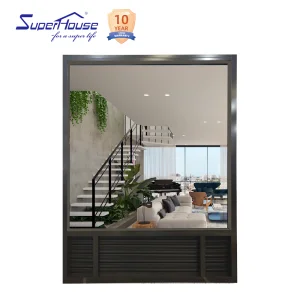
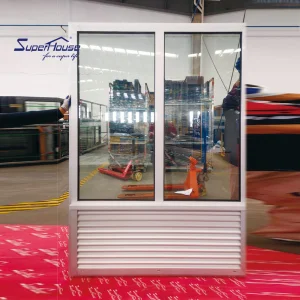
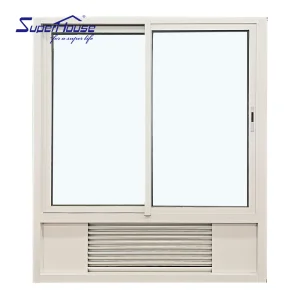
Fortisdor provides full-scope OEM and ODM customization. This includes custom structural profile shapes, multi-color powder coating (RAL color matrix), fluoropolymer PVDF coating, anodizing, custom glass specifications (Low-E, double/triple IGU, laminated safety glass, smart frosted glass), and integrated louvers (e.g., PTAC systems for hotel applications).
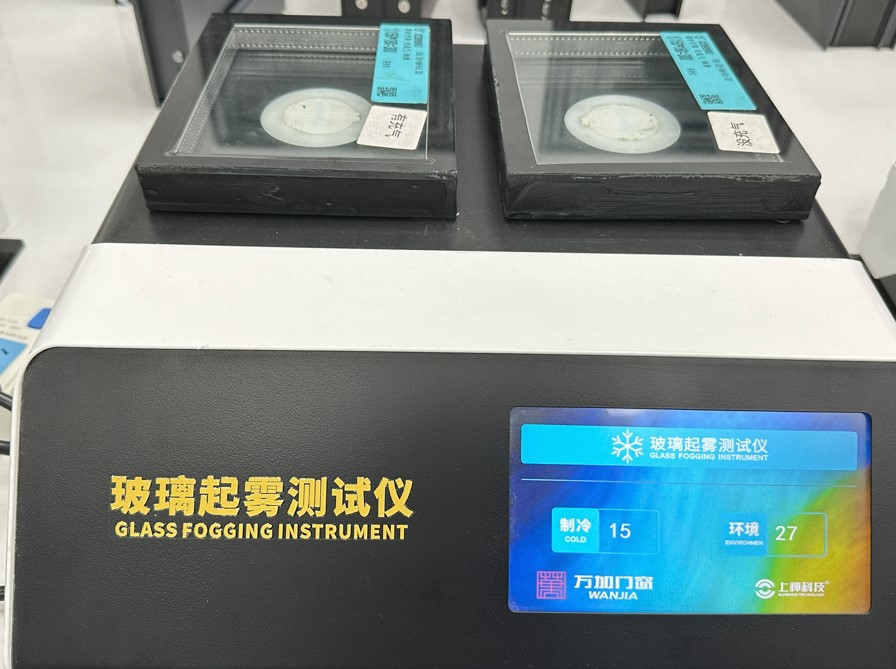
Our 32,000 m² factory operates under ISO 9001 management protocols. A team of 40 certified QC inspectors enforces rigorous raw material verification, automated double-saw cutting alignment checks, continuous silicone extrusion monitoring, and environmental stress evaluations such as salt-spray testing (ASTM B117) and glass fogging hermetic sealing tests.
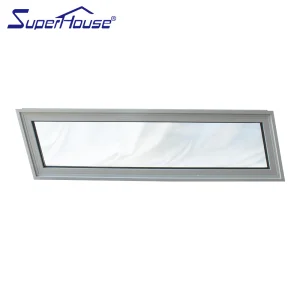
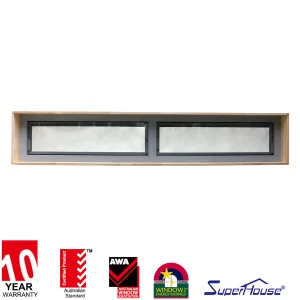
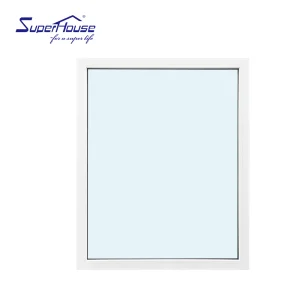
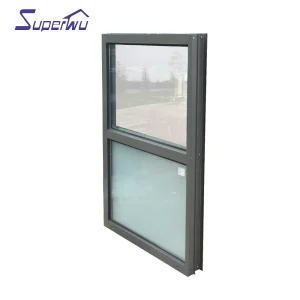
Explore our extended series of certified thermal break, soundproof, and specialty aluminum fixed window solutions tailored for real estate developments globally.
 Fortisdor