Aluminum Windows Manufacturers & Exporter

Global Engineering White Paper: Advanced Thermal-Break Systems, HVHZ Hurricane Resistance, and Industrial Supply Chain Architecture for Commercial & Real Estate Development

ISO 9001 / NFRC / AS2047 Certified Miami-Dade HVHZ Approved OEM/ODM Custom Extrusion

Architectural Engineering Product Portfolio

High-performance fenestration products engineered for extreme wind loads, thermal isolation, structural durability, and modern architectural aesthetics.
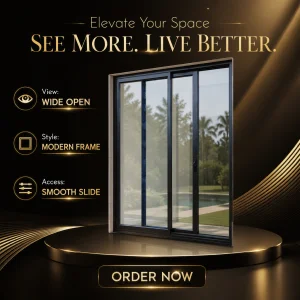
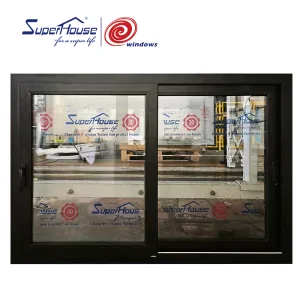
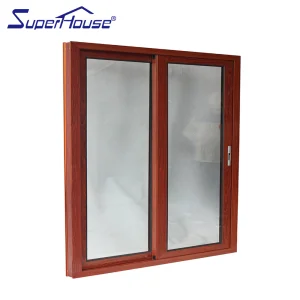
Hurricane Proof Aluminum Sliding Glass Door
5 Star Hotel Exterior Modern Hurricane Proof Transmittance Laminated Safety Tempered Glass Aluminum Sliding Window Door
Technical Specifications
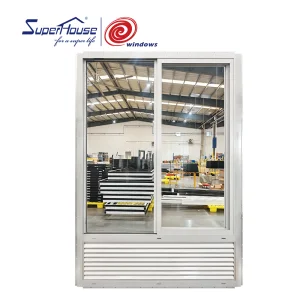
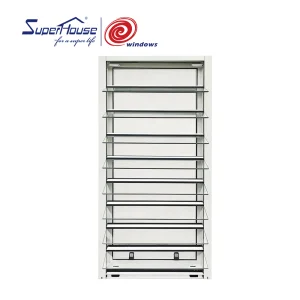
Adjustable Aluminum Glass Louver Window
Superhouse Manual Adjustable Aluminum Glass Louver Window With Security Stainless Steel Aluminum Screen for Safety
Technical Specifications
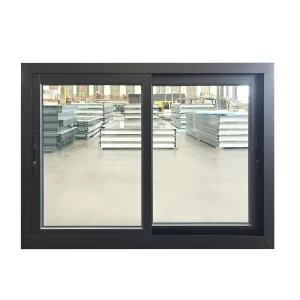
Hurricane Impact Aluminum Sliding Window
Modern Horizontal Aluminum Sliding Window NFRC Certified Hurricane Impact Large Fixed Panel With Magnetic Insect Screen
Technical Specifications
Miami Dade Approved Energy Star Sliding Windows
Miami Dade Approved PTAC Hotel Sliding Window Aluminum Plantation Shutter NFRC Energy Star Custom Style Apartment Condo Windows
Technical Specifications
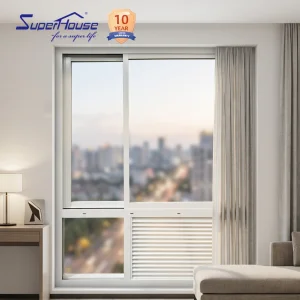
Aluminum Sliding Window with Integrated Blinds
Aluminum Sliding Window with Built-in Blinds Double Glazed Thermal Break Window for Hotel Guest Room Project
Technical Specifications
Thermal Break Hurricane Impact Sliding Window
Thermal Break White Impact Sliding Window Hurricane Certified with Insect Screen for Villa NOA Certified
Technical Specifications
NFRC Certified Anti Corrosion Aluminum Window
NFRC Certified Aluminum Sliding Anti-Corrosion 316 Stainless Hardware Florida Beach House Aluminum Sliding Window
Technical Specifications
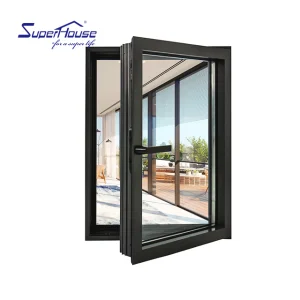
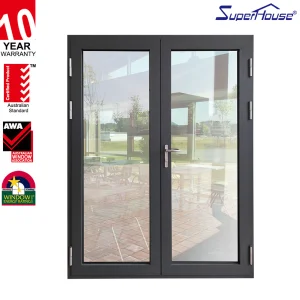
French Casement Thermal Break Windows
Aluminum Frame Energy Efficient Ultra Narrow Custom Window Double Glazing French Casement Window Thermal Break Casement Windows
Technical Specifications

Executive Summary: The Global Evolution of Architectural Aluminum Fenestration

A deep-dive technical perspective on structural aluminum alloys, thermal break innovations, and climate-adaptive envelope design for commercial developers and facade consultants.

The Commercial & Industrial Context

In modern architectural design, the building envelope represents up to 40% of a structure's total operational energy efficiency. As global building codes tighten—specifically driven by Europe’s EPBD (Energy Performance of Buildings Directive), North America’s ASHRAE 90.1, and Australia’s NCC—the demand for high-performance aluminum window and door systems has shifted from purely aesthetic considerations to complex engineering mandates.

Aluminum (specifically 6063-T5/T6 structural alloy) remains the preferred frame material for commercial high-rises, luxury residential complexes, and hospitality developments due to its unmatched strength-to-weight ratio, structural rigidity under high wind pressures, and 100% recyclability. However, raw aluminum’s high thermal conductivity (approx. 200 W/m·K) historically posed a thermal bridging challenge. Modern manufacturing solves this through multi-cavity Polyamide (PA66 GF25) thermal breaks, drastically reducing thermal conductivity to match or exceed strict Energy Star and Low-E envelope benchmarks.

Key Engineering Drivers in Modern Fenestration

  • Structural Load Resistance: Engineering profiles to withstand wind loads exceeding 5000 Pa (equivalent to Category 5 hurricanes).
  • Thermal Isolation (U-Value): Integrating 24mm to 34mm PA66 insulation strips combined with Argon-filled triple glazing to achieve U-factors < 0.24 BTU/h·ft²·°F (1.4 W/m²K).
  • Acoustic Attenuation (STC/OITC): Utilizing asymmetric laminated glass interlayers (SGP/PVB) to achieve Sound Transmission Class ratings of STC 40–45 for urban noise reduction.
  • Surface Finish Durability: Utilizing Qualicoat Class 2/3 powder coatings and AAMA 2605 fluorocarbon (PVDF) finishes for 25+ years of anti-corrosion performance in harsh coastal/marine environments.
32,000 m²
Industrial Manufacturing Footprint
$22M+
Annual Global Export Revenue
20 Years
Precision Engineering Expertise
950+
Supply Chain Tier-1 Partners
40 / 50
Certified QC Inspectors / R&D Engineers

Comprehensive Engineering Specification Matrix

Rigorous quantitative parameters establishing baseline performance across structural, thermal, optical, and mechanical indices.

Performance Parameter Standard Test Benchmark Engineering Specification / Value Range Architectural Application
Structural Wind Load ASTM E330 / AS4055 / EN 12210 Design Pressure: ± 4500 Pa to ± 8000 Pa (HVHZ Rating) High-rise towers, coastal hurricane zones
Thermal Transmittance (U-Factor) NFRC 100 / EN ISO 10077-2 U-Factor: 0.18 - 0.28 BTU/h·ft²·°F (1.0 - 1.6 W/m²K) Passive House, cold climate resort facades
Air Infiltration Leakage ASTM E283 / EN 12207 < 0.1 cfm/ft² @ 1.57 psf (Class A4 Air Tightness) Energy Star commercial envelope compliance
Water Penetration Resistance ASTM E547 / ASTM E331 / EN 12208 Static & Dynamic Water Pressure: 750 Pa - 1050 Pa (No Leakage) Exposed coastal villas, high-exposure commercial facades
Acoustic Rating (STC / OITC) ASTM E90 / ISO 10140-2 STC 38 to STC 48 (Double/Triple Glazed Laminated) Airport zones, busy urban commercial developments
Impact Resistance (Impact/Cyclic) TAS 201/202/203 (Miami-Dade NOA) Large Missile Impact Level D (9-lb 2x4 stud @ 50 ft/s) Florida HVHZ, Caribbean hurricane resilience
Profile Alloy Metallurgy ASTM B221 / GB 5237-2017 6063-T6 / 6005A-T6 Architectural Grade Aluminum Structural framing, curtain walls, heavy sliding sashes
Surface Anodizing / PVDF Coating AAMA 2605 / Qualicoat Class 3 PVDF 3-Coat Flurocarbon (70% Kynar 500) > 40 microns Extreme UV, high-salinity maritime environments
Information Gain: Multi-Cavity PA66 Structural Thermal Barrier Breakdown

Unlike basic non-thermal break frames or standard single-bar insulation, our advanced profile geometry incorporates 25% Glass-Fiber Reinforced Polyamide (PA66 GF25) structural struts engineered with double internal air cavities. This design creates a thermal resistance break within the aluminum extrusion, preventing condensation forming on interior frame surfaces during extreme temperature differentials (ΔT > 40°C) while maintaining structural shear strength under heavy dead-loads of triple-pane insulated glass units (IGUs).

Manufacturing Supremacy & China Supply Chain Ecosystem

How Fortisdor leverages 20 years of door & window engineering expertise, 32,000 m² of modern industrial infrastructure, and a network of 950+ supply chain partners to deliver unmatched cost-performance efficiency.

20 Years of Precision Manufacturing Engineering

Established in 2004, Fortisdor Security Doors Co., Ltd. is a specialized manufacturer of premium entry doors and high-performance architectural aluminum window systems operating out of a state-of-the-art 32,000 m² industrial facility. With two decades of specialized fenestration manufacturing expertise and 8 years of intensive international export operations, the company generates over $22 million in annual export revenue.

Fortisdor serves major tier-1 market segments across North America, Europe, Australia, and the Middle East, primarily supplying building material wholesalers, commercial general contractors, and luxury residential real estate developers. Backed by an established global trade background and a robust network of over 950 supply chain partners, Fortisdor enforces uncompromising engineering standards across every batch produced.

Vertical Integration & Cost Engineering Edge

By controlling the entire production value chain—from raw aluminum alloy billet extrusions and automated CNC machining to double-sealed glass assembly and powder-coat finishing—Fortisdor eliminates middleman margins and guarantees strict dimensional tolerance (±0.5mm).

The company’s prolific R&D division consists of 50 engineering professionals who launched over 140 new door and window models last year alone. OEM/ODM customization capabilities include integrated multi-point electronic lock systems, custom ceramic frit and smart electrochromic glass panels, high-performance thermal-break aluminum profiles, and custom PVDF color matching.

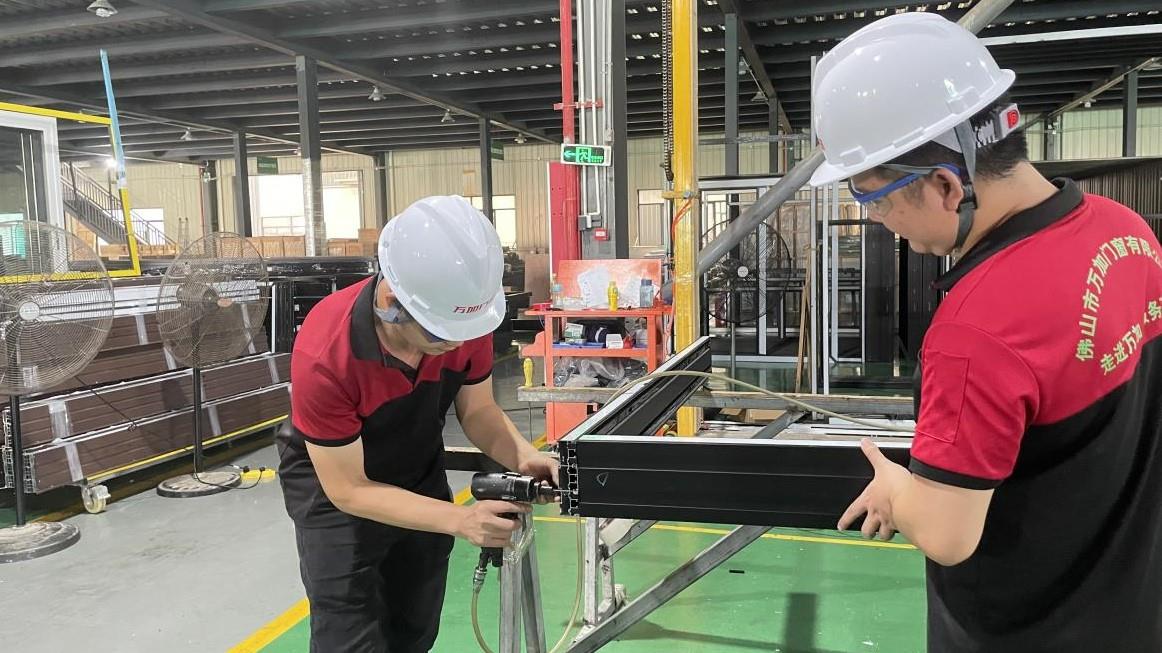
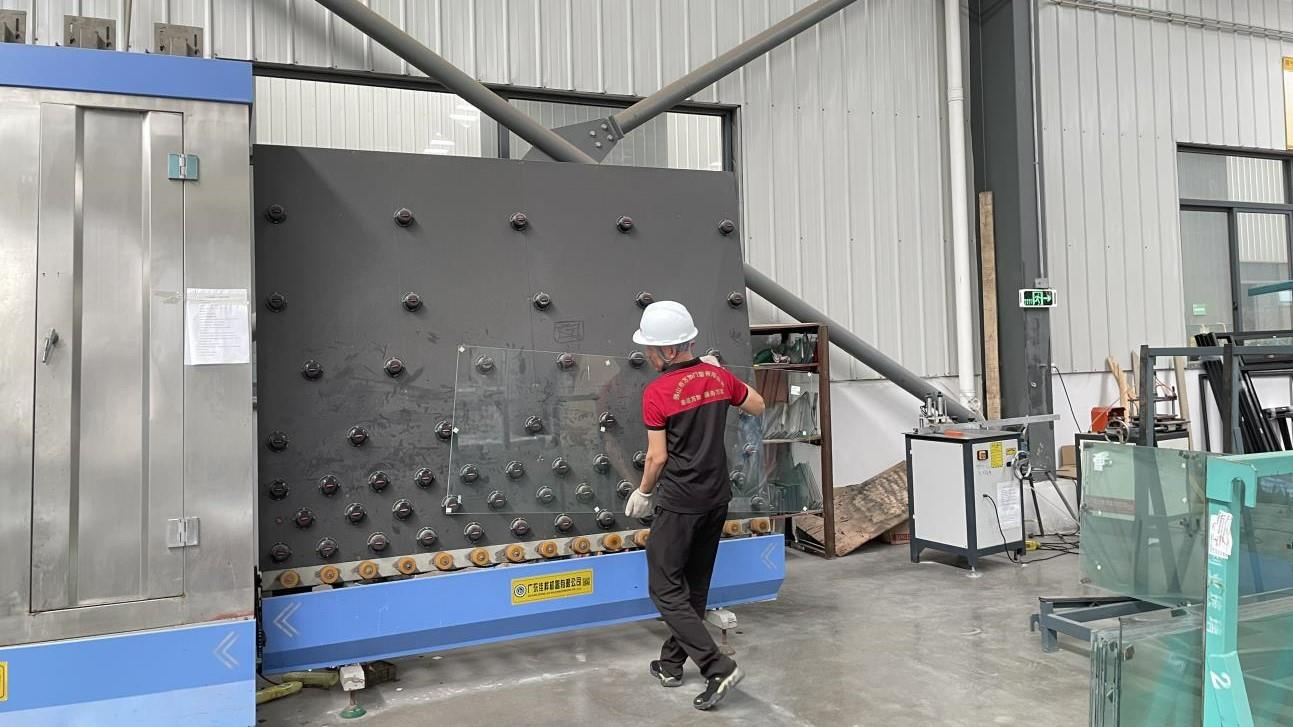
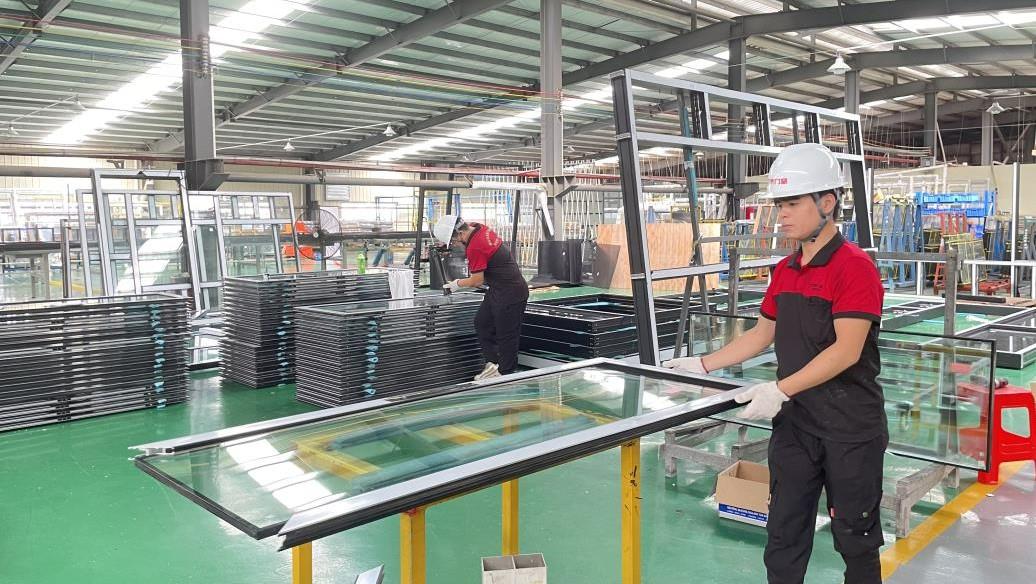
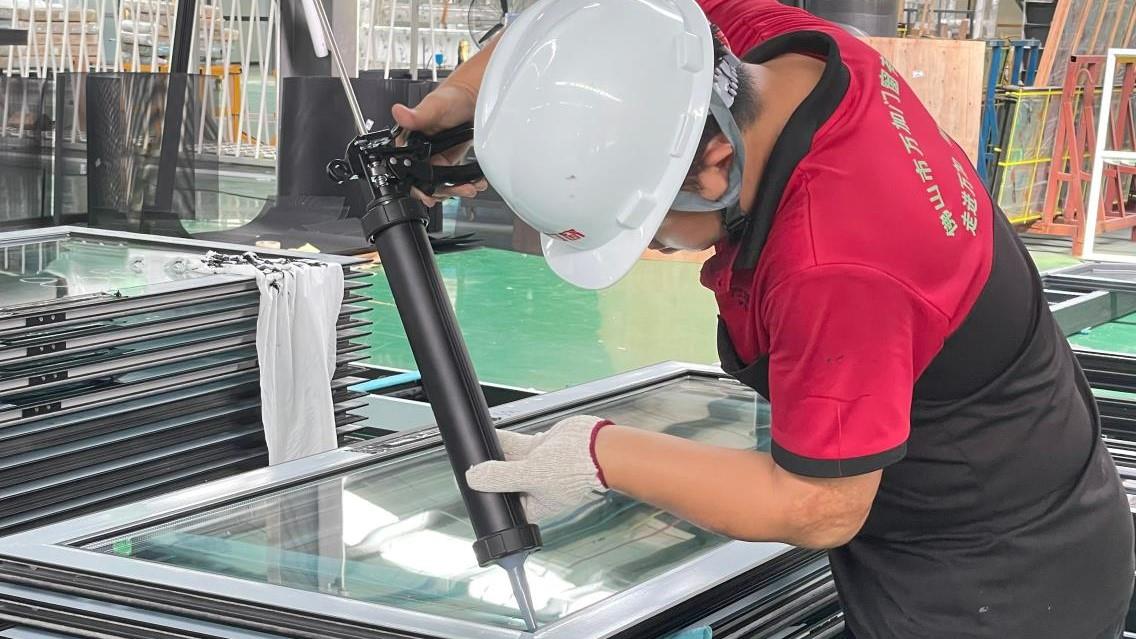
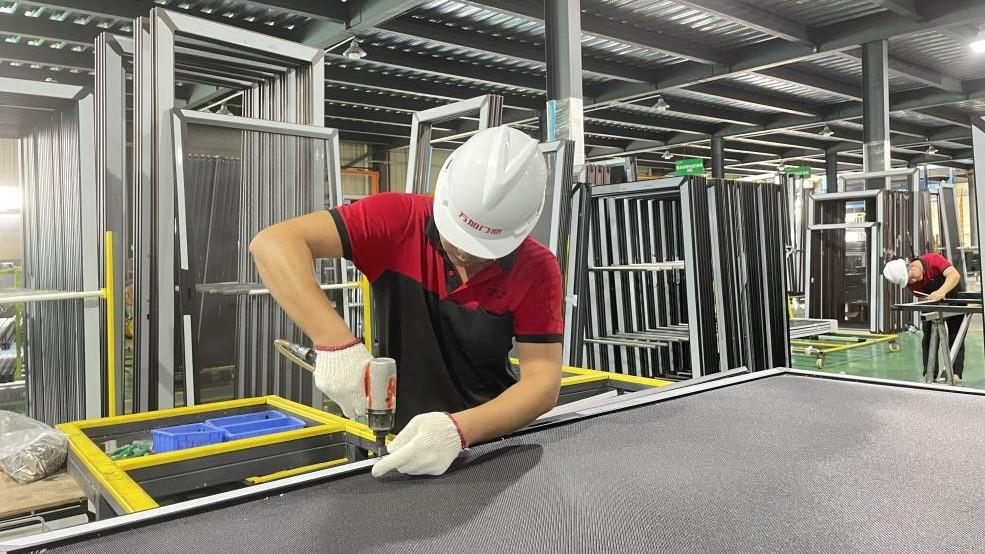
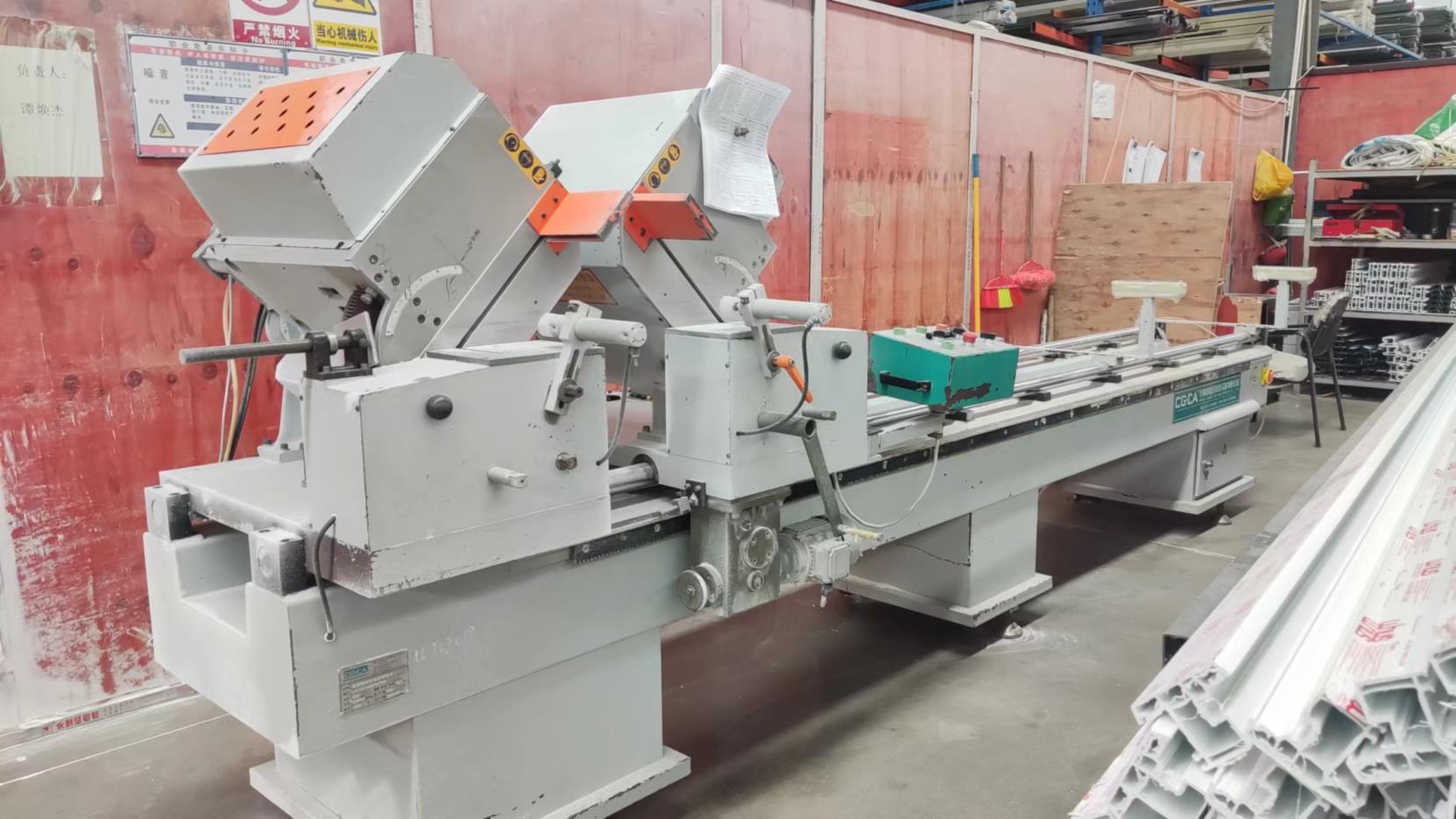
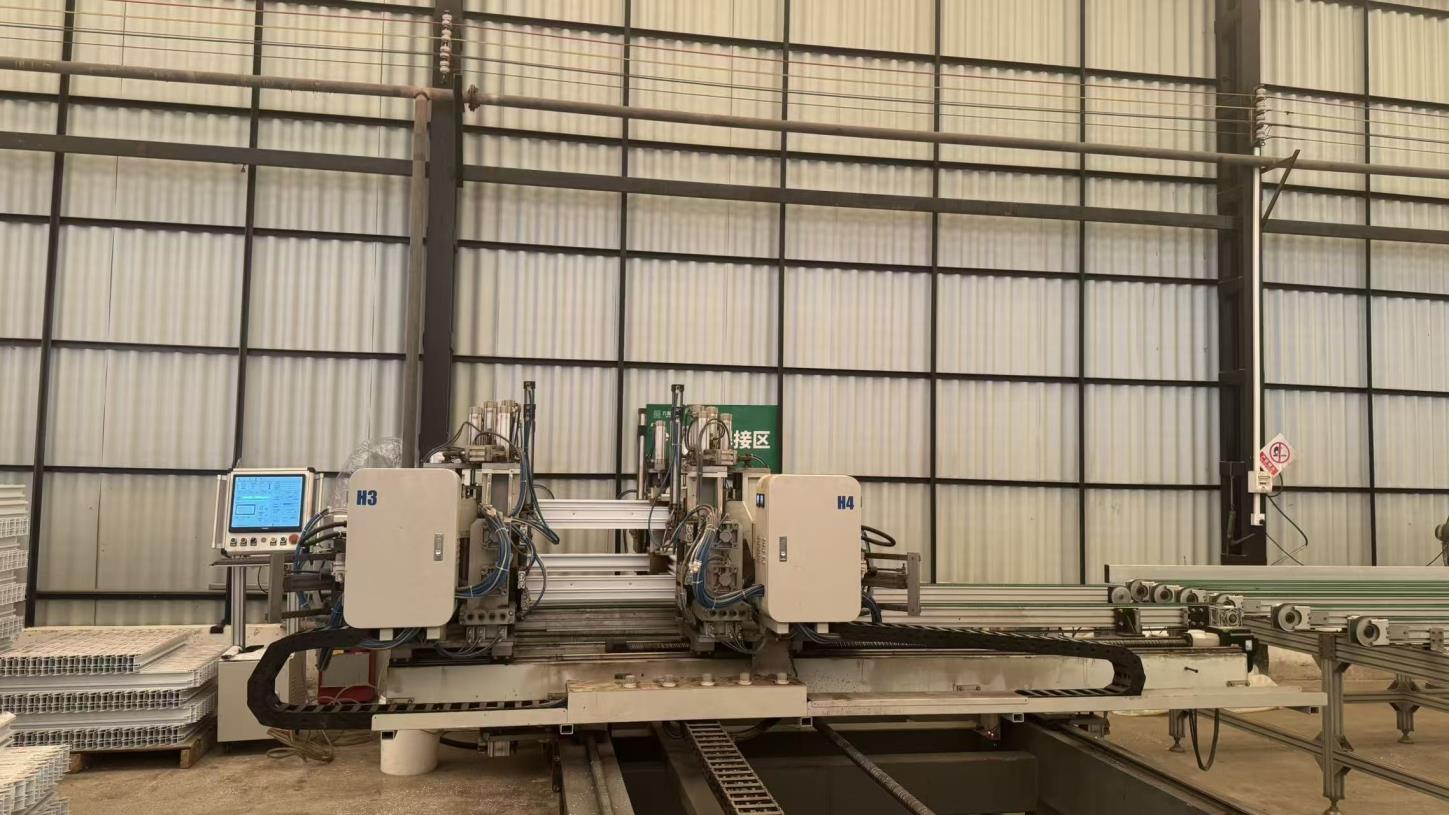
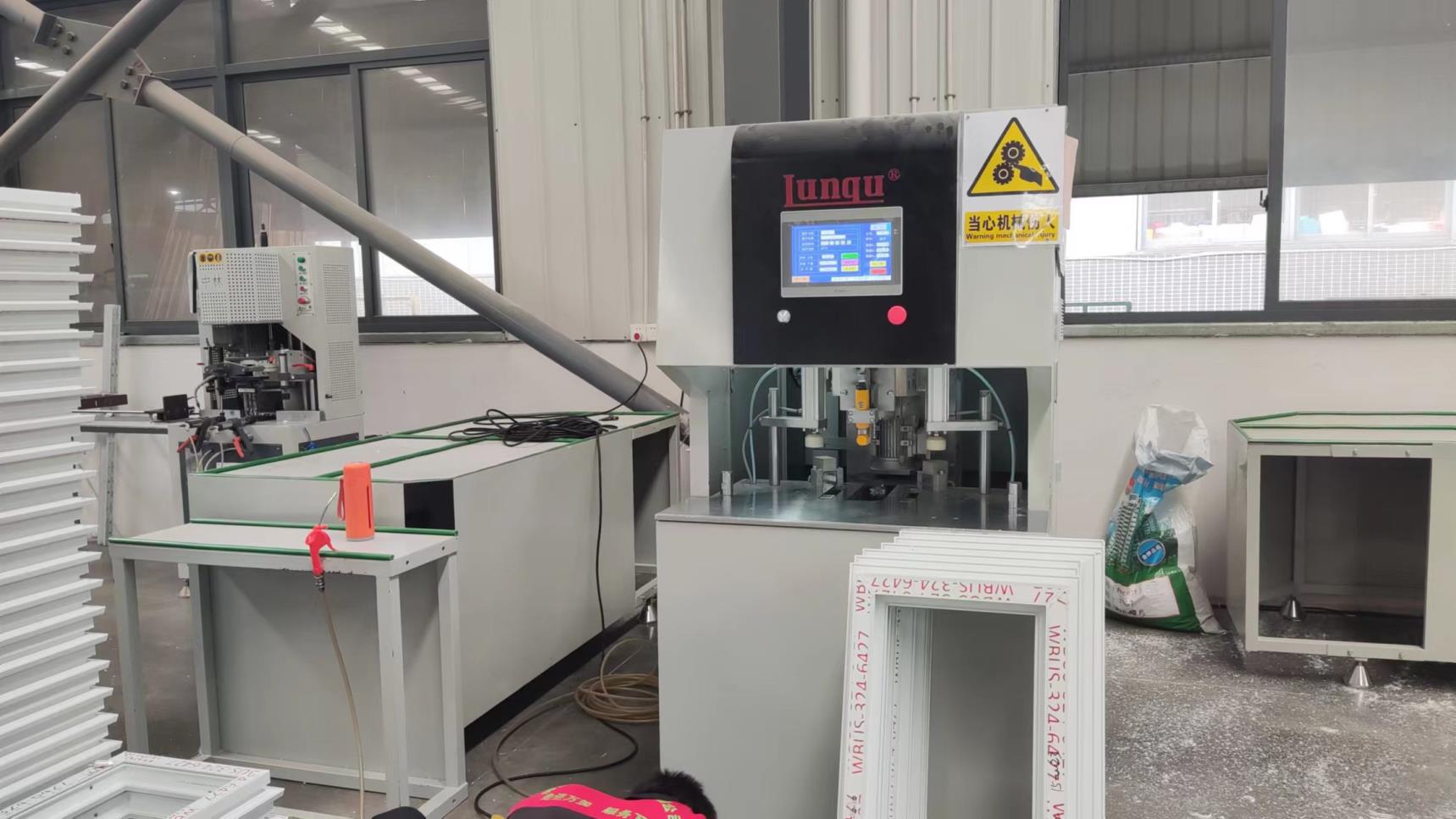
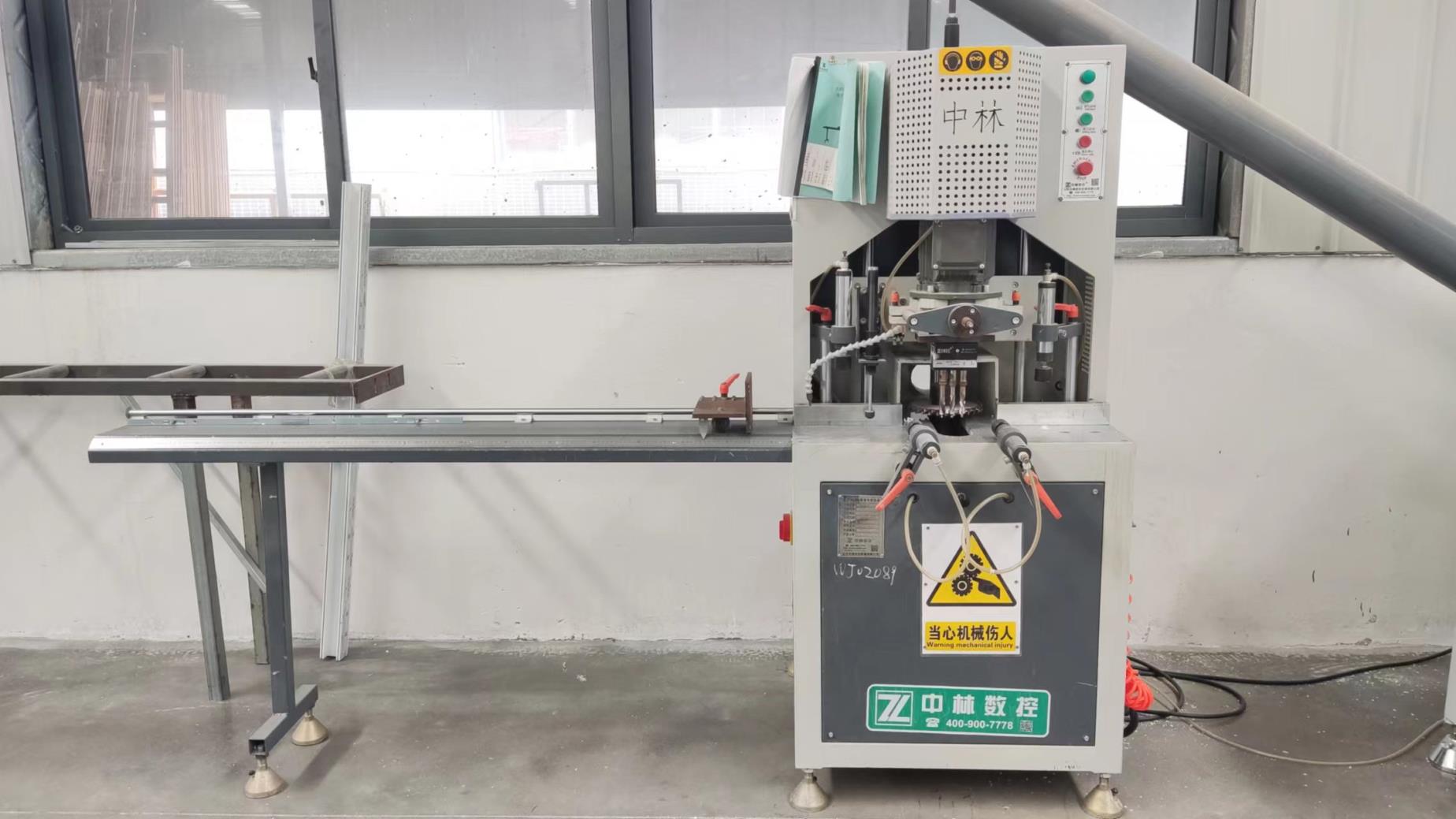
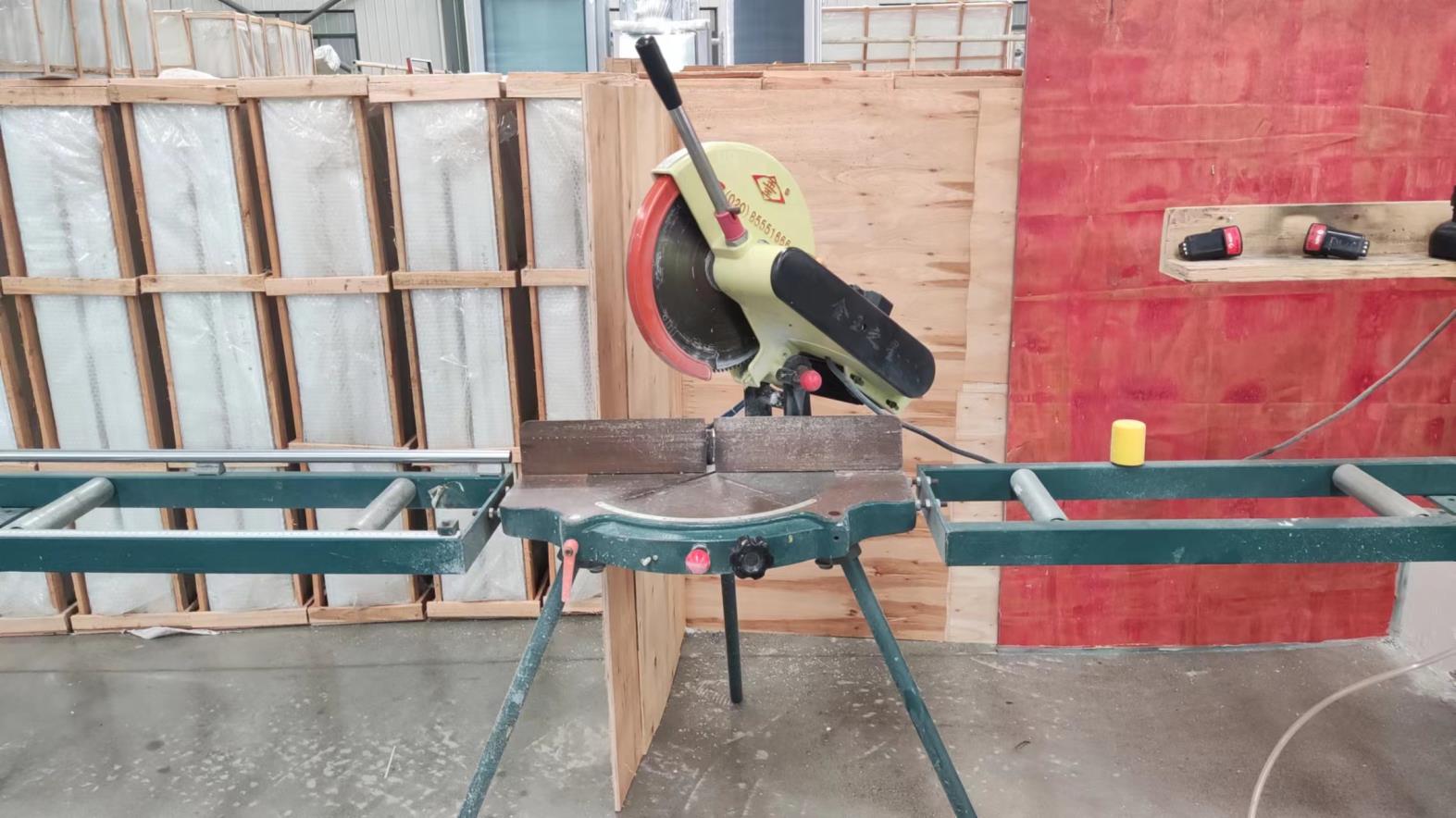
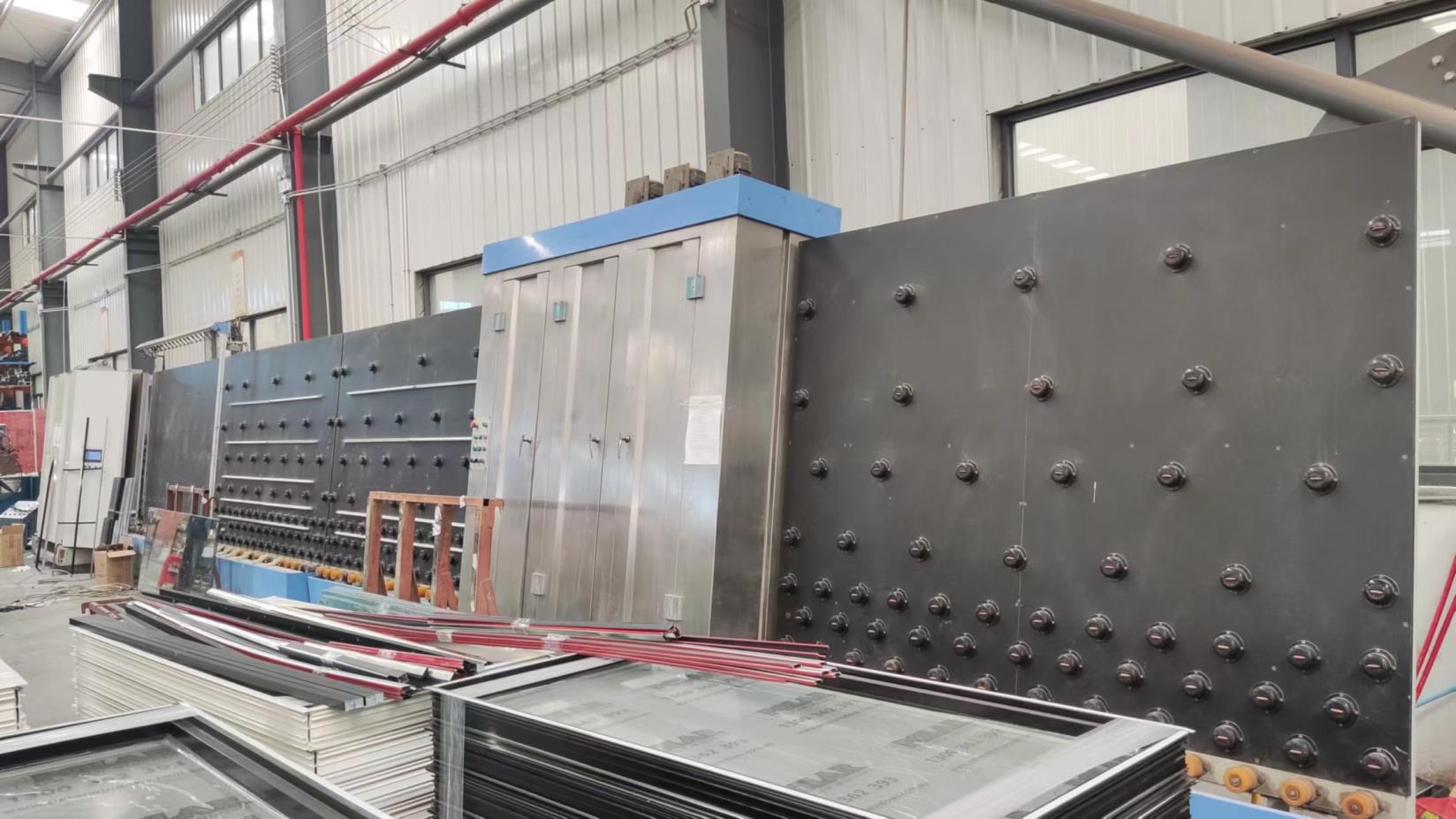
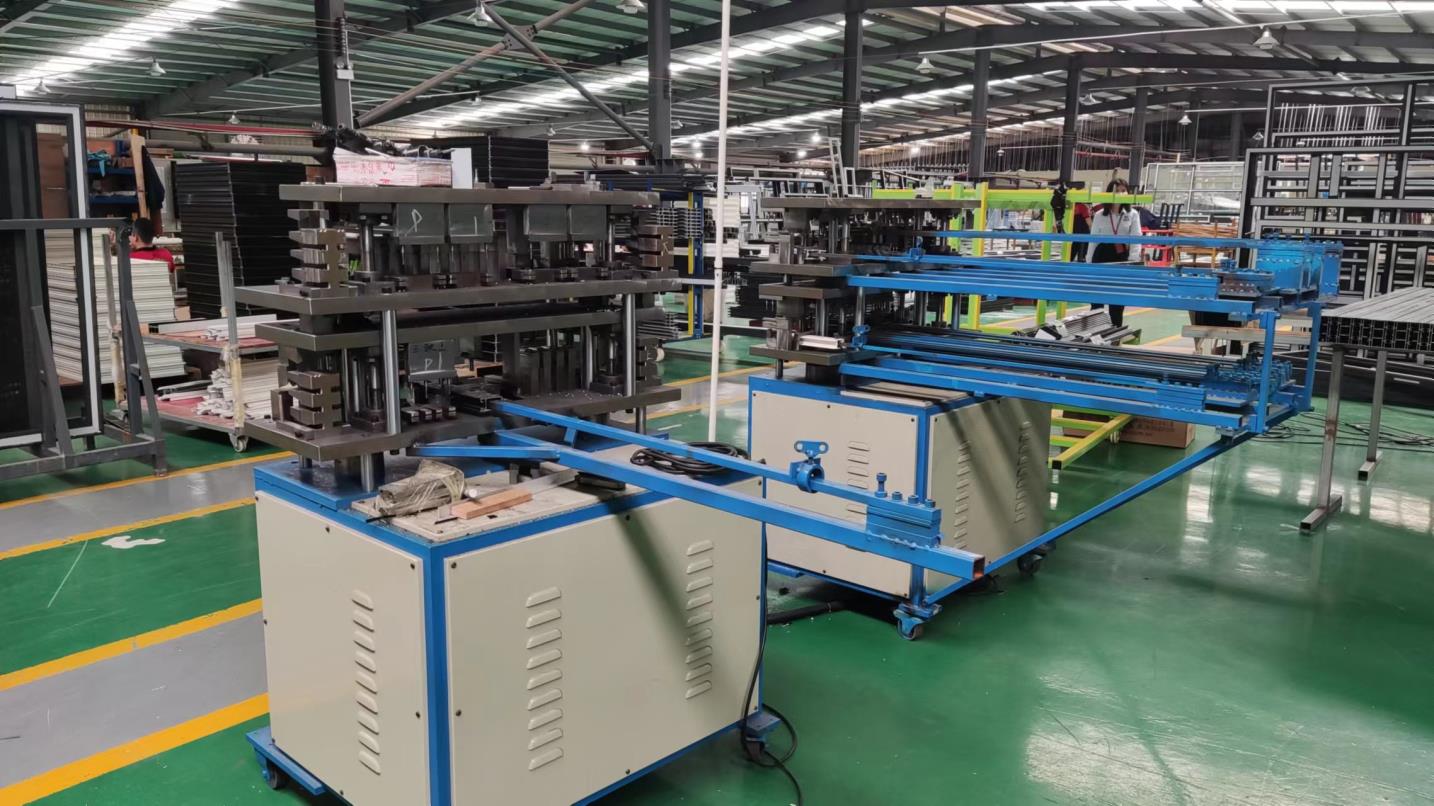
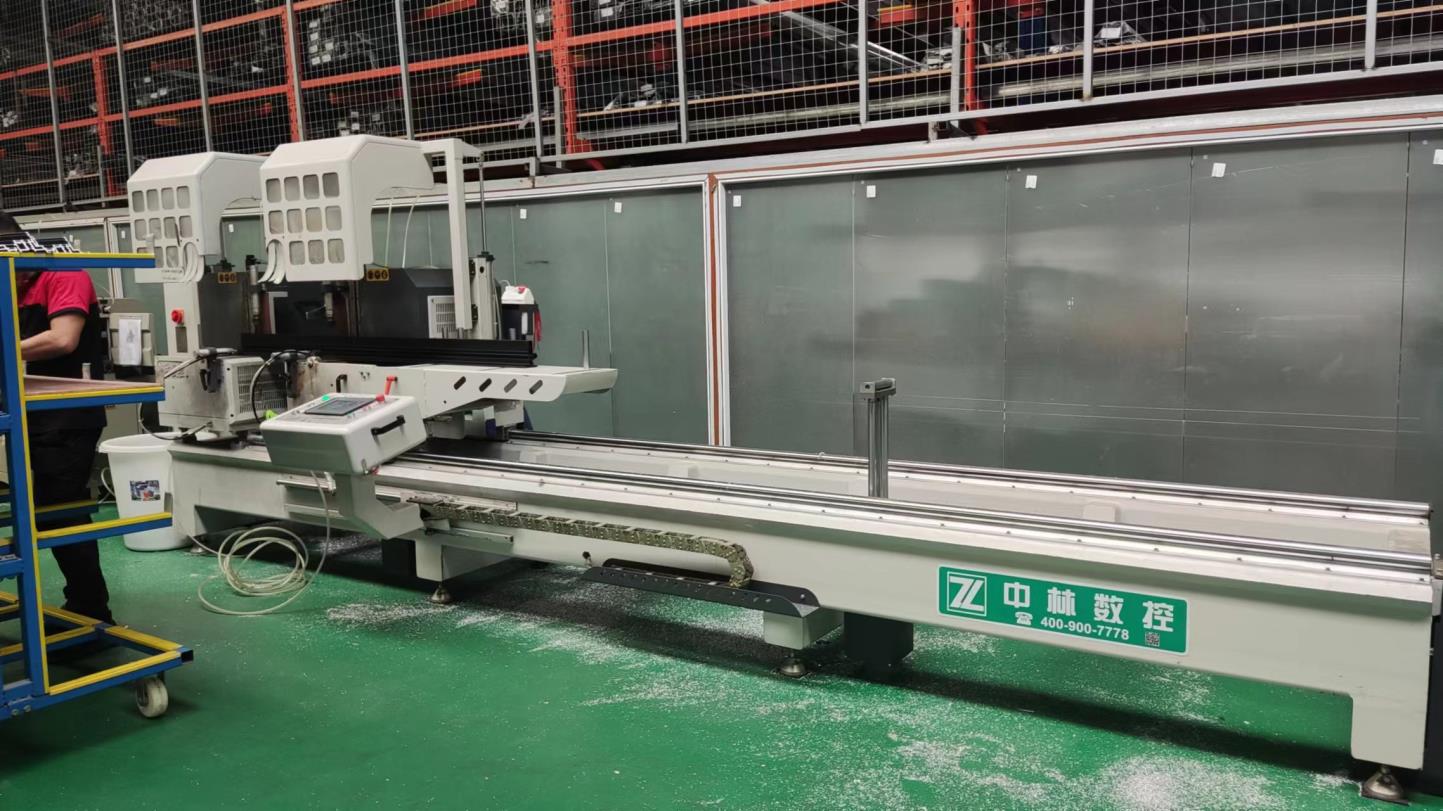
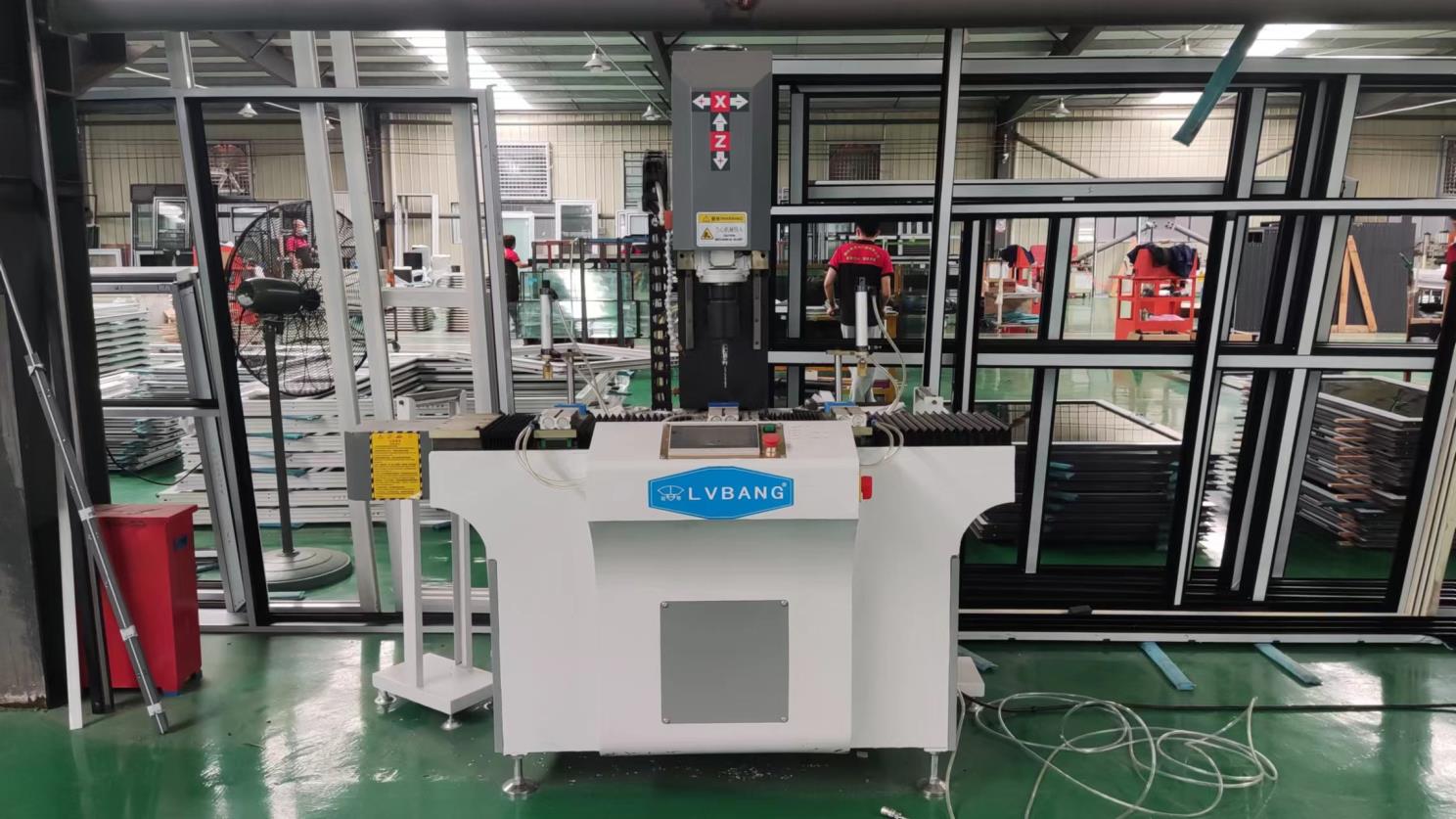
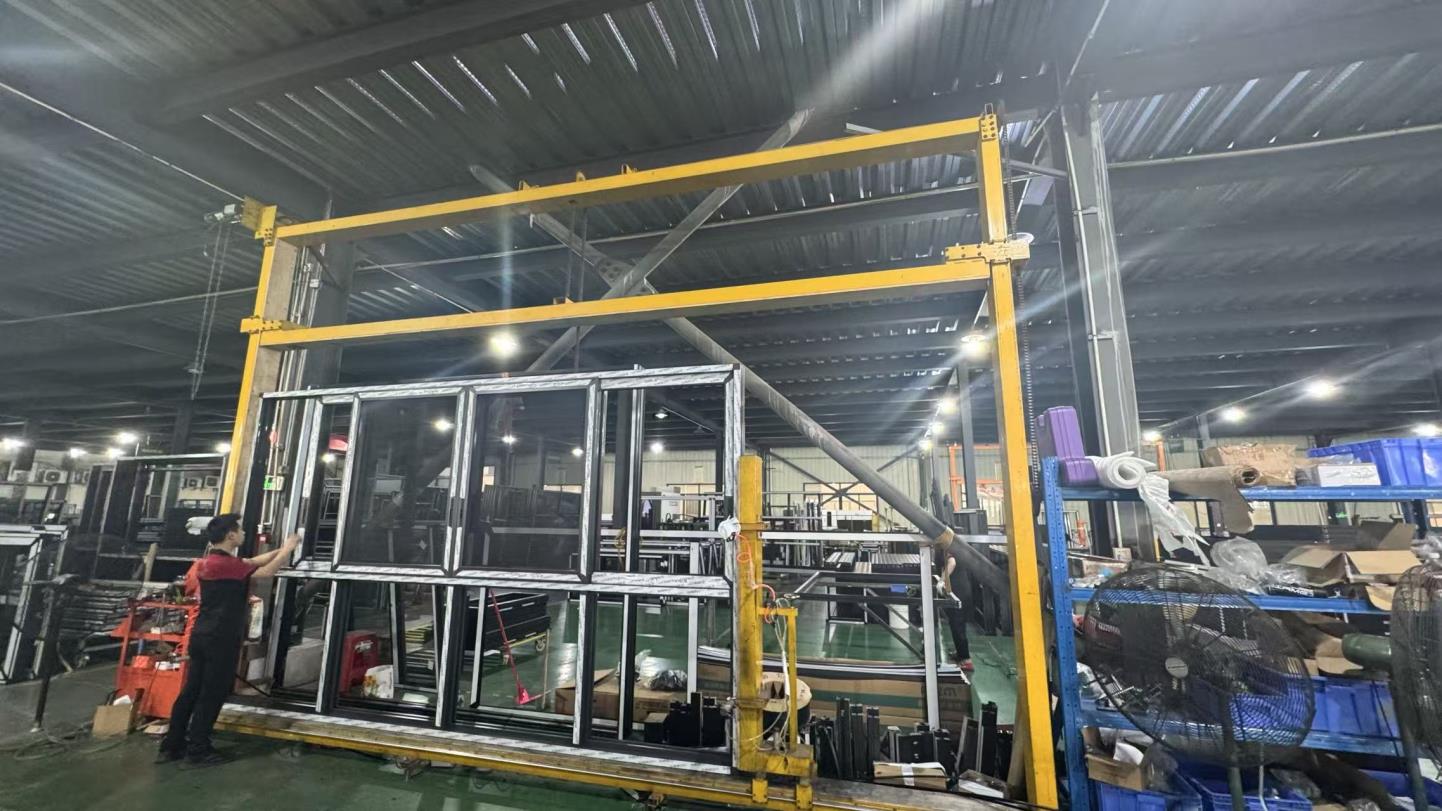
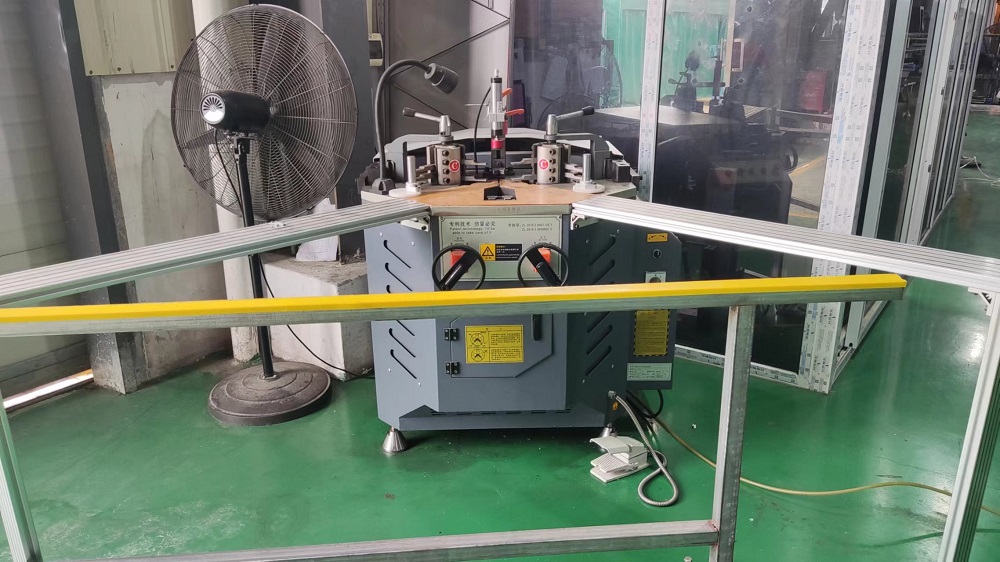
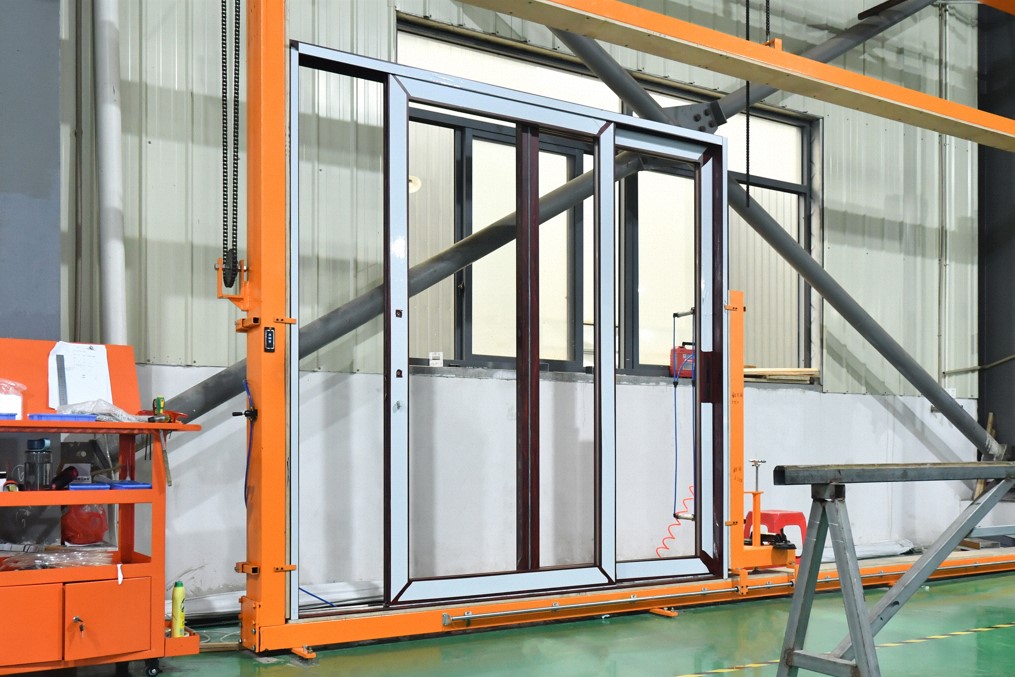
Automated CNC Production Line & Equipment Infrastructure

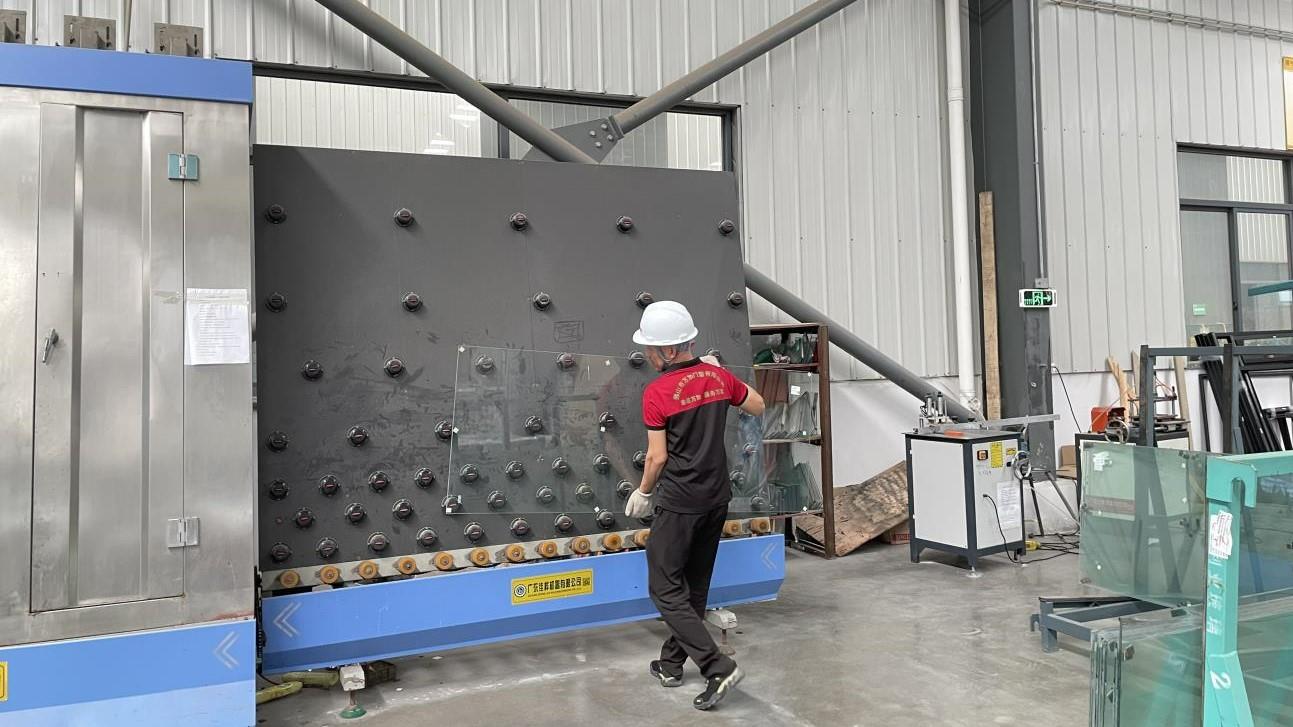
Step-by-step visual documentation of our automated manufacturing flow, utilizing high-precision CNC machinery for flawless profile cutting, corner crimping, and glass glazing.
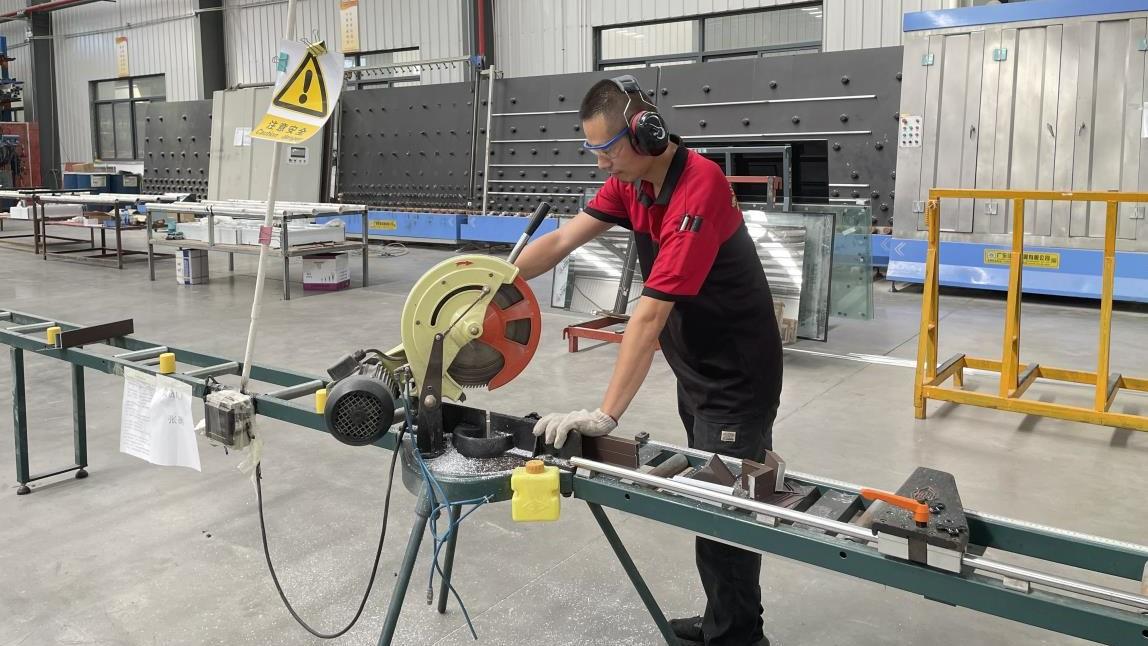
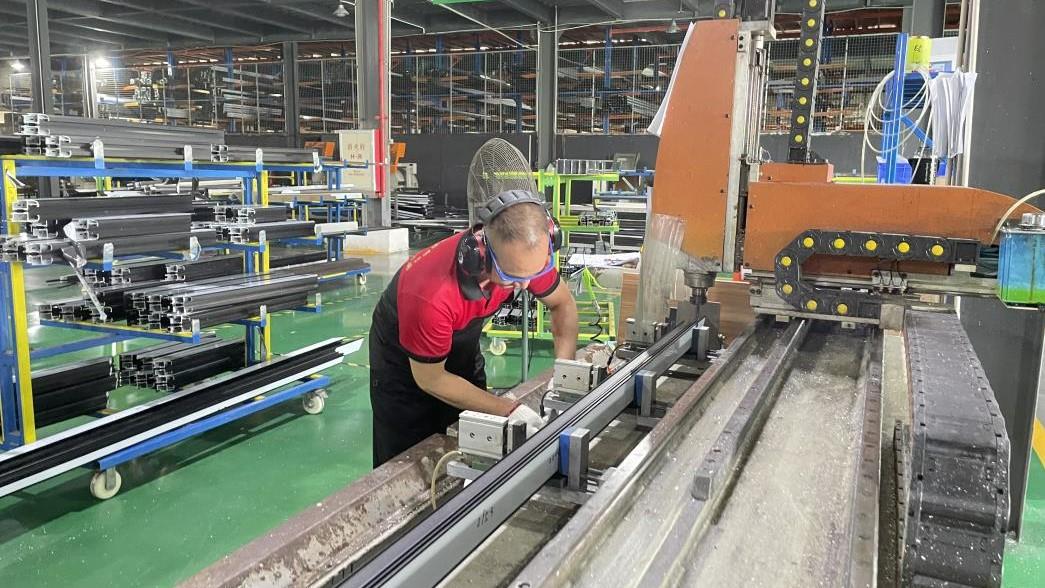
Cutting
1. Precision Cutting
Open Keyhole
2. Open Keyhole Milling
Frame Connection
3. Corner Frame Connection
Cleaning Glass
4. Automated Glass Cleaning
Glass Installation
5. IGU Glass Installation
Gluing
6. Structural Silicone Gluing
Gauze Installation
7. Security Mesh Gauze Installation
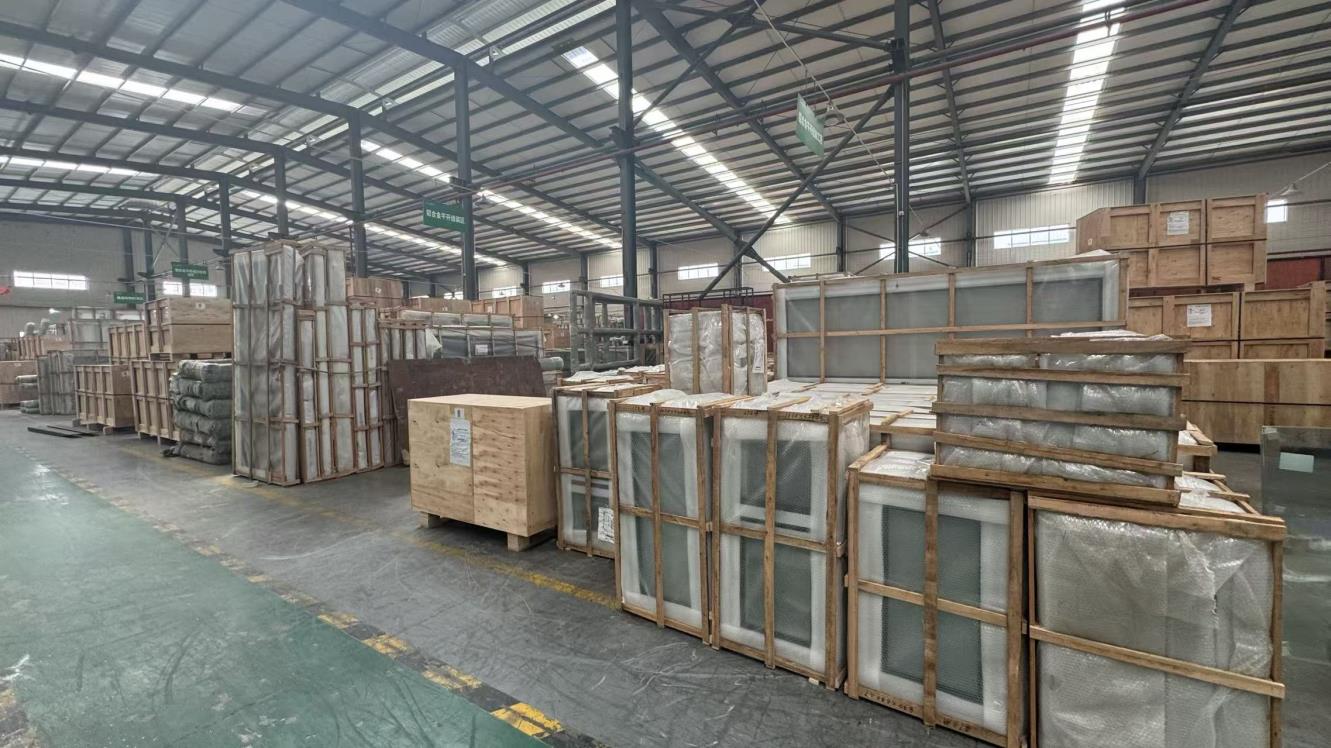
Warehouse
8. Finished Goods Logistics Warehouse
CNC Double Saw
9. High-Precision CNC Double Saw
Welding Machine
10. Seamless Frame Welding Machine
Duamian
11. Surface Finishing & Anodizing
CNC Angle Cleaner
12. Automated CNC Angle Cleaner
Small Cutting Machine
13. Secondary Profile Precision Saw
Glass Washing Machine
14. Industrial Glass Washing Unit
Laminator
15. High-Pressure Glass Laminator
Double Saw
16. Heavy-Duty Double Head Saw
Hole Lock Machine
17. Hardware Hole Milling Machine
Debugging Rack
18. Hardware Calibration Rack
Hydraulic Assembly Angle Machine
19. Hydraulic Angle Assembly Press

Multi-Stage Quality Assurance & R&D Validation Protocols

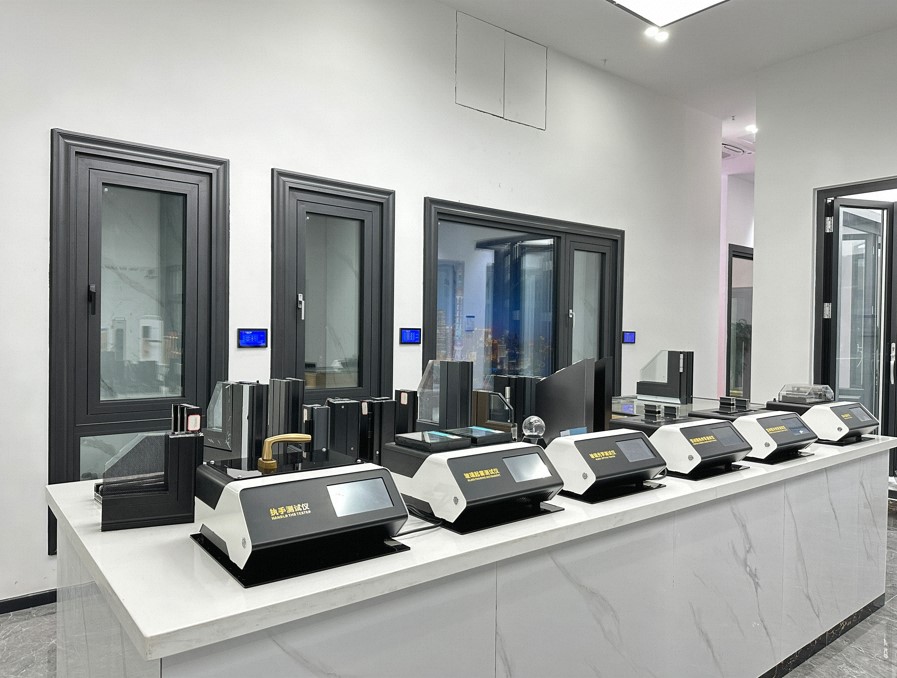
Rigorous laboratory testing overseen by 40 certified QC inspectors to guarantee zero-defect performance prior to global dispatch.
Cleaning Glass QC
Optical Purity Glass QC
Insulation & Soundproof Test Box
Thermal & Acoustic Test Chamber
Debug Frame
Structural Alignment Debug Frame
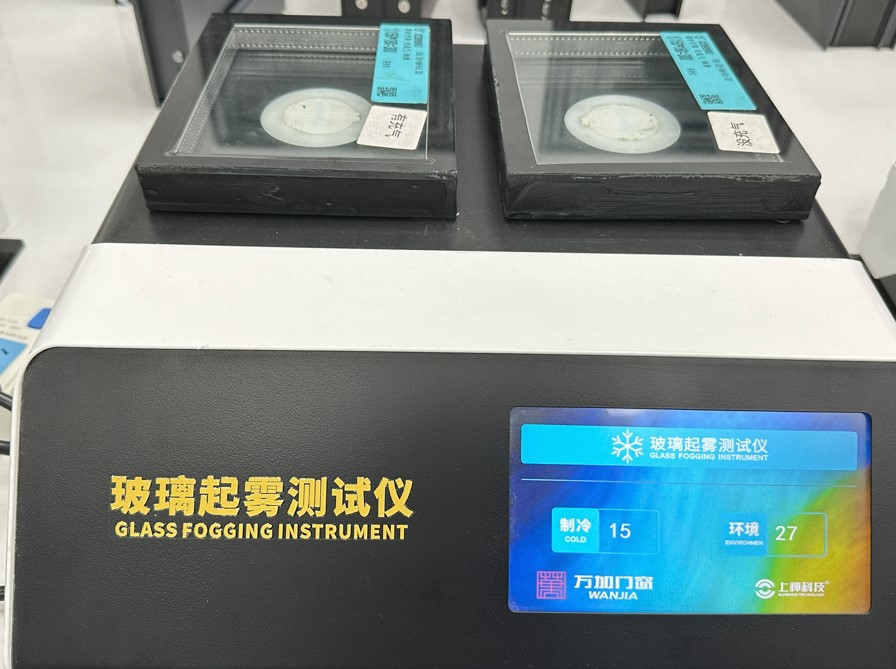
GLASS FOGGING INSTRUMENT
Dew Point & Glass Fogging Instrument

Phase 1 Raw Material Testing

Spectrometric chemical composition analysis of aluminum ingots (6063 alloy purity), glass stress tolerance checks, and EPDM rubber weather-seal elasticity endurance testing.

Phase 2 In-Line Machining Checks

Laser-guided dimensional accuracy verification, corner joint hydraulic crimping shear force checks, and hardware insertion multi-point alignment audit.

Phase 3 Environmental Simulation

1000-hour ASTM B117 salt spray corrosion testing for hardware/coatings, cyclic wind pressure fatigue loading, and dew point IGU seal validation.

Localized Climate Application Matrix

Customizing fenestration systems for regional building code standards, meteorological extremes, and micro-climate demands.

North America (HVHZ)

Florida Miami-Dade NOA & FBC compliant impact windows. Features SGP (Kuraray SentryGlas) laminated interlayers engineered to resist 175+ mph hurricane winds and windborne debris impact.

Australia & Oceania

AS2047 & AS1288 certified sliding and awning profiles. Integrated high-tensile 316 marine-grade stainless steel flyscreens providing security and BAL (Bushfire Attack Level) compliance.

Northern Europe

Ultra-low U-value triple insulated glass (Argon filled, Low-E coating) with 34mm multi-chamber thermal breaks designed for extreme alpine freezing condition isolation.

Middle East & GCC

High Solar Heat Gain Coefficient (SHGC) control using ceramic reflective fritted glass combined with heat-soak tested tempered panels to prevent thermal stress fractures in intense desert climates.

Fenestration Technology Roadmap & Architectural Trends (2025-2030)

Pioneering next-generation smart glazing, circular economy materials, and ultra-narrow sightline envelope design.

1. Electrochromic Smart Tinting

Integration of low-voltage electrochromic glass units allowing automated dynamic tinting via IoT building management systems (BMS), reducing HVAC cooling loads by up to 30% in glass-curtain commercial towers.

2. Vacuum Insulated Glass (VIG)

Replacing traditional double/triple argon IGUs with 8.3mm ultra-thin Vacuum Insulated Glass units achieving U-factors as low as 0.60 W/m²K—offering center-of-glass thermal performance equivalent to a solid brick wall.

3. Low-Carbon Recycled Extrusions

Transitioning raw billet procurement toward 75%+ post-consumer recycled aluminum, cutting embodied carbon emissions per square meter of window frame by over 65% for LEED v4.1 Platinum certification projects.

Specialized Commercial & Residential Doors & Windows

Complete architectural entry and opening systems custom-engineered for hospitality, high-density residential, and commercial developments.
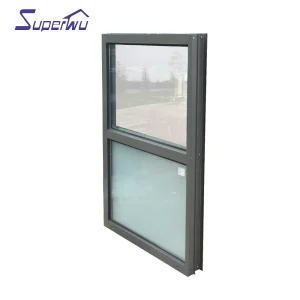
AS2047 Certified Frosted Glass Fixed Window
Aluminum Fixed Window with Tempered Frosted Glass Powder Coated Frame AS2047 Certified Privacy Security Design for Residential
Technical Specifications
Hurricane Impact Front Swing Door
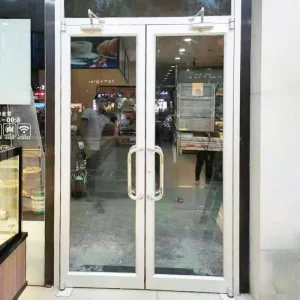
HVHZ TAS 202 Hurricane Proof Impact Aluminium Glass Entrance Front Swing Door
Technical Specifications
Hurricane Impact Double Glass Sliding Door
Customized Aluminum Double Tempered Glass Sliding Door NFRC AS2047 Balcony Courtyard Avoid Hurricane Impact Sliding Door
Technical Specifications
Thermal Alloy Impact Resistant Entry Door
Custom Hinged Door Factory Thermal Alloy Entrance House Entry Impact Break Modern Soundproof Swing Door
Technical Specifications
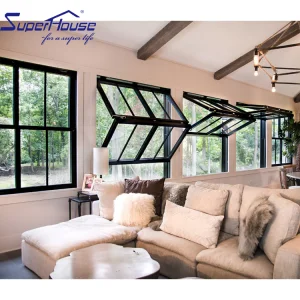
Vertical Bi Fold Up and Down Window
Vertical Folding windows up and Down Bi Fold Window Fold up Aluminum Glass Windows
Technical Specifications
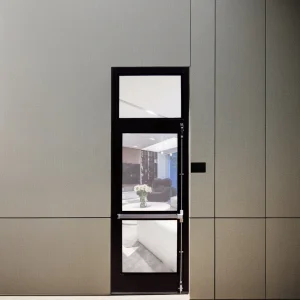
Commercial Emergency Exit Panic Bar Door
Commercial Building Emergency Exit Fire Alarm Automatic Opening Device Aluminum Safety Tempered Panic bar Escape Door
Technical Specifications
Commercial Sensor Card Entrance Door
Apartment Commercial Used Emergency Braking Aluminum Insulated clear Tempered Glass Passwords Sensor Card Entrance Front Door
Technical Specifications
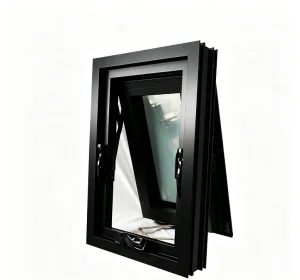
Premium Aluminum Awning Window German Hardware
Premium Aluminum Awning Window German Hardware Multi Point Lock Multi Layer Sealing 10 Year Warranty for Home Basement
Technical Specifications

Global Compliance & Engineering Support Assurance

End-to-end technical documentation, structural calculations, and export logistics security for global developers.

Certification & Compliance

Every order is backed by comprehensive certification test reports including NFRC thermal ratings, Florida Building Code (FBC) NOA approvals, AS2047 acoustic/water testing, and CE compliance documentation required for local municipal building plan clearance.

Custom CAD/BIM Shop Drawings

Our 50-person engineering department provides complimentary 2D CAD cross-sectional blueprints and 3D Revit BIM models within 48 hours of project parameter receipt, ensuring seamless architectural integration prior to production lock-in.

Export Packaging & Ocean Logistics

Products are packed using ISPM 15 certified fumigated wooden crates, high-density protective EVA foam corner wraps, and moisture-absorbing desiccant packs inside sealed plastic sleeves to ensure 100% damage-free oceanic transport.

Industrial & Architectural Engineering FAQ

Expert responses to frequently encountered technical, procurement, and structural engineering inquiries.

Q1: What is the main structural difference between Thermal Break and Non-Thermal Break aluminum windows?
A: Non-thermal break aluminum frames consist of a continuous metal extrusion, which readily conducts heat and cold between the exterior and interior environments. Thermal Break aluminum windows insert a low-conductive polyamide strip (such as PA66 GF25) between the inner and outer aluminum extrusion profiles. This creates an isolated thermal barrier, reducing thermal transfer by up to 70%, eliminating interior frame sweating/condensation, and meeting stringent U-factor criteria mandated by modern green building energy codes.
Q2: How do your window systems satisfy Florida High Velocity Hurricane Zone (HVHZ) requirements?
A: Our HVHZ-certified window and door lines undergo rigorous TAS 201 (Large Missile Impact Test), TAS 202 (Uniform Static Air Pressure Test), and TAS 203 (Cyclic Wind Pressure Loading Test) testing. We utilize reinforced 6063-T6 aluminum extrusion walls (up to 3.0mm thickness) paired with laminated safety glass incorporating SGP (SentryGlas) or heavy PVB interlayers. This construction ensures that even under severe impact from flying debris and wind pressure exceeding +80/-80 psf, the structural glass unit remains sealed within the frame envelope.
Q3: What hardware systems are integrated into Fortisdor aluminum windows?
A: Depending on buyer specification and target budget, we integrate world-class German hardware systems (such as Siegenia, HOPPE, and Roto Frank) or high-precision premium domestic multi-point locking mechanisms (such as Kin Long). Multi-point locking configurations engage along multiple frame axes, offering maximum air/water seal compression and enhanced anti-burglary forced entry resistance (RC2/RC3 level).
Q4: What surface finishes are recommended for high-salinity coastal project locations?
A: For marine or coastal projects within 1 mile of saltwater, we strongly recommend our AAMA 2605 compliant Fluorocarbon PVDF 3-coat paint finishes (70% Kynar 500 resin base) or Qualicoat Class 3 anodized treatments. These coatings provide superior resistance against salt spray corrosion, chalking, fading, and intense UV degradation, backed by a 15 to 25-year manufacturer surface warranty.
Q5: What is the typical lead time for custom OEM commercial bulk orders?
A: standard production lead times are 25 to 35 calendar days following initial CAD shop drawing approval and deposit receipt. For complex custom extrusion profiles requiring new die tooling design, allow an additional 10 to 14 days for mold fabrication and initial sample extrusion inspection.
Q6: How does Fortisdor ensure glass IGUs do not fog up or seal fail over time?
A: All our Insulated Glass Units (IGUs) are manufactured on automated Lisec double-sealed production lines using warm-edge composite spacers filled with high-absorption molecular sieve desiccant. The perimeter receives a dual-seal application consisting of primary butyl sealant followed by high-modulus structural silicone. Every batch is tested in our Glass Fogging Instrument under high humidity and thermal cycling to guarantee zero dew-point elevation for 10+ years.
All Aluminum Windows Products