Engineered to meet rigorous international building codes, including NFRC, AS2047, NAFS, and Miami-Dade County Hurricane Impact certifications.
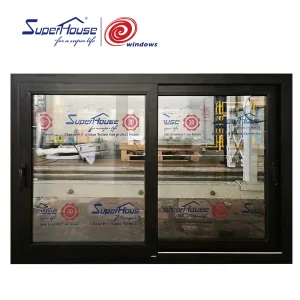
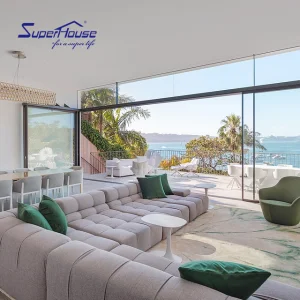
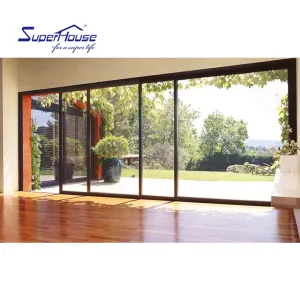
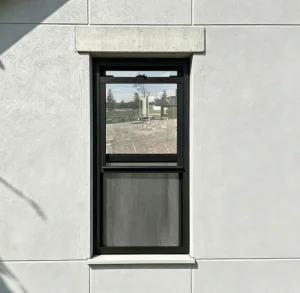
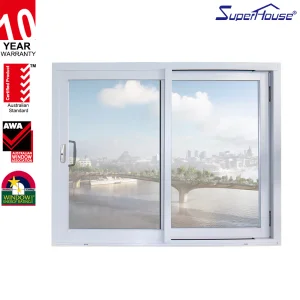
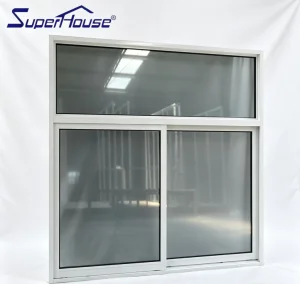
Over two decades of fenestration excellence driving commercial, hospitality, and residential architectural developments worldwide.
Established in 2004, Fortisdor Security Doors Co., Ltd. operates as a premier specialized manufacturer and exporter of advanced architectural fenestration systems and entrance solutions. Operating out of a state-of-the-art 32,000 m² modern manufacturing hub, the company leverages 20 years of core door and window engineering expertise along with 8 years of dedicated international trade integration. Generating over $22 million in annual export revenue, Fortisdor commands a commanding presence across high-barrier B2B markets throughout North America, Europe, Australia, and the Middle East.
Fortisdor primarily serves tier-one building material wholesalers, commercial general contractors, architectural procurement firms, and multi-family residential real estate developers. Backed by a powerful industrial infrastructure and a robust network exceeding 950 certified raw material and hardware partners, the organization maintains uncompromising quality control paradigms.
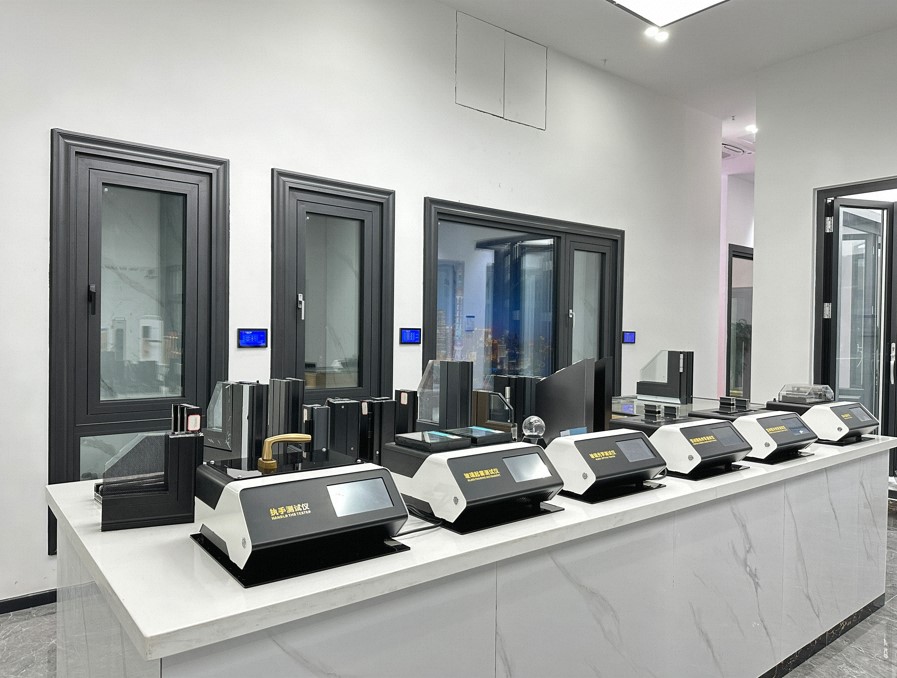
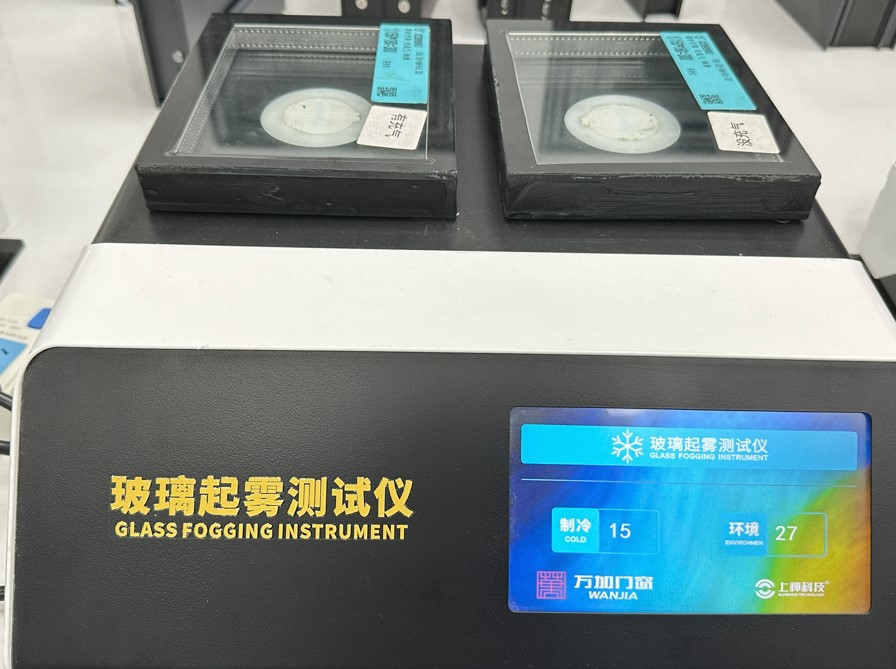
Quality assurance is systematically executed by a dedicated division of 40 certified Quality Control (QC) engineers utilizing rigorous multi-stage protocols: incoming metallurgical raw material testing, digital laser frame alignment verification, acoustic chamber insulation assessments, and automated salt-spray anti-corrosion evaluations. Furthermore, Fortisdor’s advanced Research & Development division comprises 50 senior engineering professionals who continuously innovate, having successfully launched 140 new door and window systems within the last fiscal year alone. Standard and custom OEM/ODM solutions encompass multi-point electronic lock integration, laminated impact glass assemblies, thermal-break structural aluminum profiles, sub-frame system integration, and advanced powder-coated or electrophoretic surface finishes.
Deep market analysis of architectural sliding window dynamics, regulatory mandates, and structural demands across primary export regions.
In the North American market—specifically coastal jurisdictions governed by Florida Building Code (FBC) and Miami-Dade County requirements—aluminum sliding windows must withstand severe structural wind loads and wind-borne debris. Demand is overwhelmingly driven by High-Velocity Hurricane Zone (HVHZ) compliance, requiring cyclic wind pressure testing (ASTM E1886/E1996) and strict NFRC energy performance values (U-factor and Solar Heat Gain Coefficient - SHGC).
The Australian architectural sector operates under AS2047 (Windows and External Glazed Doors in Buildings) and AS1288 glass loading standards. Builders require precise structural deflection limits, air infiltration thresholds (AS4420.4), and ultimate limit state water penetration resistance. Thermally optimized sliding windows with custom anodized or powder-coated finishes are essential for coastal sub-tropical resilience.
European developments focus heavily on total envelope thermal efficiency (U-values below 1.4 W/m²K) and multi-chamber thermal breaks. Conversely, Middle Eastern high-rise hospitality projects demand specialized reflective coatings, thermal isolation, and heavy-duty dust/sand-proof sealing mechanisms capable of surviving extreme ambient temperature fluctuations.
Core structural matrix, thermal barrier mechanics, and acoustic control systems implemented in Fortisdor fenestration products.
Uninsulated aluminum frames exhibit high thermal conductivity ($K \approx 160 \text{ W/m}\cdot\text{K}$). Fortisdor structural sliding windows employ precision-extruded 6063-T5/T6 grade aluminum profiles integrated with Technoform PA66 GF25 (25% Glass Fiber Reinforced Polyamide) thermal barrier strips. This structural division eliminates conductive energy transfer between interior and exterior frame faces, dramatically lowering overall window U-factors down to 0.28 BTU/h·ft²·°F (1.59 W/m²K).
To satisfy Miami-Dade NOA and Florida Product Approval standards, window units utilize dual-pane or triple-pane Insulated Glass Units (IGUs) incorporating laminated safety glass. The structural layup features outer tempered glass, a high-shear SentryGlas® (SGP) or Polyvinyl Butyral (PVB) interlayer (0.090" / 2.28 mm thickness), and inner Low-E coated glass. This configuration withstands repeated large missile impacts (9-lb 2x4 timber shot at 50 fps) followed by 9,000 cycles of positive and negative wind pressure load testing.
| Performance Metric | Standard Aluminum Profile | Fortisdor Thermal-Break Impact Profile | Engineering Benefit |
|---|---|---|---|
| U-Factor (NFRC) | 0.85 - 1.10 W/m²K | 0.24 - 0.32 W/m²K | 68% Reduction in Conductive Heat Gain/Loss |
| Acoustic Rating (STC) | STC 22 - 25 | STC 35 - 42 | Eliminates Urban Noise & Commercial HVAC Hum |
| Wind Pressure Capacity | 1200 Pa (25 psf) | 7200 Pa (150 psf) | Withstands Category 5 Hurricane Force Winds |
| Air Infiltration (AS4420.4) | > 3.0 L/s·m² | < 0.15 L/s·m² | Airtight Envelope Seals Against Air & Moisture |
For installations in high-altitude environments (e.g., Rocky Mountain developments, high-elevation hotel construction such as USA Home2 or Holiday Inn projects), sealed IGUs face severe barometric pressure differential risk, causing glass deflection or seal failure. Fortisdor integrates stainless steel Capillary Tubes into the IGU spacer system. These precision tubes equalize internal gas pressure during transport and altitude transition without compromising desiccated argon insulation stability.
Targeted architectural configurations for commercial hospitality, multi-family high-rises, and coastal residential zones.
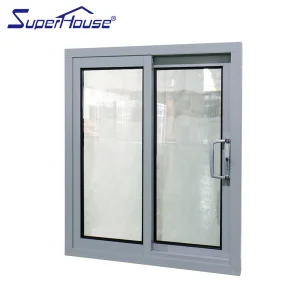
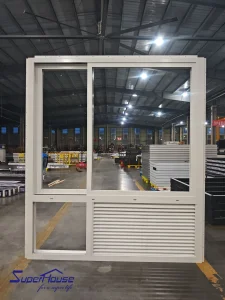
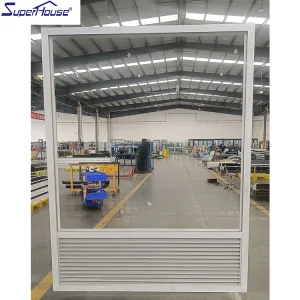
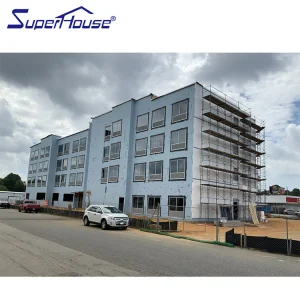
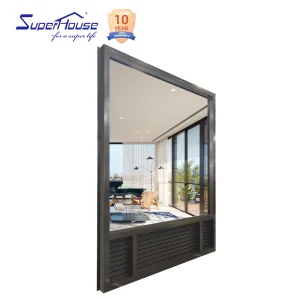
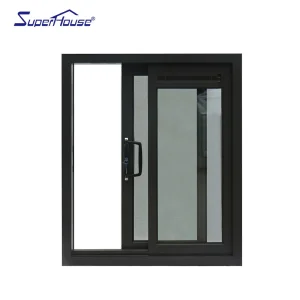
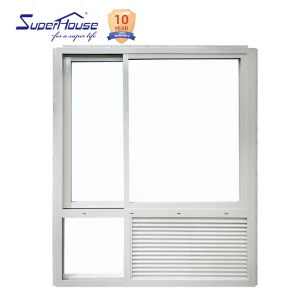
Engineered for brand standards (including IHG, Hilton Home2 Suites, Avid, and Holiday Inn Express), Fortisdor sliding windows integrate PTAC (Packaged Terminal Air Conditioner) louvers, nail-fin storefront integration, multi-stage water sill drains, and egress limits. Heavy-duty tandem stainless steel rollers ensure silent operation across thousands of operational cycles.
For expansive indoor-outdoor architectural living spaces, multi-track stacker and pocket sliding doors feature concealed flush sills, ultra-narrow sightlines (less than 35mm interconnecting stiles), and multi-point lock housings with ergonomic D-type handles, balancing high security with minimalist luxury aesthetics.
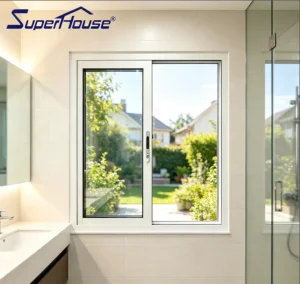
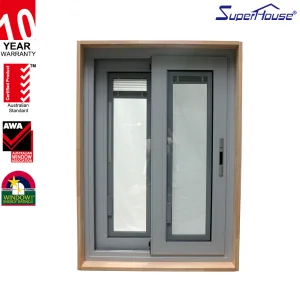
Specialized bathroom and kitchen sliding windows utilize 4-inch restricted opening safety limiters, frosted or reflective Low-E privacy glass, built-in motorized or manual magnetic louvers, and corrosion-resistant powder coatings certified under Qualicoat Class 2 standard specifications.
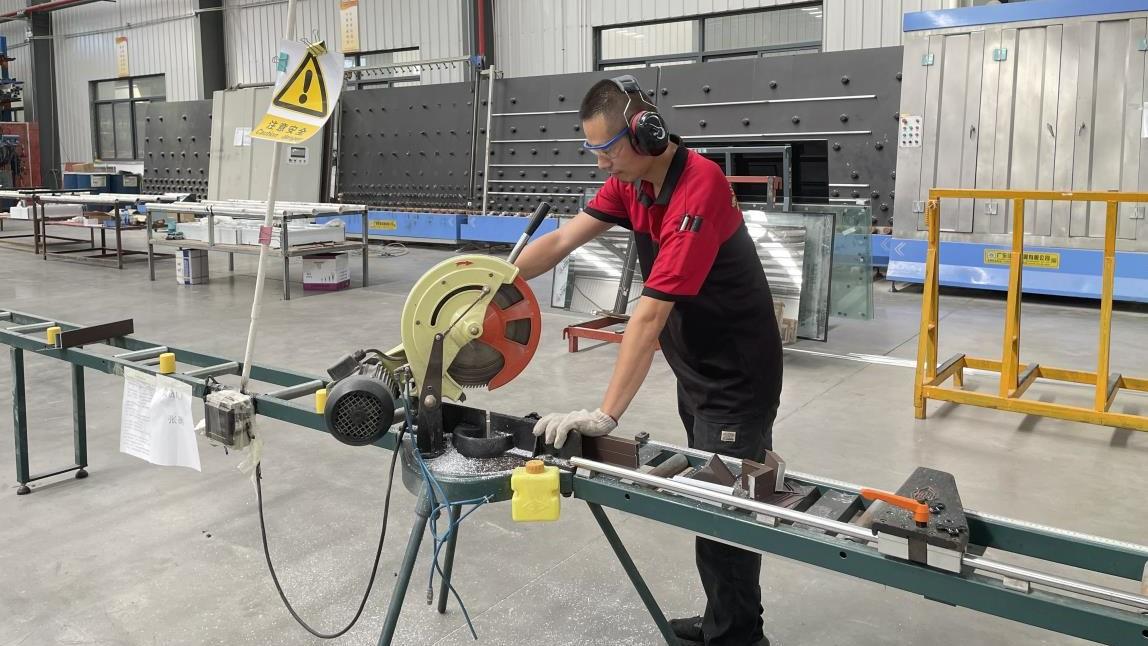
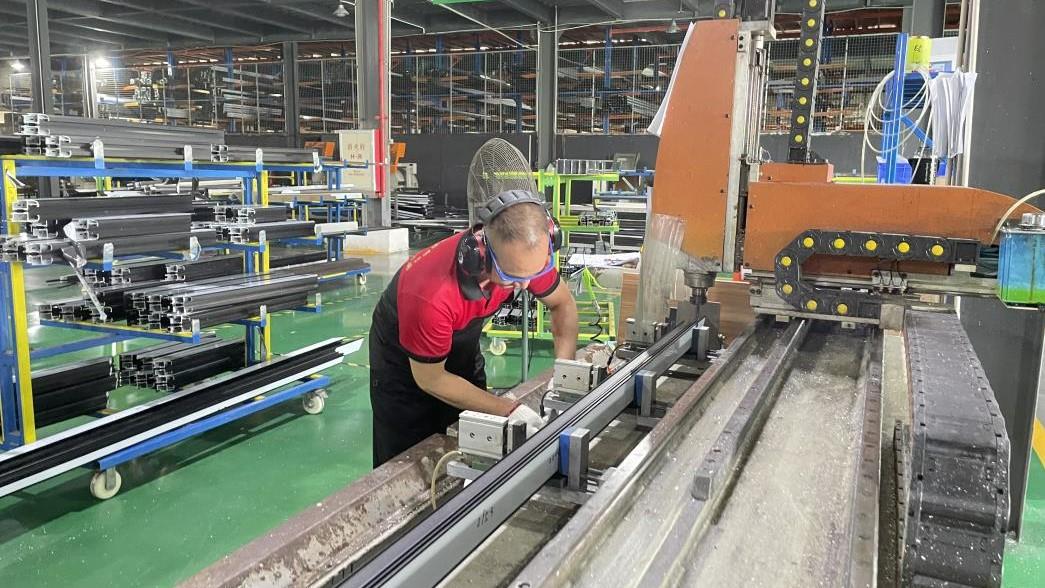
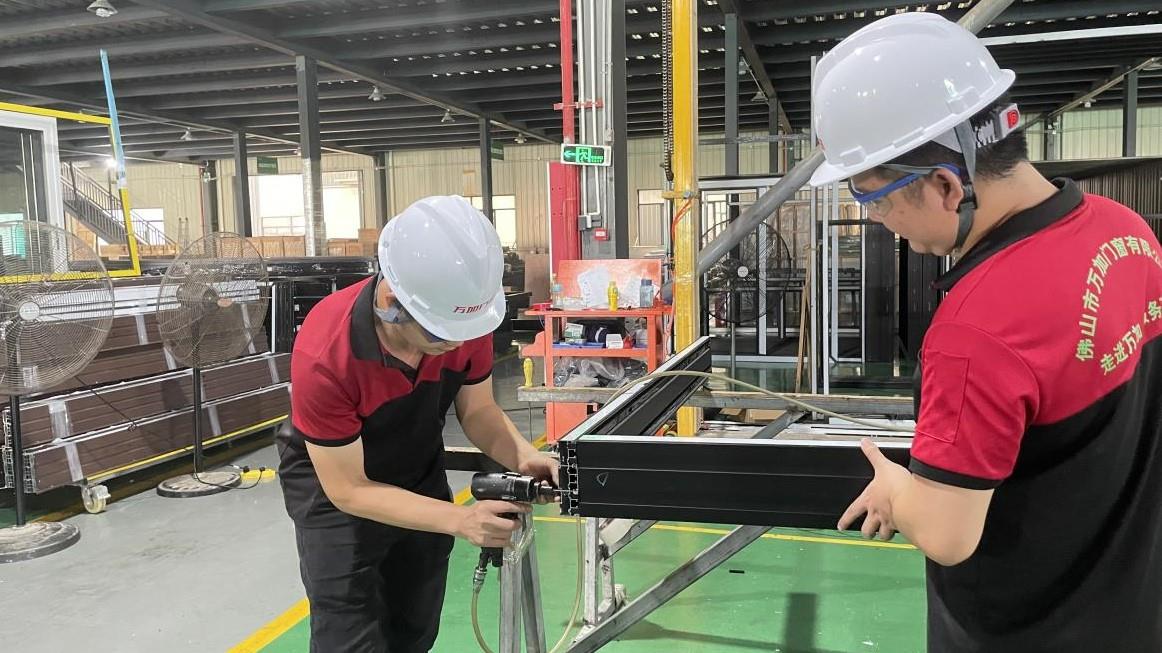
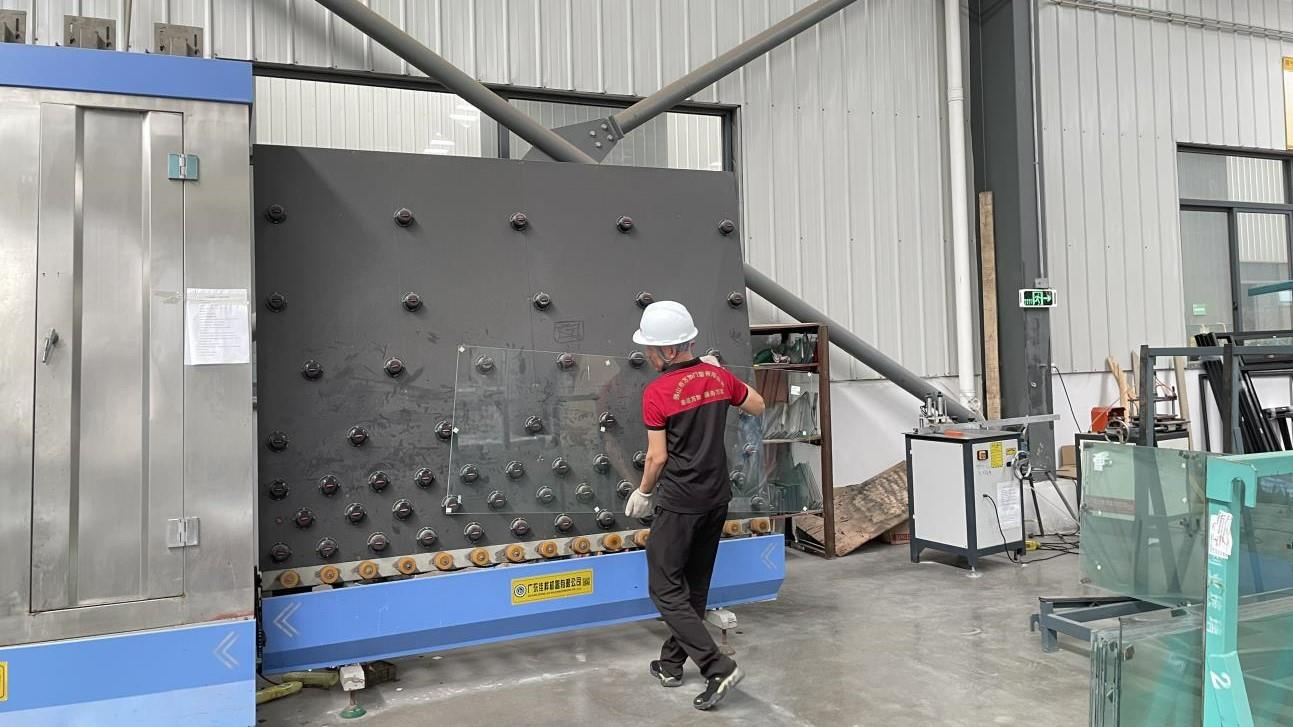
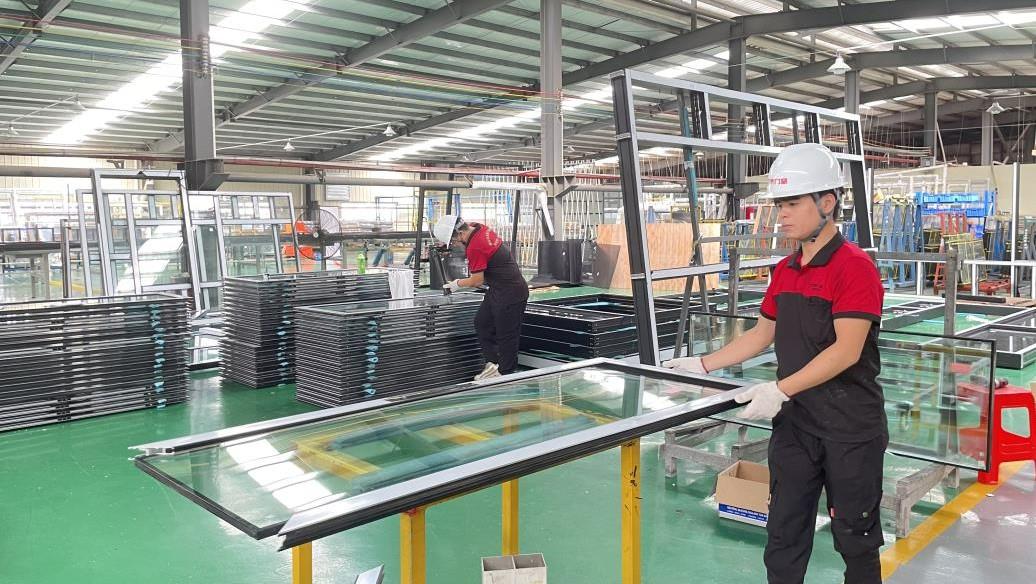
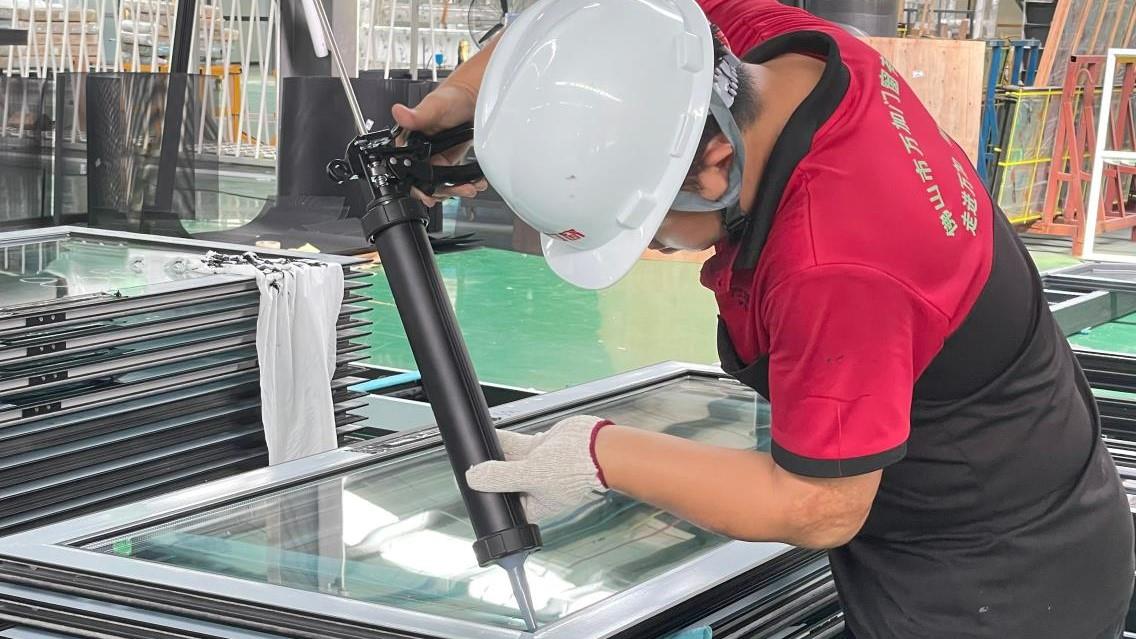
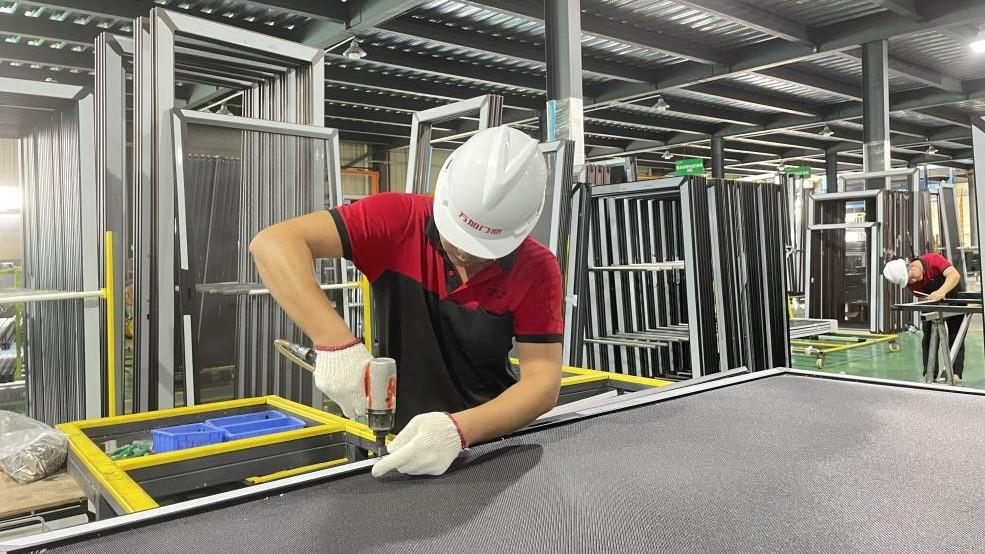
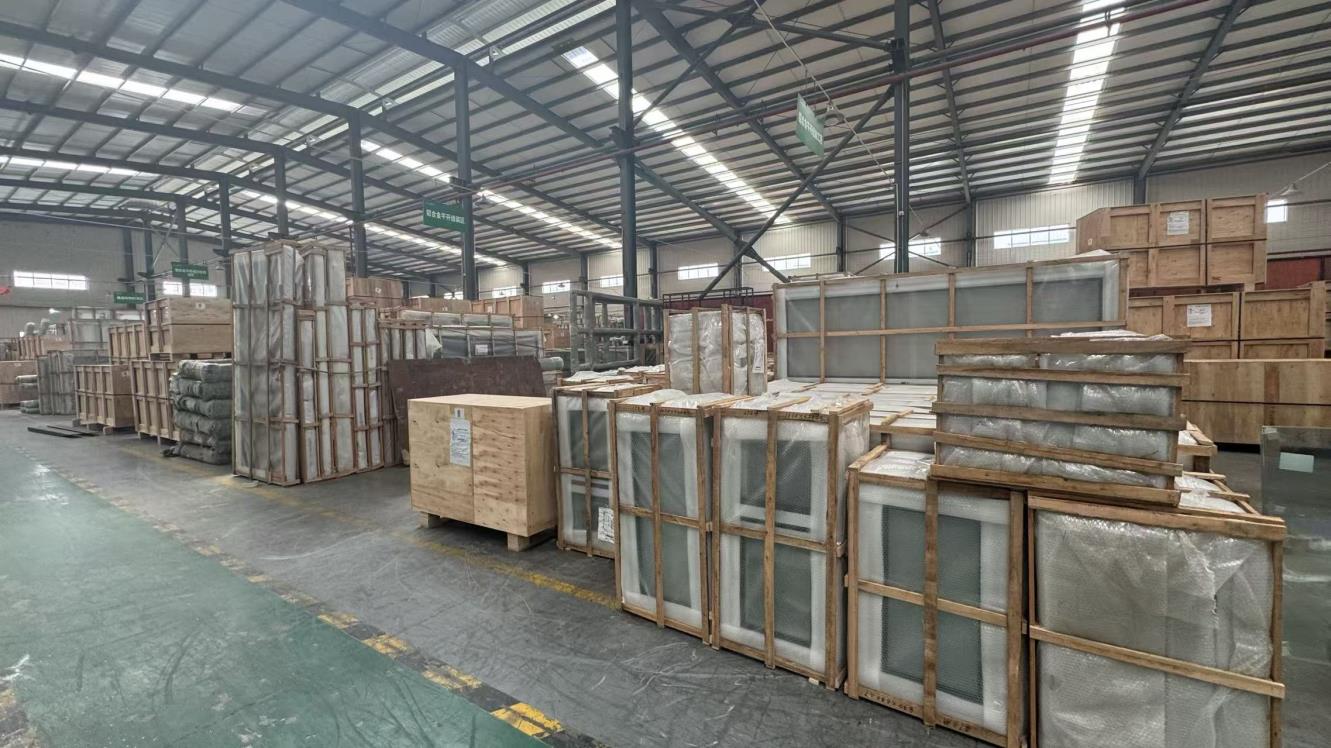
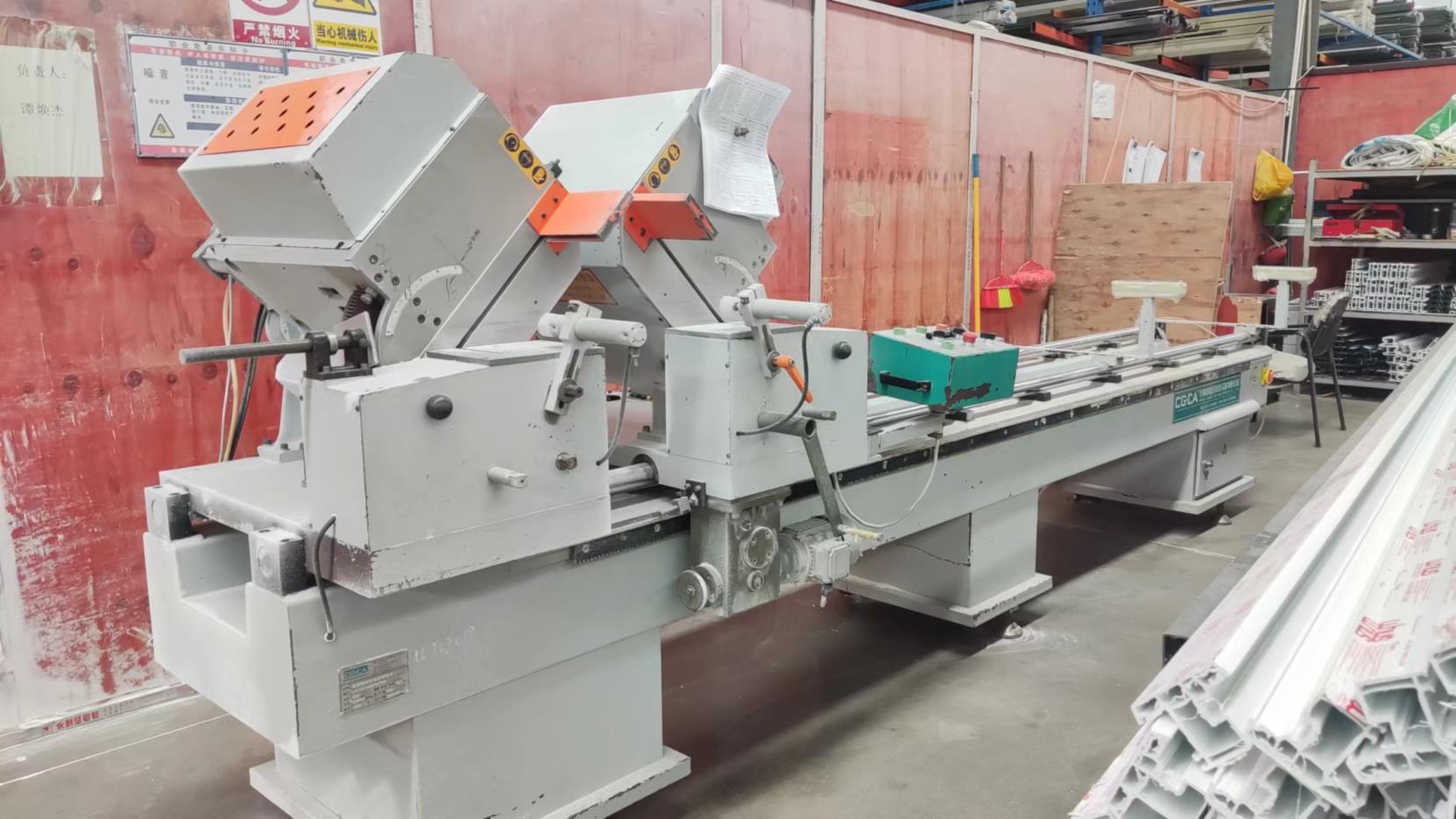
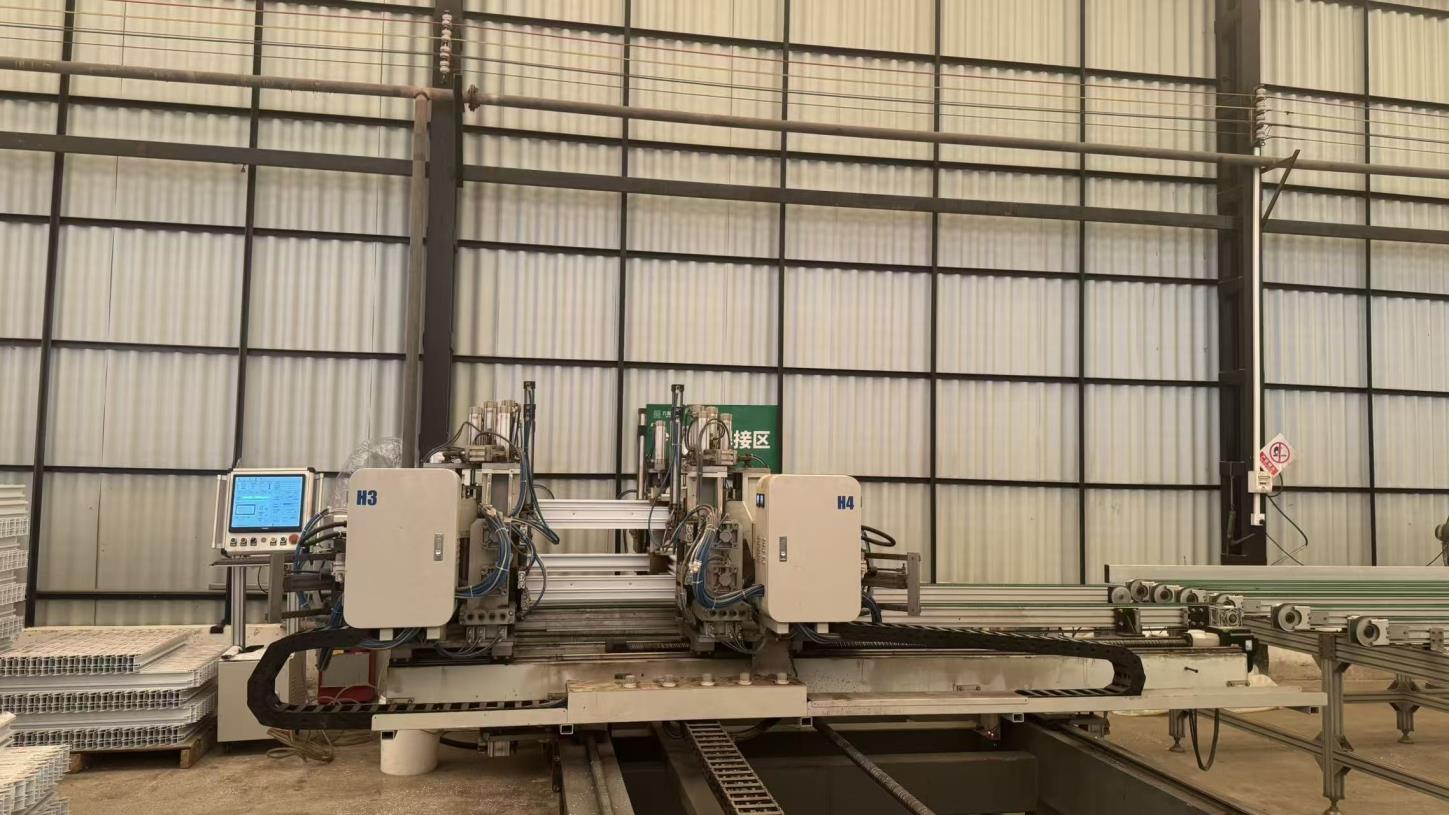
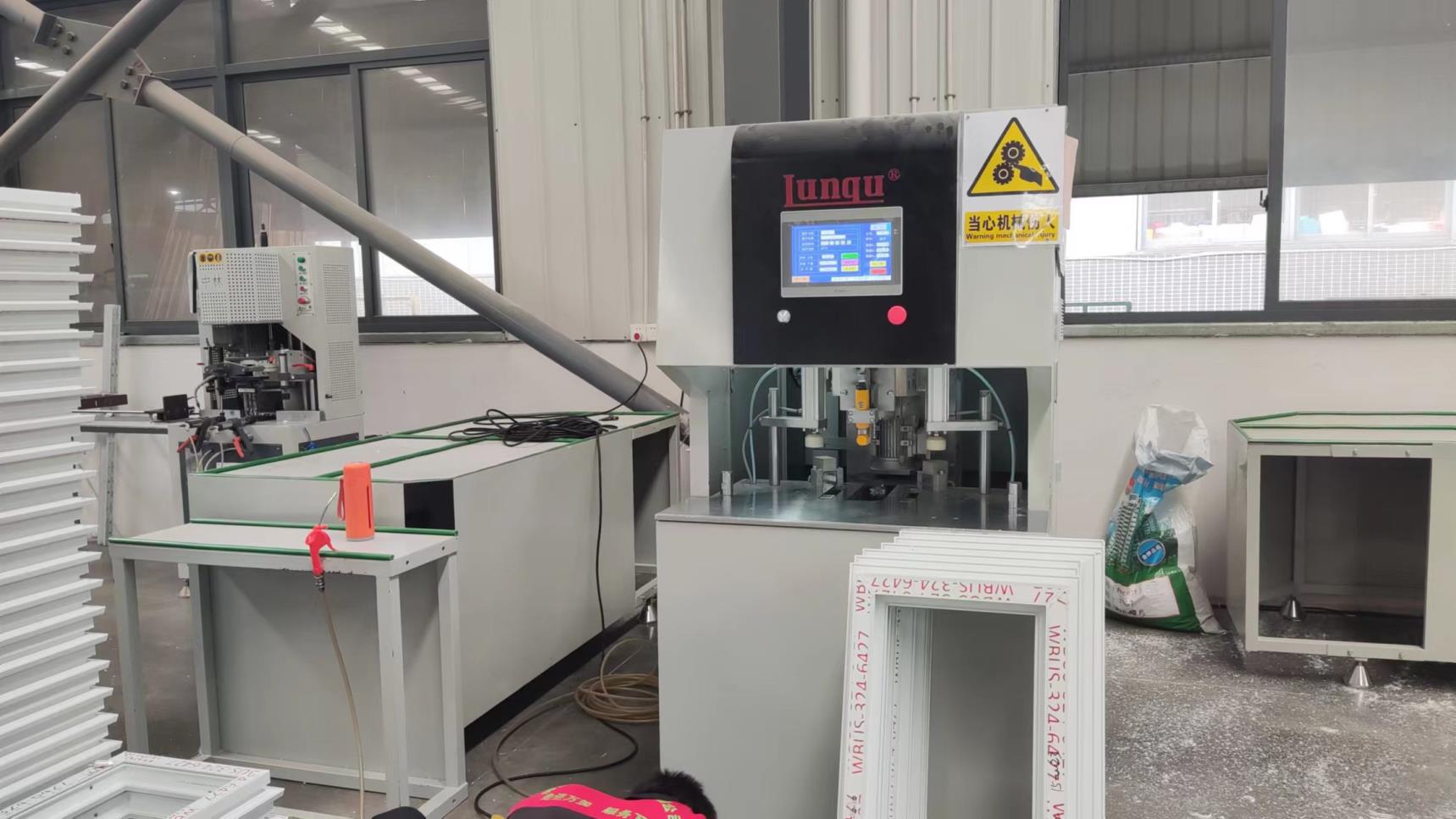
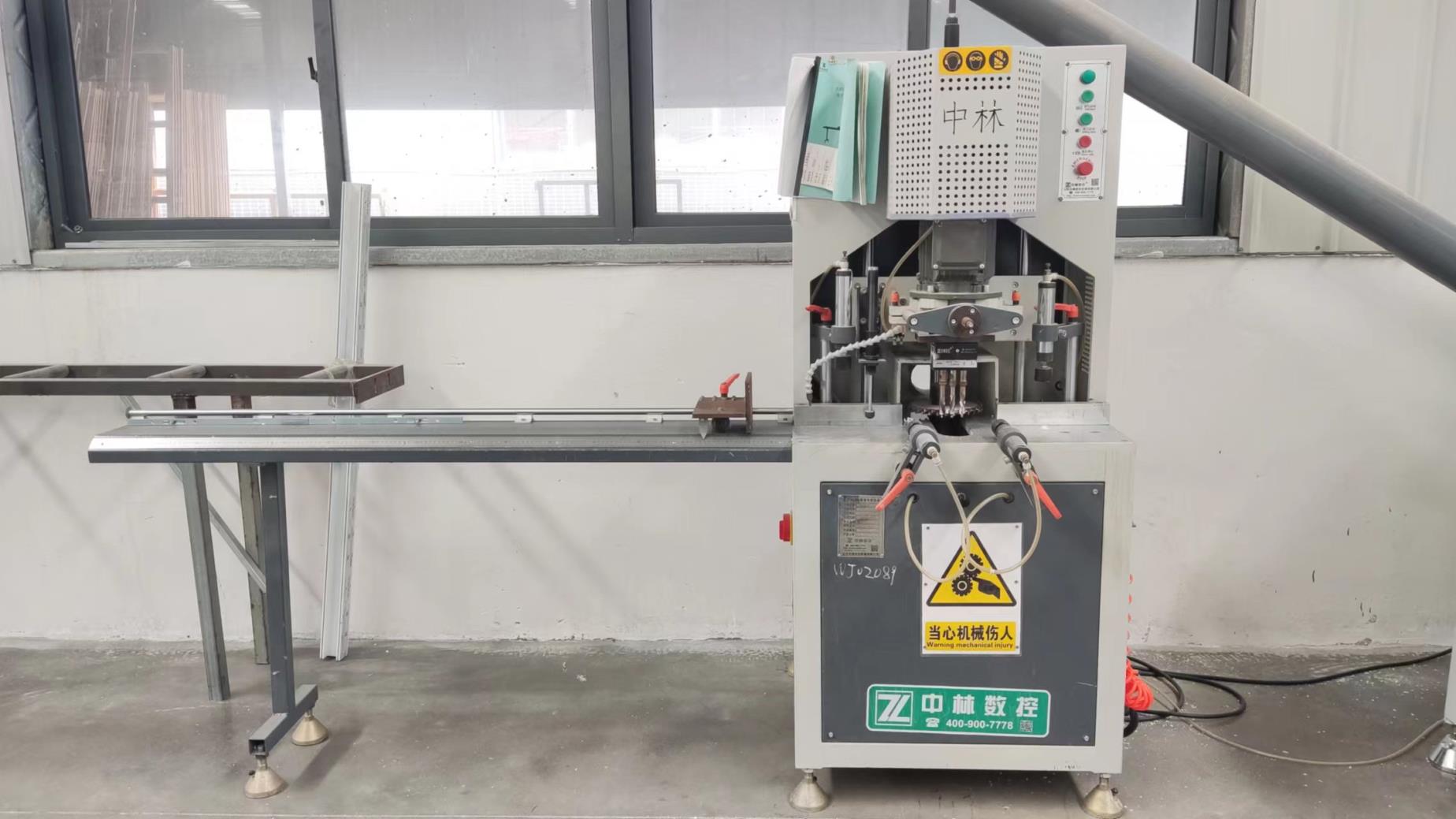
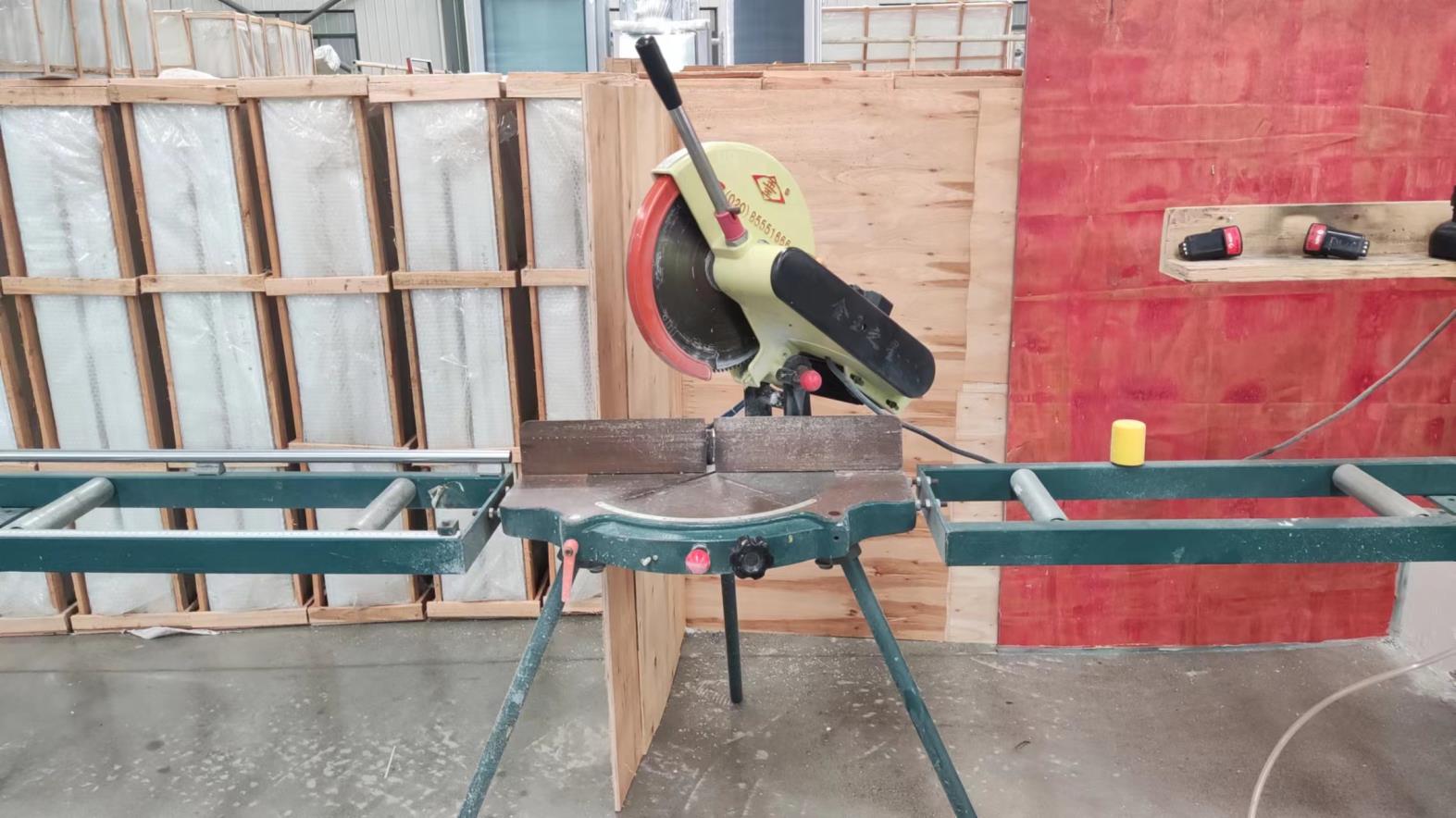
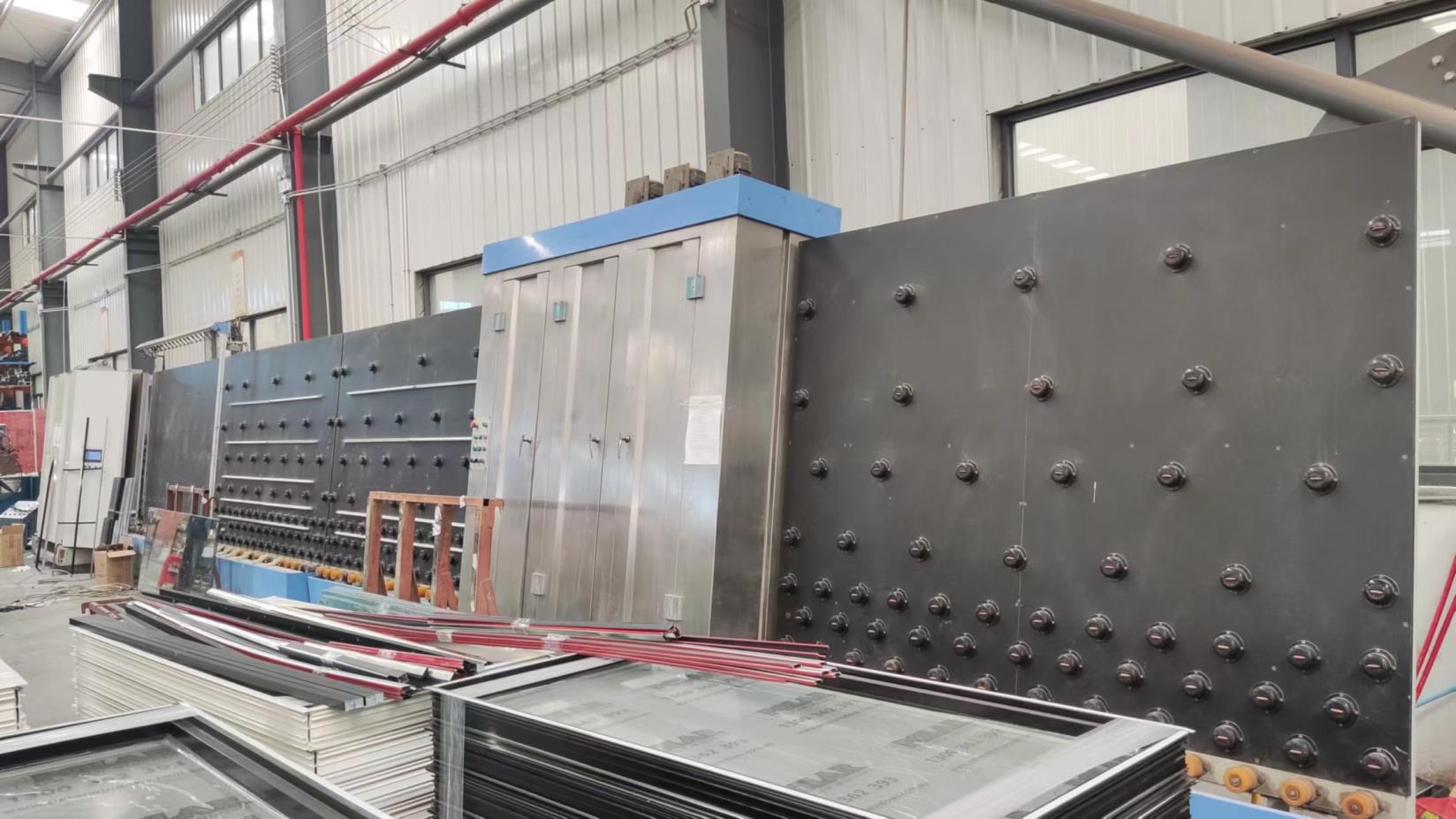
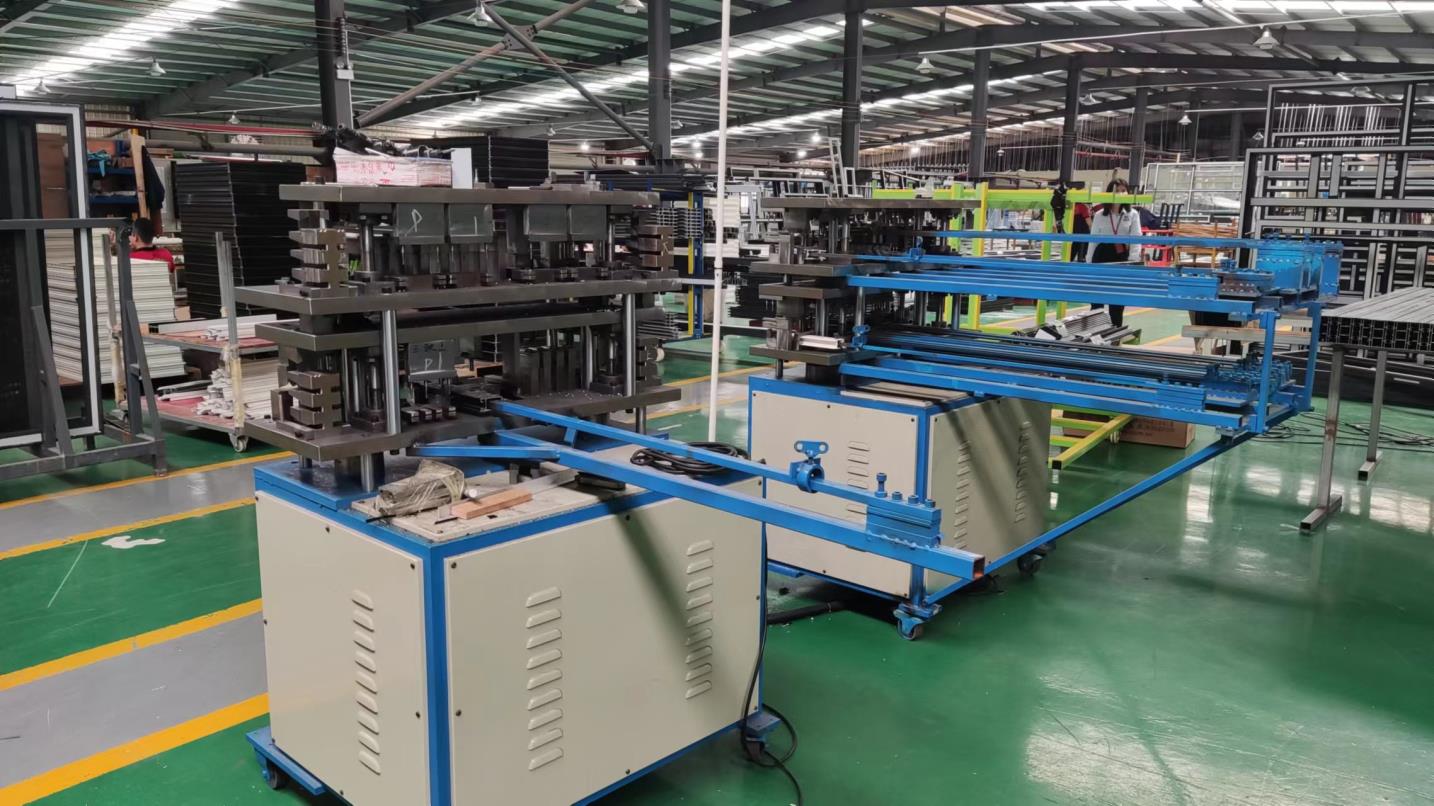
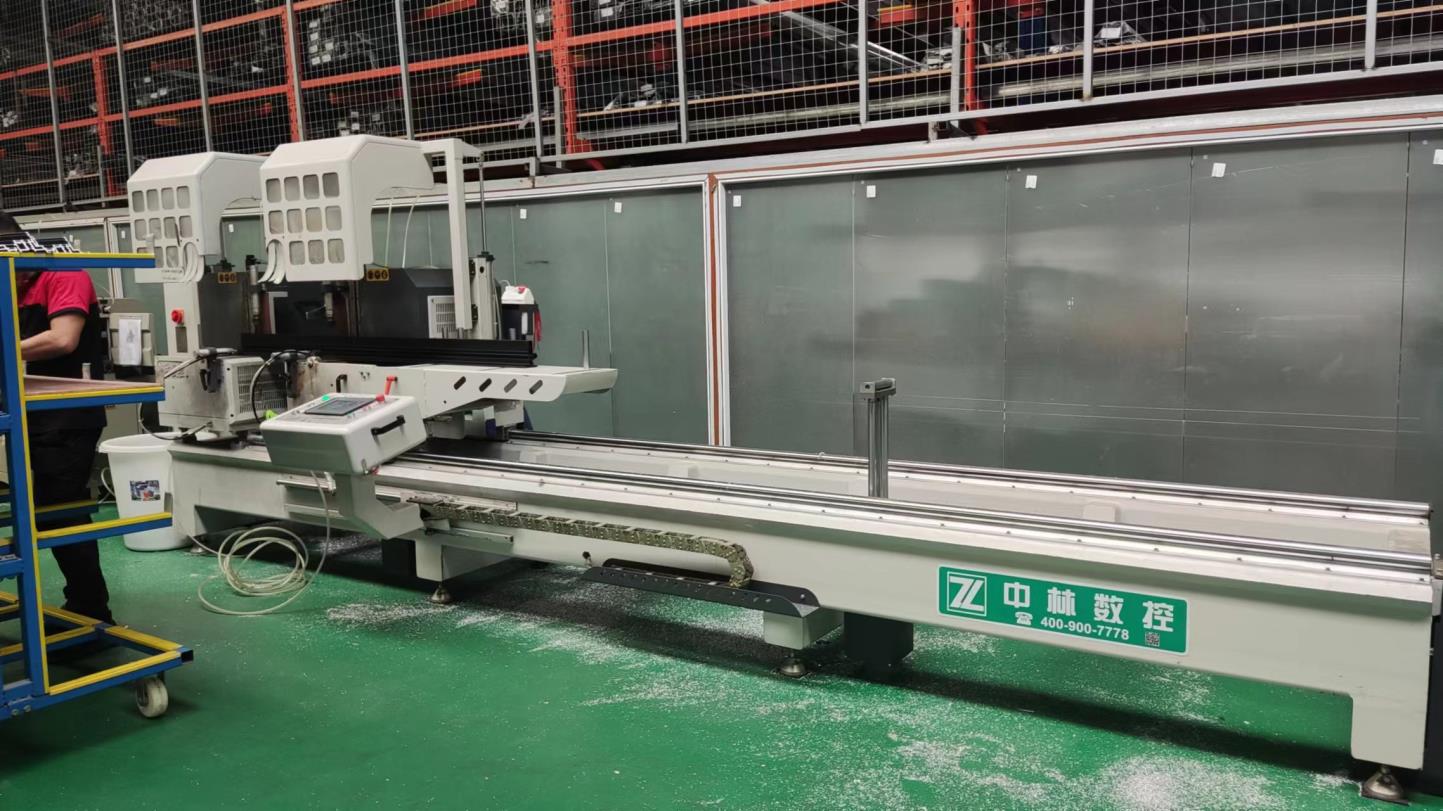
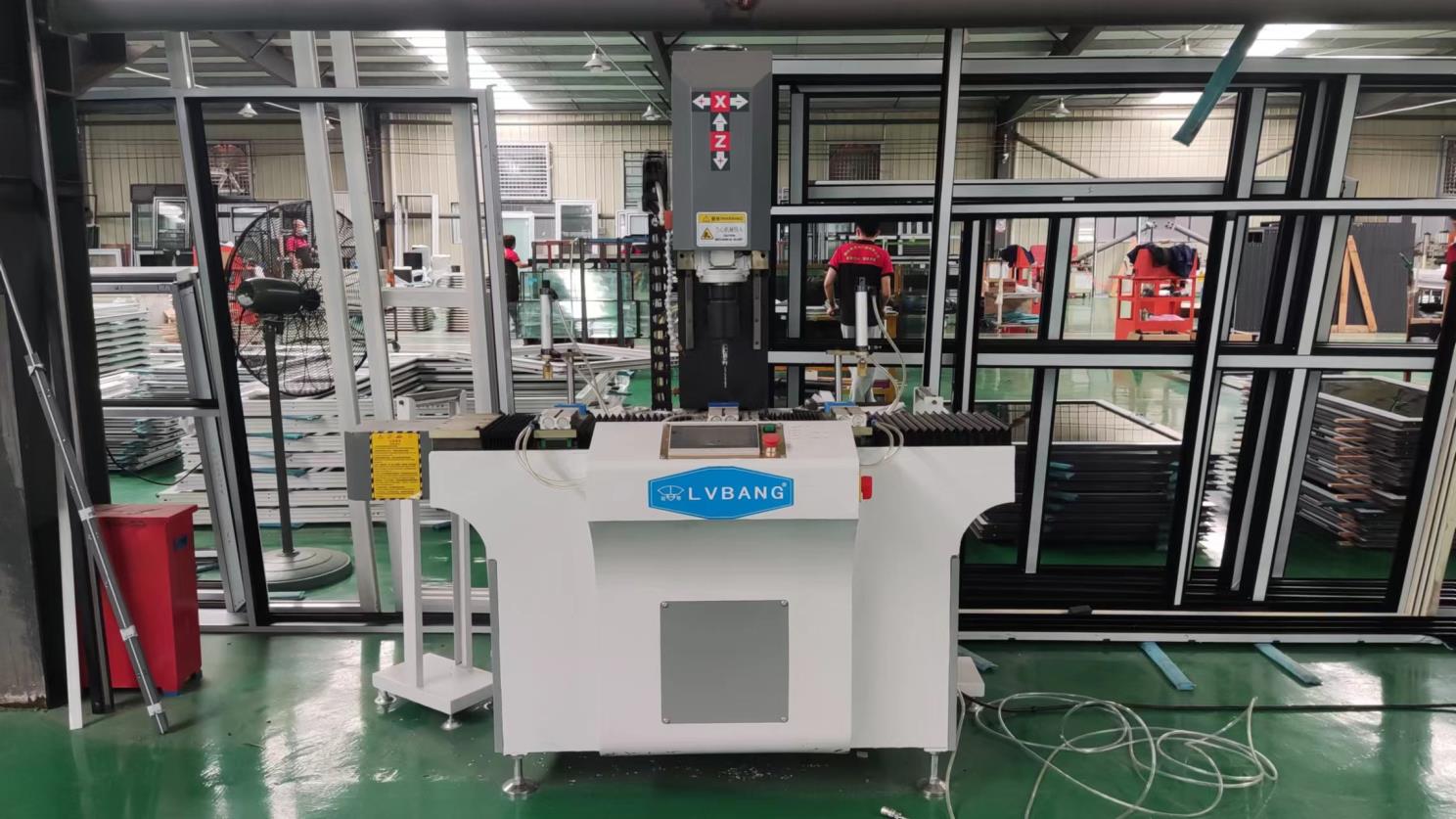
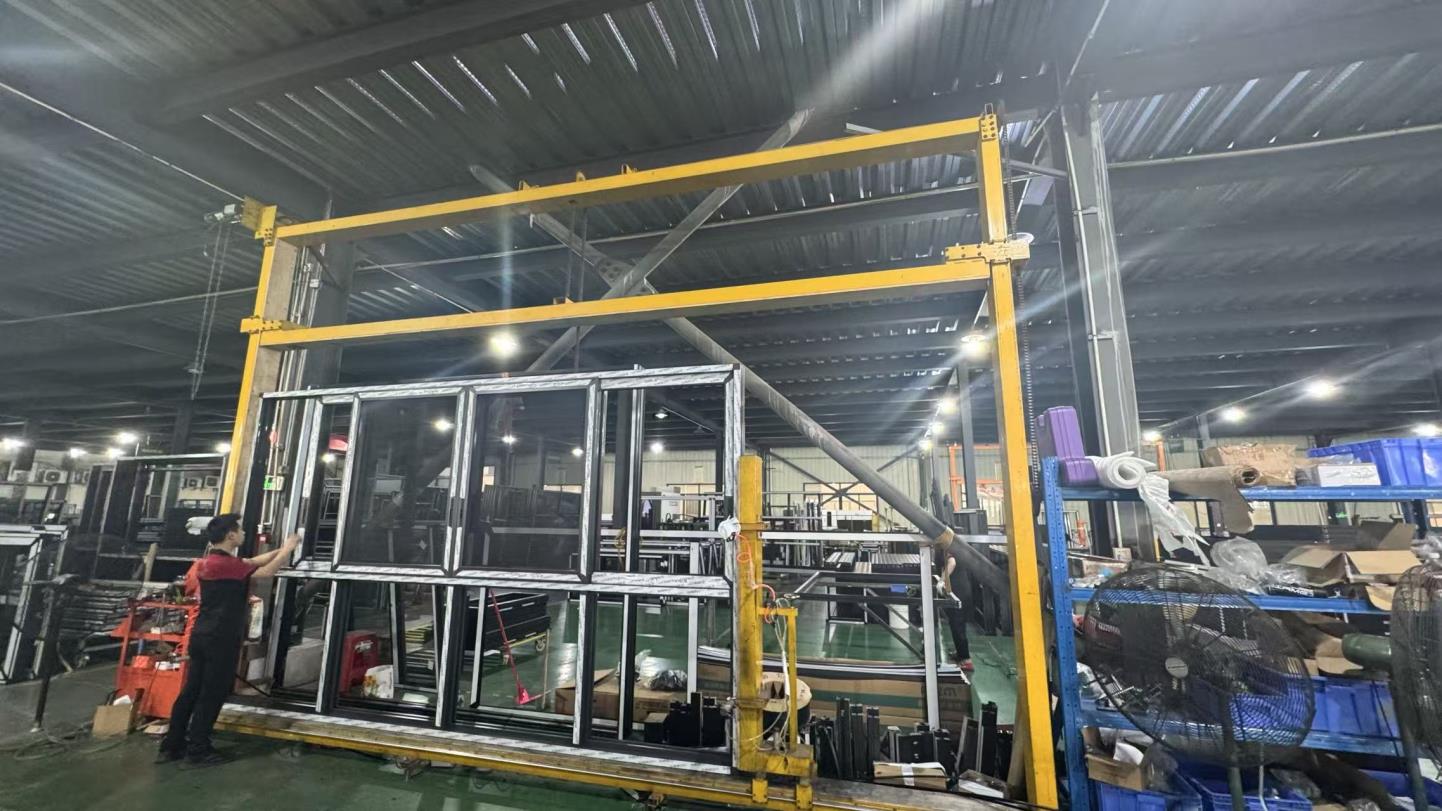
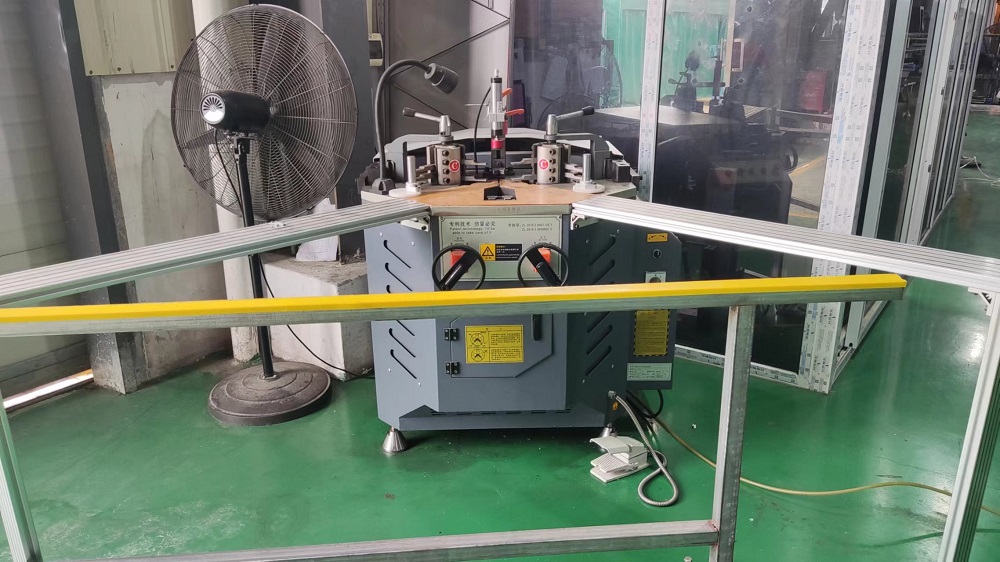
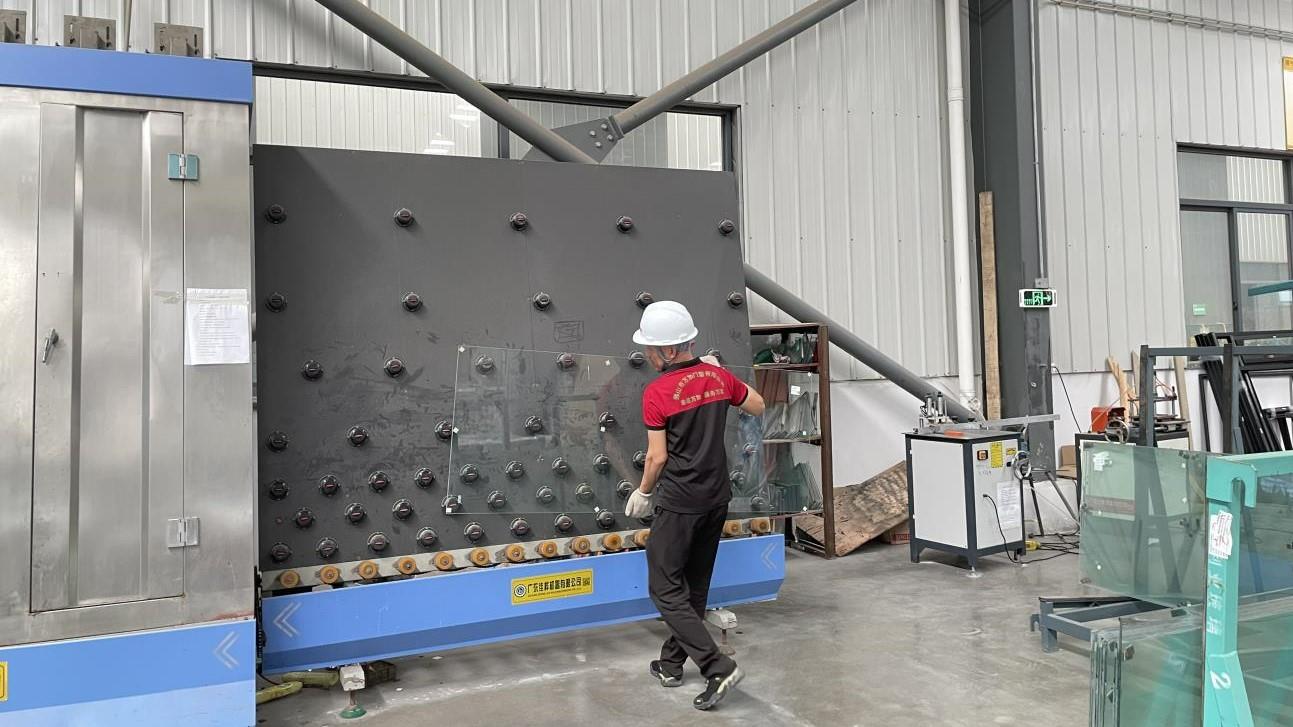
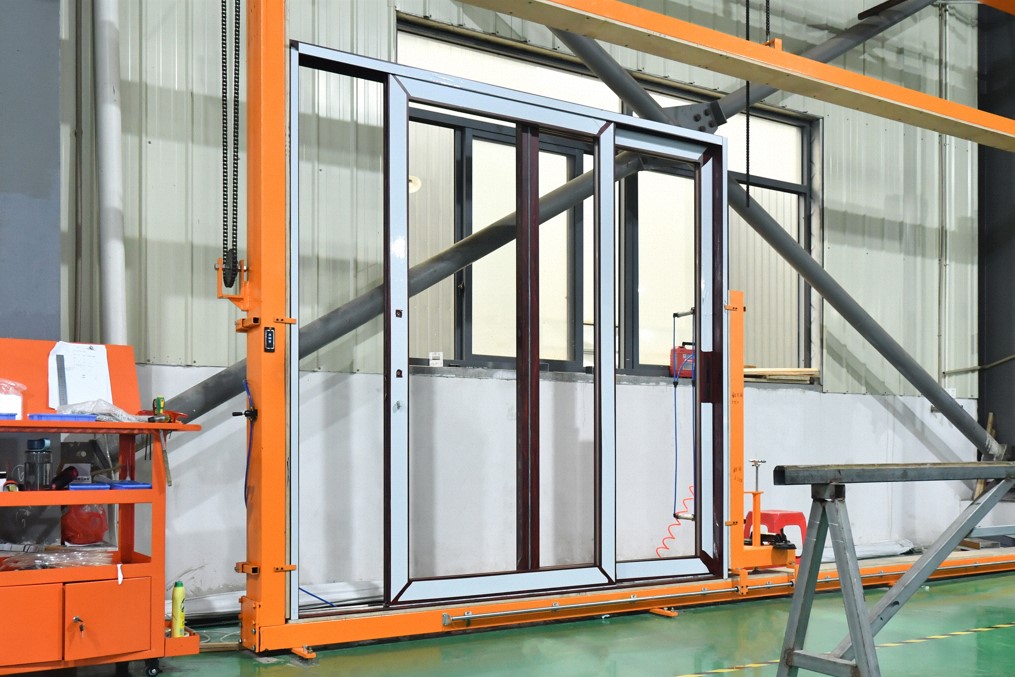
An inside look into Fortisdor's 32,000 m² automated production facility, CNC robotics, and rigorous quality control testing instruments.
Empowering commercial projects with LEED v4.1 credits, circular aluminum lifecycle strategies, and decarbonization envelope design.
As green building rating systems (LEED v4.1, BREEAM, and WELL) become mandatory standardizations across North America, Europe, and the Middle East, structural fenestration acts as the primary envelope factor in energy modeling calculations. Fortisdor aluminum sliding window systems directly support sustainable architecture through three strategic technical pillars:
Expert technical insights regarding international certifications, structural testing, hardware integration, and logistics management.
Explore our full line of hurricane impact, soundproof acoustic, and thermally broken commercial window configurations.
 Fortisdor