Explore our flagship structural aluminum security doors, hurricane-rated impact casements, and thermal-break sliding entryways engineered for certified safety and structural longevity.
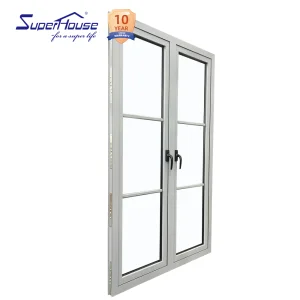
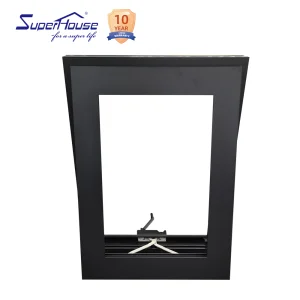
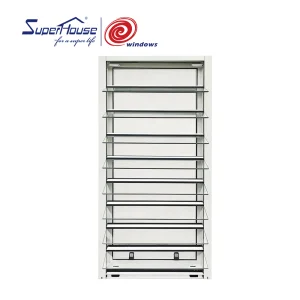
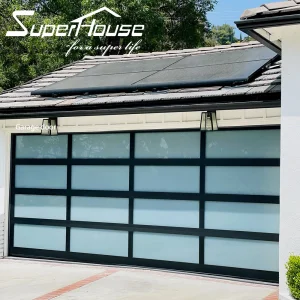
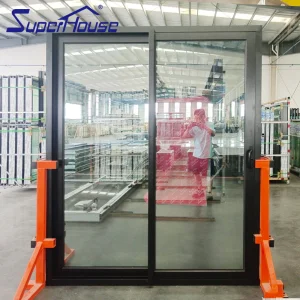
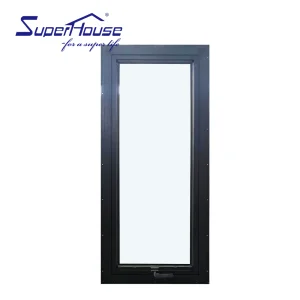
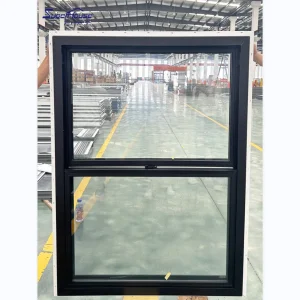
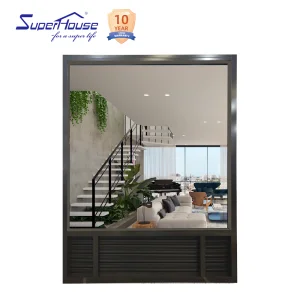
The international architectural perimeter protection sector is undergoing a major paradigm shift. Historically, high-security fenestration relied heavily on uninsulated mild steel or heavy iron grilles. However, modern commercial developments, luxury residential complexes, and public infrastructure projects increasingly favor high-tensile extruded aluminum alloy profiles (6063-T5 and 6060-T66). Aluminum security doors combine lightweight structural design, non-corrosive material longevity, and advanced thermal performance via multi-chamber polyamide thermal breaks.
Driven by strict building codes in North America (NFRC, Miami-Dade HVHZ) and Europe (EN 1627 Burglar Resistance Standards RC2 to RC5), modern buyers demand security doors that perform across three dimensions: physical resistance against forced entry, environmental resilience against extreme hurricane-force wind loads (+50/-50 PSF to +100/-100 PSF DP ratings), and low thermal transmittance (U-factors matching Energy Star requirements).
Extruded aluminum alloys deliver yields up to 240 MPa without the weight penalty of structural steel, minimizing hardware wear while maintaining forced-entry protection.
Incorporating PA66GF25 structural polyamide break strips isolates interior temperatures, eliminating thermal bridging and condensation risks.
Fluorocarbon (PVDF) and anodized surface treatments eliminate maintenance costs, resisting salt-spray environments for over 30 years.
Established in 2004, Fortisdor Security Doors Co., Ltd. is a specialized manufacturer of premium entry doors, operating out of a modern 32,000 m² industrial facility. With 20 years of door manufacturing expertise and 8 years of international export experience, the company achieves an annual export revenue of $22 million. Fortisdor serves major market segments across North America, Europe, and the Middle East, primarily supplying building material wholesalers, commercial contractors, and residential real estate developers.
Backed by an established trade background and a robust network of over 950 supply chain partners, Fortisdor enforces uncompromising quality standards. Quality assurance is directed by a team of 40 certified QC inspectors using multi-stage raw material testing, automated frame alignment checks, and salt-spray corrosion resistance evaluations. The company's strong R&D department features 50 engineering professionals who launched 140 new door models last year. Custom options include multi-point electronic lock systems, custom glass panels, thermal-break aluminum profiles, and personalized surface finishes.
| Operational Parameter | Specification / Metric | Engineering Compliance |
|---|---|---|
| Factory Surface Area | 32,000 m² Fully Integrated Facility | ISO 9001:2015 / ISO 14001 Certified |
| Manufacturing Experience | 20 Years Core Production / 8 Years Direct Export | Global Commercial Infrastructure Standards |
| R&D Staff & Product Launch | 50 Full-time Engineers / 140 Models per Annum | NFRC, AAMA, Florida Miami-Dade NOA |
| Quality Assurance Workforce | 40 Certified In-house QC Technicians | 100% 7-Stage Pre-Shipment Inspection Protocol |
| Locking System Integration | 3-Point to 9-Point Anti-Pry Electronic & Mechanical | EN 12209 Class 7 / ANSI Grade 1 Options |
To maintain tight tolerance levels (≤0.5mm frame alignment variation), Fortisdor utilizes advanced automated machinery. From dual-head CNC aluminum saws to hydraulic corner-crimping units, every production phase operates under strict statistical process control (SPC).
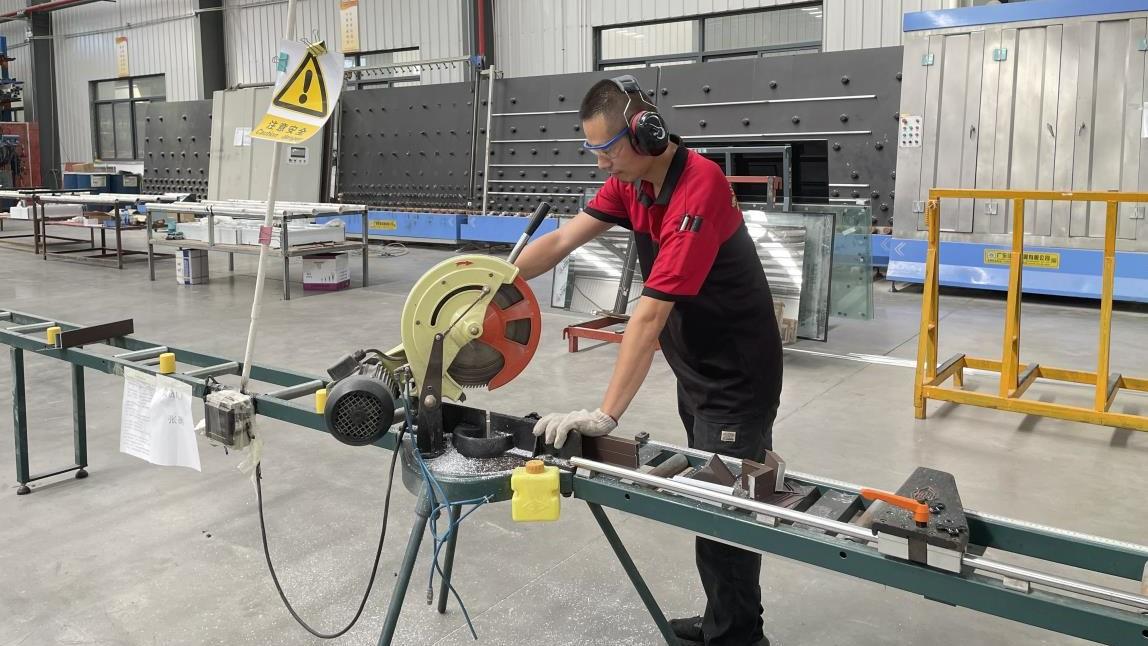
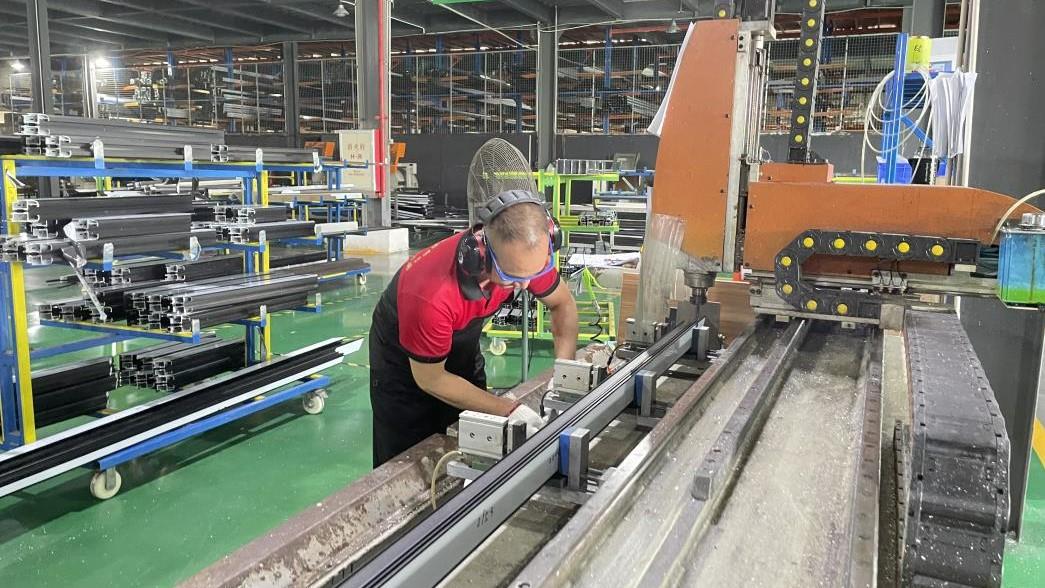
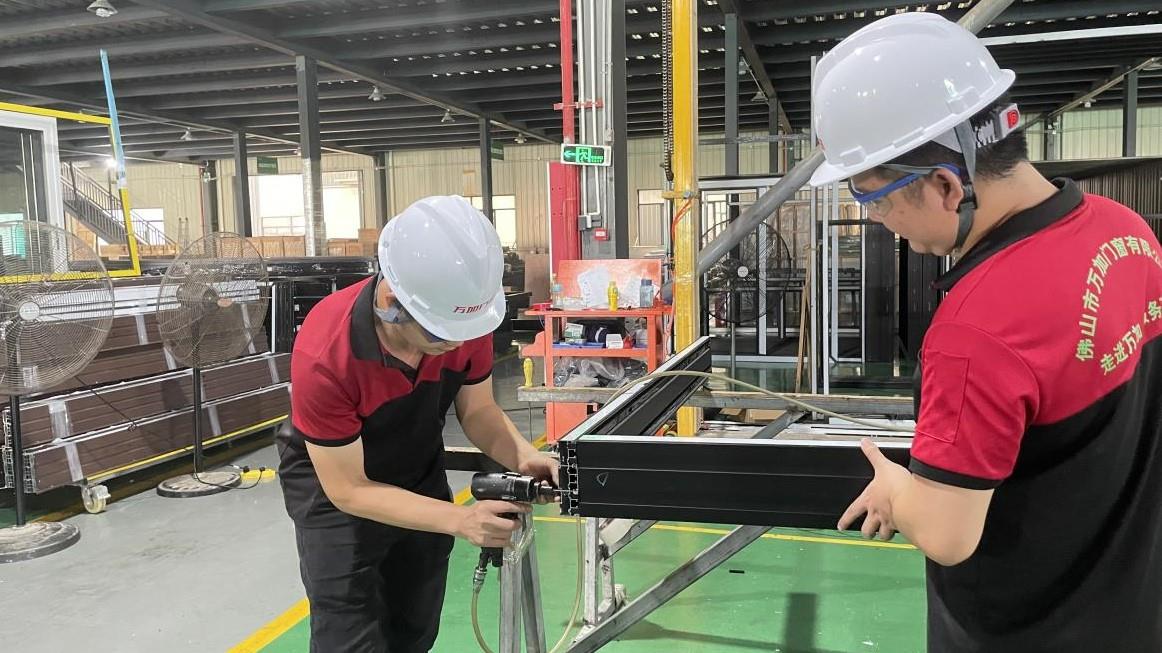
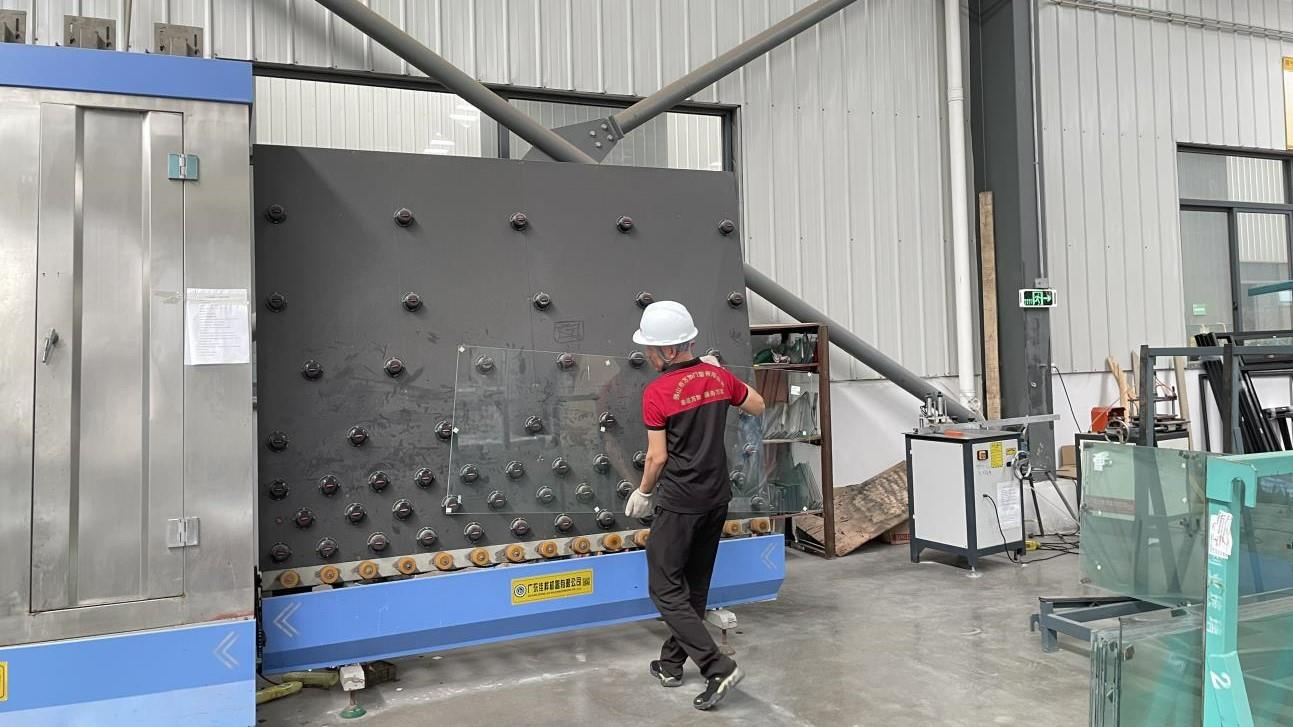
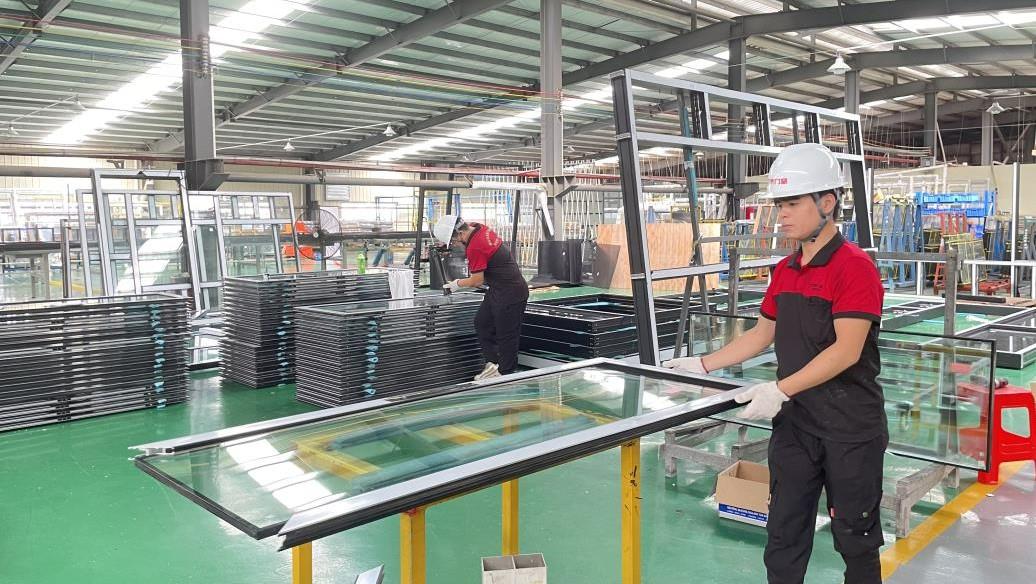
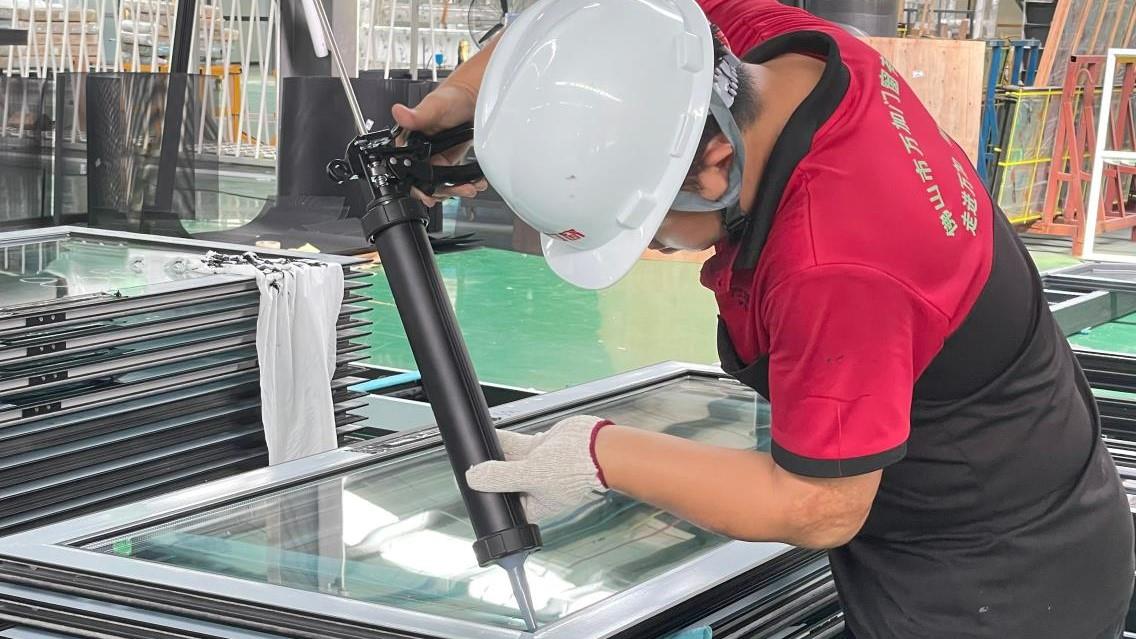
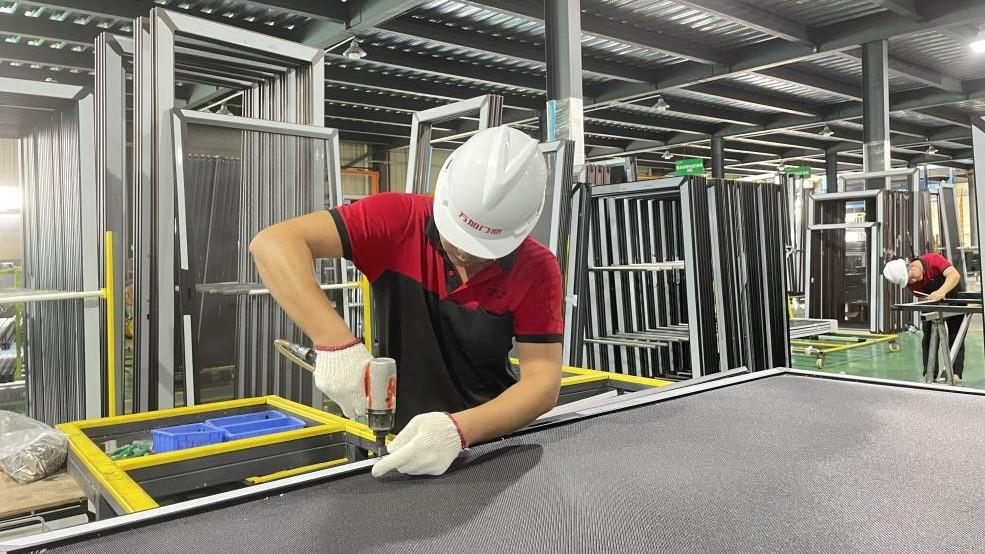
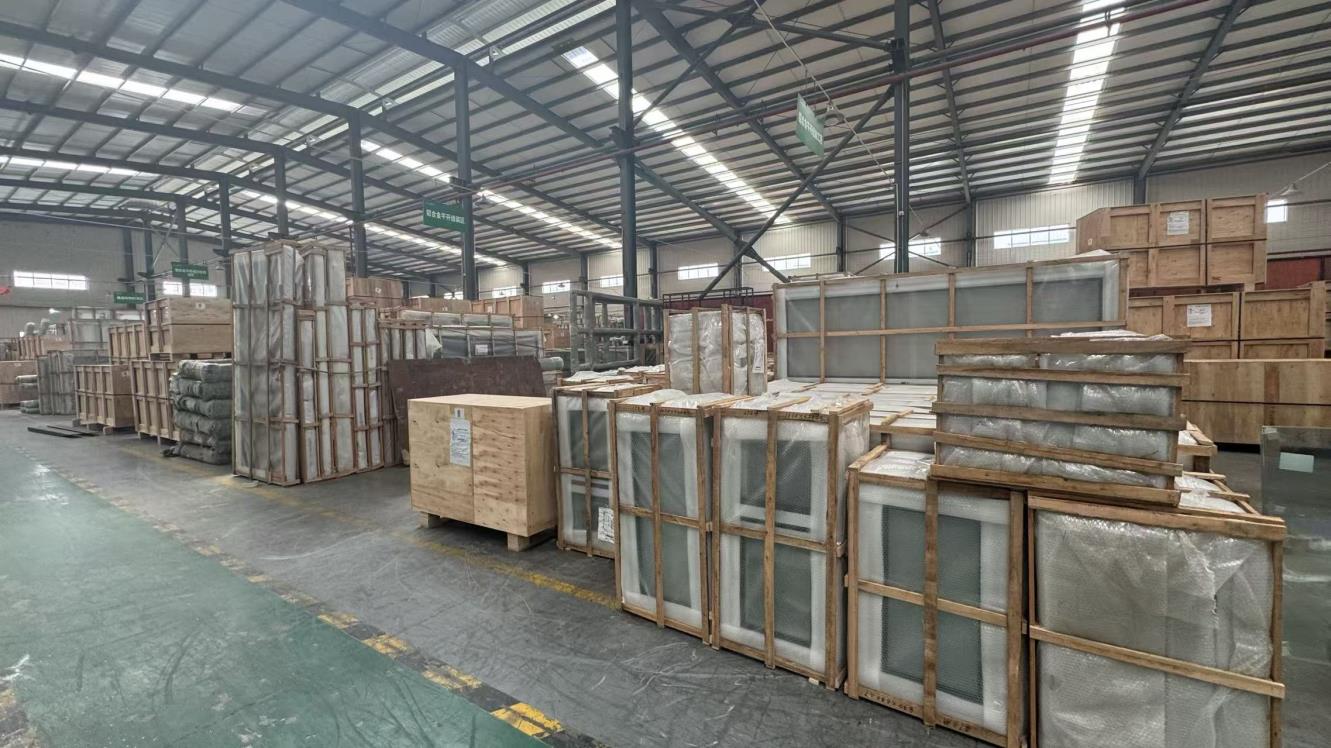
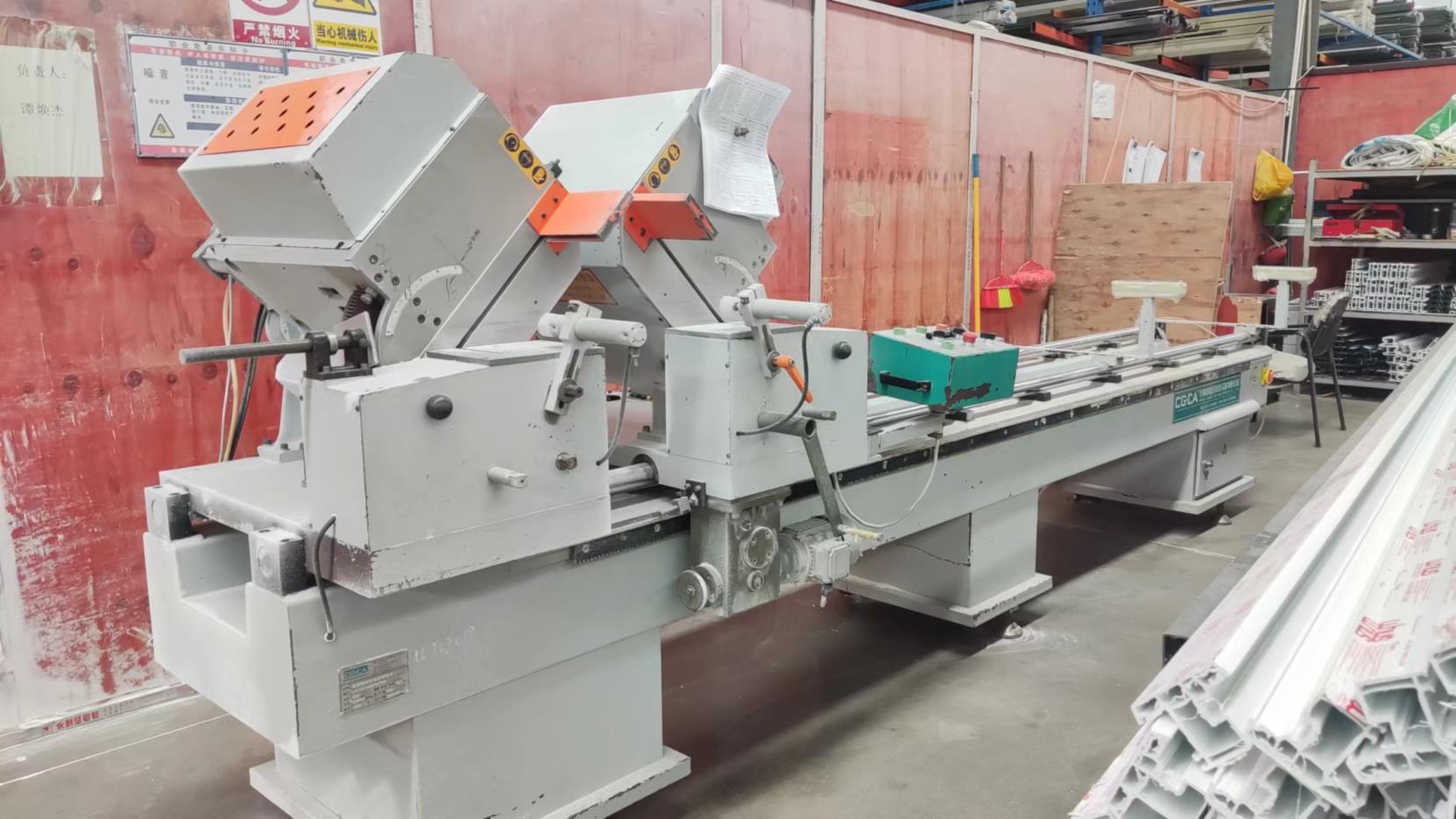
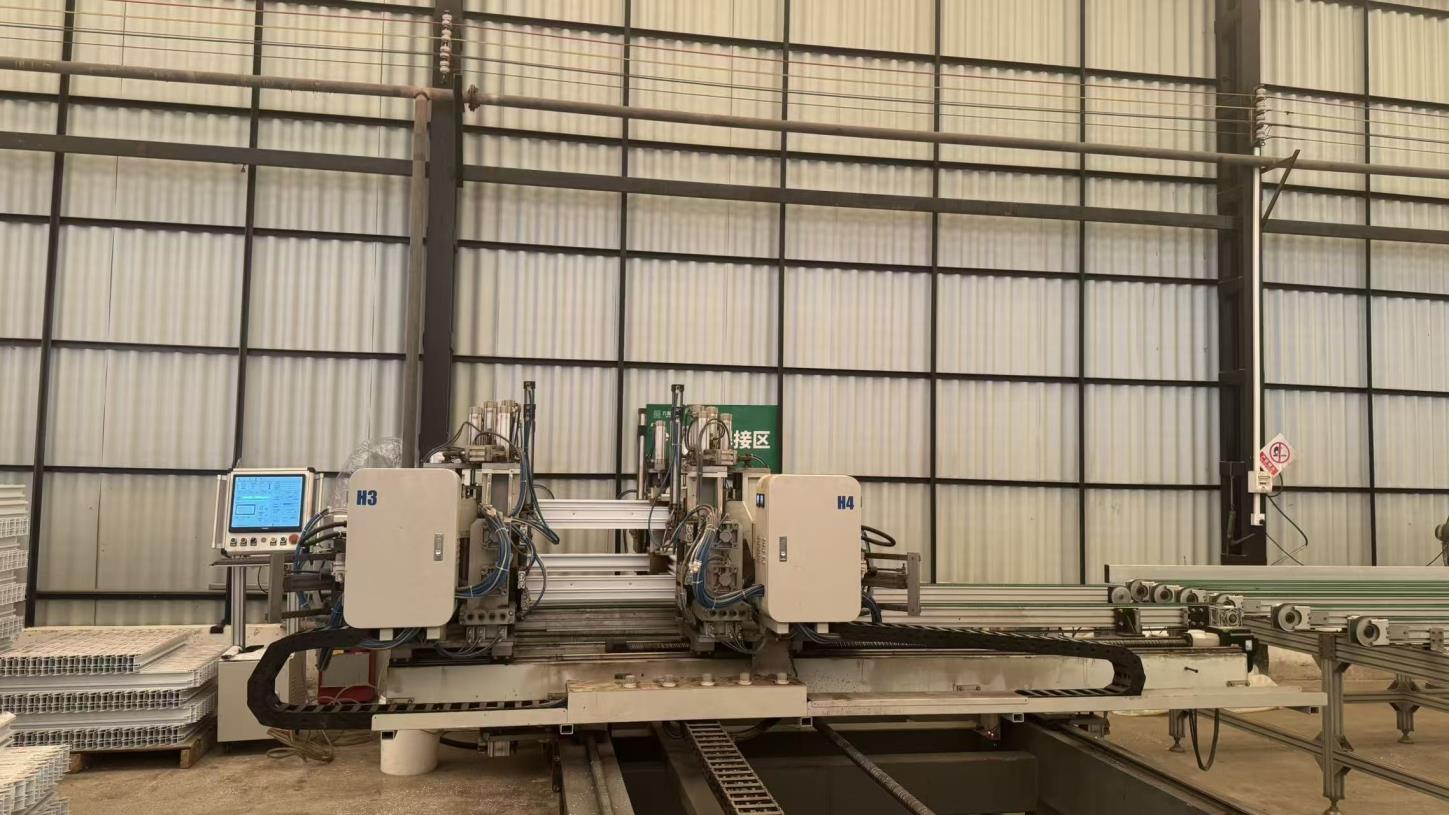
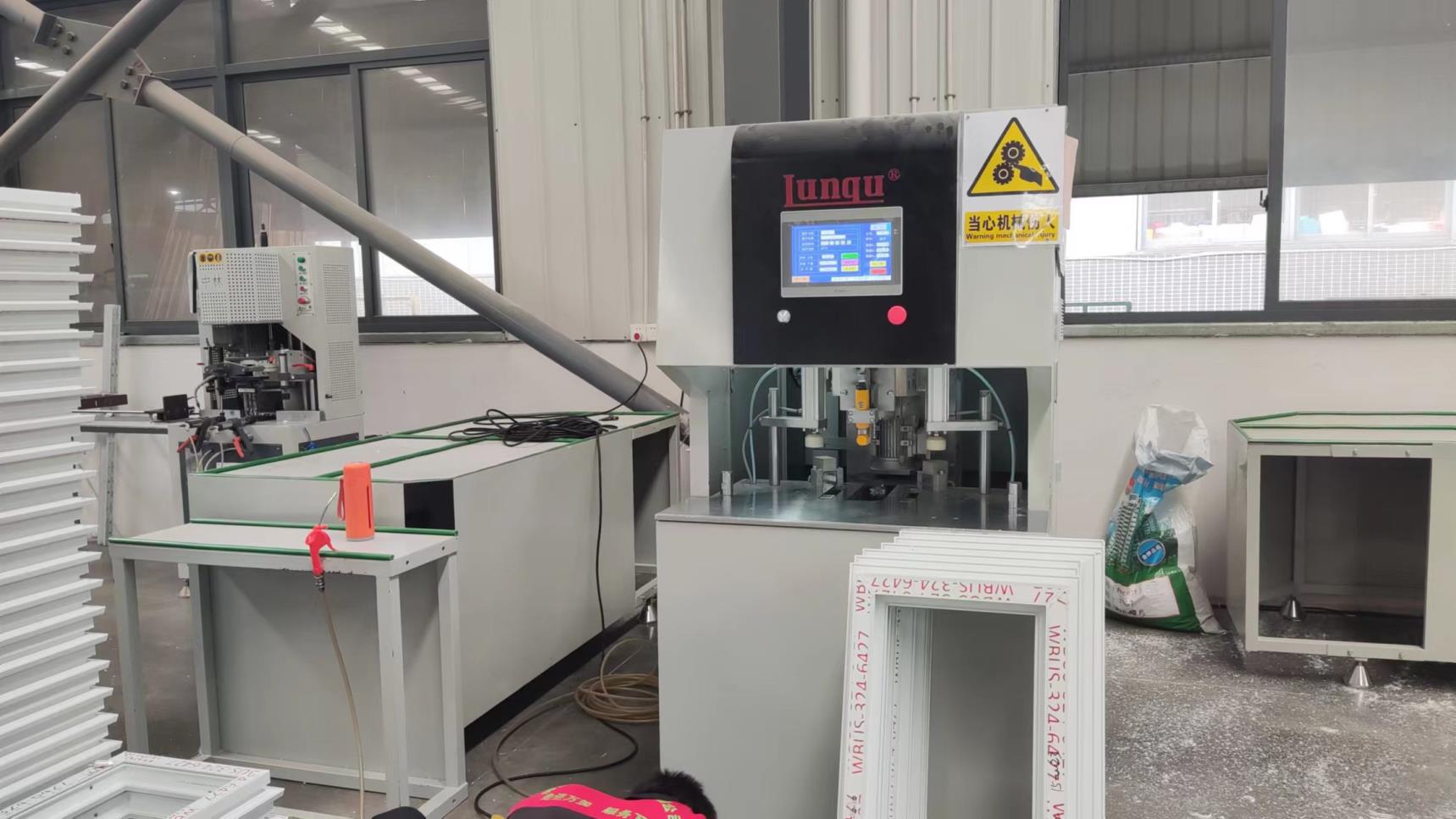
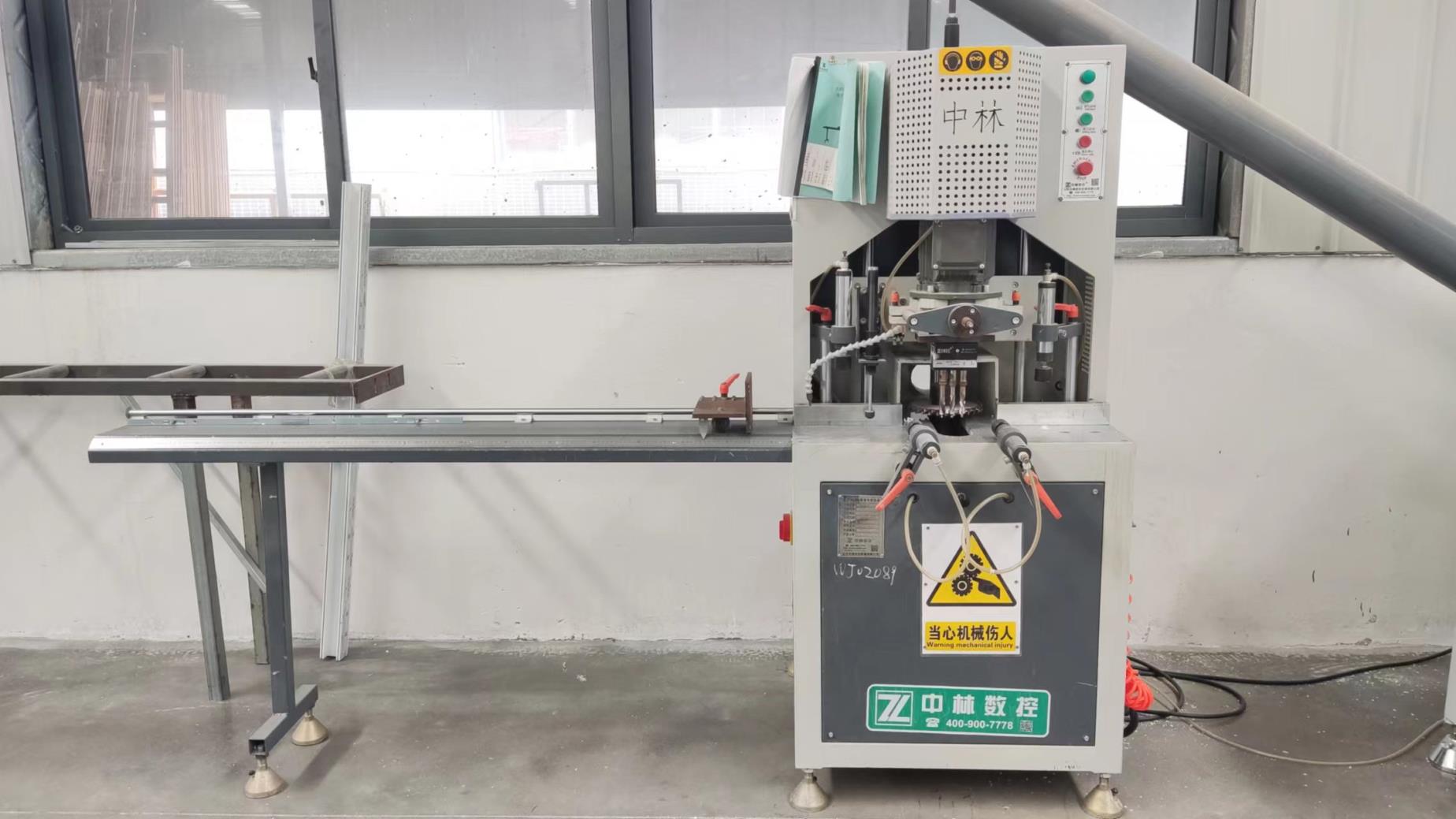
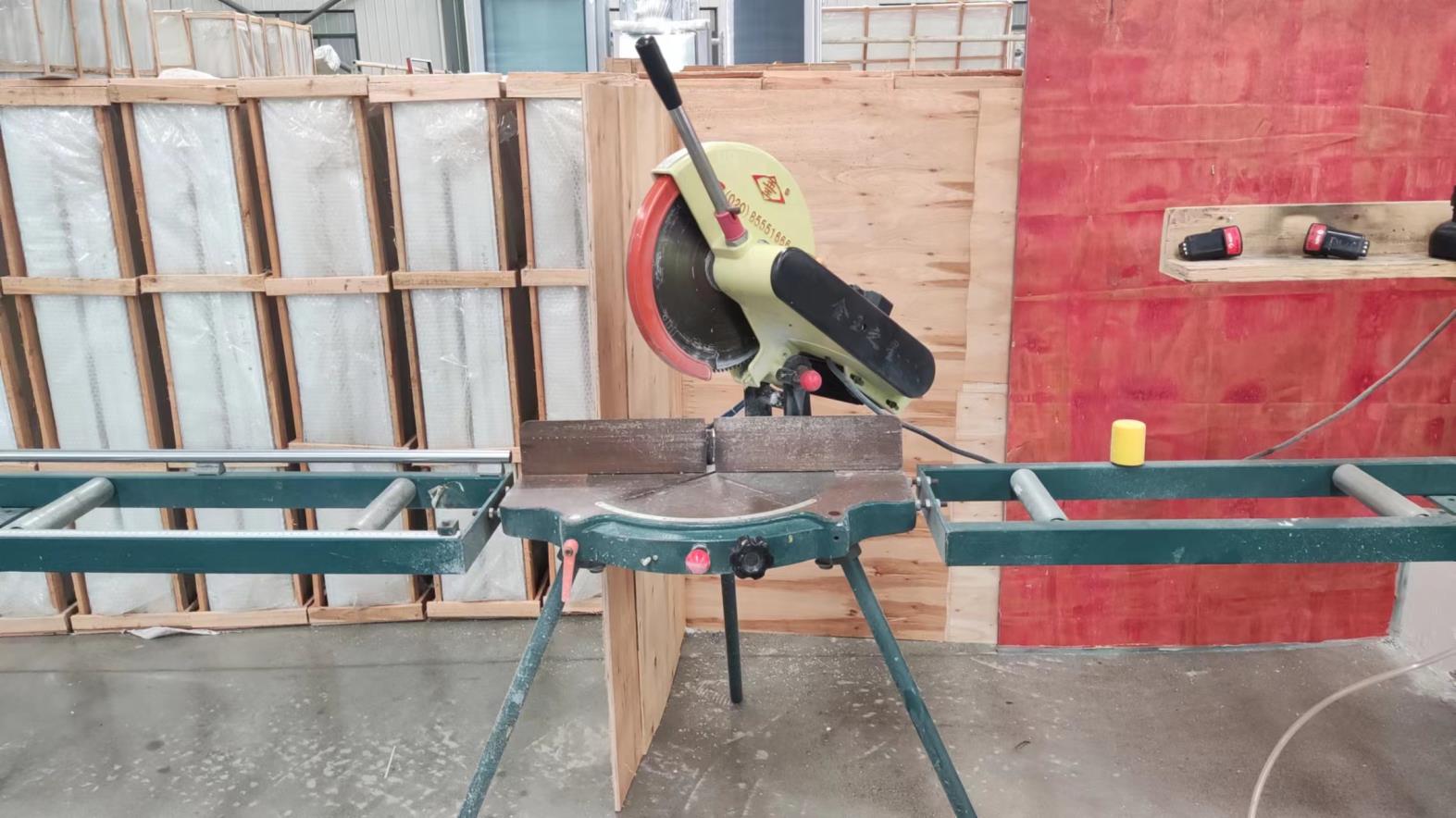
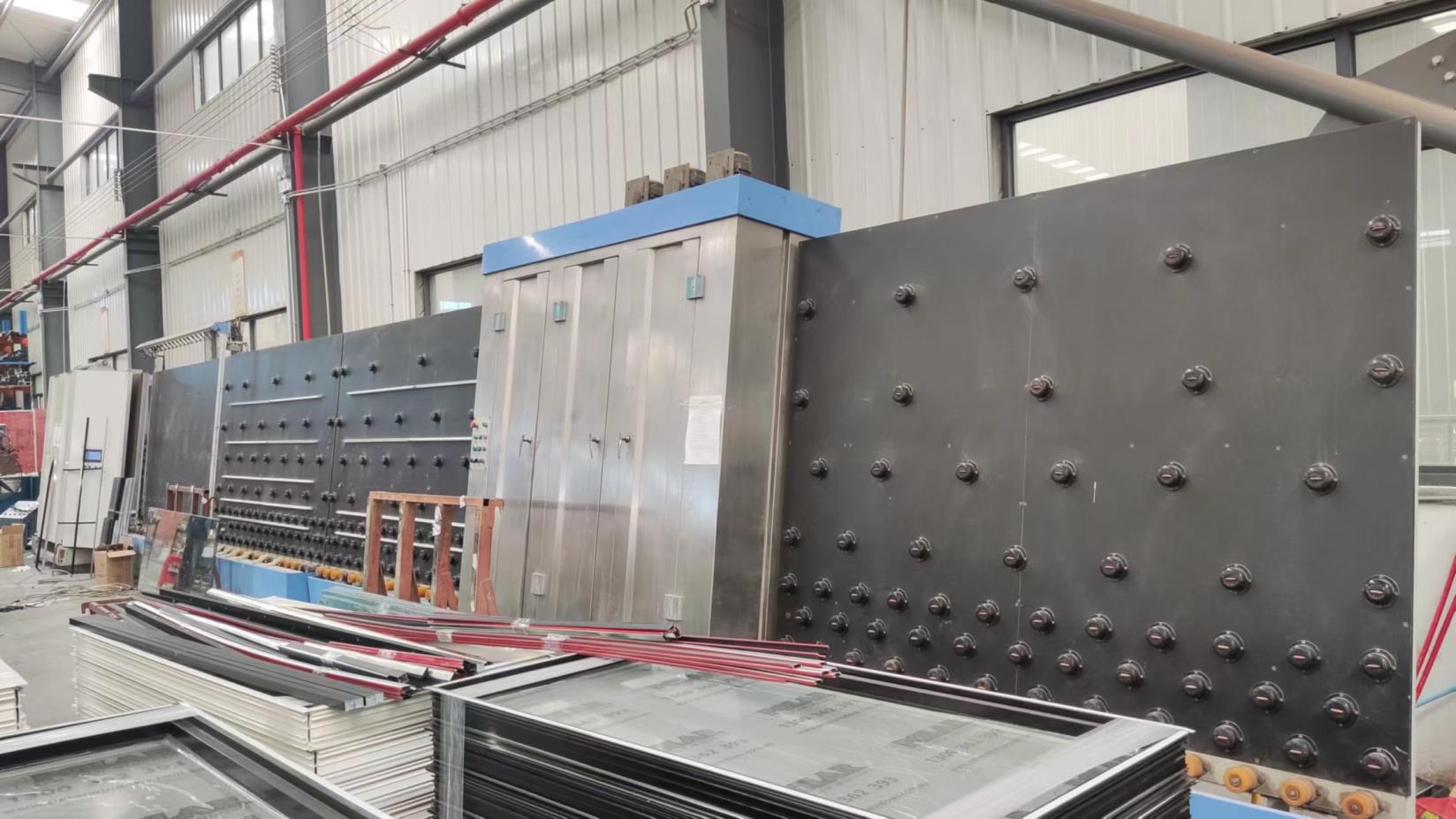
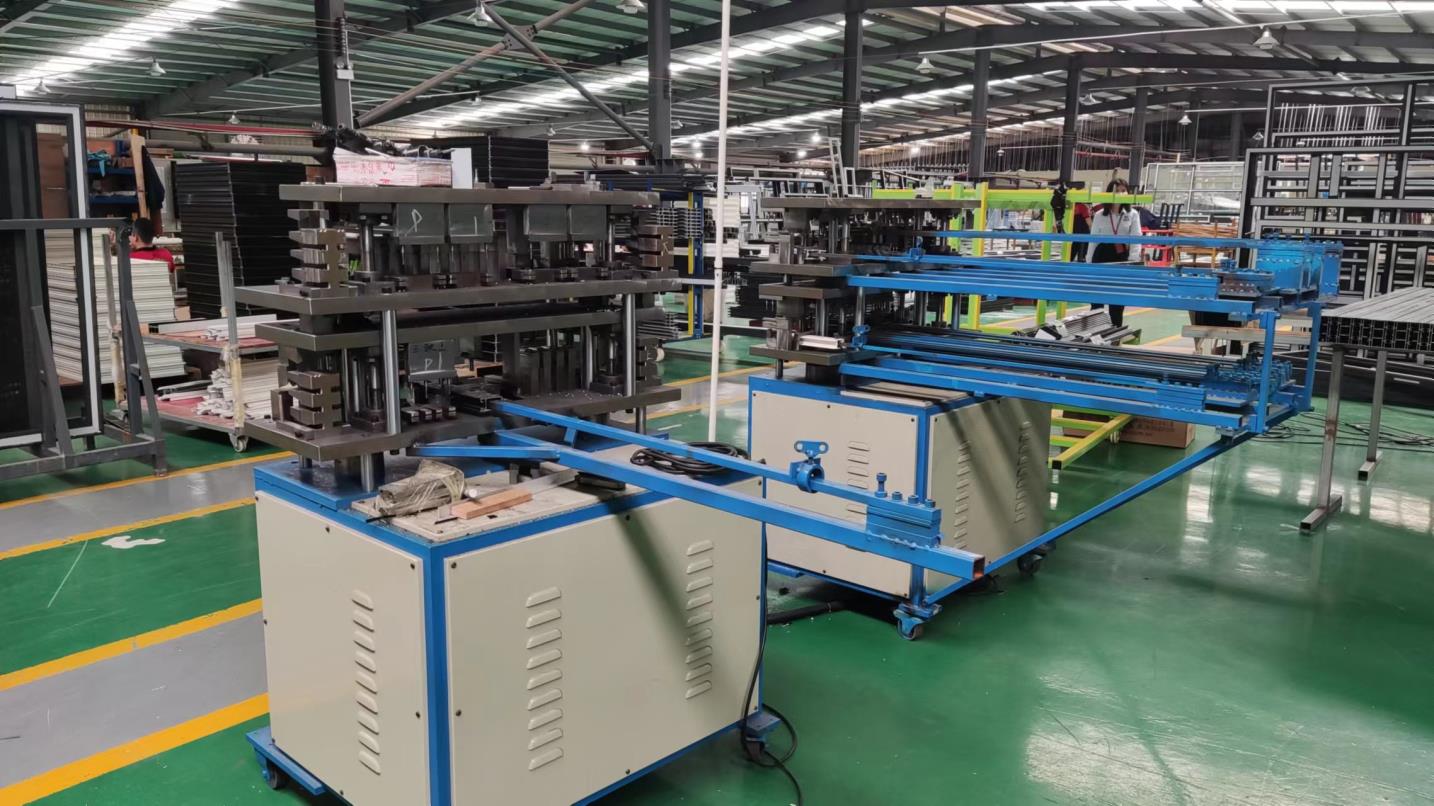
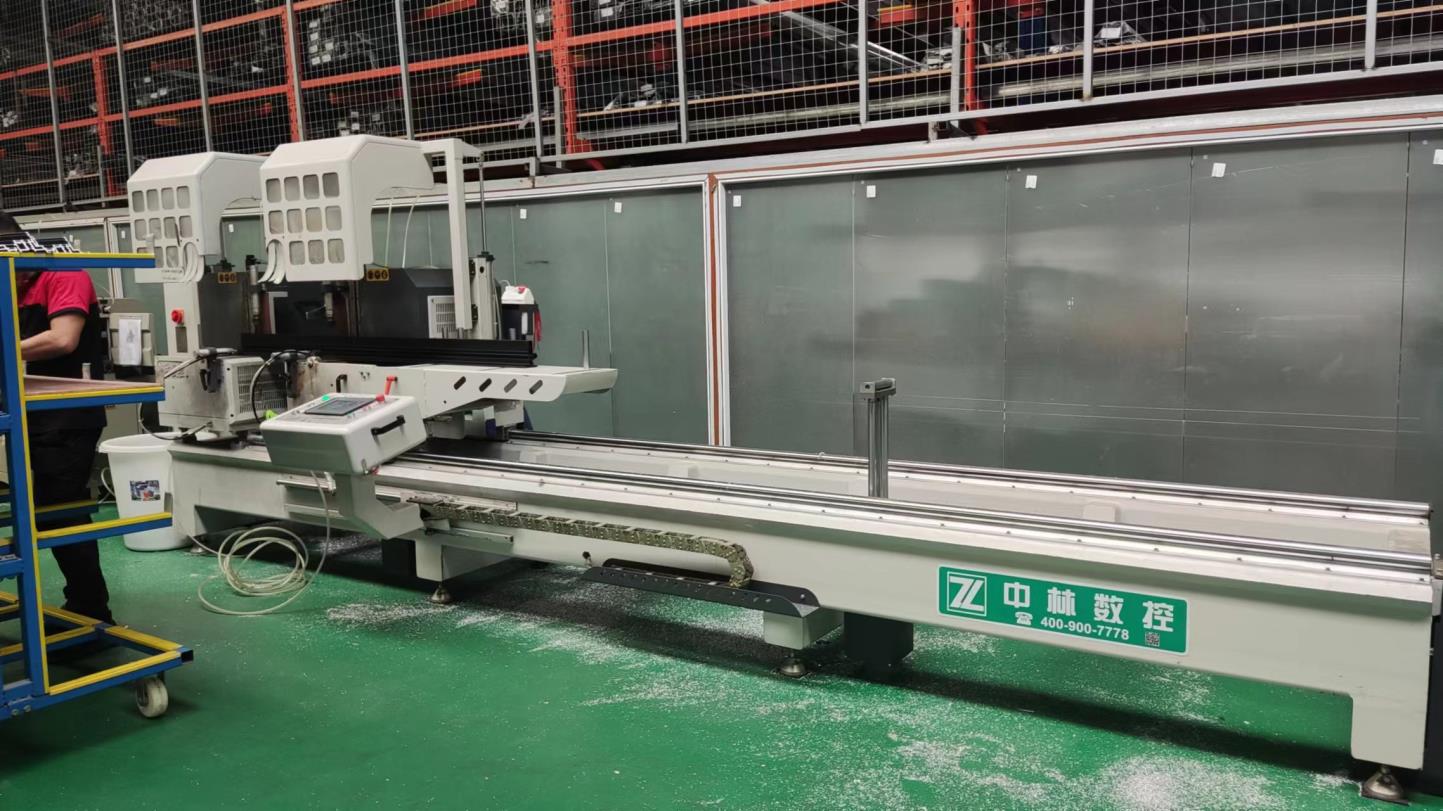
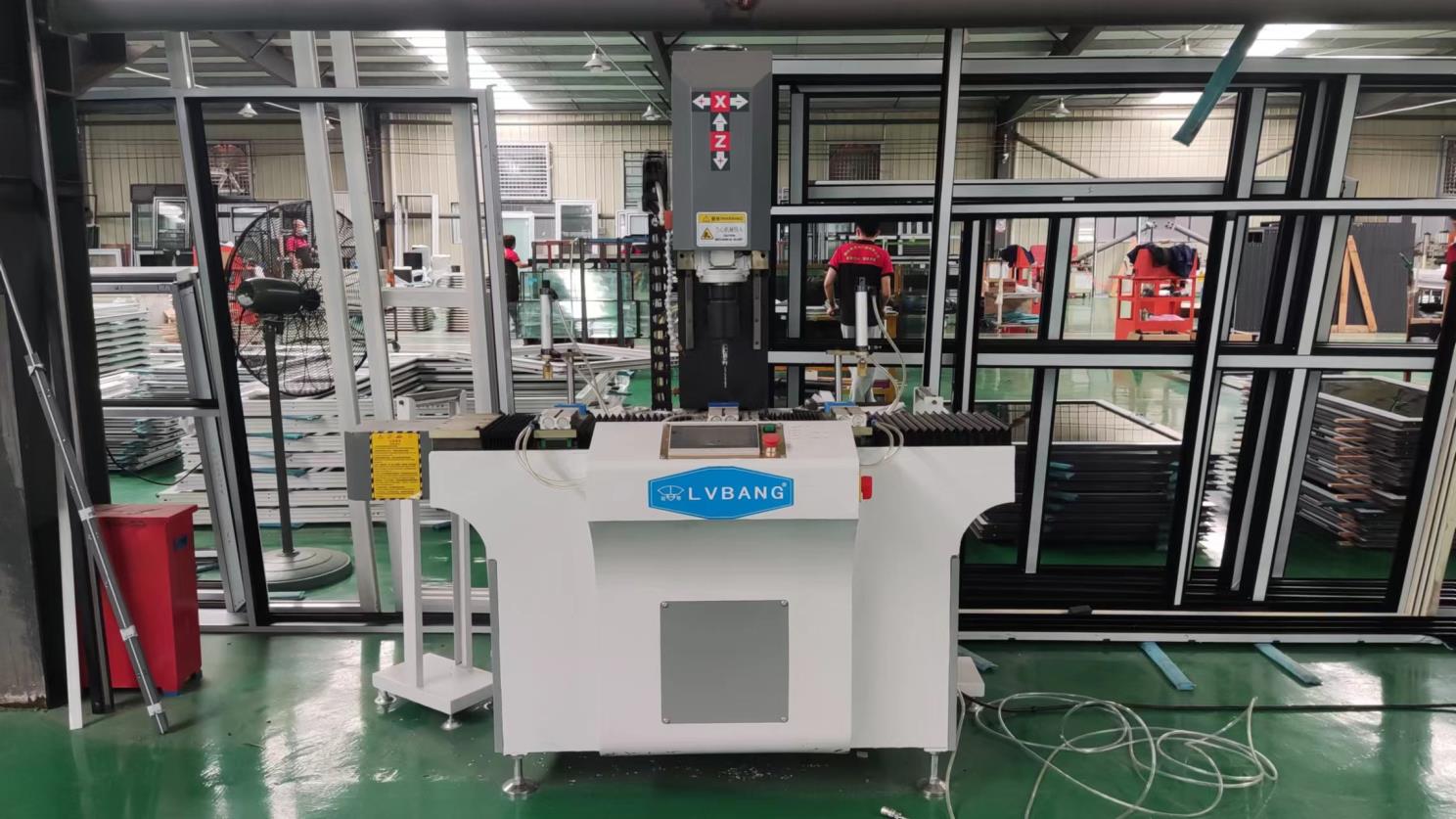
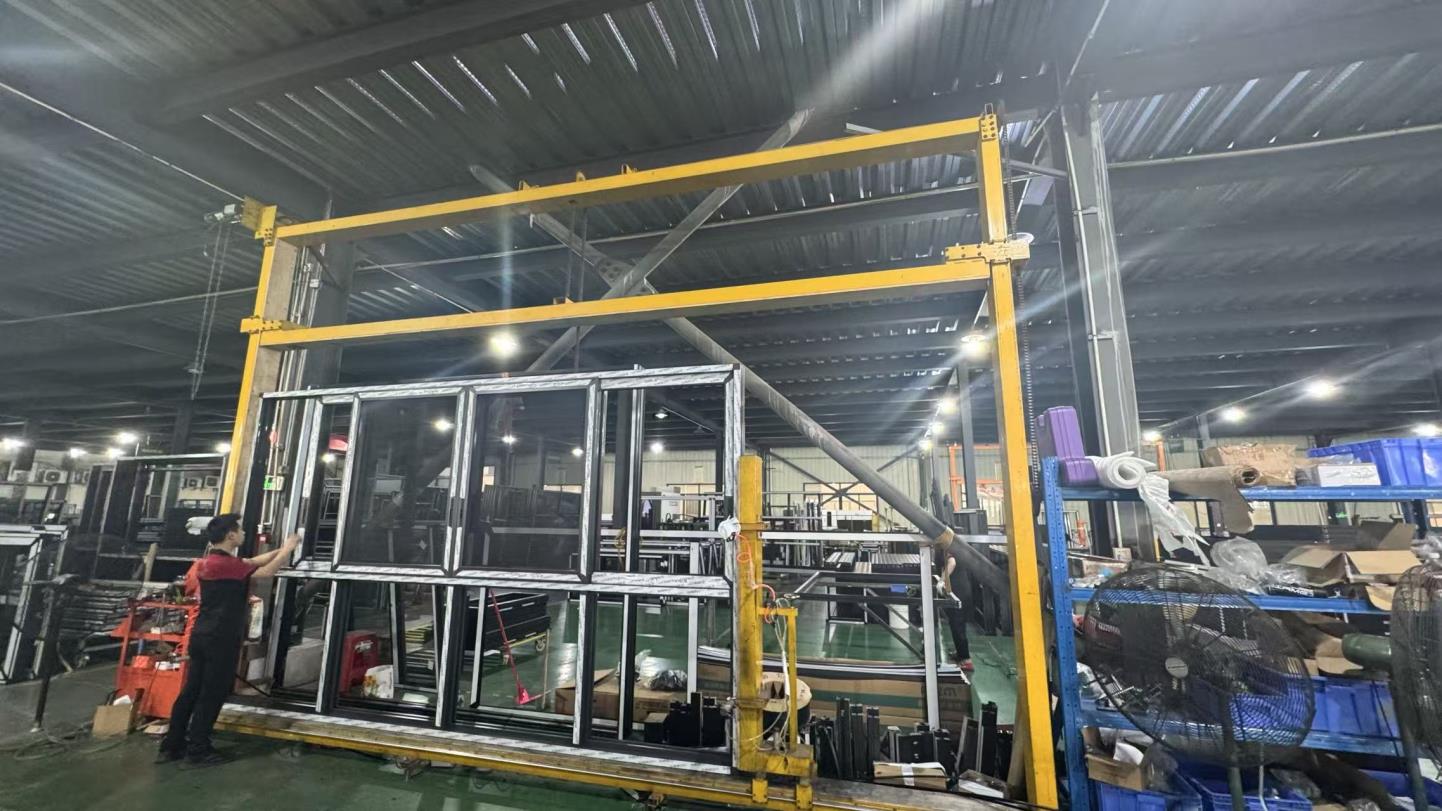
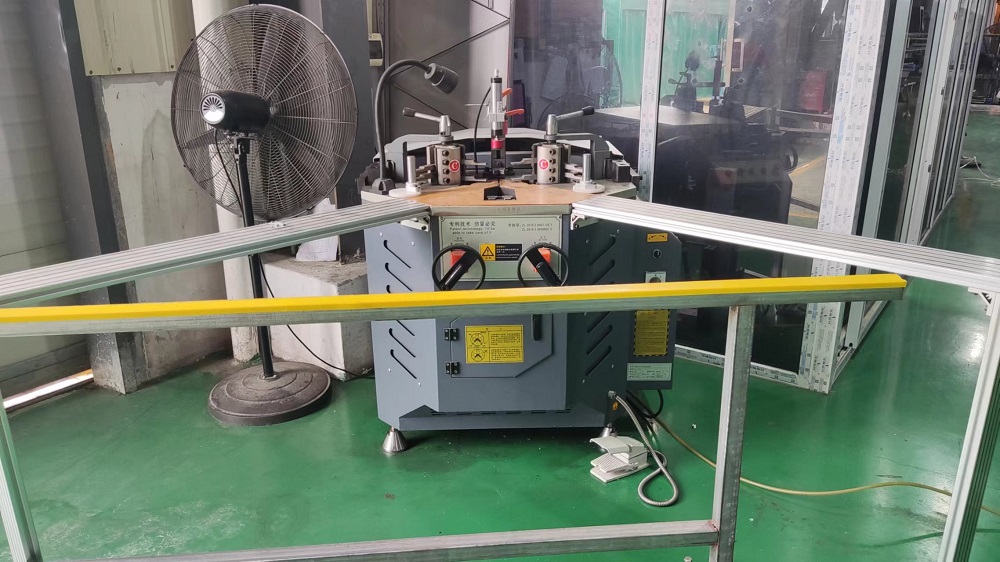
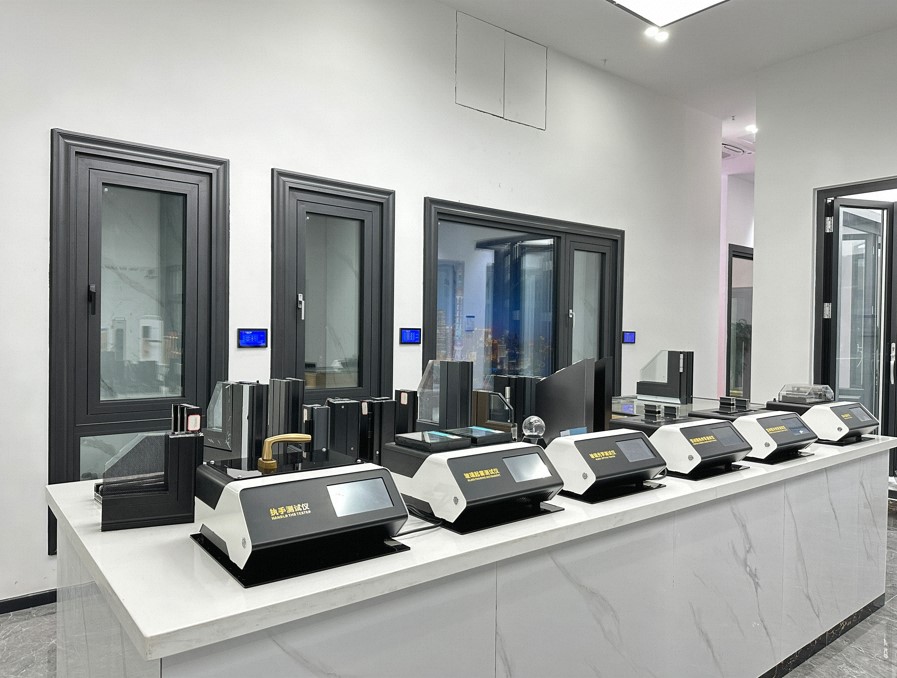
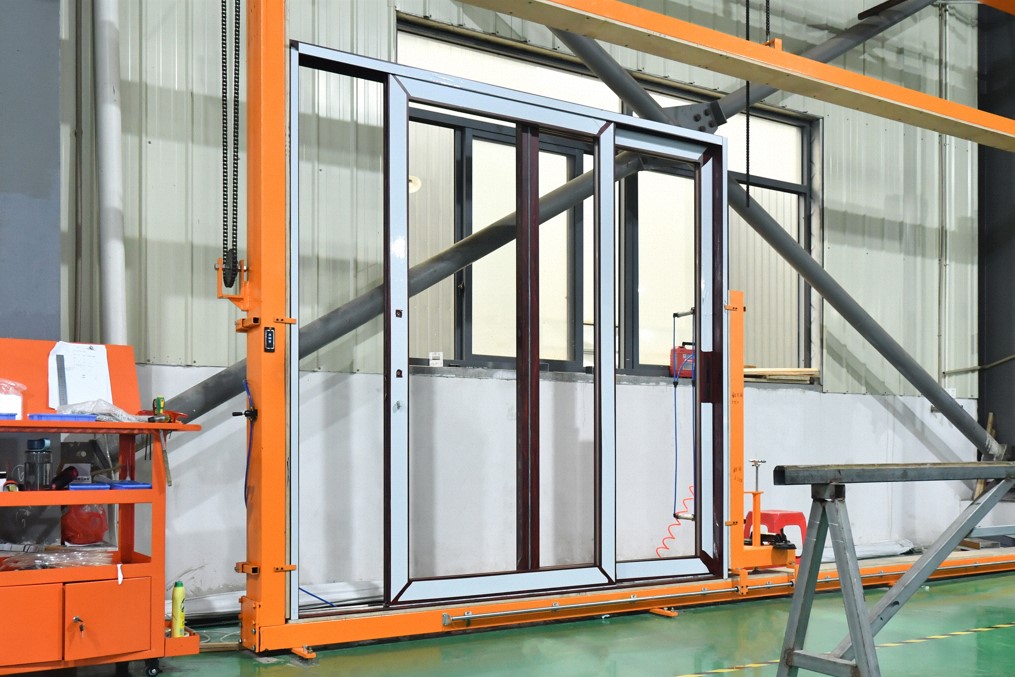
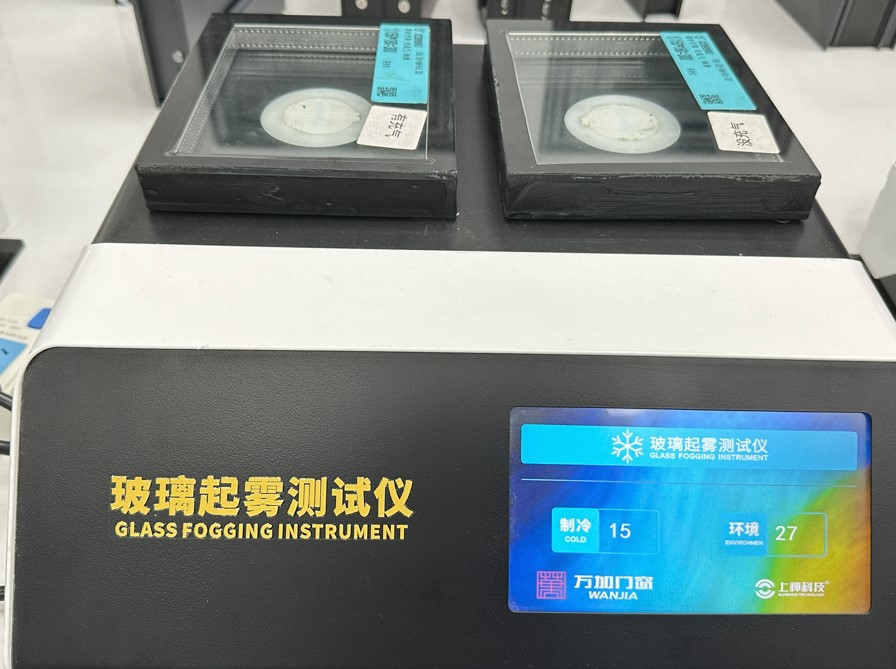
Quality control is executed at every milestone of fabrication. In-house testing laboratories measure thermal transfer rates, acoustic attenuation (STC ratings), dew point stability of insulated glass units (IGU), and structural deformation under static wind loading.
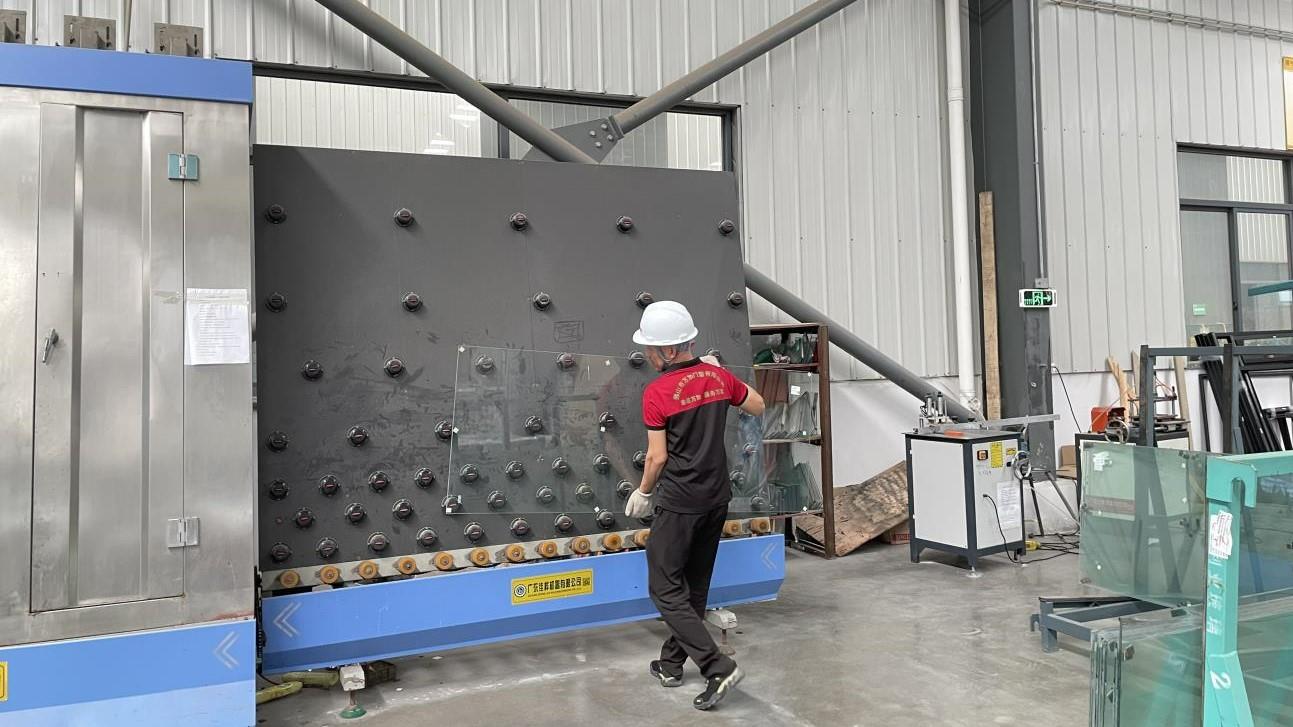
Global climates and building codes vary significantly. A high-performance security door factory must offer targeted modifications based on regional environmental pressures and regulatory compliance criteria.
Focuses on high-velocity hurricane zones (HVHZ). Doors incorporate multi-layer laminated PVB glass units and heavy-gauge structural reinforced extruded aluminum corners designed to withstand missile impact testing and pressure cyclic loads up to 100 PSF.
Emphasizes burglar resistance paired with low overall U-values (≤ 0.8 W/m²K). Systems utilize polyamide thermal breaks (PA66GF25), triple-glazed low-E coatings with argon gas filling, and concealed European groove multi-point gearboxes.
Addresses high surface heat, severe UV exposure, and sand abrasion. Incorporates PVDF (Polyvinylidene Fluoride) 3-coat architectural powder coatings, heat-reflective tinted glass, and heavy-duty dust-seal EPDM weatherstripping.
The intersection of smart building automation, low-carbon industrial manufacturing, and advanced material science is shaping the next decade of architectural security doors.
Direct factory integration of embedded electronic multi-point lock bodies supporting 3D facial recognition, Matter/Zigbee 3.0 protocols, and remote encrypted key distribution without compromising physical RC4 security levels.
Replacing conventional double-glazed IGUs with 8mm to 10mm Vacuum Insulated Glass panels, offering thermal U-values below 0.40 W/m²K while reducing overall door panel weight by up to 35%.
Transitioning 100% of raw aluminum profiles to hydro-powered recycled aluminum (sub-4.0 kg CO2/kg Al metric) coupled with nanotech self-healing powder coats that automatically seal micro-scratches under sunlight.
For real estate developers, EPC contractors, and global distributors, importing custom aluminum security doors from China requires robust supplier auditing practices. High-volume procurement projects must balance structural safety certifications against total landed costs.
Verify that the manufacturer possesses in-house CAD/3D modeling capabilities, die-extrusion shop networks, and modular toolings. Fortisdor’s 50-engineer R&D team can develop custom profile extrusions within 15 working days.
Ensure test reports for hurricane resistance (Miami-Dade NOA), thermal insulation (NFRC), and forced entry resistance are issued by accredited third-party laboratories (e.g., Intertek, TÜV, UL) and tied directly to project specifications.
A top-tier factory must maintain contracts with Tier-1 raw aluminum ingot suppliers and hardware makers (e.g., Siegenia, Hoppe, Sobinco) backed by over 950 localized supply chain partners to guarantee lead times during peak build cycles.
Comprehensive technical answers designed for architectural specifiers, procurement officers, and structural engineers.
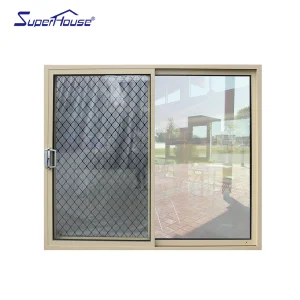
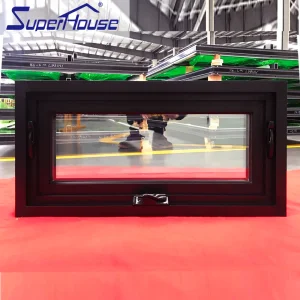
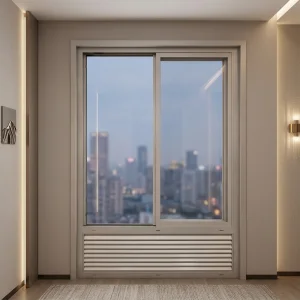
Review additional certified impact-resistant, insulated, and commercial sliding systems designed for global residential and hotel infrastructure developments.
 Fortisdor