Explore our high-performance thermal break aluminum profiles, storm-rated hurricane impact structures, and biometric integration-ready architectural door systems.
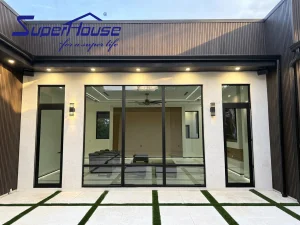
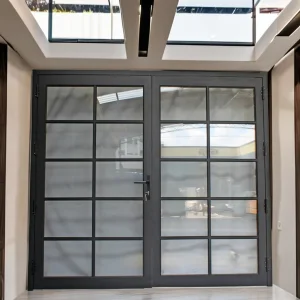
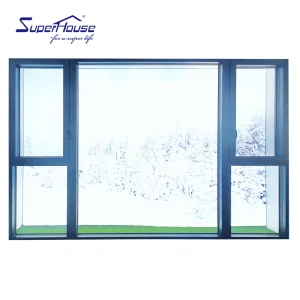
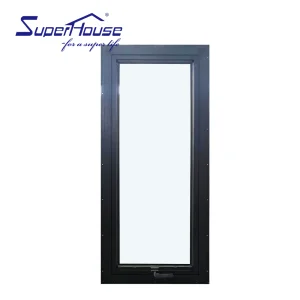
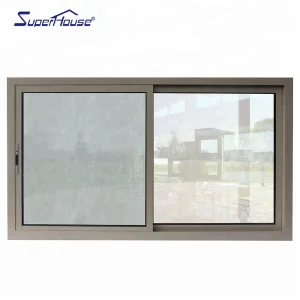
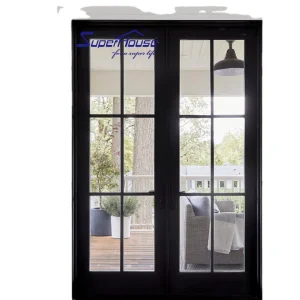
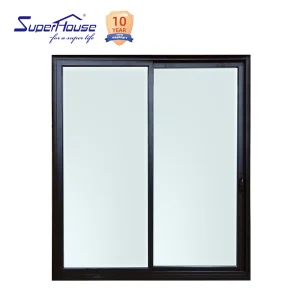
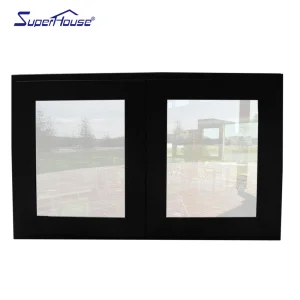
The global architectural entrance sector is undergoing a structural paradigm shift. Driven by rapid urbanization, heightened security protocols in commercial spaces, and the ubiquitous demand for smart building integration, fingerprint lock aluminum doors have evolved from niche luxury upgrades to standard specification items for high-end residential, commercial, and hospitality developments.
According to recent market intelligence, the global smart door market is projected to reach $8.4 Billion by 2030, registering a CAGR of 12.3%. Aluminum profiles dominate this expansion due to their exceptional strength-to-weight ratio, structural stability, thermal performance when coupled with polyamide break technology, and resistance to environmental degradation. Unlike legacy timber or steel doors, thermal-break aluminum doors integrated with advanced 3D biometric capacitive fingerprint sensors offer zero warp risk, high cycle durability, and seamless integration with modern building management systems (BMS).
Modern architectural projects demand multi-modal entry: live semiconductor fingerprint detection, AES-128 encrypted RFID, dynamic keypad codes, and smartphone BLE/Zigbee access override.
Combining 6063-T6 architectural grade aluminum extrusions with high-velocity hurricane-zone (HVHZ) impact ratings ensures storm safety alongside electronic protection.
Sub-0.5 second recognition speeds and automated multi-point lock mortise engagement cut security bottlenecks in high-traffic commercial and residential complexes.
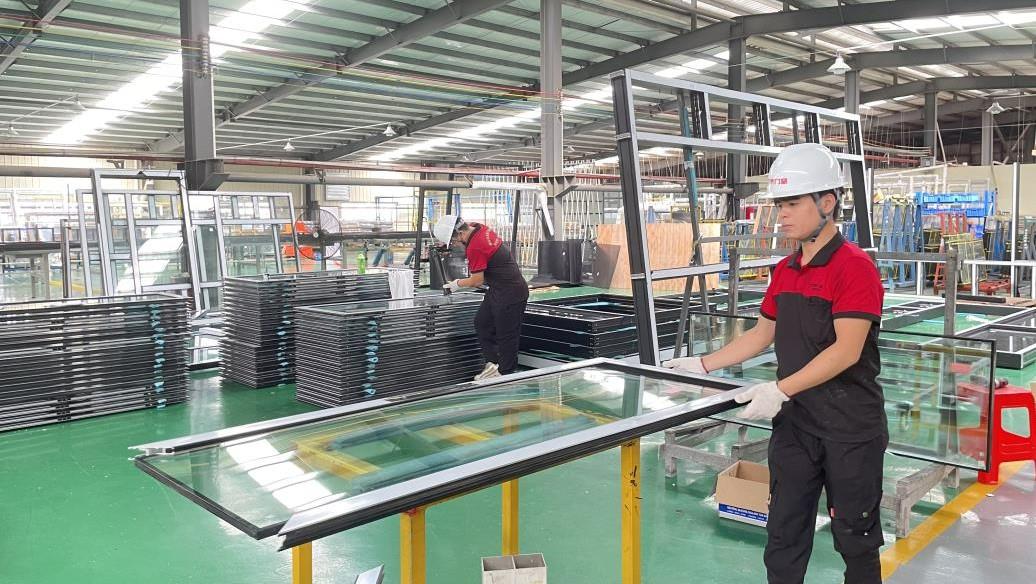
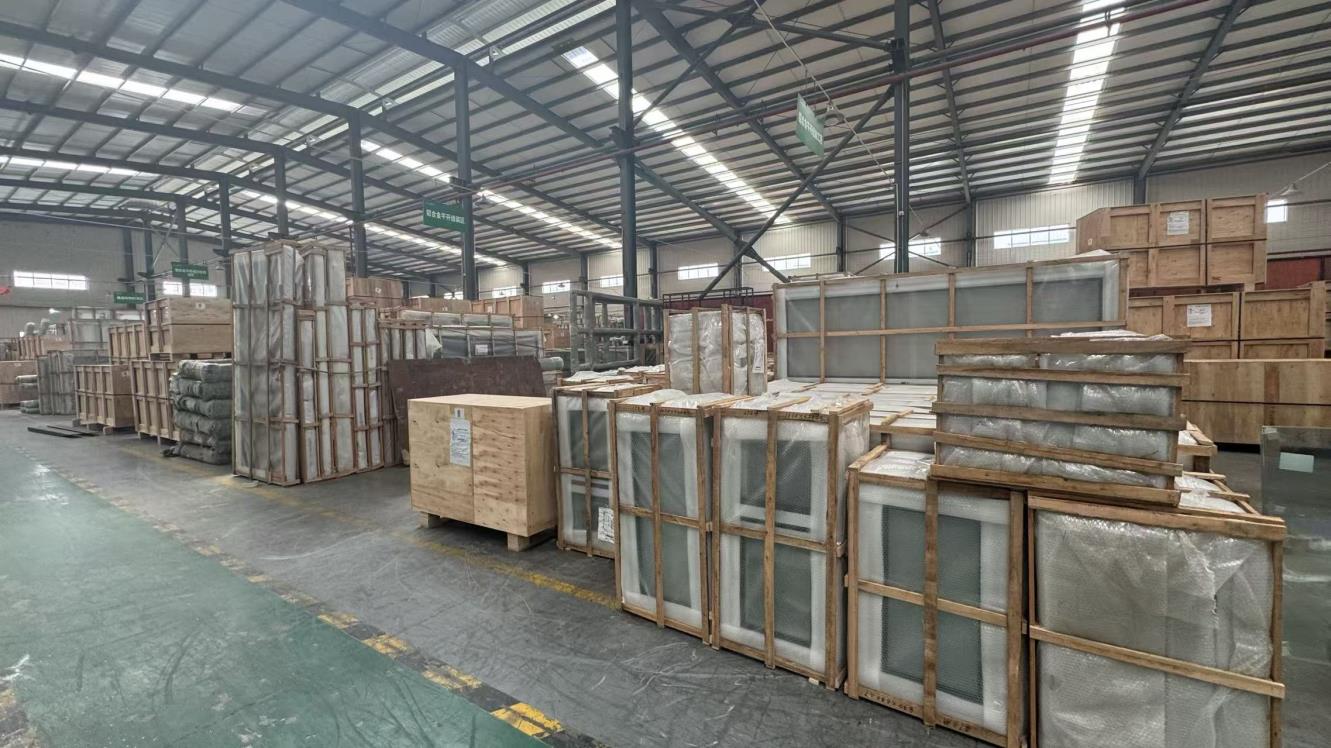
Established in 2004, Fortisdor Security Doors Co., Ltd. serves as an exemplary operational blueprint for premium aluminum door and window manufacturing. Operating out of a state-of-the-art 32,000 m² industrial facility, Fortisdor bridges 20 years of door manufacturing expertise with 8 years of dedicated international export operations, generating over $22 million in annual export revenue across North America, Europe, and the Middle East.
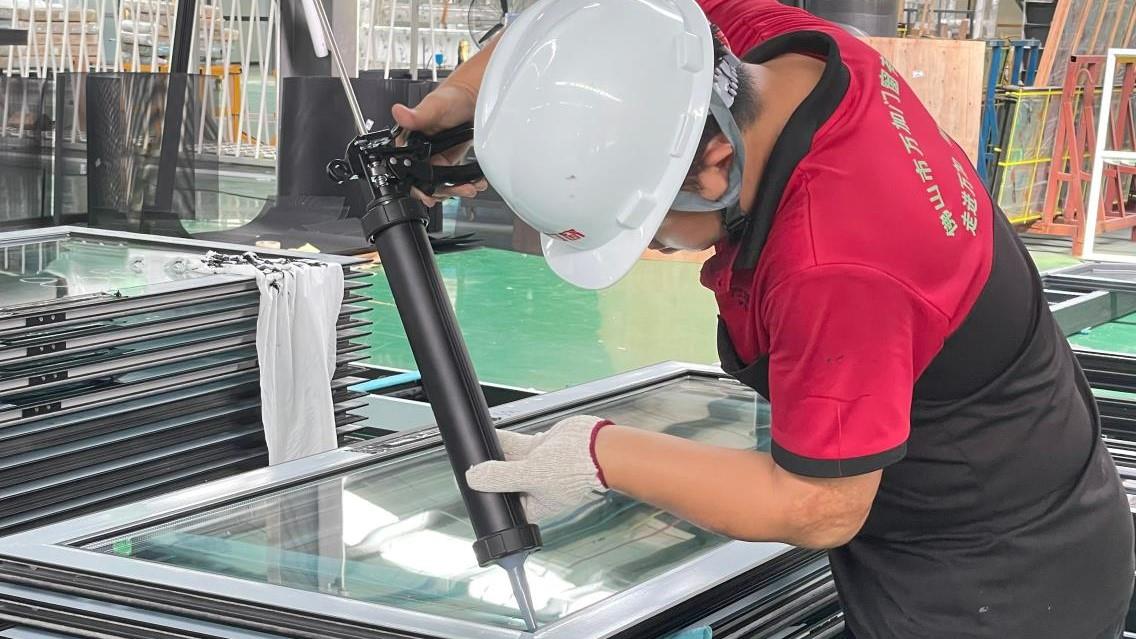
Fortisdor's infrastructure enforces stringent quality assurance protocols through a team of 40 certified QC inspectors. Every batch undergoes multi-stage raw material chemical composition testing, automated frame corner squareness checks, and accelerated salt-spray corrosion evaluations. Fortisdor’s 50 R&D engineering professionals actively innovate to release over 140 new door and window configurations annually, supporting OEM/ODM buyers with custom options including motorized multi-point electronic lock systems, hurricane impact Low-E glass, thermal-break profile optimization, and fluorocarbon powder coating surface finishes.
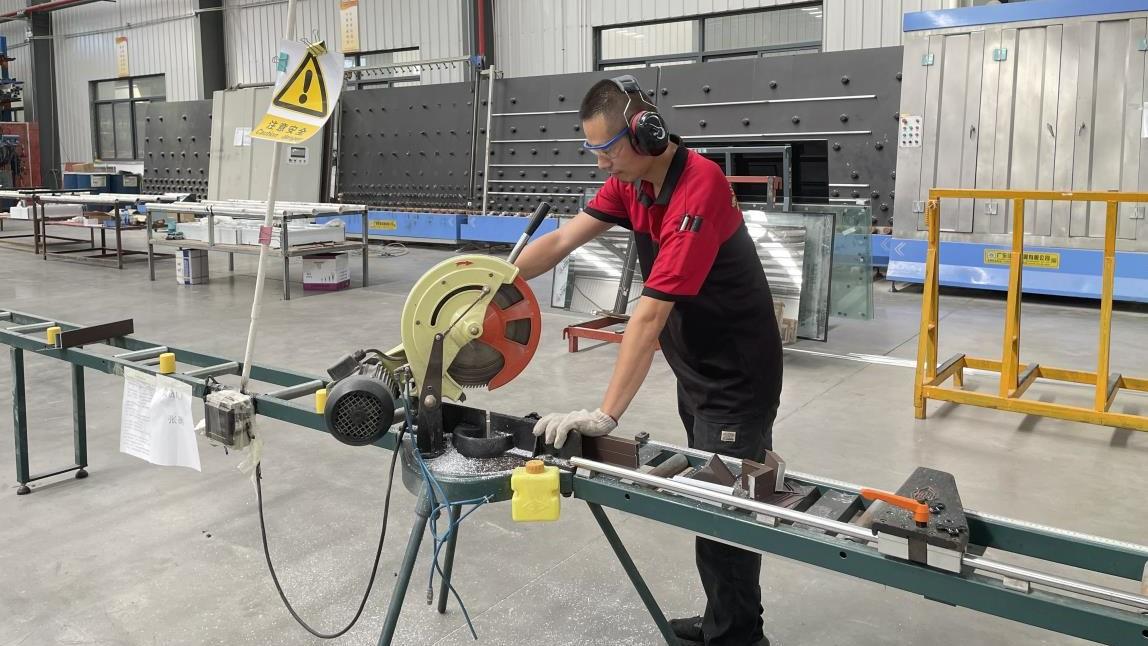
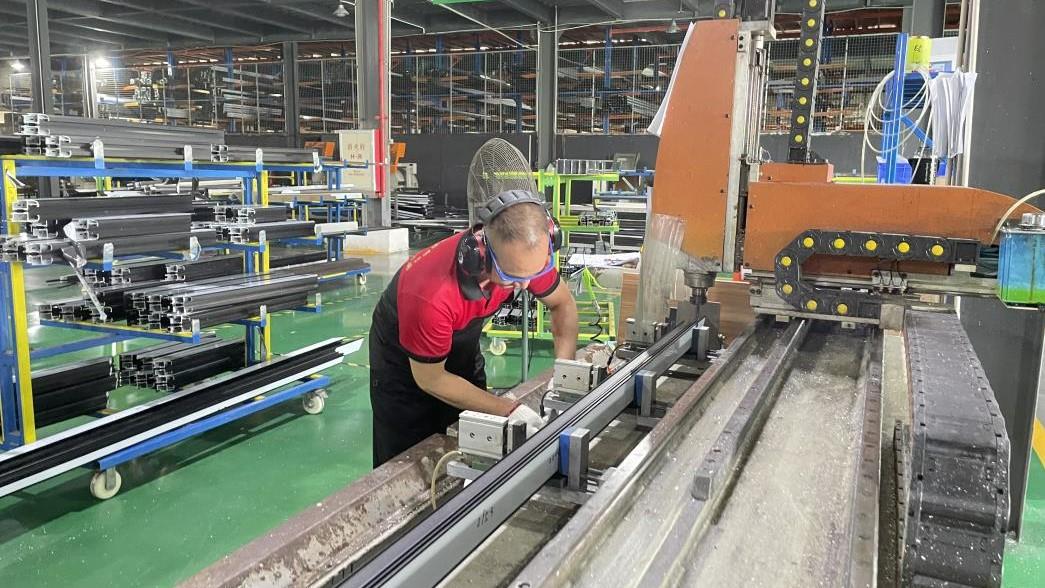
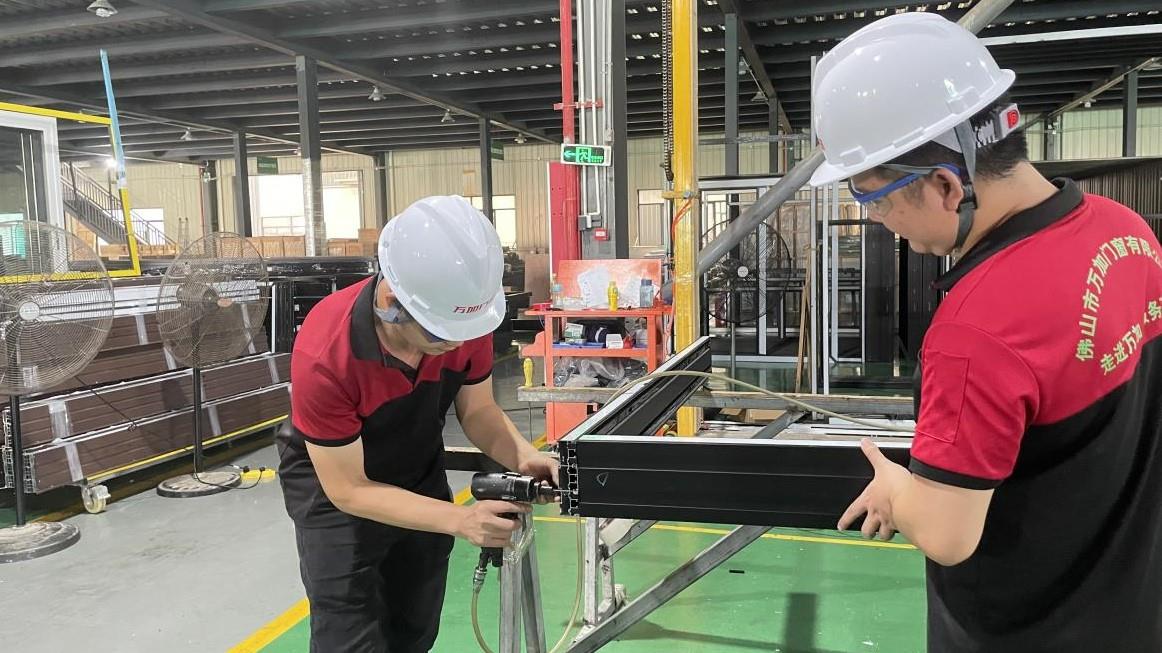
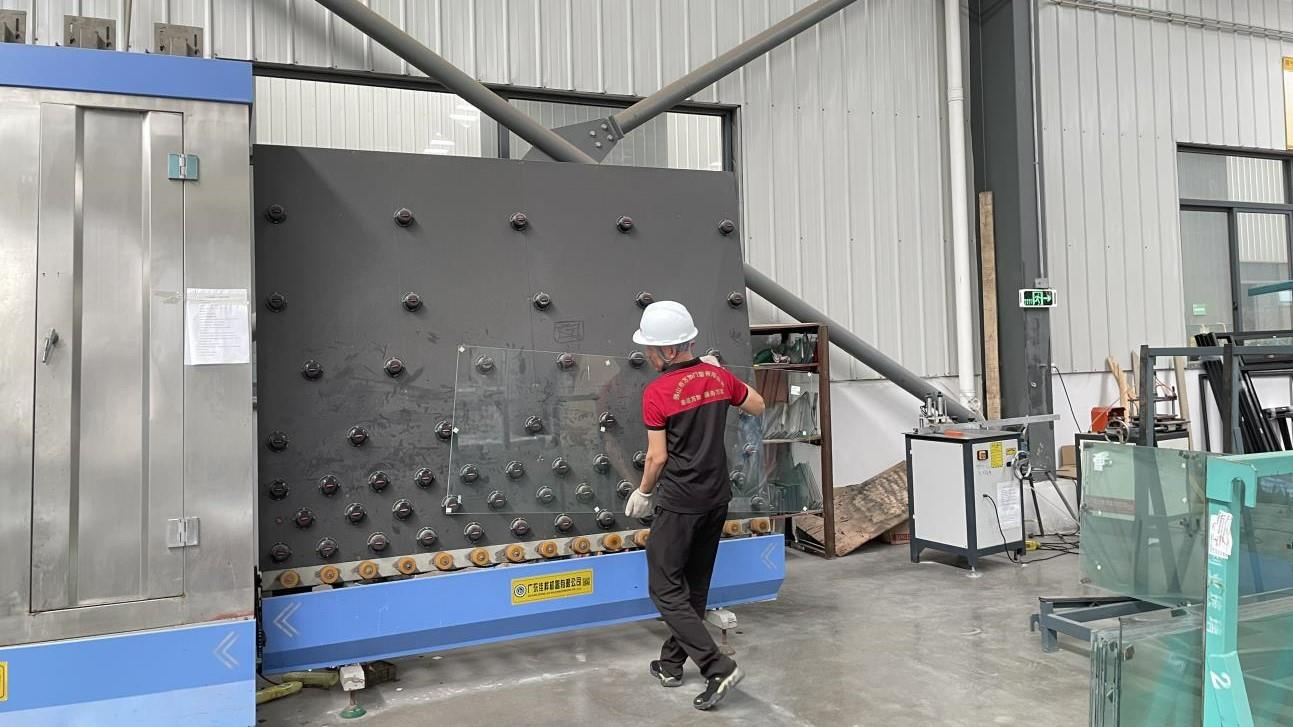
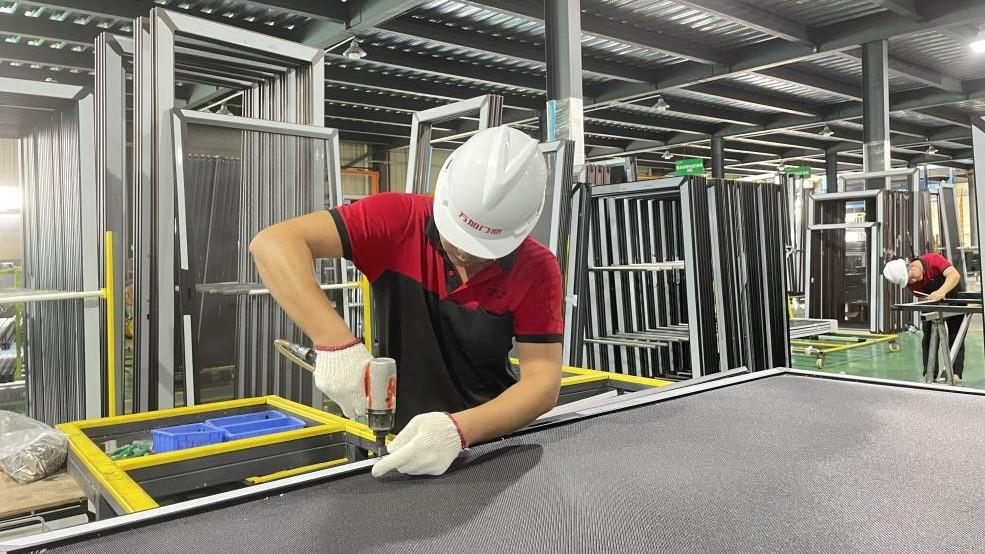
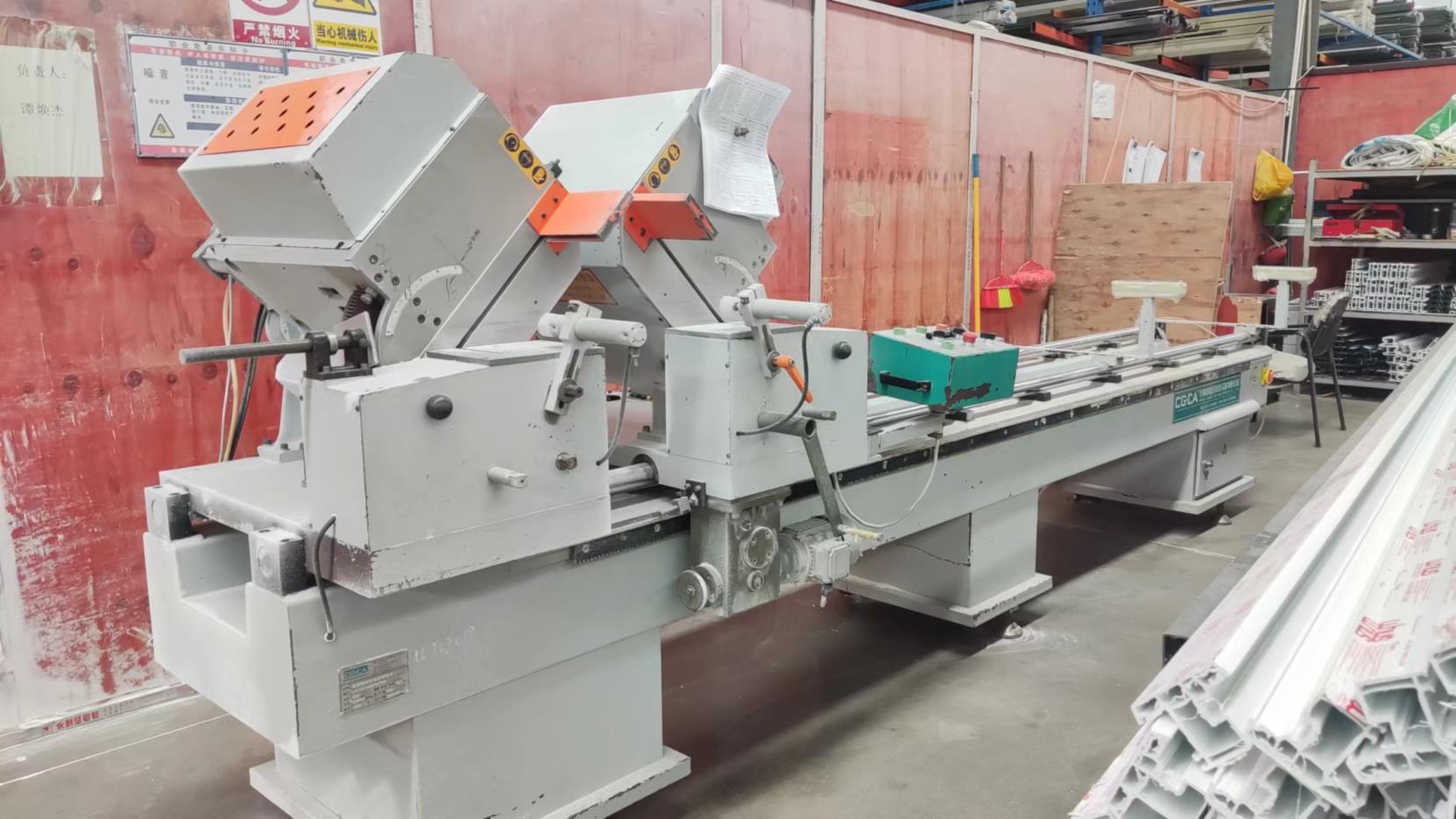
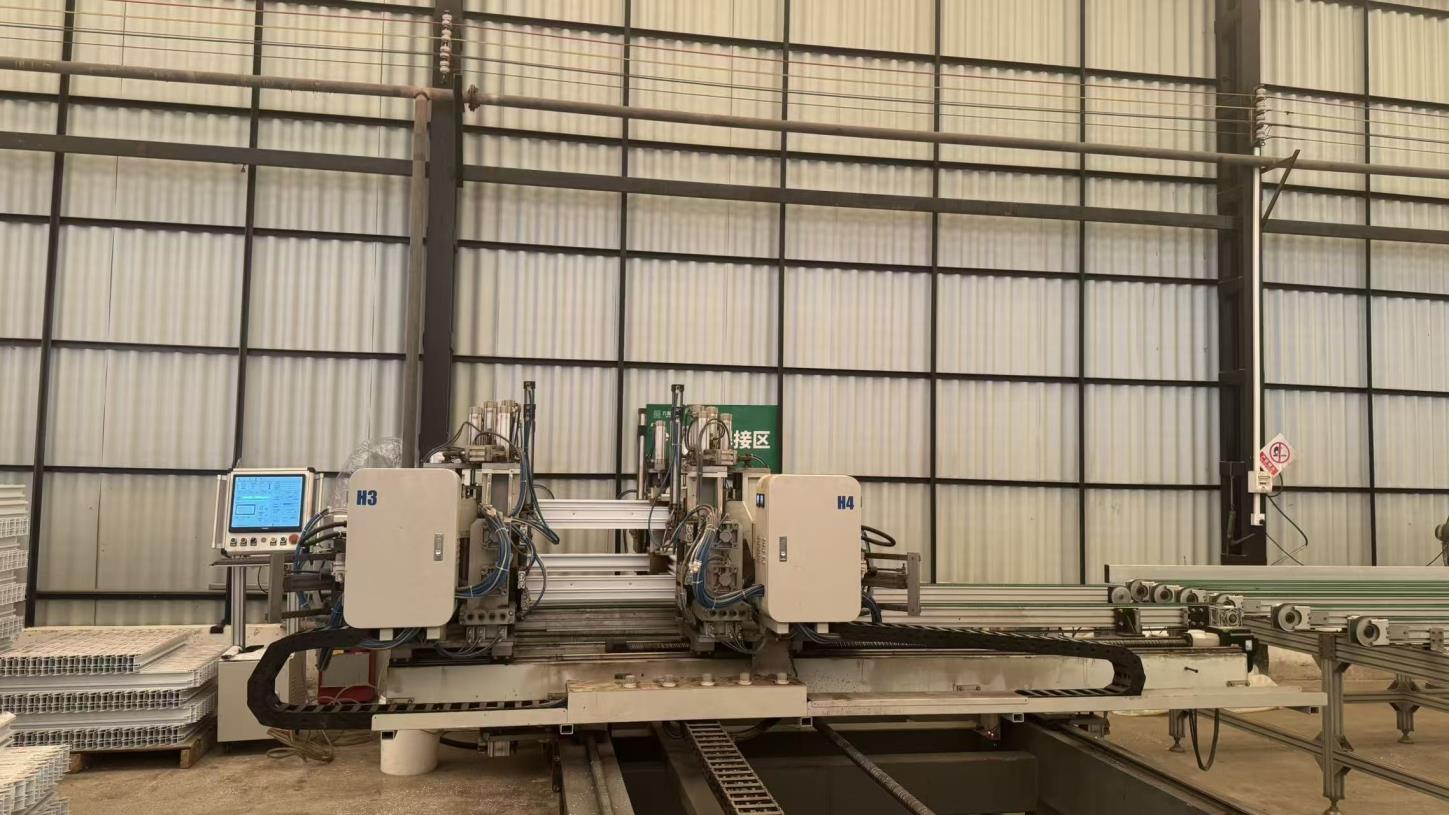
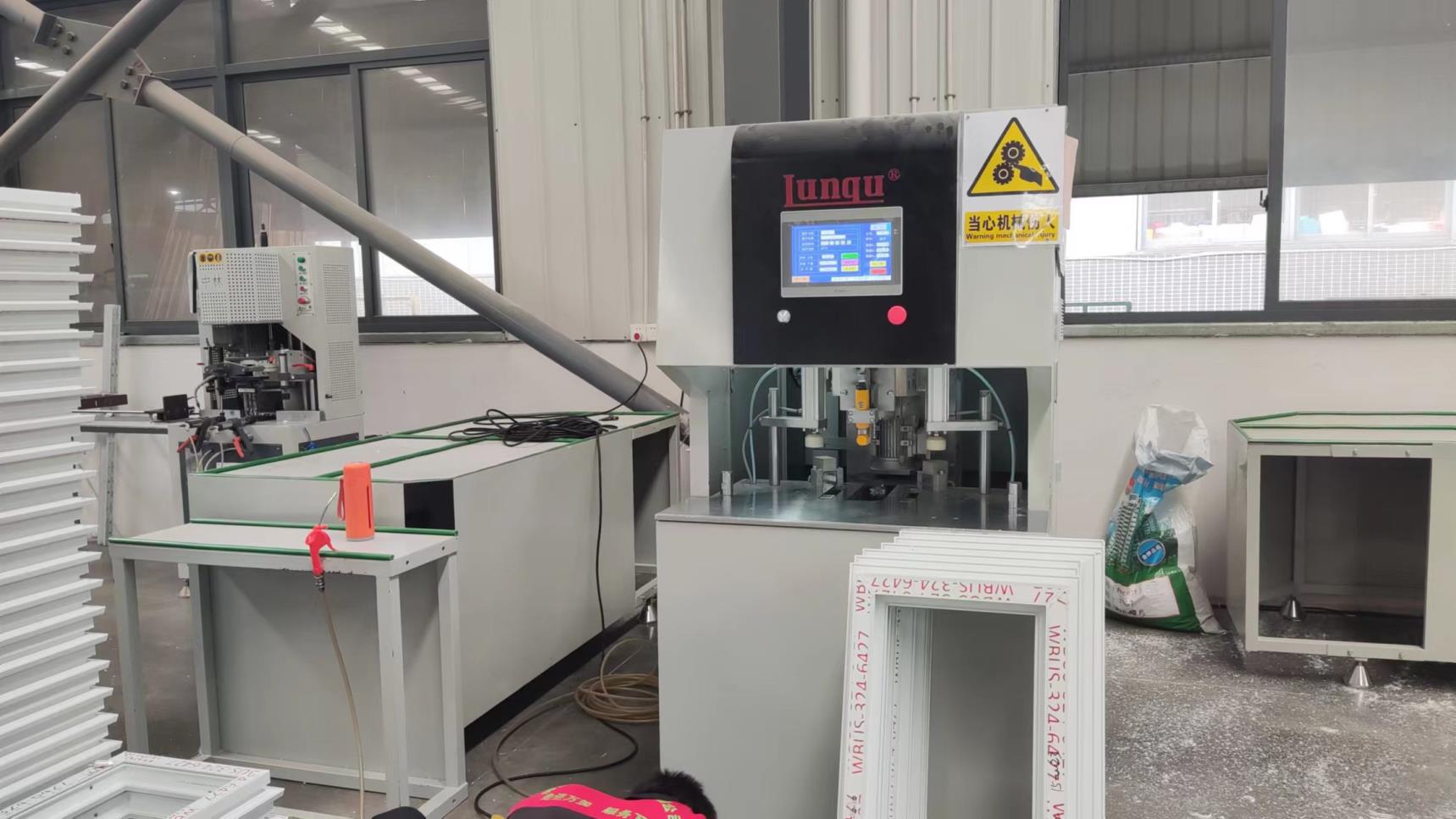
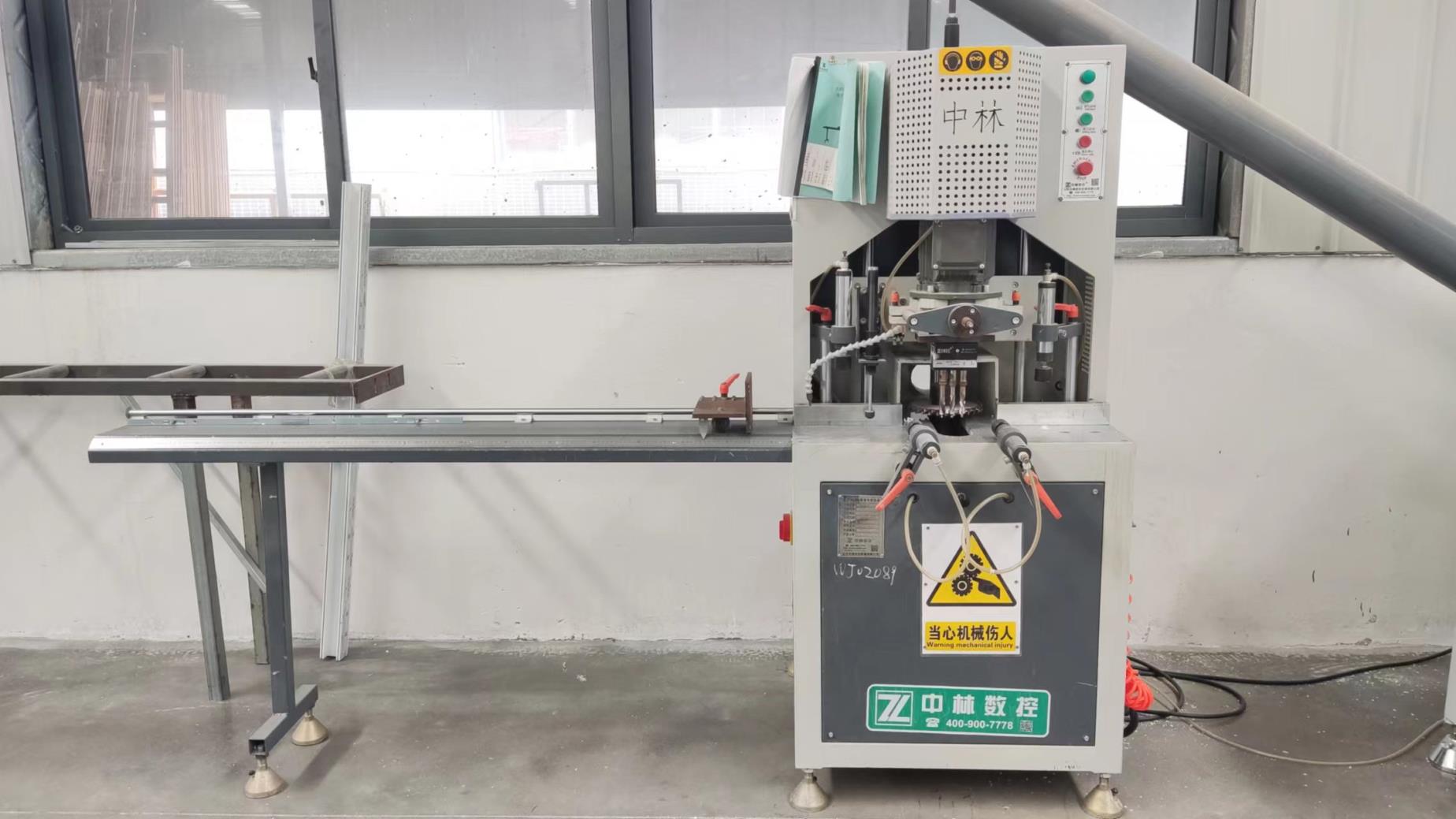
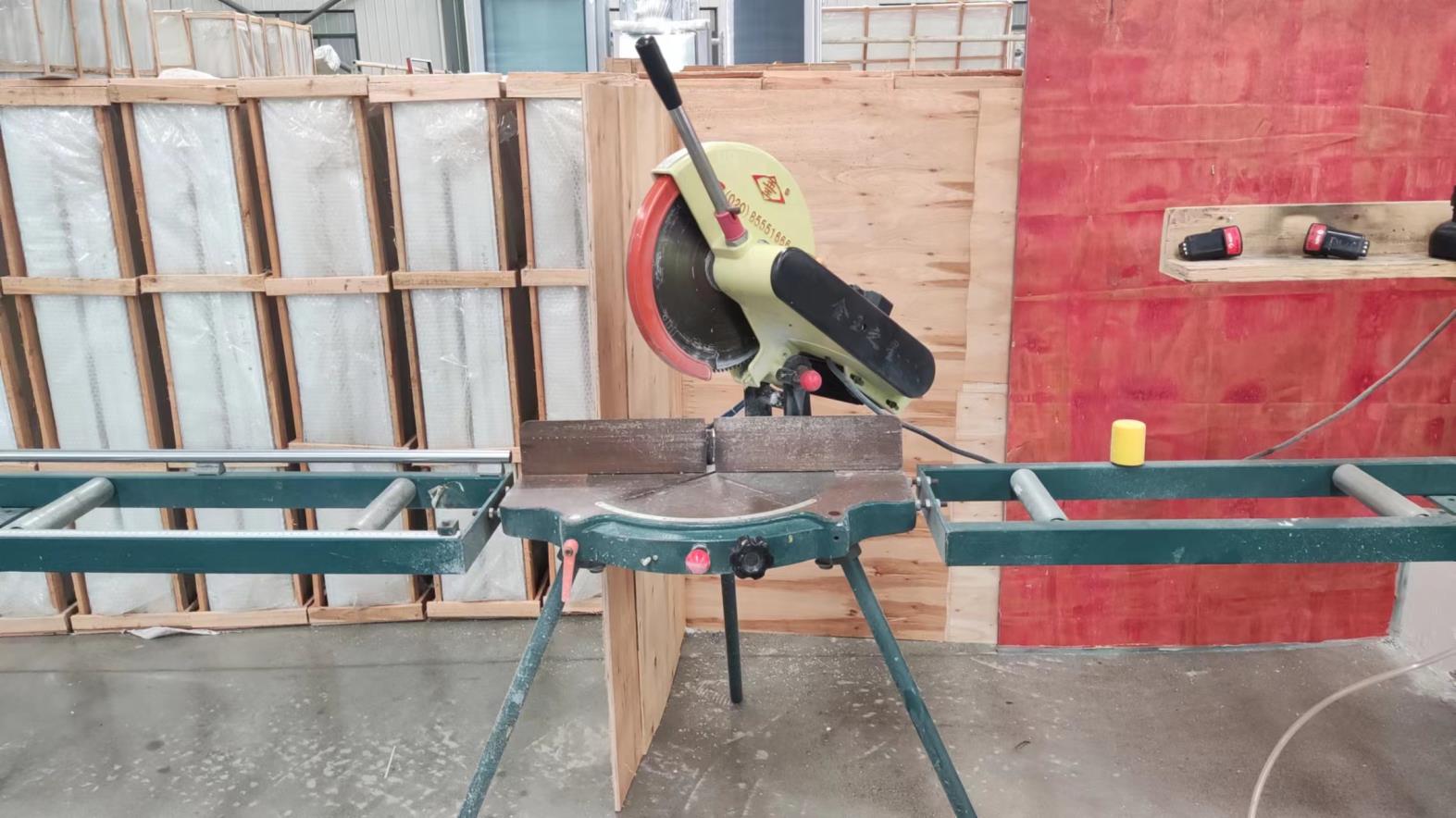
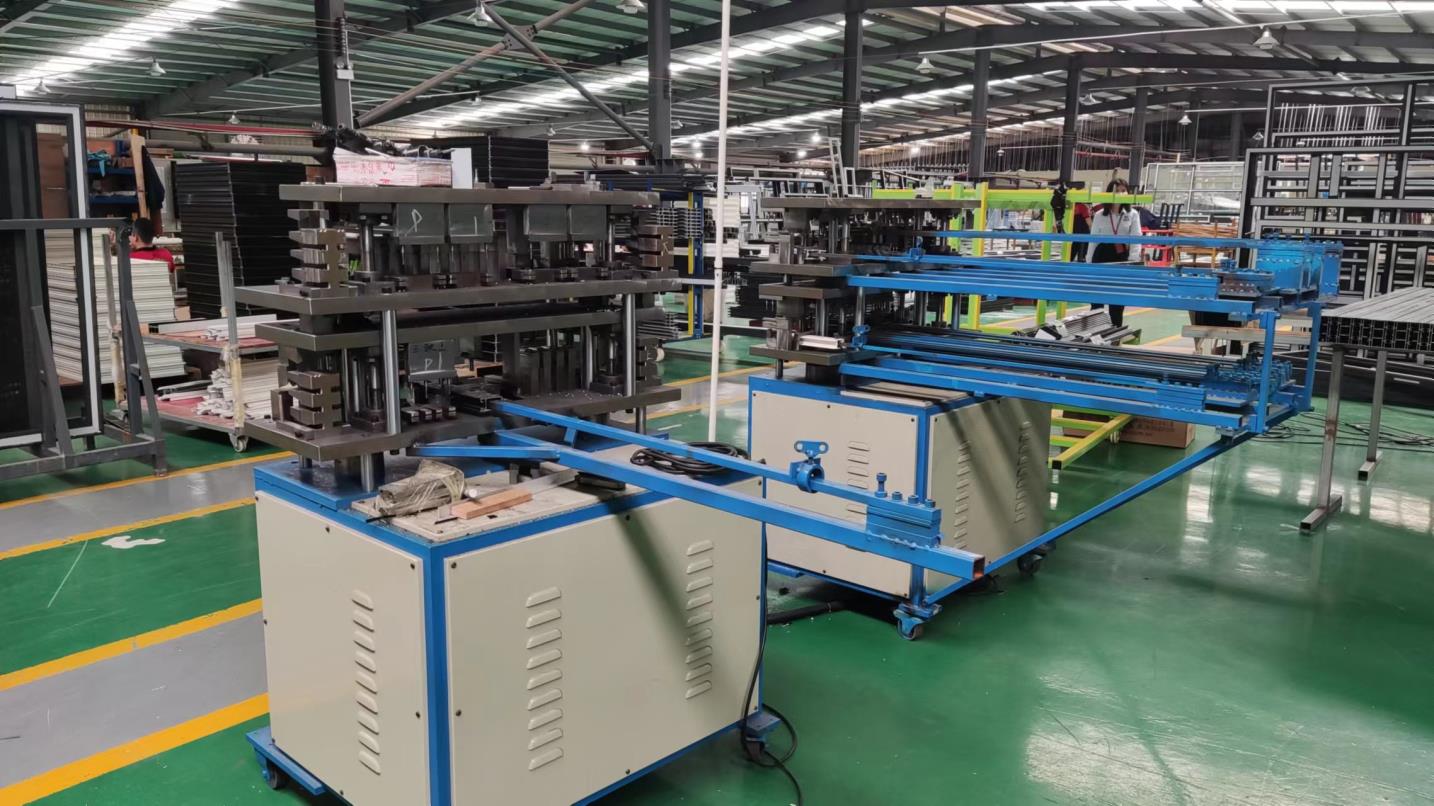
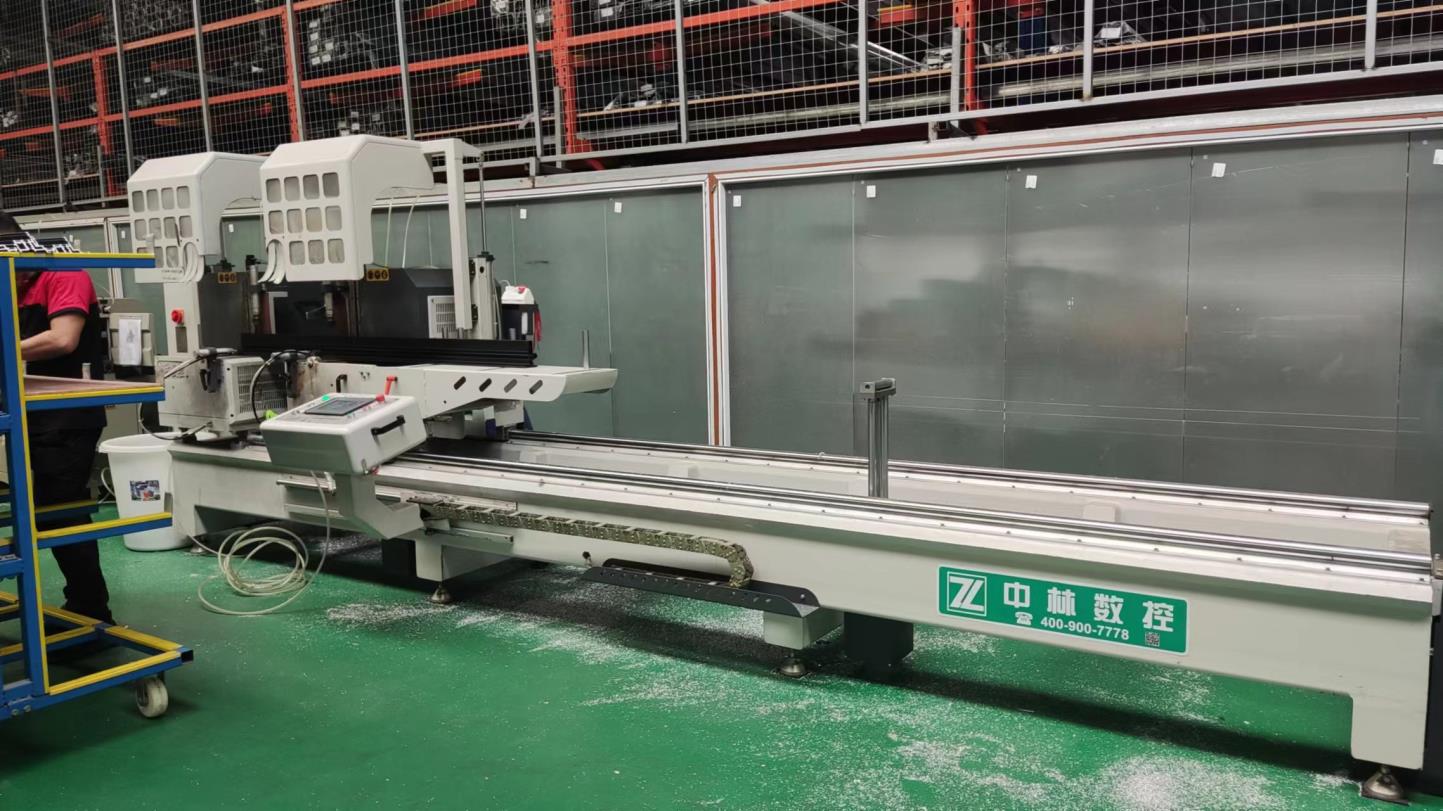
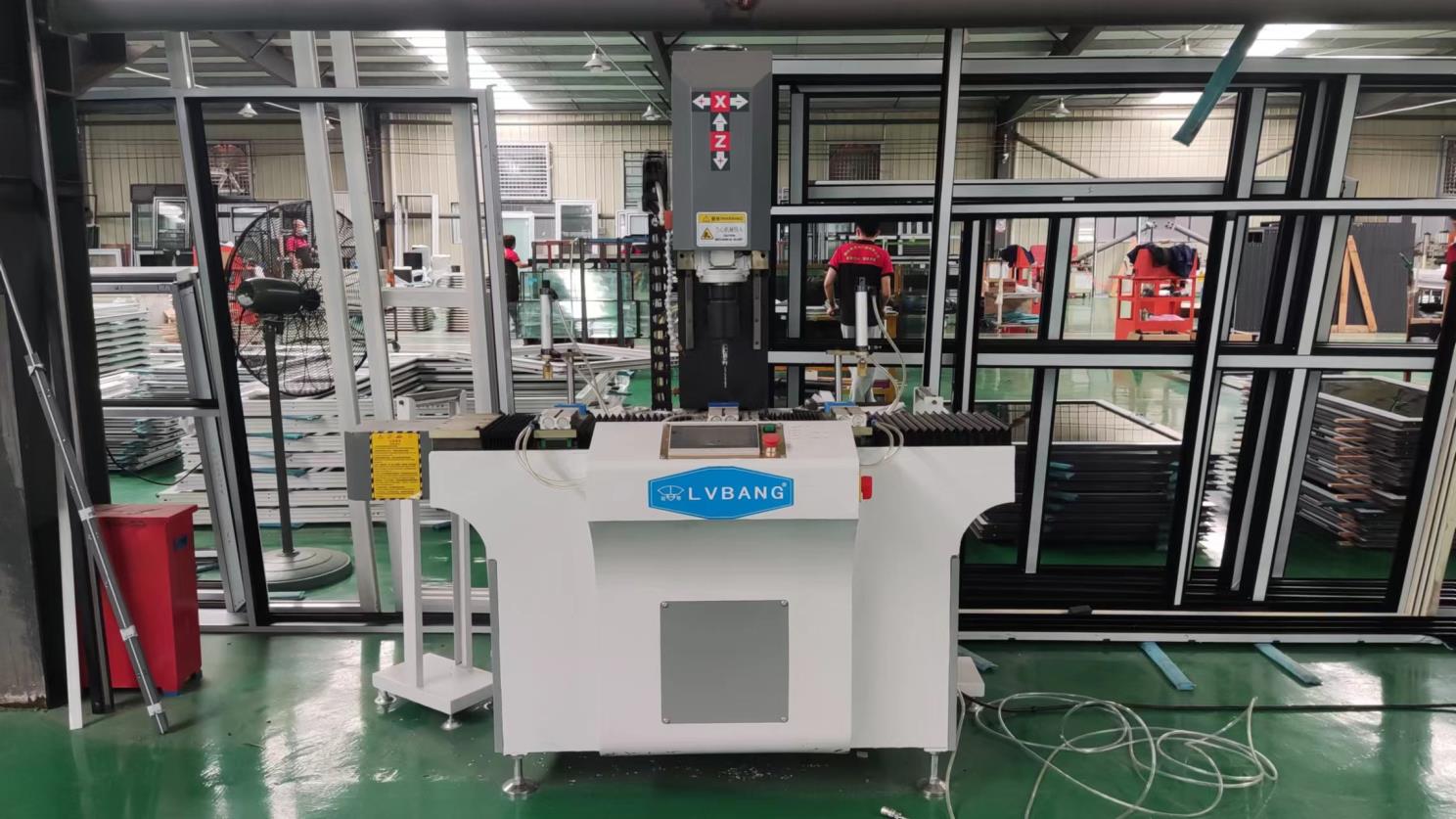
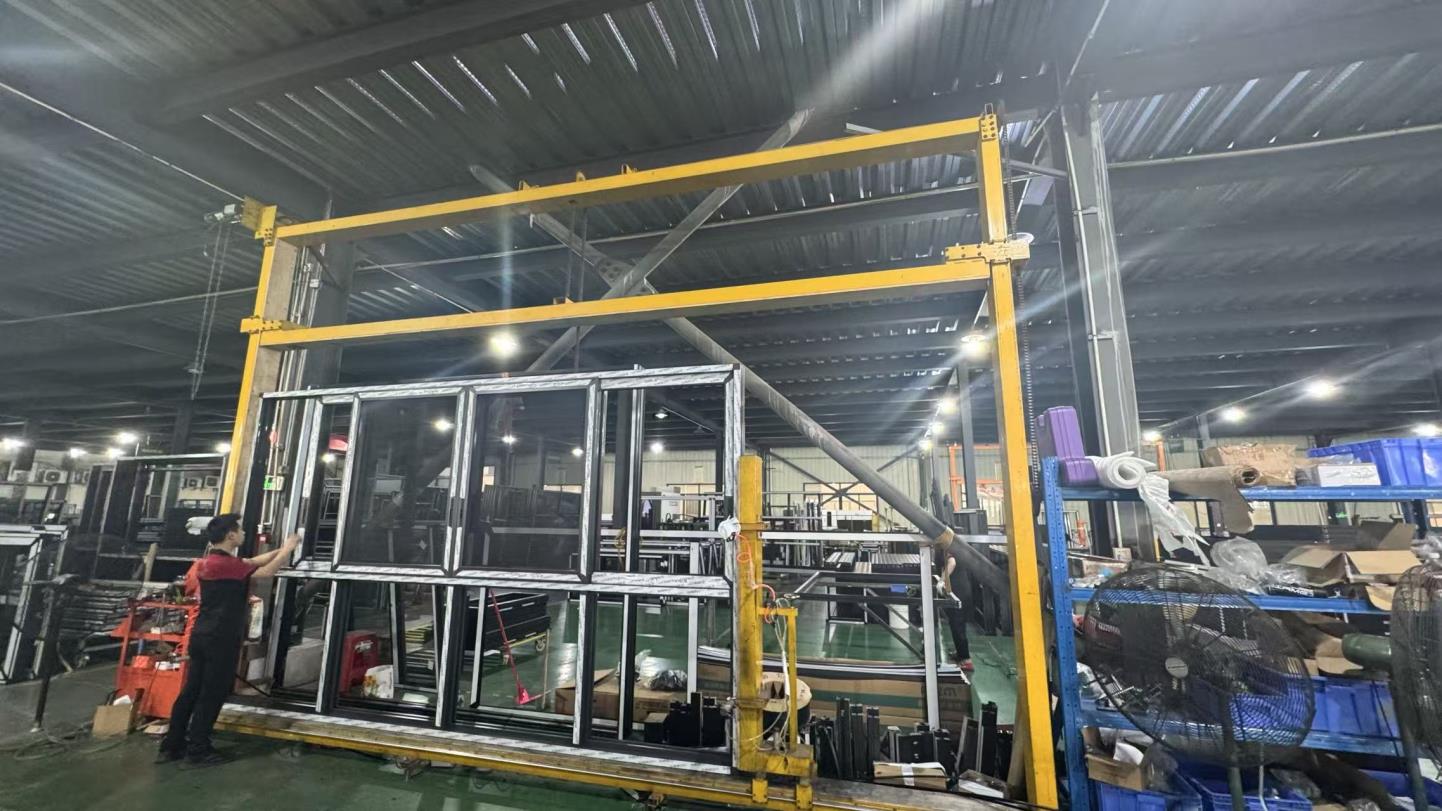
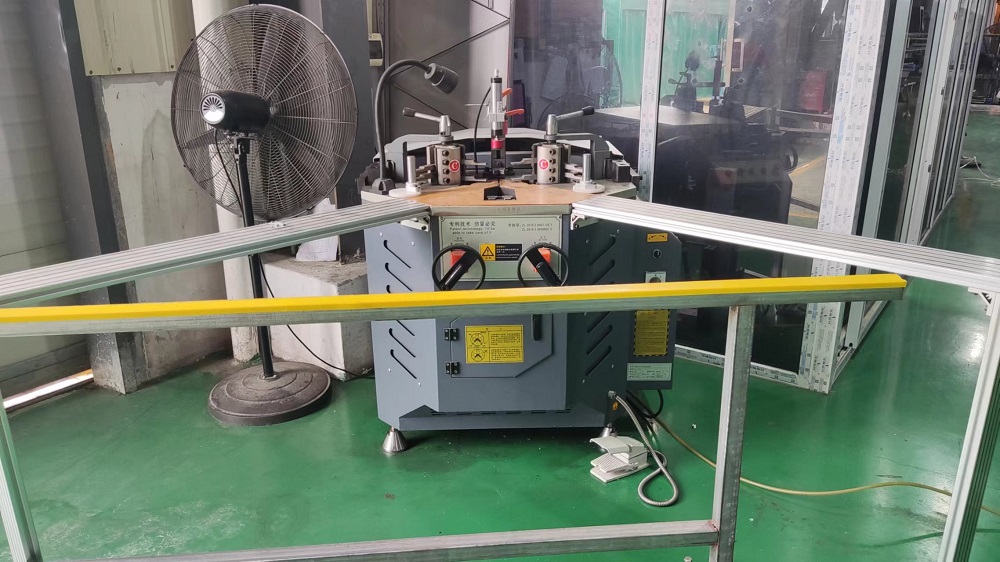
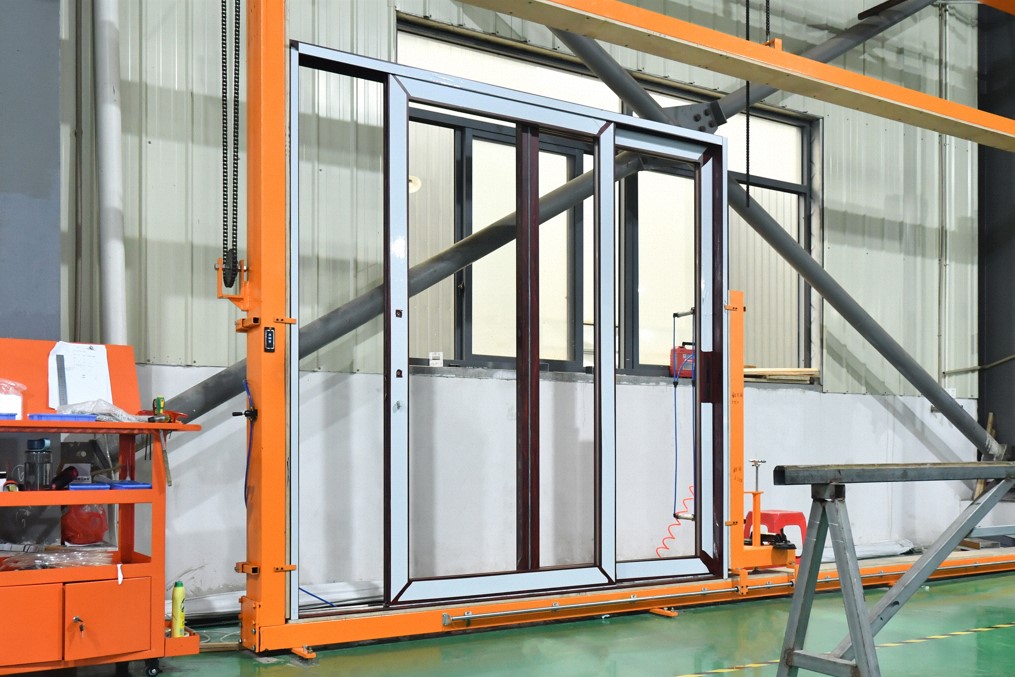
Achieving seamless biometric lock integration and hurricane-grade structural stability requires ultra-precise CNC machining and strict quality laboratory verification. Below is the step-by-step technological process executed across modern export facilities:
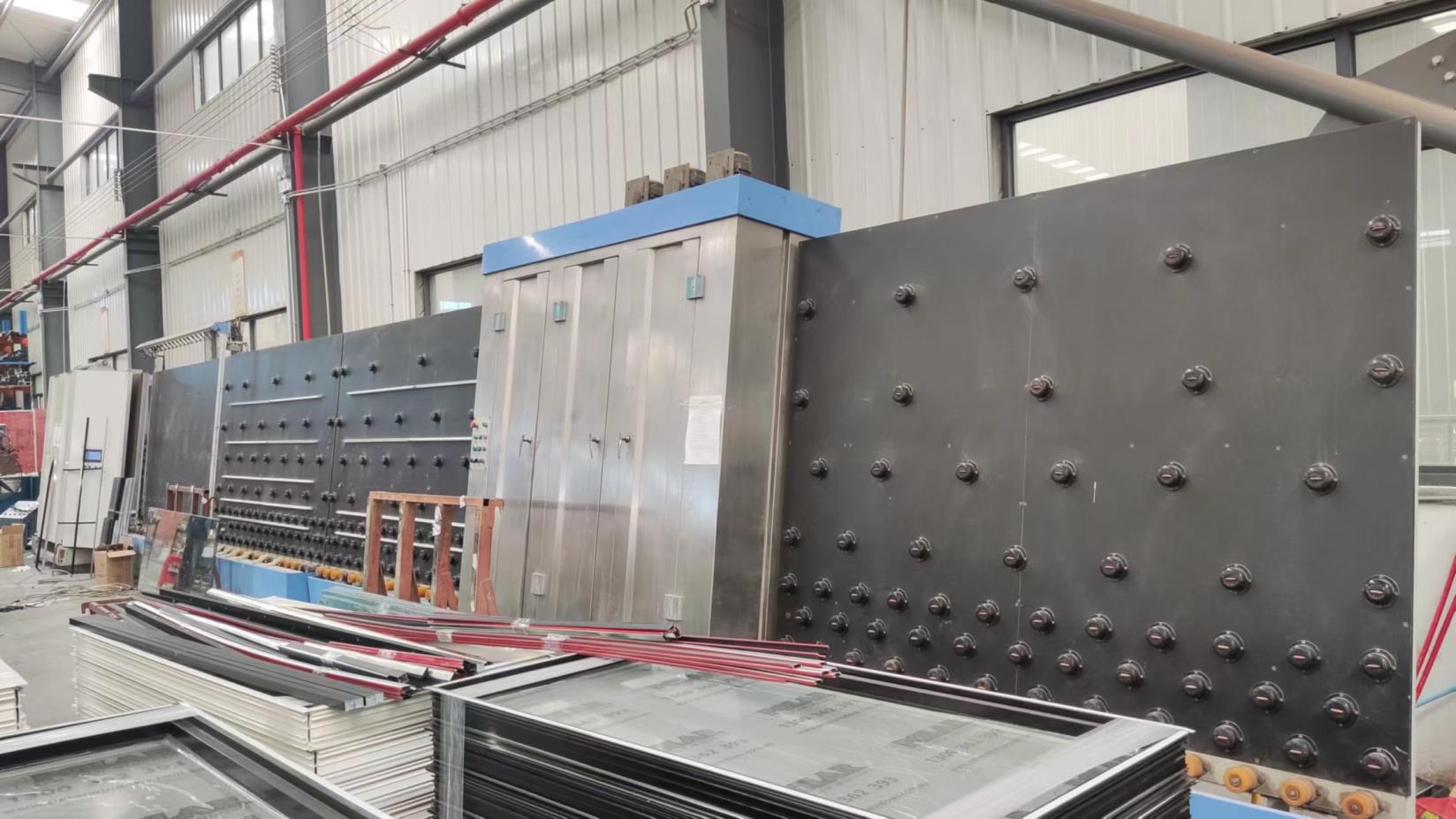
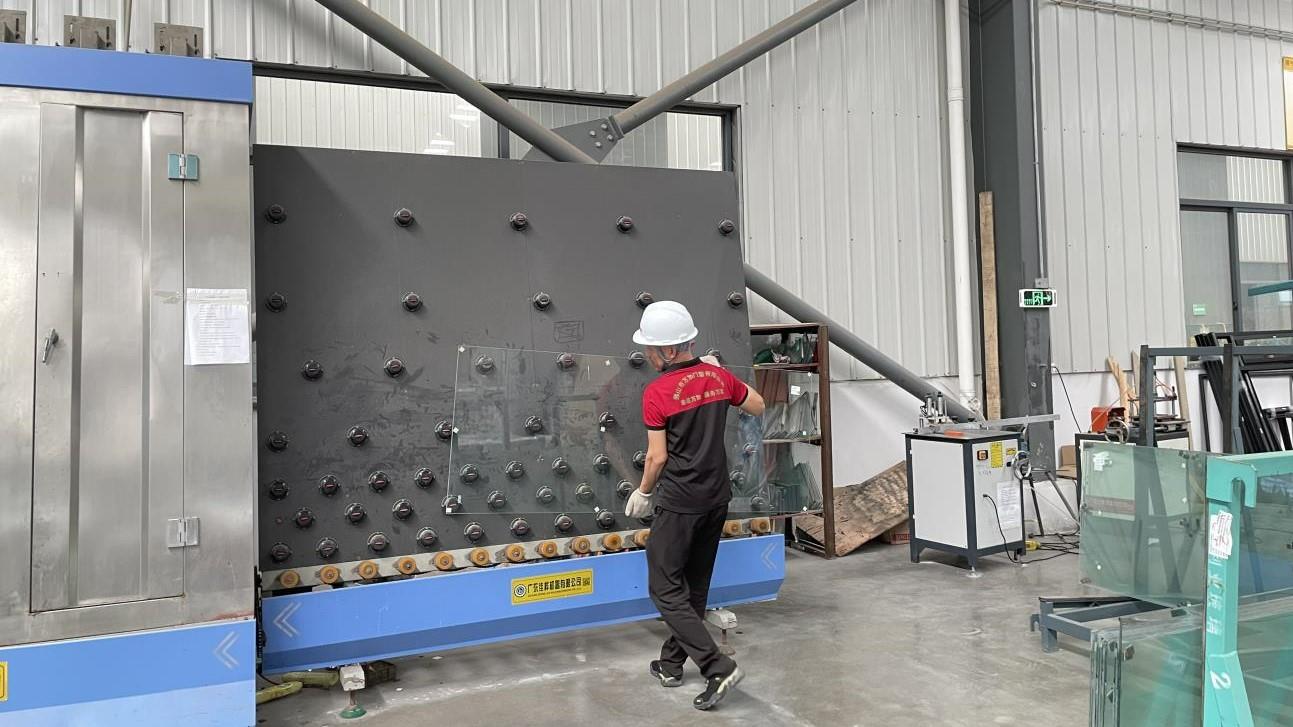
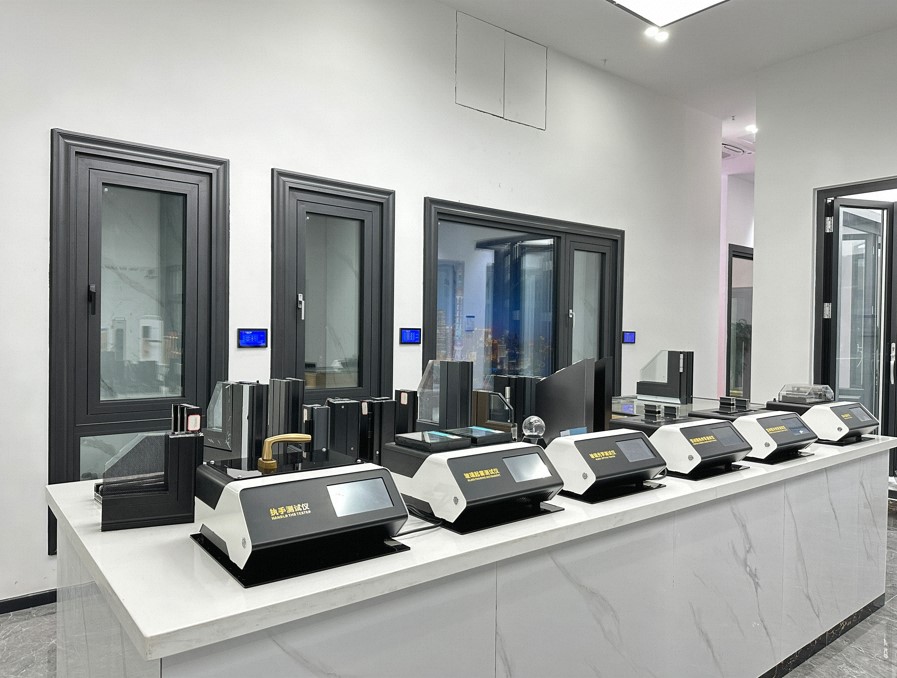
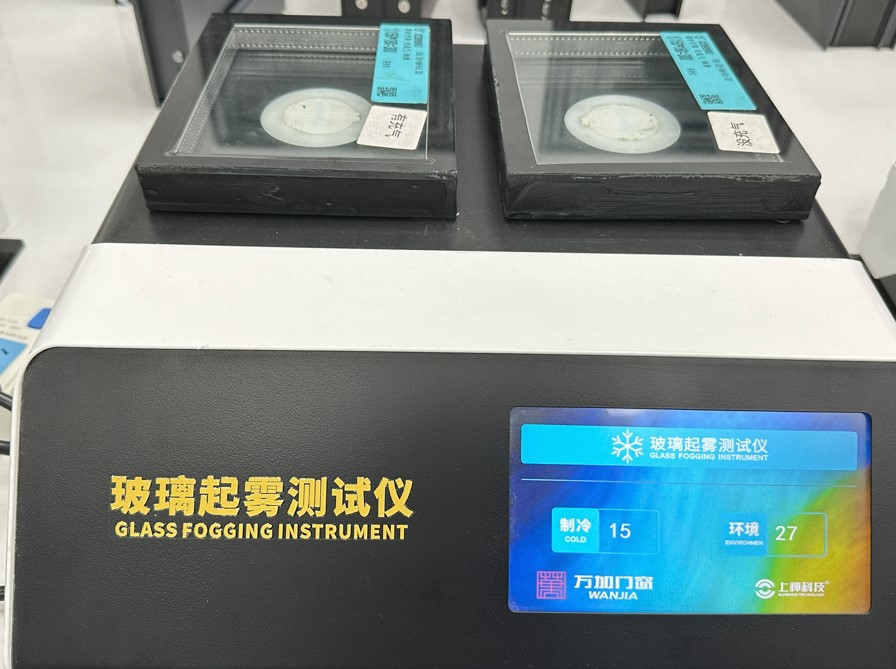
To maintain compliance with NFRC, AS2047, and Florida HVHZ standards, production lines are verified by specialized testing equipment:
China’s dominance in the global smart door and architectural aluminum profile market is rooted in cluster economics, vertically integrated raw material processing, and advanced digital lock manufacturing hubs (such as Foshan, Guangdong and Zhejiang lock clusters).
Direct access to primary 6063 aluminum billet casting, in-house anodizing, electrophoretic coating, and vertical powder-coating lines reduces extrusion-to-frame processing time by over 40% compared to Western manufacturers.
China's smart hardware ecosystem enables immediate sourcing of military-grade optical/semiconductor sensors, low-power chipsets, and automatic multi-bolt locking mortises, resulting in a lower Bill of Materials (BOM) cost without compromising quality.
Automated multi-axis CNC double-head mitre saws and slot cleaning machines allow top Chinese factories to switch between custom profile sizes, surface textures, and mortise lock dimensions within minutes.
Export-oriented facilities implement standardized internal testing—ranging from dew point fogging analysis for IGUs to cycle-life testing on electronic lock latches (100,000+ operations minimum).
A major competitive advantage of leading fingerprint lock aluminum door exporters is their ability to engineer custom profile assemblies tailored to specific regional build codes and climate stresses.
| Target Market Region | Primary Climate / Regulatory Challenge | Engineering Solution / Profile Architecture | Biometric Lock & Hardware Adaptation |
|---|---|---|---|
| North America (Coastal & HVHZ) | Category 5 Hurricanes, Wind-borne Debris, High Humidity | Florida NOA / TAS 202 Approved Heavy-Duty Aluminum, SentryGlas® PVB Interlayer Double Impact Glass | IP66 Waterproof Sealed Biometric Module, Stainless Steel 304 Multi-Point Deadbolt System |
| Northern & Central Europe | Severe Cold, Thermal Loss, Strict Energy Efficiency Codes | Polyamide PA66 Thermal Break Strips (24mm+), Triple-Glazed Argon-filled Low-E Glass (U-factor < 0.8 W/m²K) | Cold-resistant LiFePO4 Battery Pack (-25°C to 60°C operational range), Smart Home Hub Integration |
| Middle East (GCC Region) | Extreme Heat (>50°C), Sandstorms, High Solar Radiation | Thermal Insulation Break Profiles, Solar Reflective Low-E Double Glazing, Dust-tight EPDM Gaskets | UV-Stabilized Optical Glass Cover, Heat-Shielded Touch Keypad with Anti-Peep Virtual Password |
| Southeast Asia & Tropics | Monsoon Rainfalls, High Humidity, Saltwater Corrosion | Fluorocarbon (PVDF) 3-Coat Surface Finish, Dual-Drainage Hidden Channel System | Anti-Fungus Silicone Encapsulation for Circuit Boards, Salt-Spray Tested Brass Cylinder Locks |
The smart door market is rapidly transitioning from standalone electronic lock handles to fully integrated architectural entrance systems. Modern specifiers prioritize three core technological shifts:
Combining semiconductor fingerprint readers with TOF (Time-of-Flight) 3D facial scanning modules allows non-contact, hands-free entry for luxury villas and executive corporate suites.
Leading exporters now incorporate universal IoT modules (Matter over Thread / Zigbee 3.0), allowing smart lock aluminum doors to seamlessly sync with global smart home platforms.
Moving away from bulky surface-mounted electronic handles, ultra-slim profile aluminum doors feature motorized lock bodies built completely inside the door sash for ultra-minimalist aesthetics.
When procuring high-volume smart aluminum doors for commercial development projects, institutional procurement managers should evaluate vendors based on six critical technical metrics:
Ensure main structural profiles meet or exceed 2.0mm wall thickness for doors (1.4mm for windows) using 6063-T6 temper grade aluminum for structural rigidity against wind loads.
Demand multi-point locking mechanisms manufactured from 304 or 316 stainless steel with C-Grade anti-theft lock cylinders and anti-saw deadbolts.
Verify third-party test reports for target export regions: NFRC & Florida NOA for North America, CE & EN14351-1 for Europe, AS2047 & AS1288 for Australia.
Biometric locks must include emergency external USB-C power jump ports, mechanical key bypass overrides, and non-volatile memory that preserves user data during battery drain.
Explore our comprehensive catalog of NFRC, AS2047, and NOA certified aluminum fenestration products built for global export.
Commercial-grade fingerprint aluminum doors feature triple redundancy. They are powered by long-life rechargeable lithium-ion or ultra-low-power AA battery packs capable of 10,000+ opening cycles (approx. 12-18 months of typical usage). In case of total battery depletion, the doors include a concealed external USB-C emergency power bridge port on the outer escutcheon, allowing users to temporarily power the lock with a portable power bank. Additionally, a mechanical C-grade key cylinder bypass is always provided for physical emergency manual access.
Yes. High-performance export doors utilize biometric modules rated at IP65 or IP66 ingress protection. The electronic sub-assemblies feature conformal hydrophobic circuit coatings, silicone seal gaskets, and toughened mineral glass protection over the semiconductor sensor surface to prevent moisture penetration, dust ingress, and UV degradation under direct sunlight exposure.
Hurricane-impact aluminum doors feature significantly thicker profile walls (typically 2.0mm to 3.0mm), reinforced corner keys, multi-point lock mortises that secure the sash to the frame at 3 to 5 locking points, and laminated impact glass units (e.g., PVB or SentryGlas® interlayers). These systems undergo missile-impact and high-velocity cyclic wind pressure testing to achieve Florida NOA, HVHZ TAS 202, or ASTM E1886/E1996 compliance.
Aluminum is a natural thermal conductor. A thermal break door splits the interior and exterior aluminum profiles using a low-conductive polyamide strip (such as PA66 reinforced with 25% fiberglass). This structural barrier halts thermal transfer, drastically reducing U-factors, eliminating internal frame condensation in freezing climates, and keeping air-conditioned indoor spaces cool in hot regions.
Fortisdor offers complete OEM/ODM customization across architectural profiles (thermal break width, depth), surface finishes (fluorocarbon PVDF spraying, powder coating, anodizing, wood grain sublimation), glass specifications (double/triple Low-E, tinted, reflective, bullet-resistant laminate), lock electronics (fingerprint, facial recognition, Tuya/Zigbee smart integration), and dimension scale up to oversized pivot doors.
 Fortisdor