Architectural aluminum door and window profiles engineered for coastal resilience, energy efficiency, and Florida/AS2047 standard compliance.
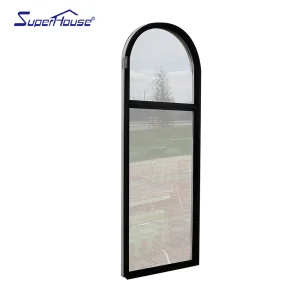
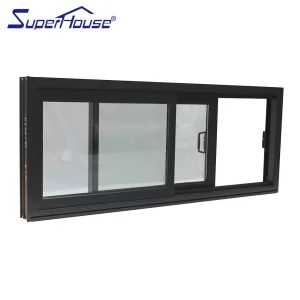
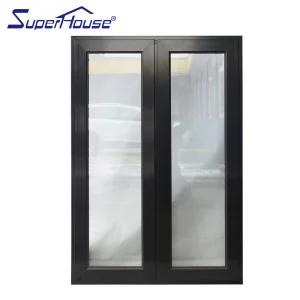
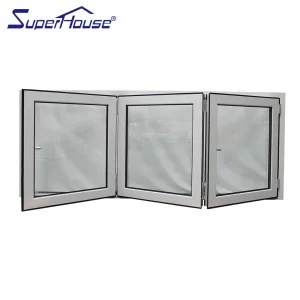
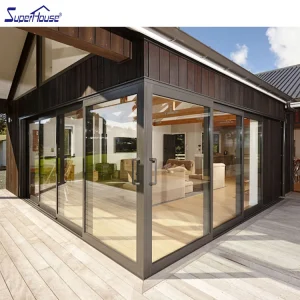
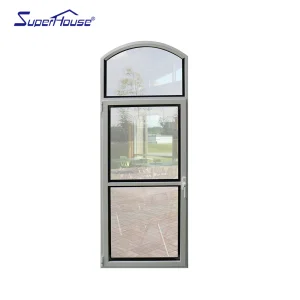
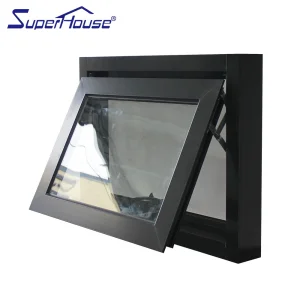
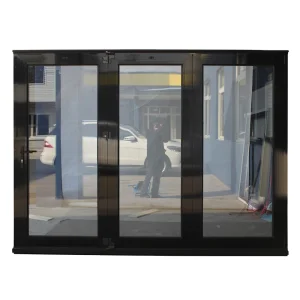
Understanding alloy temper selection, surface oxidation chemistry, and structural thermal barrier dynamics in coastal and polluted industrial environments.
Key Engineering Insight: Corrosion failure in architectural aluminum doors is primarily driven by electrochemical galvanic coupling, salt-fog pitting (ASTM B117), and filiform attack beneath sub-standard powder coatings. Premier manufacturers mitigate these mechanisms using primary 6063-T6 or 6061-T6 billet formulations combined with chrome-free conversion pre-treatments and 70% Fluorocarbon PVDF resin applications achieving AAMA 2605 performance tiers.
6063-T6 alloy delivers high surface finish quality and tensile strength (>205 MPa), while 6061-T6 provides enhanced structural load capacity for heavy-duty hurricane-impact architectural doors subject to severe wind pressures (DP 70+ rating).
Triple-layer PVDF fluorocarbon coatings (Kynar 500) and anodic oxide films (>25 microns Class I Qualanod) insulate extrusions against continuous salt spray, UV degradation, and chemical pollutants without color fading or chalking.
Incorporating glass-fiber reinforced polyamide thermal barrier strips (PA66GF25) eliminates thermal bridging, prevents indoor condensation formation, and reduces structural stress caused by severe exterior-to-interior thermal gradients.
| Coating Standard / Type | Film Thickness | Salt Spray Resistance (ASTM B117) | UV & Chalking Resistance | Recommended Application Scene |
|---|---|---|---|---|
| PVDF Fluorocarbon (AAMA 2605) | 30 - 45 μm | 4,000+ Hours | Exceptional (20-Yr Warranty) | Oceanfront Resorts, Marine Towers, High-Pollution Industrial Zones |
| Class I Anodized (Qualanod) | 20 - 25 μm | 3,000+ Hours | High Weatherability | Coastal Residential, High-Traffic Commercial Entrances |
| Super Durable Powder (AAMA 2604) | 60 - 80 μm | 2,000+ Hours | Moderate to High | Sub-coastal Suburban Housing, Urban High-Rises |
| Standard Polyester (AAMA 2603) | 40 - 50 μm | 500 - 1,000 Hours | Standard | Inland Residential Construction (Non-Corrosive Zones) |
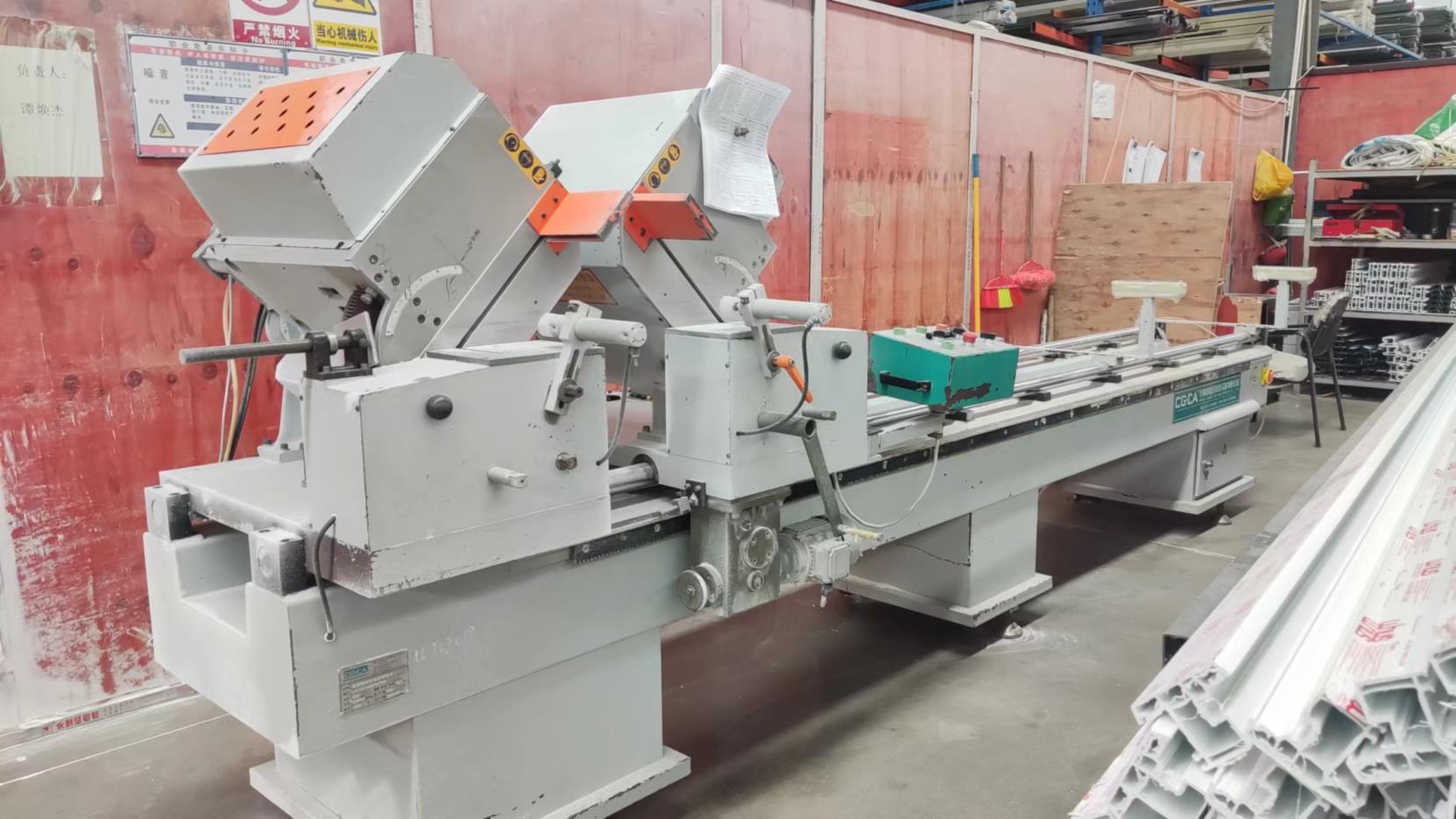
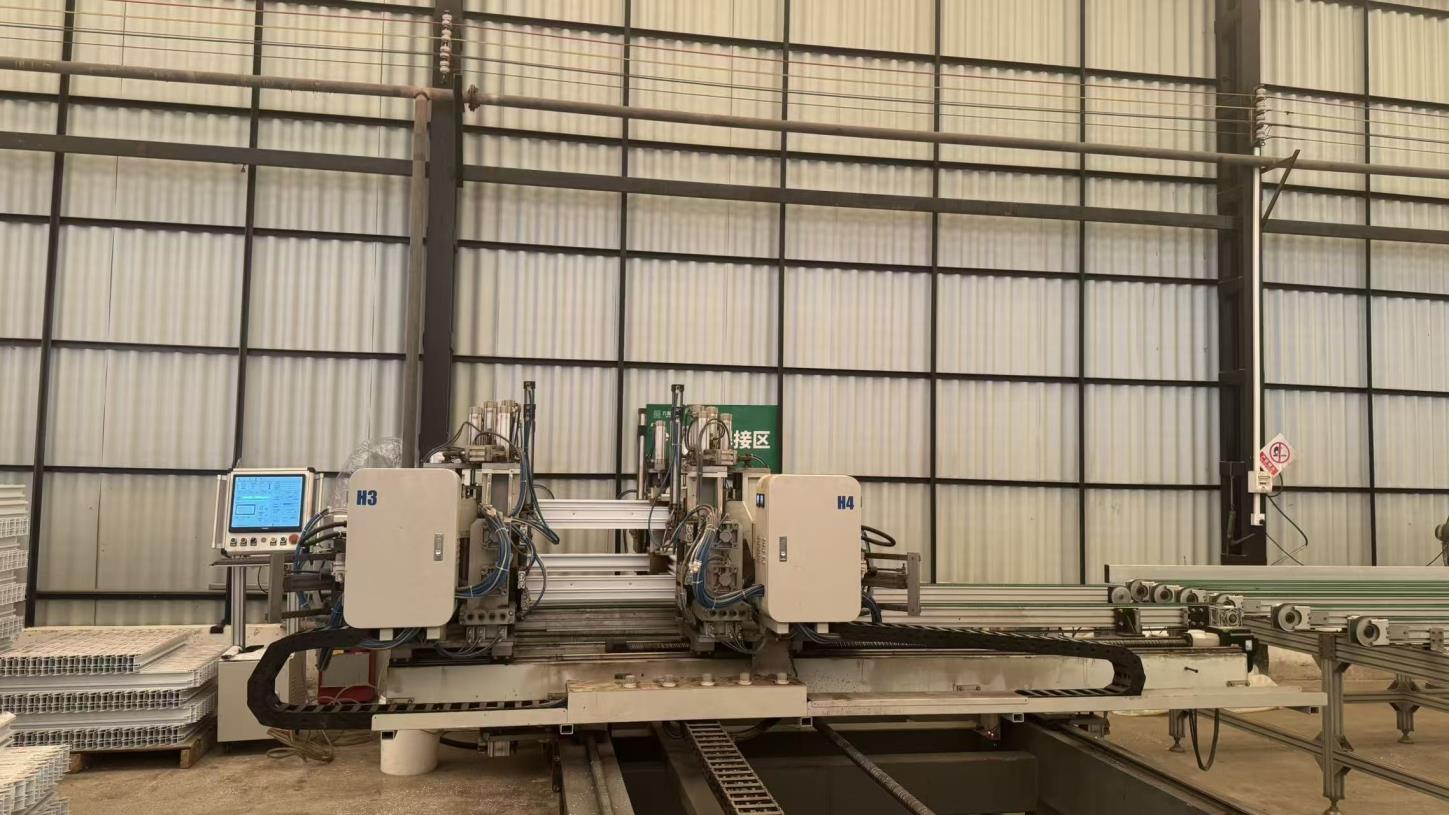
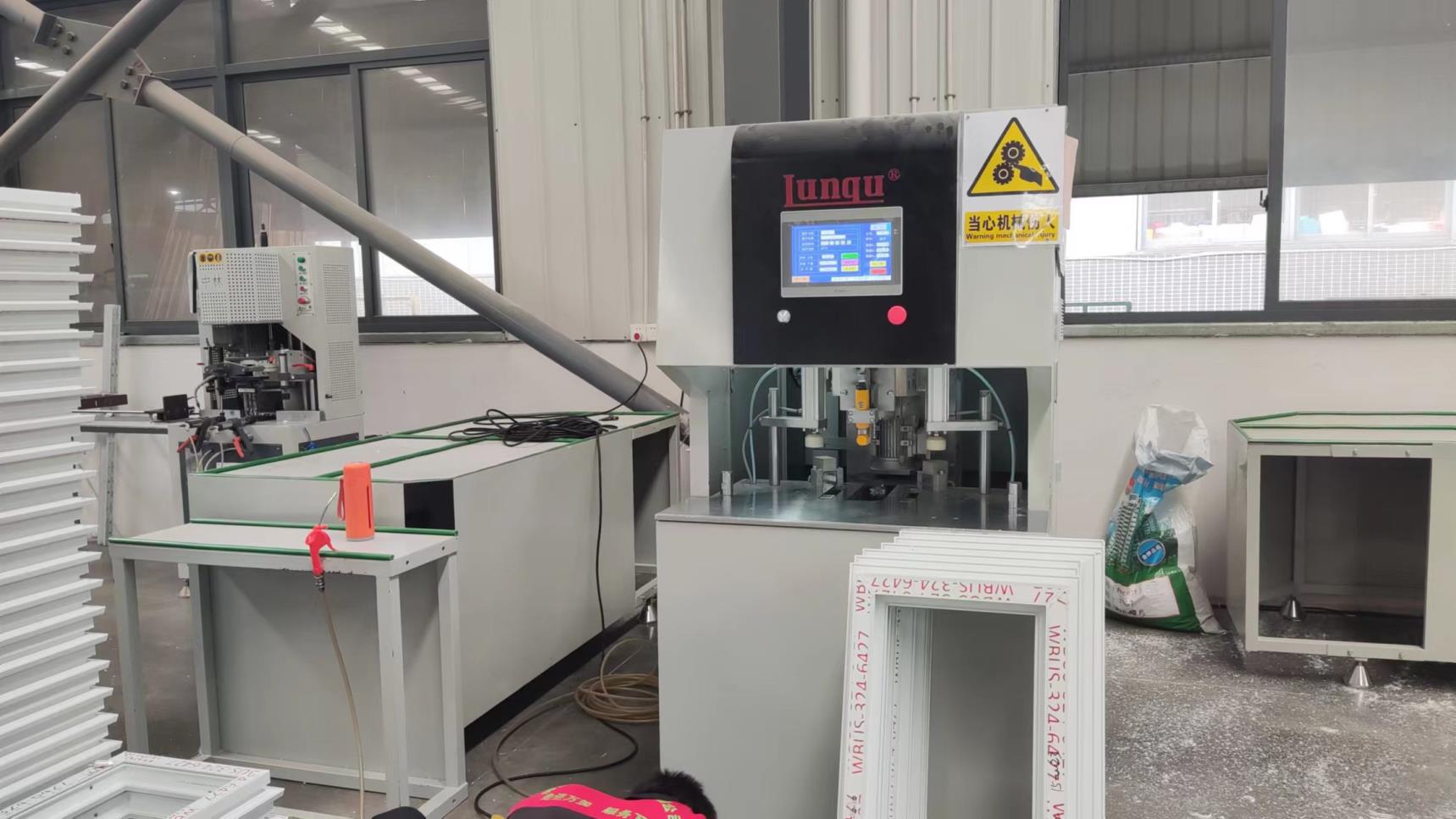
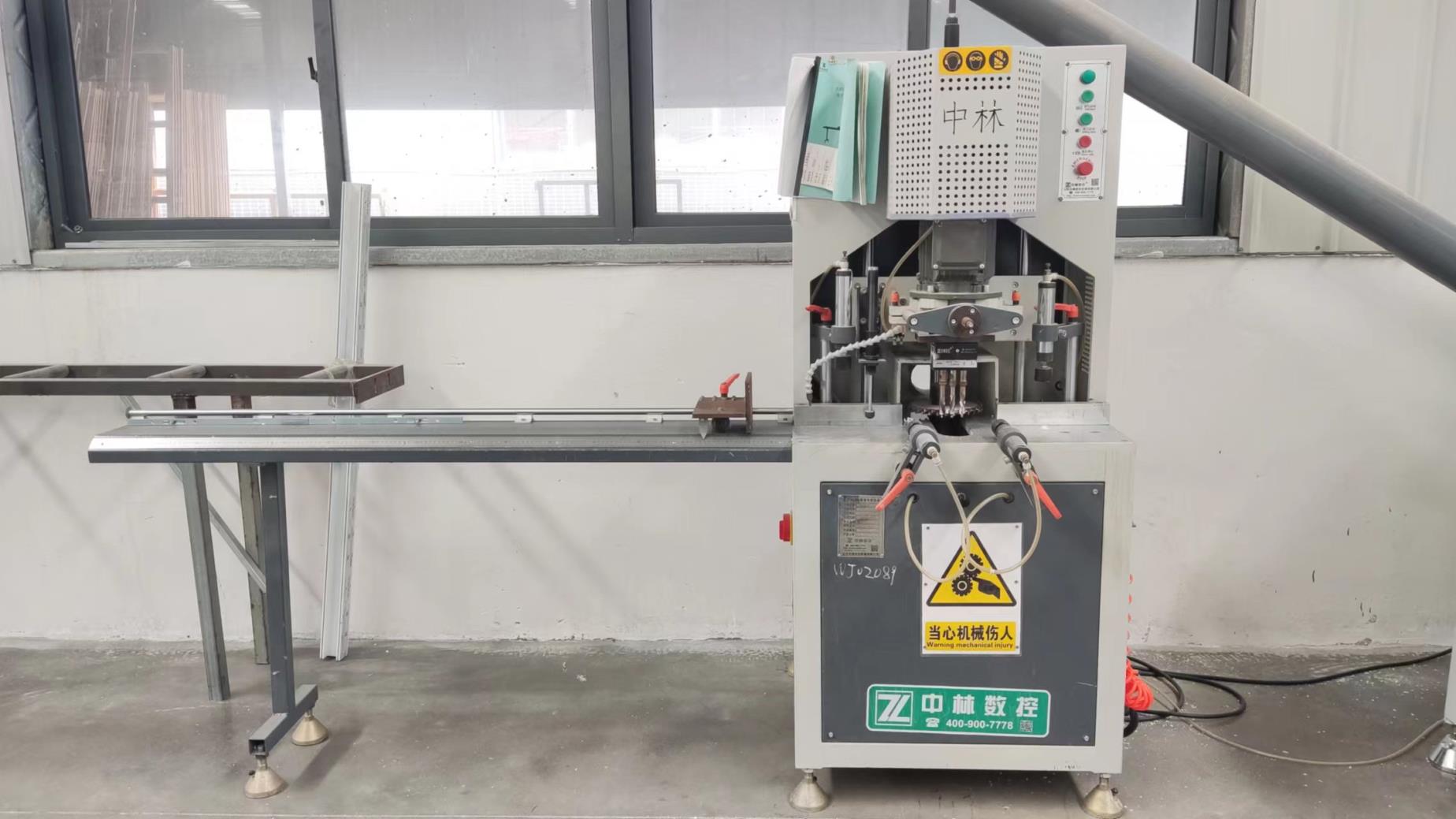
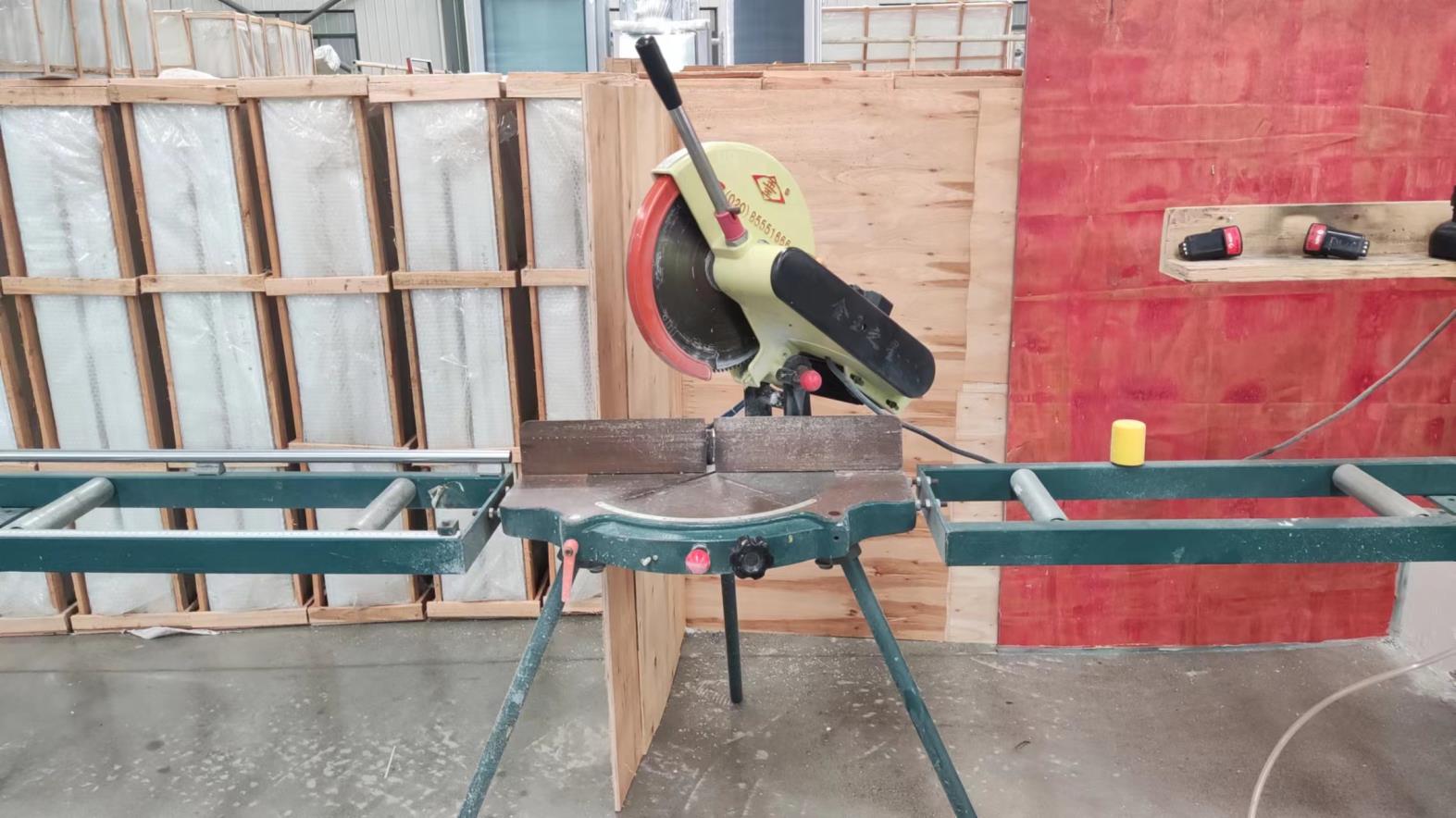
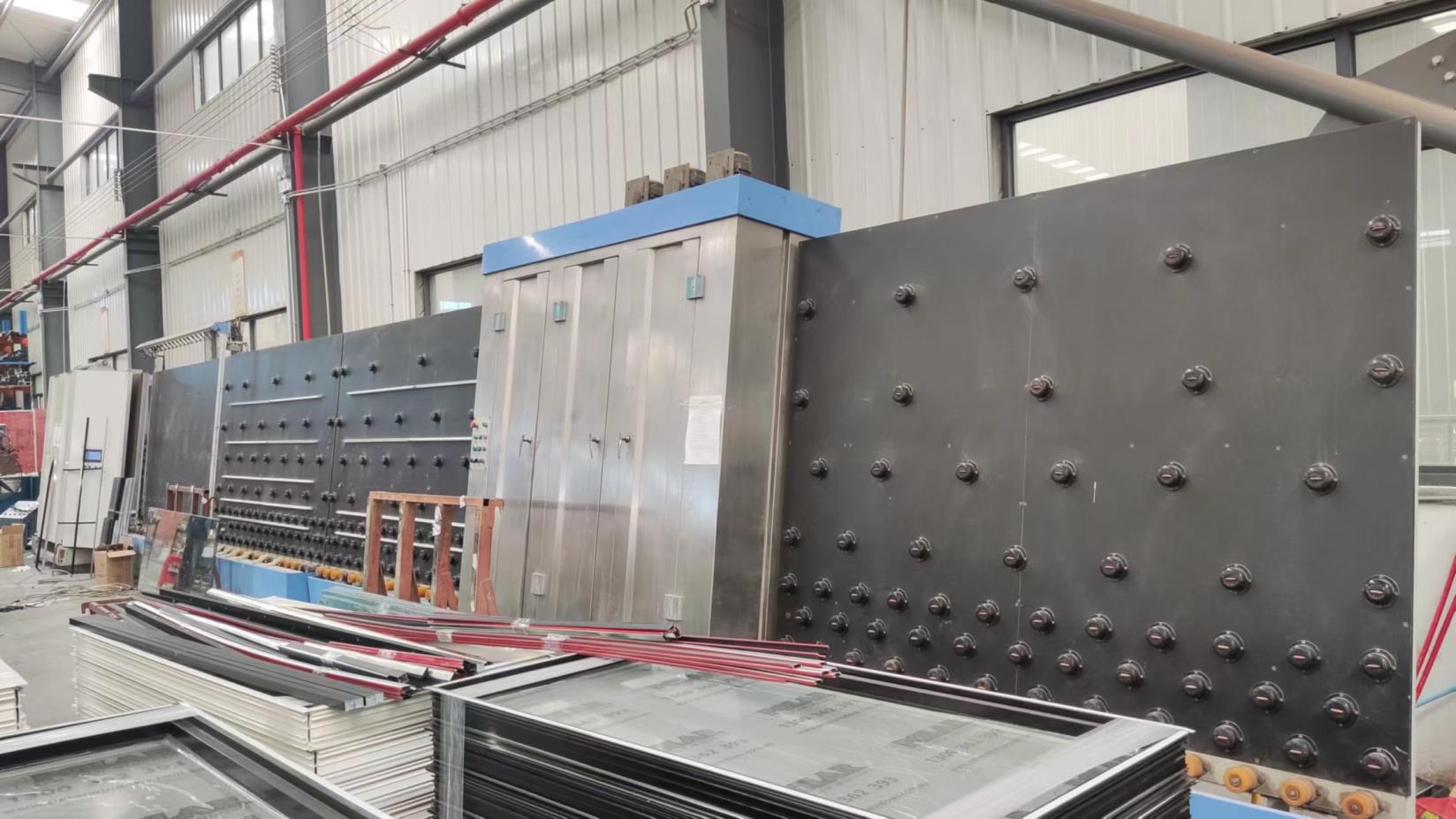
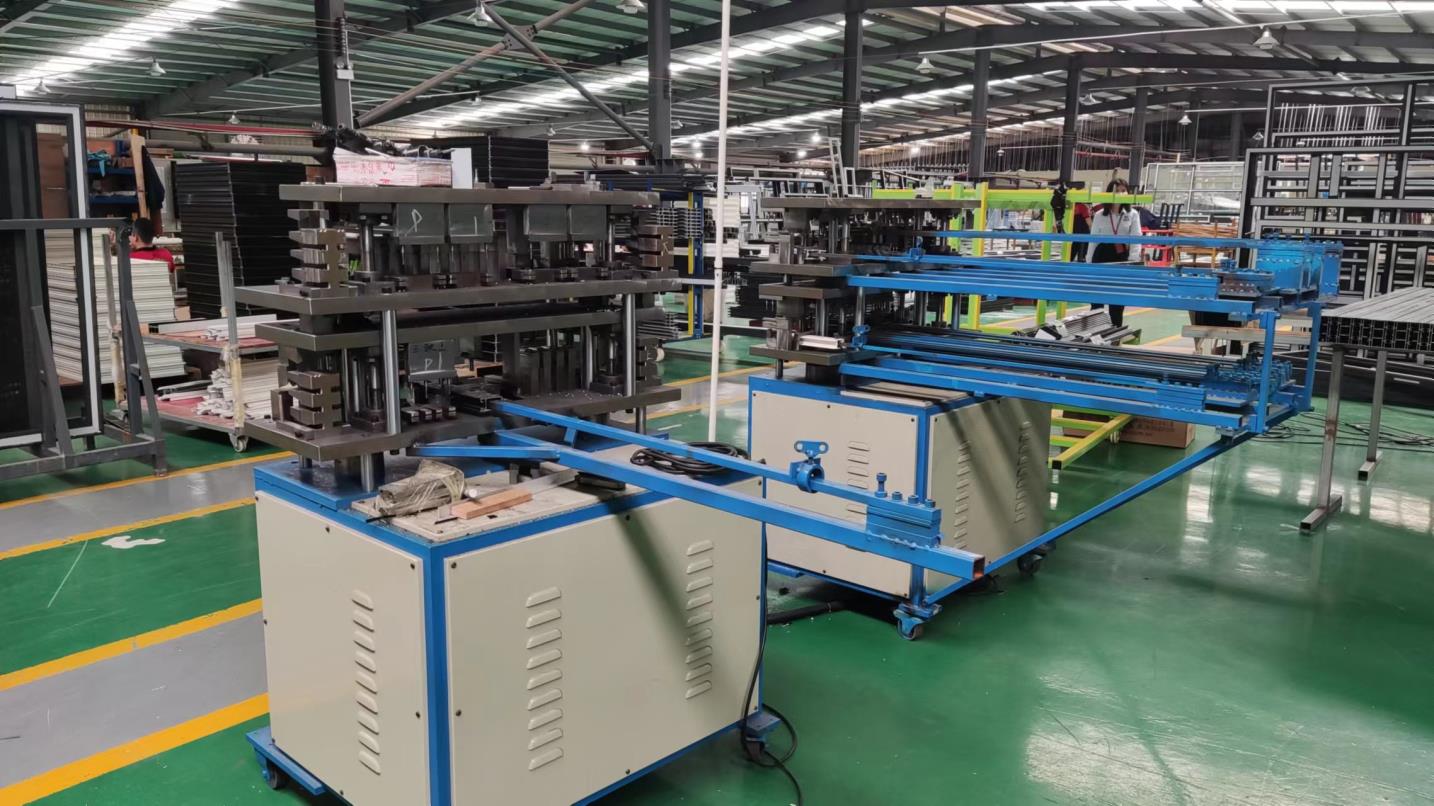
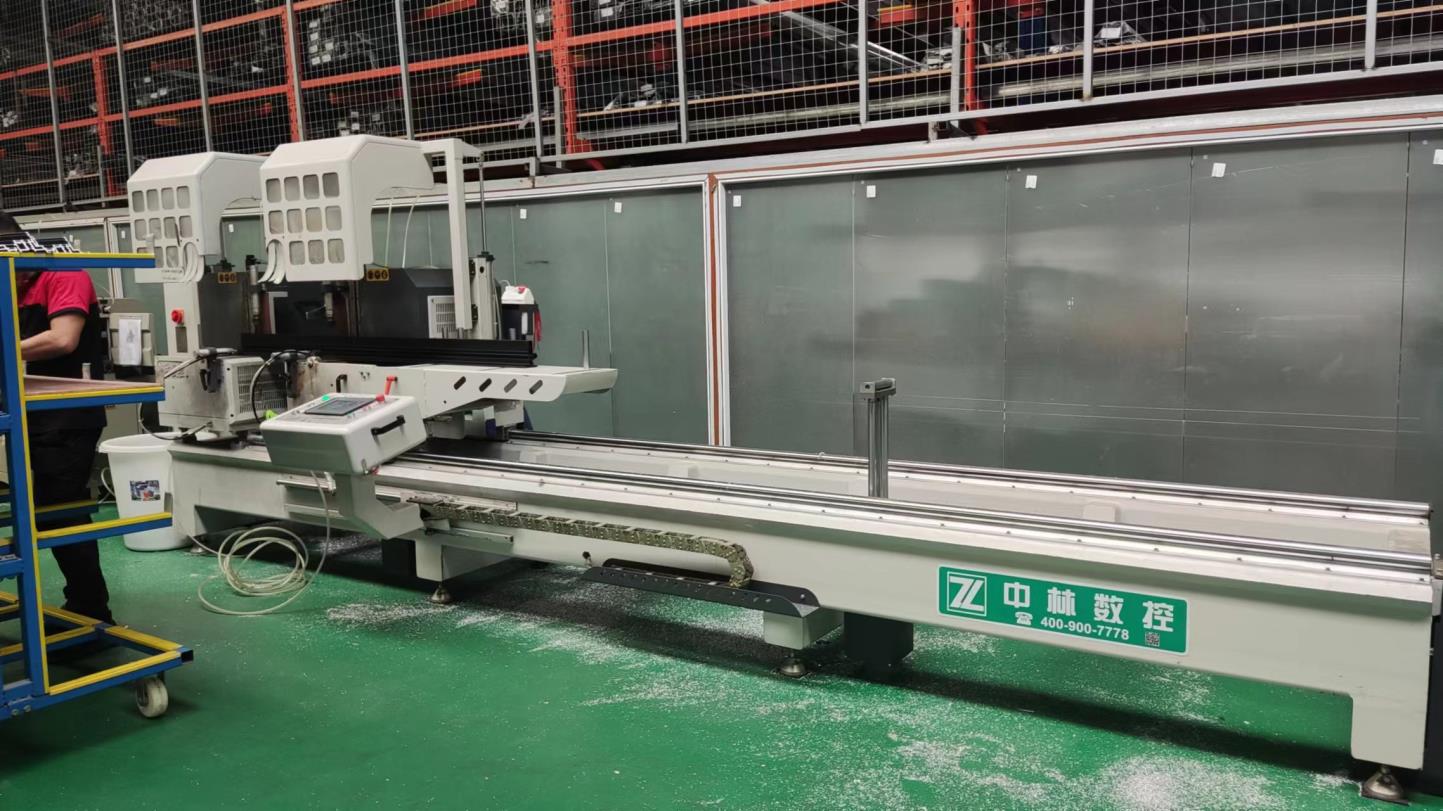
Integrating 20 years of door engineering expertise with rigorous quality assurance and automated extrusion production.
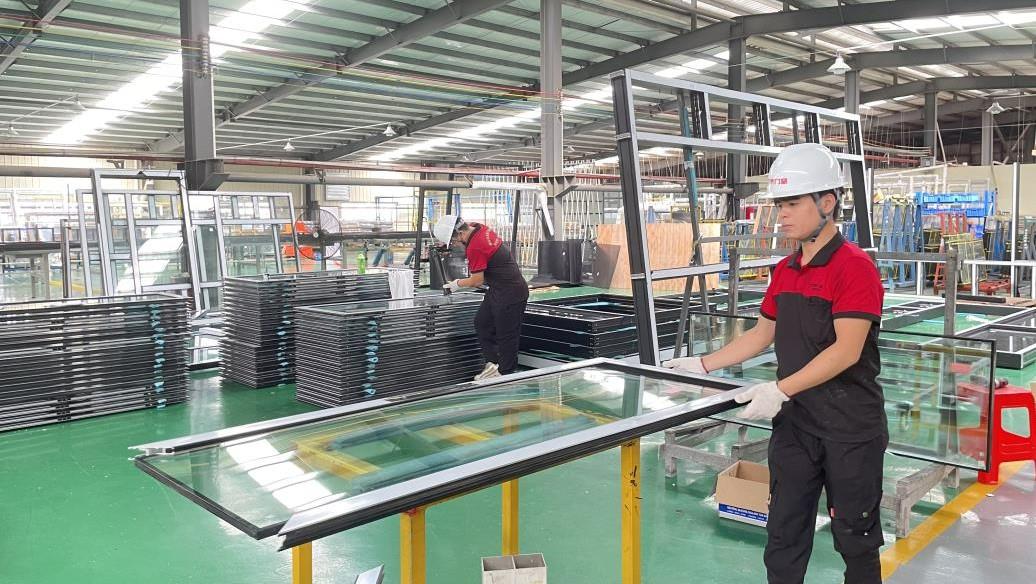
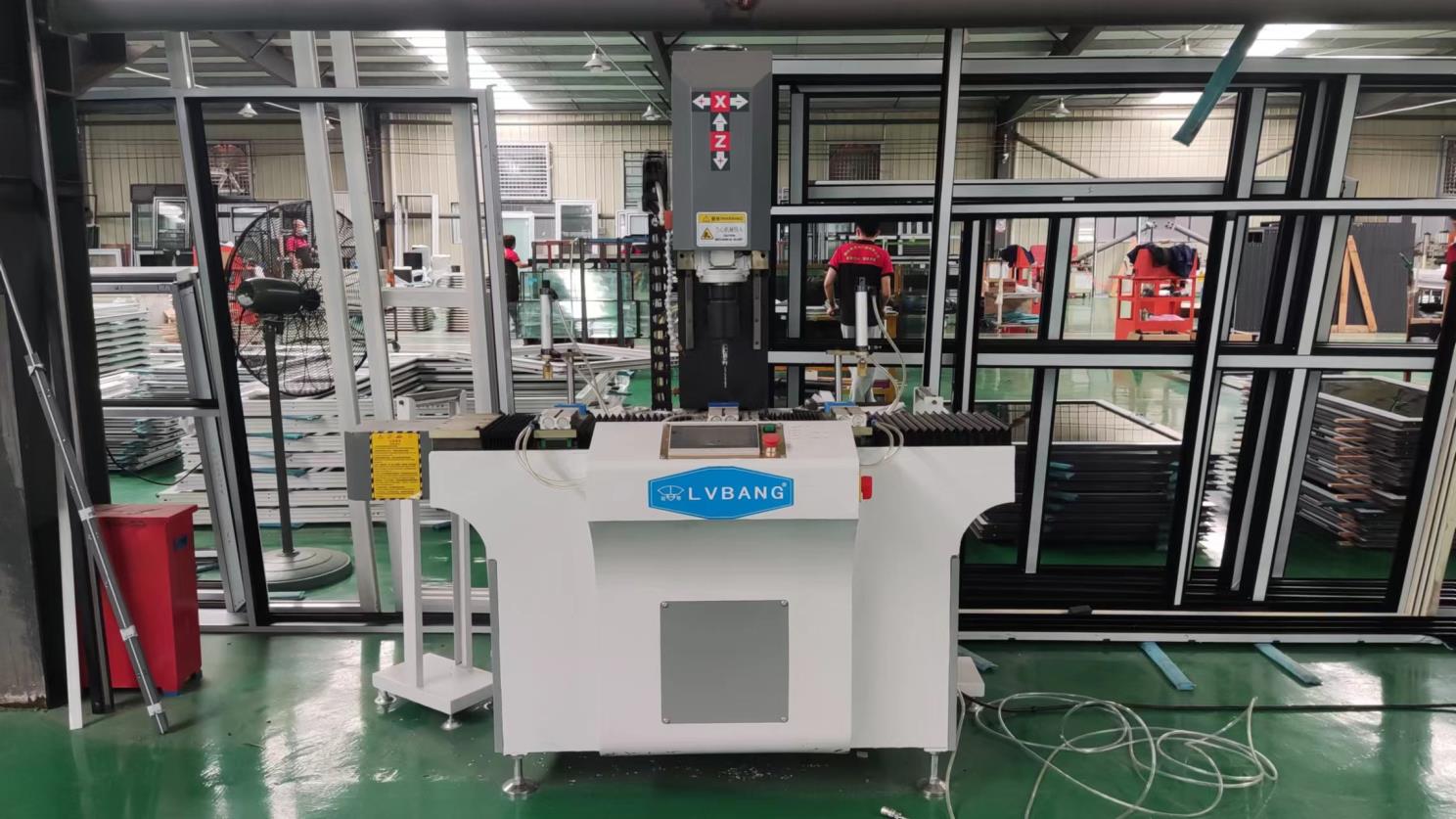
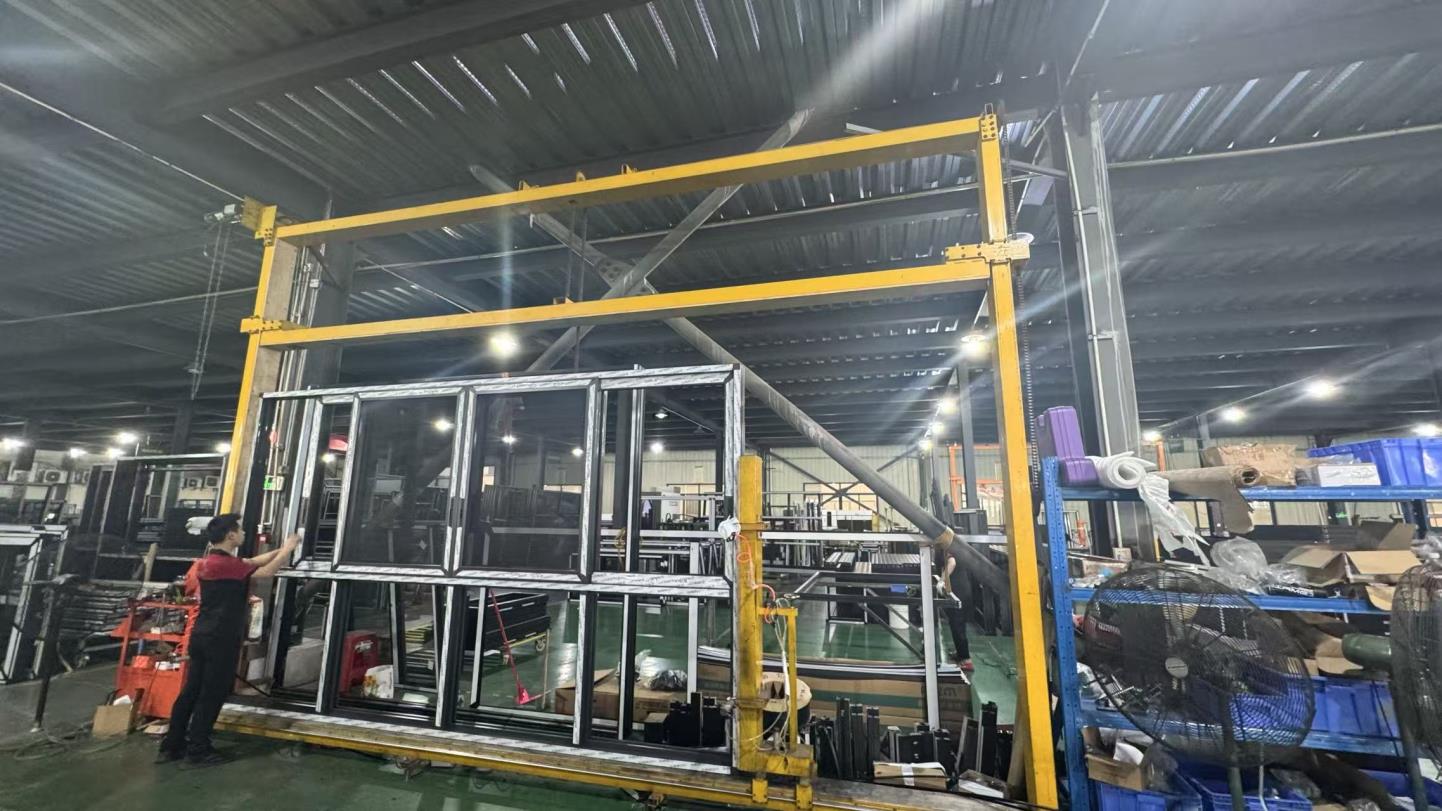
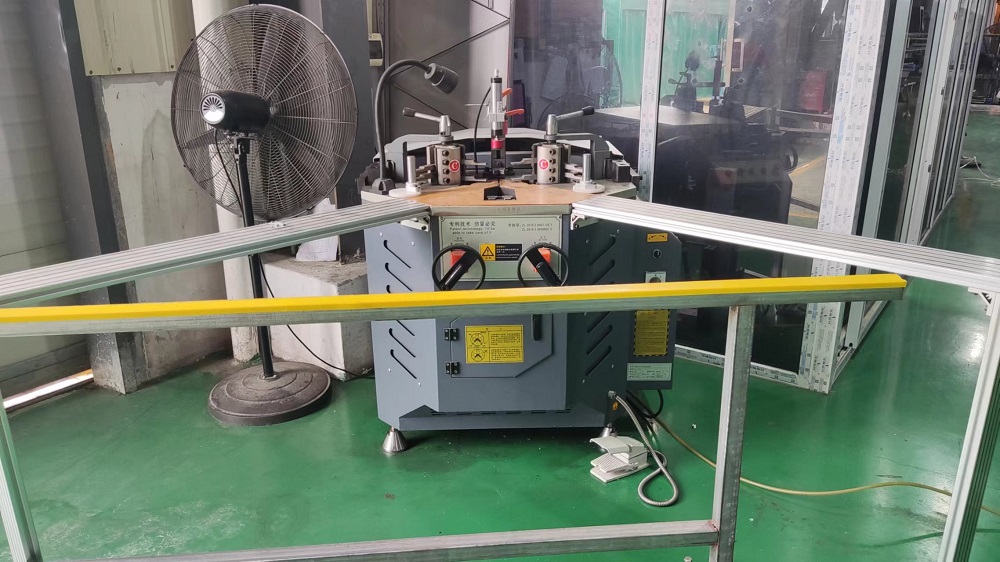
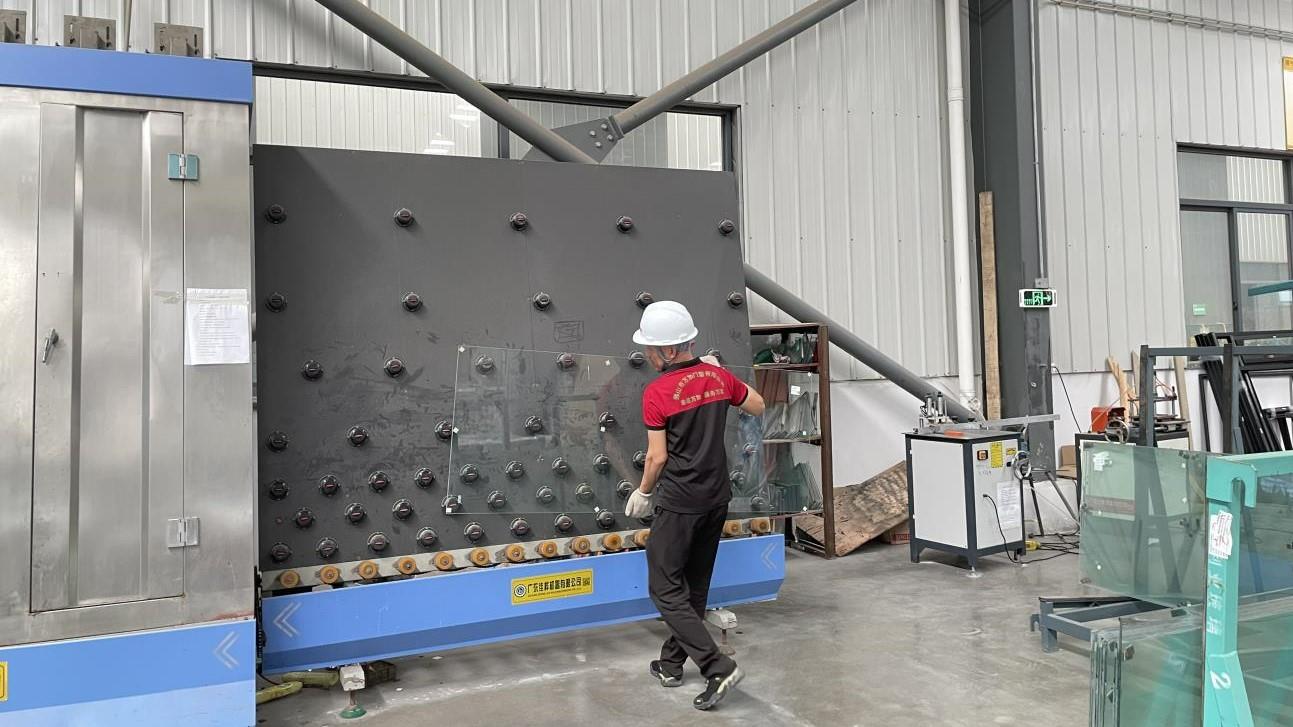
Established in 2004, Fortisdor Security Doors Co., Ltd. is a specialized manufacturer of premium entry doors, operating out of a modern 32,000 m² industrial facility. With 20 years of door manufacturing expertise and 8 years of international export experience, the company achieves an annual export revenue of $22 million. Fortisdor serves major market segments across North America, Europe, and the Middle East, primarily supplying building material wholesalers, commercial contractors, and residential real estate developers.
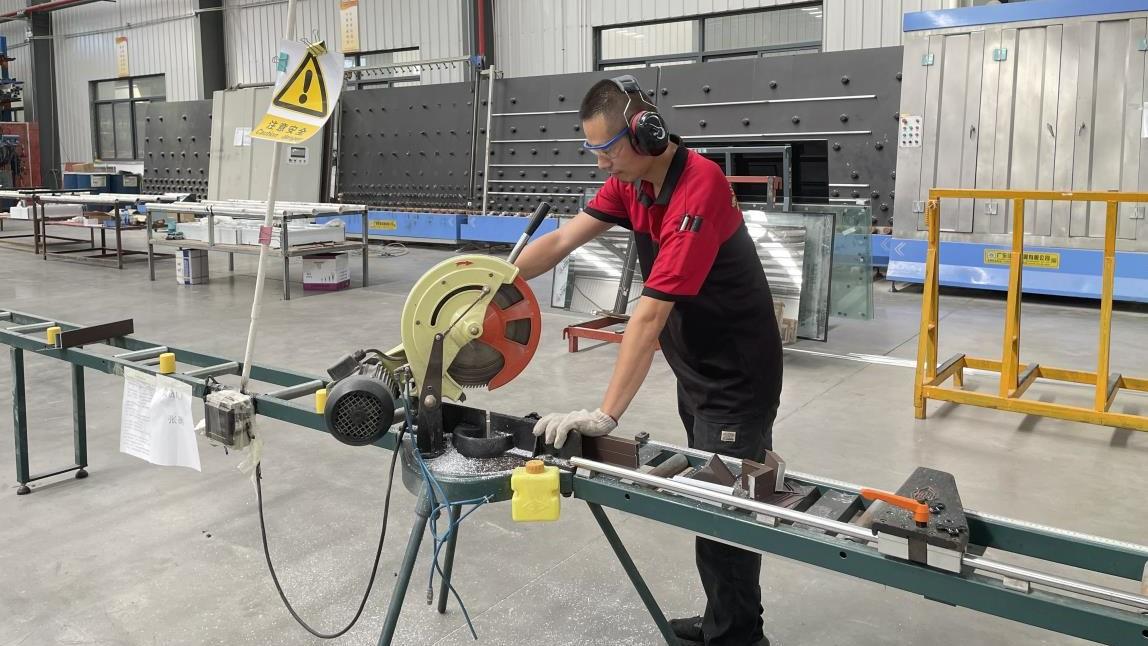
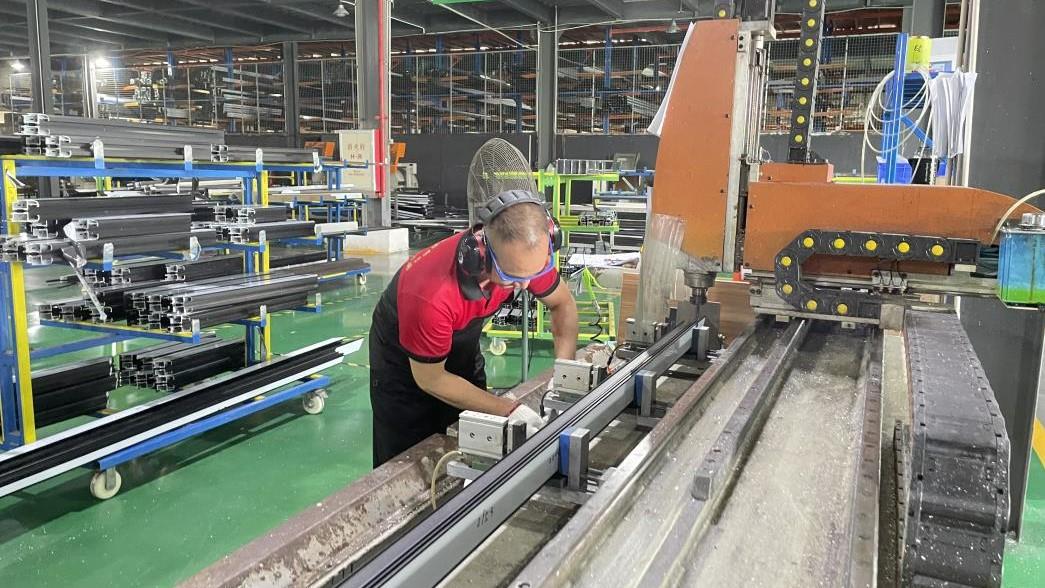
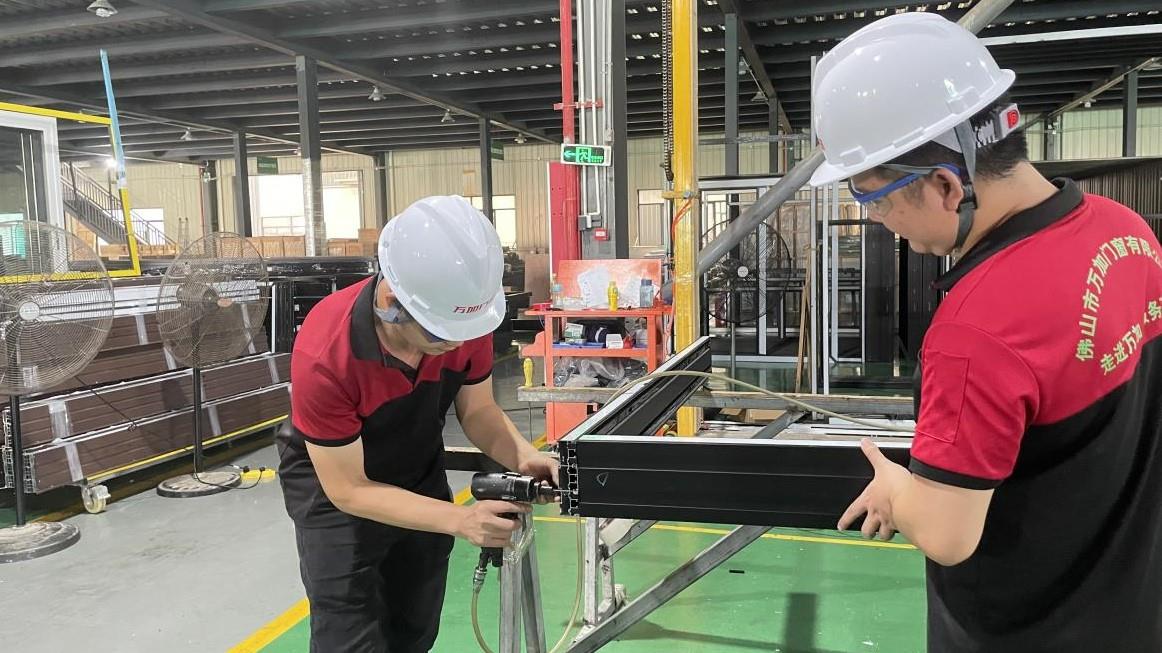
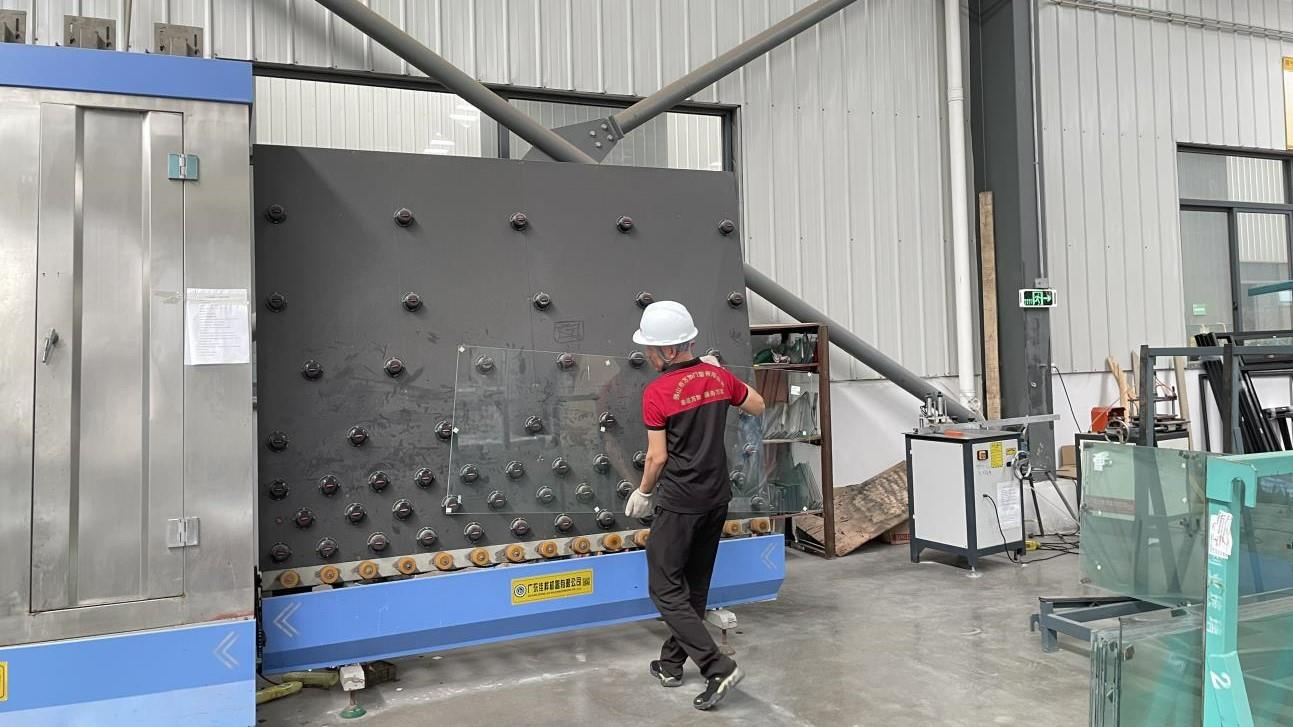
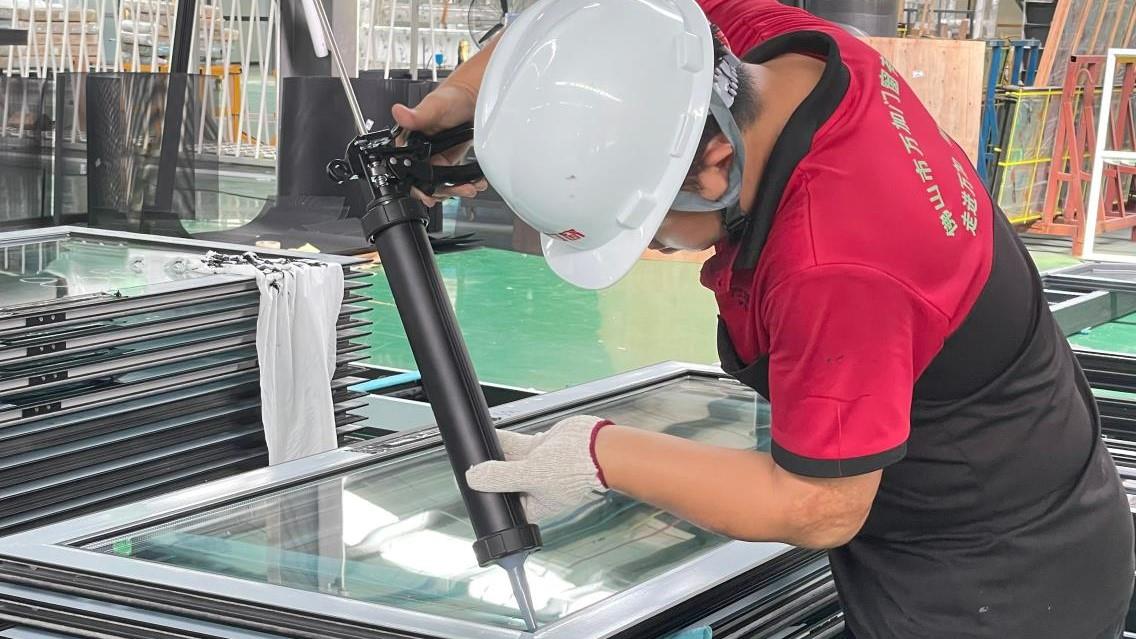
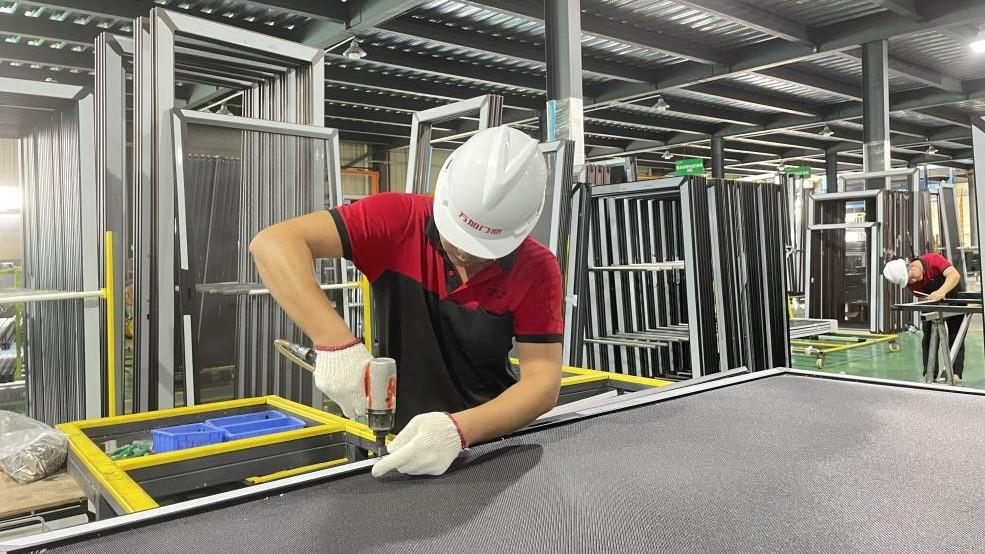
Backed by an established trade background and a robust network of over 950 supply chain partners, Fortisdor enforces uncompromising quality standards. Quality assurance is directed by a team of 40 certified QC inspectors using multi-stage raw material testing, automated frame alignment checks, and salt-spray corrosion resistance evaluations. The company's strong R&D department features 50 engineering professionals who launched 140 new door models last year. Custom options include multi-point electronic lock systems, custom glass panels, thermal-break aluminum profiles, and personalized surface finishes.
Analyzing supply chain synergy, metallurgical economies of scale, and specialized surface treatment ecosystems.
China's key aluminum manufacturing hubs (such as Foshan and Guangdong Province) host fully integrated supply chains. Primary aluminum smelting, continuous billet casting, custom die extrusion, anodizing, and PVDF coating facilities reside within contiguous industrial clusters, radically shortening production lead times and reducing transport-induced micro-scratches on unsealed extrusions.
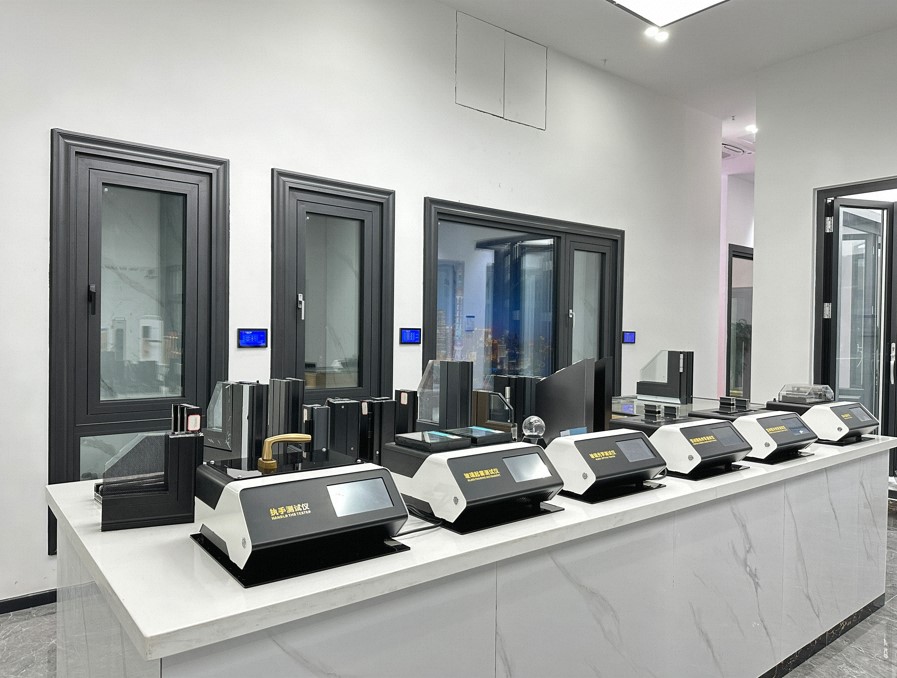
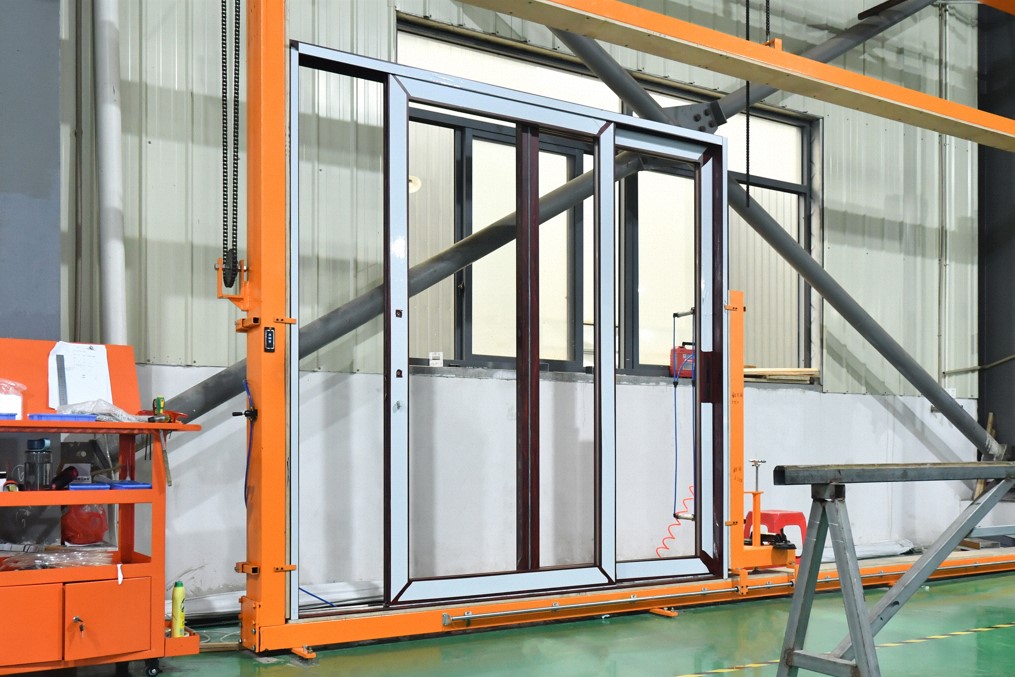
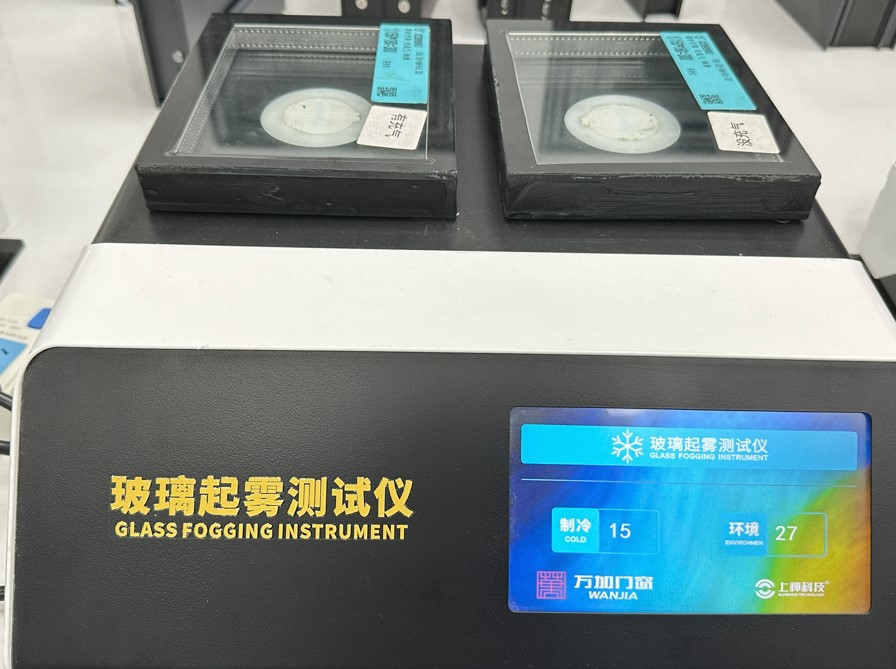
Leading Chinese exporters maintain international testing laboratories equipped with accelerated salt-spray chambers (ASTM B117), glass fogging measurement instruments, and structural wind pressure rigs. This infrastructure guarantees that exported systems seamlessly satisfy North American NFRC/Florida NOA and Australian AS2047 standard metrics.
Architectural engineering solutions tailored for aggressive environmental exposures and high-performance building envelopes.
High-salinity ocean air rapidly deteriorates traditional steel and low-grade aluminum. Marine-grade T6 aluminum doors coated in 70% PVDF resist salt-crust buildup and sand abrasion while providing large-panel structural stability for panoramic ocean views.
Urban high-rise structures experience immense structural wind loads and acidic atmospheric pollution. Heavy-duty aluminum curtain walls and entrance casement systems offer wind-load resistance exceeding DP 70 and acoustic isolation up to 45 dB.
For cold-climate regions (e.g., Canada, Northern Europe) and high-heat desert zones, double and triple-glazed thermal-break aluminum folding/sliding doors achieve U-factors below 1.2 W/m²K, drastically lowering HVAC energy expenditures.
Modern architectural entry doors are shifting from purely passive barriers to active smart home components. Systems now feature concealed multi-point electronic lock actuators, motorized sliding mechanisms, biometric fingerprint scanners, and integration with home automation networks.
Global developers prioritize low-carbon footprint materials. Leading Chinese extrusion manufacturers utilize recycled secondary aluminum melted under green-energy electric arcs alongside VOC-free fluorocarbon powder formulas that comply with REACH and RoHS standards.
A structured auditing framework for real estate developers, commercial contractors, and international window/door importers.
Verify mandatory regional certifications: NFRC thermal ratings and Florida Building Code NOA (North America), AS2047/AS1288 (Australia), and CE Mark EN14351-1 (Europe).
Request third-party lab test certificates confirming ASTM B117 salt spray endurance (>3,000 hours without blistering) and air/water infiltration resistance.
Ensure hardware components (hinges, multi-point locks, rollers) use 304 or 316 stainless steel with EPDM synthetic rubber weatherstripping to prevent galvanic corrosion.
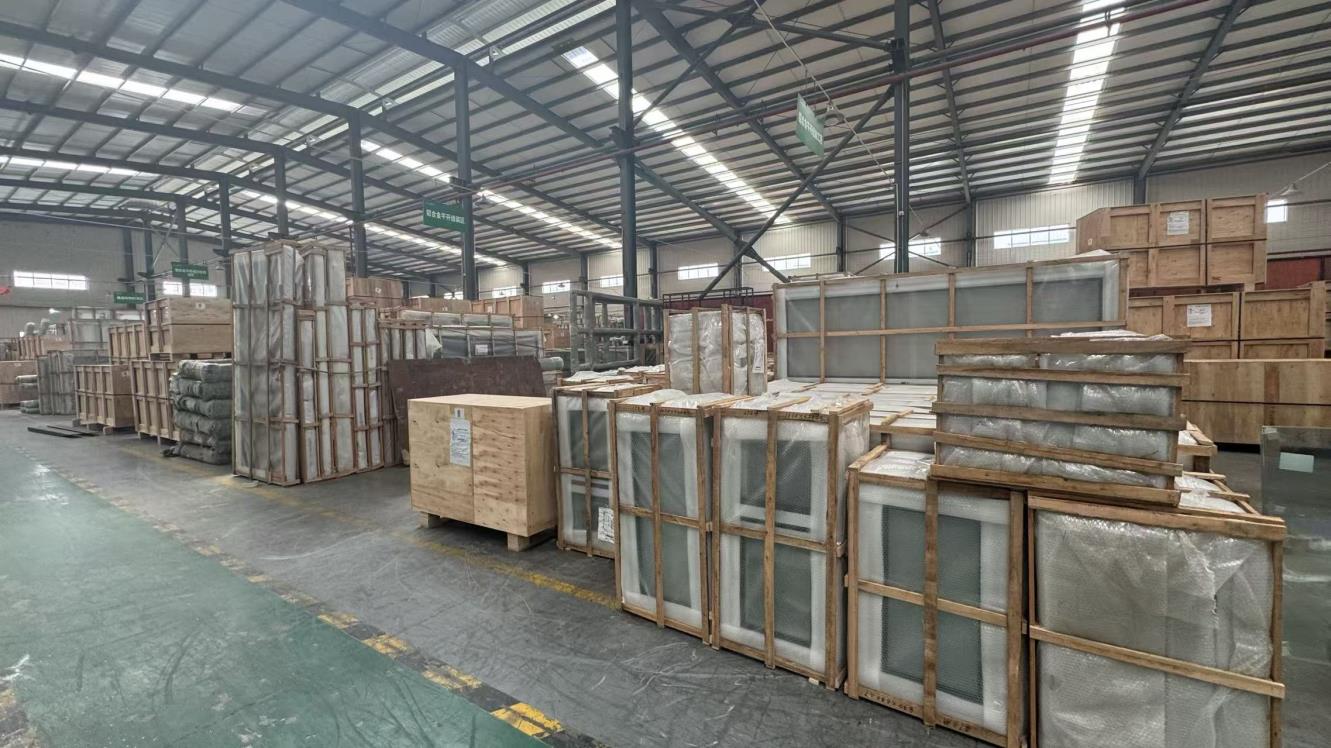
High-end aluminum door profiles require protective film coating, corner guards, fumigated wooden crates, and moisture-absorbent desiccant packs inside shipping containers.
Expert engineering answers to common procurement, metallurgical, and maintenance inquiries.
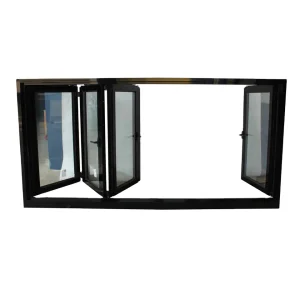
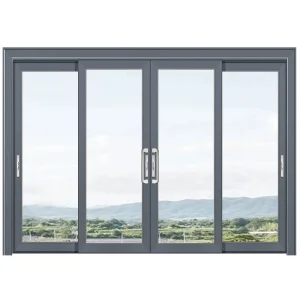
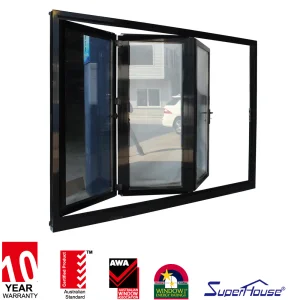
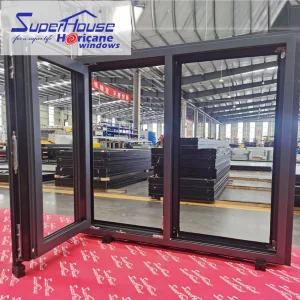
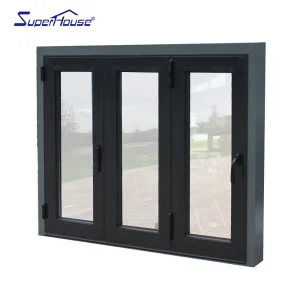
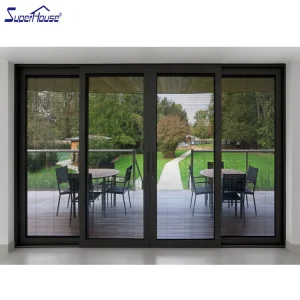
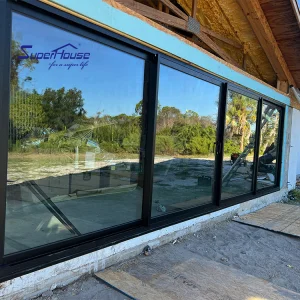
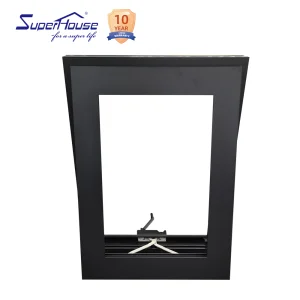
Customizable thermal break casements, bifold doors, sliding entryways, and fixed glazing solutions.
 Fortisdor