Precision-engineered exterior and interior aluminum door systems tested against extreme climatic conditions, high wind loads, and severe thermal stress.
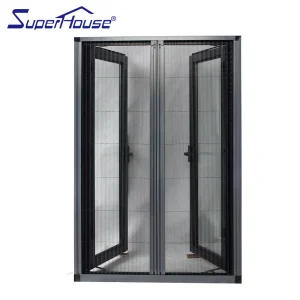
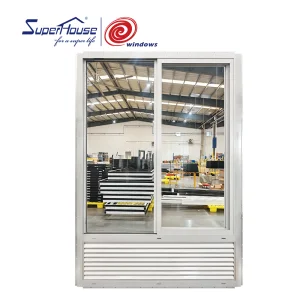
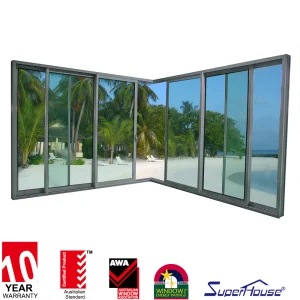
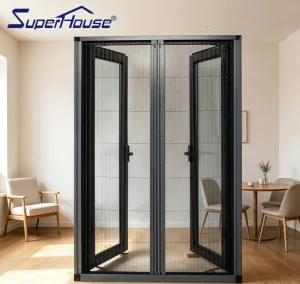
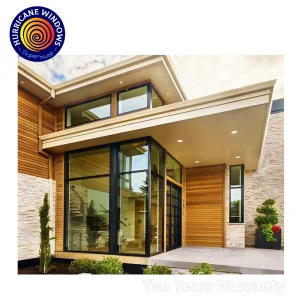
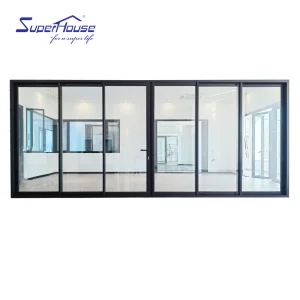
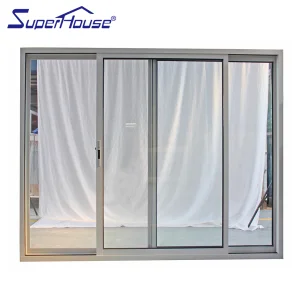
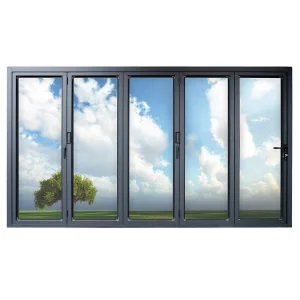
In modern architectural design and high-performance building envelopes, thermal isolation is no longer a luxury feature—it is a mandatory engineering standard. Fortisdor Security Doors Co., Ltd., established in 2004, stands at the forefront of structural fenestration innovation as a primary Custom OEM Thermal Insulated Aluminum Door Manufacturer & Supplier. Operating out of a state-of-the-art 32,000 m² industrial complex, our facilities combine automated robotic machining, advanced metallurgical alloy selection, and thermodynamic profile design to fulfill demanding global architectural requirements.
With over two decades of manufacturing mastery and 8 years of direct international export operations, Fortisdor achieves an annual export volume exceeding $22 million. We directly serve tier-one commercial contractors, real estate developers, building material distributors, and architectural firms across North America, Europe, Oceania, and the Middle East. By combining rigorous physical quality assurance with custom OEM flexibility, we eliminate energy loss bridge dynamics while elevating the structural integrity of residential and commercial access points.
Technical Core Insight: Thermal isolation in aluminum fenestration relies on breaking the natural high conductivity of extruded aluminum alloys (typically ~200 W/m·K) by precision-inserting structural Polyamide (PA66GF25) thermal barriers. This engineering method reduces profile thermal conductivity to below 1.6 W/m²K, directly eliminating interior condensation risks and HVAC thermal loss.
Our 50-engineer strong R&D division launched over 140 new validated door profile systems last year alone, focusing on thermal break optimization, multi-point electronic lock integration, and ultra-narrow sightlines.
Supervised by 40 certified Quality Control inspectors, every production run undergoes multi-stage raw material spectroanalysis, automated corner joint tension testing, and 1,000+ hour salt-spray corrosion evaluations.
Backbone supply chain relationships with raw aluminum extruders, glass float manufacturers, and hardware suppliers ensure reliable lead times, bulk purchasing power, and seamless material traceability.
Aluminum is celebrated in structural engineering for its strength-to-weight ratio, structural stability under severe loads, and resistance to environmental fatigue. However, raw aluminum exhibits a thermal conductivity of approximately 160 to 200 W/m·K. Uninsulated aluminum frames act as dynamic thermal conductors, drawing internal warmth out during severe winter cycles and transmitting extreme solar heat inwards during summer months.
Fortisdor’s Custom OEM Thermal Insulated Aluminum Doors solve this issue through double- and triple-chambered thermal barrier technology. By extruding high-grade 6063-T5 or 6060-T6 architectural aluminum profiles with structural shear-resistant isolators, we achieve remarkable thermal isolation levels.
We strictly utilize Polyamide 66 reinforced with 25% short glass fibers (PA66GF25). This composition closely matches the thermal expansion coefficient of aluminum frames, preventing seal degradation, internal shear stress, or joint delamination across thermal cycles ranging from -40°C to +80°C.
Frame insulation must operate in harmony with double- or triple-glazed glazing systems. Our factory integrates customizable IGU configurations, including:
| Profile System | Thermal Transmittance (U-Factor) | Acoustic Insulation (STC / OITC) | Air Infiltration (ASTM E283) | Water Resistance (ASTM E331) |
|---|---|---|---|---|
| Standard Commercial Thermal Break | 1.8 - 2.2 W/m²K (0.32 - 0.38 BTU/h·ft²·°F) | STC 35 / OITC 29 | < 0.10 cfm/ft² | 450 Pa (9.39 psf) |
| High-Performance Residential System | 1.2 - 1.5 W/m²K (0.21 - 0.26 BTU/h·ft²·°F) | STC 40 / OITC 34 | < 0.05 cfm/ft² | 700 Pa (14.61 psf) |
| Passive House Standard System | 0.75 - 0.95 W/m²K (0.13 - 0.17 BTU/h·ft²·°F) | STC 45 / OITC 38 | < 0.01 cfm/ft² | 1000+ Pa (20.88 psf) |
Leveraging deep regional industrial clustering, automated precision CNC milling, and enterprise procurement frameworks for global real estate projects.
Fortisdor operates within China’s premier manufacturing ecosystem, maintaining direct access to top-grade aluminum ingot refineries, precision hardware forge houses, and specialized surface treatment plants. This cluster effect provides unmatched economies of scale, allowing us to deliver premium grade, fully custom OEM thermal doors at pricing structures that give our global partners a distinct market edge.
We cater to diverse international design guidelines. Our engineering department handles full CAD/BIM drawing approval processes, customized extrusion dye development, specialized anodizing, fluorocarbon (PVDF) spray finishing, structural glass tinting, and multi-point smart access integration (biometric, RFID, keypad, smart home automation hubs).
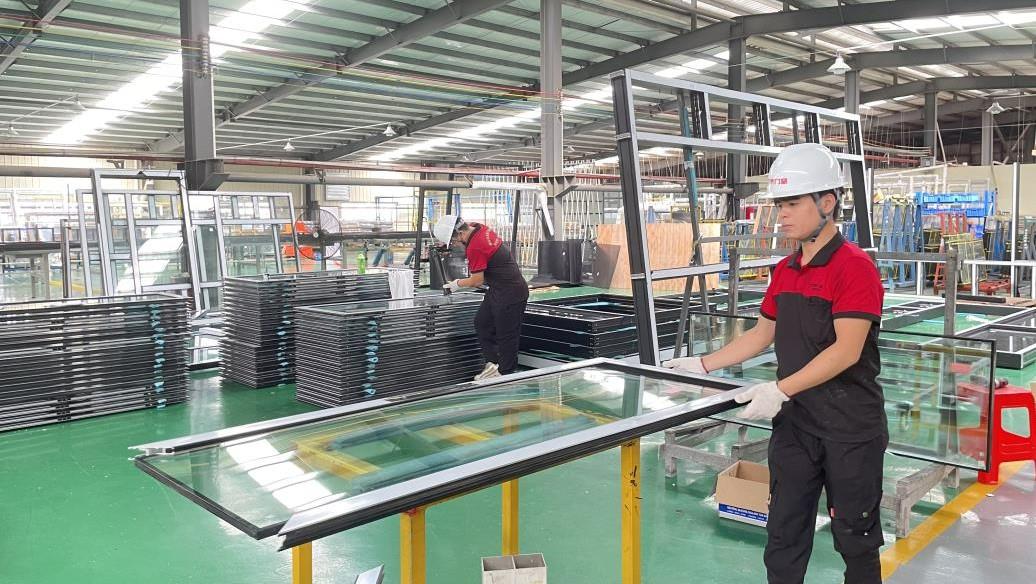
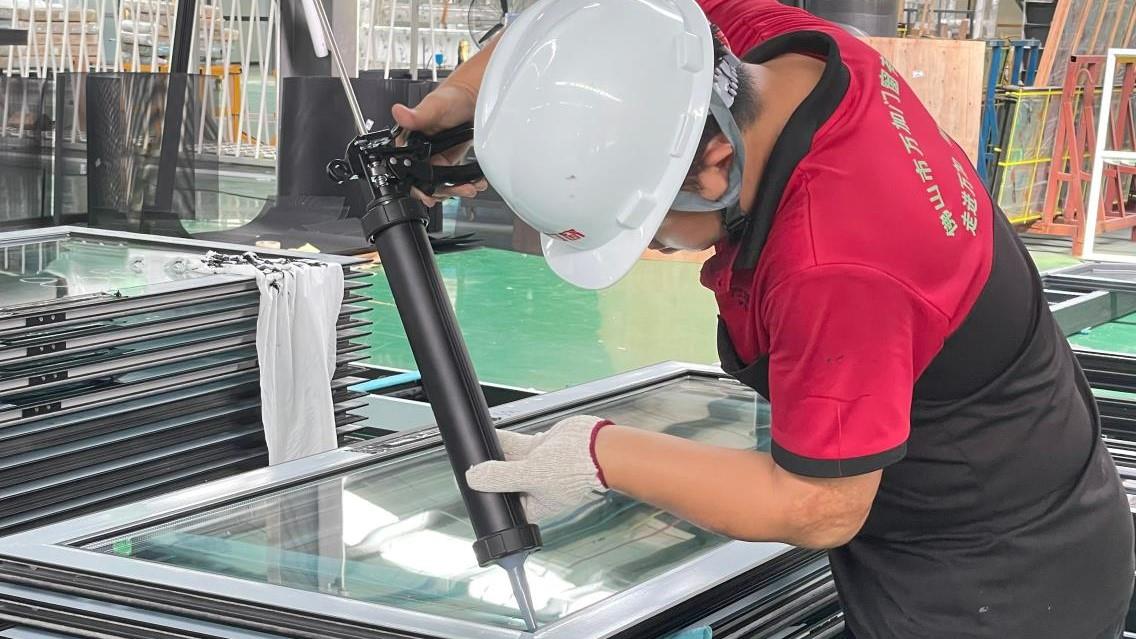
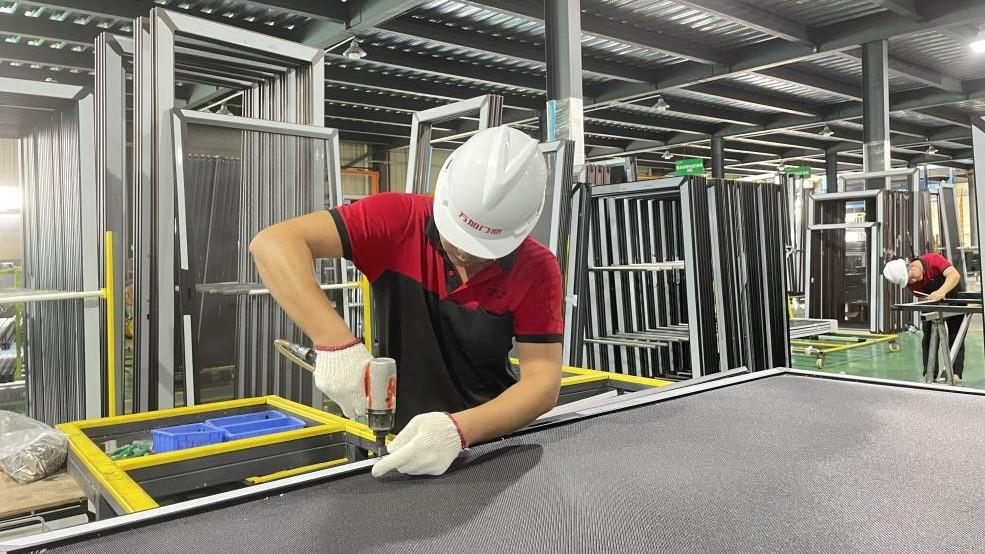
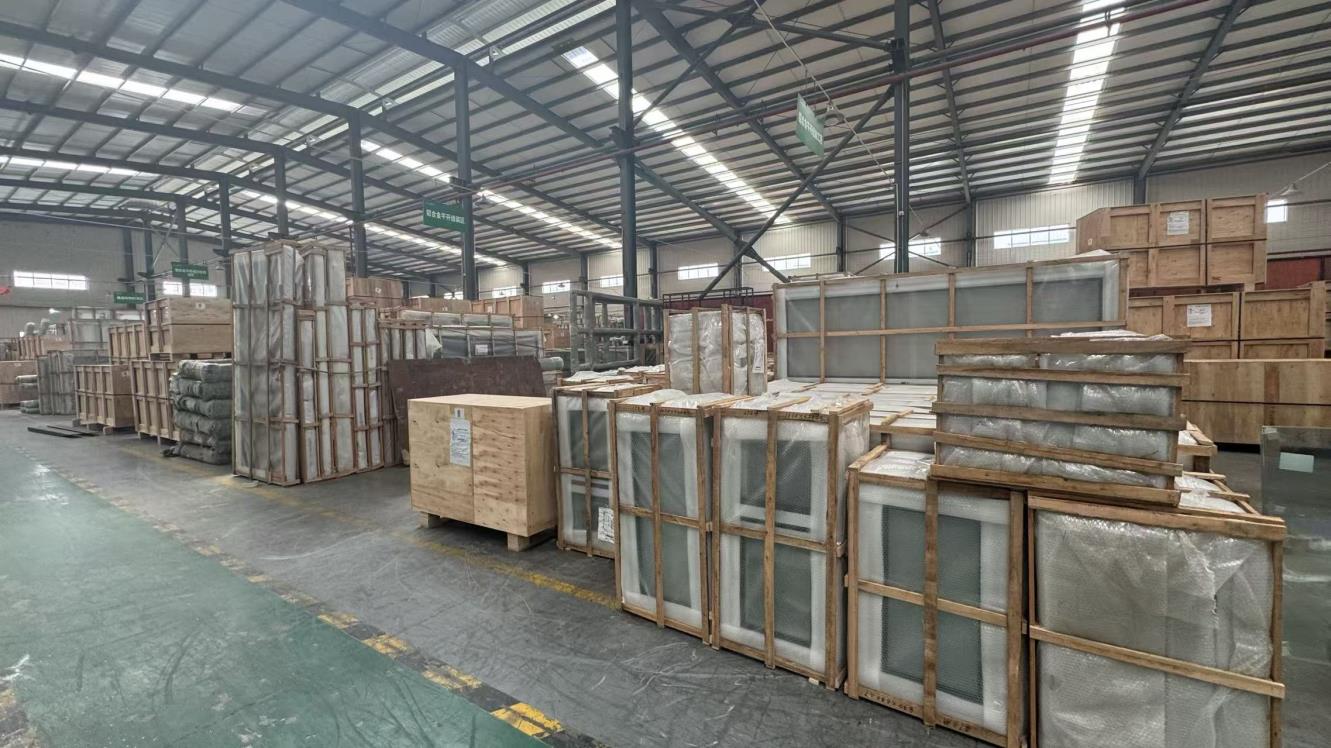
A look inside our 32,000 m² modern production base, featuring automated dual-head CNC saws, hydraulic assembly angles, clean-room glazing stations, and structural testing equipment.
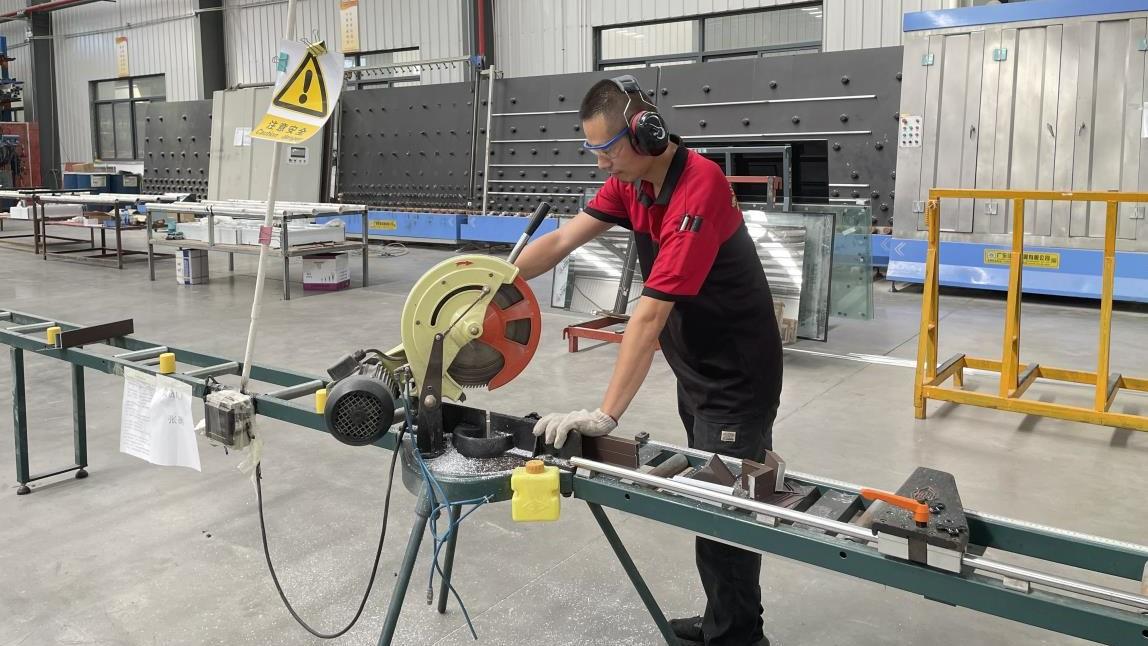
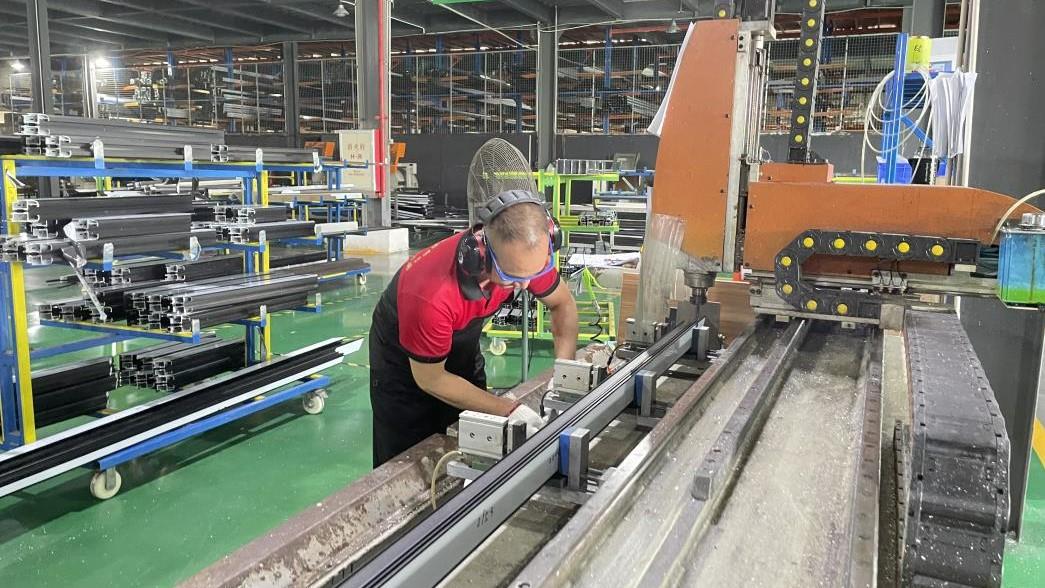
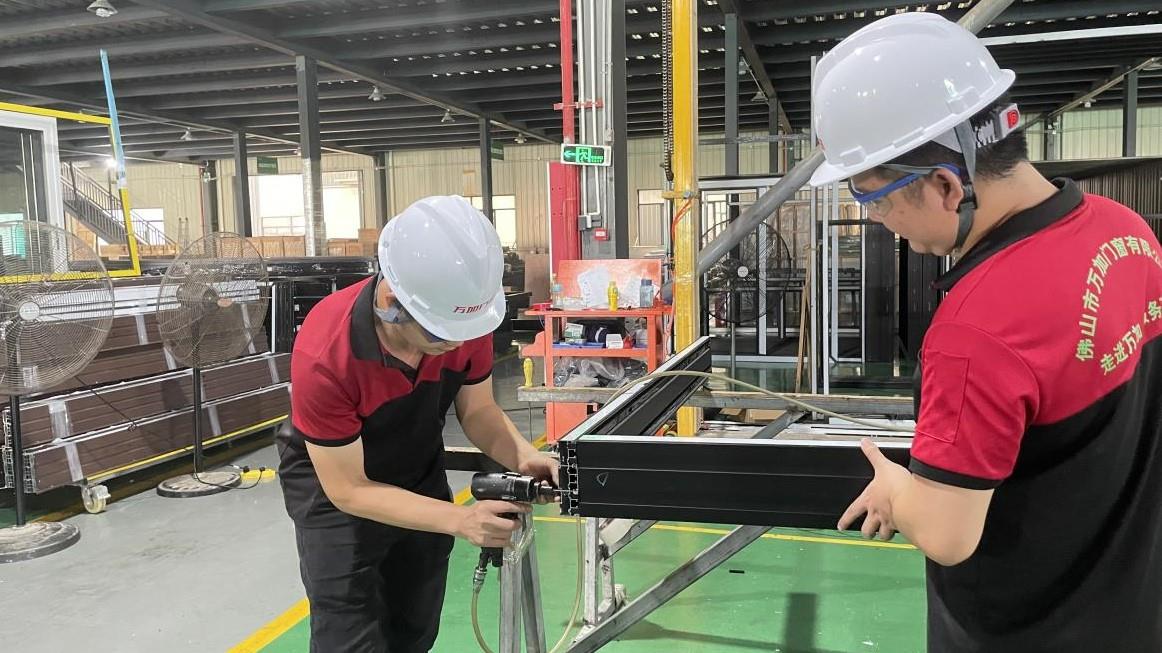
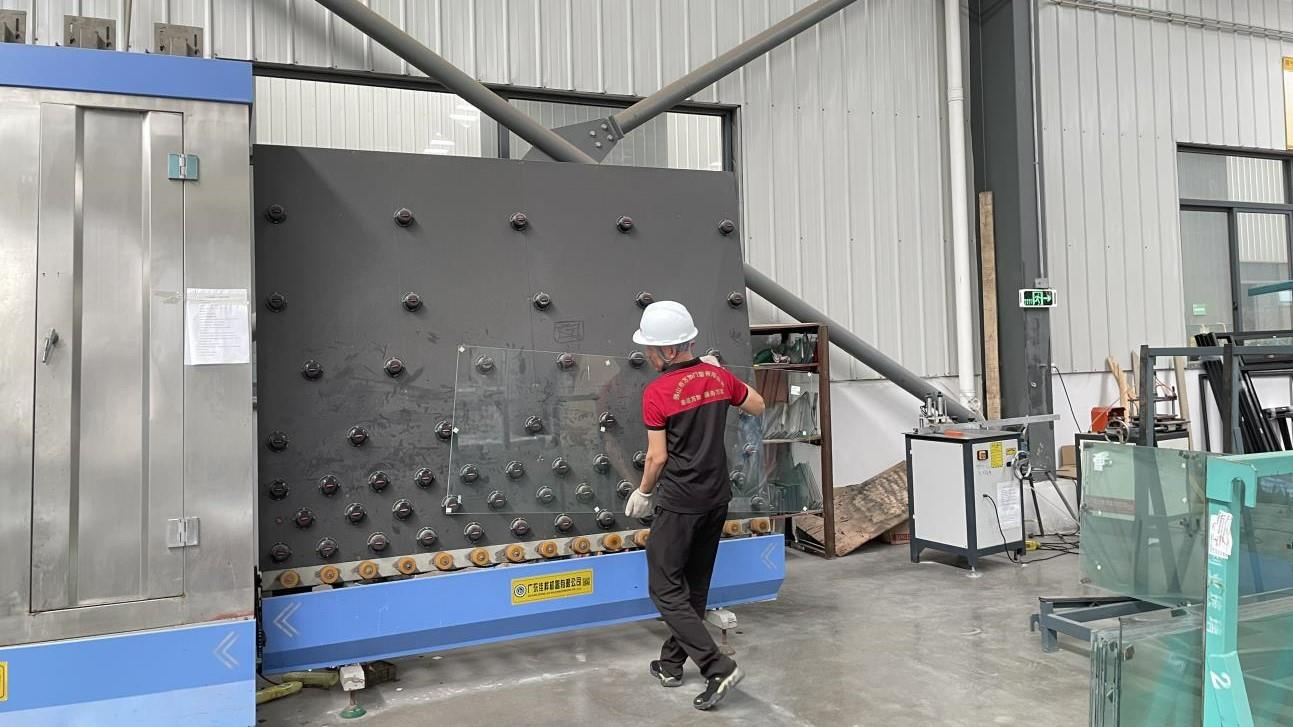
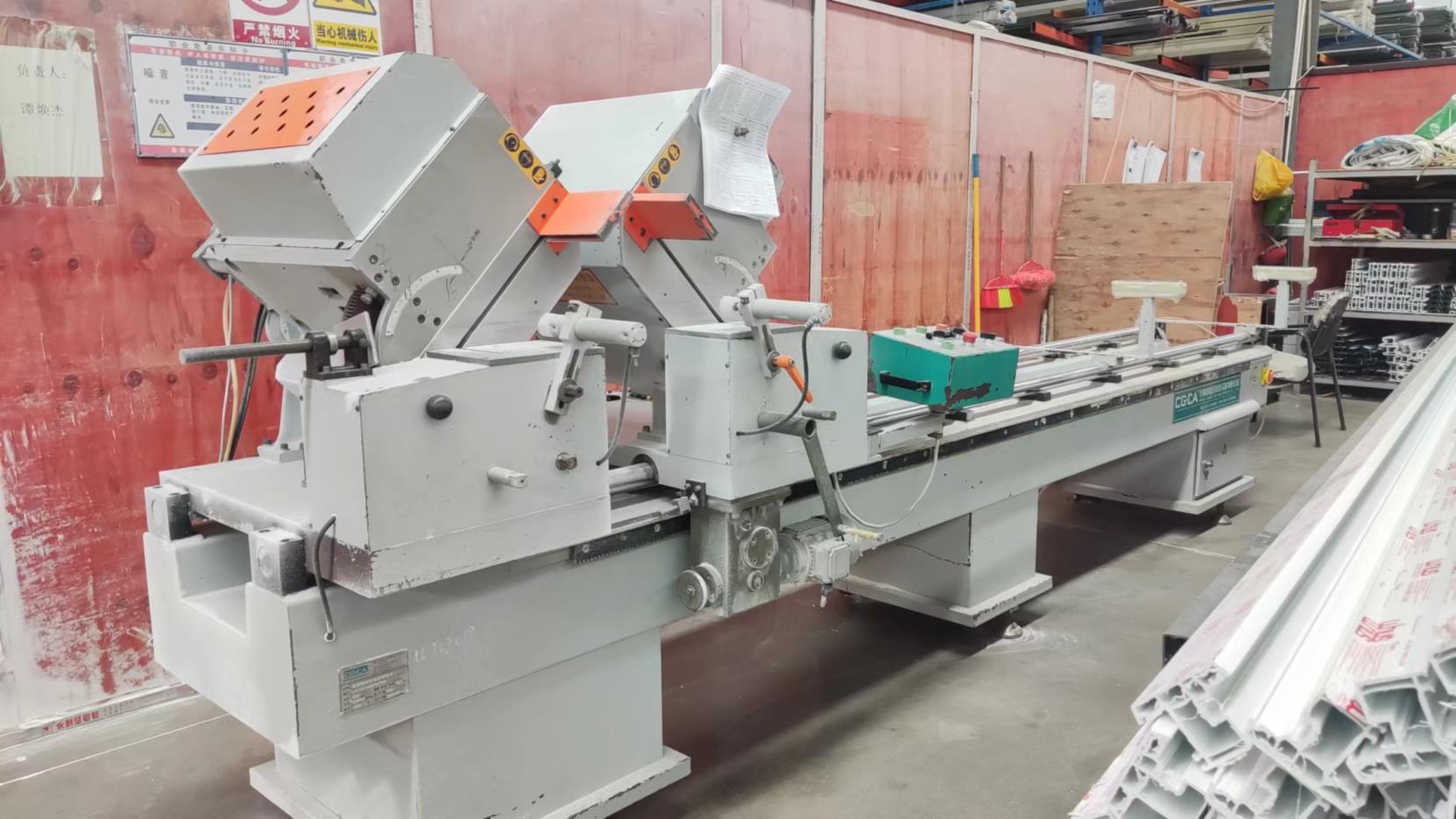
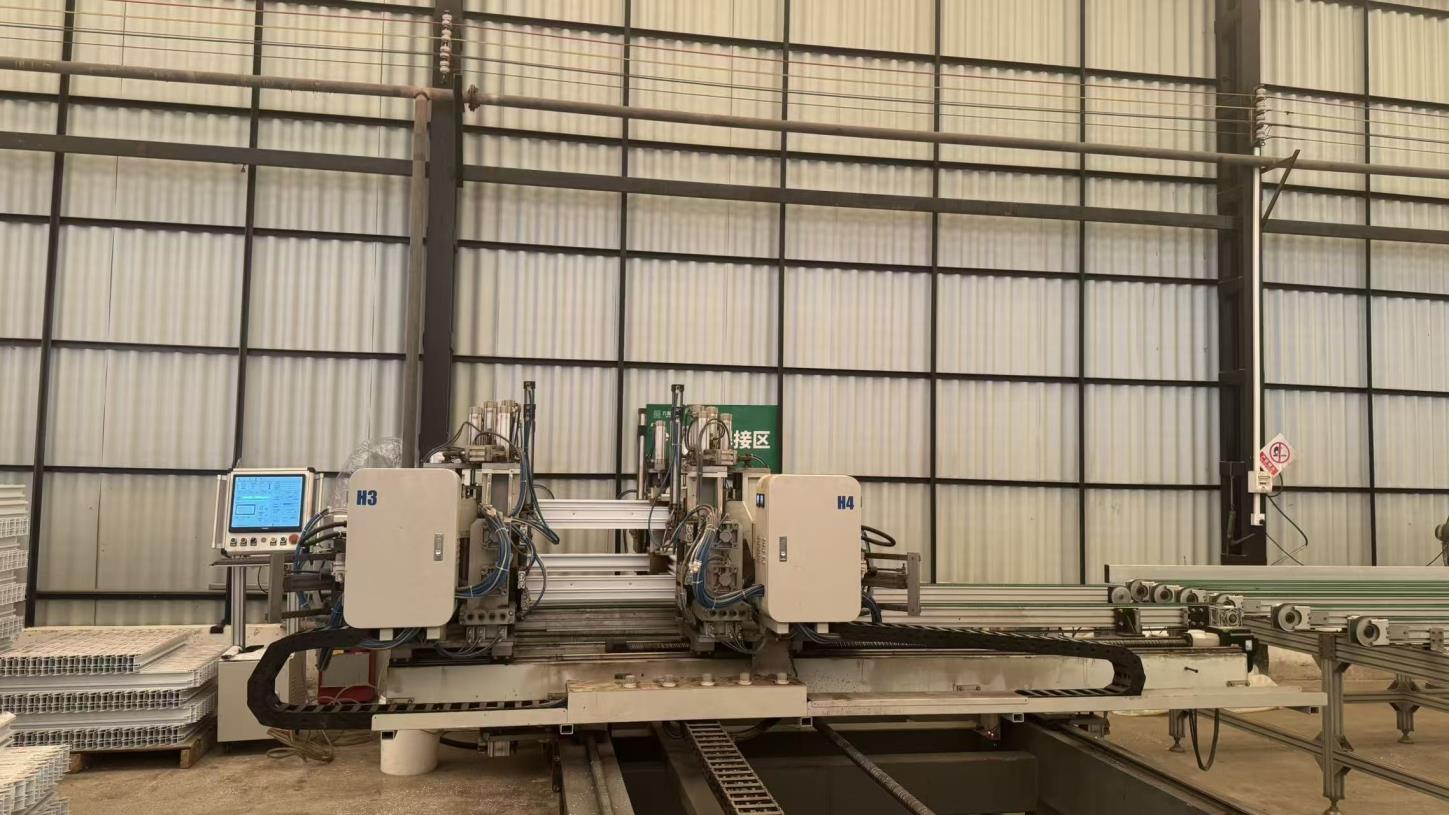
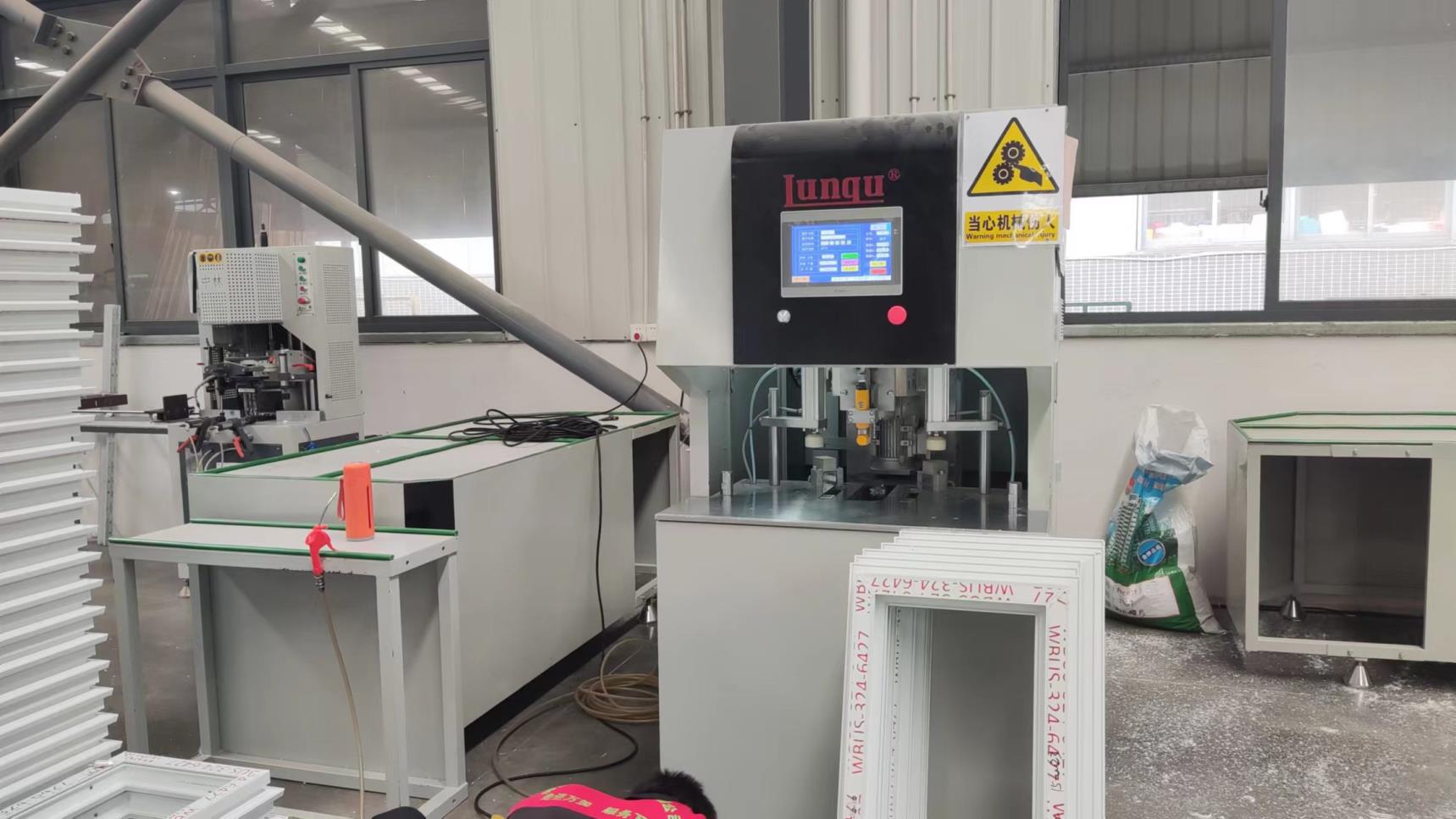
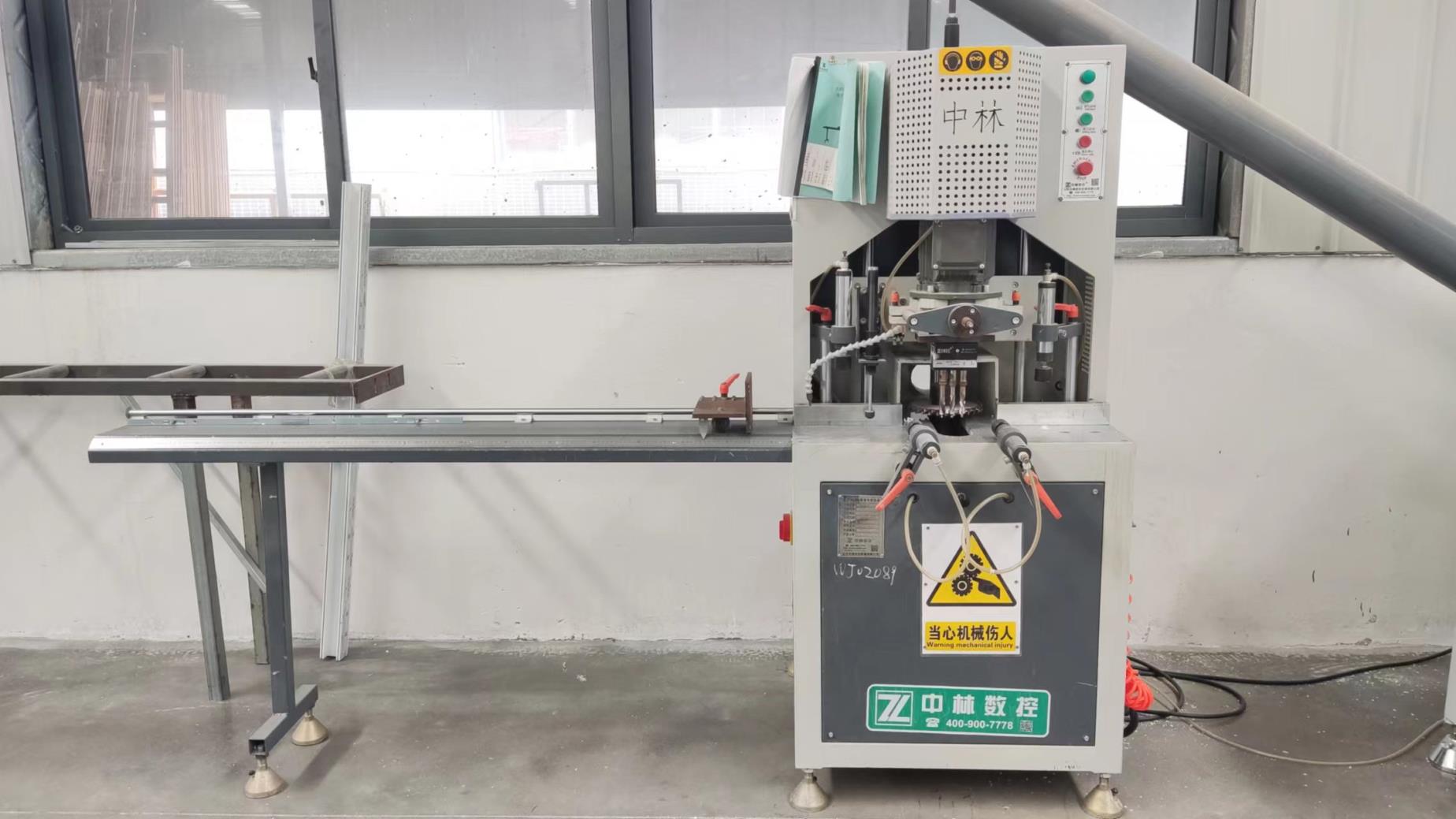
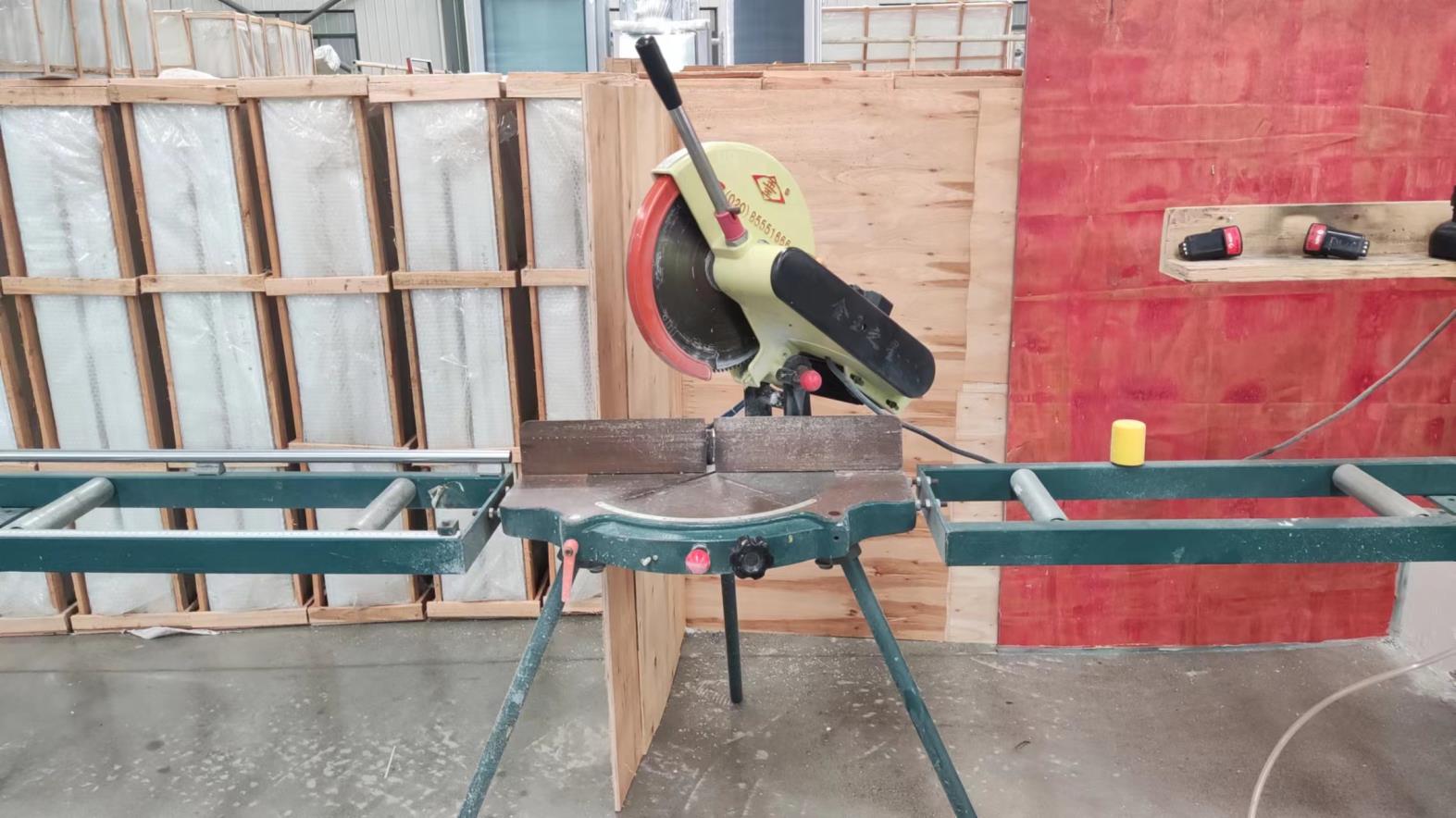
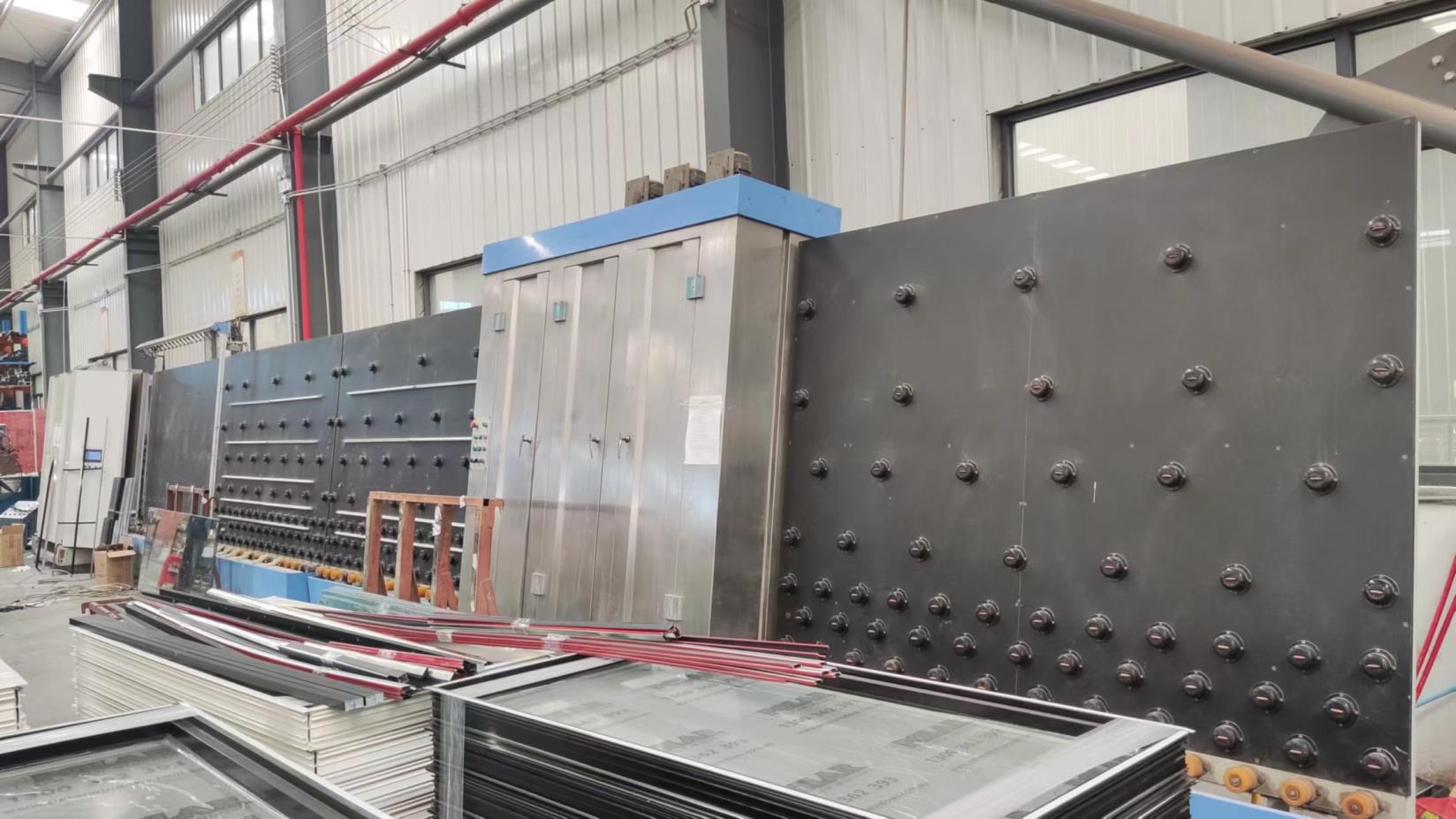
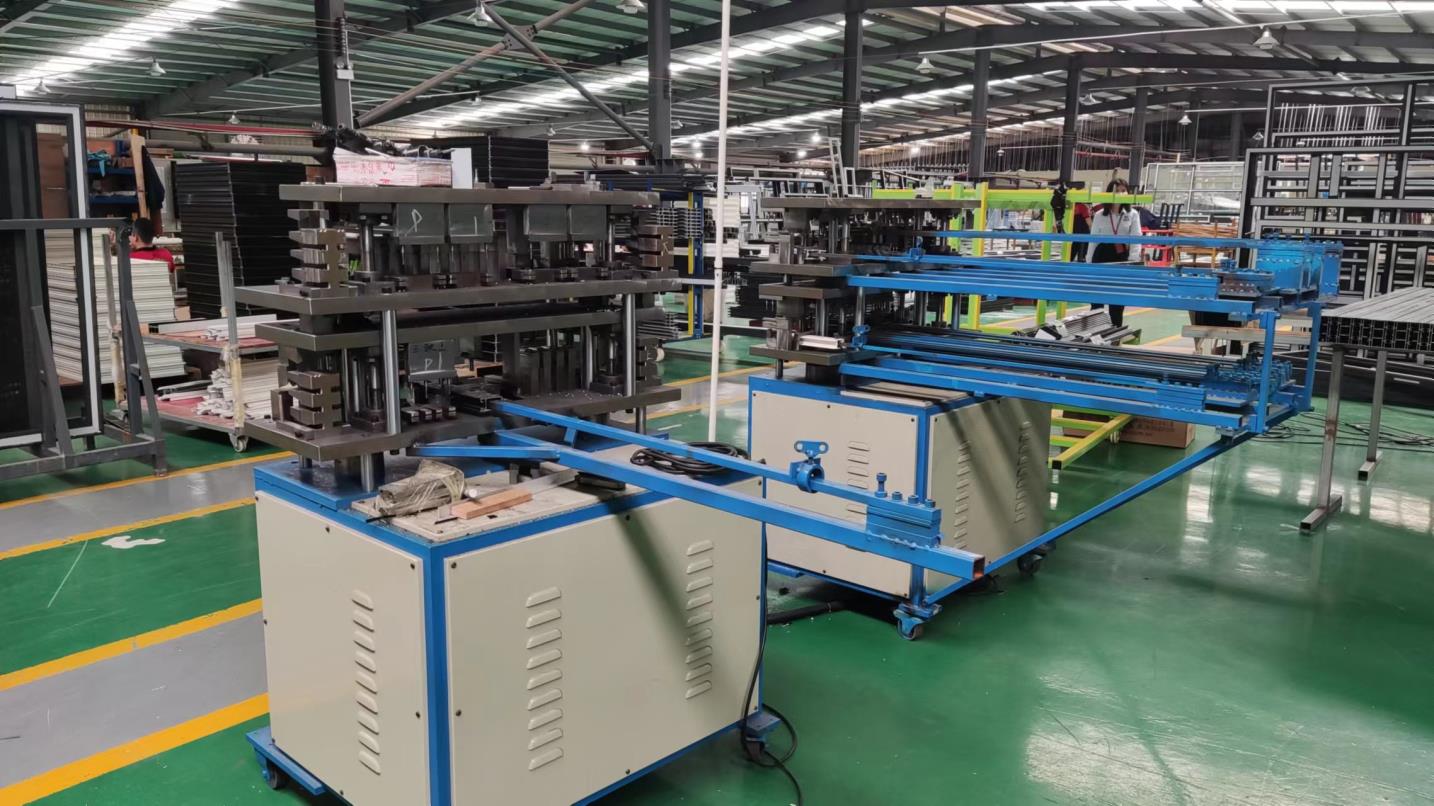
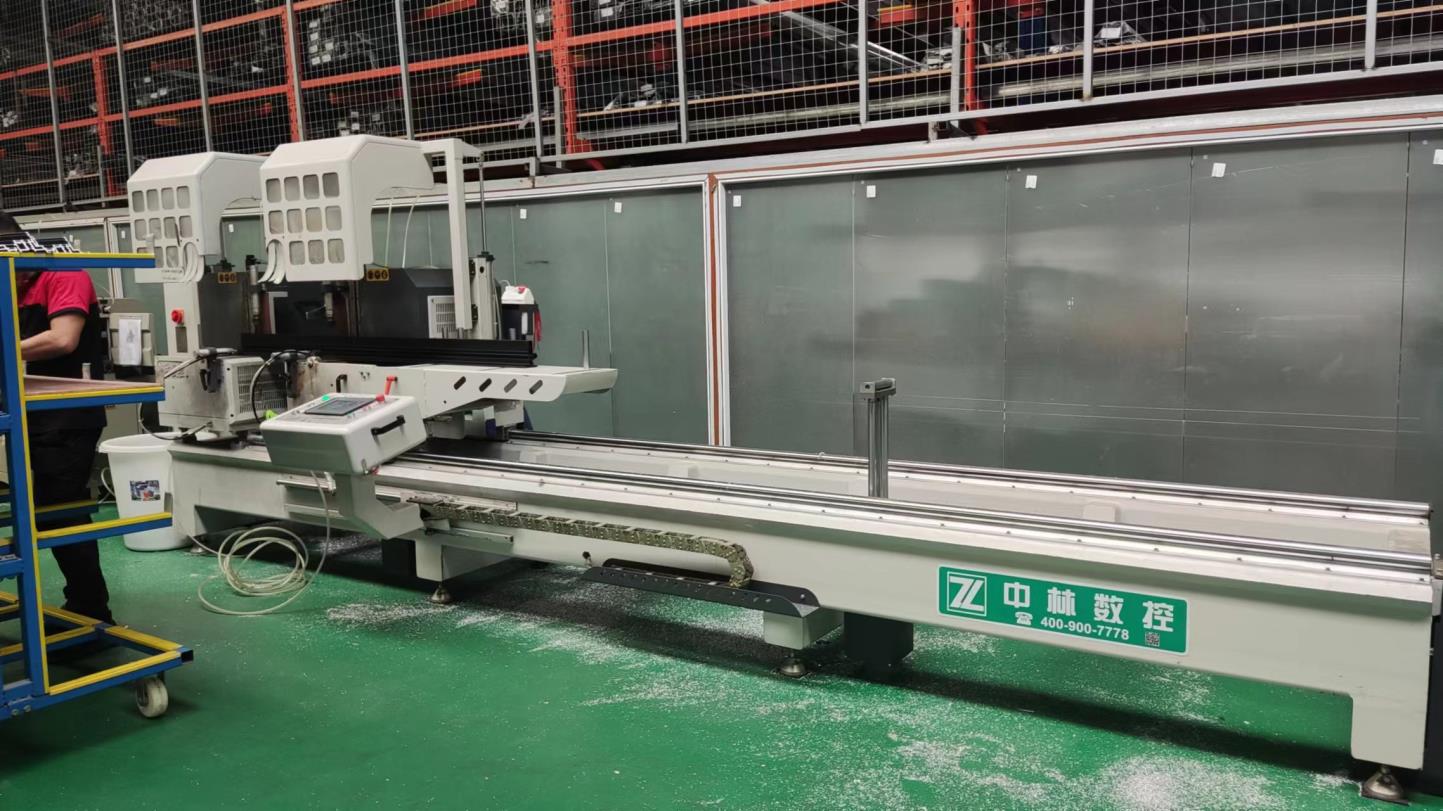
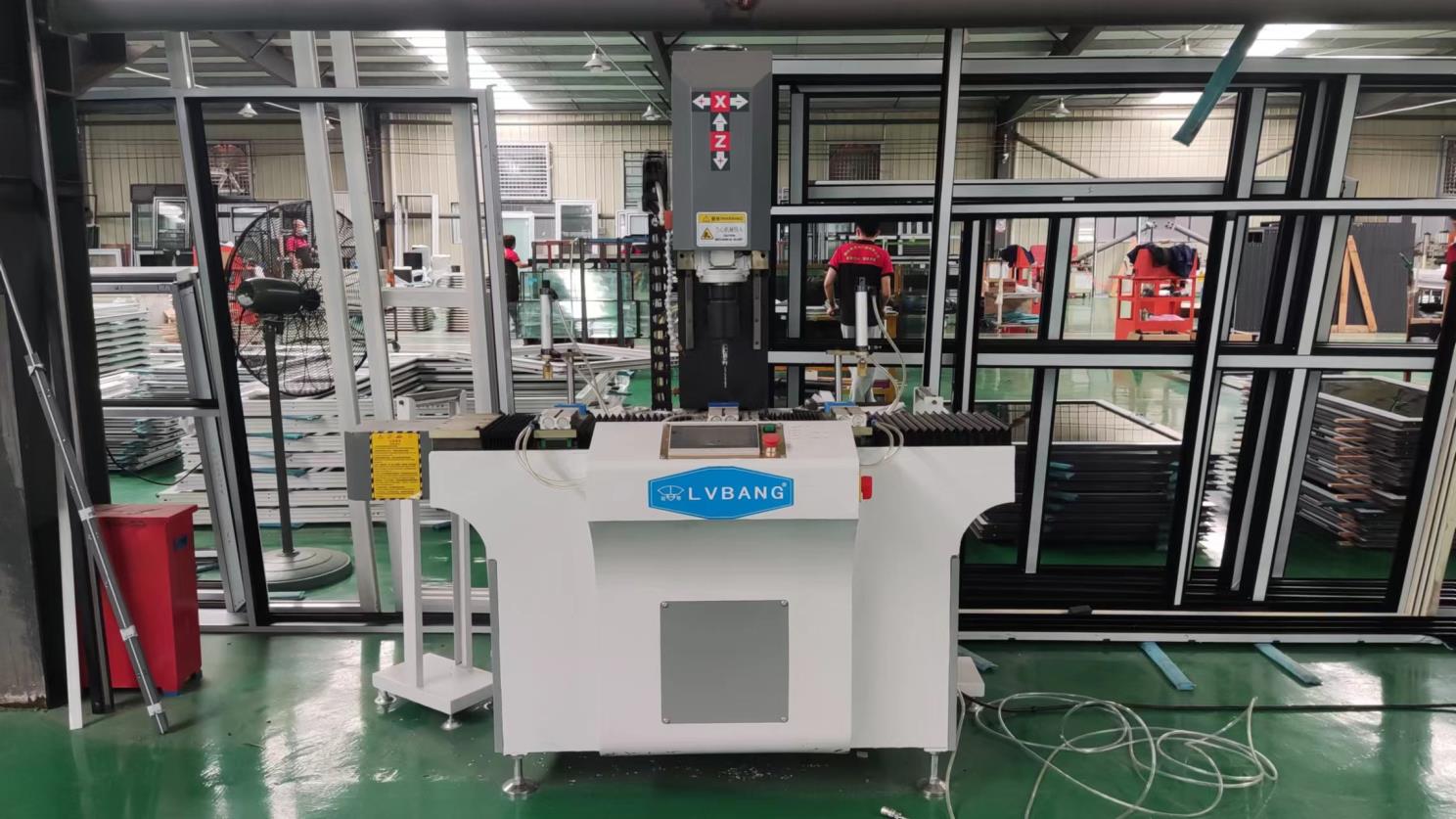
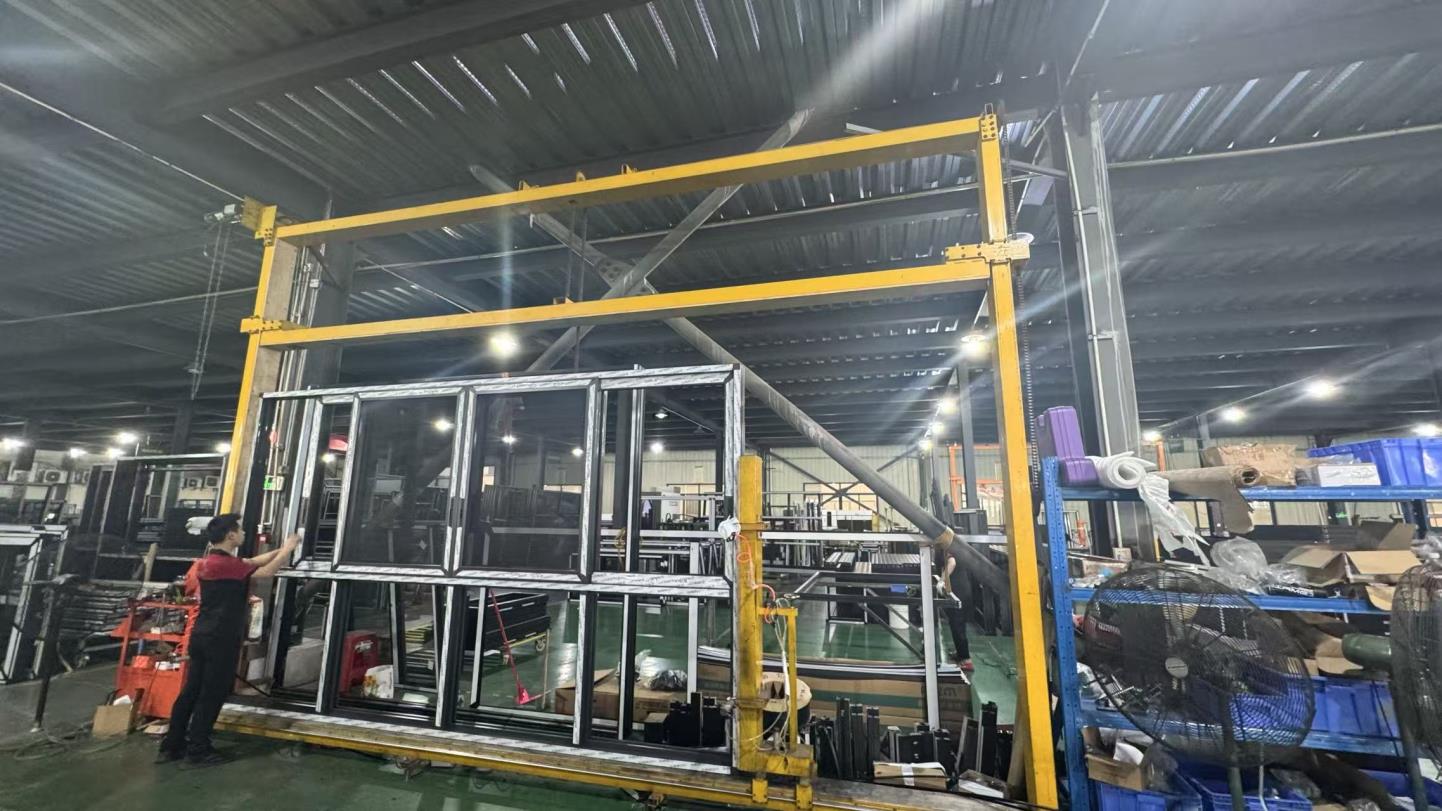
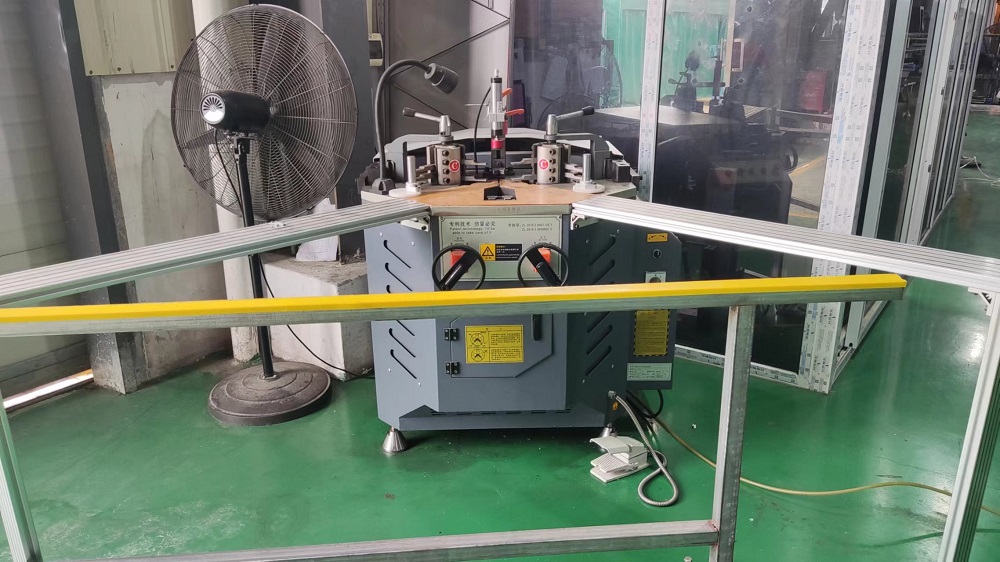
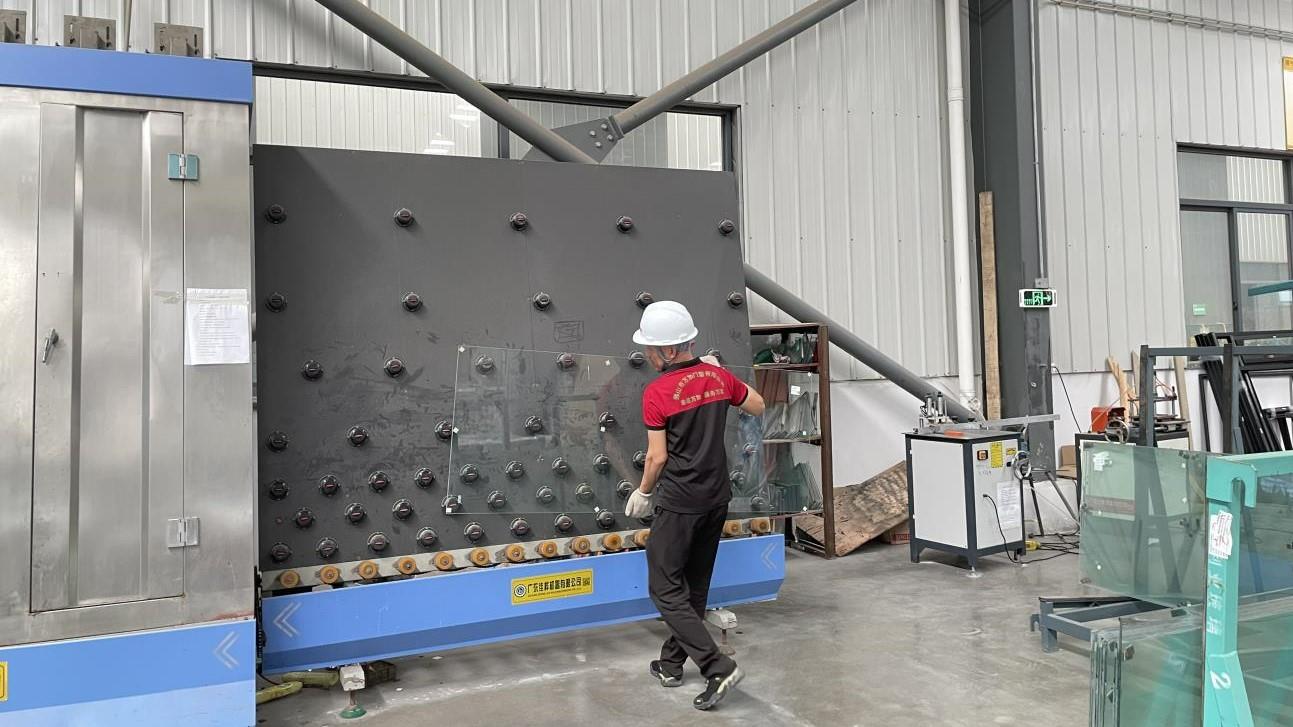
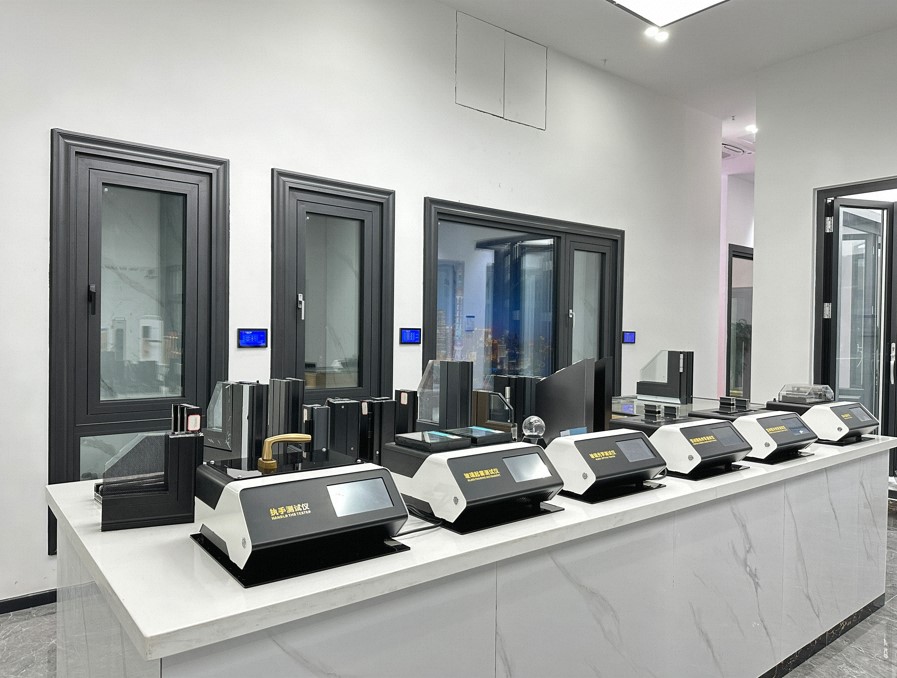
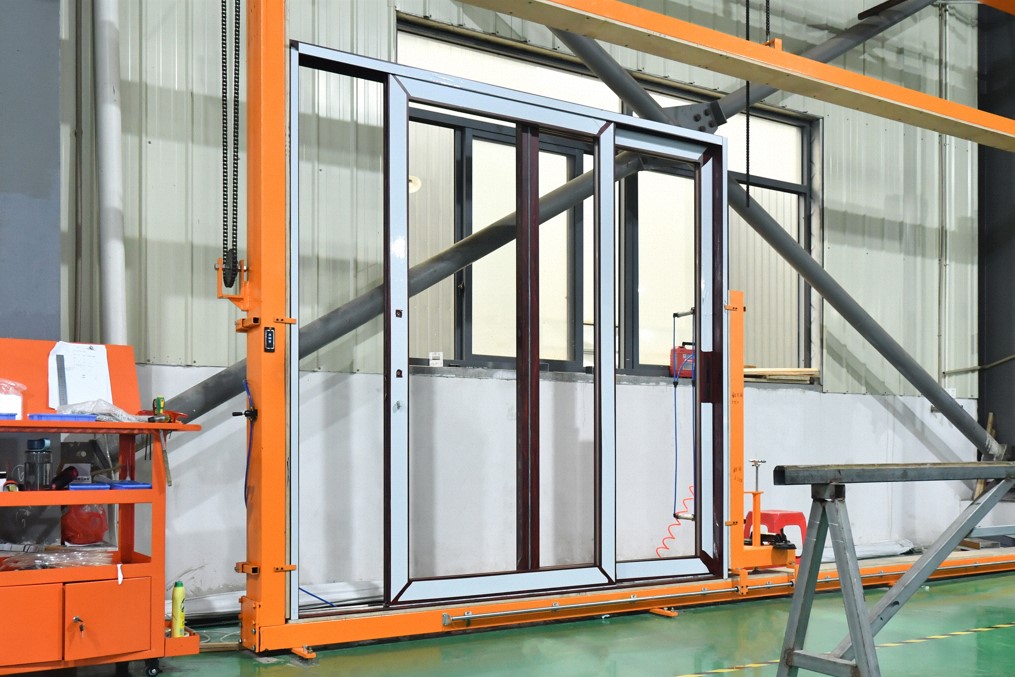
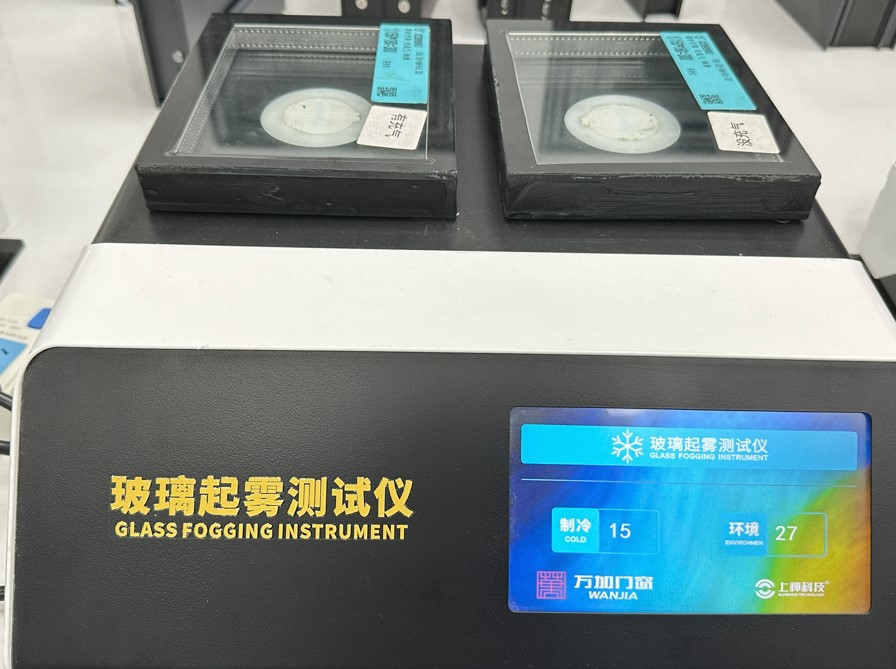
Our fenestration assemblies undergo aggressive third-party testing to guarantee structural, thermal, and code compliance across major global markets.
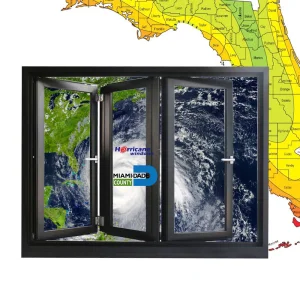
Full compliance with High-Velocity Hurricane Zones (HVHZ) requirements. Our systems hold Florida Notice of Acceptance (NOA) and Miami-Dade approvals, engineered to withstand large missile impact tests (ASTM E1886/E1996) and extreme cyclic wind pressure testing up to +/- 100 PSF. NFRC certified thermal ratings.
Engineered in compliance with Australian standard AS2047 for windows and external glazed doors in buildings, as well as AS1288 glass selection standards. Thoroughly evaluated for deflection, air infiltration, water penetration resistance, and ultimate strength tests.
Conforming to EN 14351-1 requirements, securing CE marking across the European Economic Area. Advanced options engineered to meet Passive House Institute (PHI) low-energy envelope standards, achieving thermal transmittance Uw ≤ 0.8 W/(m²K).
Thermal insulated aluminum door systems are tailored to distinct environmental conditions and spatial configurations. Fortisdor custom engineers frame dimensions, glass makeup, and dynamic sealing mechanisms to accommodate diverse project typologies globally.
Coastal applications face high humidity, continuous salt spray, and extreme storm cycles. Fortisdor utilizes 25-micron marine-grade anodized or PVDF fluorocarbon coatings to prevent aluminum pitting, combined with Miami-Dade certified impact-resistant laminated insulated glass to protect structures against severe hurricane winds.
In sub-zero regions across North America and Northern Europe, internal structural warmth must be retained continuously. Multi-chamber thermal break profiles with triple-glazed argon IGUs prevent thermal bridging, frost formation on interior frames, and indoor humidity condensation.
Oversized multi-panel bi-fold and multi-track stacker sliding doors demand extreme frame rigidity. Utilizing 6063-T5 aluminum alloys with high-tensile corner assembly crimping ensures effortless multi-panel operation, expansive uninterrupted views, and robust air/water tightness under elevated wind pressures.
Interior acoustic comfort is essential in luxury hotels and corporate headquarters. Integrated acoustic laminated glass panels reduce sound transmission ratings up to STC 45, suppressing urban noise pollution while maintaining sleek modern glass aesthetics.
The global architectural fenestration sector is experiencing rapid evolution driven by stringent energy efficiency codes, net-zero carbon building initiatives, and advancements in smart home automation. Fortisdor remains ahead of these developments through continuous product iteration.
Governments across North America and Europe are tightening building energy conservation codes, mandating lower thermal transmittance values. The industry standard is shifting rapidly from standard dual-pane glass to low-conductance triple thermal break systems integrated with aerogel-infused insulating cores.
Contemporary architectural trends favor maximum natural daylighting and concealed framing elements. Modern manufacturing methods now allow structural aluminum frames to maintain extreme narrow profile sightlines without sacrificing structural moment of inertia, wind load resistance, or thermal insulation capabilities.
Modern entry door systems are transitioning into smart security hubs. Modern OEM manufacturing incorporates hidden electronic multi-point lock systems, motorized automatic opening drives, biometric fingerprint recognition, and wireless integration into centralized smart building management platforms.
Direct answers to crucial procurement, technical, and structural questions raised by developers, general contractors, and wholesalers.
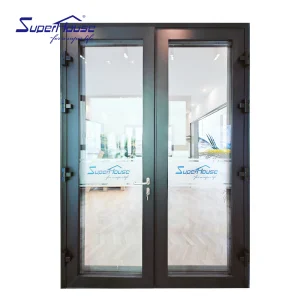
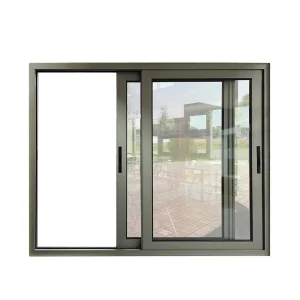
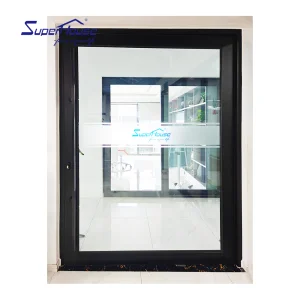
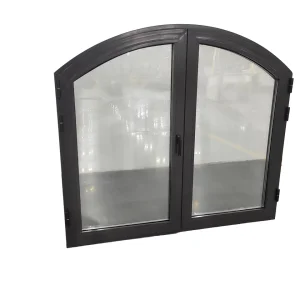
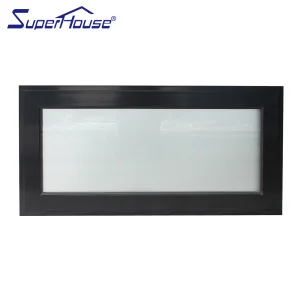
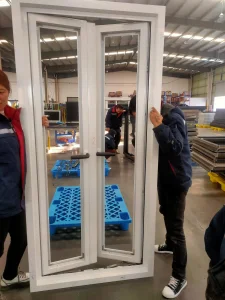
Explore our specialized awning, pivot, bi-fold, and heavy-duty hinged exterior aluminum systems.
 Fortisdor