Explore our flagship, energy-efficient fenestration engineered for international commercial projects, residential luxury real estate, and extreme climate applications.
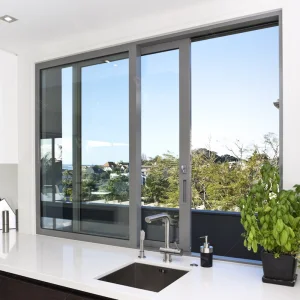
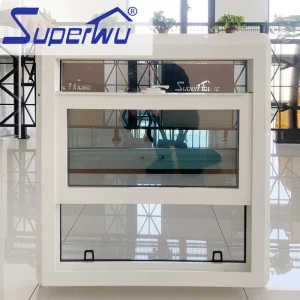
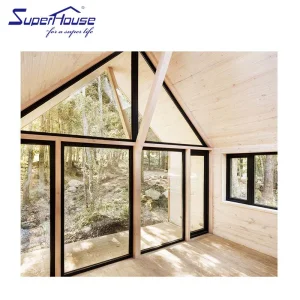
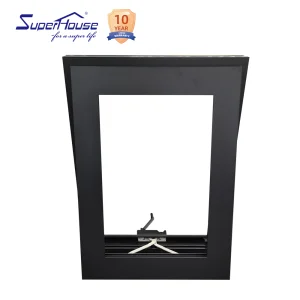
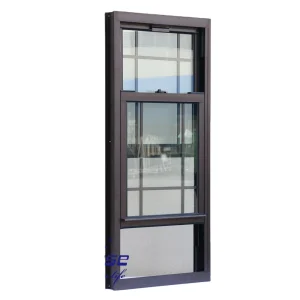
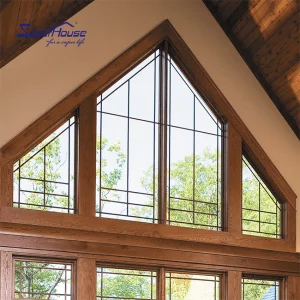
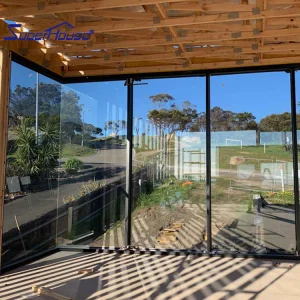
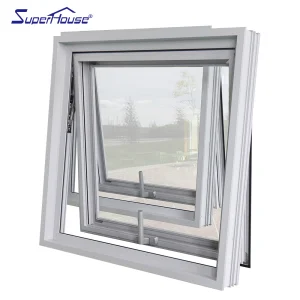
In the era of stringent global decarbonization targets and high-performance architectural envelopes, selecting an authoritative Chinese manufacturing partner for high-end fenestration is a strategic imperative for global developers, general contractors, and building material distributors. Established in 2004, Fortisdor Security Doors Co., Ltd. stands at the forefront of this sector as a premiere manufacturer of engineered thermal-break aluminum entry systems and architectural door solutions. Operating out of a state-of-the-art 32,000 m² industrial facility, Fortisdor integrates cutting-edge German CNC engineering with lean digital production frameworks.
With 20 years of door manufacturing expertise and 8 years of dedicated international export specialization, Fortisdor commands a robust market presence across North America, the European Union, the United Kingdom, Australia, and the Middle East. Backed by a vast tier-one supply chain network of over 950 qualified raw material and component suppliers, the company enforces unyielding quality governance. Quality assurance is executed by a specialized team of 40 certified Quality Control (QC) inspectors enforcing rigorous multi-stage protocols, including spectral raw material validation, automated laser frame alignment checks, dynamic seal pressure tests, and 1,000-hour salt-spray corrosion resistance evaluations.
Fortisdor’s internal innovation engine is driven by a formidable R&D division comprising 50 experienced engineering professionals. In the previous calendar year alone, this team developed and successfully deployed 140 new door and window design patents. OEM and ODM commercial customizations encompass Polyamide (PA66 GF25) thermal-break structural aluminum profiles, multi-point biometric electronic locking integration, high-STC soundproofing insulation cores, and architectural fluorocarbon (PVDF) or powder-coated surface treatments designed to withstand marine and extreme atmospheric environments.
The traditional perspective of aluminum doors as simple thermal conductors has been completely revolutionized by modern material science. Thermal insulation performance in contemporary entrance systems hinges on three vital architectural metrics: minimizing overall thermal transmittance (U-Factor / U-value), eliminating thermal bridges, and optimizing air permeability (airtightness).
Standard aluminum frames exhibit high thermal conductivity (~200 W/mK). China's leading exporters utilize multi-chambered structural thermal breaks constructed from Polyamide PA66 reinforced with 25% fiberglass (PA66-GF25). These structural struts reduce aluminum frame conductivity to under 0.3 W/mK, maintaining mechanical stability while effectively interrupting conductive heat flow between exterior ambient surfaces and interior living zones.
Beyond profile design, the hollow cavities within the door leaf matrix are pressurized with high-density polyurethane (PU) foam, expanded polystyrene (EPS), or cutting-edge Silica Aerogel insulation matrices. Aerogel infill provides ultra-low thermal conductivity (~0.015 W/mK), enabling ultra-thin door profiles to achieve Passive House performance metrics (U-Factor ≤ 0.8 W/m²K) without sacrificing structural rigidity or structural depth.
For front doors incorporating vision lights or full-height glass inserts, China’s tier-1 factories implement triple-glazed Low-Emissivity (Low-E) units charged with 90%+ Argon gas or next-generation Vacuum Insulated Glass (VIG). VIG replaces the gas layer with a microscopic vacuum gap, eliminating convective and conductive heat transfer across the glazing pane while blocking up to 99% of solar ultraviolet radiation.
Air infiltration can degrade an insulated door’s net system efficiency by up to 40%. Chinese export manufacturers utilize continuous co-extruded EPDM (Ethylene Propylene Diene Monomer) gasket systems featuring vulcanized 3D corner joints. Four-tiered compression seals surround the perimeter, delivering superior wind pressure resistance, weatherproofing, and acoustic insulation (STC 42-48 dB).
| Thermal Technology Tier | Typical U-Factor (W/m²K) | Acoustic Rating (STC) | Ideal Application Scenario | Primary Material Matrix |
|---|---|---|---|---|
| Standard Thermal Break | 1.8 - 2.2 | STC 32 - 35 | Moderate Temperate Climates | 14.8mm PA66 Struts + PU Foam Core |
| High-Efficiency Commercial | 1.2 - 1.5 | STC 36 - 40 | High-Rise Residential / Hotels | 24mm PA66-GF25 + Triple Low-E Argon |
| Ultra Passive House Spec | 0.6 - 0.8 | STC 42 - 48+ | Extreme Cold / Zero-Energy Buildings | 34mm Multi-Chamber PA66 + Aerogel + VIG |
Modern architectural requirements demand tailored engineering solutions that address distinct geographic, climatic, and structural constraints. Top-tier Chinese manufacturers optimize their product lines for specific vertical markets:
Designed to comply with rigorous EU Passive House Institute (PHI) and US ENERGY STAR® specifications. These front entry systems feature deep-frame profiles (≥90mm depth), thermally isolated drop-down threshold seals, and custom air-barrier interfaces to eliminate envelope air leaks completely.
Engineered specifically for coastal zones in Florida, the Caribbean, and East Asia subject to high wind velocity and salt corrosion. Products incorporate heavy-duty structural extruded aluminum (6063-T6 alloy), hurricane-rated laminated impact glass, and marine-grade PVDF coatings tested to withstand 3,000+ hours of ASTM B117 salt spray exposure.
Targeting luxury residential developments and modern corporate headquarters. Integrates seamless smart building automation, keyless 3D biometric facial recognition, RFID access control, motorized automatic opening hardware, and high-frequency cyclical durability testing (>200,000 operation cycles).
Navigating international building codes is a critical factor for successful cross-border procurement. Leading Chinese factories prioritize compliance, subjecting their door and window systems to third-party testing in accredited international laboratories:
Products exported to North America are certified under the National Fenestration Rating Council (NFRC) for U-Factor, Solar Heat Gain Coefficient (SHGC), and Visible Transmittance (VT). For coastal storm zones, select thermal door lines carry Notice of Acceptance (NOA) certification from Miami-Dade County, passing ASTM E1886/E1996 large missile impact testing.
European exports maintain compliance with the CE Mark under EN 14351-1 performance criteria. Testing includes wind load resistance (EN 12210), watertightness (EN 12208), air permeability (EN 12207), and burglar resistance up to RC3/RC4 ratings under DIN EN 1627 standards.
Exports to Australia and New Zealand meet AS2047 structural fenestration requirements and AS1288 safety glass regulations, undergoing rigorous deflection, operating force, water penetration, and ultimate strength evaluations.
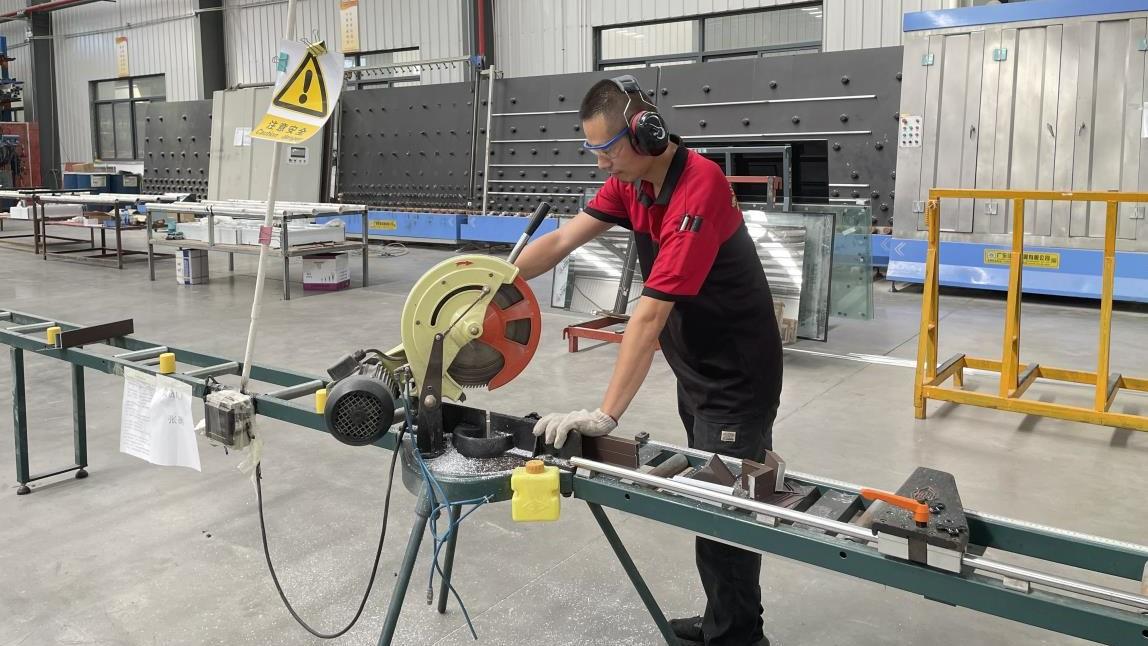
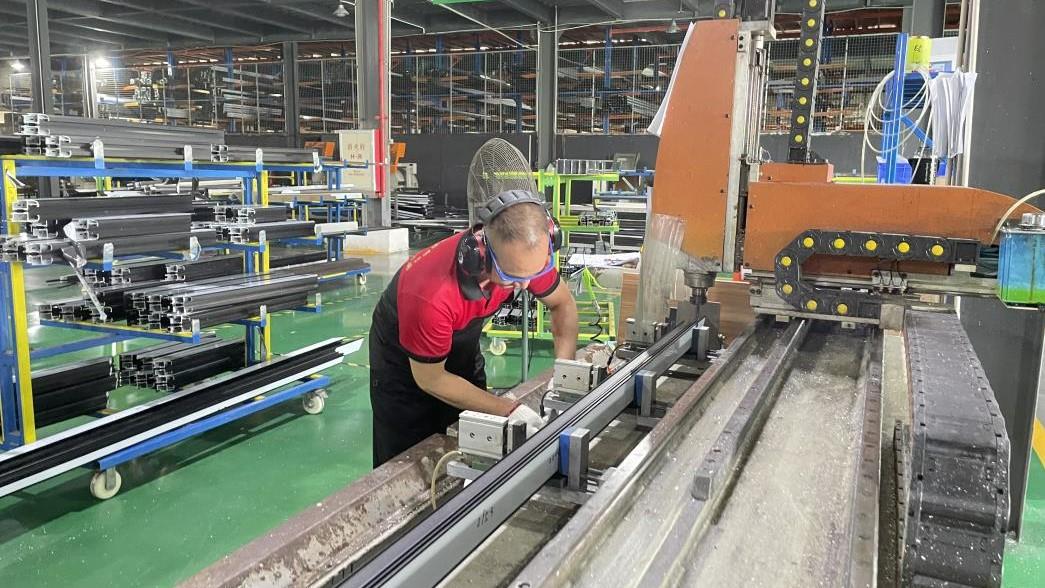
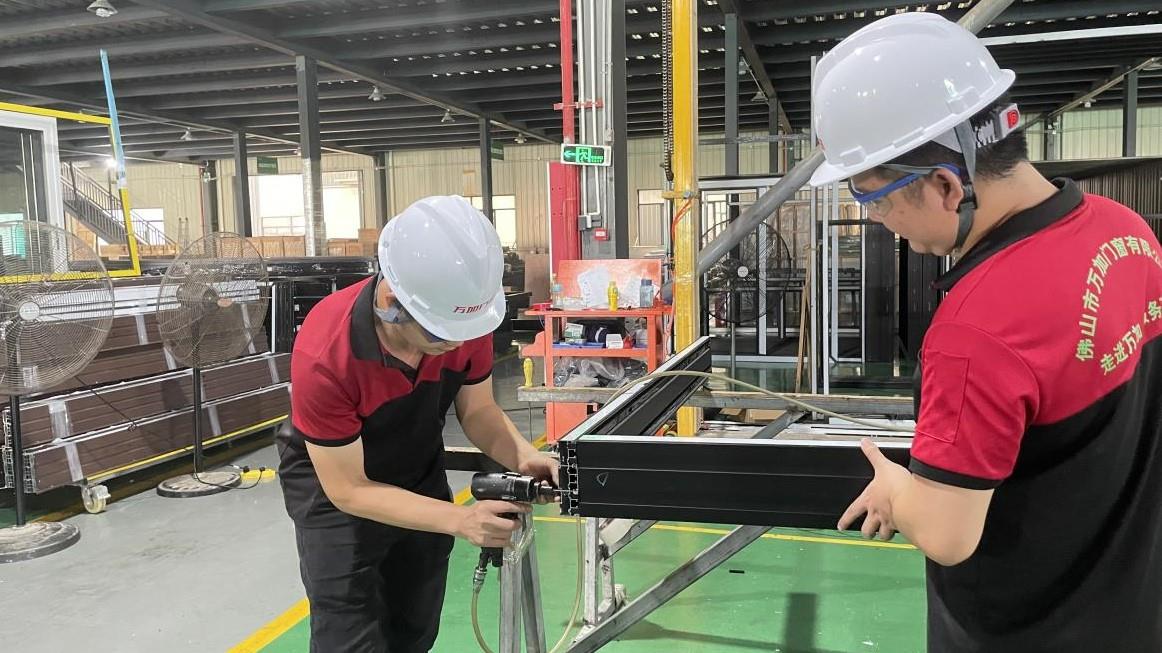
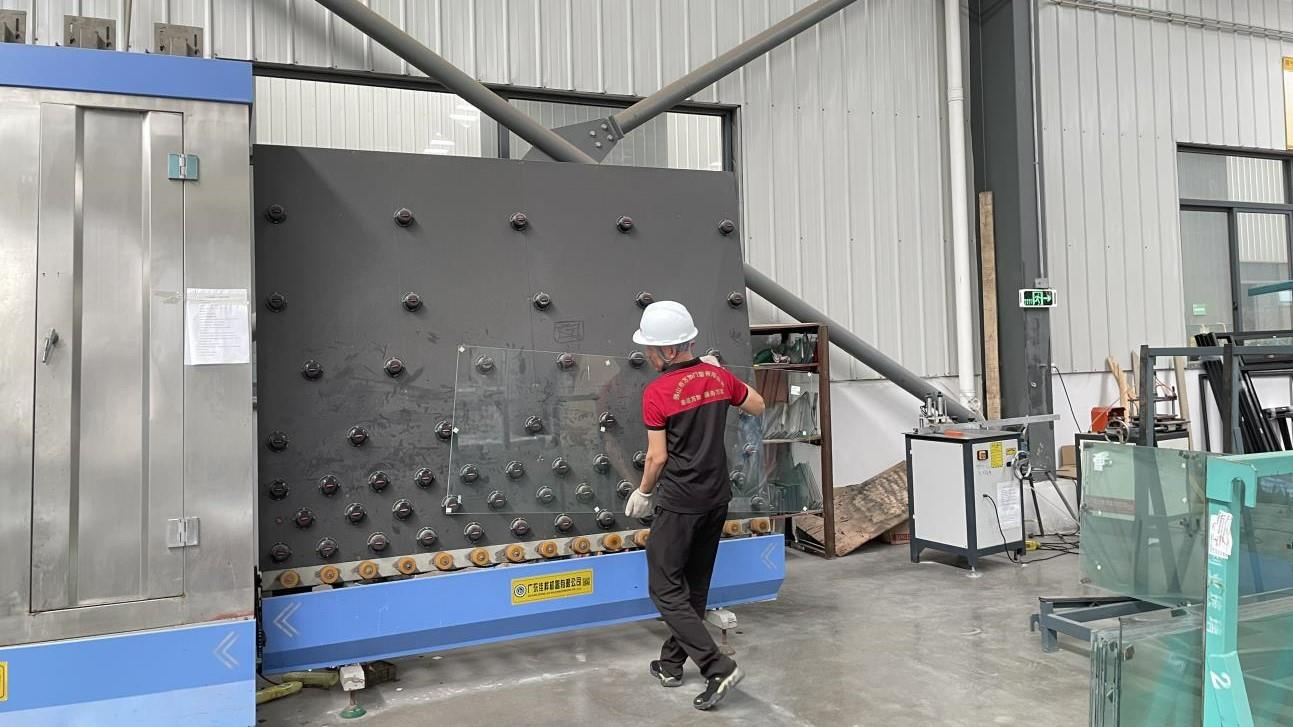
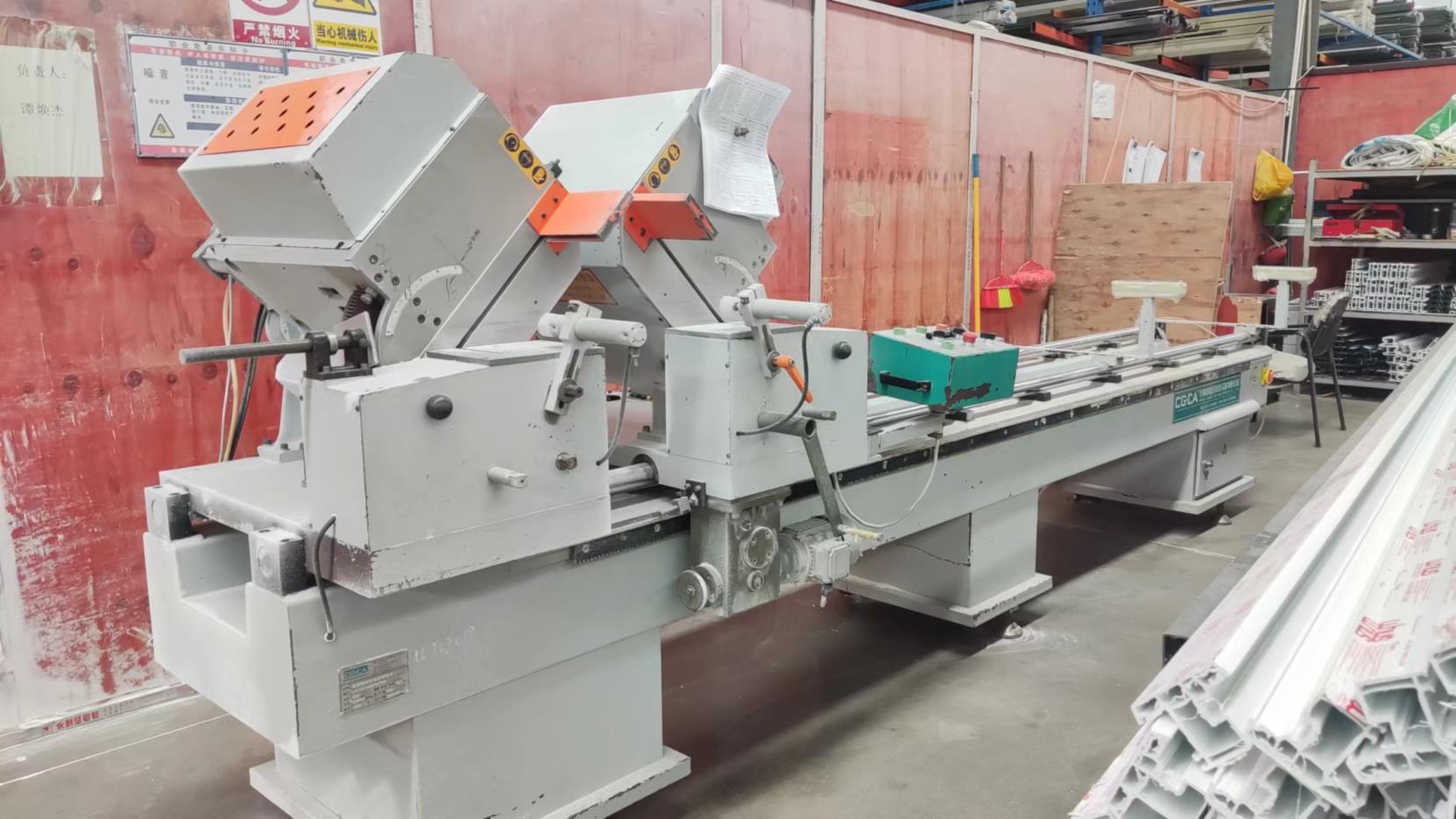
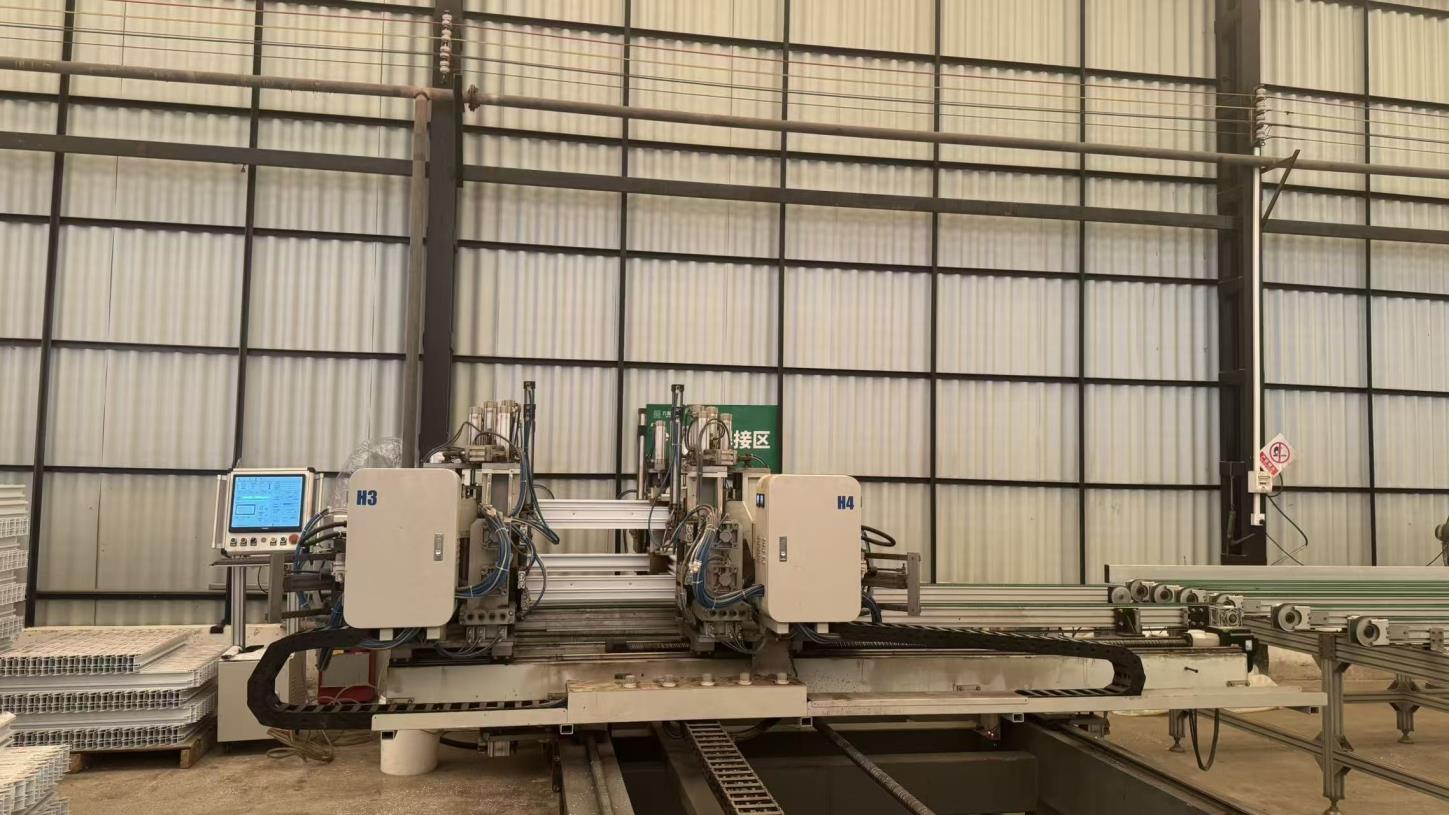
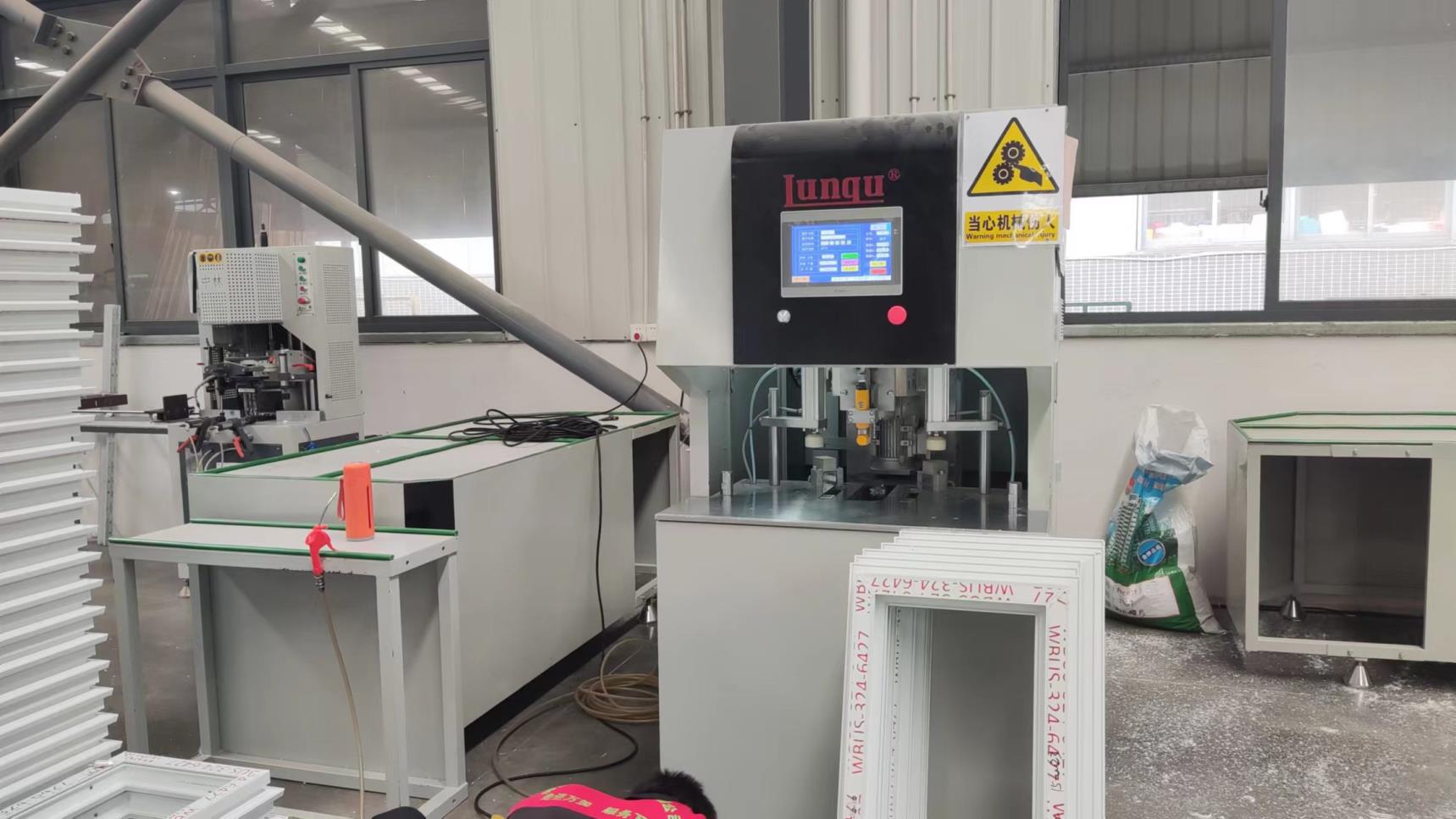
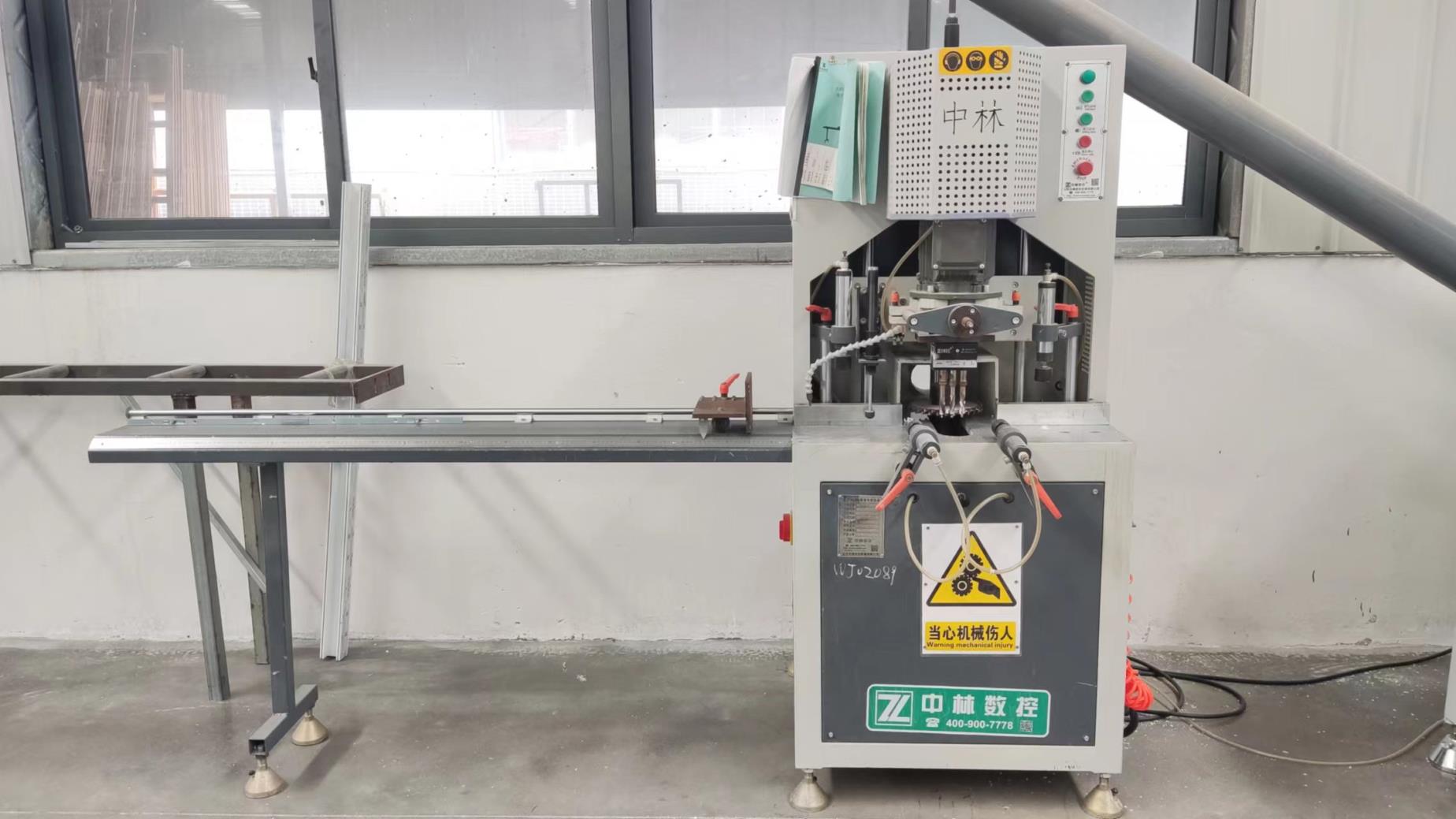
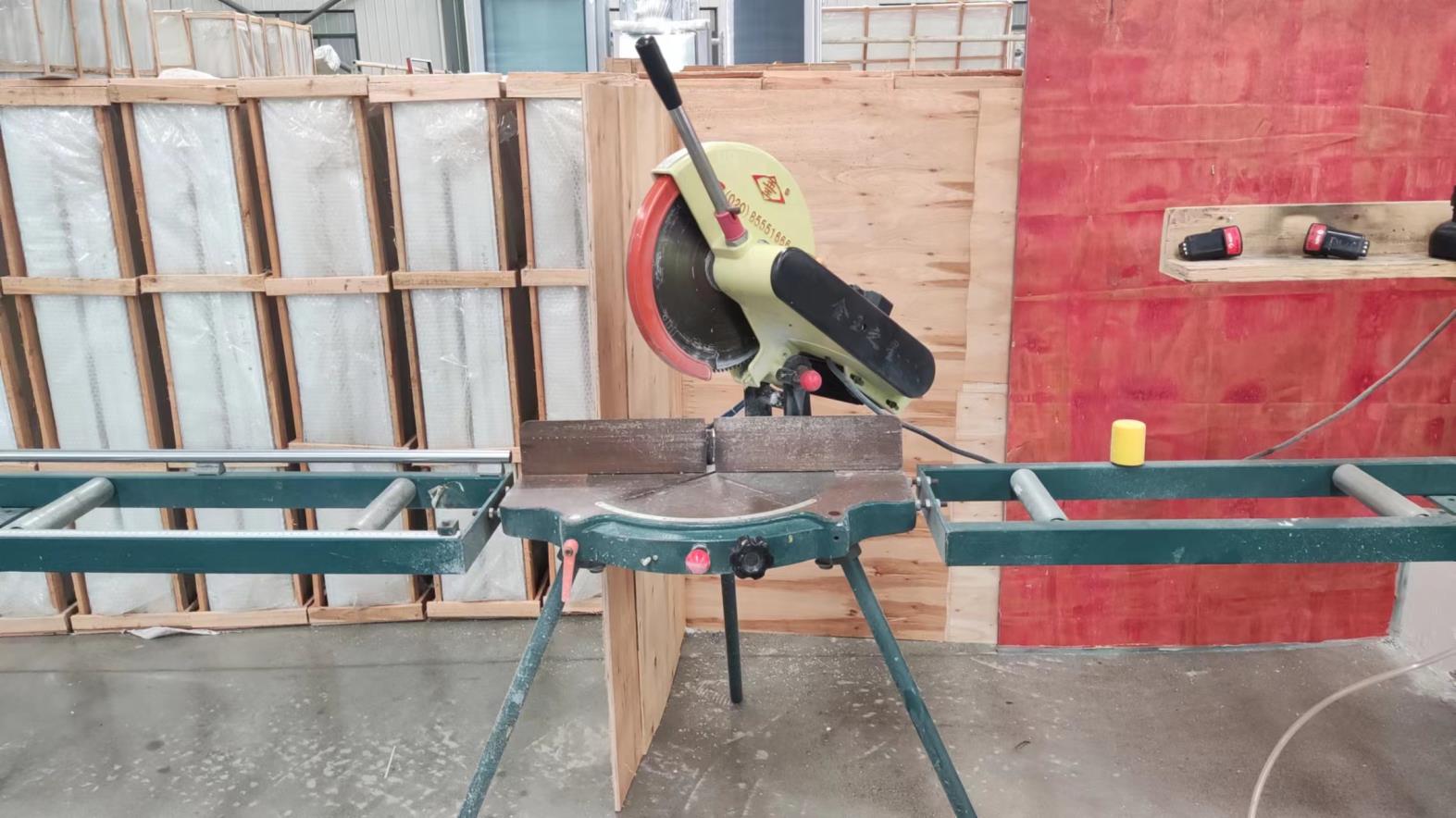
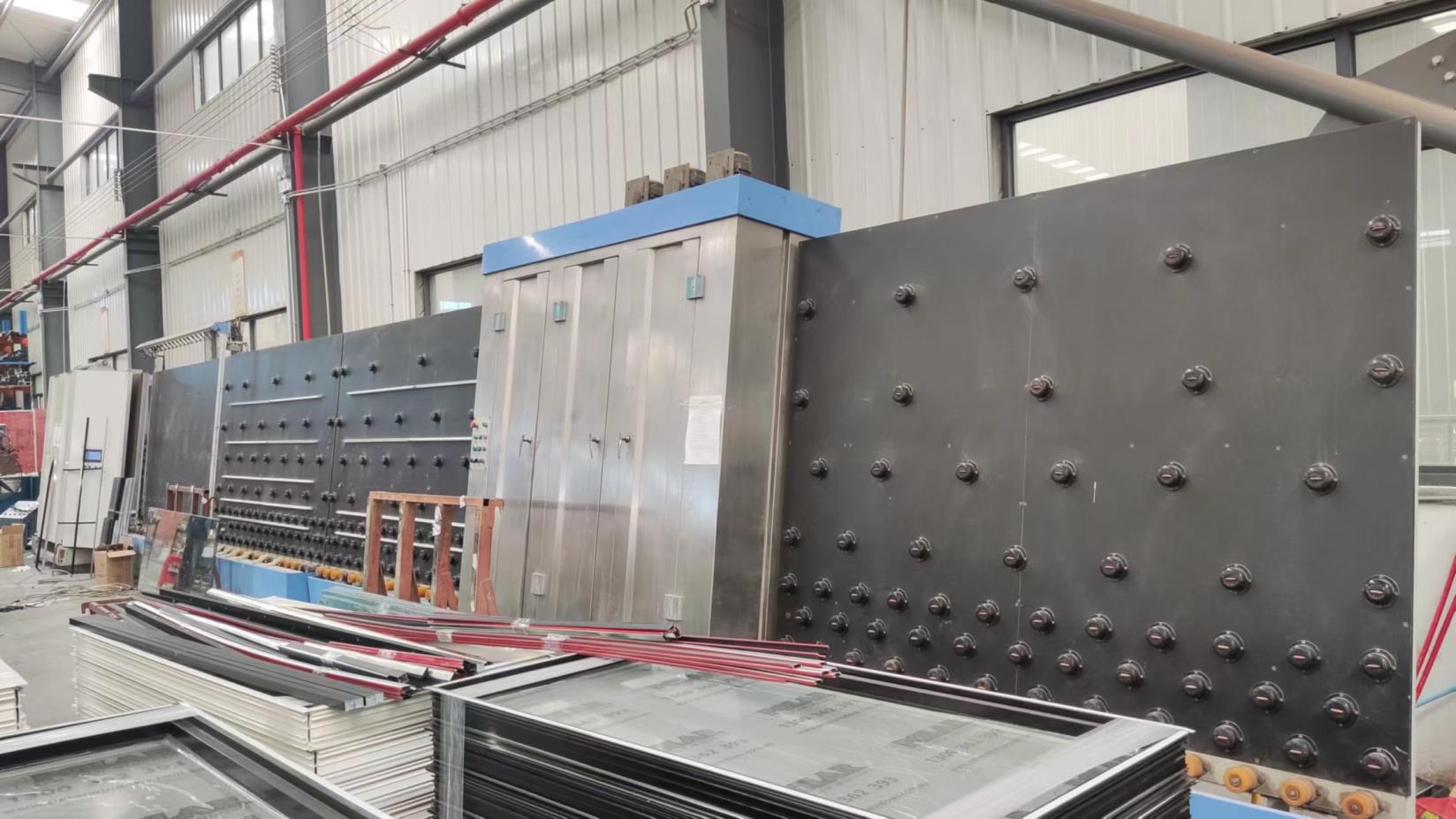
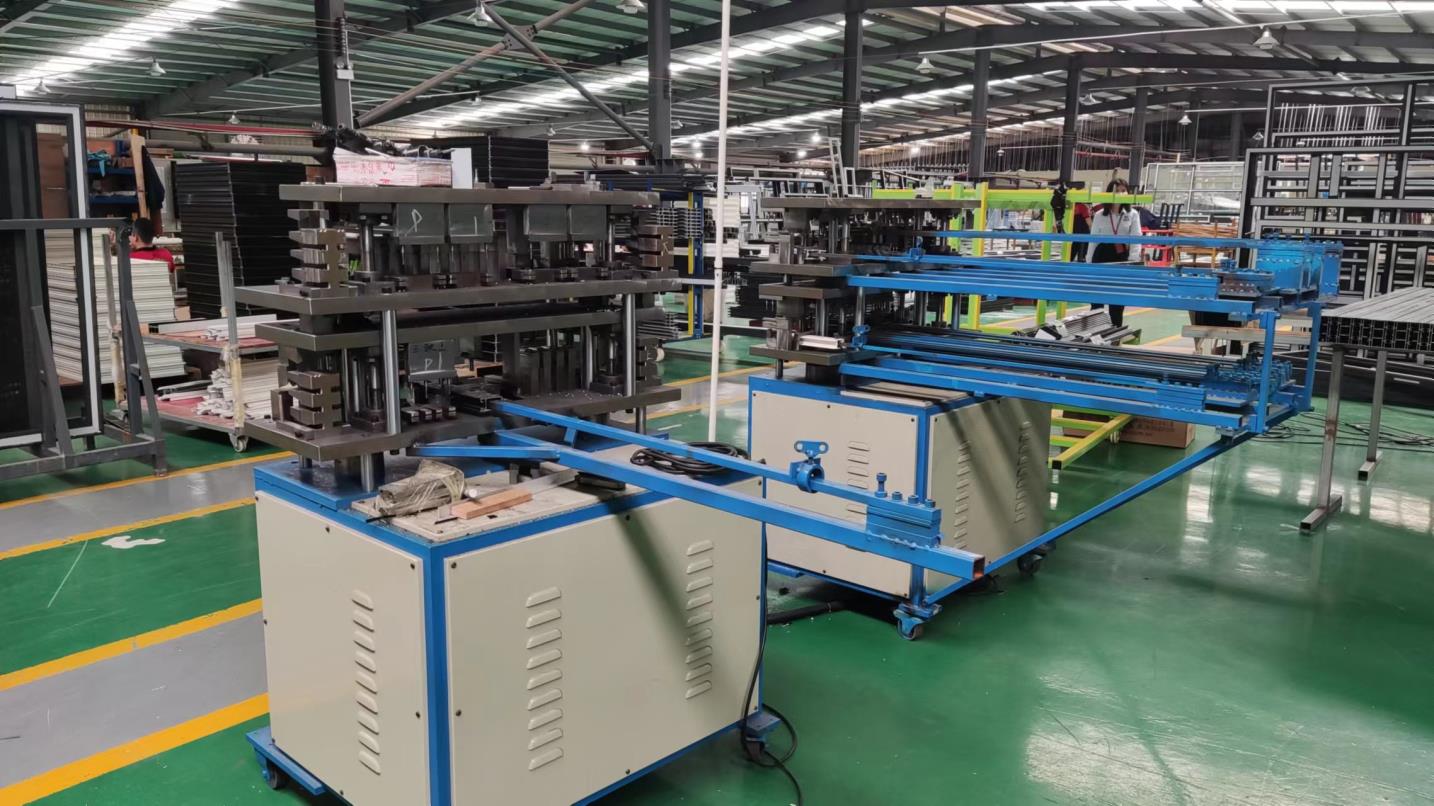
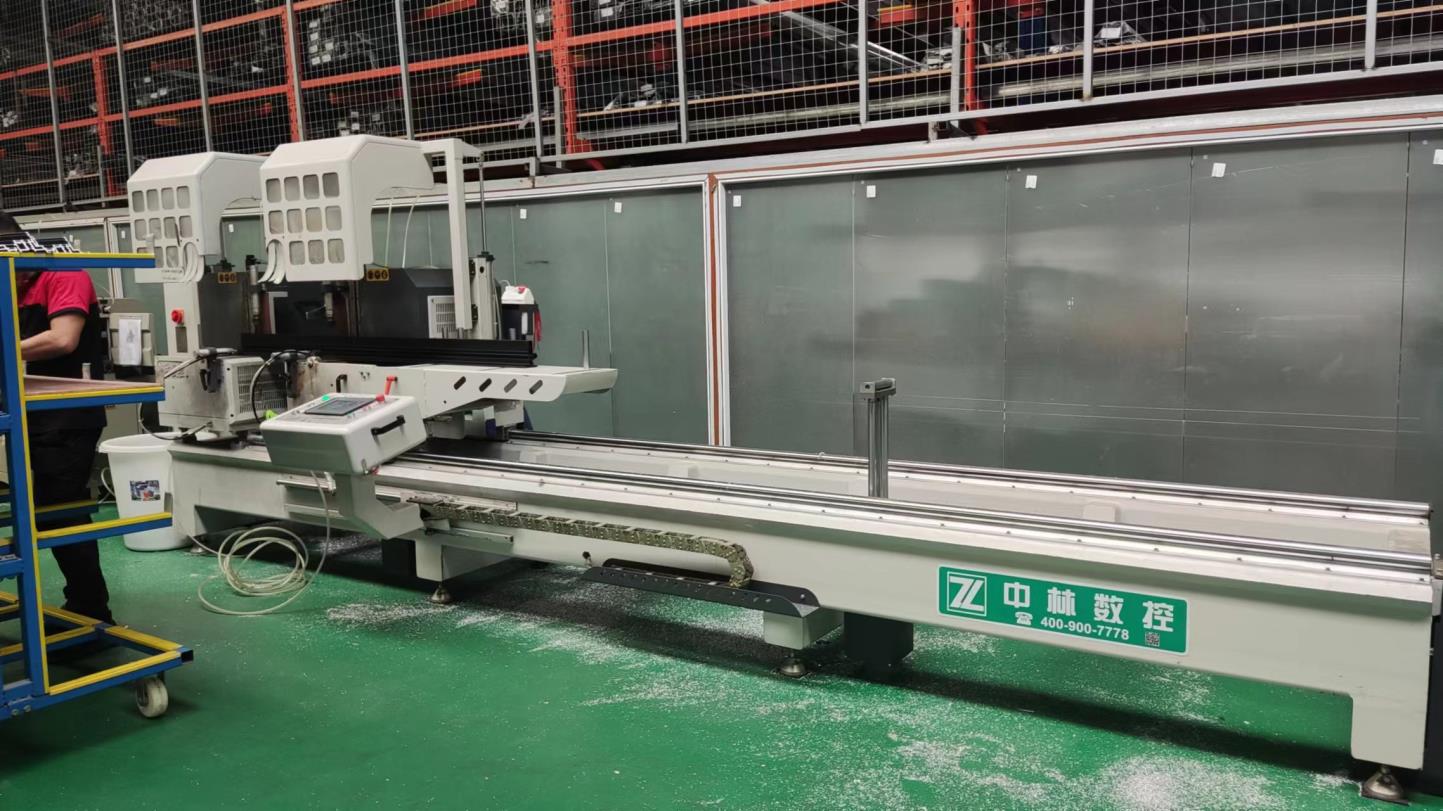
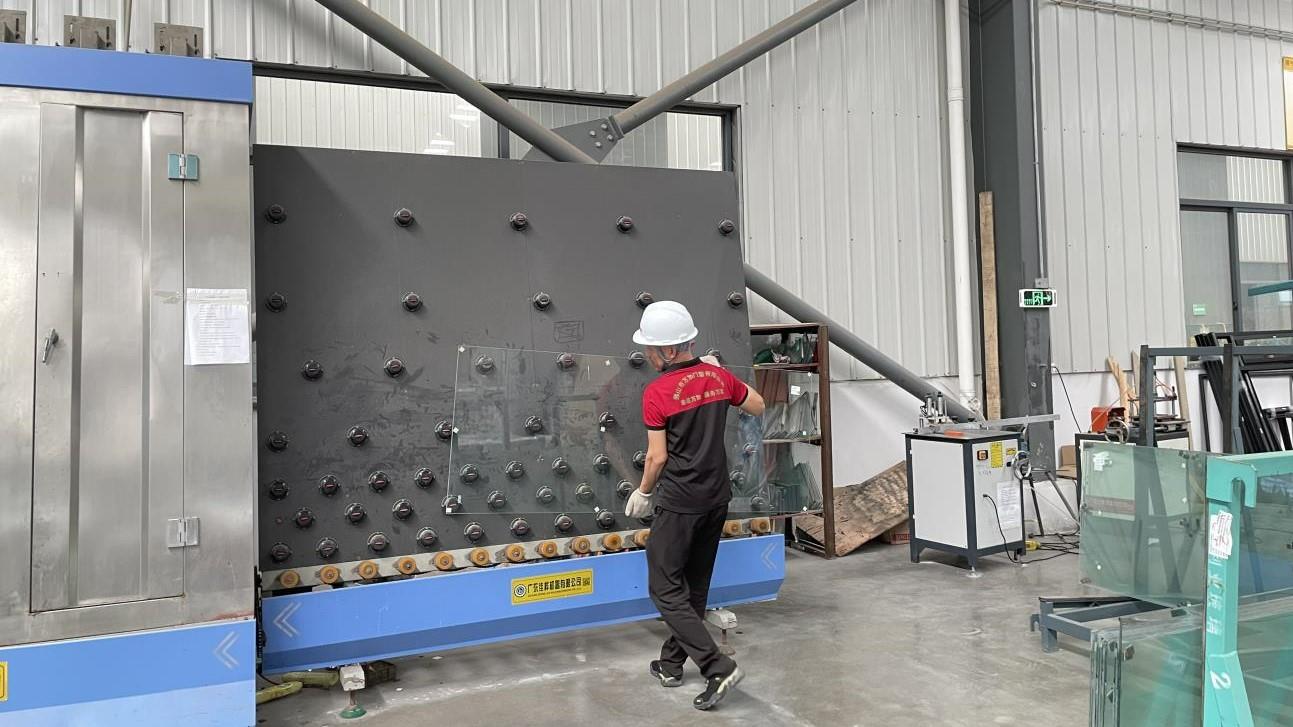
China’s dominance in high-end insulated aluminum fenestration stems from robust industrial cluster integration and heavy capital investment in smart factory robotics. Premier manufacturing centers, such as Fortisdor’s 32,000 m² campus, operate advanced CNC production machinery ensuring sub-millimeter tolerances.
Every door leaf and outer frame undergoes an end-to-end engineered production sequence to guarantee zero structural defect leakage:
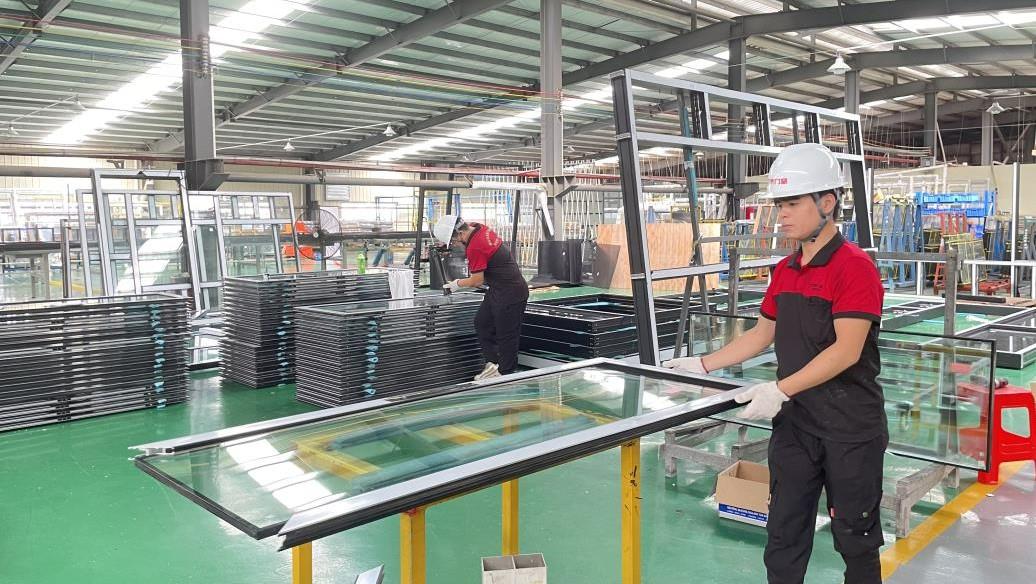
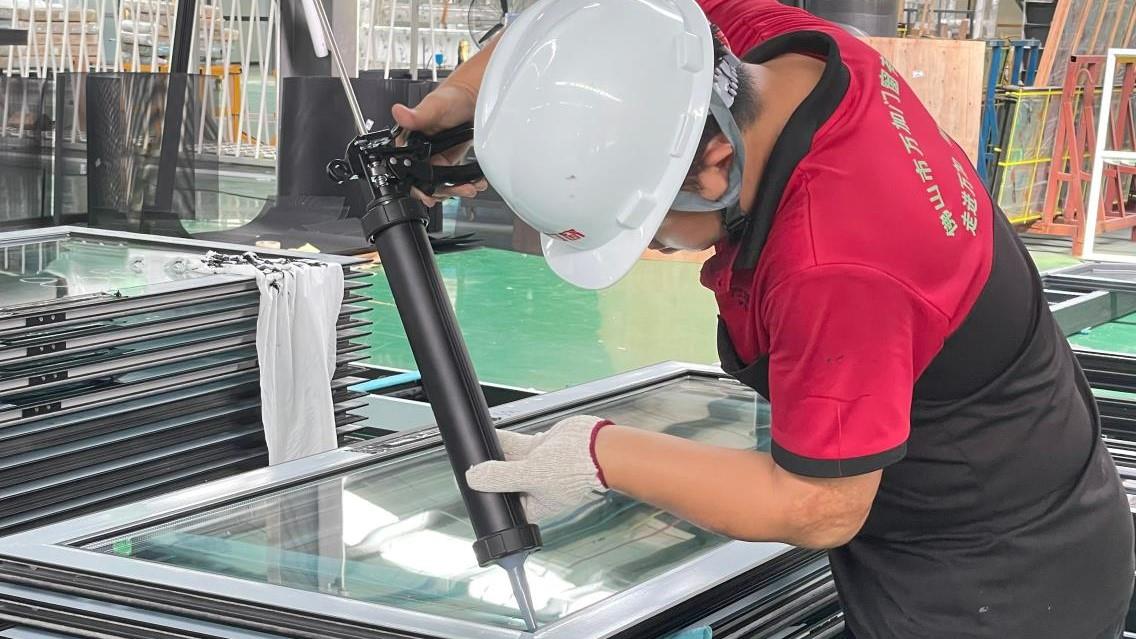
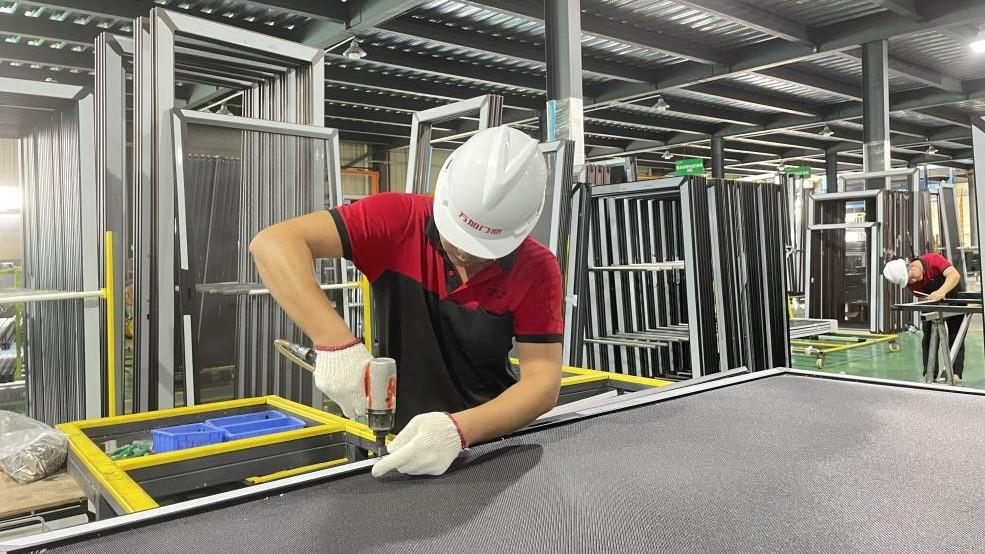
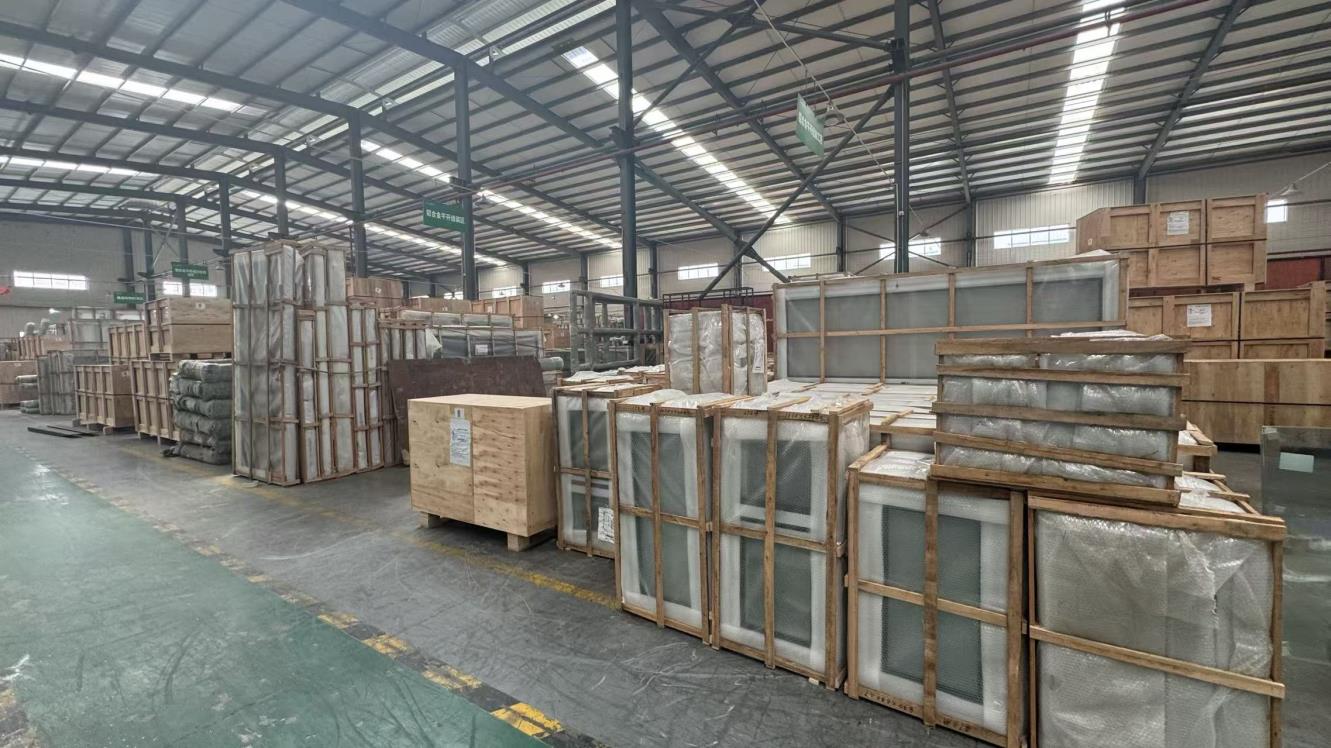
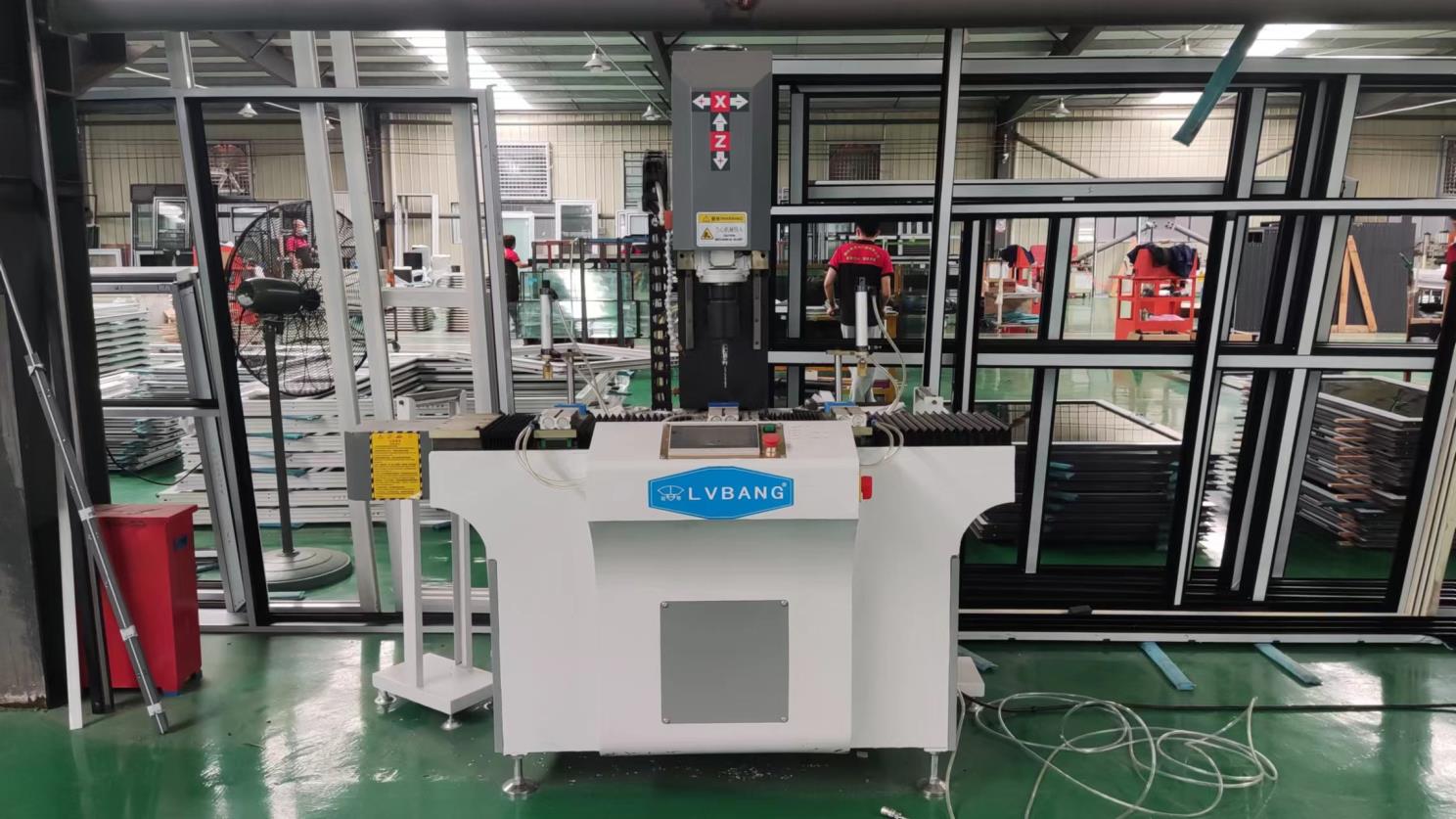
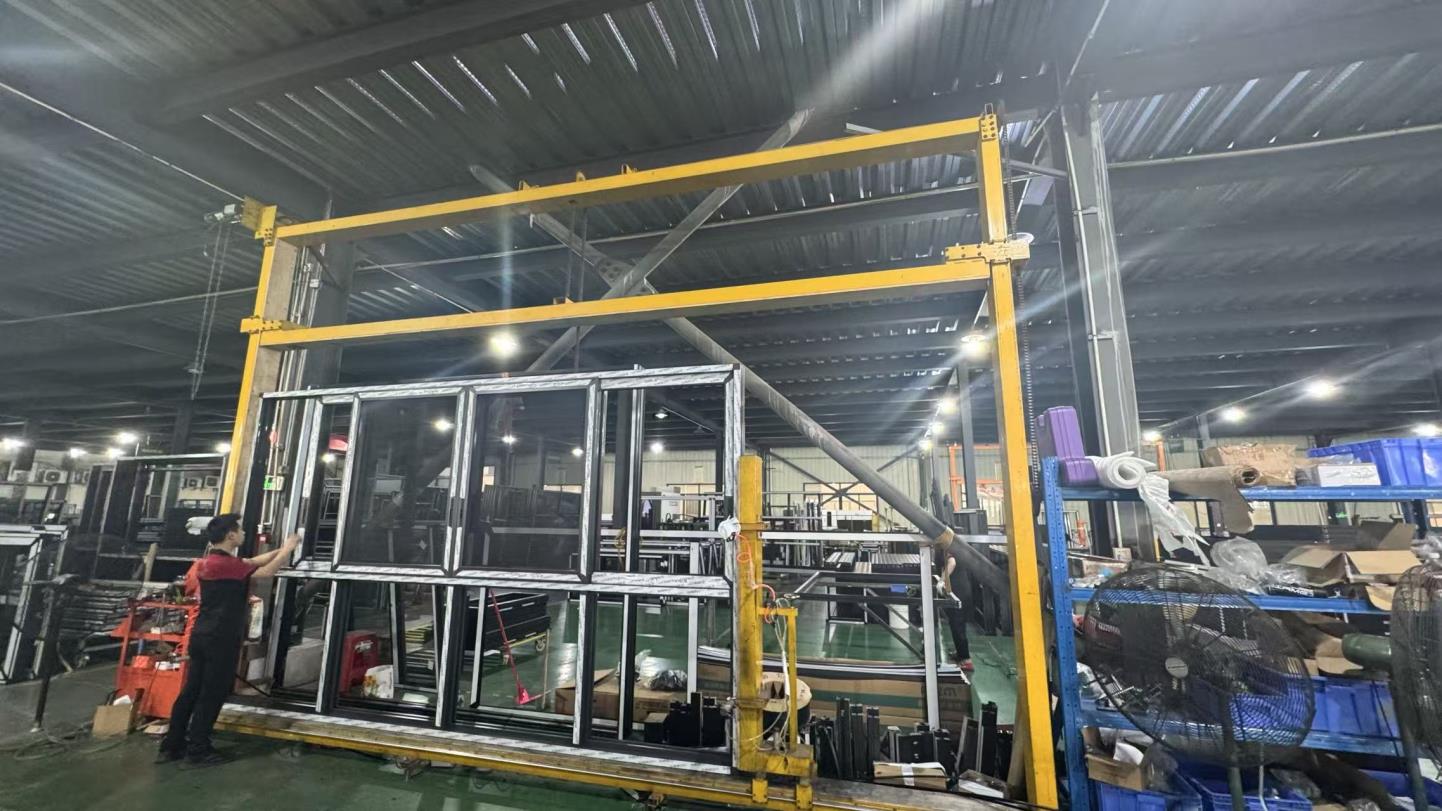
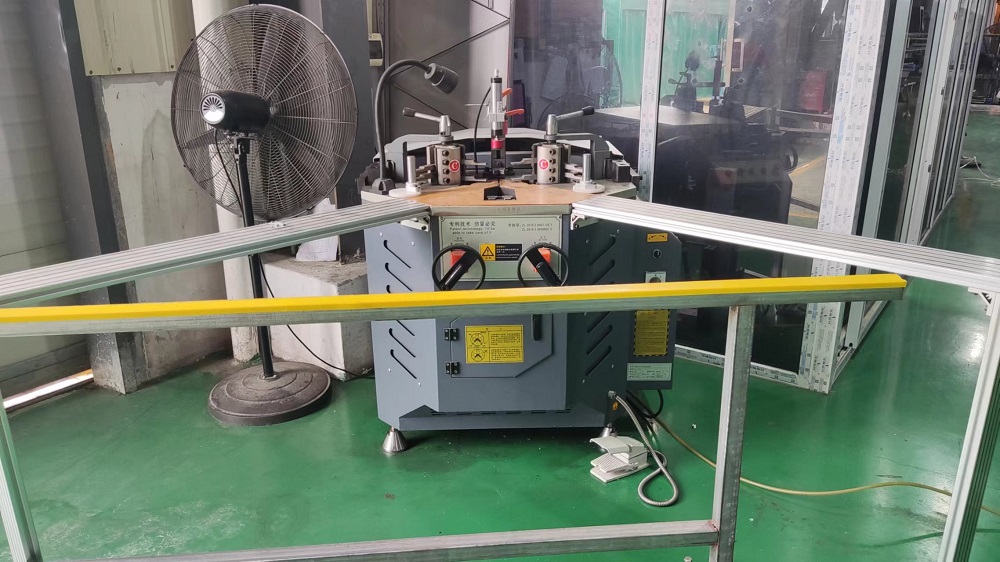
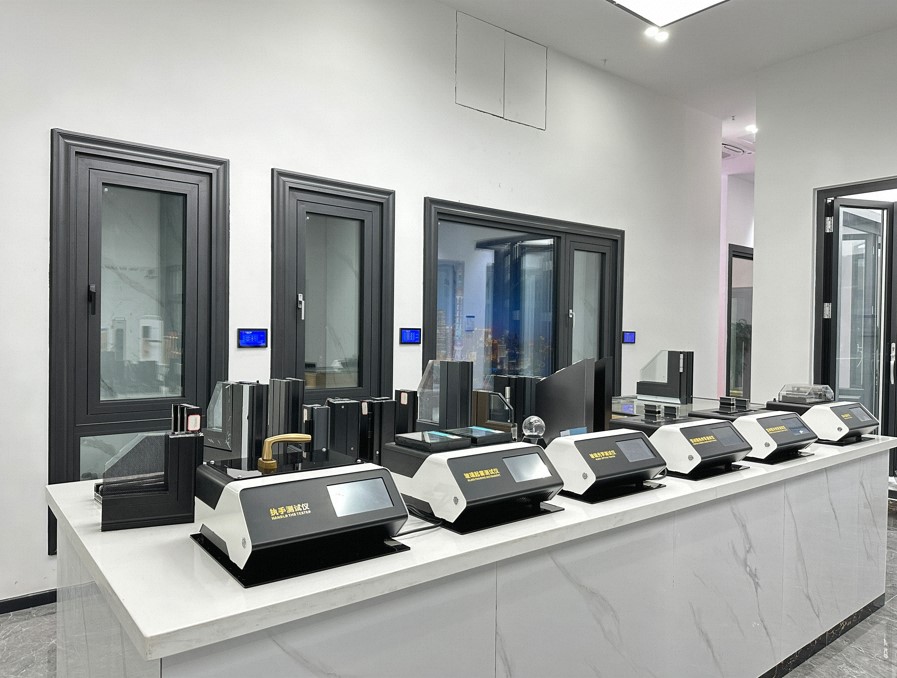
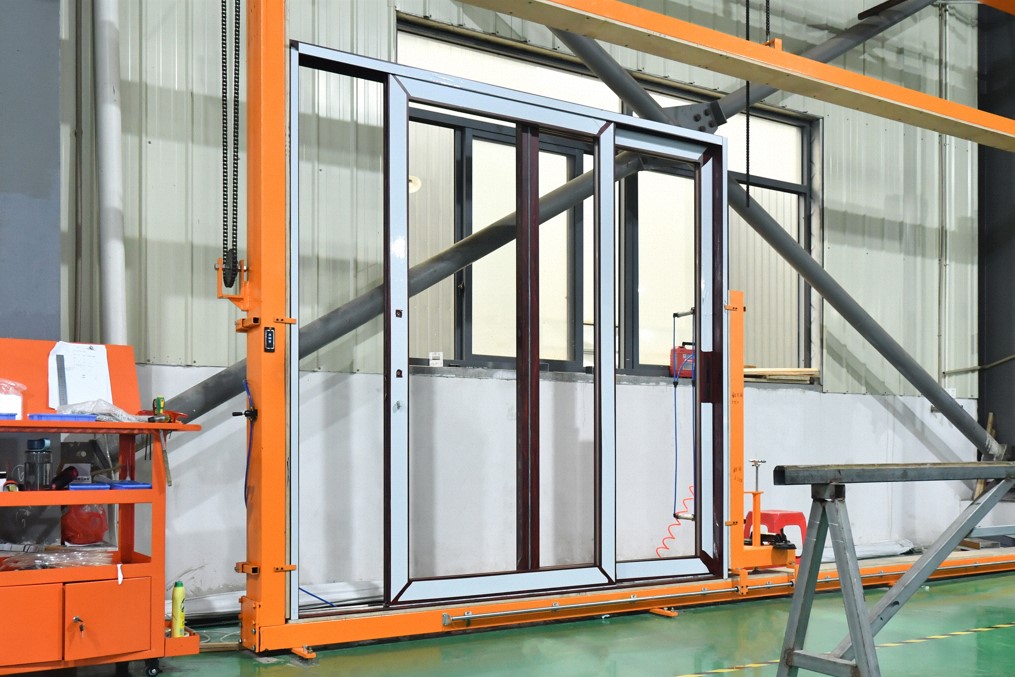
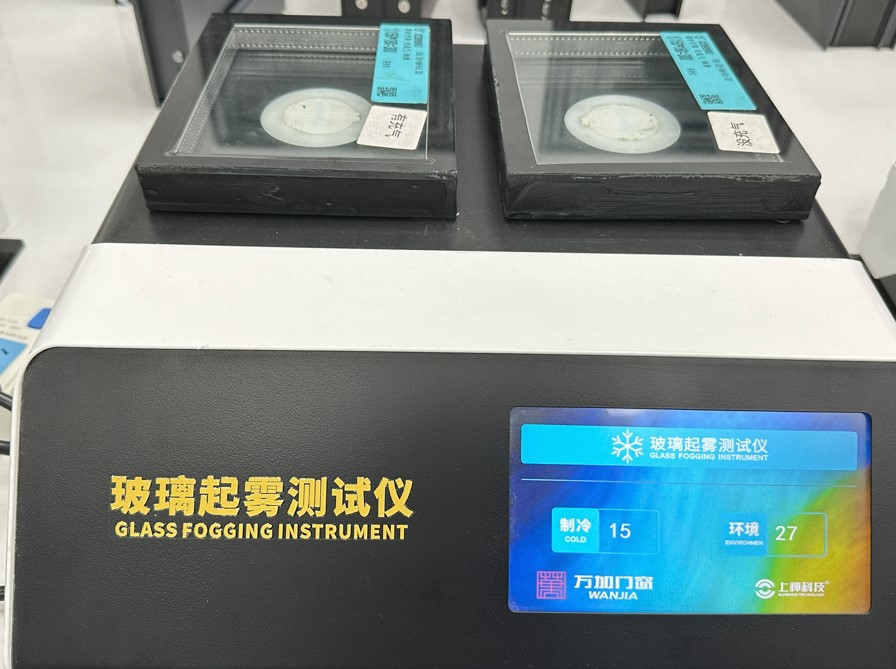
Fortisdor subjects sample batches to stringent environmental chamber testing to simulate 30+ years of extreme thermal expansion, moisture ingress, and atmospheric pressure:
For enterprise buyers, real estate developers, and architectural procurement managers, sourcing insulated aluminum front doors from China requires a structured evaluation methodology to balance initial unit costs against long-term operational performance and supply chain stability.
Ensure the supplier utilizes primary T6-6063 structural aluminum billets rather than remelted scrap aluminum. Grade T6 profiles deliver superior wall thickness uniformity (≥2.0mm for entry doors) and structural wind resistance. Demand mill test certificates for thermal break polyamides (confirming genuine PA66-GF25 material).
Evaluate FOB pricing alongside landed costs, including heavy-duty export plywood crate packaging, maritime freight insurance, tariff codes (HS 7610.10), and potential anti-dumping duties. Partnering with suppliers possessing direct export experience ($20M+ annual revenue) minimizes customs clearing delays.
Insisted on multi-point locking systems sourced from recognized hardware manufacturers (such as Siegenia, Hoppe, or custom-engineered Fortisdor security locks). Verify that integrated biometric hardware (face recognition, fingerprint sensors) complies with regional electromagnetic safety standards (CE-EMC, FCC).
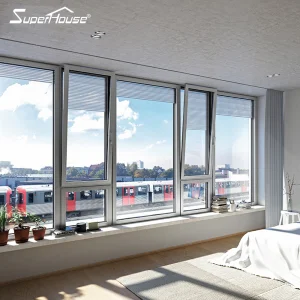
Discover our comprehensive security, patio, smart entry, and energy-rated specialty systems tailored for global distribution.
As building thermal envelope requirements grow increasingly stringent worldwide, procuring engineered insulated aluminum entry doors from verified tier-one Chinese factories offers an unparalleled combination of thermal performance, custom design versatility, structural safety, and financial value.
By leveraging robust industrial campuses like Fortisdor Security Doors Co., Ltd.—backed by 20 years of manufacturing mastery, 50 dedicated R&D engineers, multi-national standard certifications (NFRC, NOA, CE, AS2047), and a 40-inspector quality control team—global enterprise clients secure resilient supply chains optimized for modern architectural decarbonization targets.
 Fortisdor