Engineered fenestration and entrance solutions tested to rigorous European CE, NFRC, and Australian AS2047 standards.
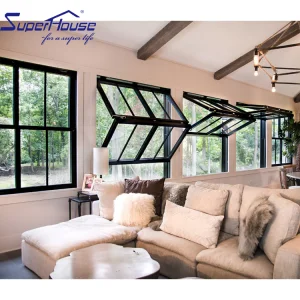
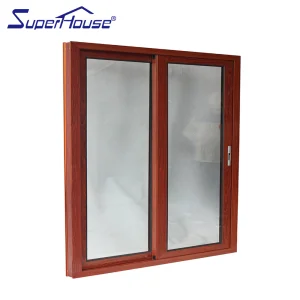
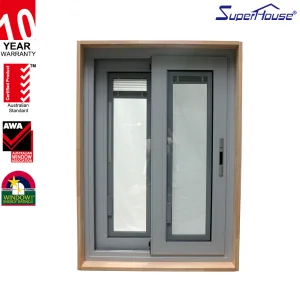
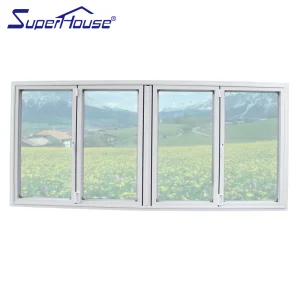
Analyzing structural compliance trends, energy mandates, and modern architectural demands in North America, Europe, and coastal developing sectors.
The global construction industry is experiencing a seismic shift toward modular, high-load aluminum profile solutions. Driven by stringent international building codes—such as the European Union's CE EN 14351-1 standard, North America's NFRC / Florida NOA hurricane resistance criteria, and Australia's AS2047 specification—modern architectural door frames are no longer mere static enclosures. They function as high-performance structural boundaries capable of withstanding extreme wind loads, thermal stress, and seismic forces.
Reinforced aluminum door frames utilize specialized internal steel cores, multi-cavity thermal break profiles (PA66-GF25 polyamide), and high-tensile 6063-T6 or 6060-T66 aluminum alloys. This combination mitigates thermal bridging while expanding structural rigidity, allowing developers to execute oversized visual openings without sacrificing safety or thermal efficiency.
Commercial contractors, architectural firms, and building material distributors require verifiable compliance and supply chain transparency. Leading procurement criteria center on three primary vectors:
A multi-attribute technical analysis comparing structural aluminum alloys against conventional framing materials.
| Material / Engineering Parameter | CE Reinforced Aluminum Frame | Standard Aluminum Alloy Profile | Unreinforced UPVC Profile | Structural Carbon Steel |
|---|---|---|---|---|
| Yield Strength / Tensile Rating | High (205-245 MPa, 6063-T6) | Moderate (110-130 MPa, 6063-T5) | Low (40-50 MPa) | Very High (250-350 MPa) |
| Thermal Conductivity (U-Value) | Low (1.2 - 1.8 W/m²K w/ Thermal Break) | High (5.0 - 5.8 W/m²K, Non-break) | Low (1.3 - 2.0 W/m²K) | Very High (15 - 50 W/m²K) |
| Corrosion Resistance Rating | Superior (AAMA 2605 / 3000h Salt Spray) | Moderate (Standard Anodized) | High (Chemical Resistant) | Low (Prone to Rust without Coating) |
| Service Life & Structural Integrity | 50+ Years (Zero Deflection Warp) | 20-25 Years (Subject to Flexing) | 15-20 Years (UV Thermal Degradation) | 30-40 Years (Requires Regular Painting) |
| Hardware Compatibility & Load Limit | Up to 400 kg Leaf Weight (Multi-point) | Up to 120 kg Leaf Weight | Up to 80 kg Leaf Weight | 500+ kg Leaf Weight |
Formulated with precise ratios of Magnesium and Silicon, artificially aged to achieve T6 temper hardness. Provides exceptional strength-to-weight performance and structural rigidity for exterior heavy-duty entrance systems.
Reinforced with 25% glass fiber, these thermal breaks effectively isolate internal and external aluminum chambers, preventing condensation and substantially reducing heat transfer coefficients across climate zones.
Utilizes heavy-duty cast aluminum corner cleats combined with two-component structural sealant injection. Guarantees perfect 90-degree frame squareness, preventing water penetration and frame sag over decades of use.
Combining 20 years of door manufacturing expertise with advanced automation, multi-stage quality assurance, and robust supply chain resilience.
Established in 2004, Fortisdor Security Doors Co., Ltd. is a specialized manufacturer of premium entry doors, operating out of a modern 32,000 m² industrial facility. With 20 years of door manufacturing expertise and 8 years of international export experience, the company achieves an annual export revenue of $22 million. Fortisdor serves major market segments across North America, Europe, and the Middle East, primarily supplying building material wholesalers, commercial contractors, and residential real estate developers.
Backed by an established trade background and a robust network of over 950 supply chain partners, Fortisdor enforces uncompromising quality standards. Quality assurance is directed by a team of 40 certified QC inspectors using multi-stage raw material testing, automated frame alignment checks, and salt-spray corrosion resistance evaluations. The company's strong R&D department features 50 engineering professionals who launched 140 new door models last year. Custom options include multi-point electronic lock systems, custom glass panels, thermal-break aluminum profiles, and personalized surface finishes.
Automated tooling and CNC machinery guaranteeing precise dimensional tolerances within ±0.2mm.
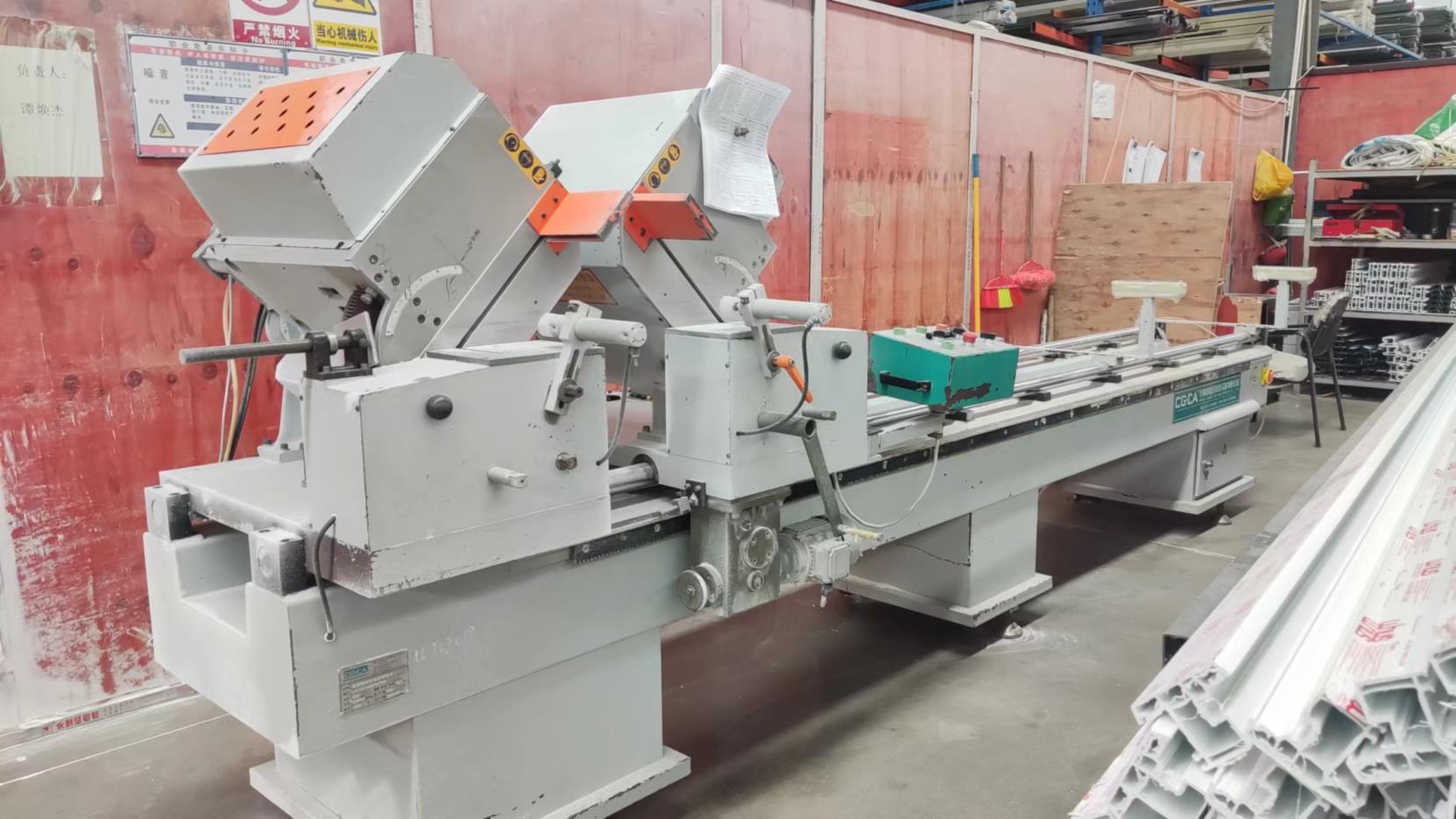 CNC Double Saw
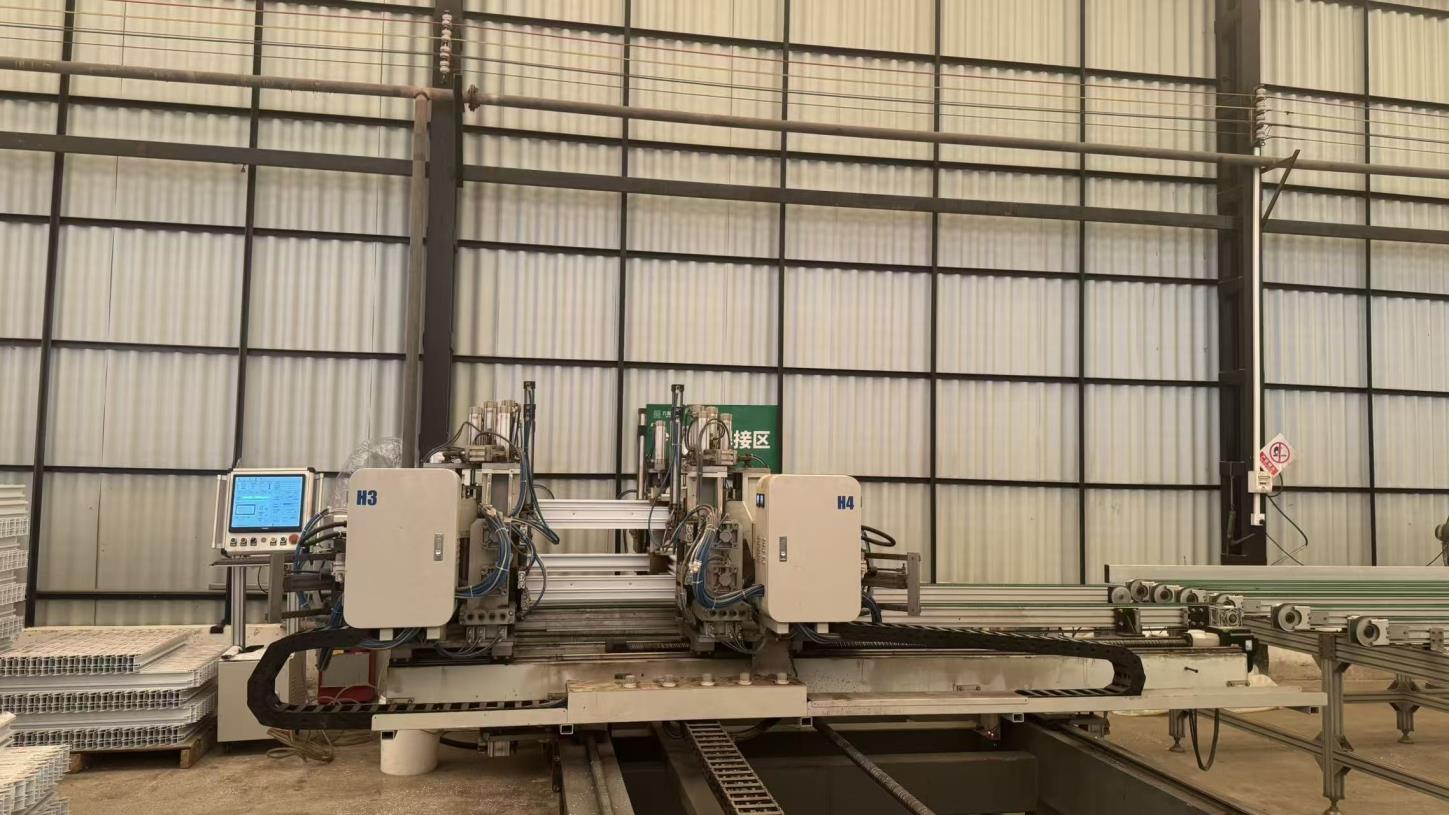 Welding Machine
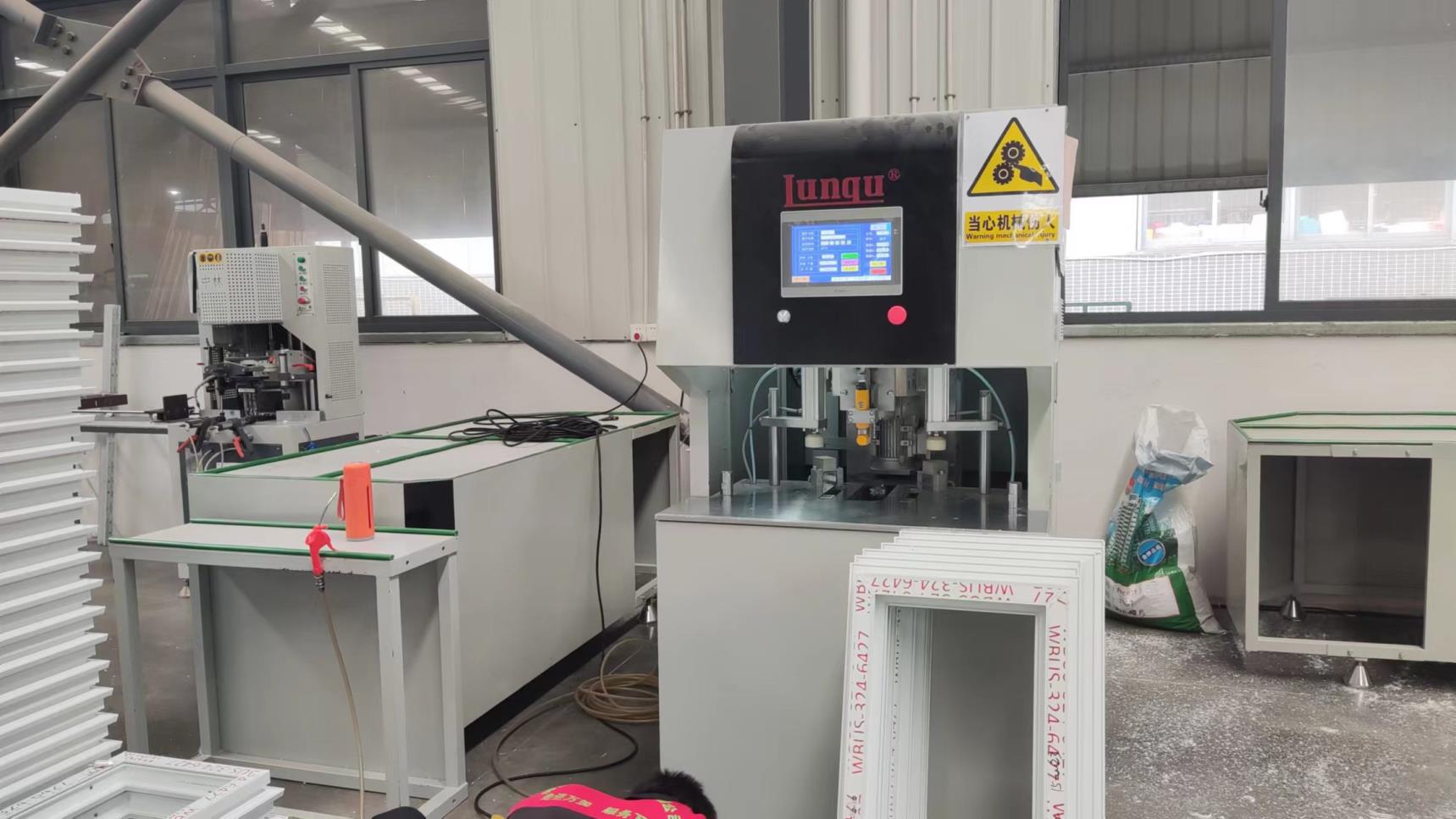 Duamian
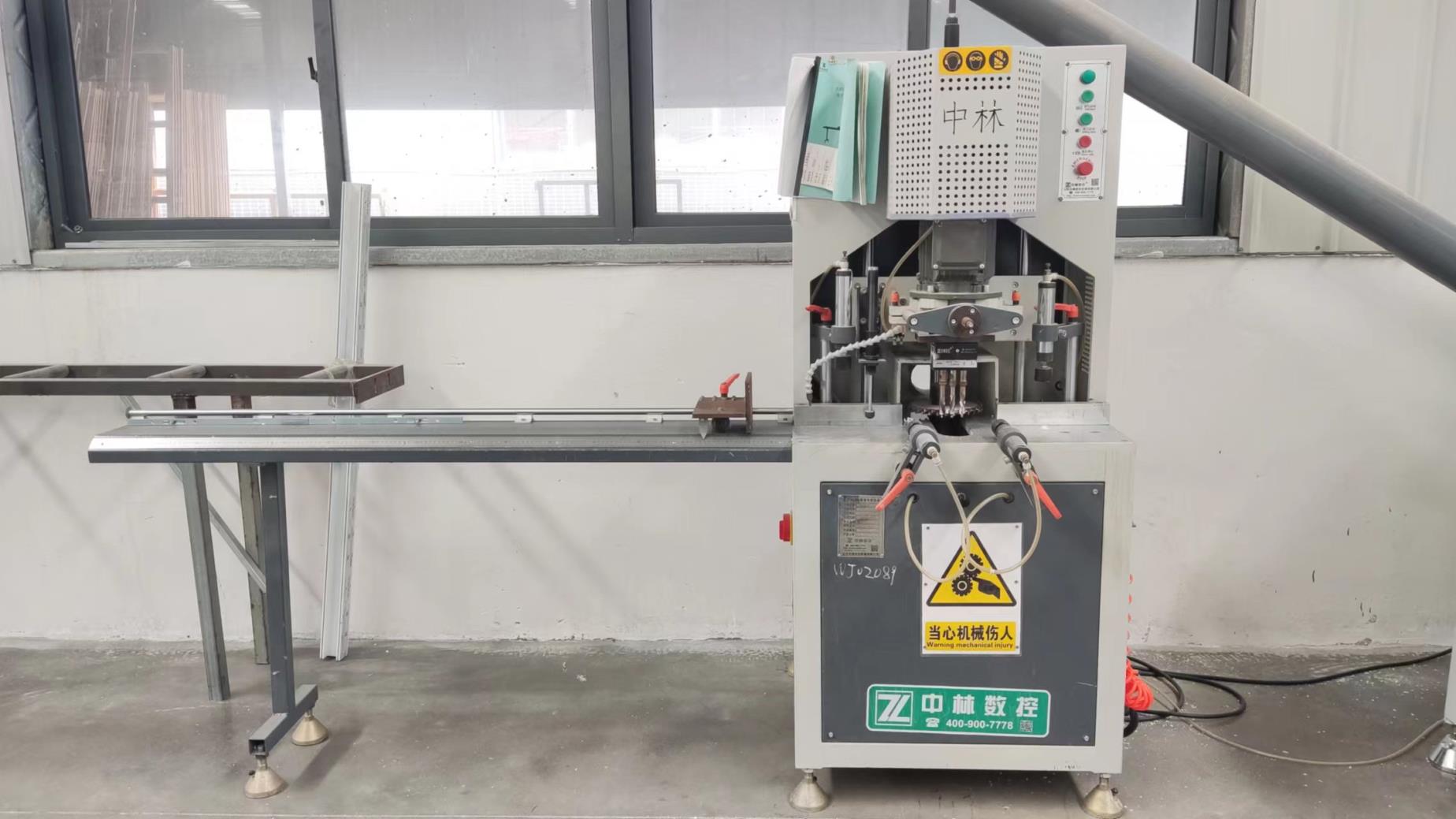 CNC Angle Cleaner
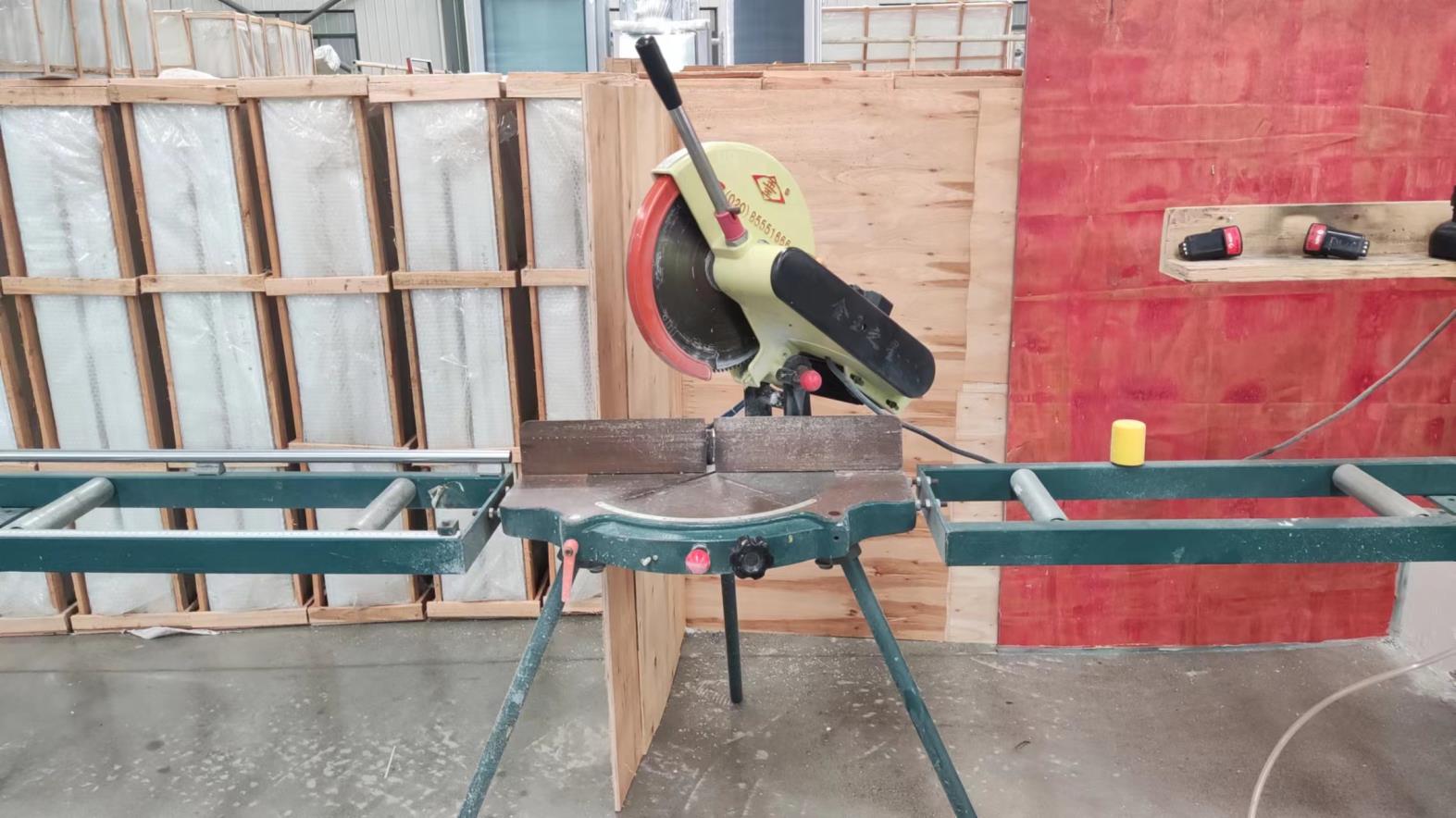 Small Cutting Machine
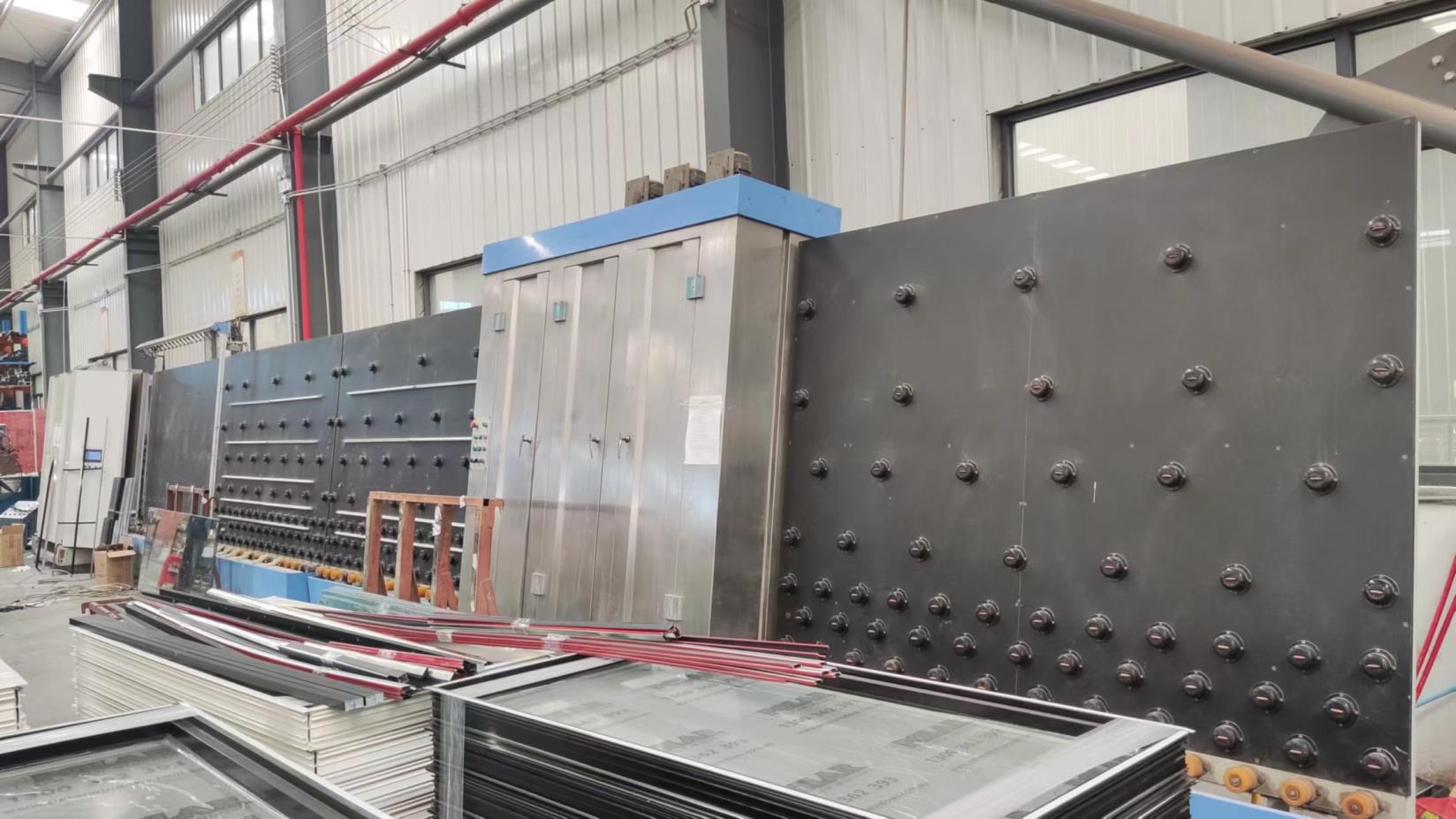 Glass Washing Machine
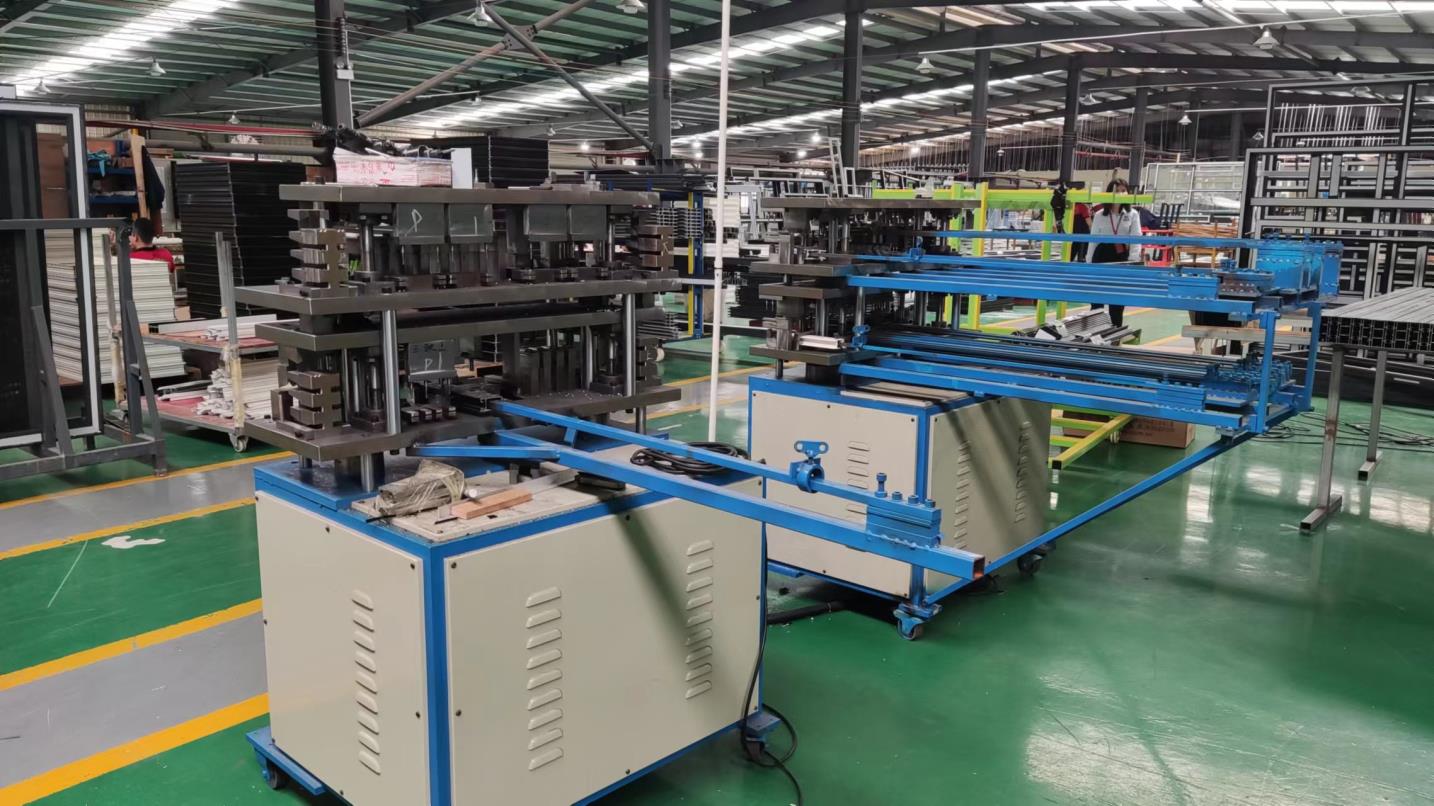 Laminator
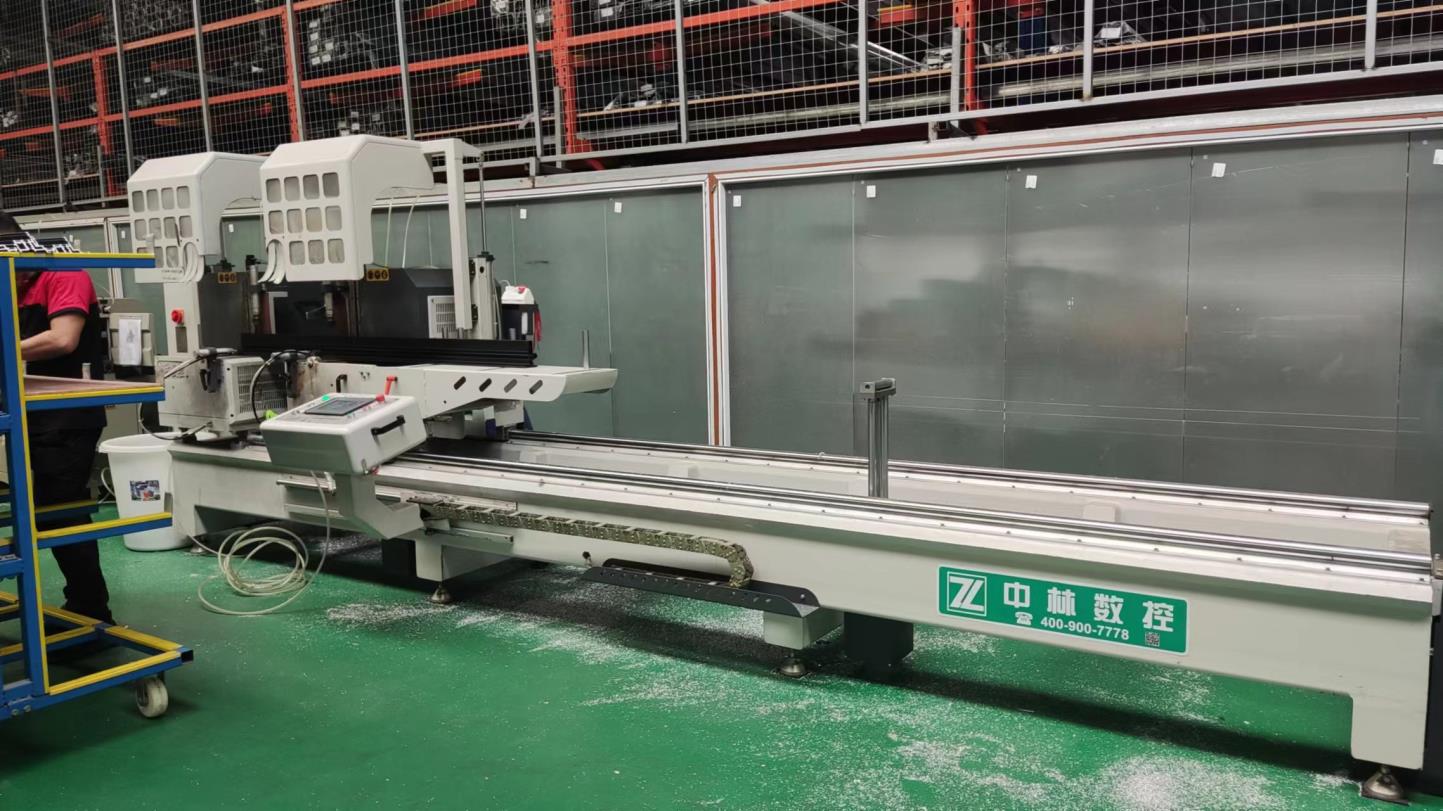 Double Saw
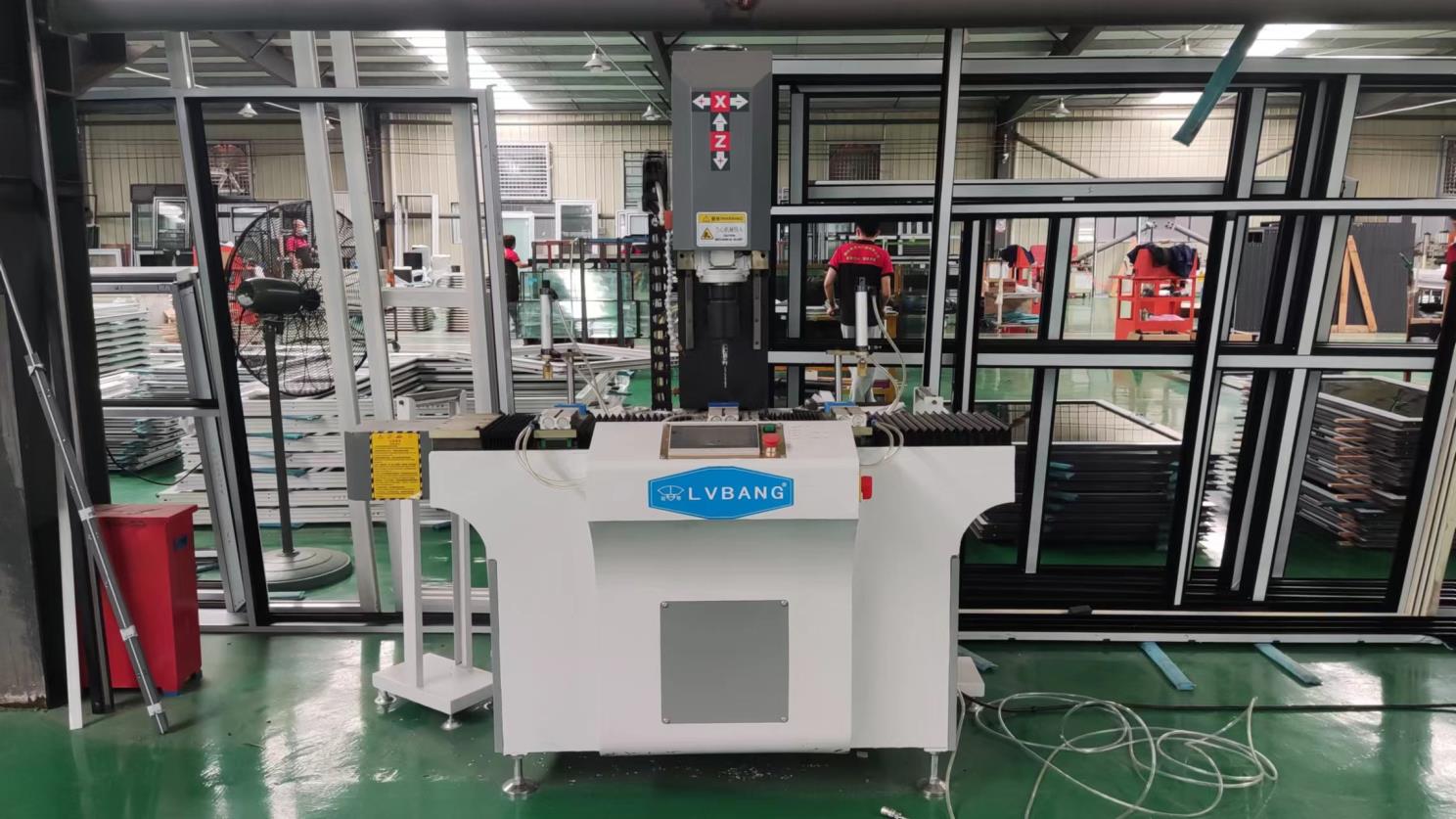 Hole Lock Machine
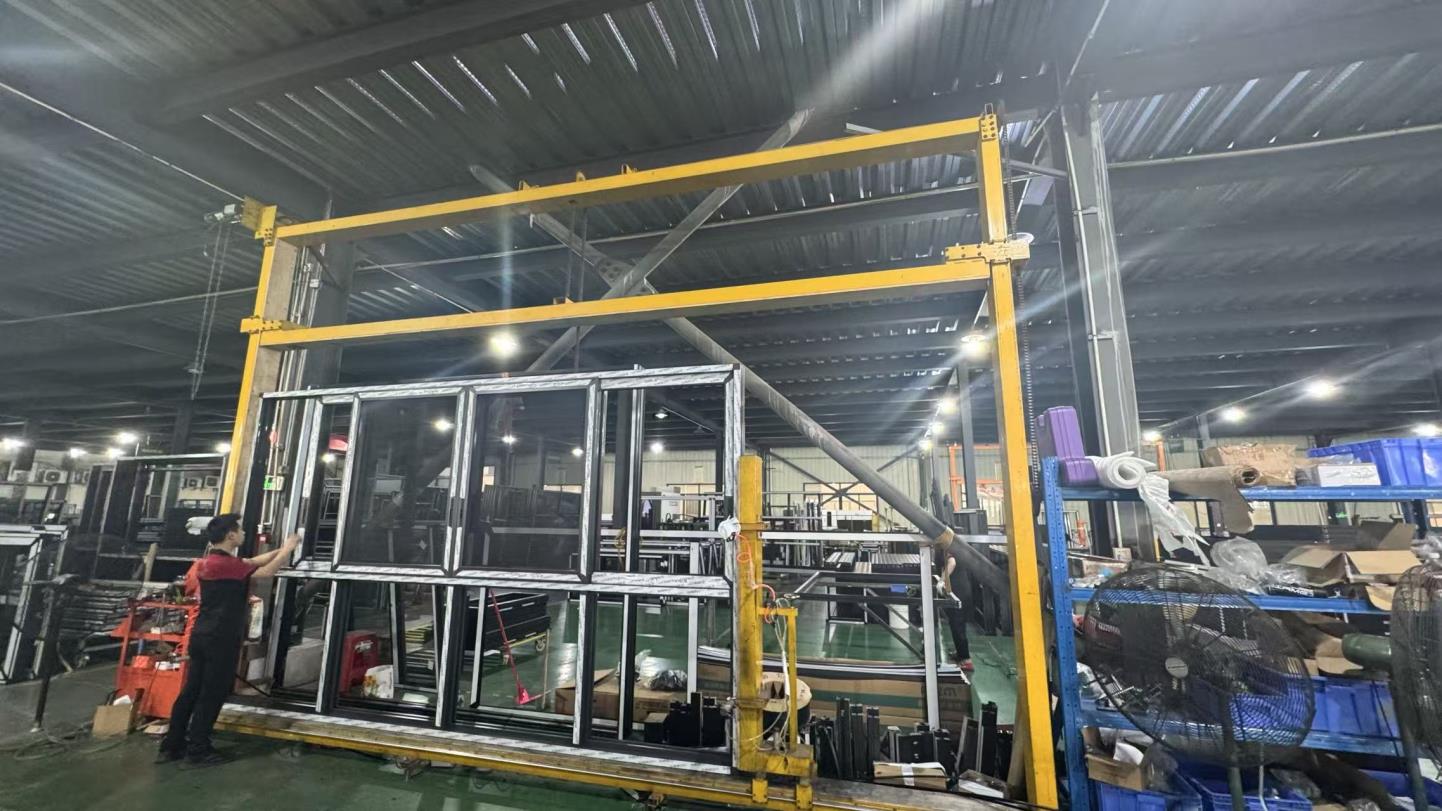 Debugging Rack
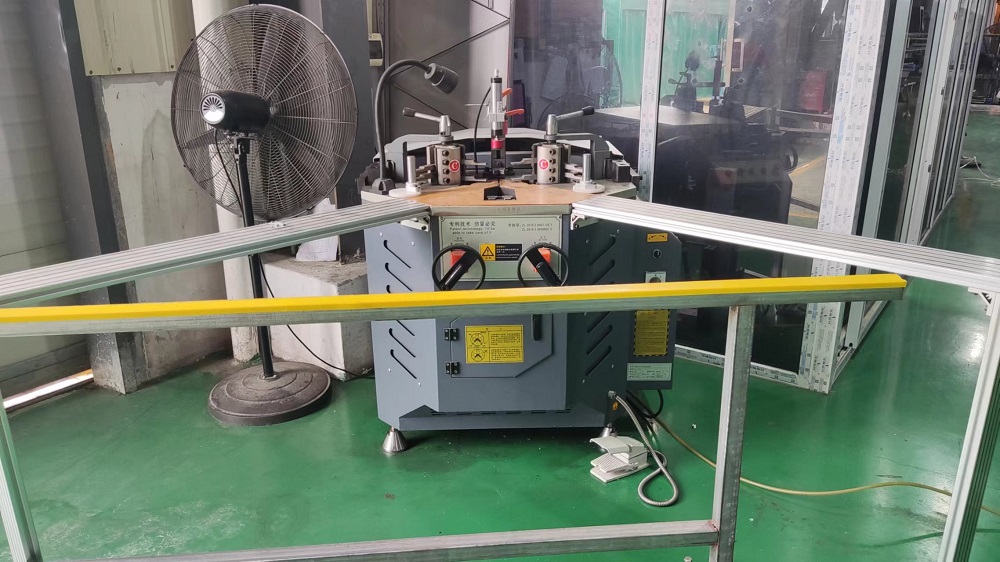 Hydraulic Assembly Angle Machine
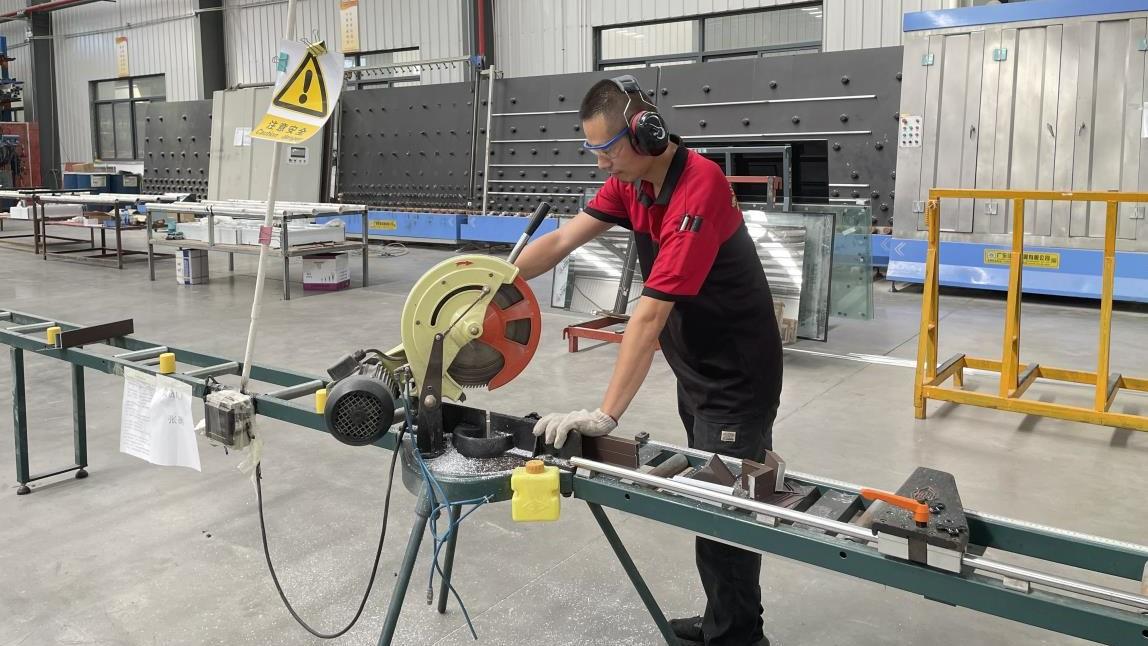 Cutting
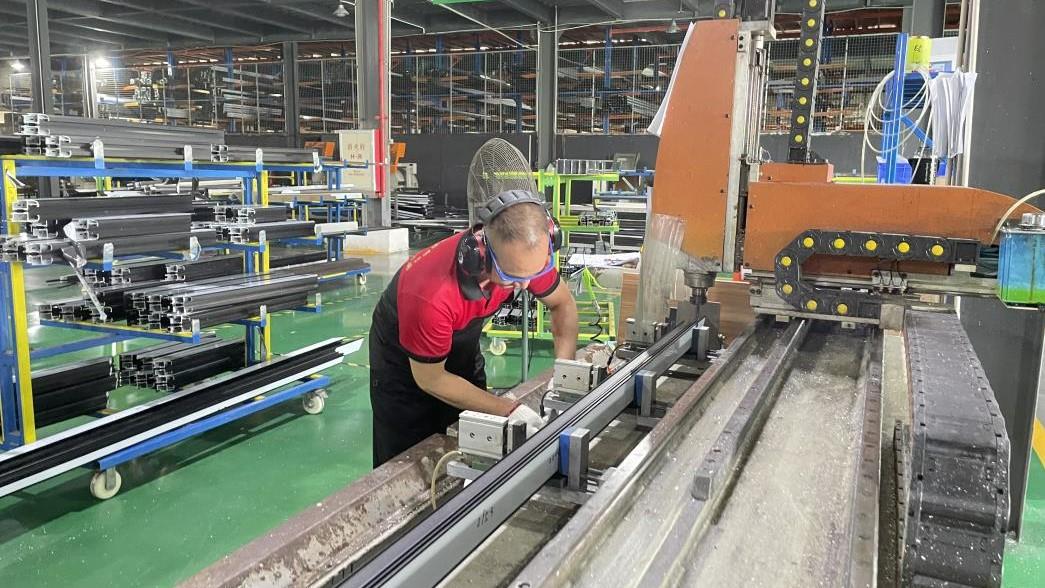 Open Keyhole
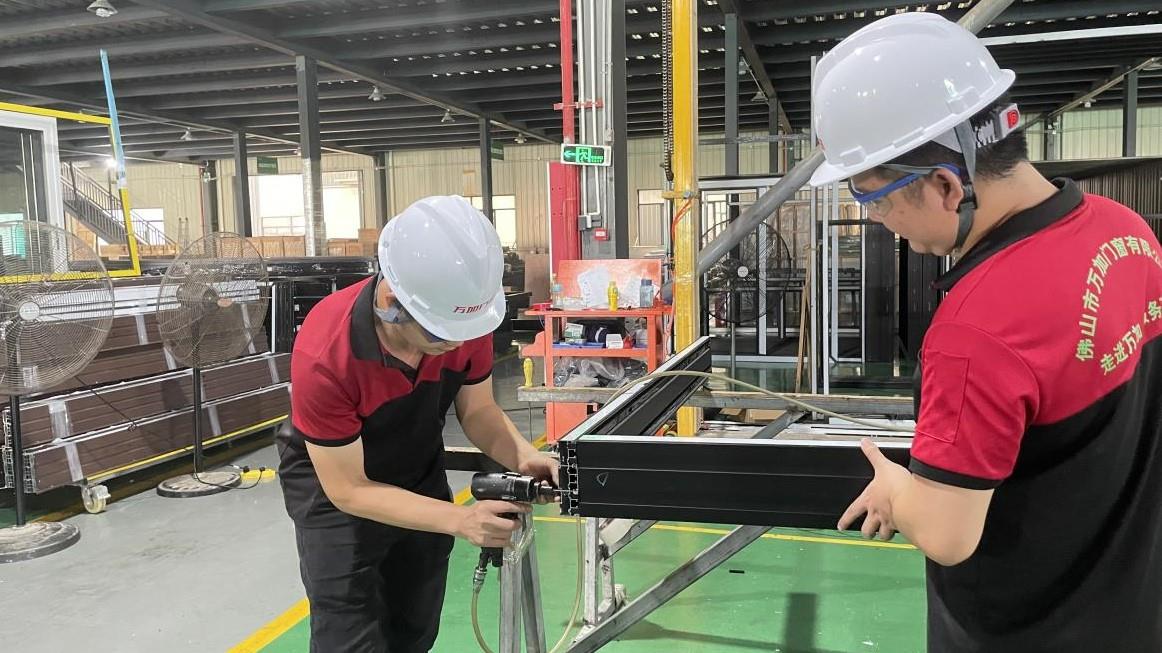 Frame Connection
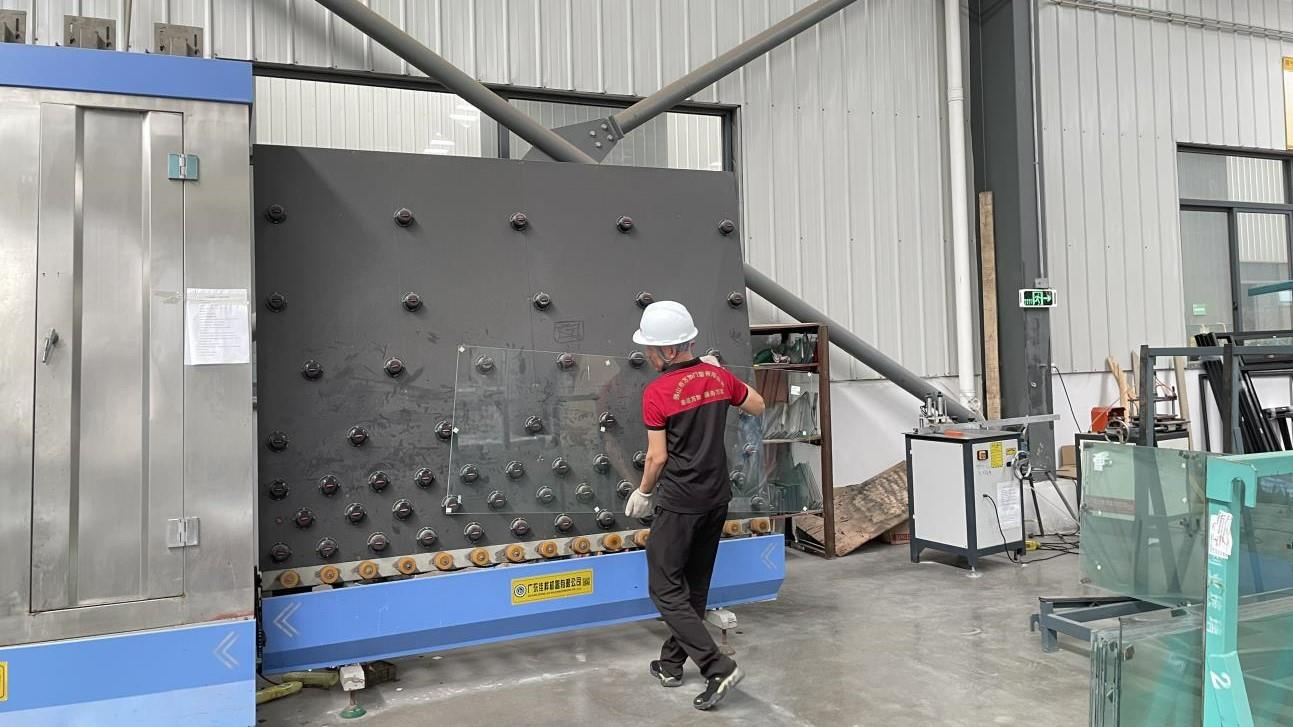 Cleaning Glass
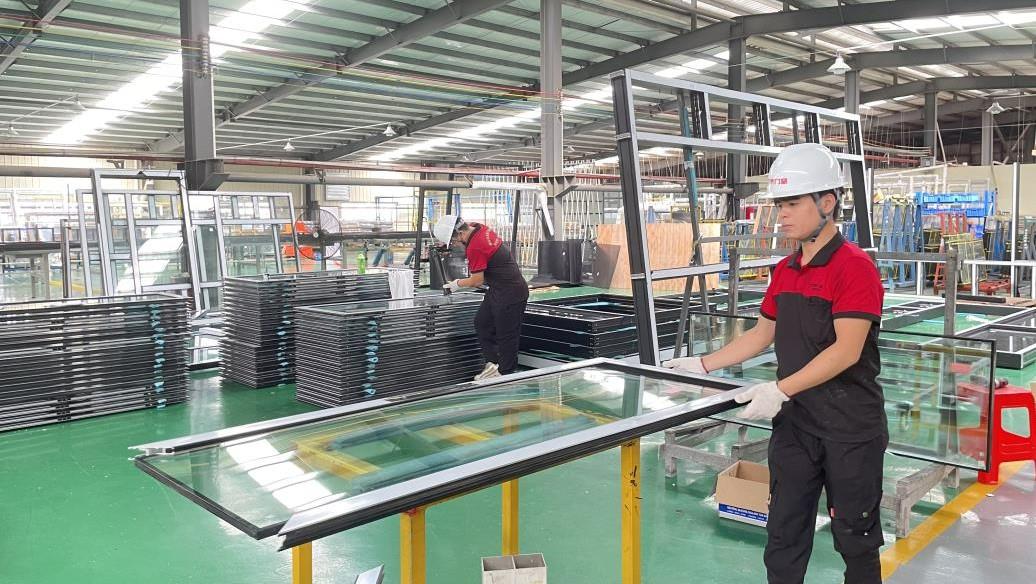 Glass Installation
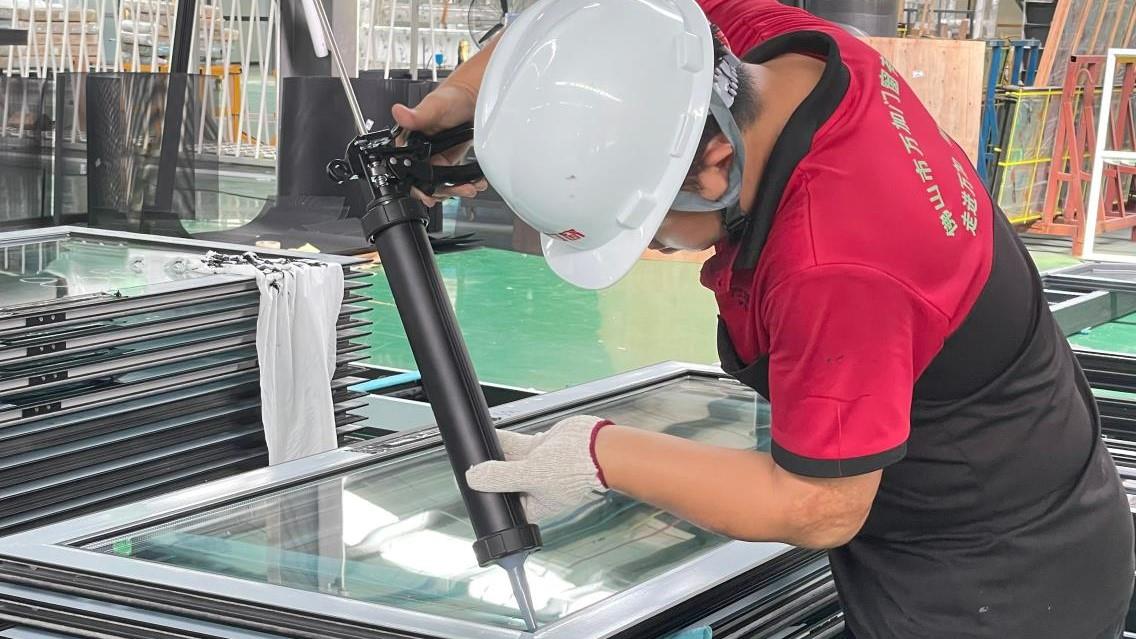 Gluing
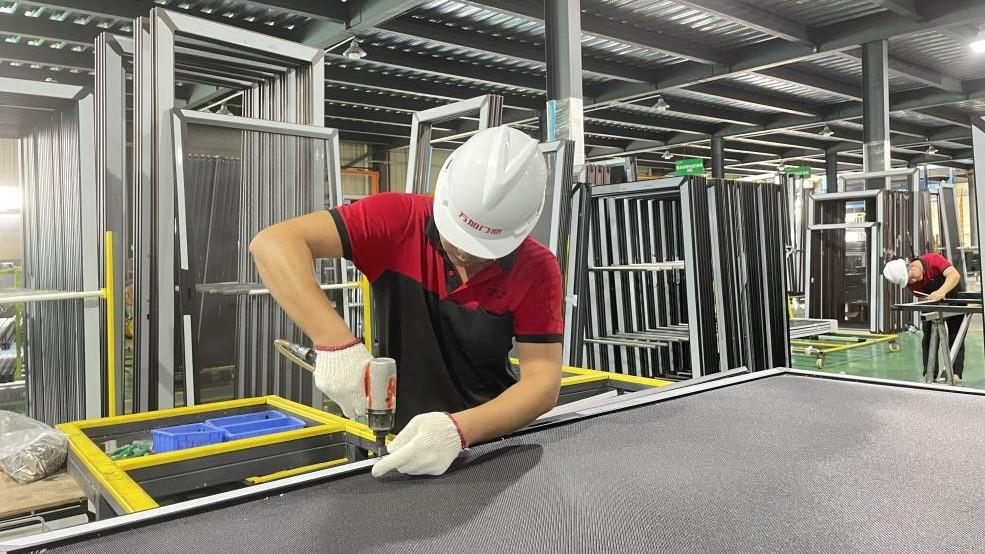 Gauze Installation
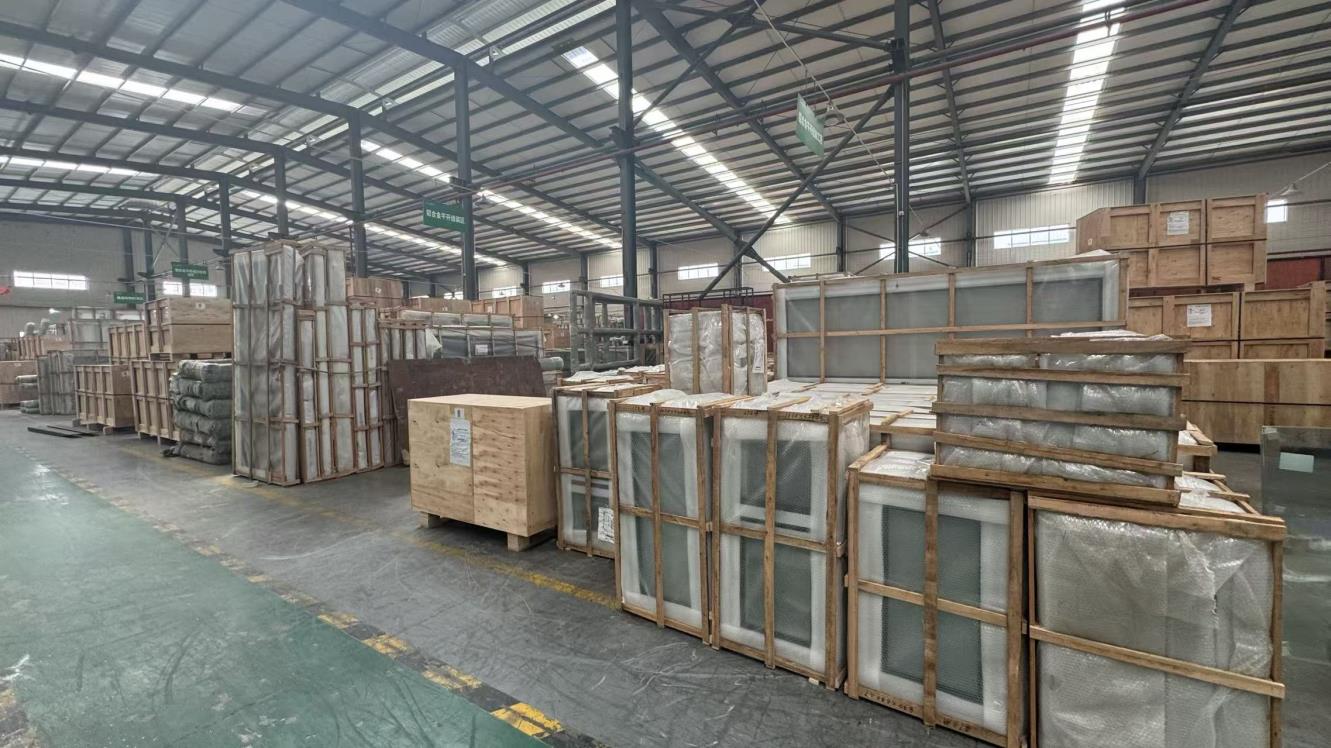 Warehouse
Rigorous empirical testing validating thermal insulation, structural soundproofing, fogging prevention, and frame tolerances.
Every reinforced aluminum door frame produced at Fortisdor undergoes a non-negotiable 4-step quality control protocol before export release:
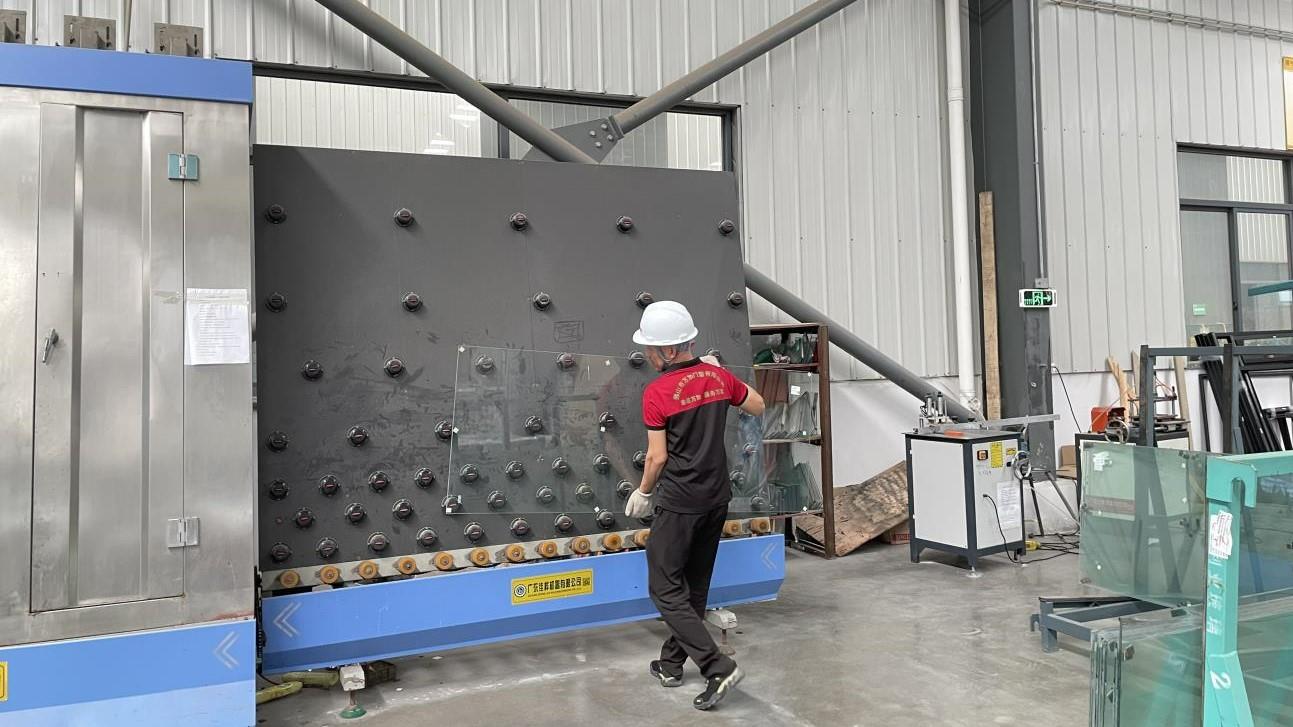 Cleaning Glass Inspection
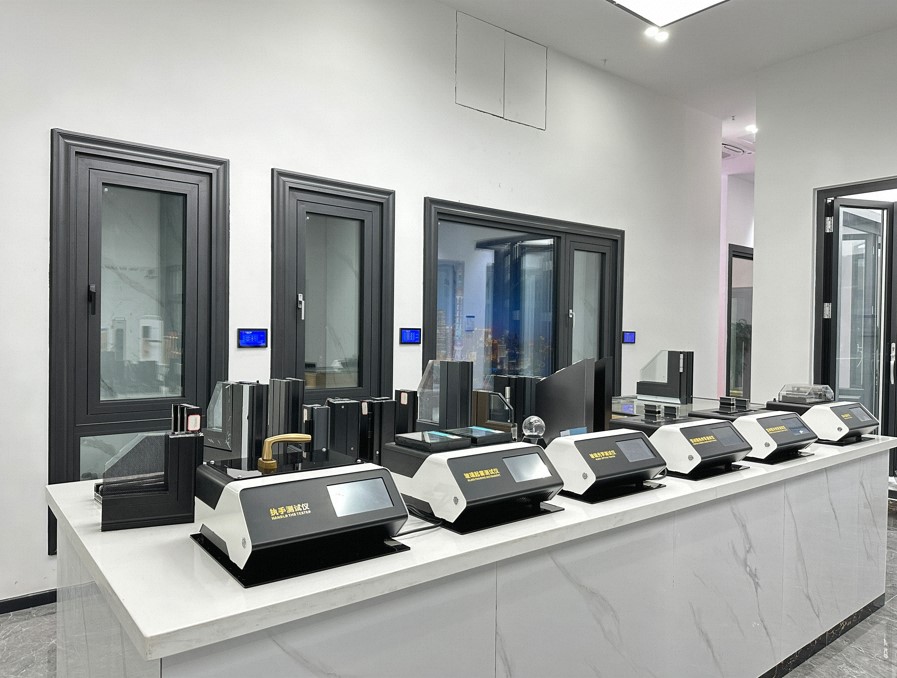 Insulation & Soundproof Test Box
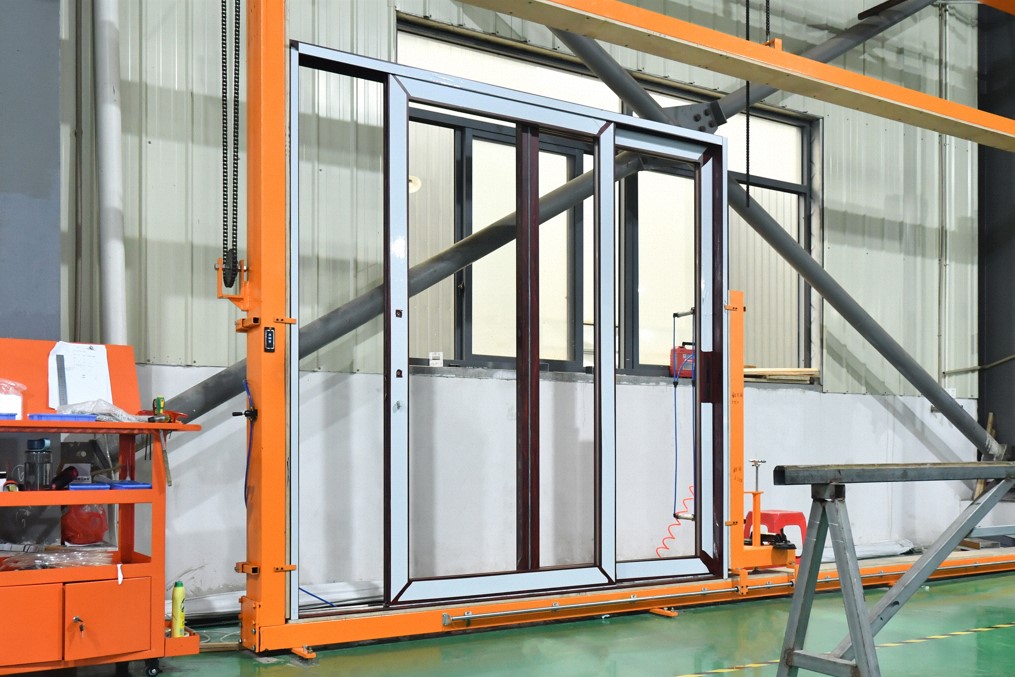 Debug Frame Calibration
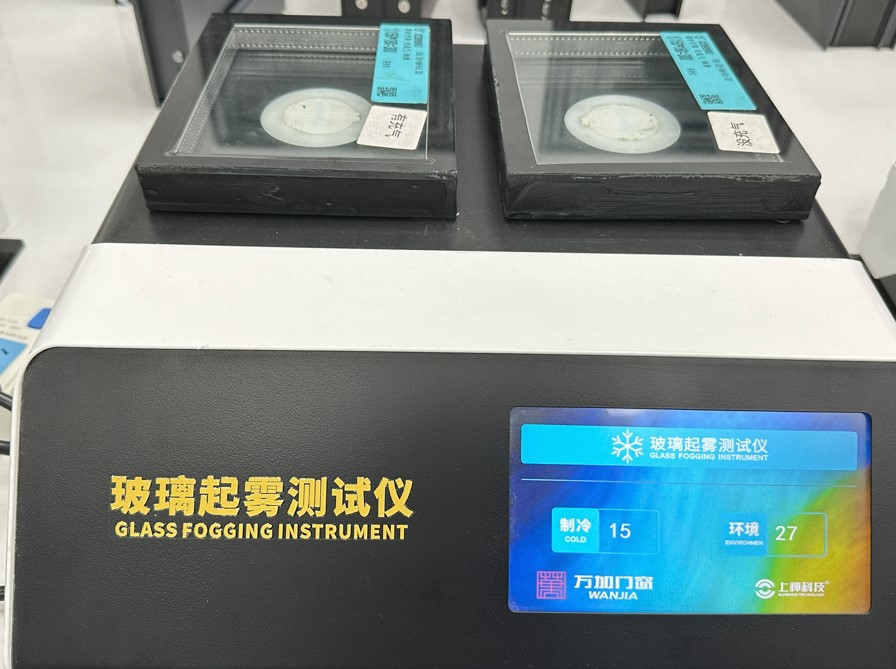 Glass Fogging Instrument
Tailored architectural implementations addressing regional climatic, architectural, and structural demands.
Specifically configured with marine-grade AAMA 2605 fluorocarbon finishes and laminated impact-resistant glass. Engineered to survive hurricane missile impacts and continuous salt-laden sea air exposure in regions like Florida, Hawaii, and the Caribbean.
Heavy-duty non-threshold or low-sill door frame setups built for millions of operational cycles. Compatible with electronic access controls, panic escape hardware, and heavy double-glazed automatic sliding glass configurations.
Featuring multi-chamber thermal breaks and triple-pane glass options. Designed for extreme climate zones in Europe and North America where strict energy codes demand ultra-low thermal transmittance (U-values < 1.0 W/m²K).
Expert answers to critical engineering, compliance, and supply chain questions for commercial buyers.
In the European Union, external windows and pedesterian doorsets are governed by EN 14351-1:2006+A2:2016. CE certification requires third-party laboratory verification of air permeability (EN 12207), water tightness (EN 12208), resistance to wind load (EN 12210), thermal transmittance (EN ISO 10077), and load-bearing capacity of safety devices. Fortisdor door systems are tested and certified to comply fully with these European directives.
Aluminum extrusions alone have a modulus of elasticity of approximately 69 GPa. By introducing internal structural steel reinforcement cores or increasing critical profile wall thicknesses to 2.0mm–3.0mm, the Moment of Inertia ($I_x$) of the frame section is dramatically elevated. This ensures deflection remains under the architectural limit of L/175 or L/250 even under design wind pressures exceeding 4.0 kPa.
For installations within 5 miles of salt-water coastlines, standard powder coatings are insufficient. We mandate AAMA 2605 certified Fluorocarbon (PVDF) coating systems or high-micron hard-anodized finishes. These treatments offer superior resistance to salt-fog corrosion, UV radiation degradation, and gloss fading, backed by 10-to-20 year manufacturer warranties.
Supported by our 32,000 m² smart factory and 50 R&D engineers, sample prototyping is completed within 7-10 days. Standard production lead times for 40ft container orders are 25-30 days. We offer comprehensive OEM/ODM customization including structural extrusion die design, hardware pocket machining, custom glass glazing options, and integrated smart electronic lock preparation.
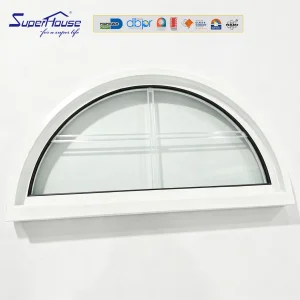
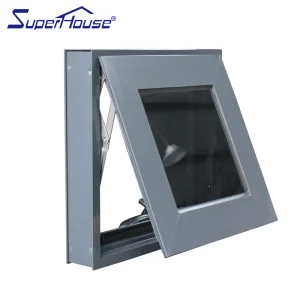
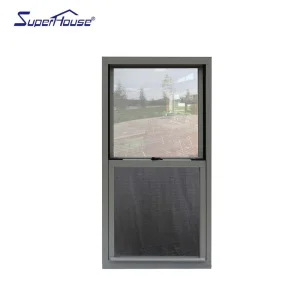
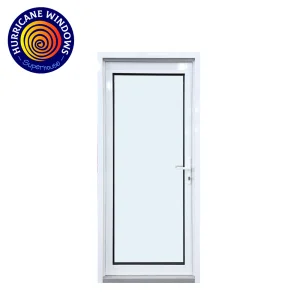
Explore our export-ready fenestration product range engineered for commercial, residential, and industrial applications.
 Fortisdor