Engineered for structural deflection resilience, thermal efficiency, and hurricane impact compliance under rigorous European & Global standards.
In contemporary commercial and luxury residential architecture, the pivot door system represents the pinnacle of structural design, spatial fluidity, and engineering sophistication. Unlike conventional hinged doors that transfer dead load directly to side jambs via leaf hinges, architectural pivot doors rotate on a offset vertical axis anchored to top transom tracks and bottom floor plates. This fundamental structural departure enables architects to specify oversized door leaves exceeding 3 meters in width and 6 meters in height, carrying panel weights up to 1,000 kilograms without compromising operational ergonomics.
The global demand for high-end pivot door assemblies has experienced exponential growth across key economic regions, driven by modern architectural preferences for expansive glass facades, uninterrupted clear openings, and minimal frame visibility. However, manufacturing oversized pivot doors presents extreme engineering challenges: thermal expansion vectors, wind load deflection, air permeability management, structural twisting, and water tightness. Consequently, Tier-1 enterprise procurement teams, real estate developers, and commercial contractors prioritize working exclusively with certified CE Certified Pivot Door Manufacturers & Factories capable of validating structural integrity through rigorous physical testing and compliance documentation.
Standard hinges create cantilevered rotational torque that scales exponentially with leaf width. Pivot systems redirect 90% of structural dead load downwards into the floor slab via heavy-duty hydraulic floor springs (EN 1154 certified), allowing ultra-wide dimensions while maintaining smooth opening forces below 20 Newtons.
Modern mega-villas and high-end residential estates require grand entrance doors featuring integrated thermal breaks, motorized multi-point locking mechanisms, dynamic smart glass, and concealed floor spindles with speed-adjustable damping.
High-traffic corporate headquarters, luxury retail stores, and boutique hotels mandate heavy-use certified pivot doors engineered for over 1,000,000 continuous operation cycles with automated emergency breakaway functions.
High-rise luxury developments in hurricane-prone regions require custom engineered pivot systems tested against wind loads up to 6,000 Pascals (Pa) with marine-grade 316 stainless steel hardware and multi-layer EPDM perimeter gaskets.
For global building material buyers, trade distributors, and general contractors operating in Europe, North America, and the Middle East, CE Certification (Conformité Européenne) is not merely a legal import prerequisite—it serves as the baseline validation of product safety, mechanical durability, and environmental performance under standard EN 14351-1:2006+A2:2016 (Windows and pedestrian doorsets).
When evaluating a pivot door factory, technical compliance audits must verify five key performance metrics verified by accredited third-party notified bodies:
Pivot doors present inherent sealing challenges along top and bottom horizontal swing margins due to rotation clearance requirements. CE-certified manufacturers overcome this by engineering dynamic pneumatic seals or double drop-down automatic floor gaskets that drop mechanically upon closure, achieving Class 4 Air Permeability and Class 9A Watertightness under extreme pressure differential conditions.
Unreinforced aluminum profiles subjected to high wind pressures suffer deflection that causes glass fracture or lock disengagement. CE certification mandates testing up to Class C5/B5, ensuring maximum structural deflection does not exceed L/300 under dynamic positive and negative wind loads.
Energy efficiency codes require low U-values. Leading factories utilize multi-chambered polyamide thermal break strips (PA66 GF25) within heavy-duty extruded aluminum profiles (6063-T6 alloy), combined with argon-filled triple insulating glass units (IGU), delivering overall thermal values below $1.2 W/m^2K$.
Heavy pivot leaves exert immense torque on hardware mounts. CE verification guarantees floor hardware and top pivots withstand operating forces, torsional strain, and pendulum impact tests without structural failure, micro-cracking, or displacement of pivot pins.
China has firmly established itself as the global hub for advanced architectural fenestration manufacturing, combining complete raw material supply chains, specialized extrusion metallurgy, precision tooling, and highly skilled engineering talent. The concentration of aluminum profile processing, surface treating, and hardware manufacturing infrastructure enables Chinese factories to deliver custom-engineered pivot doors at lead times and cost efficiencies unmatched by Western counterparts.
Established in 2004, Fortisdor Security Doors Co., Ltd. is a specialized manufacturer of premium entry doors, operating out of a modern 32,000 m² industrial facility. With 20 years of door manufacturing expertise and 8 years of international export experience, the company achieves an annual export revenue of $22 million. Fortisdor serves major market segments across North America, Europe, and the Middle East, primarily supplying building material wholesalers, commercial contractors, and residential real estate developers.
Backed by an established trade background and a robust network of over 950 supply chain partners, Fortisdor enforces uncompromising quality standards. Quality assurance is directed by a team of 40 certified QC inspectors using multi-stage raw material testing, automated frame alignment checks, and salt-spray corrosion resistance evaluations. The company's strong R&D department features 50 engineering professionals who launched 140 new door models last year. Custom options include multi-point electronic lock systems, custom glass panels, thermal-break aluminum profiles, and personalized surface finishes.
Complete operational breakdown showing cutting-edge machinery, frame assembly, glass lamination, and acoustic/thermal testing units.
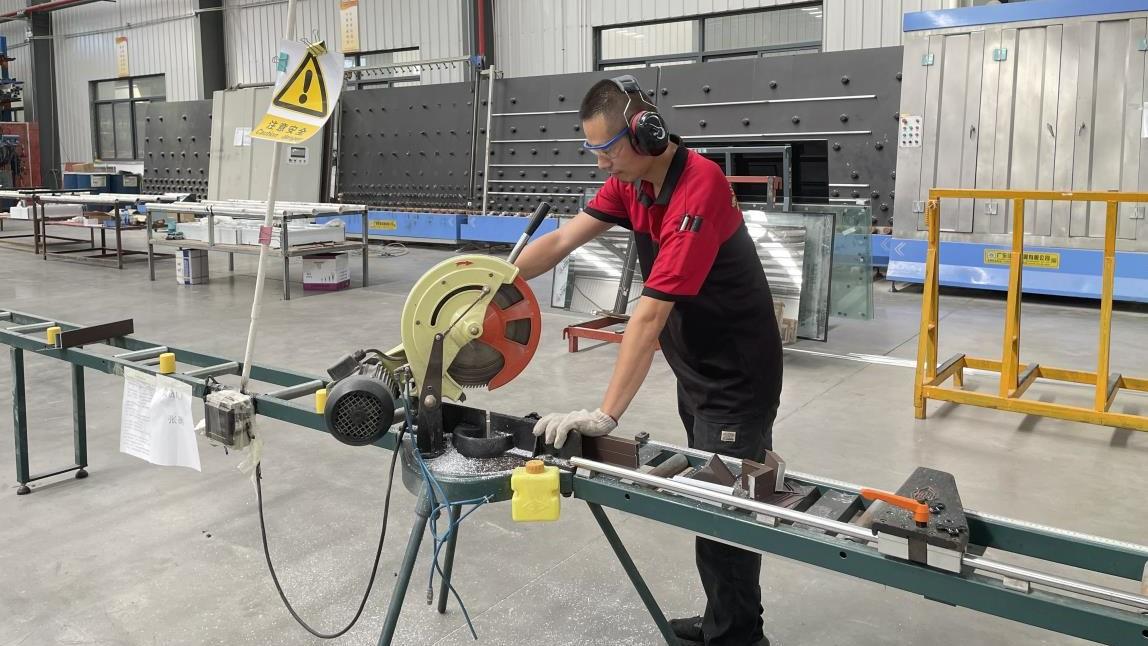
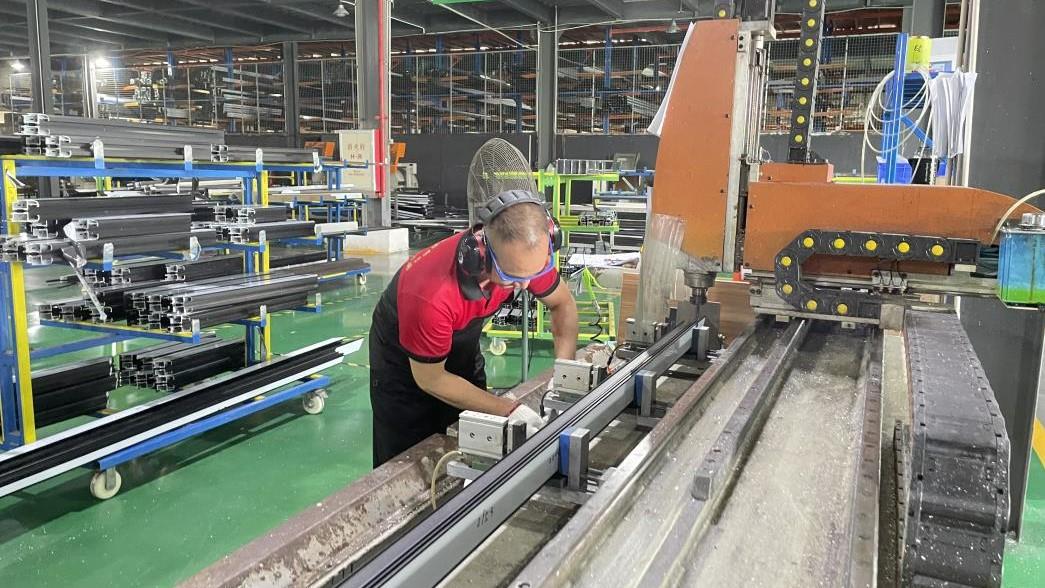
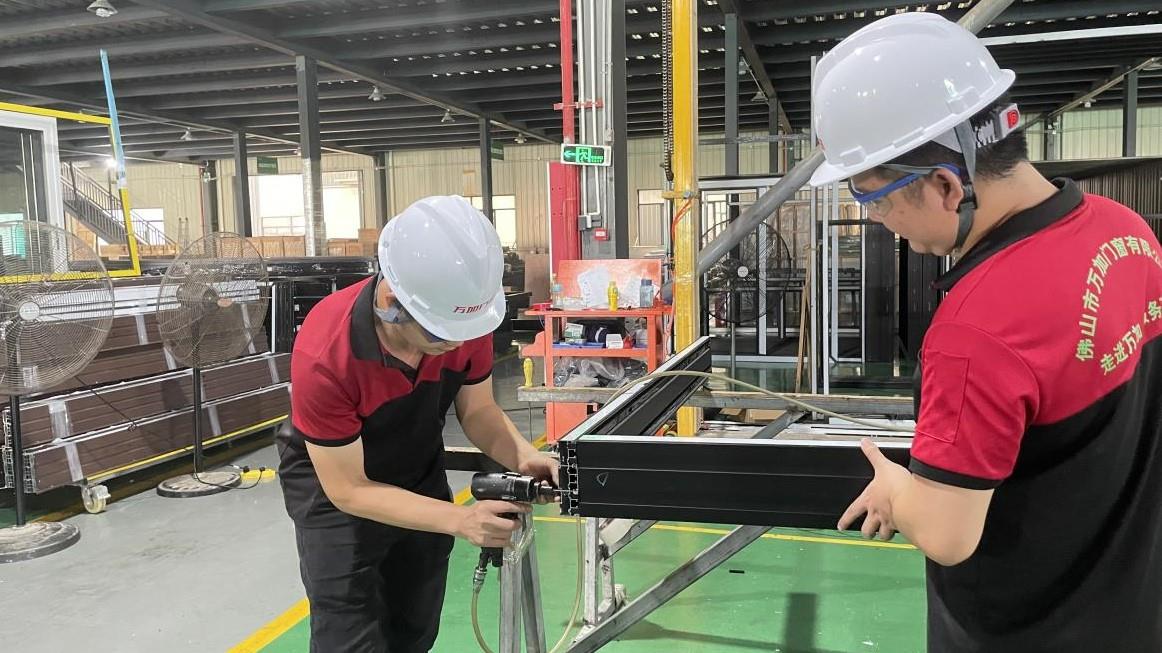
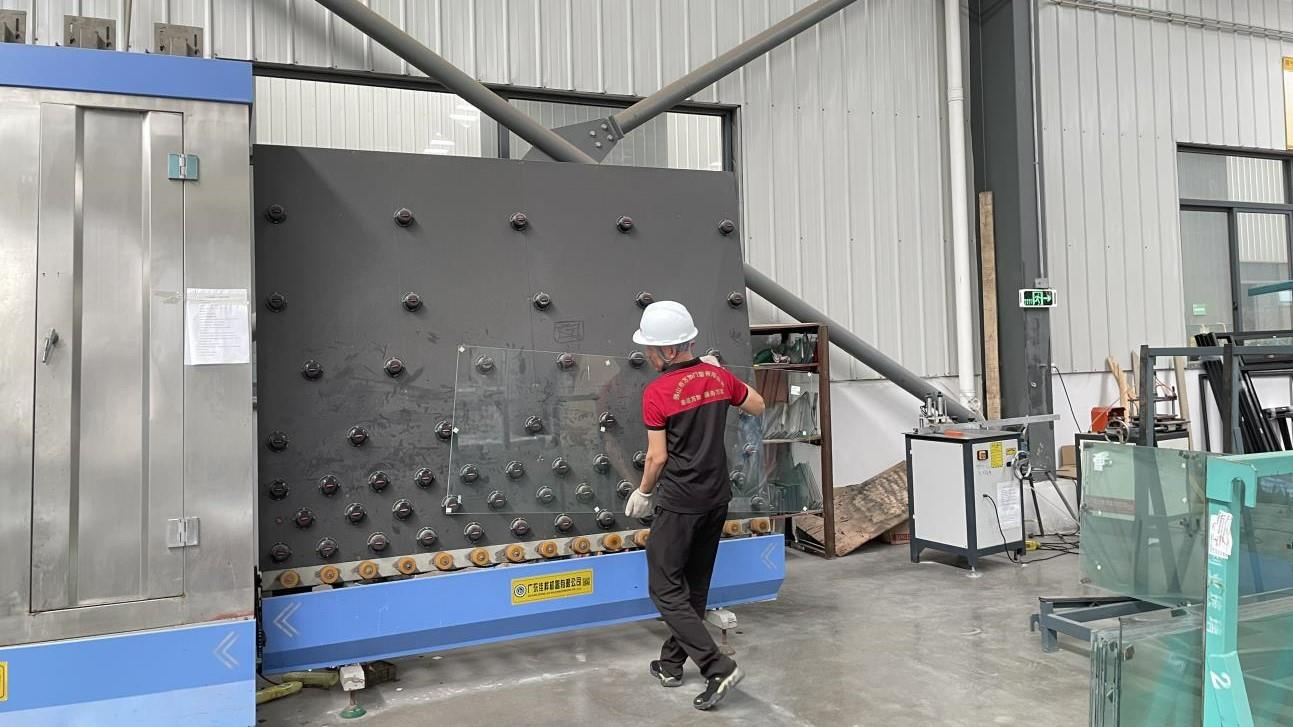
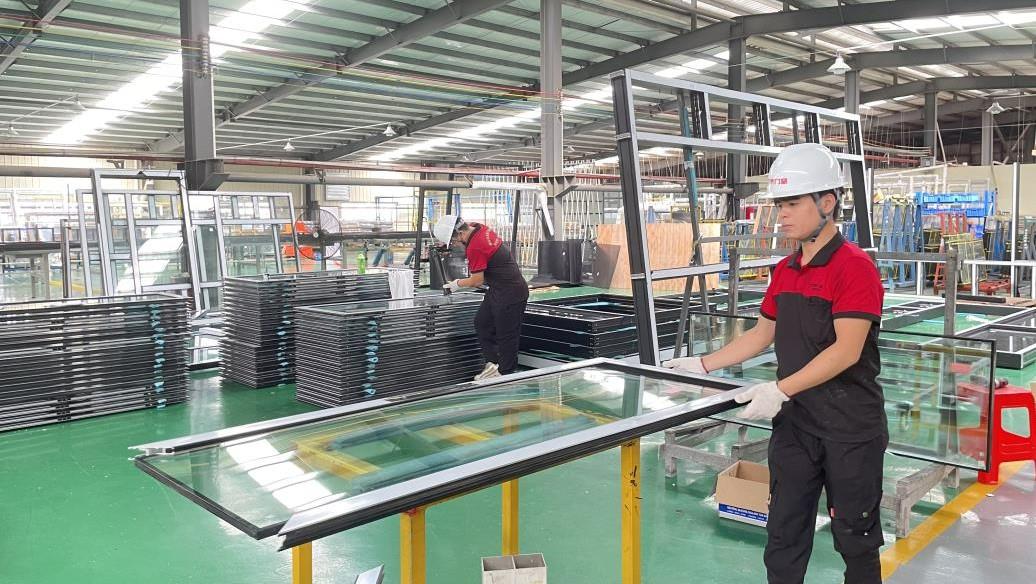
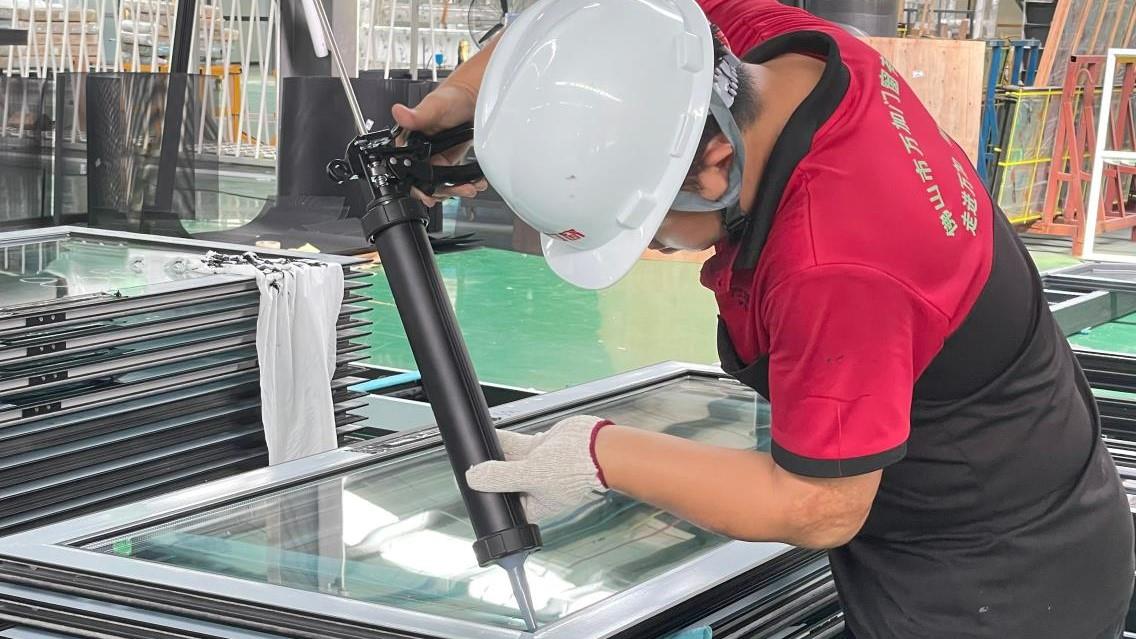
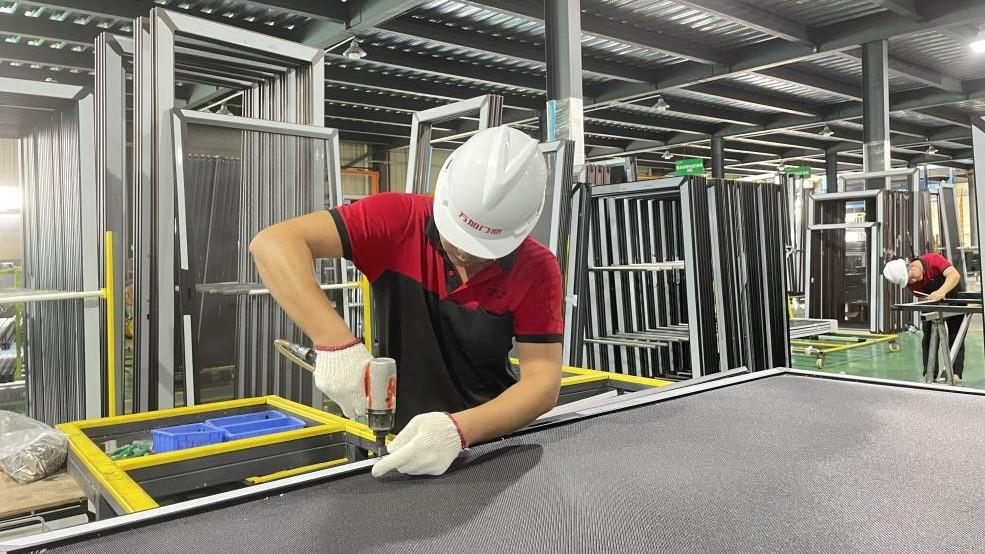
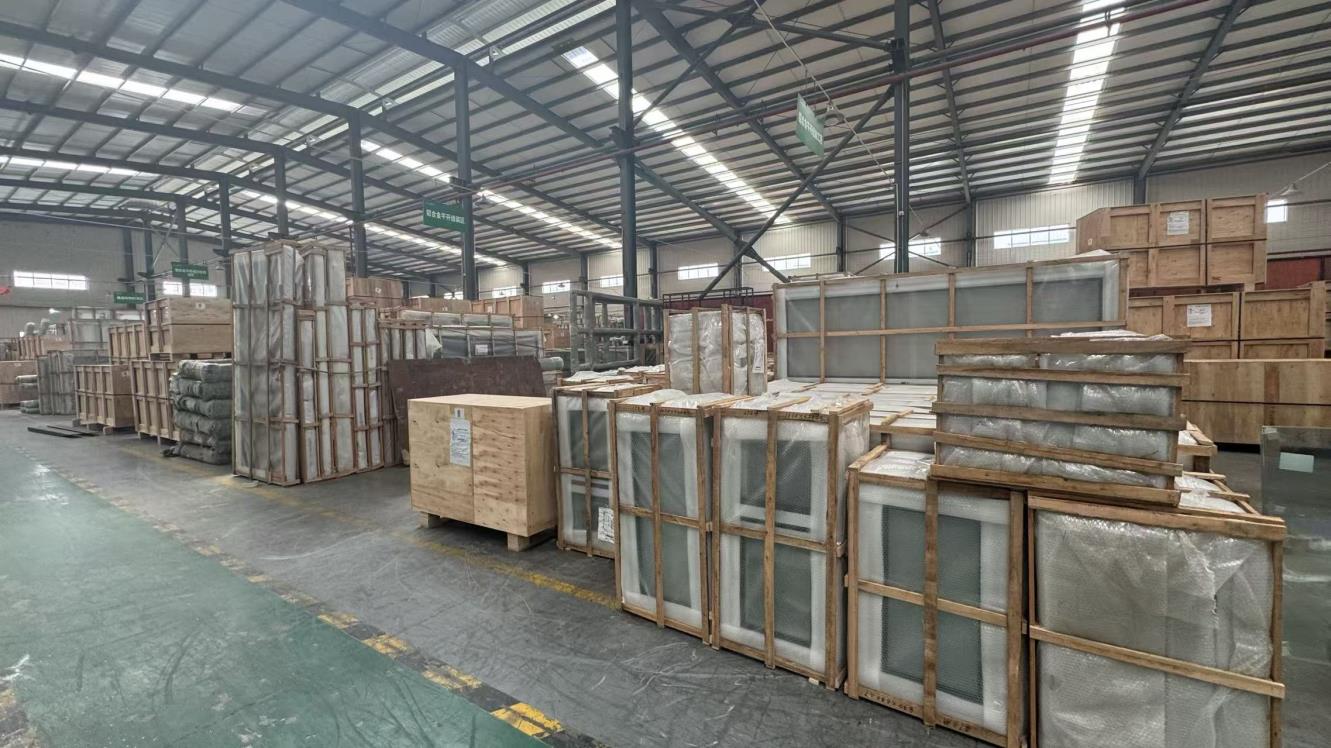
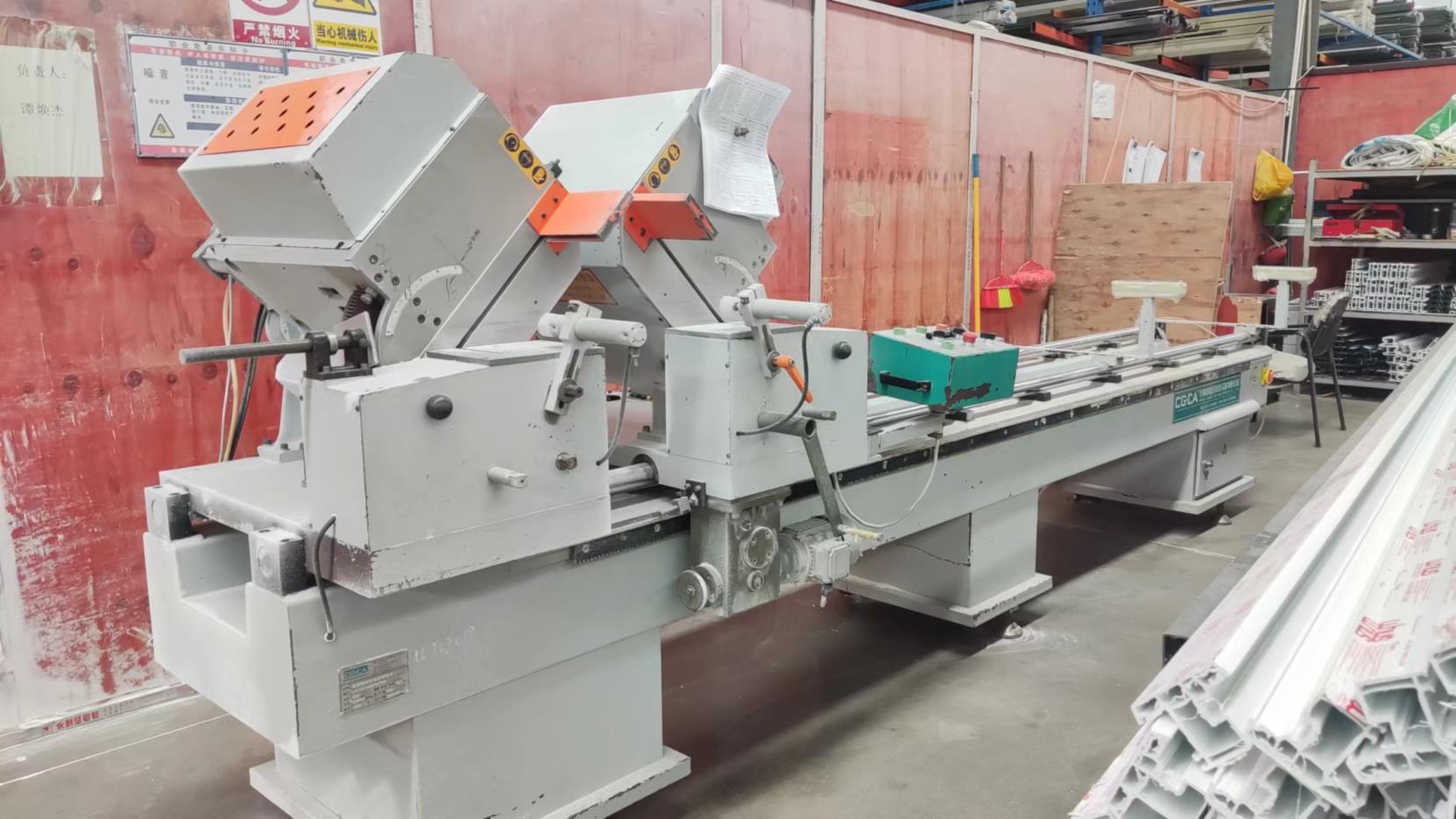
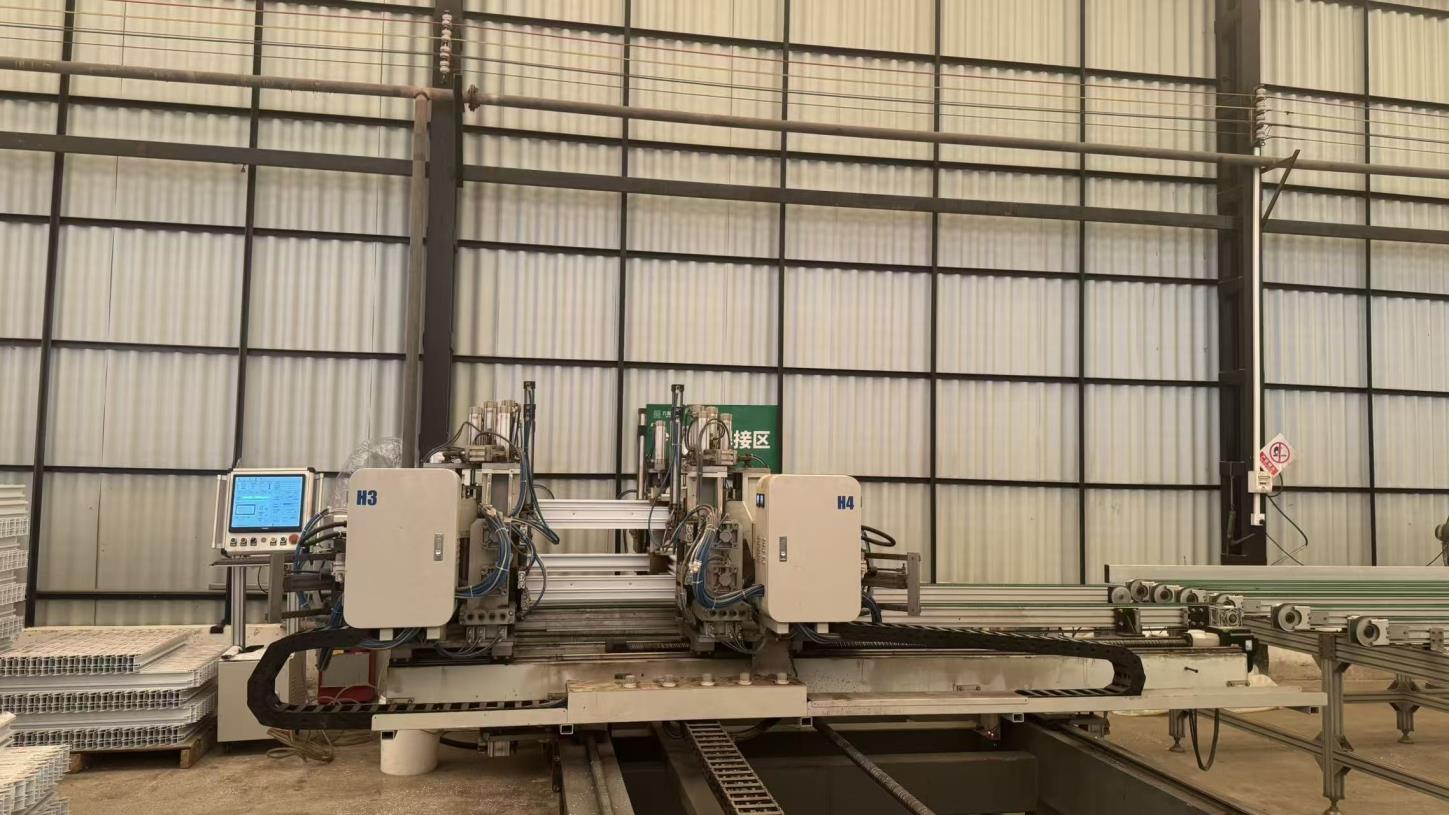
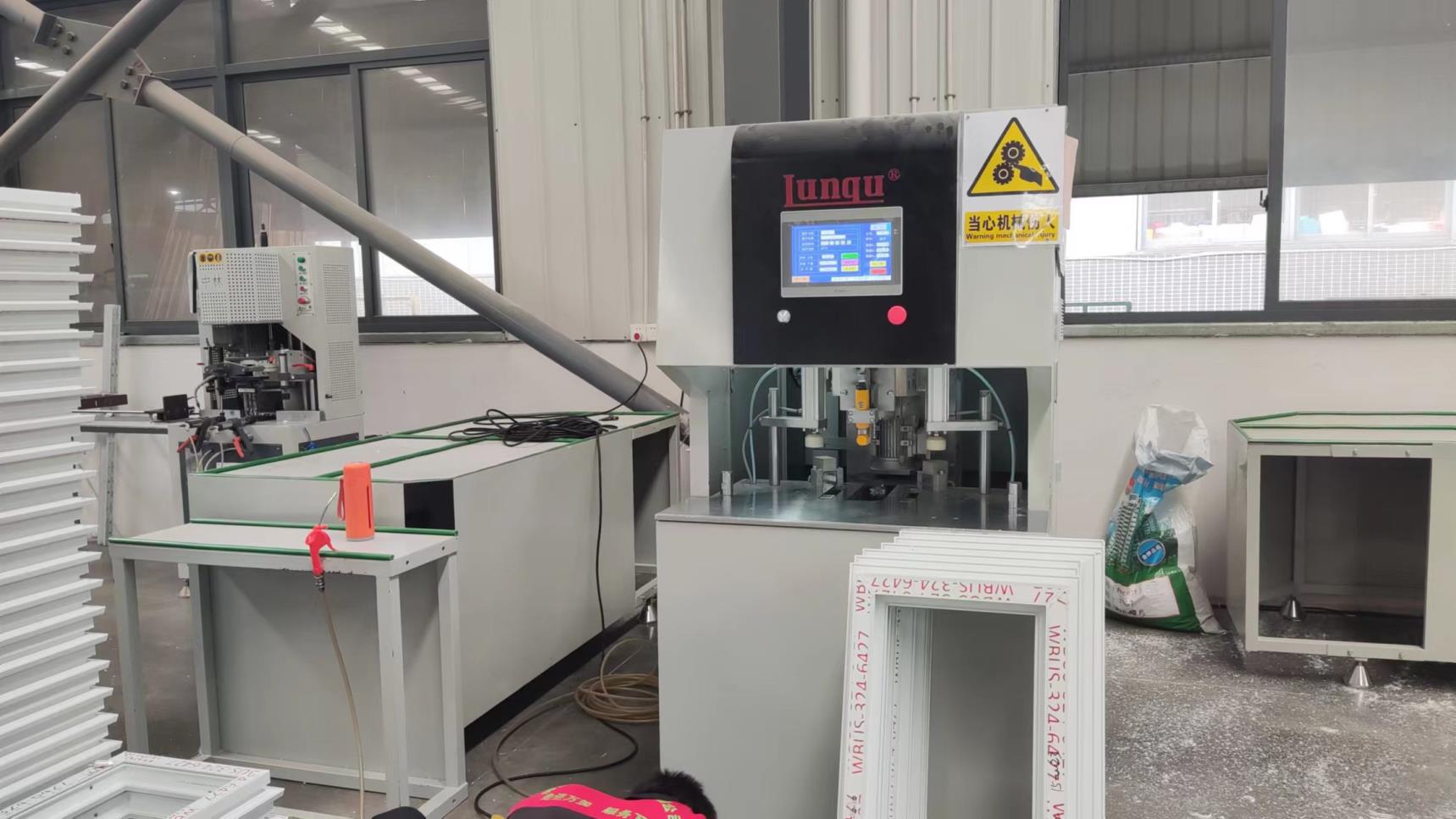
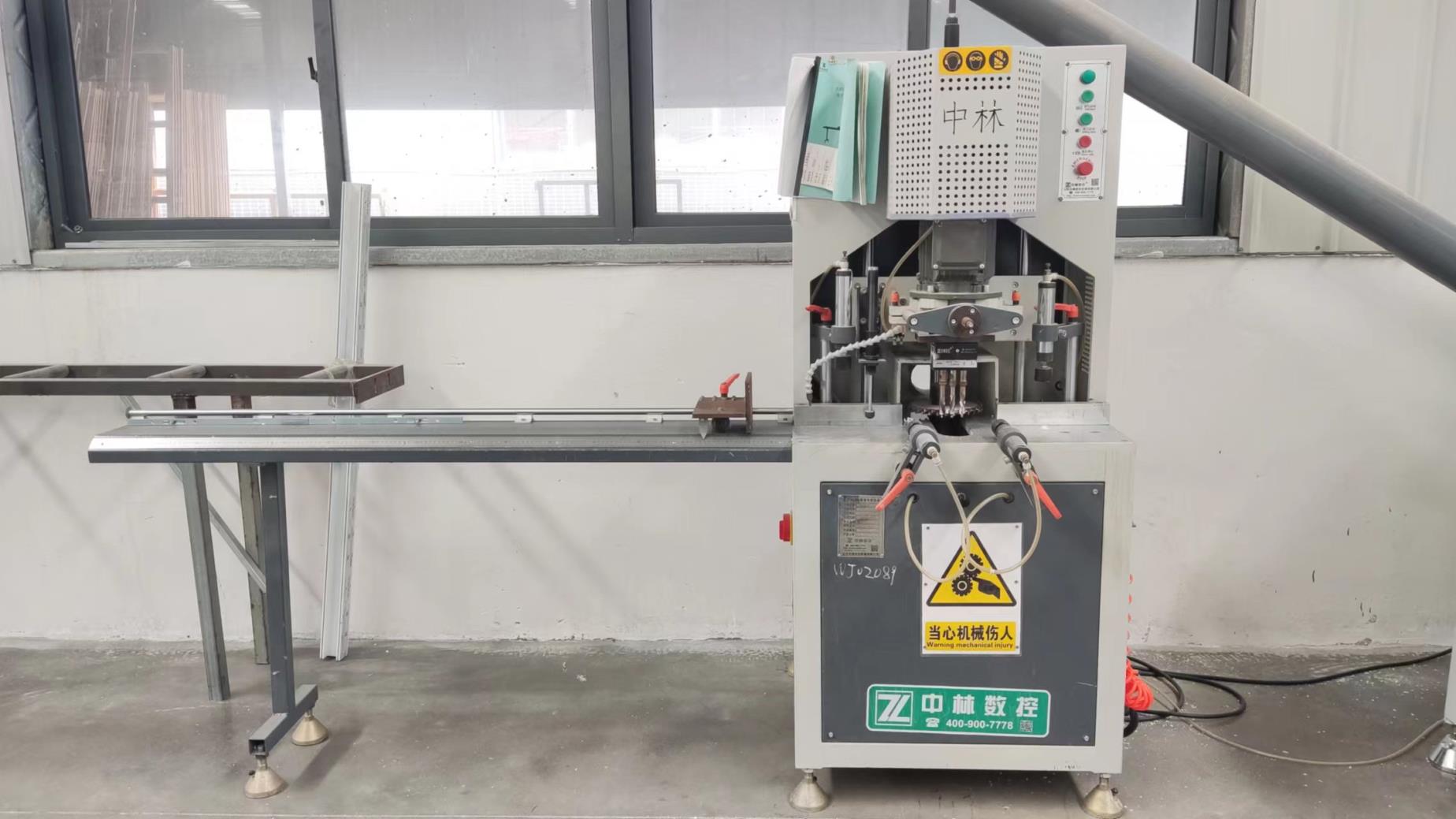
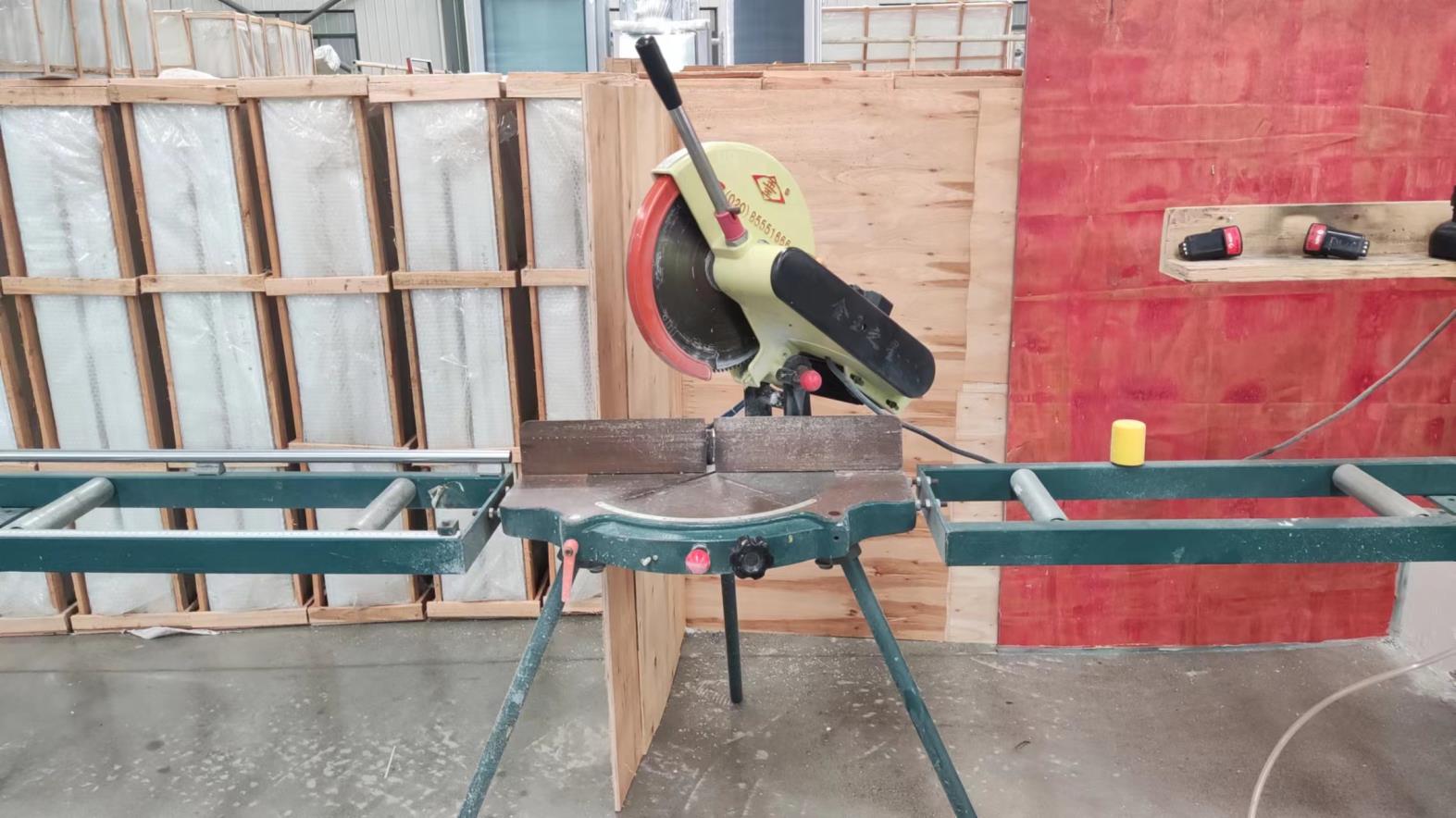
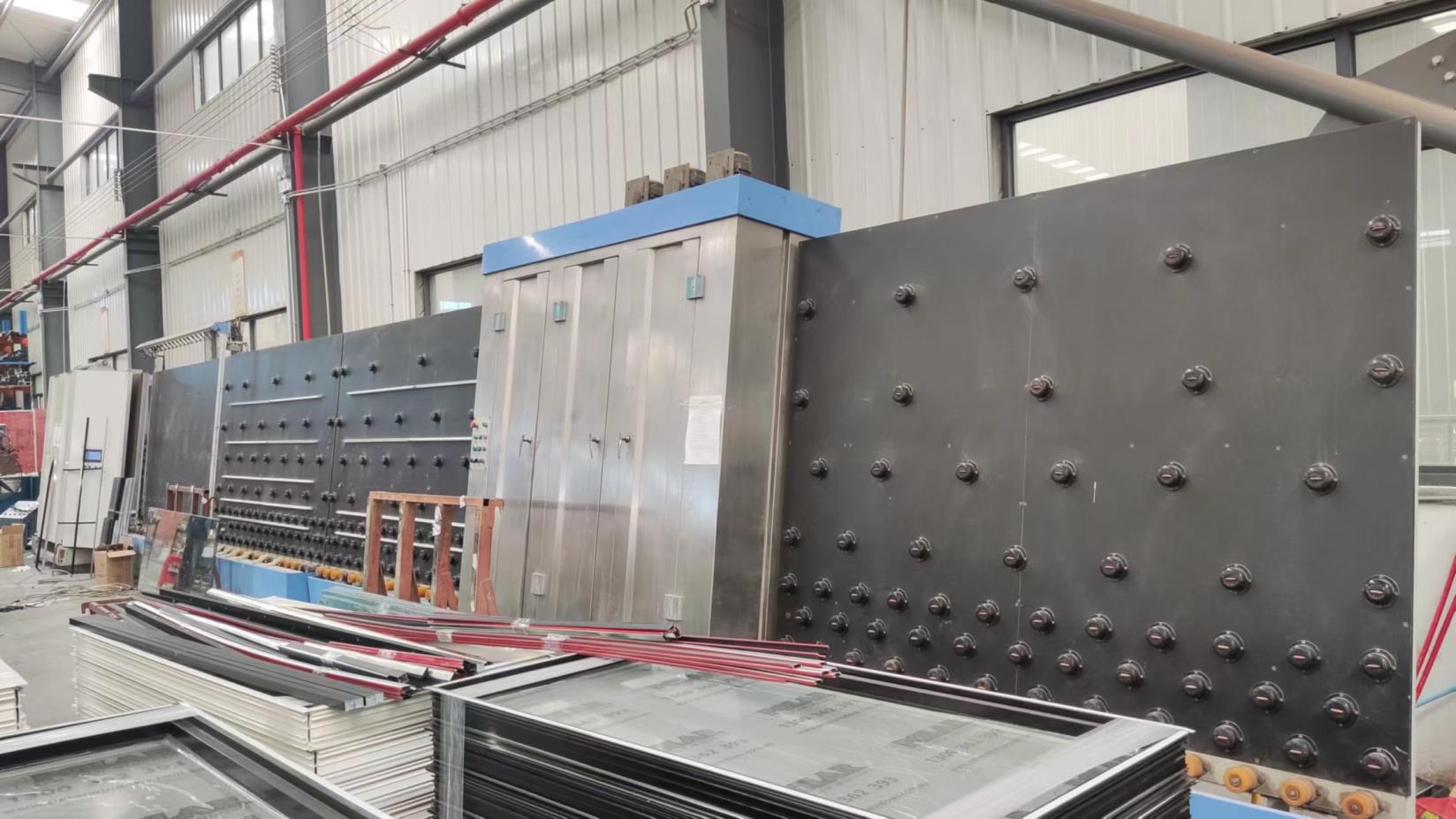
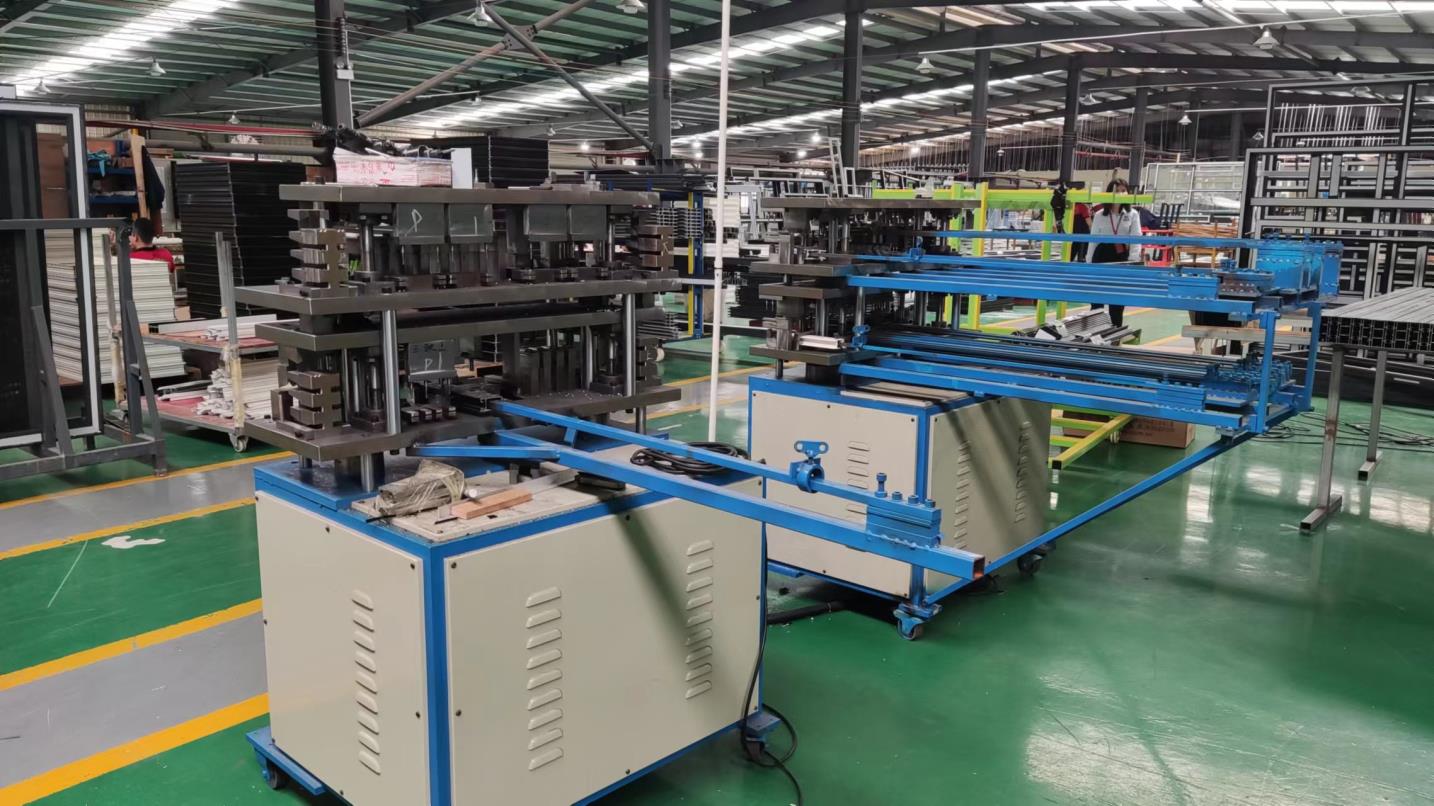
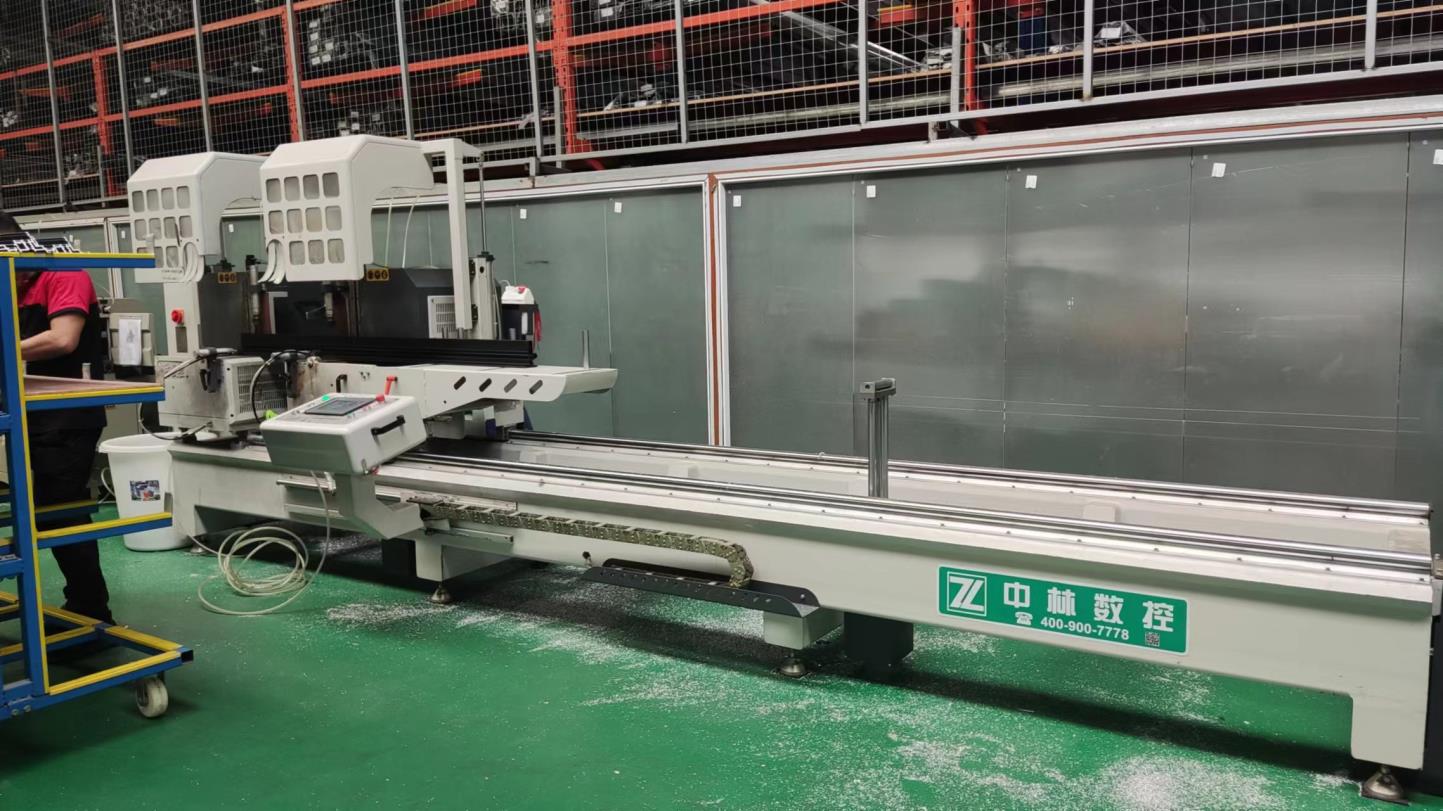
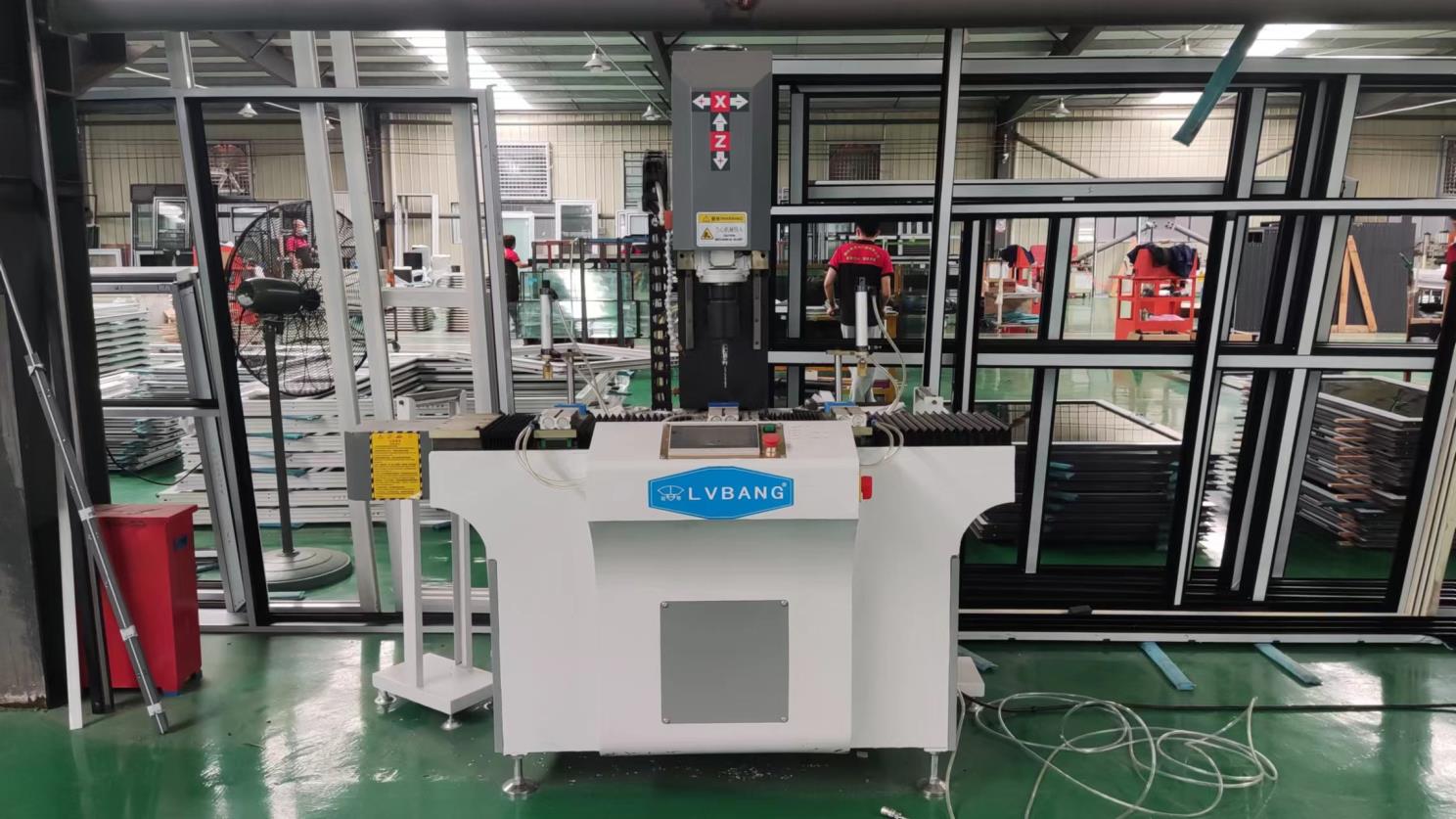
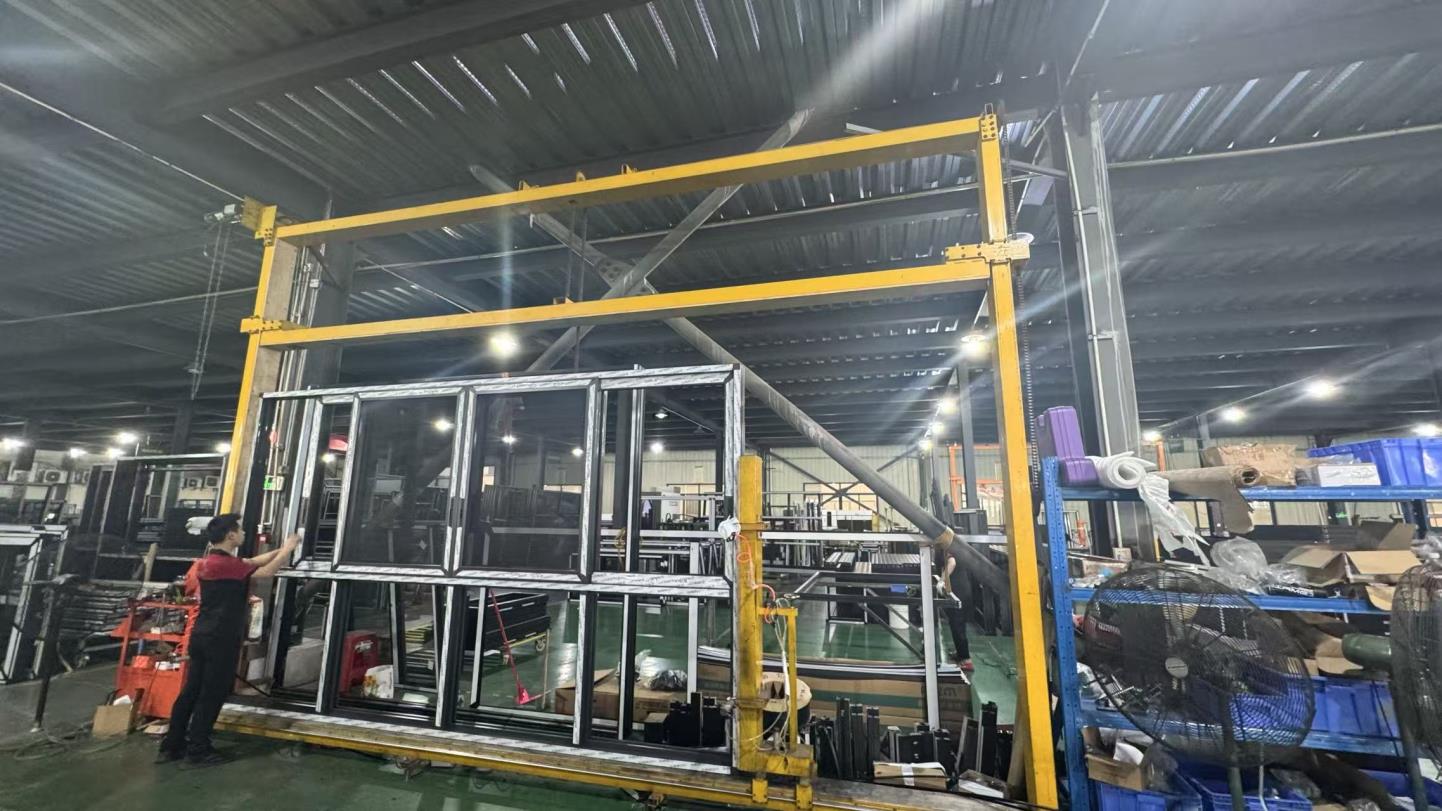
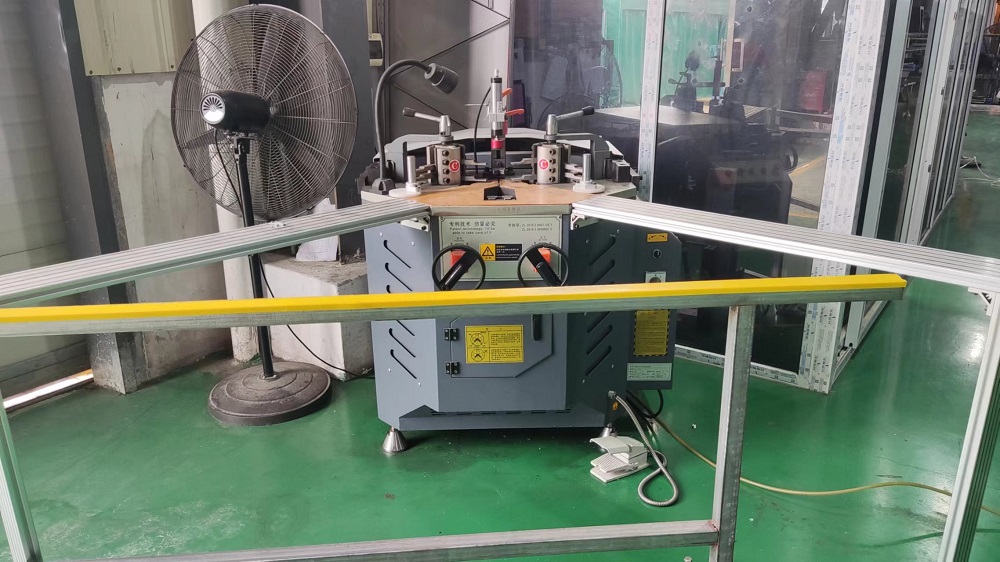
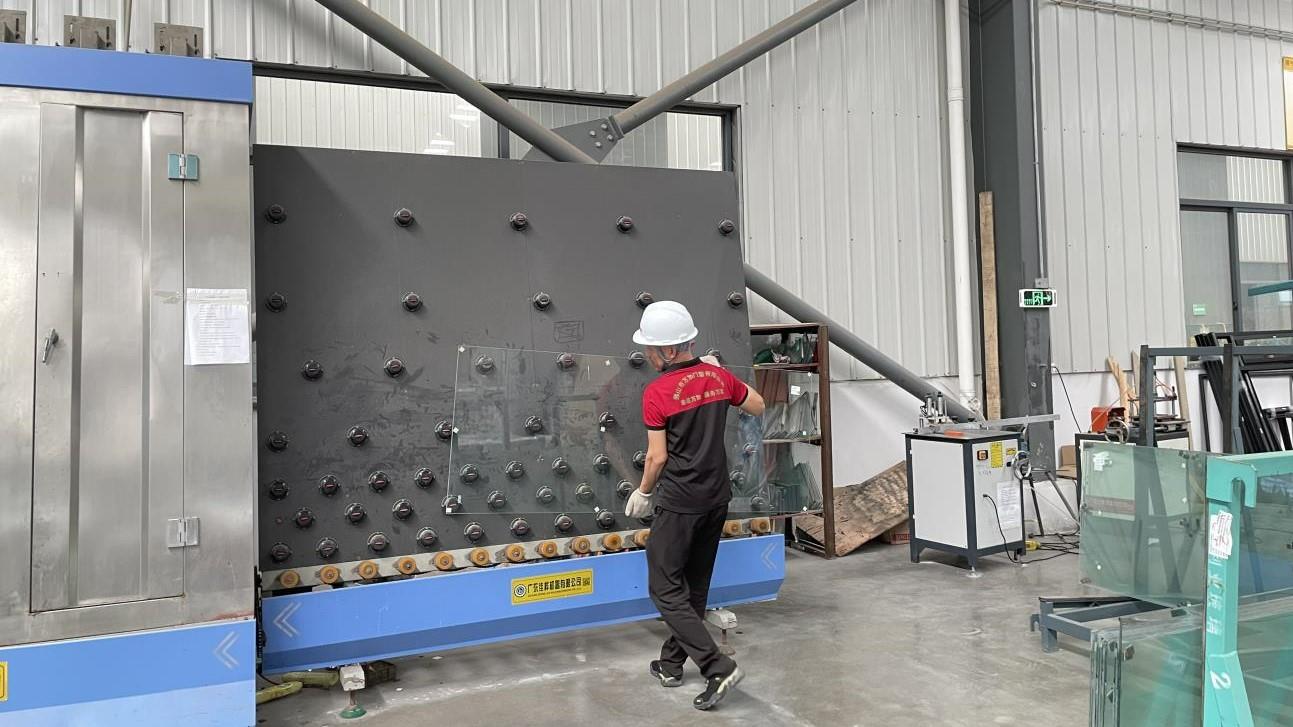
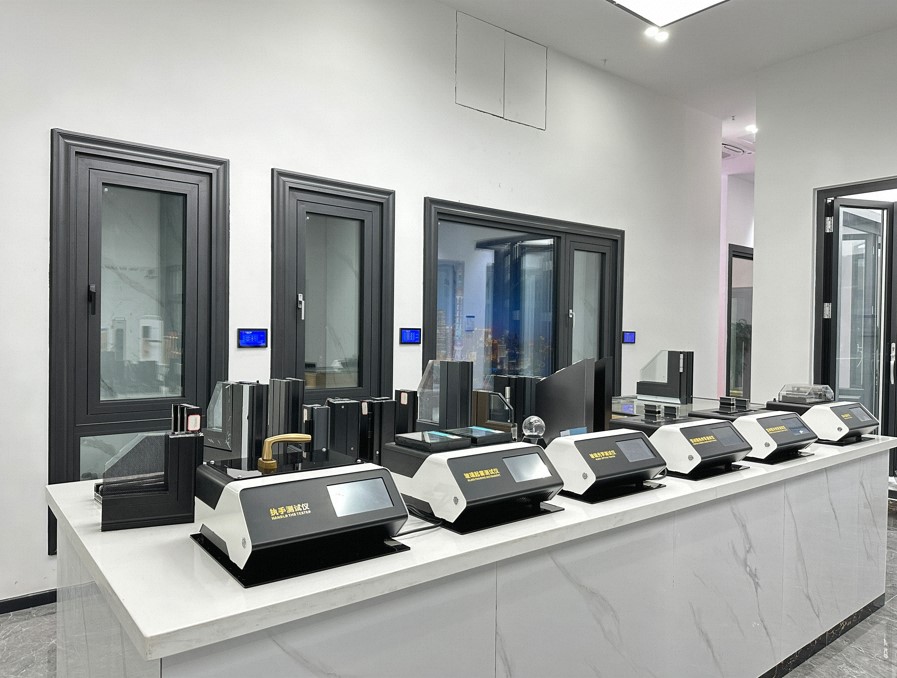
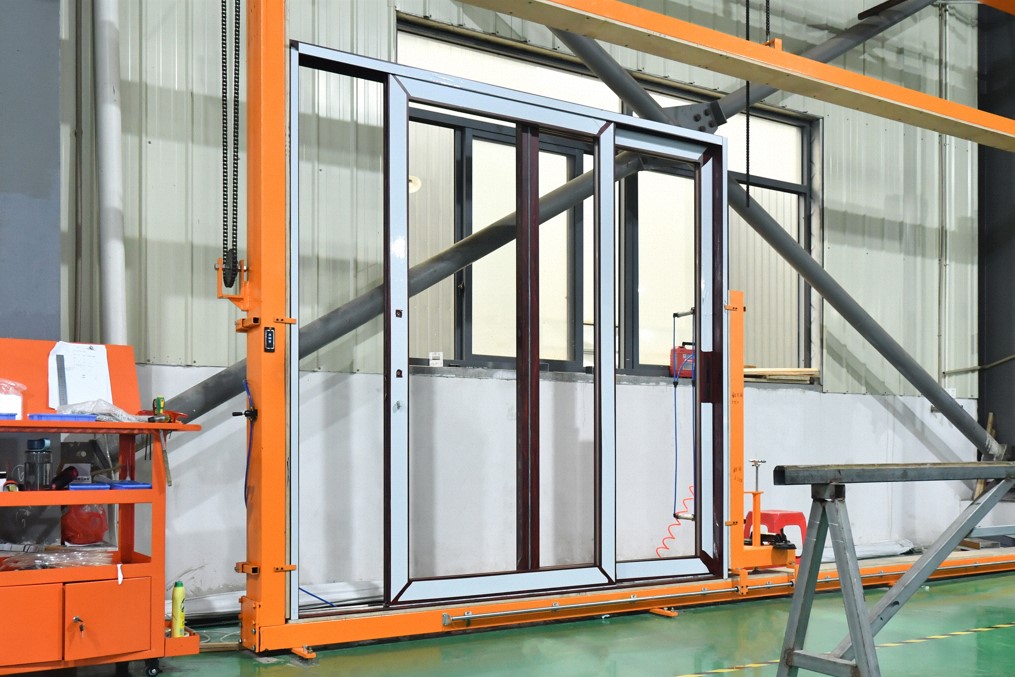
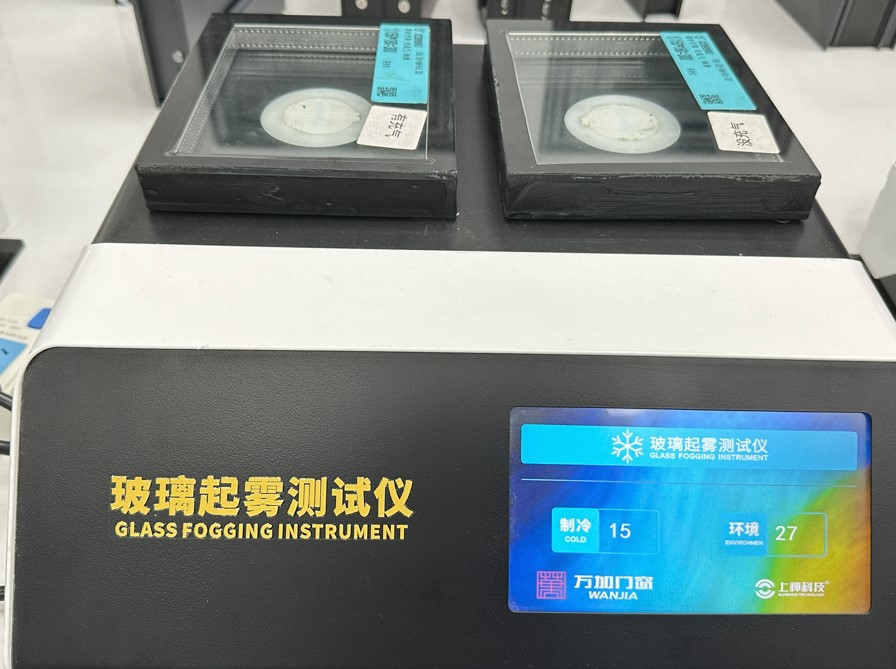
Pivot doors are not universal single-spec products; their structural specification varies dramatically depending on geographic climate zones, municipal building codes, architectural styles, and operational demands. Leading CE-certified manufacturers design customizable profile sub-systems engineered for localized performance targets:
In coastal markets like Florida and the Caribbean, entry pivot doors must comply with Florida Building Code (FBC) and Miami-Dade NOA standards. Pivot leaves feature heavy-gauge aluminum profiles, multi-layer PVB laminated glass panels (SentryGlas® interlayers), and heavy-duty deadbolts engineered to withstand large missile impact tests and cyclic wind pressure up to +100/-100 PSF.
For cold climate regions requiring Passive House standards, pivot door systems are built with multi-cavity thermal break profiles filled with aero-gel or polyurethane insulation. Coupled with low-emissivity (Low-E) triple glazing and warm-edge spacers, these doors eliminate thermal bridging, preventing interior condensation even under external temperatures of -30°C.
The Gulf region demands pivot assemblies resistant to extreme solar radiation, high UV degradation, and fine sand penetration. Factory finishes utilize Fluorocarbon (PVDF) electrostatic powder coatings exceeding AAMA 2605 standards, combined with triple continuous silicone-EPDM weather gaskets to prevent air infiltration during sandstorms.
As architectural requirements evolve towards smarter, greener, and larger building envelopes, top manufacturers are pushing the boundaries of mechanical and electrical integration:
Modern B2B door specs increasingly require seamless IoT integration. Advanced pivot hardware incorporates hidden concealed motor drives that open oversized pivot panels via facial recognition, biometric fingerprint sensors, or smartphone RFID systems, complemented by motorized multi-point automatic drop-bolts.
Architectural trends favor zero-threshold transitions. Next-gen pivot designs feature completely concealed top pivots embedded in flush ceilings and floor springs integrated below finish flooring level, offering smooth 360-degree swing options or hold-open angles at 90° and 180°.
When sourcing CE-certified pivot doors from overseas manufacturers, procurement officers, general contractors, and real estate purchasing directors must establish robust verification protocols to mitigate supply chain risks. The following technical checklist serves as an enterprise evaluation standard:
Do not rely solely on self-declaration certificates. Request complete laboratory test reports from accredited bodies (e.g., TÜV, Intertek, SGS) verifying EN 14351-1 performance figures for air tightness, water pressure resistance, wind load compliance, and U-values.
Verify that aluminum extrusion profiles use virgin 6063-T6 or 6061-T6 alloy with wall thicknesses meeting structural thresholds (minimum 2.0mm to 3.0mm primary wall thickness for architectural pivot frames).
Large glass pivot units are vulnerable during maritime transit. Enterprise suppliers must package assemblies in custom fully-enclosed fumigated wooden crates with internal rubber padding, steel strap reinforcement, and moisture-desiccant packs.
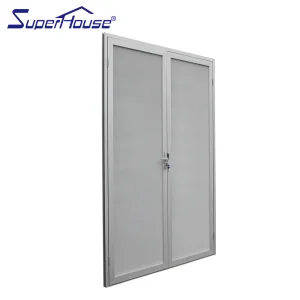
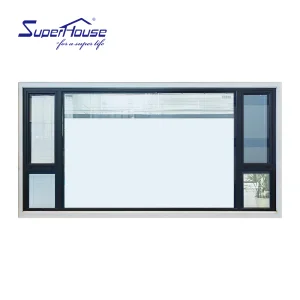
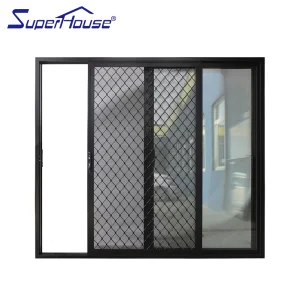
Explore our comprehensive range of thermal-break, hurricane-impact, and custom security fenestration products built for enterprise procurement.
 Fortisdor