Fortisdor
Executive Summary & Industry Macro Analysis
In modern architectural engineering, entry door systems have transitioned from passive security barriers into dynamic, highly engineered envelope components. The global demand for CE certified luxury aluminum entry doors is currently driven by strict carbon-neutrality mandates, extreme weather resilience requirements, and seamless smart-building integration. Aluminum, particularly high-grade extruded 6063-T6 alloy, has surpassed traditional timber and hollow steel solutions due to its exceptional strength-to-weight ratio, structural stability across broad thermal cycles, and total resistance to organic degradation.
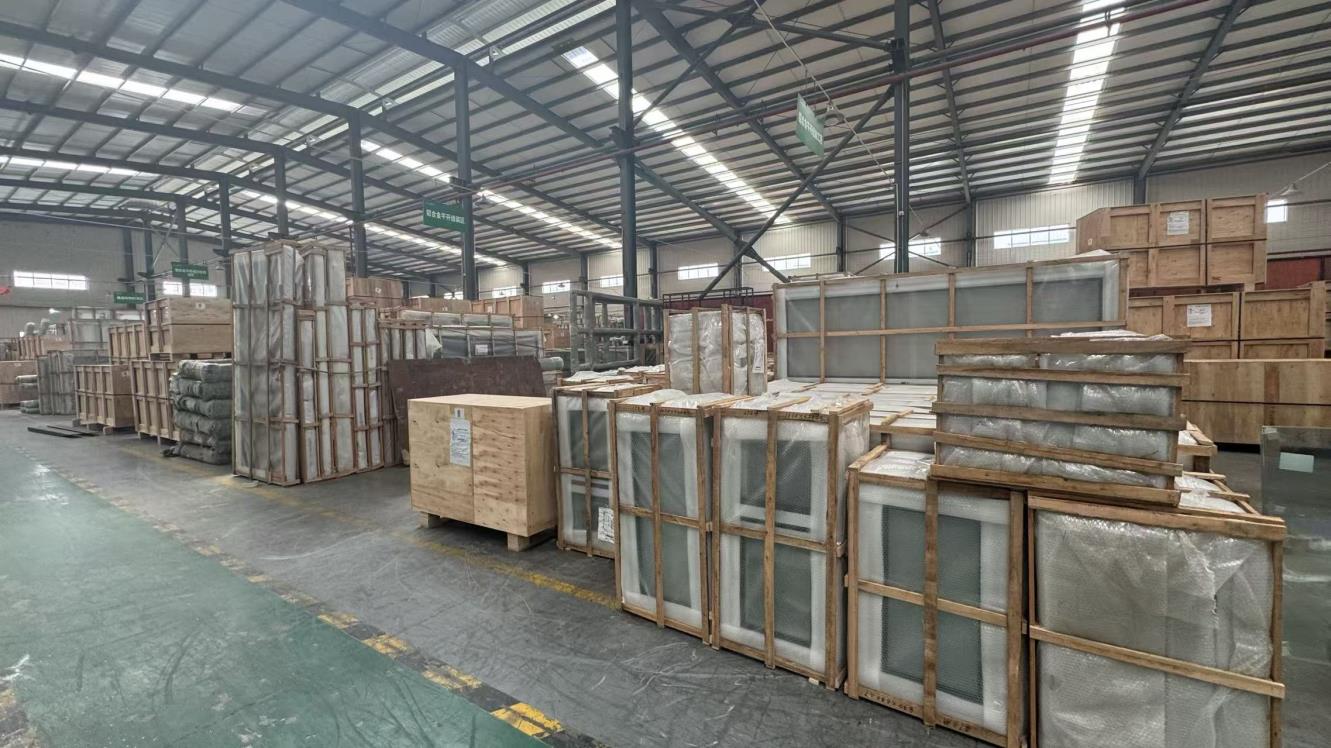
As commercial developers, real estate conglomerates, and facade engineers navigate stringent regional building codes—such as Europe's EN 14351-1 CE marking, North America’s NFRC thermal standards, and Florida’s high-velocity hurricane zone (HVHZ) Miami-Dade NOA protocols—selecting an experienced manufacturing partner is paramount. Fortisdor Security Doors Co., Ltd. stands at the intersection of precision engineering, industrial-scale economy, and design elegance, servicing over 950 institutional supply partners globally.
Key Technical Insight: Thermal & Structural Paradigm Shift
Modern luxury entry doors must balance hyper-efficient U-factors (below 0.8 W/m²K for Passive House benchmarks) with robust dynamic resistance against seismic loads, forced entry attempts (RC3/RC4 ratings), and hurricane impact energy levels exceeding 90 psf design pressures.
Metallurgical Engineering & Manufacturing Execution
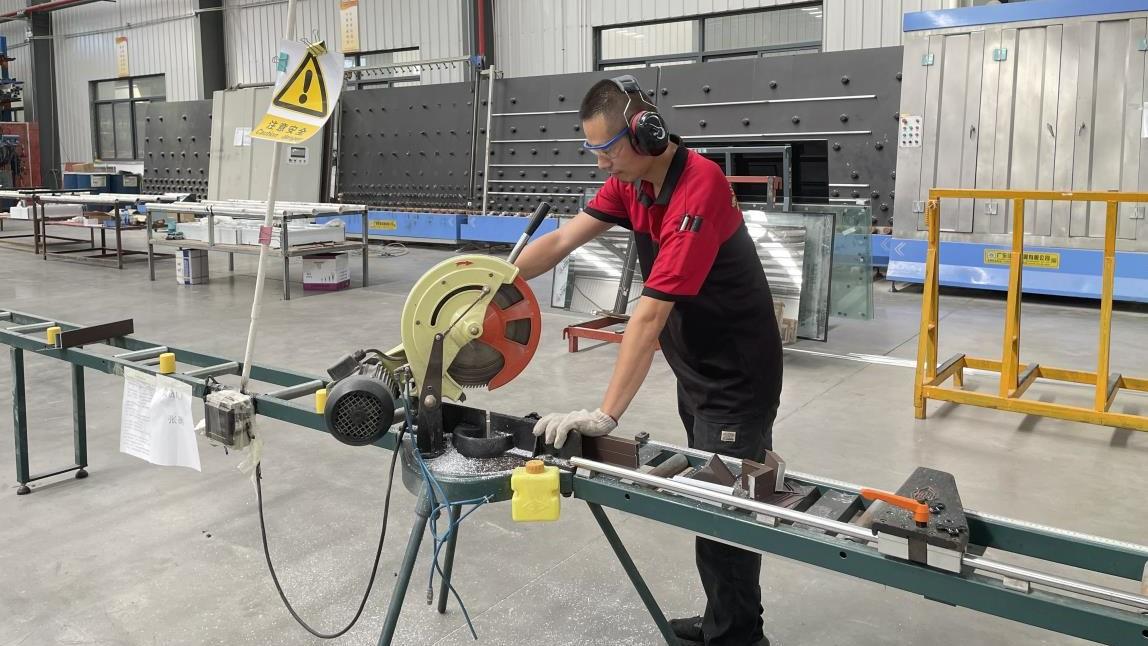
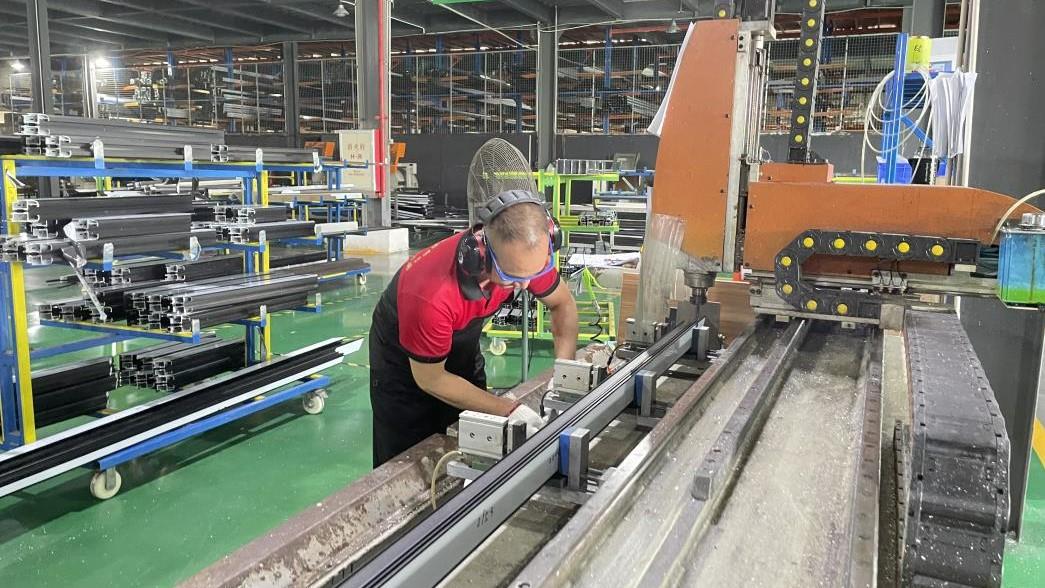
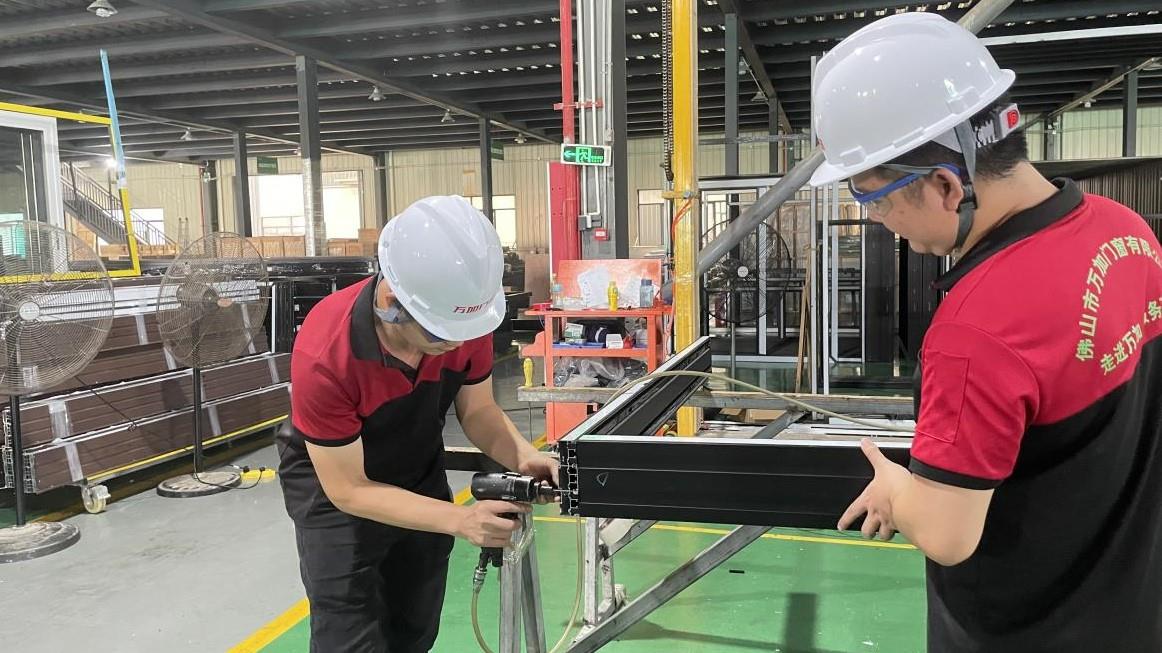
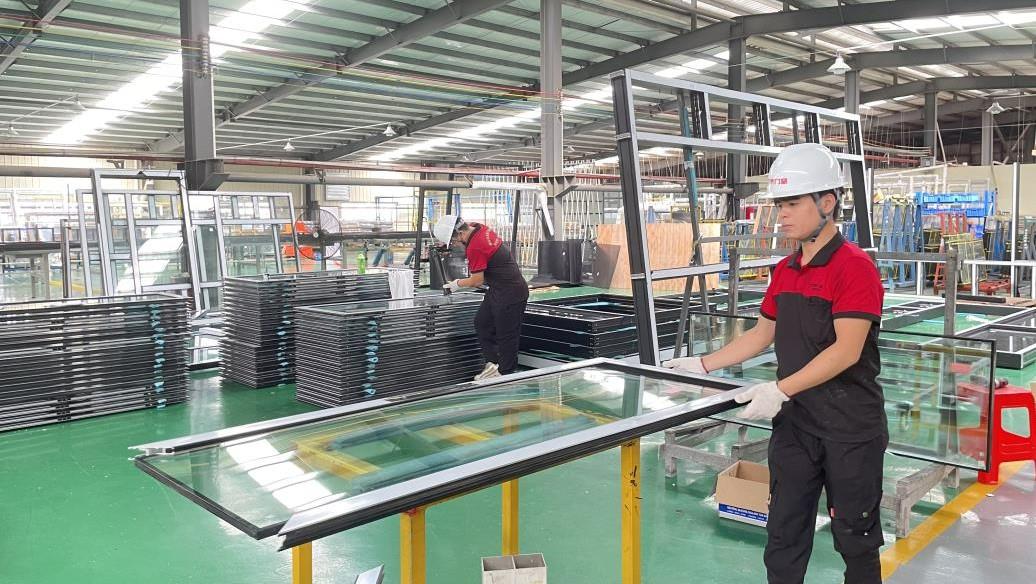
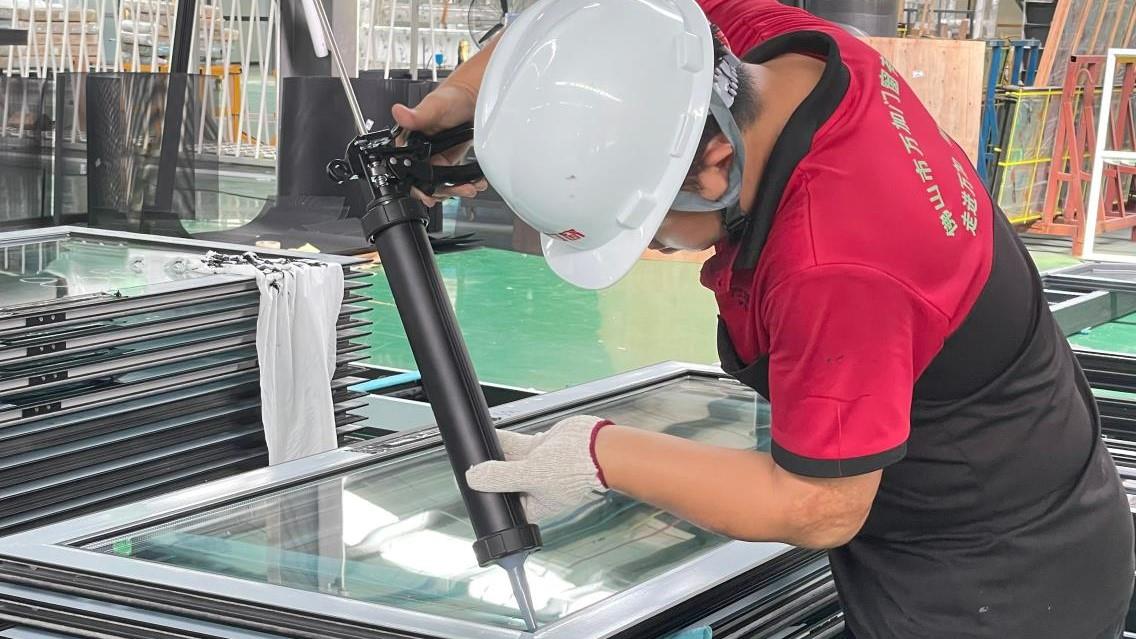
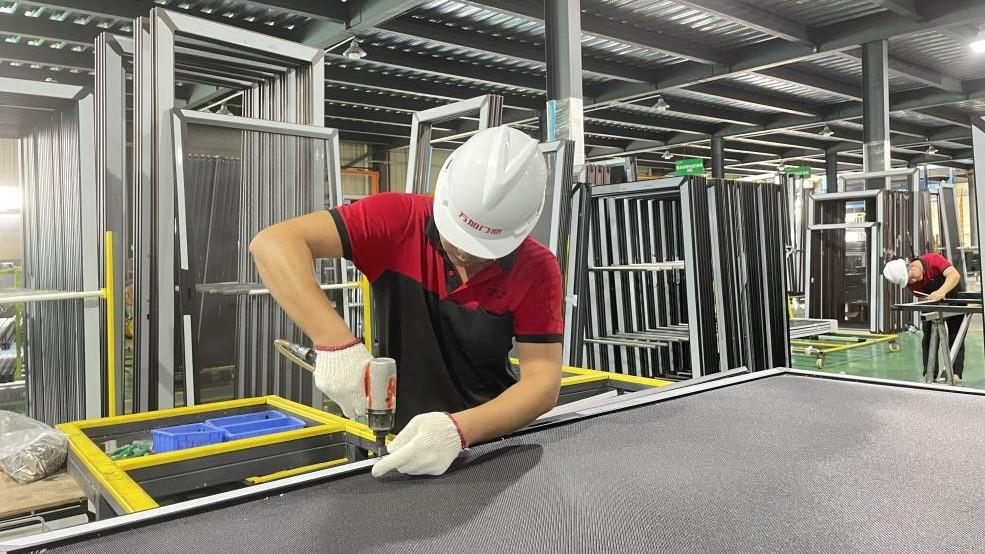
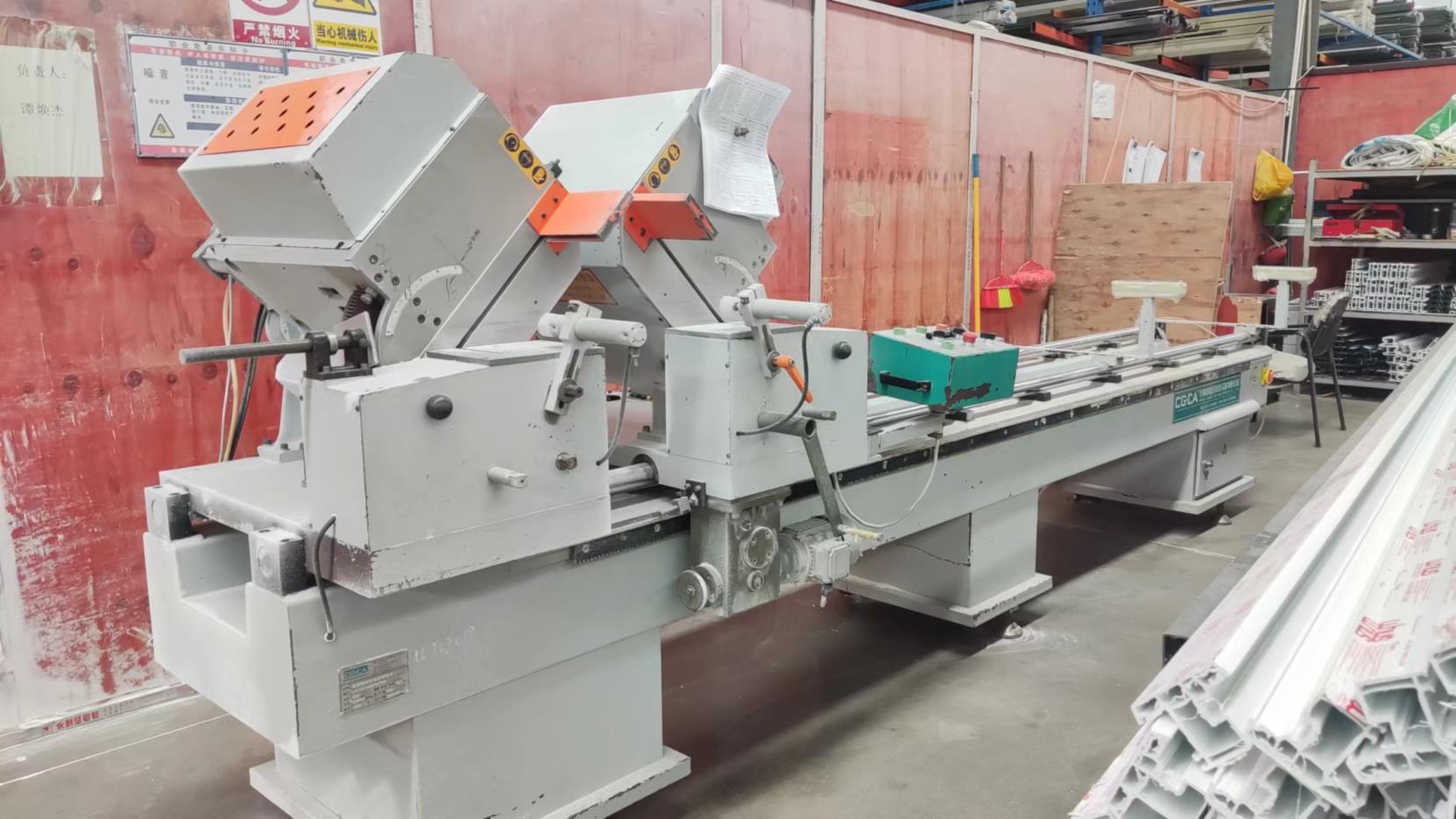
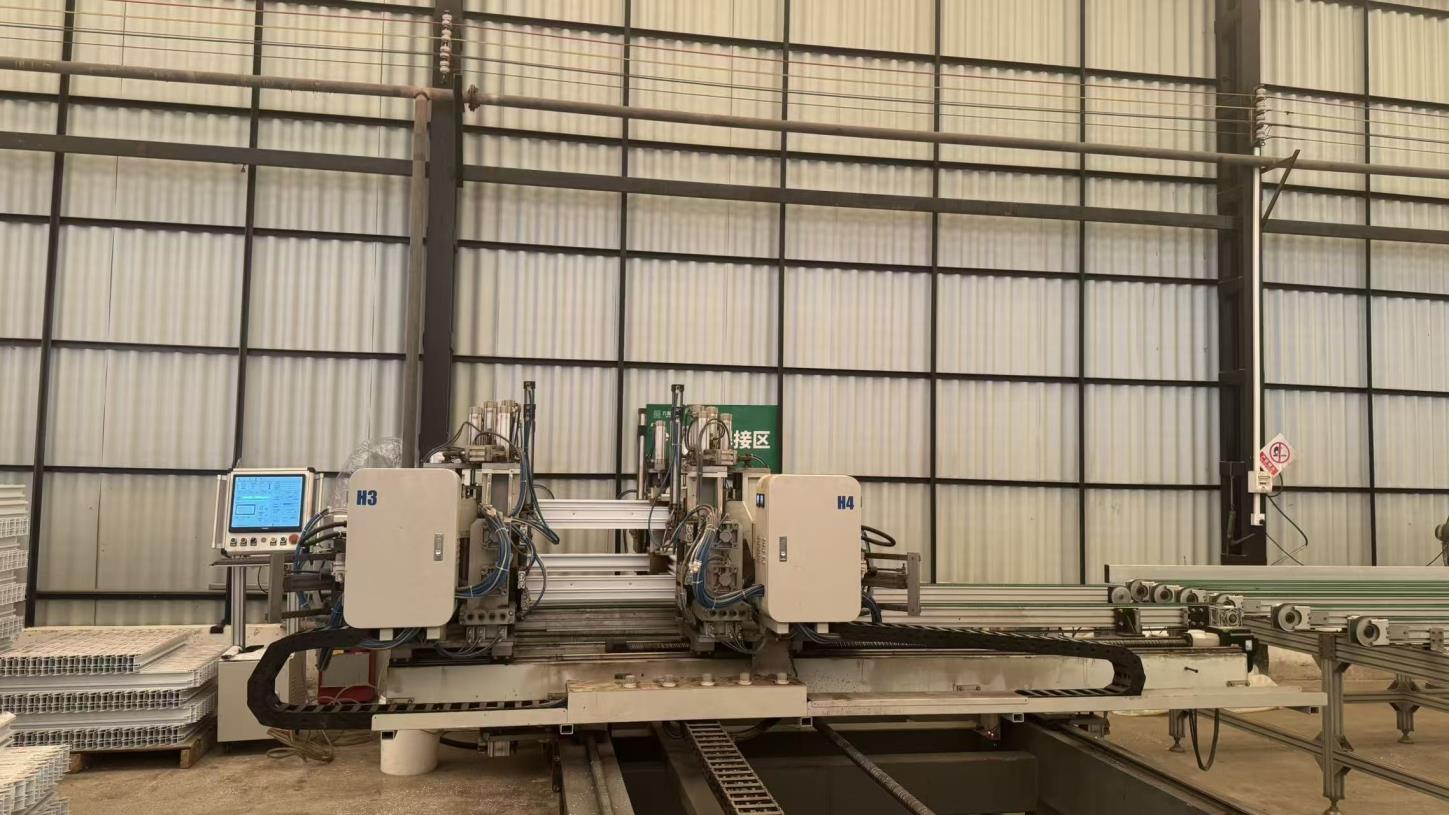
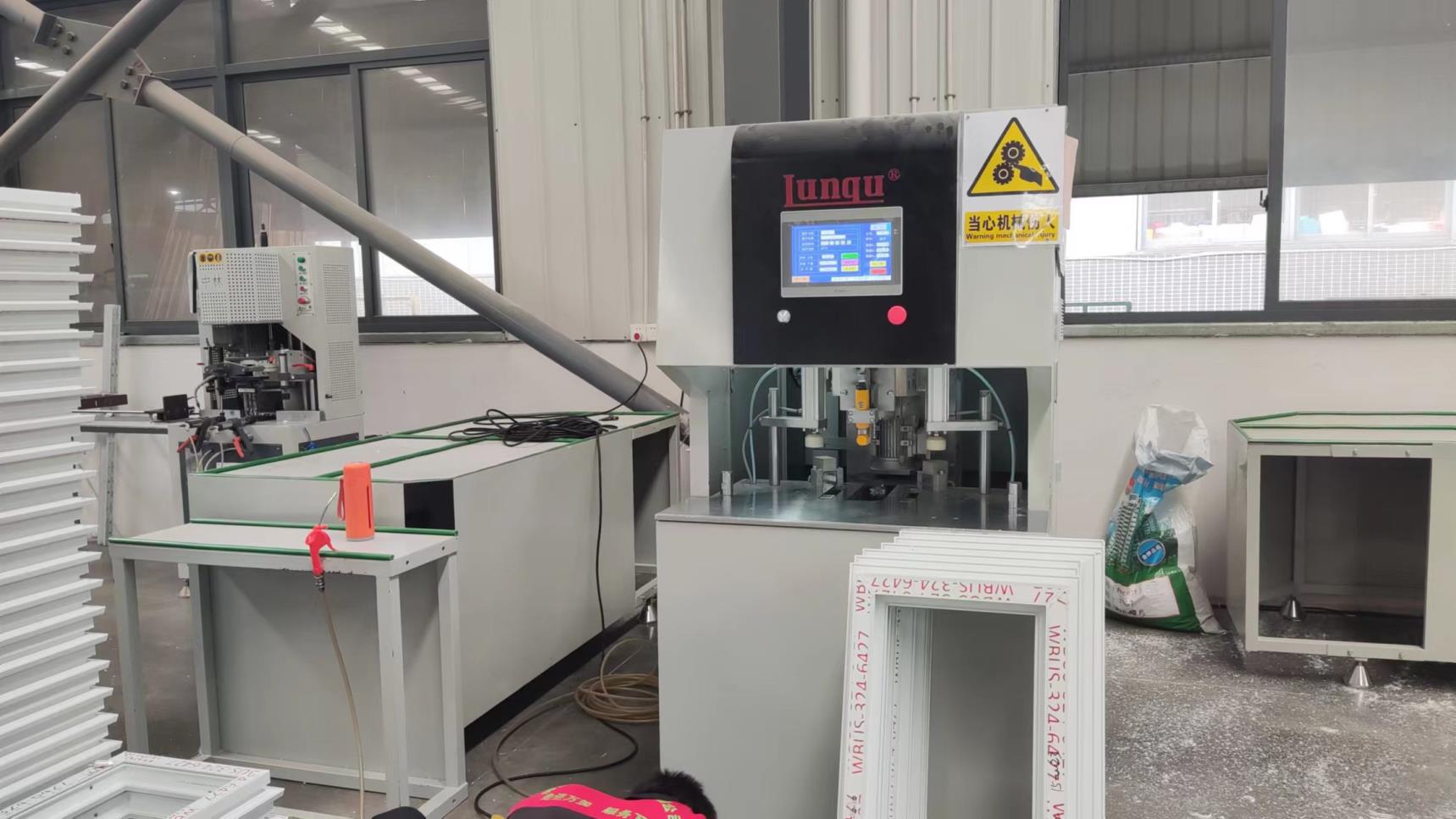
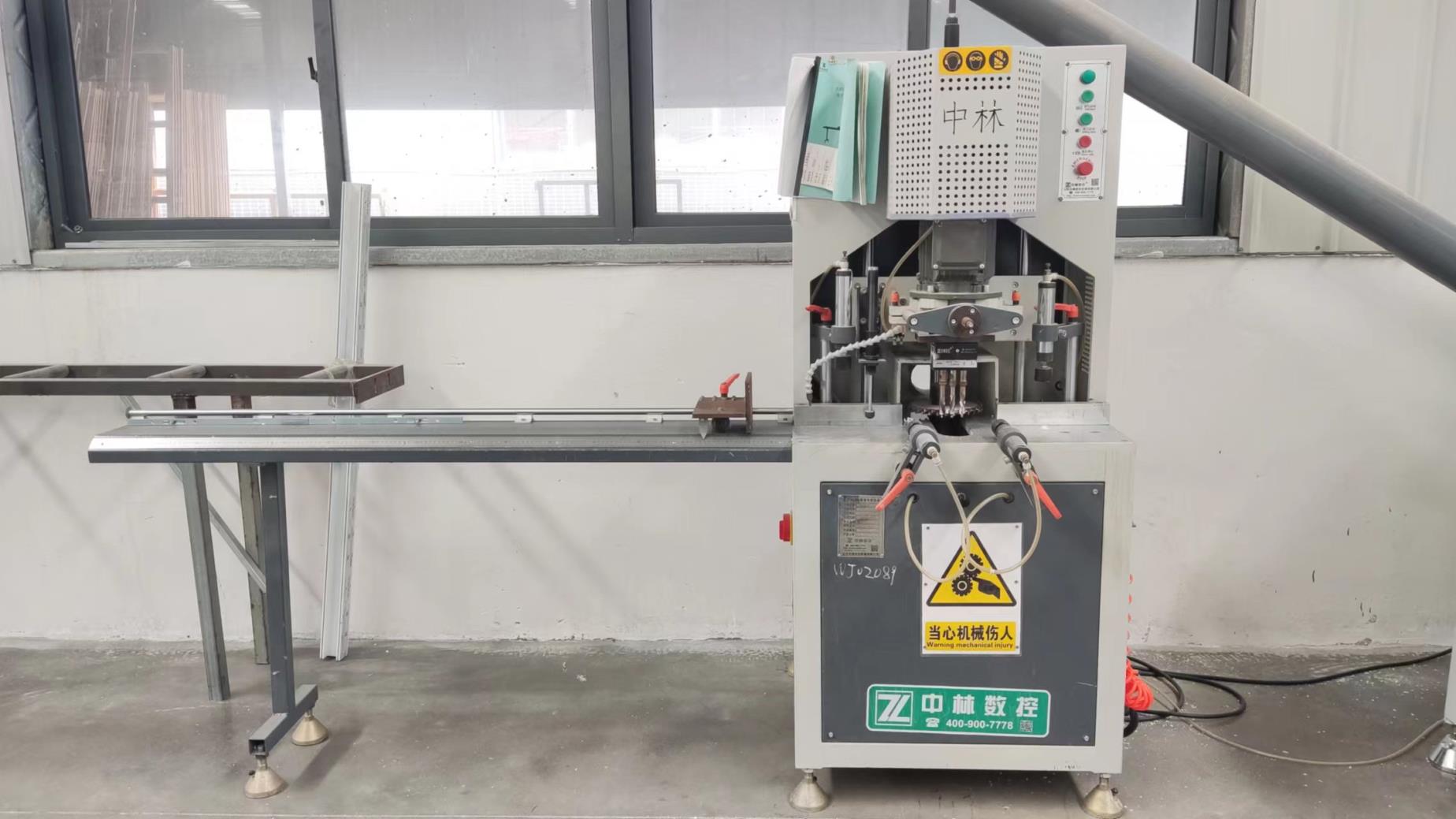
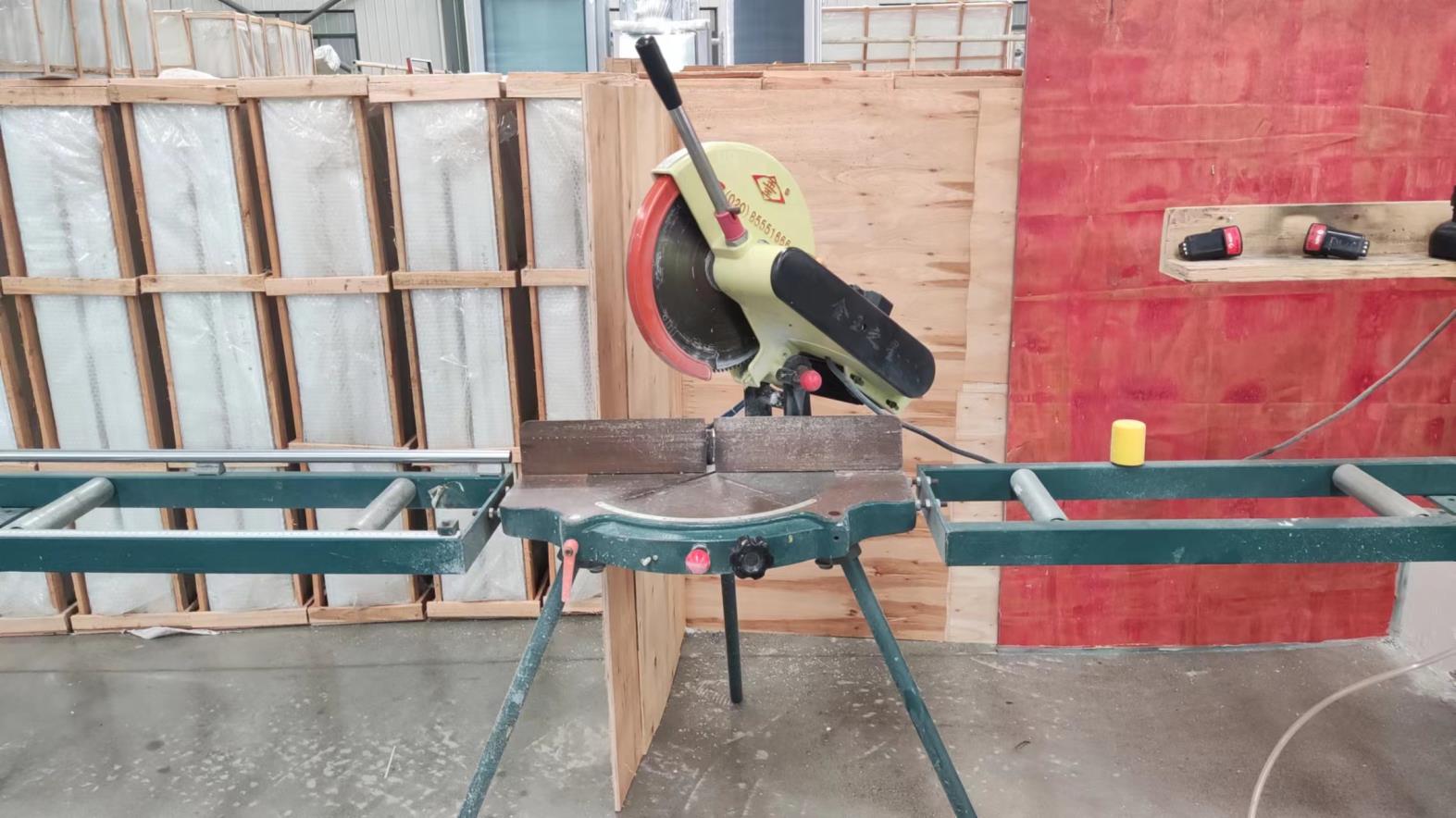
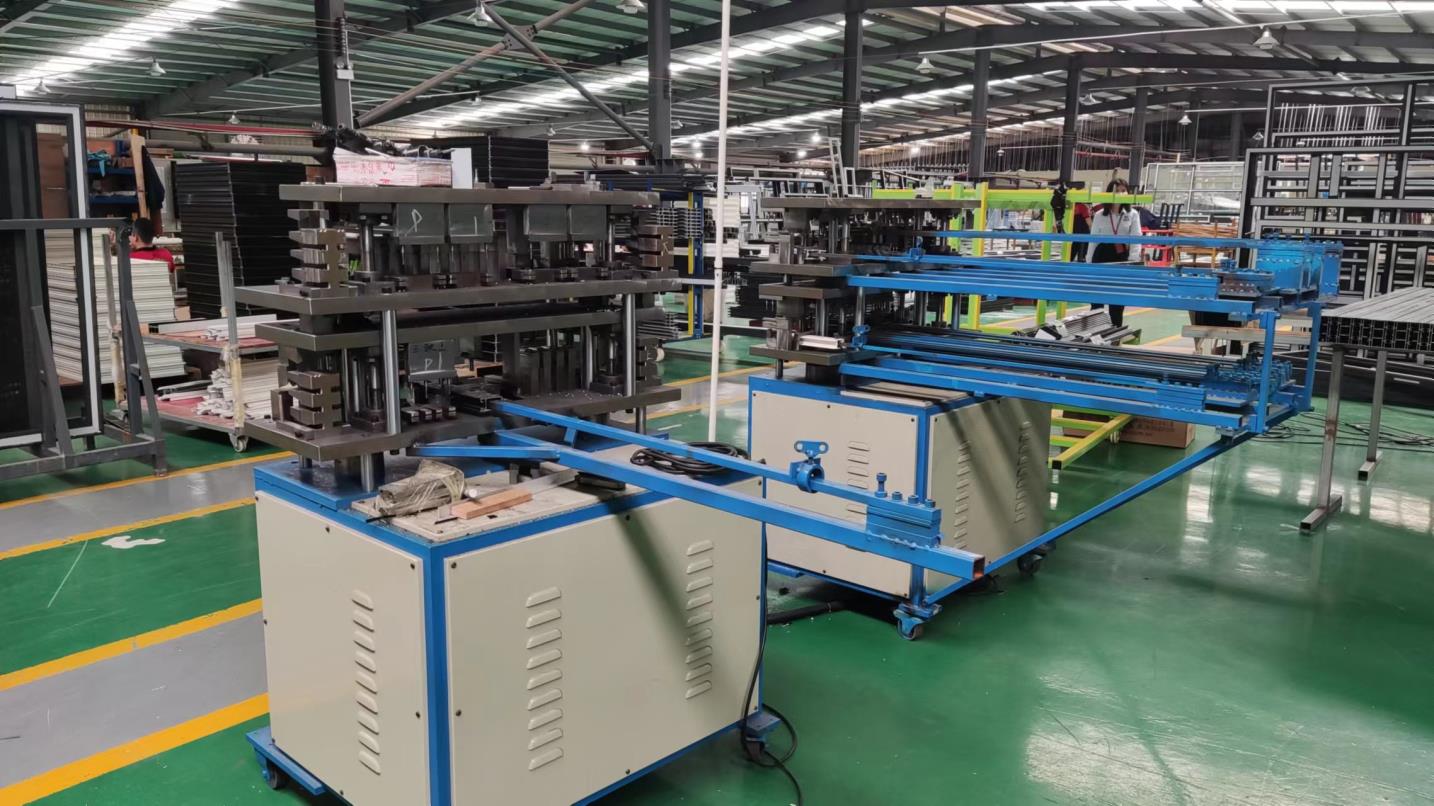
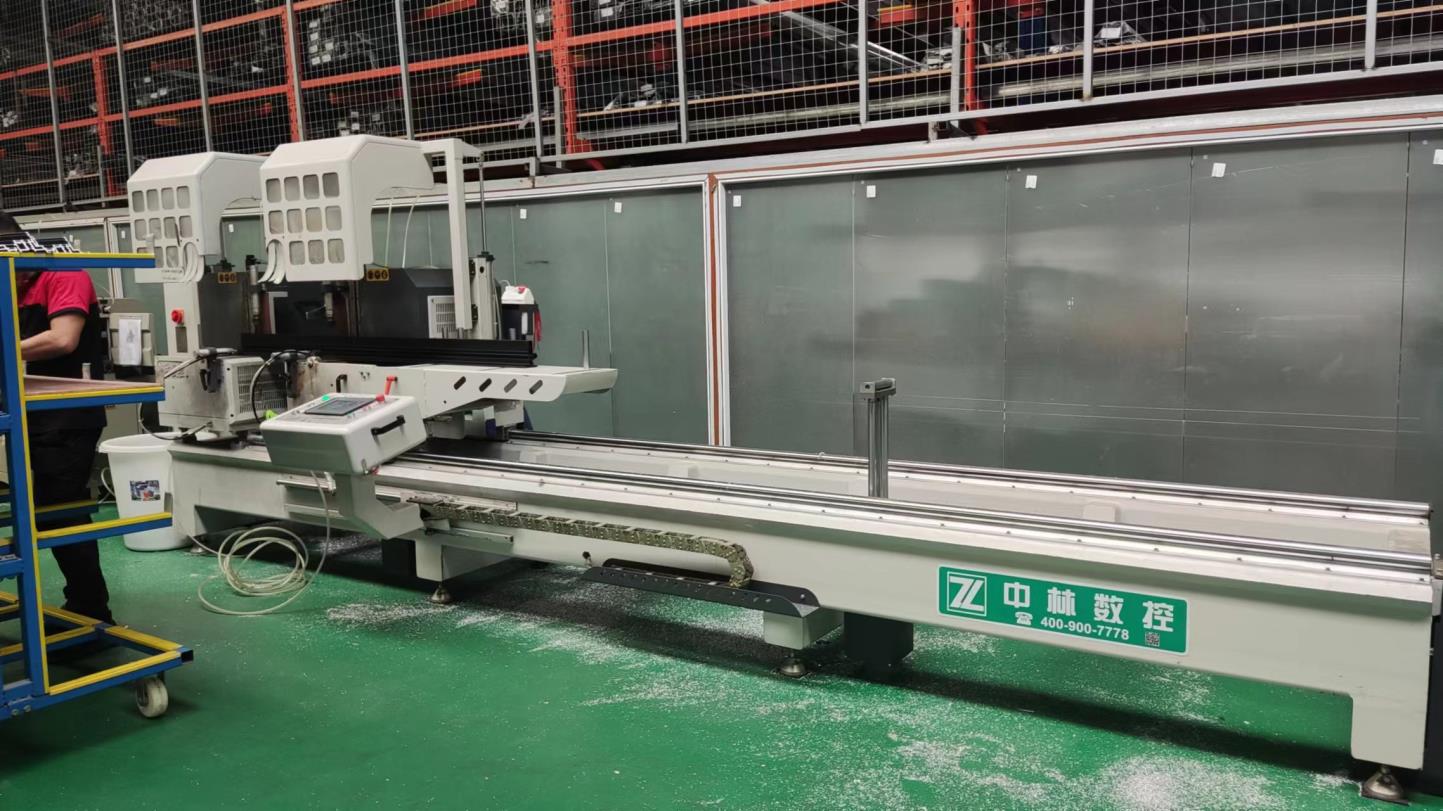
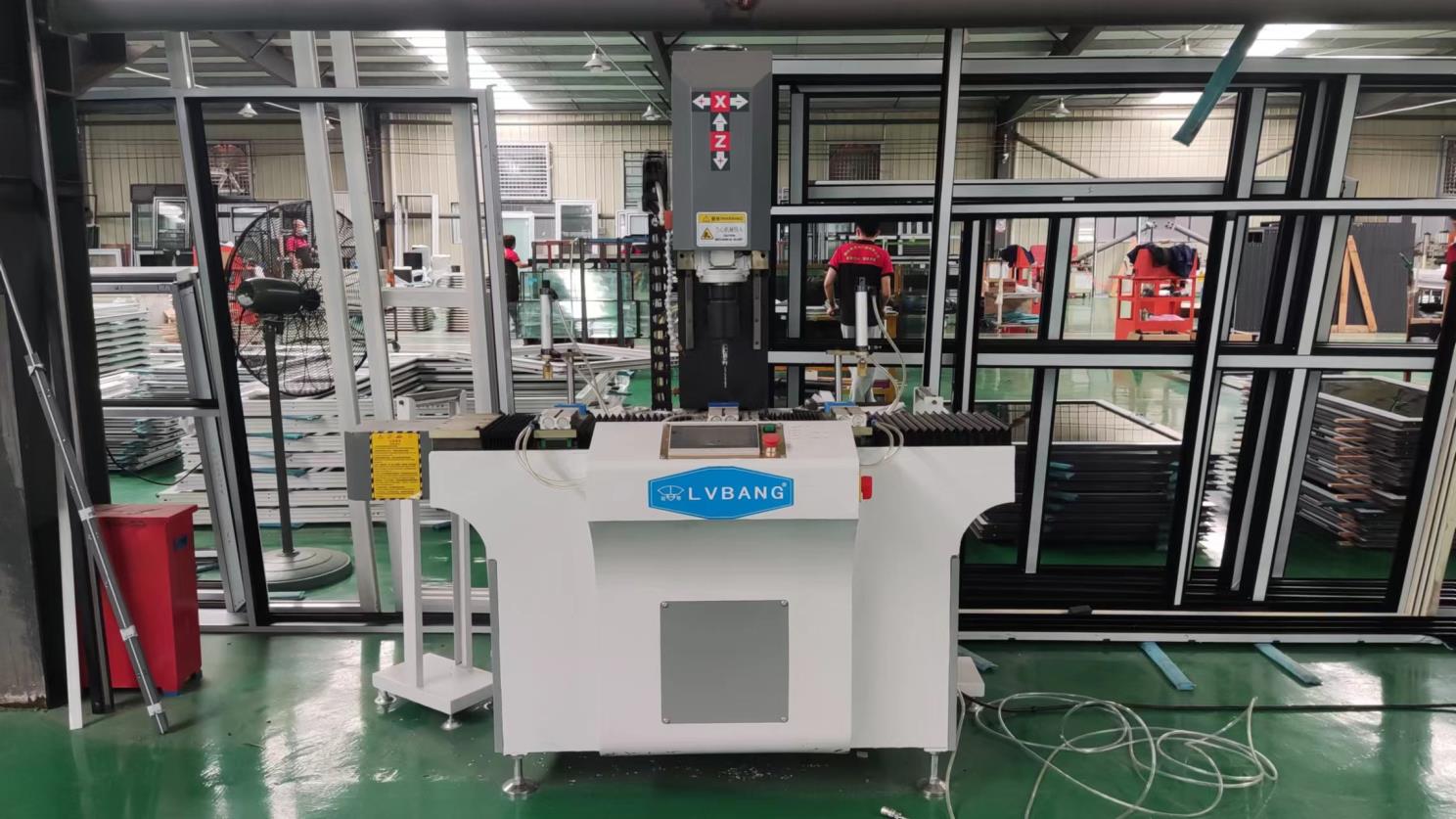
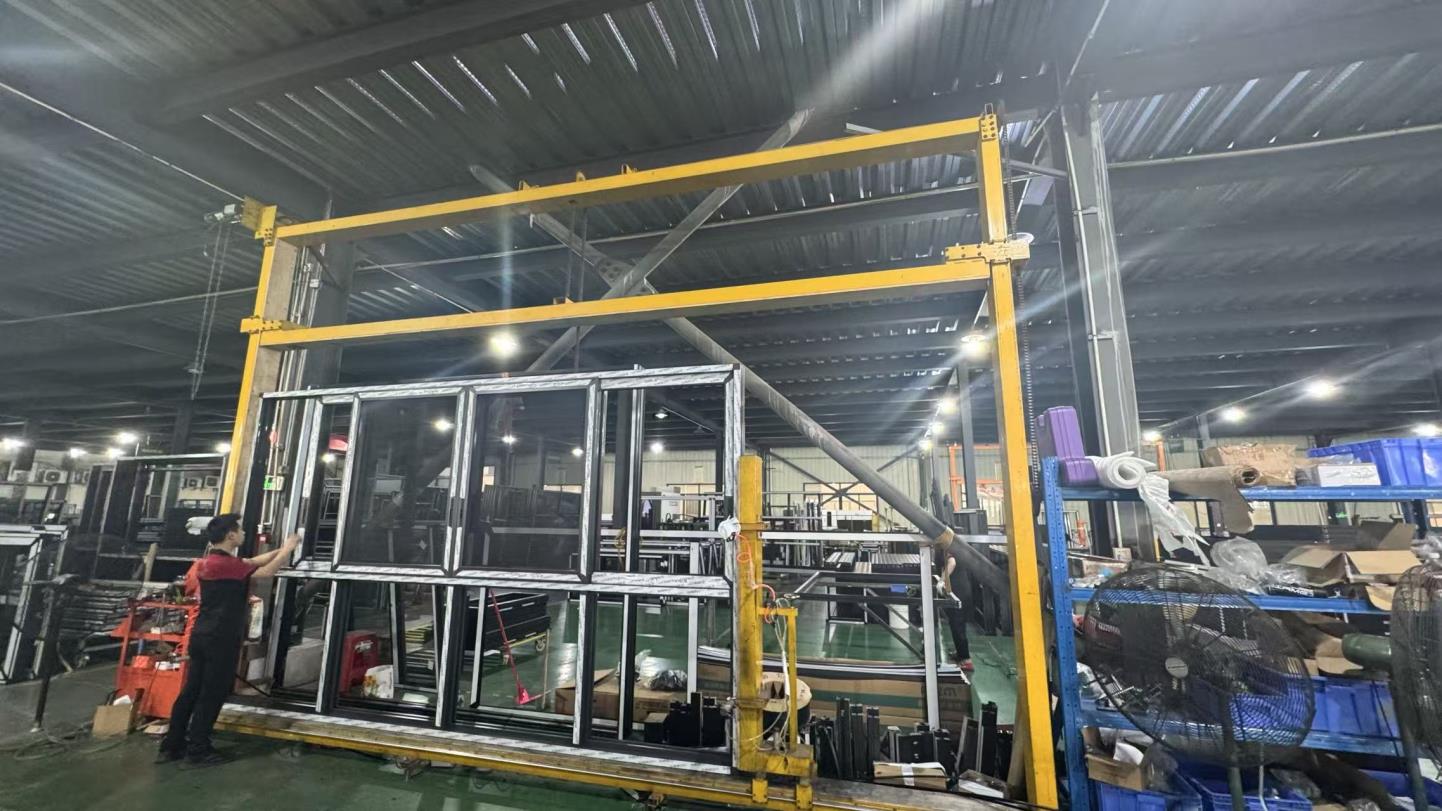
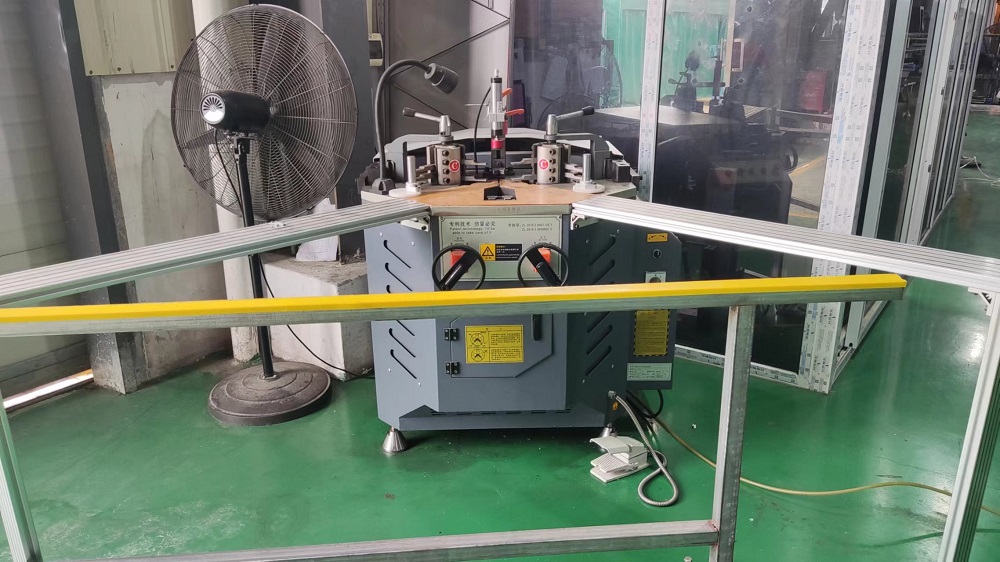
The manufacturing process of luxury aluminum doors involves specialized material science and exact physical tolerances. Raw extrusions undergo T6 heat treatment to reach ultimate tensile strengths exceeding 205 MPa. Unlike standard architectural doors, luxury exterior entrance systems incorporate multi-cavity thermal break profiles featuring glass-fiber reinforced Polyamide (PA66-GF25) strips. This multi-barriered profile breaks the thermal conduction bridge, eliminating internal condensation and reducing thermal energy transmission significantly.
Surface Finishing & Corrosion Immunity
To withstand extreme exterior environments—from high-salinity coastal areas to UV-heavy tropical belts—Fortisdor applies advanced surface protection systems. Our automated powder coating lines utilize Qualicoat Class 2 and Class 3 fluorocarbon (PVDF) formulations, alongside physical vapor deposition (PVD) anodizing treatments. These coatings guarantee color retention, chalk resistance, and salt-spray corrosion resistance exceeding 3,000 continuous test hours.
Glazing Technologies & Acoustical Isolation
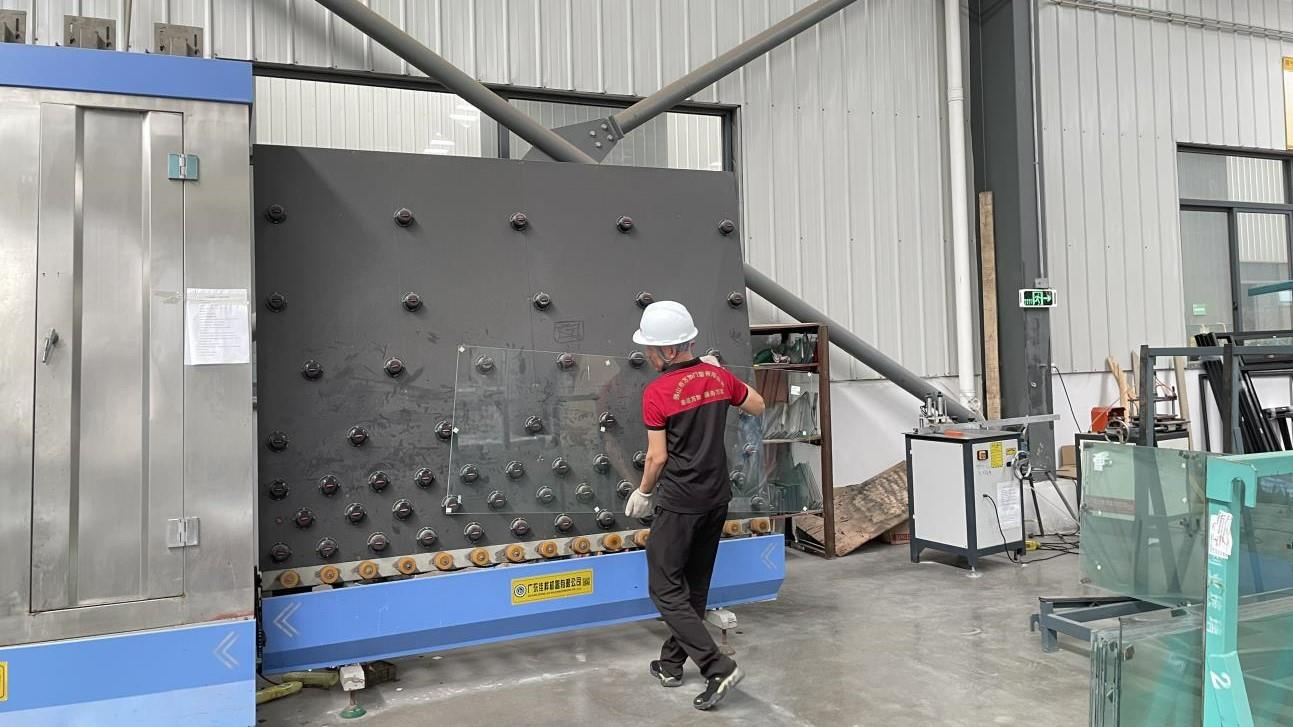
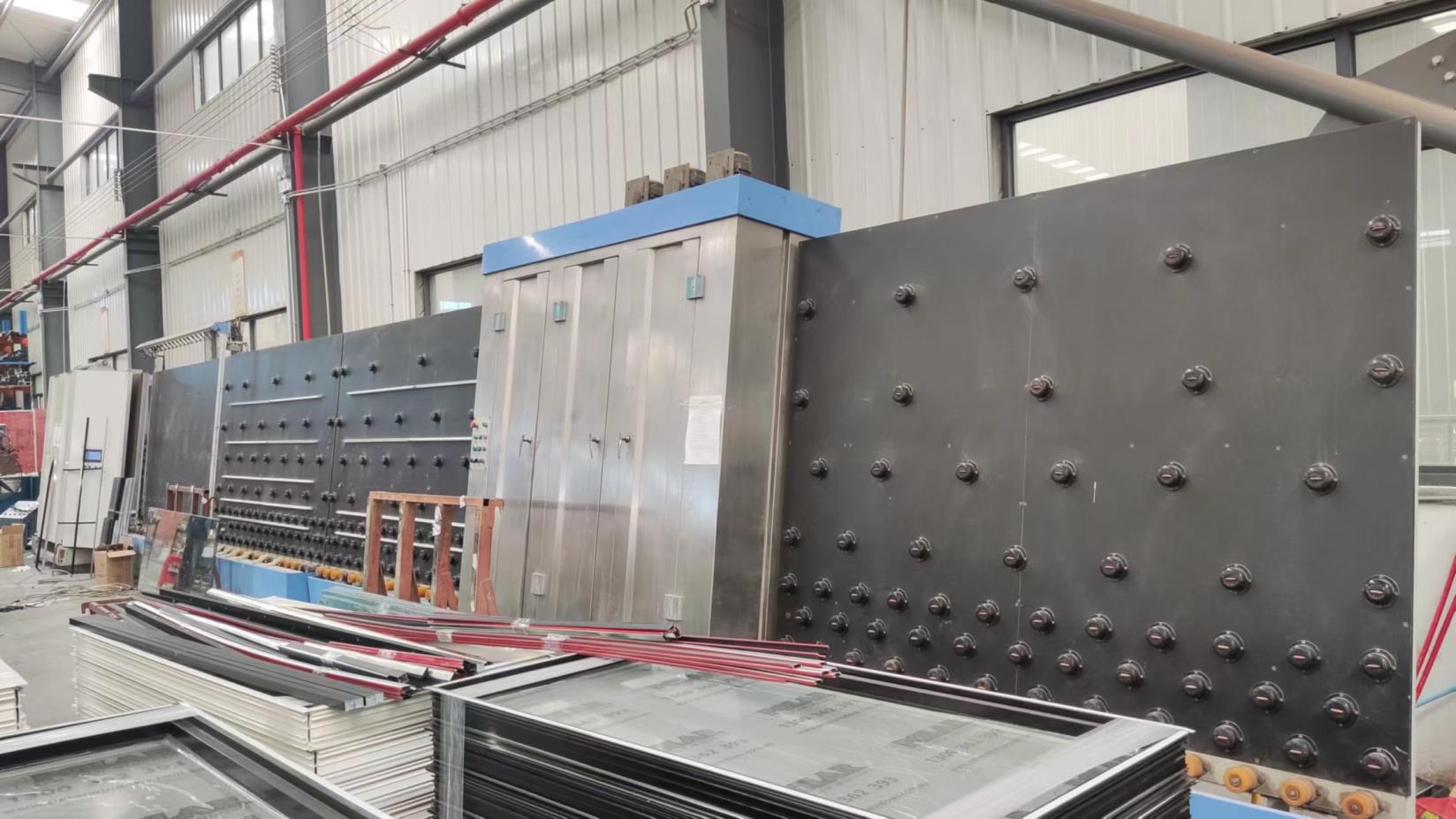
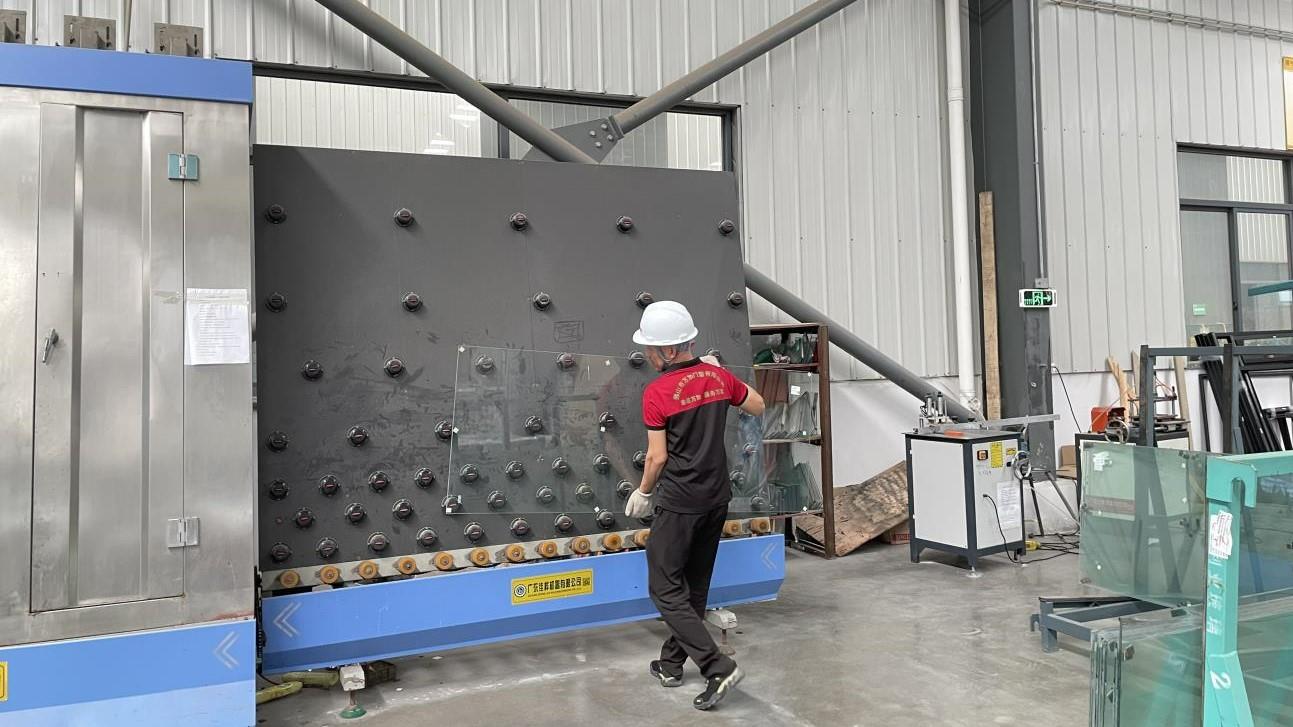
Luxury aluminum entry doors are rarely opaque solid panels; contemporary designs combine heavy-duty architectural glass panels. Fortisdor utilizes laminated, toughened safety glass units containing acoustic PVB or SentryGlas® (SGP) interlayers. Insulated glass units (IGUs) are filled with 90%+ Argon gas and feature Low-E coatings, achieving sound transmission class (STC) ratings upwards of 45 dB and structural resistance to missile-impact events.