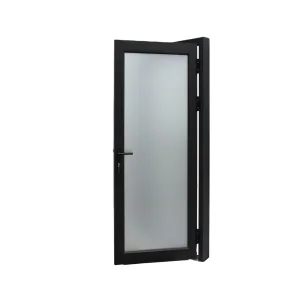
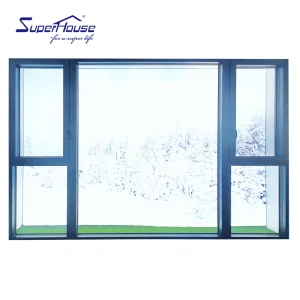
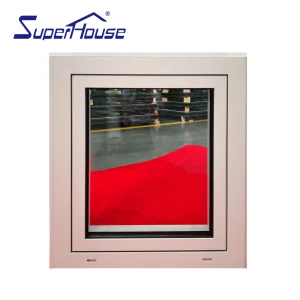
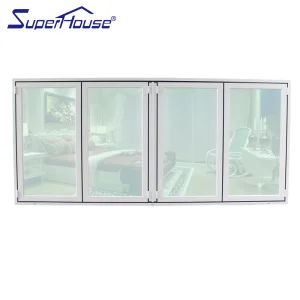
Explore our high-performance architectural fenestration solutions tested to international energy efficiency, hurricane impact, and security standards.
The global architectural building envelope market is undergoing a seismic paradigm shift. Driven by stringent international energy efficiency mandates—such as the European Union’s Energy Performance of Buildings Directive (EPBD), Net-Zero Energy Building (NZEB) initiatives, and updated North American NFRC/AAMA codes—the demand for high-performance aluminum doors and windows has escalated exponentially. Commercial contractors, real estate developers, and architectural firms no longer view doors simply as structural entry points, but as engineered, climate-adaptive thermal barriers that dictate building life-cycle costs and environmental ratings (LEED, BREEAM, Passive House certification).
Modern high-performance aluminum doors represent a complex convergence of structural metallurgy, precision extrusion engineering, polyamides (PA66) thermal breaks, and advanced multi-pane glazing units (IGUs). As global climate events increase in frequency and energy costs surge, selecting a CE-certified manufacturer capable of delivering custom-engineered structural integrity, thermal insulation (low U-factors), and wind load resistance is vital for B2B procurement leaders worldwide.
Within the European Economic Area, CE marking according to EN 14351-1 is non-negotiable. High-performance aluminum profiles must achieve low thermal transmittance ($U_w \le 0.8 \text{ W/m}^2\text{K}$ for Passive House applications), Class 4 air permeability, and Class 9A water tightness to withstand severe North Atlantic and Alpine microclimates.
Projects across coastal Florida, the Caribbean, and coastal North America mandate extreme structural deflection tolerances and hurricane impact resilience. Systems must comply with Florida Building Code (FBC) High Velocity Hurricane Zone (HVHZ) requirements, AAMA testing, and Miami-Dade Notice of Acceptance (NOA) standards.
In high ambient thermal zones (GCC region), extreme solar heat gain coefficient (SHGC) management and dust-impermeable EPDM weatherstripping are critical to prevent profile warping, structural seal degradation, and air conditioning loss in commercial high-rises.
Established in 2004, Fortisdor Security Doors Co., Ltd. is a specialized manufacturer of premium entry doors and high-performance architectural systems, operating out of a modern 32,000 m² industrial facility. With 20 years of door manufacturing expertise and 8 years of international export experience, the company achieves an annual export revenue of $22 million. Fortisdor serves major market segments across North America, Europe, and the Middle East, primarily supplying building material wholesalers, commercial contractors, and residential real estate developers.
Backed by an established trade background and a robust network of over 950 supply chain partners, Fortisdor enforces uncompromising quality standards. Quality assurance is directed by a team of 40 certified QC inspectors using multi-stage raw material testing, automated frame alignment checks, and salt-spray corrosion resistance evaluations. The company's strong R&D department features 50 engineering professionals who launched 140 new door models last year. Custom options include multi-point electronic lock systems, custom glass panels, thermal-break aluminum profiles, and personalized surface finishes.
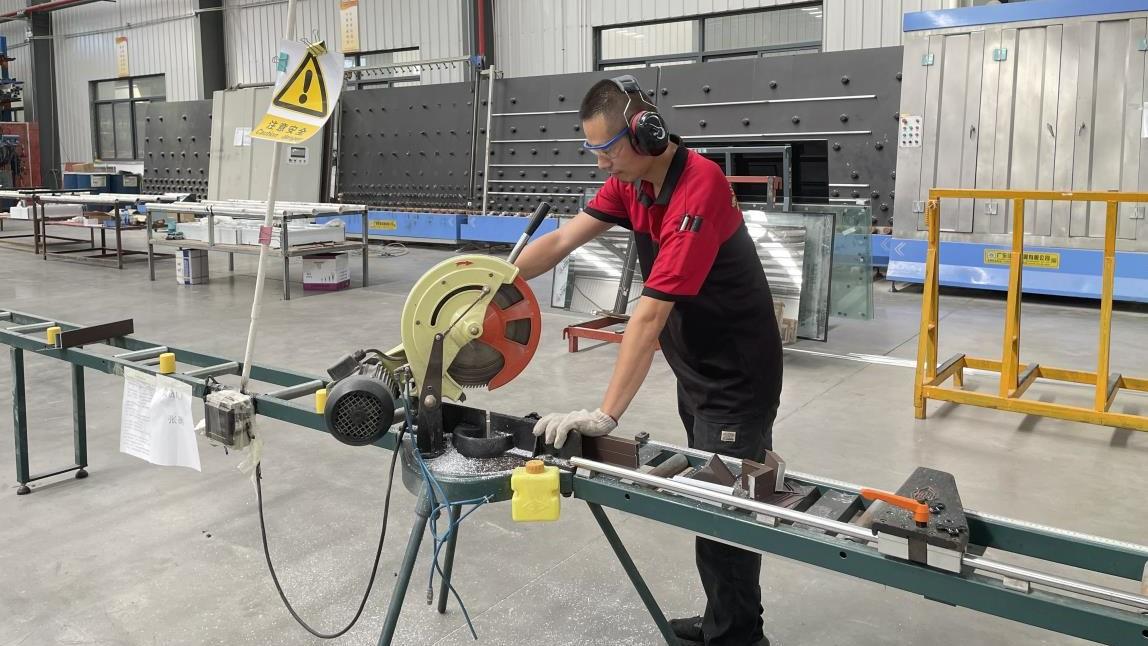
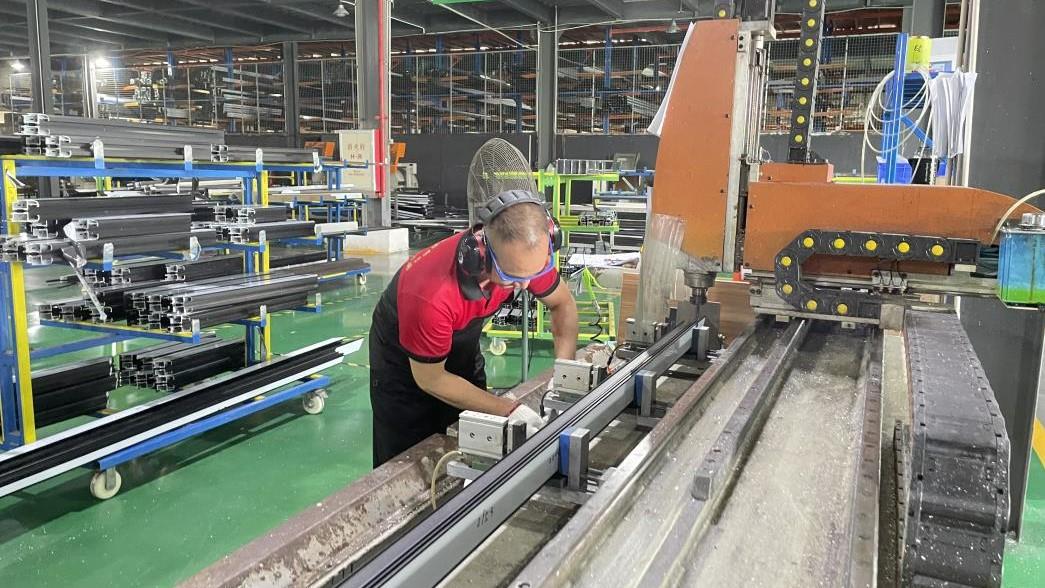
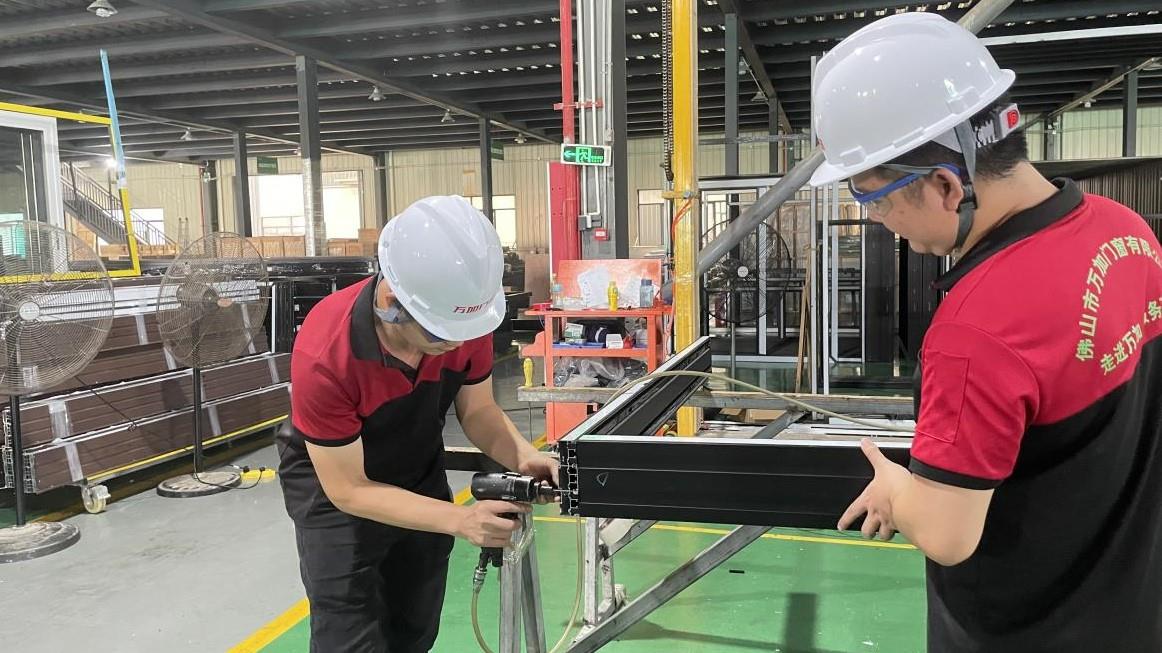
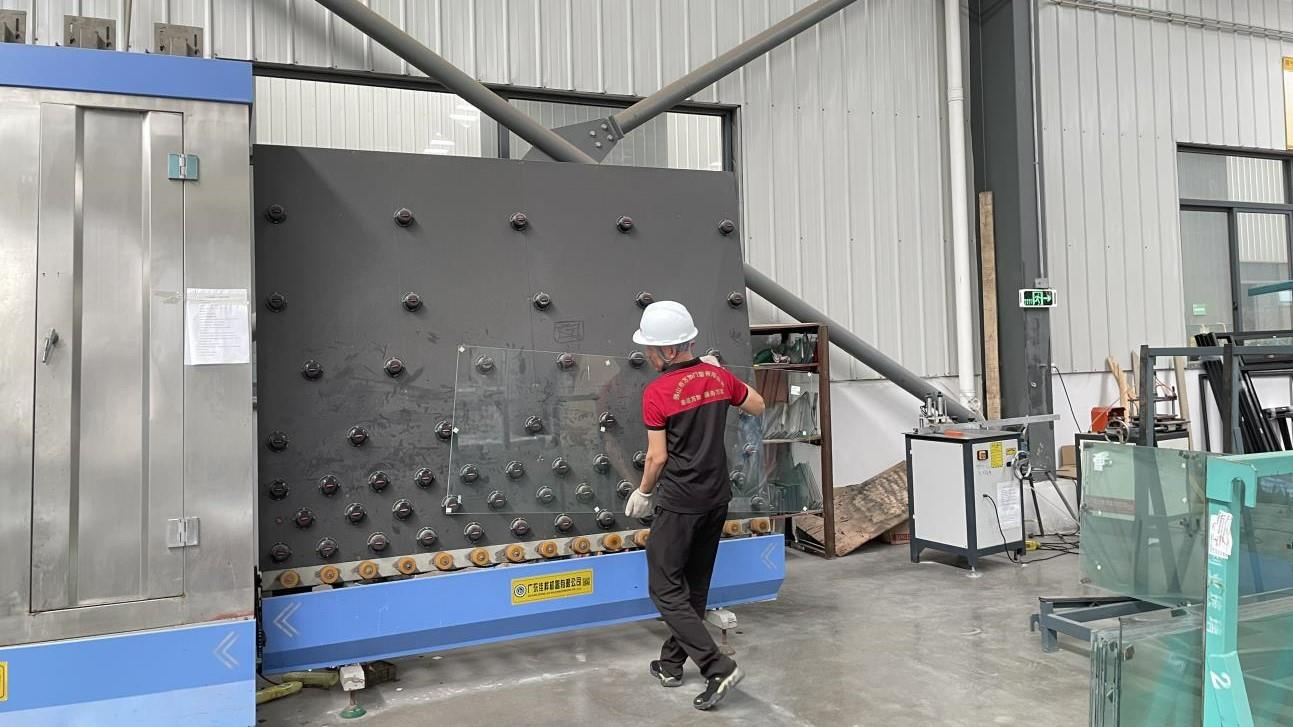
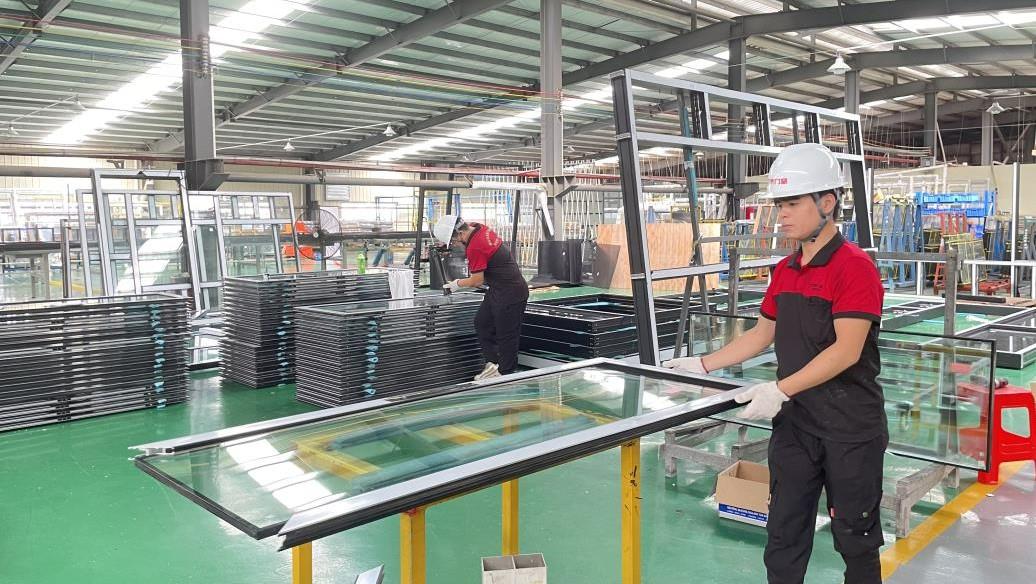
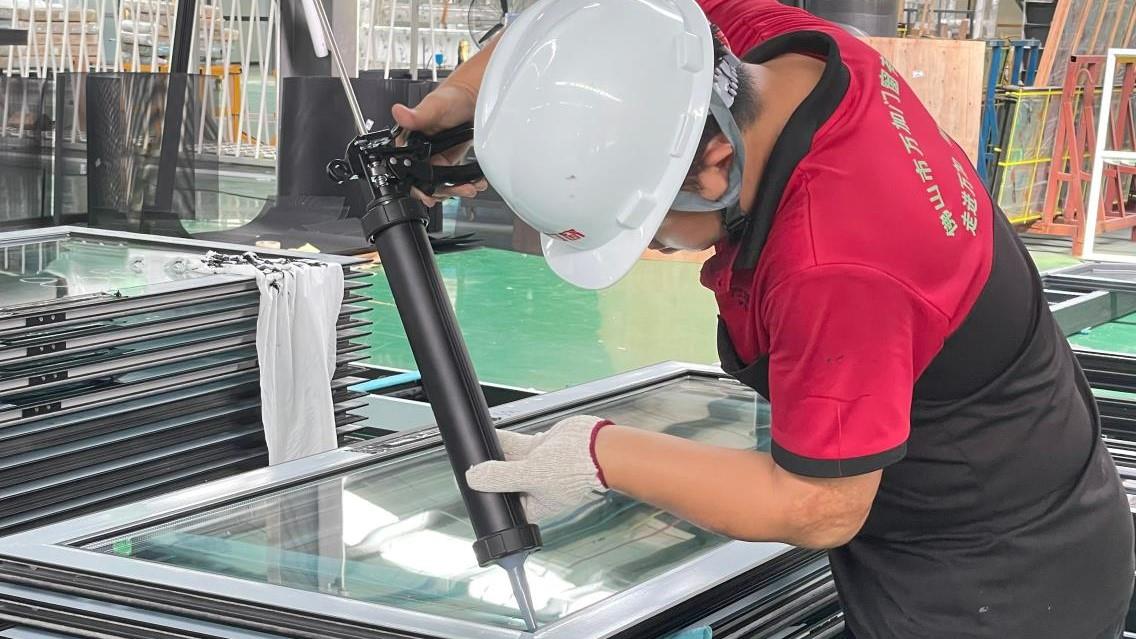
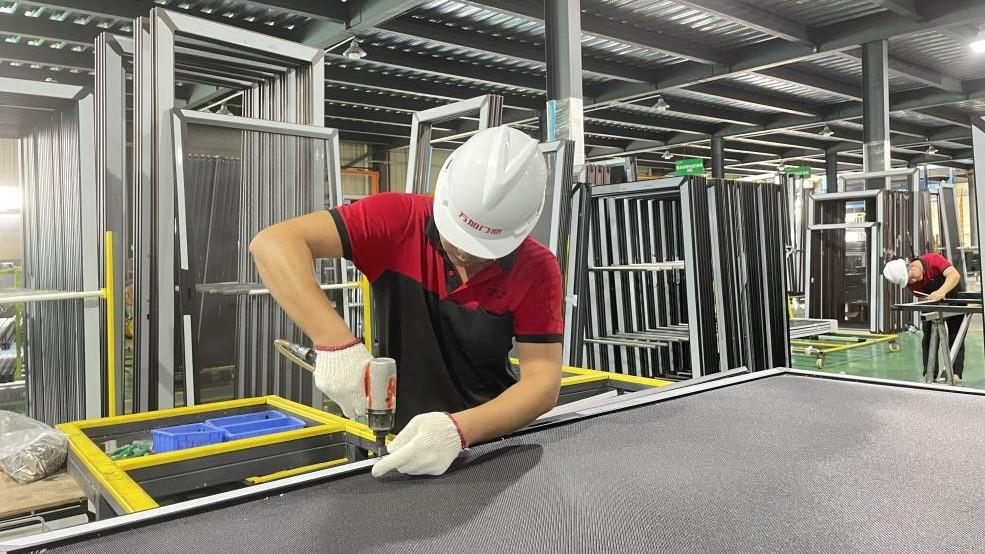
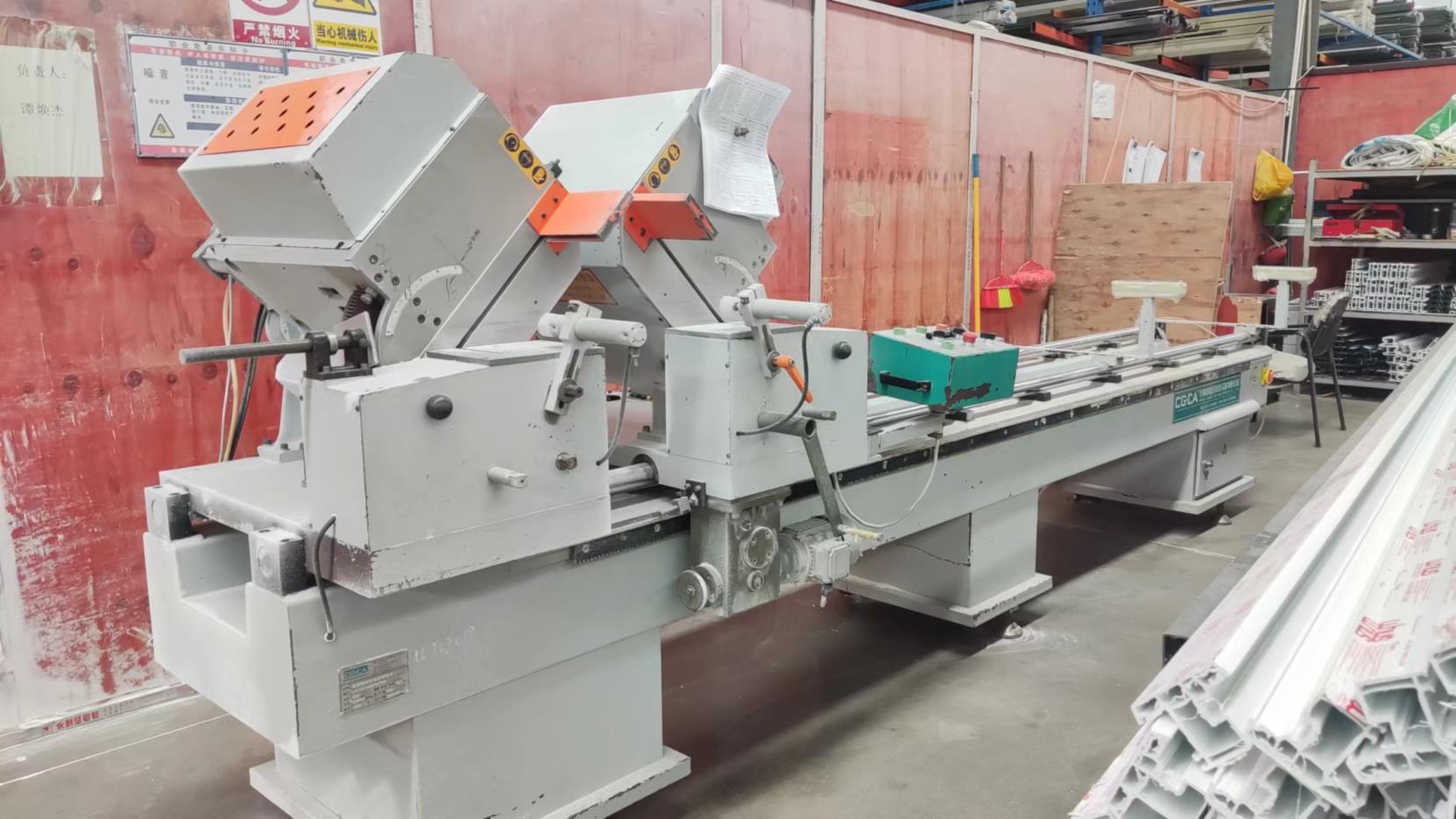
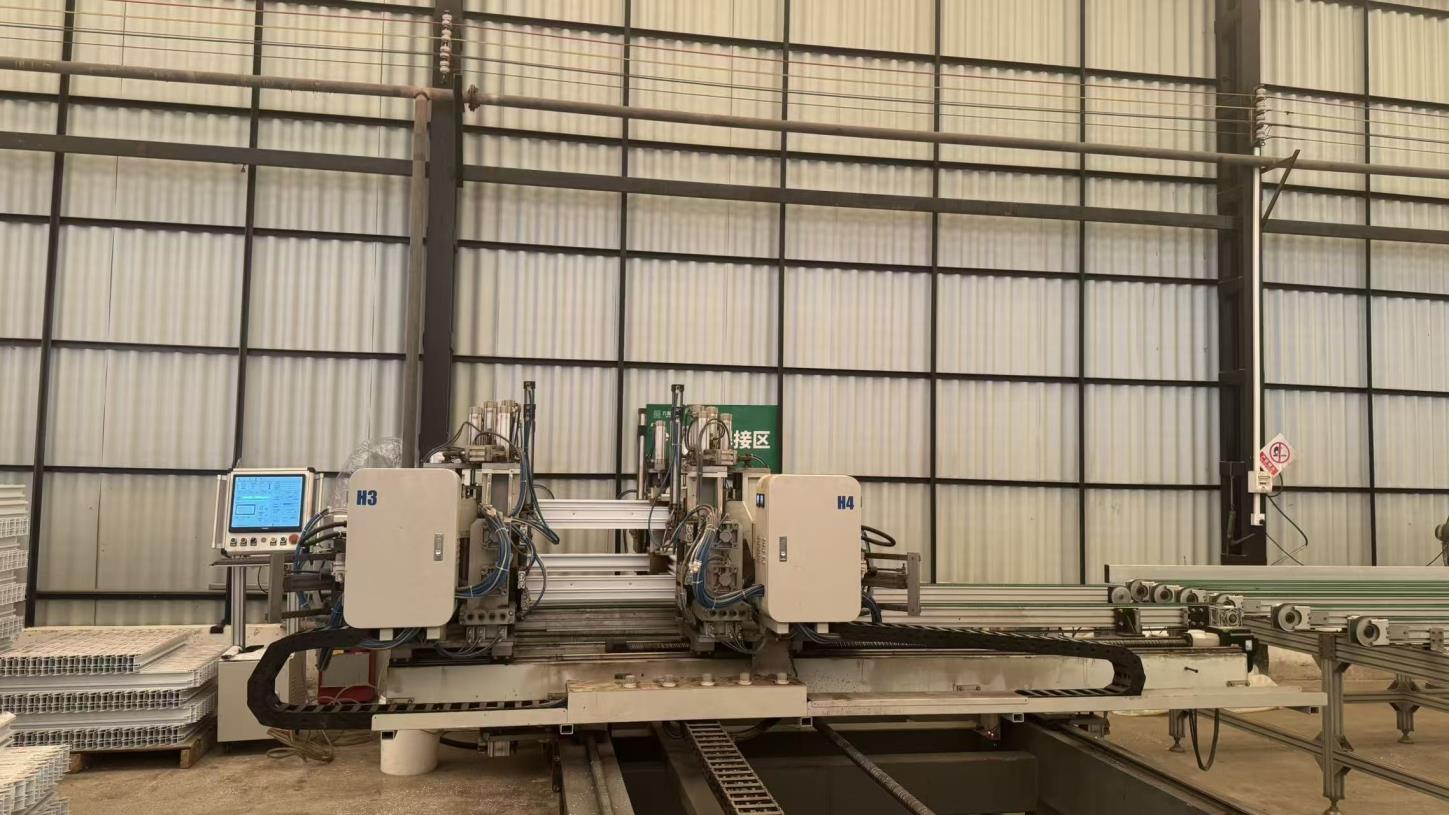
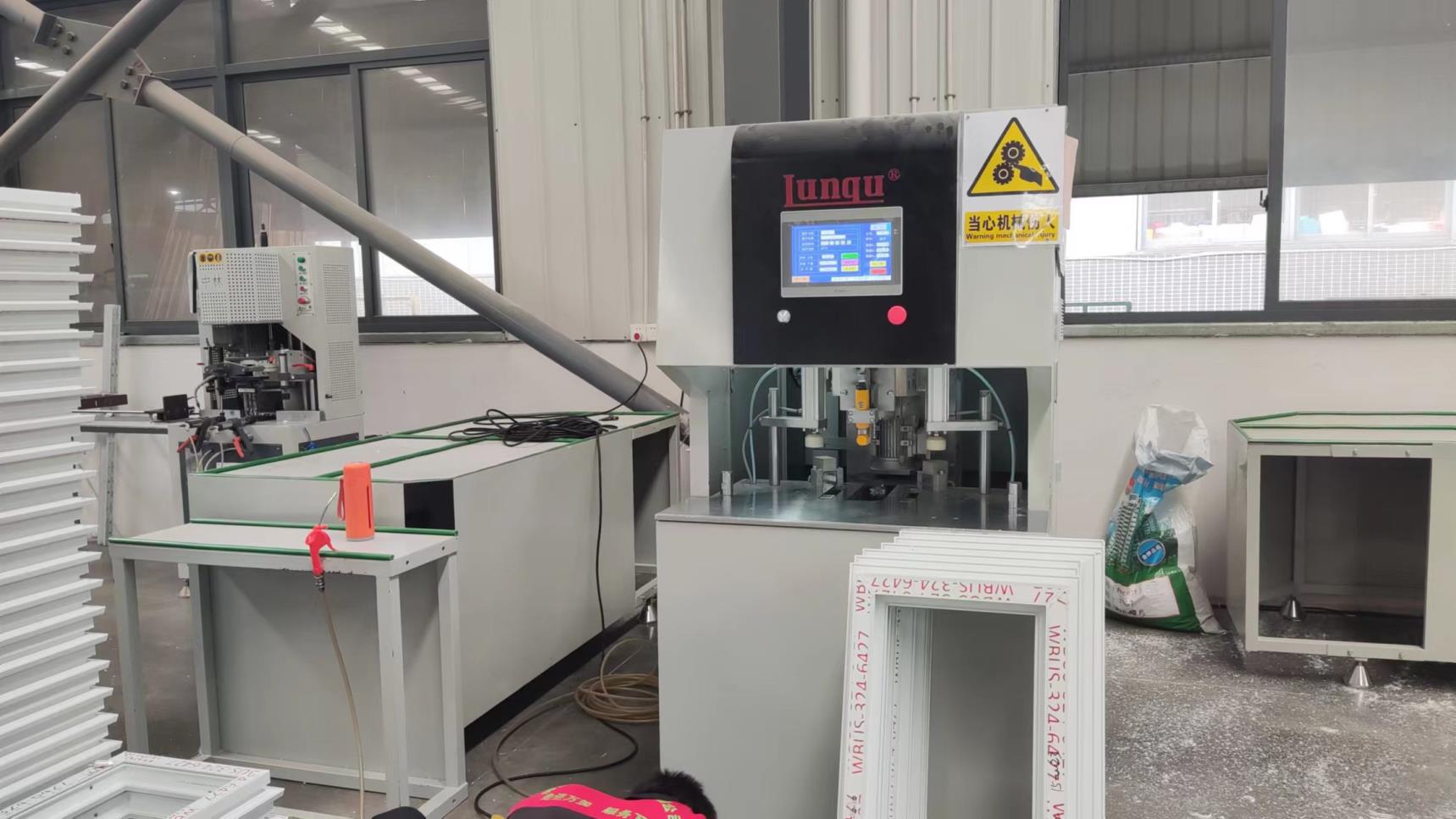
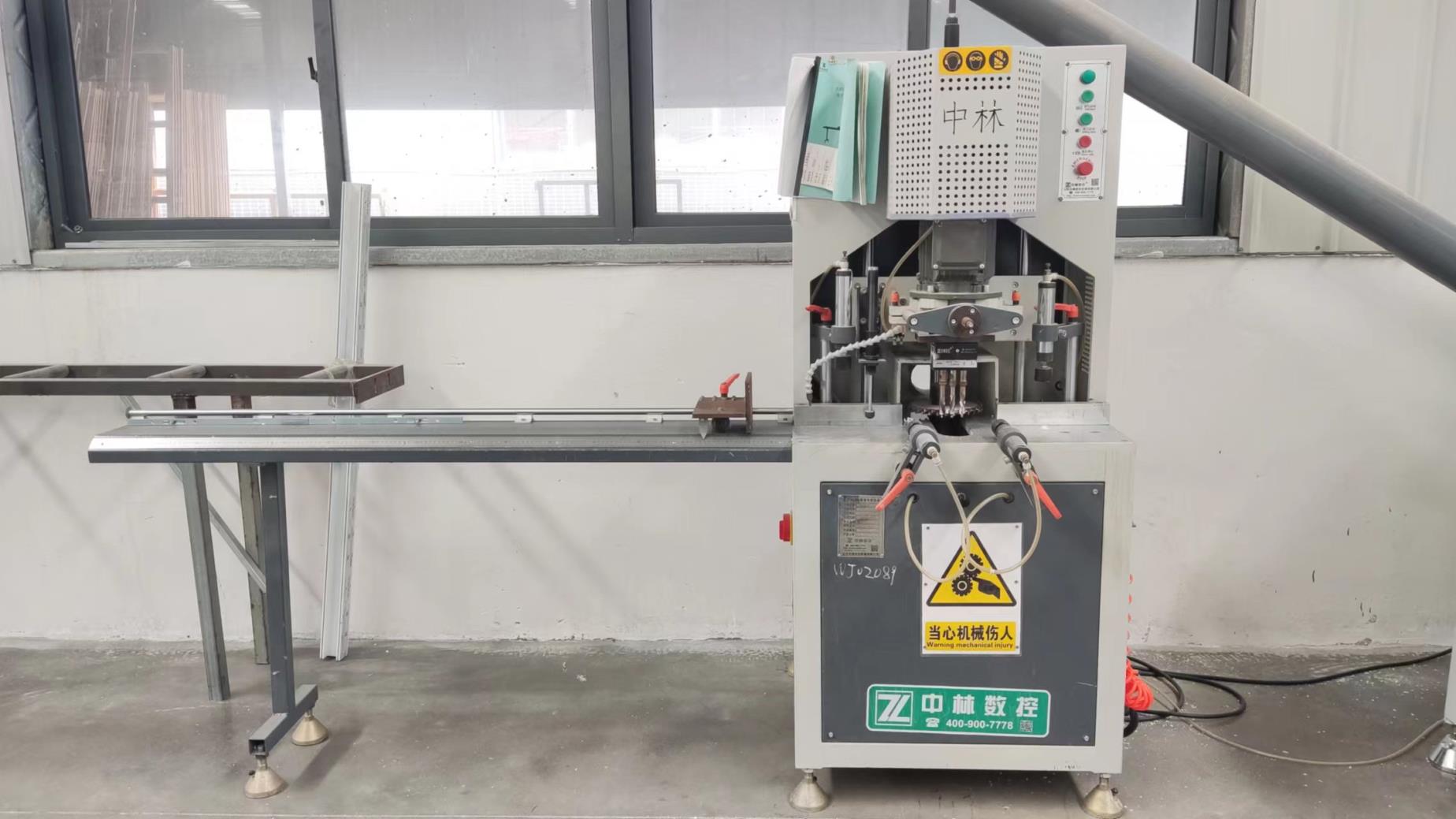
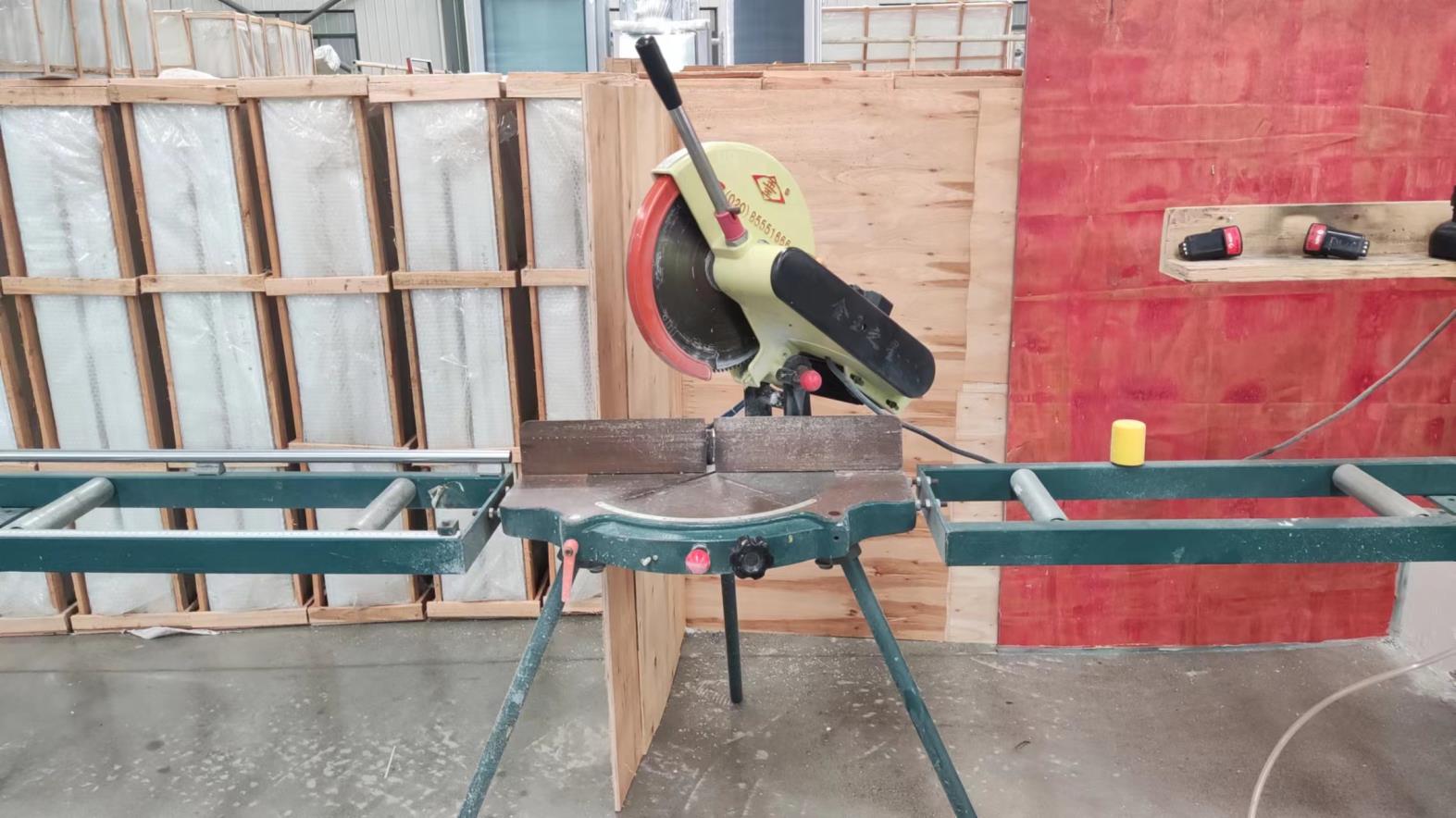
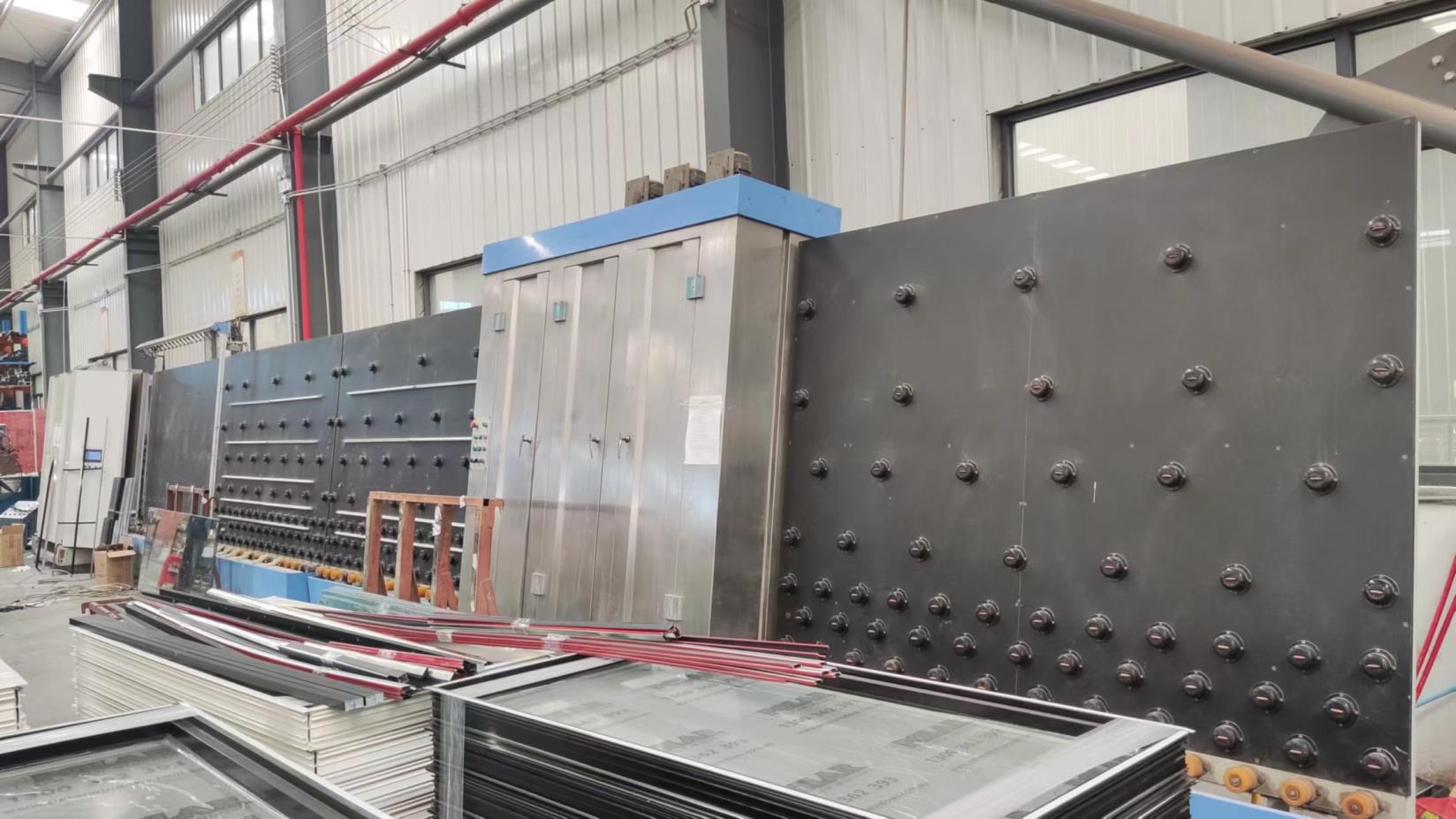
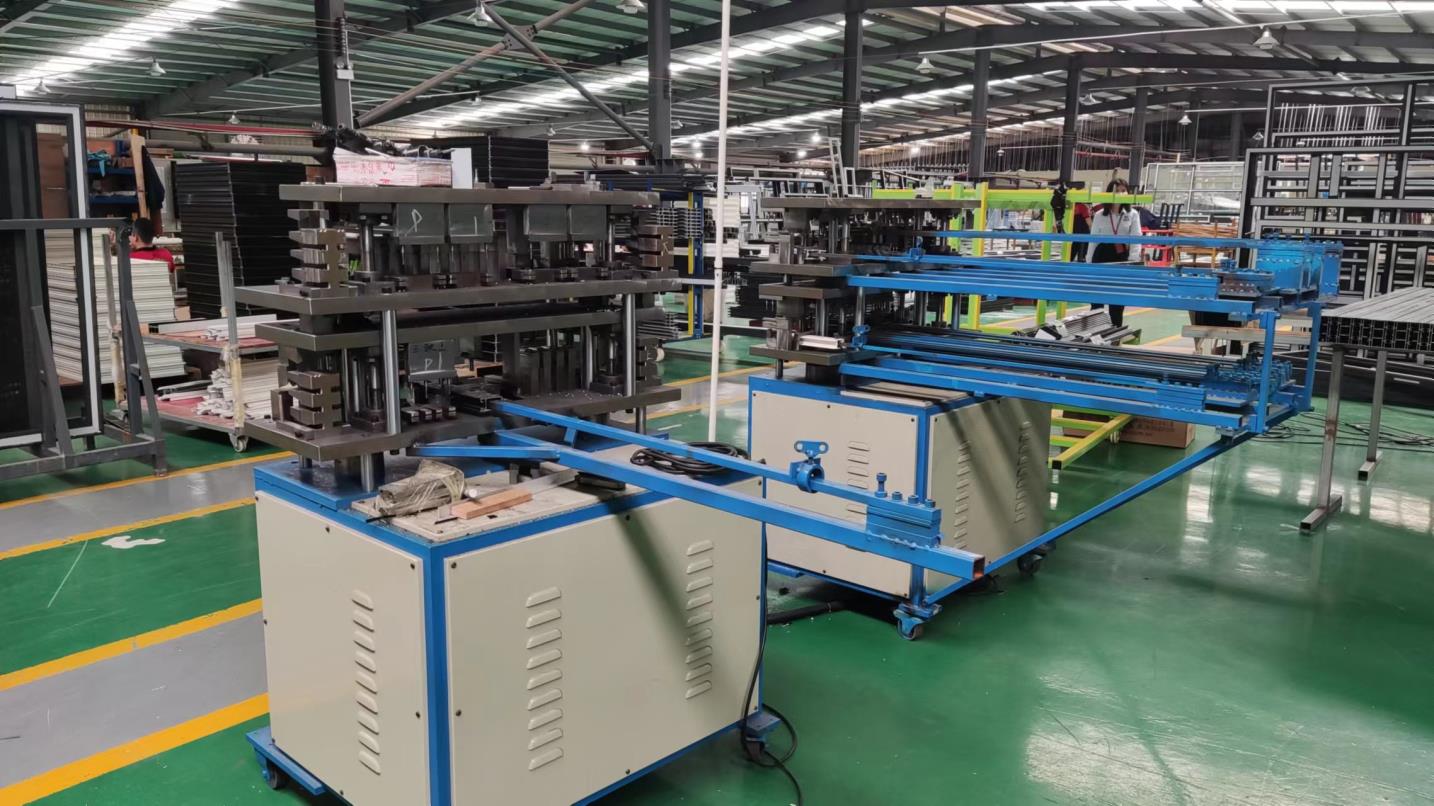
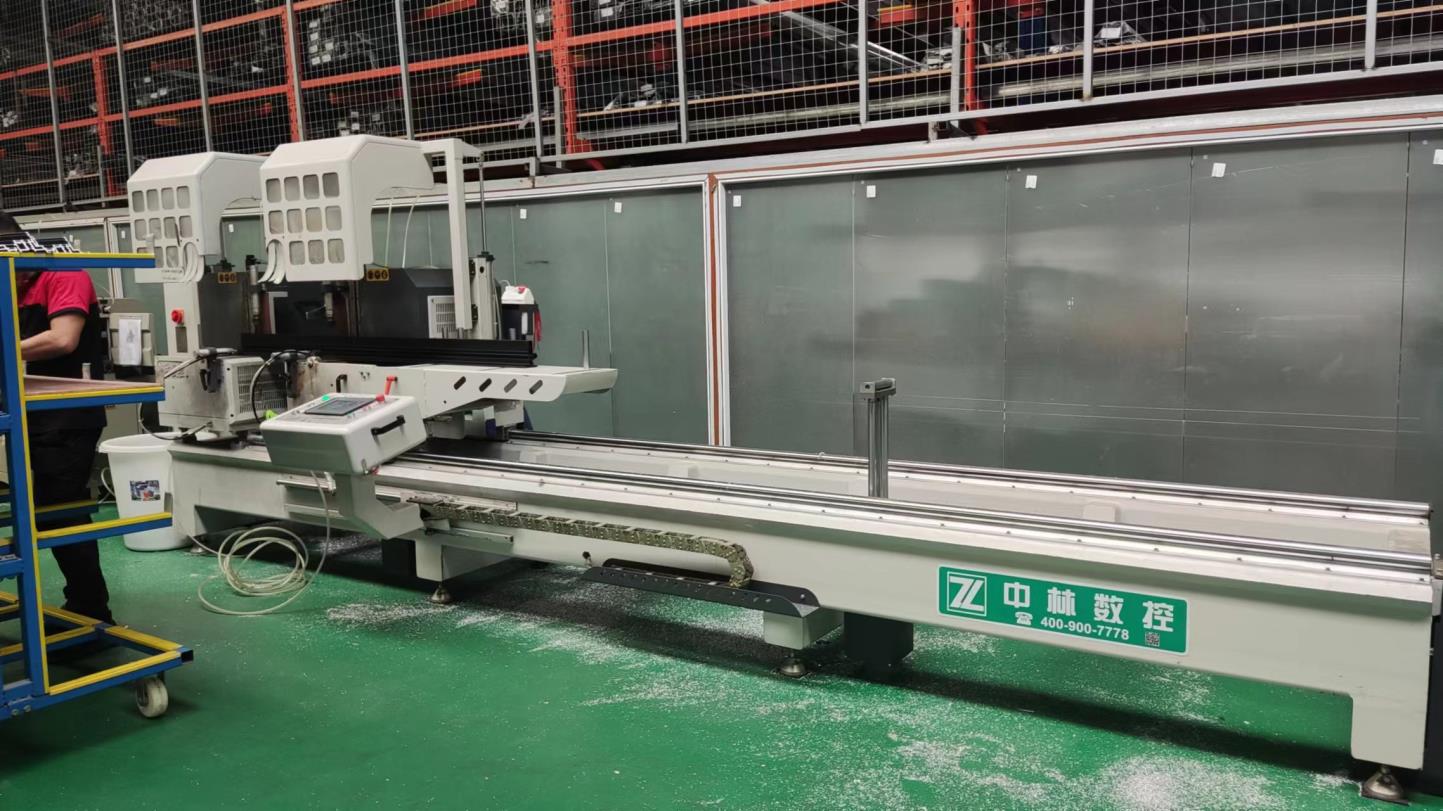
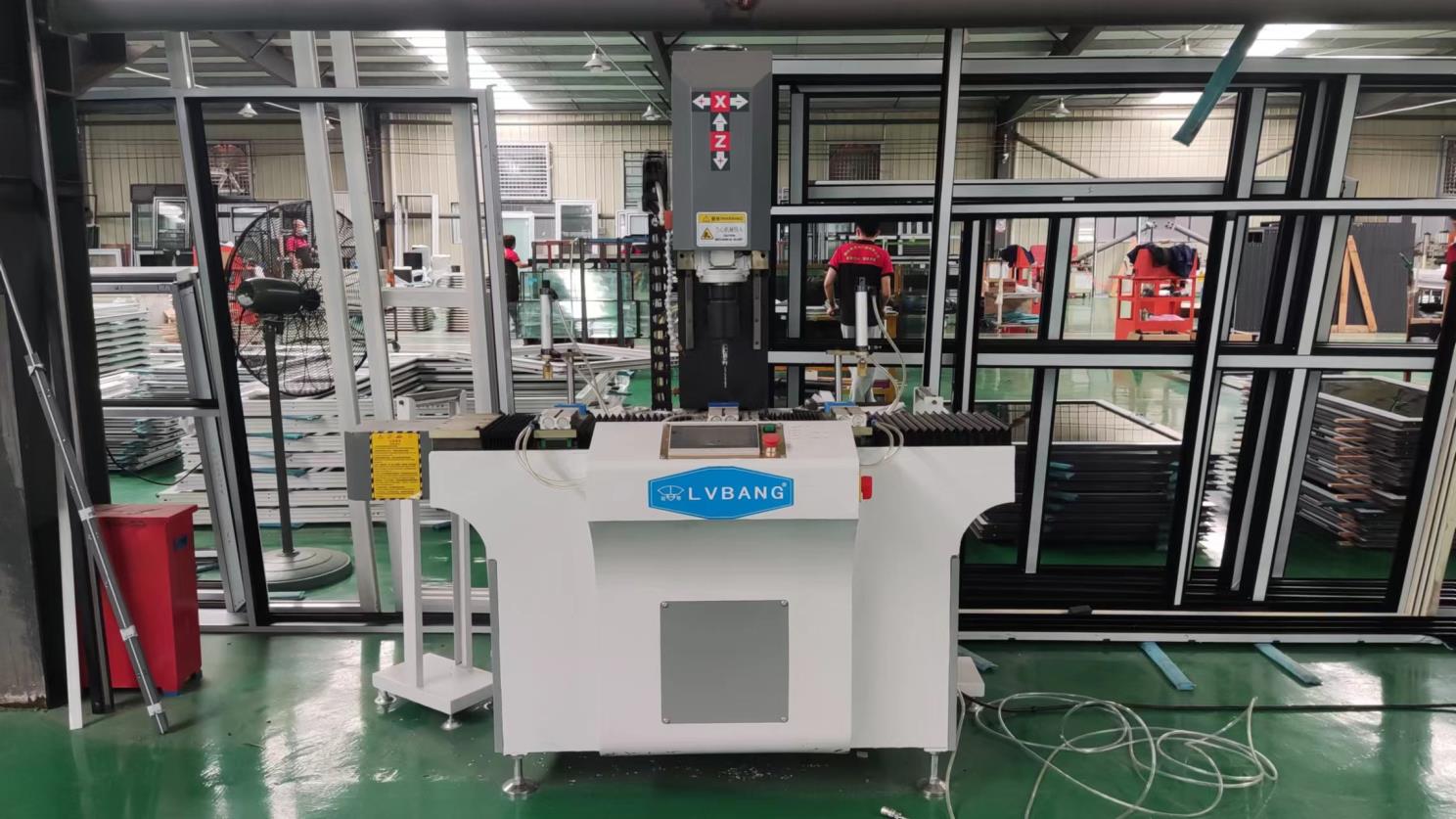
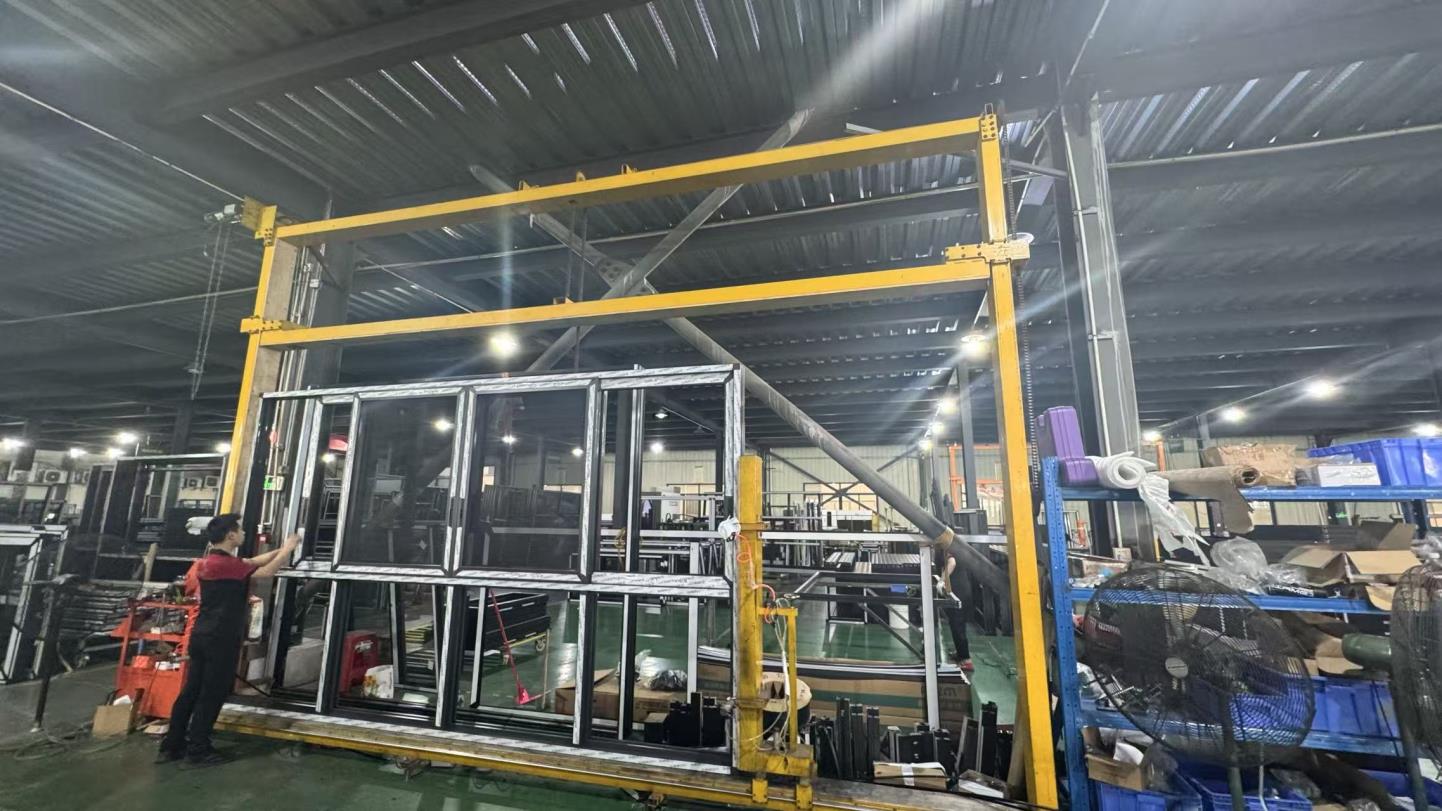
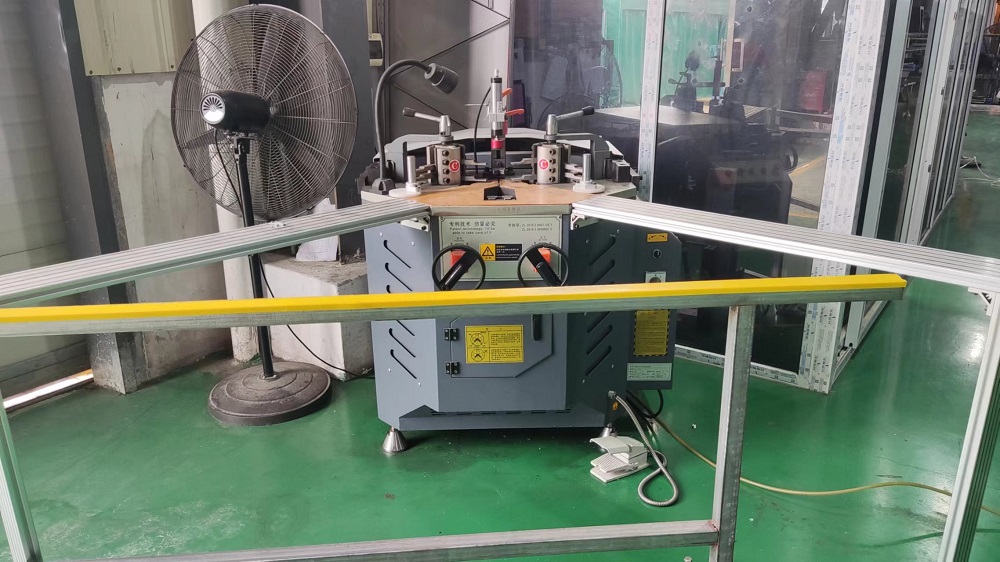
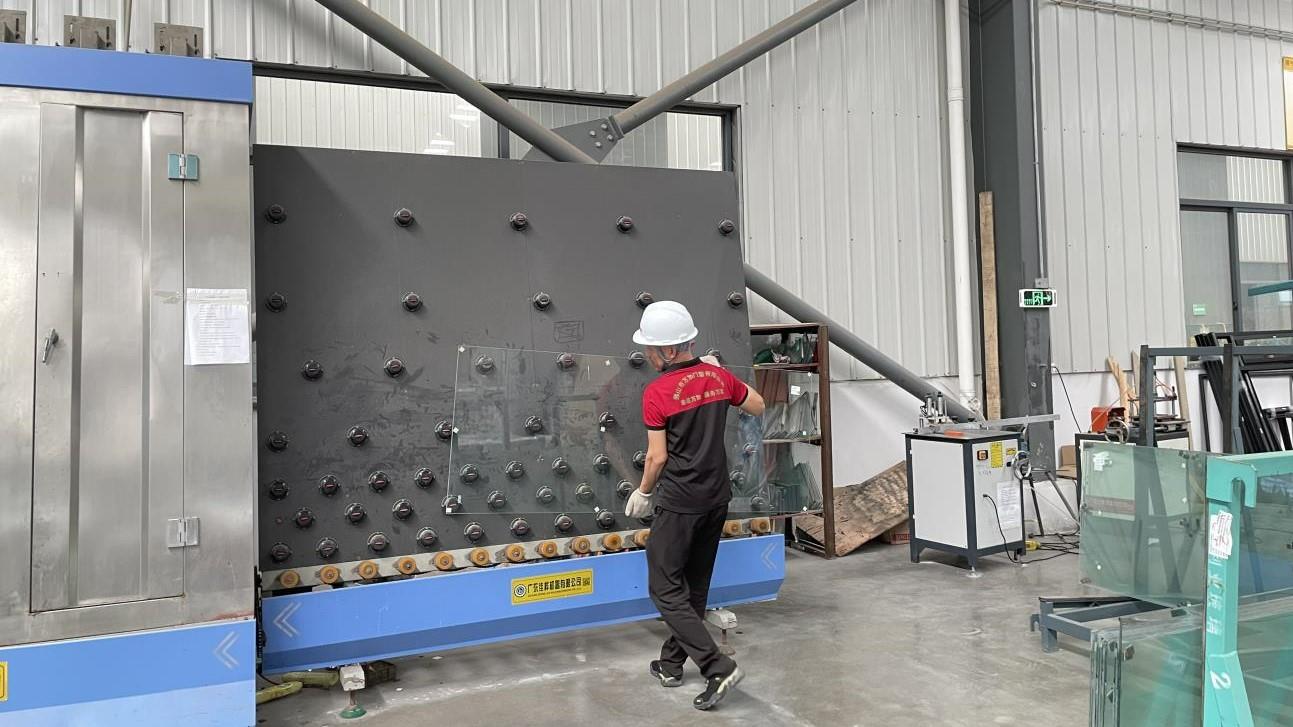
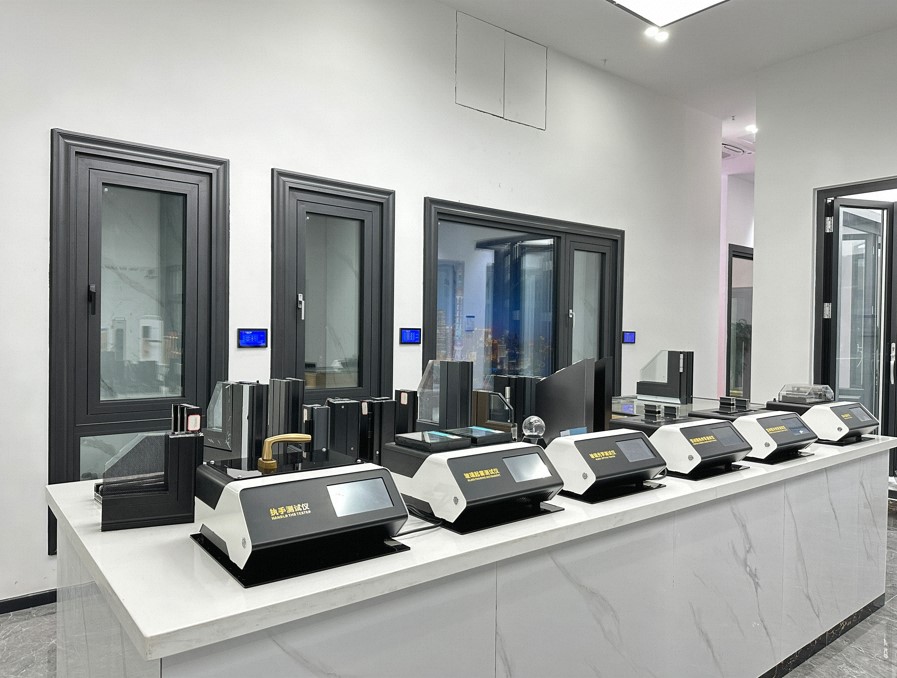
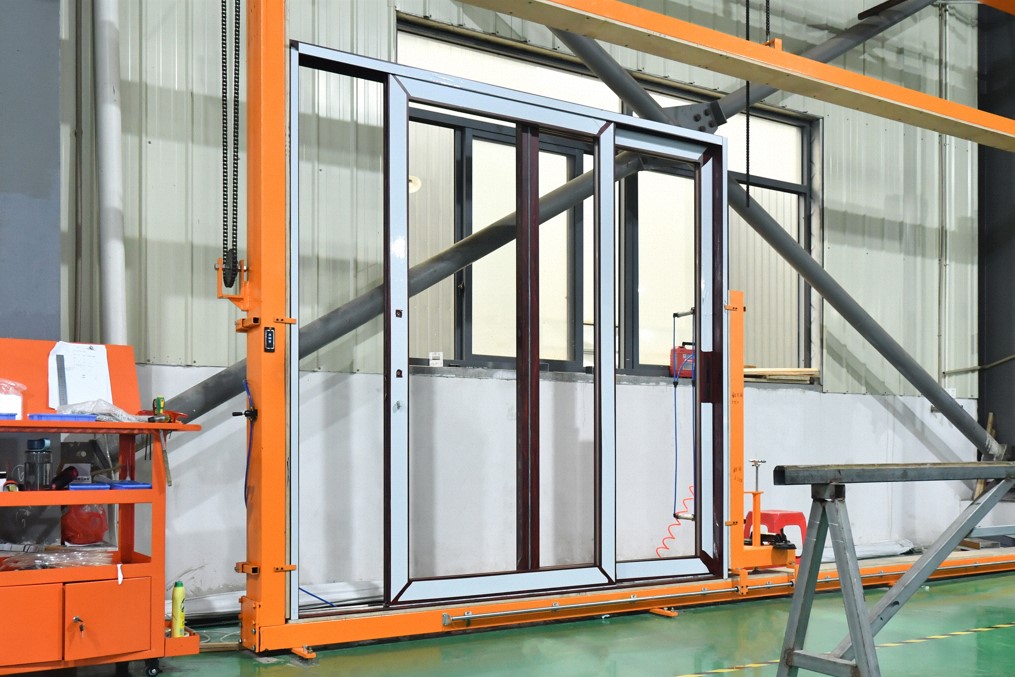
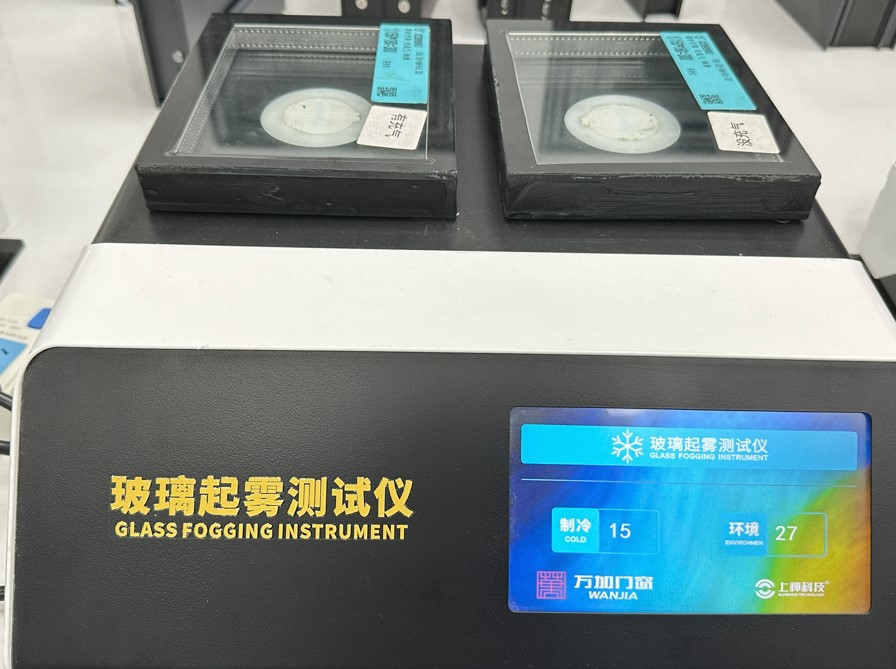
To achieve true "High Performance" status, an aluminum door system must harmonize structural alloy selection, thermal break technology, surface treatment, and hardware integration. Fortisdor utilizes premium 6063-T6 architectural grade aluminum alloy, featuring wall thicknesses ranging from 1.6mm to 3.0mm depending on dynamic wind load demands.
| Performance Metric | CE EN 14351-1 Standard | Fortisdor High-Performance Benchmark | Engineering Solution / Feature |
|---|---|---|---|
| Thermal Transmittance ($U_w$) | $\le 1.6 \text{ W/m}^2\text{K}$ | $0.78 - 1.2 \text{ W/m}^2\text{K}$ | PA66 GF25 Polyamide Thermal Strips + Triple Argon Glazing |
| Air Permeability | Class 3 | Class 4 (Highest Rating) | Continuous Triple-Layer EPDM Automotive Gaskets |
| Water Tightness | Class 7A (300 Pa) | Class 9A / E1050 (1050 Pa) | Hidden Sub-surface Drainage Systems & Equalized Pressure Cavity |
| Wind Load Resistance | Class C3 (1200 Pa) | Class C5 / Hurricane Impact (3000+ Pa) | Structural Corner Cleats & Internal Steel Reinforcement Ribs |
| Acoustic Insulation (STC/Rw) | $30 \text{ dB}$ | $42 - 48 \text{ dB}$ Noise Reduction | Asymmetric Laminated Acoustic Glass (PVB/SGP Interlayers) |
Aluminum is naturally conductive. To eliminate thermal bridging, Fortisdor integrates 24mm to 34mm PA66 polyamide strips reinforced with 25% glass fiber. This guarantees structural shear strength under extreme thermal expansion while maintaining superior energy conservation.
Utilizing AkzoNobel and PPG powder coatings, electrophoretic dipping, and anodizing finishes, our door frames achieve over 2,000 hours of continuous neutral salt spray (NSS) testing without blistering, color fading, or filiform corrosion (AAMA 2605 compliant).
Collaborating with tier-1 hardware architects (Siegenia, Hoppe, Sobinco, Roto), our systems feature motorized multi-point locking hooks, biometric access, and seamless integration into modern Smart Building Management Systems (BMS).
Navigating international procurement requires balancing unit cost, production speed, technical flexibility, and reliable quality control. Fortisdor leverages China's complete industrial ecosystem to deliver world-class fenestration solutions at unbeatable total cost of ownership (TCO).
From raw billet extrusion and thermal strip insertion to automated glass washing, CNC corner crimping, and final unit assembly, 90% of processes are performed in-house within our 32,000m² plant. This minimizes middleman markups and eliminates inter-factory delays.
With 50 dedicated R&D engineers and 140 new models engineered annually, Fortisdor offers rapid OEM CAD/BIM drawing approval within 48 hours and custom prototype delivery within 14 days, drastically reducing overall construction project timelines.
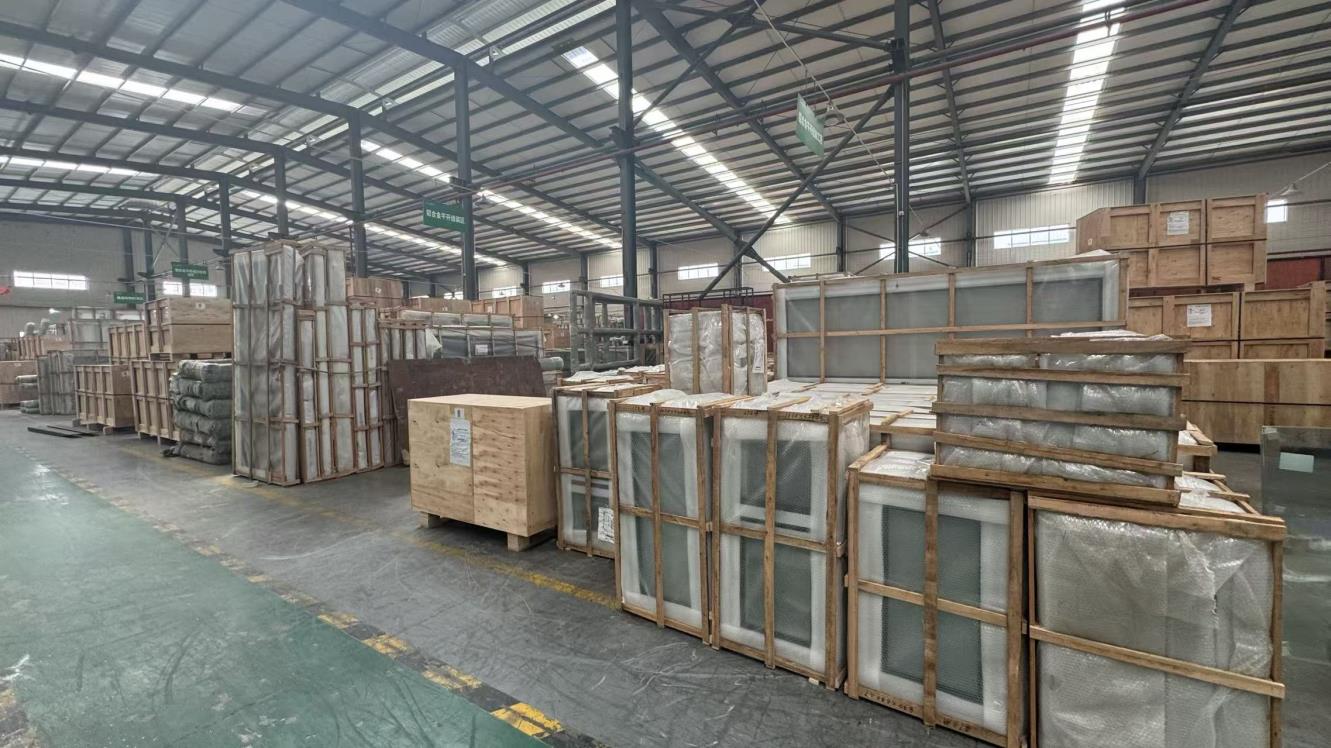
Exporting $22M annually allows us to command bulk raw material purchasing discounts (billet aluminum, tempered glass, hardware). Furthermore, our specialized export packing (ISPM-15 wooden crates + vacuum wrap) ensures zero-damage ocean freight delivery worldwide.
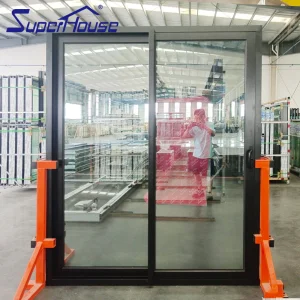
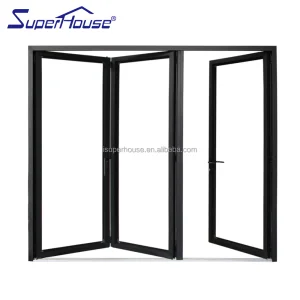
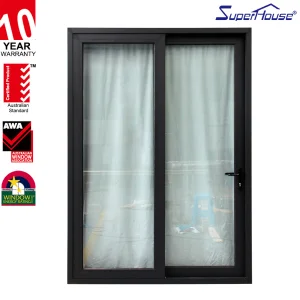
Ultra-slim sightlines, floor-to-ceiling panoramic sliding doors, and flush-threshold bifold entrance systems. Thermal break insulation ensures indoor comfort while maximized glass ratios deliver unobstructed architectural views.
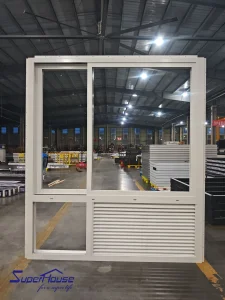
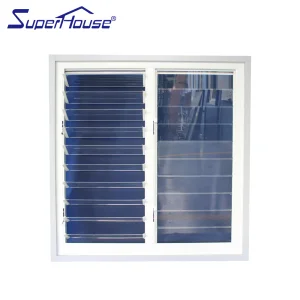
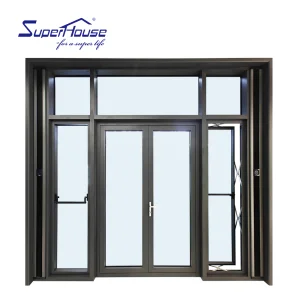
Integrated PTAC louver sliding windows, escape doors with panic exit bars, and heavy-duty storefront entrance systems. Engineered to handle high foot-traffic, strict fire codes, and extreme dynamic wind loads.
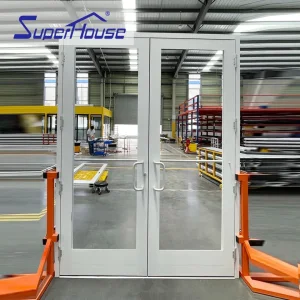
Heavy-duty commercial aluminum glass escape doors for educational institutions and medical complexes. Fitted with heavy-duty door closers, anti-pinch hinges, and impact-resistant laminated safety glass.
Browse our full catalog of Australian standard doors, escape systems, and custom patio solutions engineered for extreme durability.
 Fortisdor