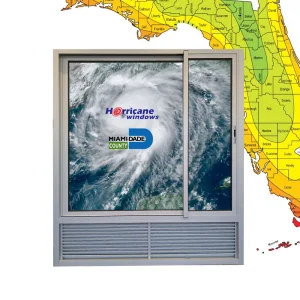
Engineered to stringent global compliance standards including CE, NFRC, Florida NOA, and AS2047.
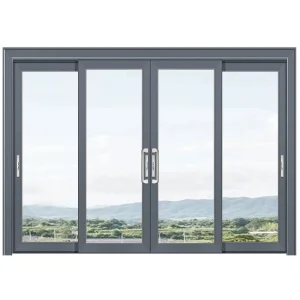
Understanding the Macro Shift Toward Thermal-Break Aluminum Systems in Sustainable Architecture
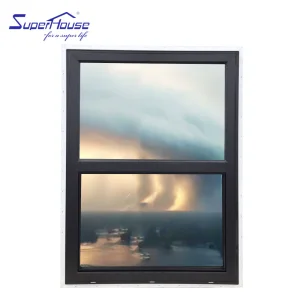
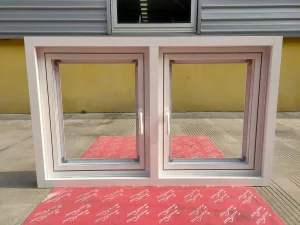
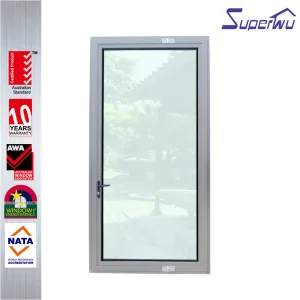
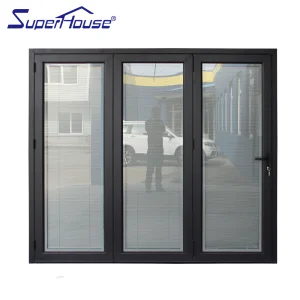
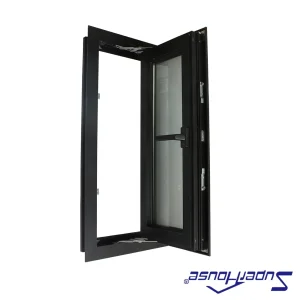
The global modern architectural landscape is undergoing a structural transformation. Driven by stringent decarbonization targets, updated building codes (such as the EU Energy Performance of Buildings Directive and US IECC standards), and escalating climate volatility, the demand for high-performance fenestration has evolved from an aesthetic consideration to a core engineering imperative. At the center of this evolutionary shift is the CE certified double glazed aluminum entry door—a sophisticated building envelope component designed to bridge structural resilience, acoustic control, energy efficiency, and security.
Aluminum, historically favored for its exceptional strength-to-weight ratio and design flexibility, previously faced challenges regarding thermal conductivity. However, the integration of advanced polyamide thermal break technology (specifically PA66 GF25 glass fiber reinforced strips) has revolutionized the industry. Modern double glazed aluminum entry systems achieve U-factors as low as 0.8 to 1.2 W/m²K, matching or exceeding traditional timber or unplasticized polyvinyl chloride (uPVC) systems while offering far superior durability, architectural span capability, and lifecycle sustainability.
Two decades of manufacturing excellence backed by rigorous quality assurance and engineering innovation.
Established in 2004, Fortisdor Security Doors Co., Ltd. is a specialized manufacturer of premium entry doors and advanced architectural window systems, operating out of a state-of-the-art 32,000 m² industrial facility. With 20 years of door manufacturing expertise and 8 years of dedicated international export experience, the company achieves an annual export revenue of $22 million. Fortisdor serves major market segments across North America, Europe, and the Middle East, primarily supplying building material wholesalers, commercial general contractors, and luxury residential real estate developers.
Backed by an established trade background and a robust network of over 950 supply chain partners, Fortisdor enforces uncompromising quality standards across every production phase. Quality assurance is directed by a specialized team of 40 certified QC inspectors using multi-stage raw material testing, automated frame alignment checks, and salt-spray corrosion resistance evaluations. The company's strong R&D department features 50 engineering professionals who launched 140 new door models last year. Custom options include multi-point electronic lock systems, custom glass panels, thermal-break aluminum profiles, and personalized surface finishes.
Our 50-engineer strong R&D department utilizes finite element analysis (FEA) and computational fluid dynamics (CFD) to optimize frame geometry, wind-load deflection, and thermal resistance before physical prototyping.
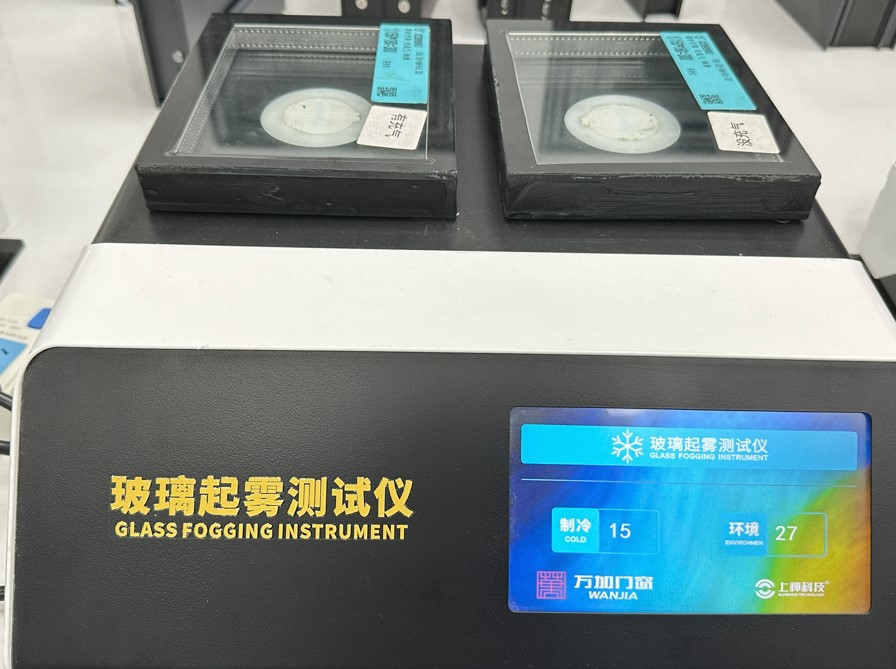
40 certified quality control engineers execute strict 6-stage inspections: chemical profiling of raw billet, anodizing thickness checks, glass perimeter seal integrity, hardware cycle tests (200,000 operations), and acoustic fogging testing.
Exporting to over 45 countries with tailored protective packaging, steel-crate containerization, and site-ready modular assembly hardware designed to eliminate job-site installation friction.
Technical specifications of thermal-break aluminum profiles, insulating glass units (IGU), and structural sealing.
The structural integrity and environmental isolation performance of a Double Glazed Aluminum Entry Door depend on five synchronized engineering layers:
| Engineering Dimension | Standard Specification | High-Performance / Premium Option | Testing Benchmark |
|---|---|---|---|
| Aluminum Alloy Profile | 6063-T5 High Extrusion Aluminum (1.8mm - 2.0mm) | 6063-T6 Structural Reinforced Architectural Profile (2.5mm+) | GB/T 5237 / ASTM B221 |
| Thermal Barrier Technology | 14.8mm Polyamide PA66 GF25 Cavity Strip | 24mm - 34mm Multi-Cavity Insulated Thermal Strip with Aerogel fill | EN ISO 10077-2 (U-factor < 1.1 W/m²K) |
| Insulating Glass Unit (IGU) | 5mm Tempered + 12A Argon + 5mm Low-E Glass | 6mm Double Silver Low-E + 16A Argon + 6mm Laminated Impact Glass | EN 1279 / NFRC 100/200 |
| Weather Sealing System | Continuous Dual EPDM Gaskets | Triple Co-extruded EPDM + Silicone Foam perimeter weatherstripping | EN 12207 Class 4 (Air Permeability) |
| Surface Finish & Protection | Qualicoat Powder Coating (60-80 microns) | PVDF Fluorocarbon Coating / 25-micron Anodized Finish | AAMA 2605 / 3,000 Hour Salt Spray Test |
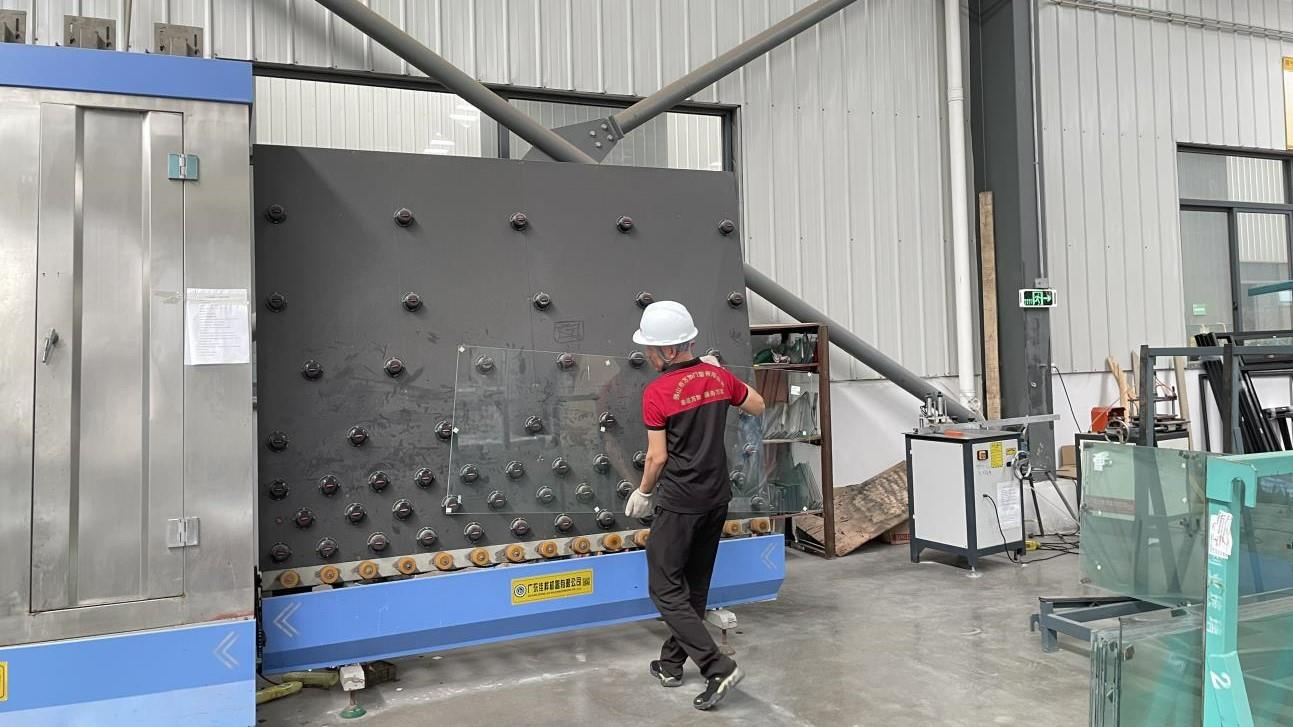
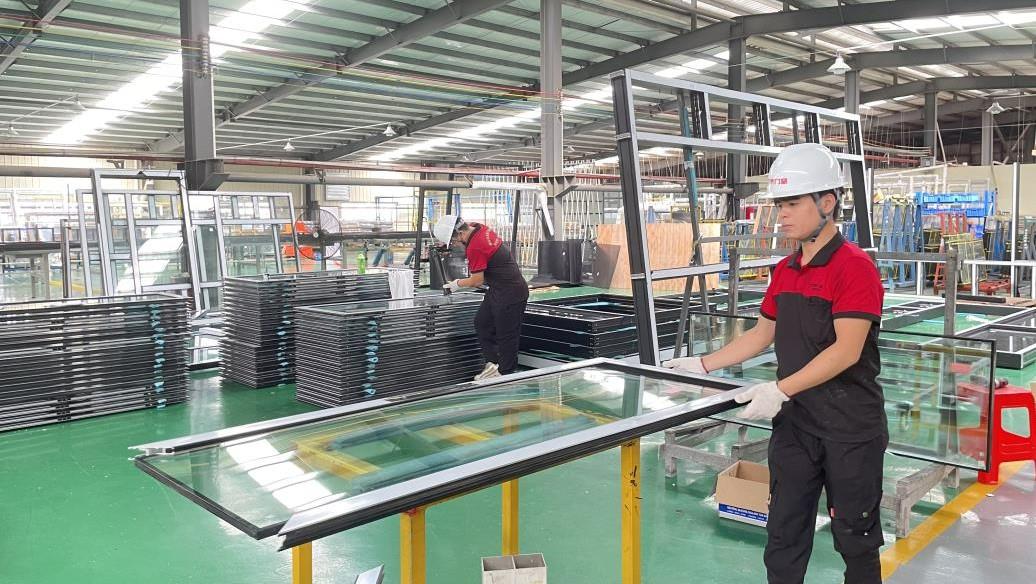
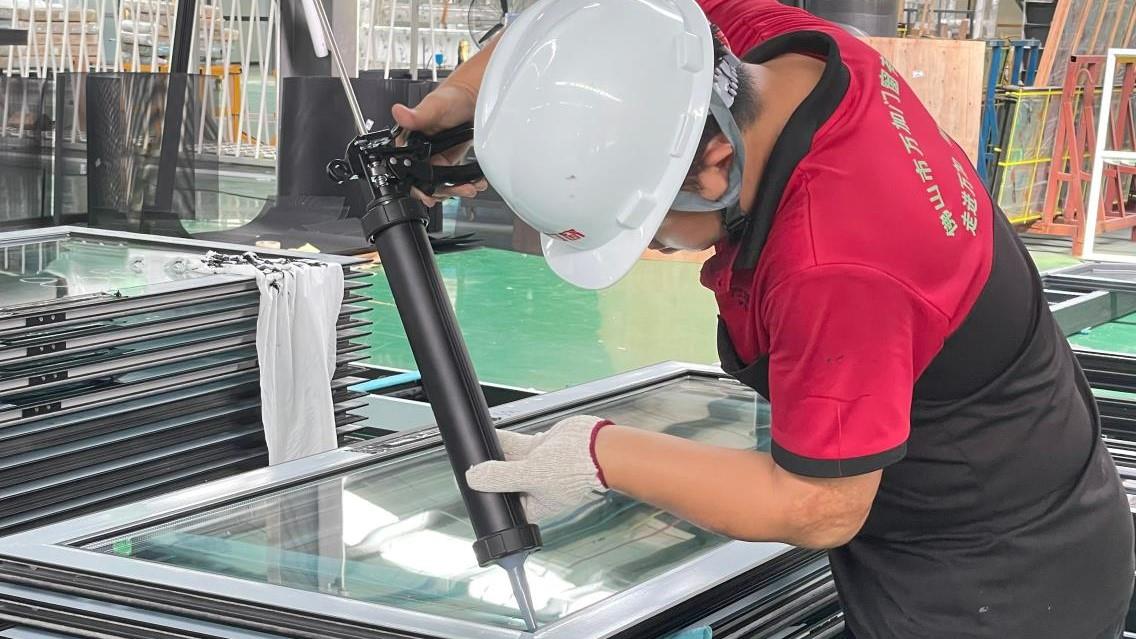
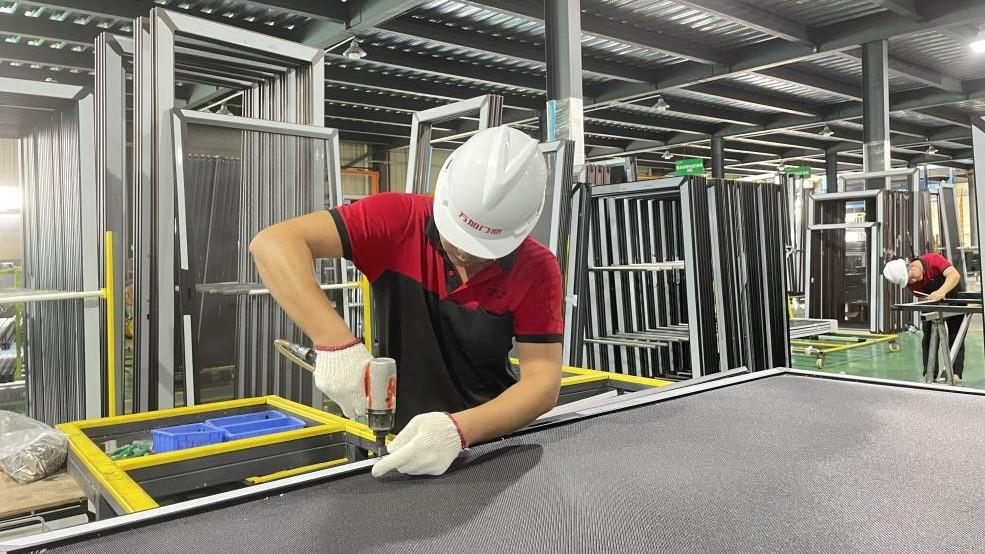
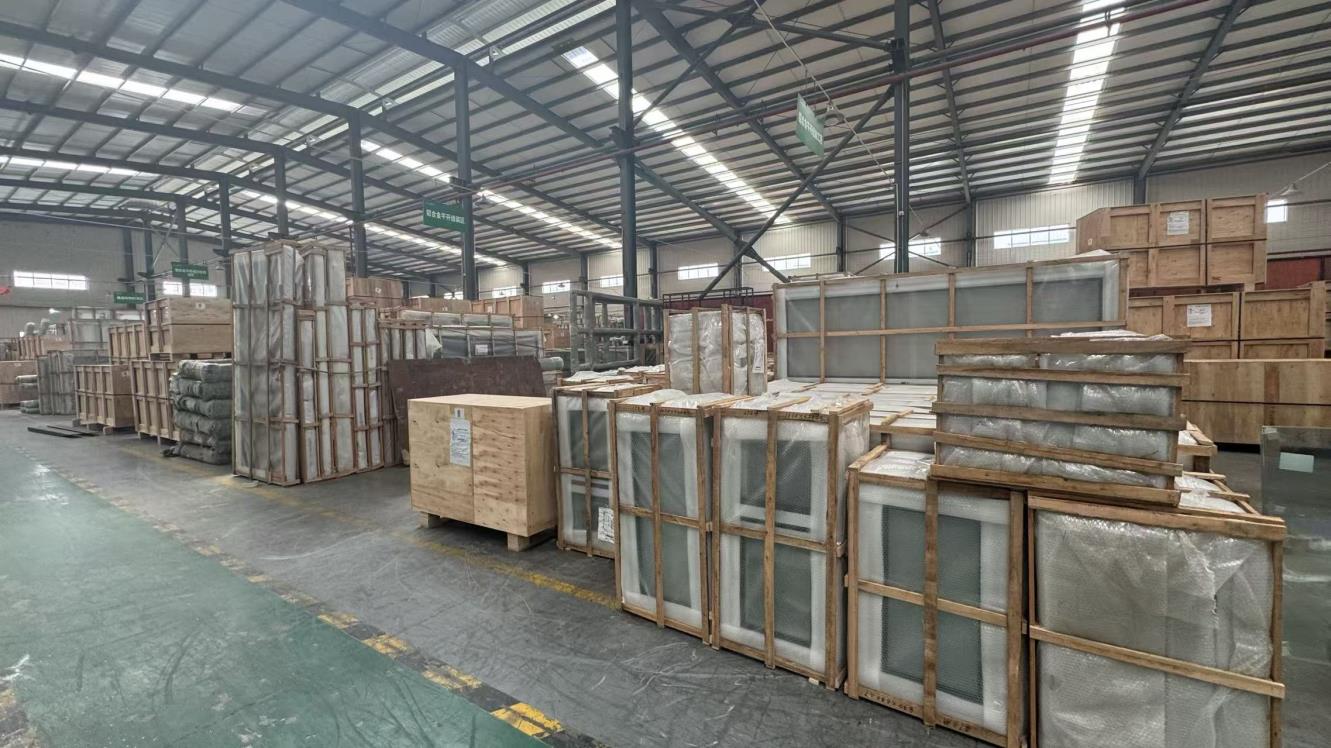
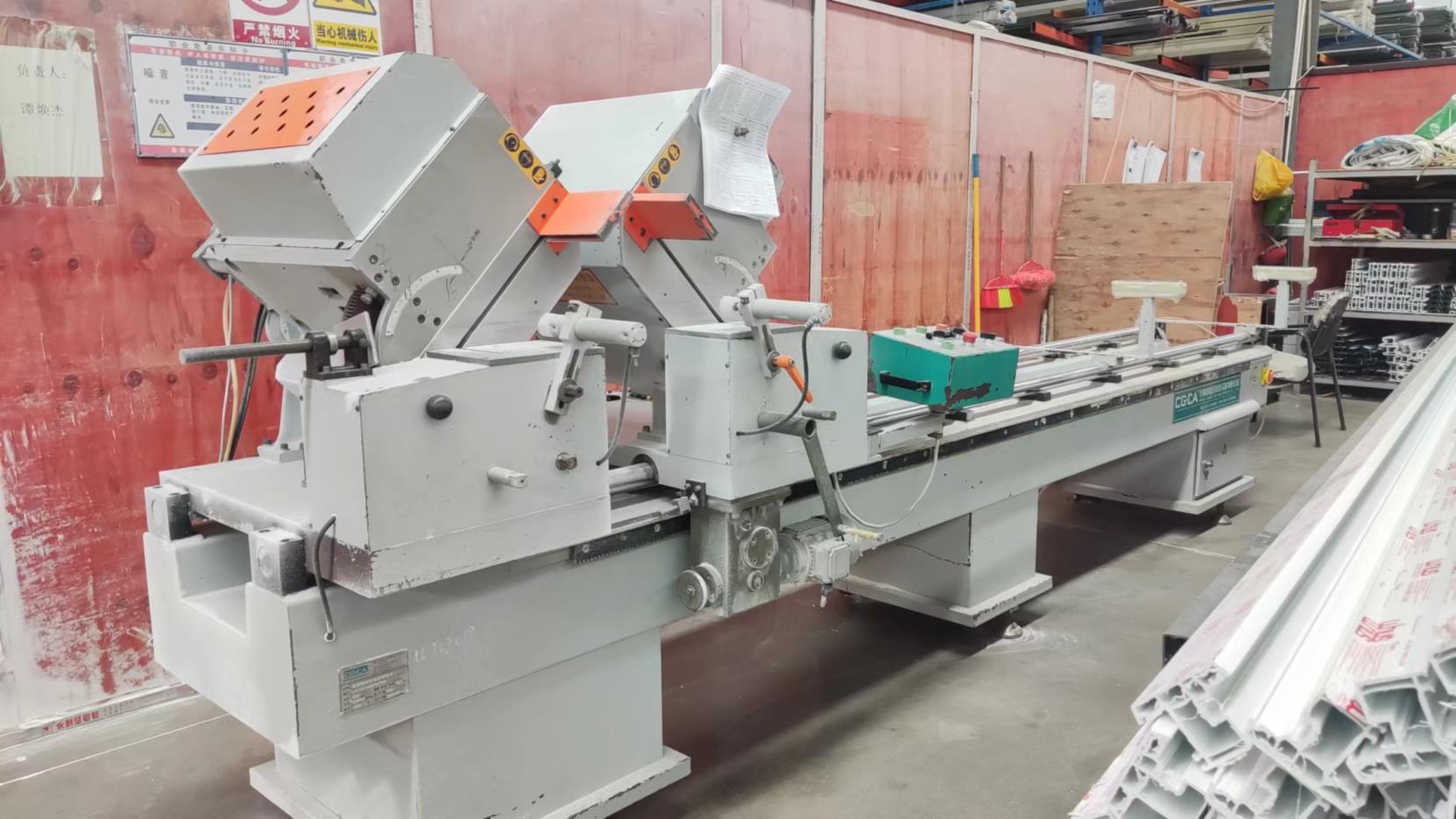
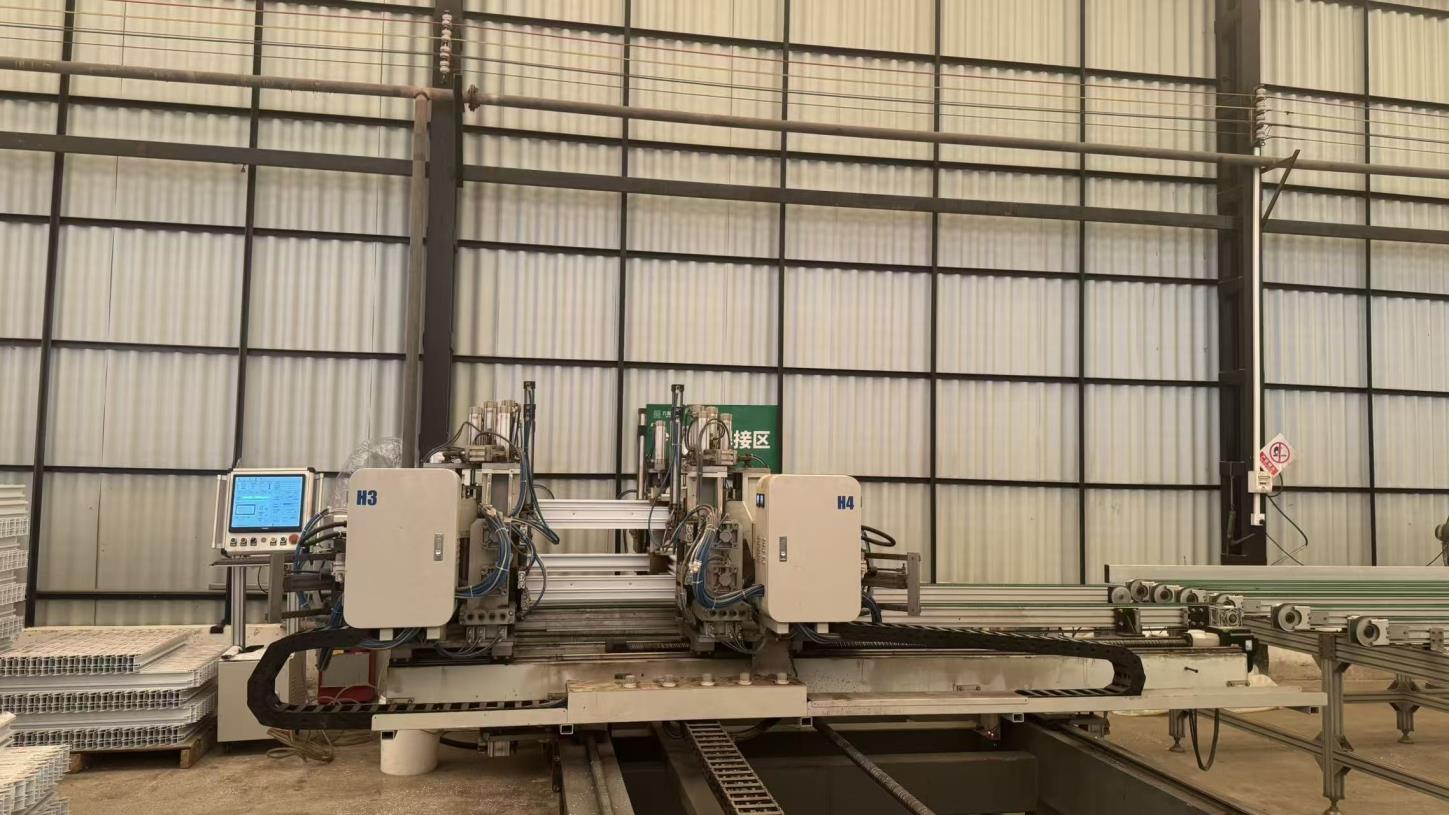
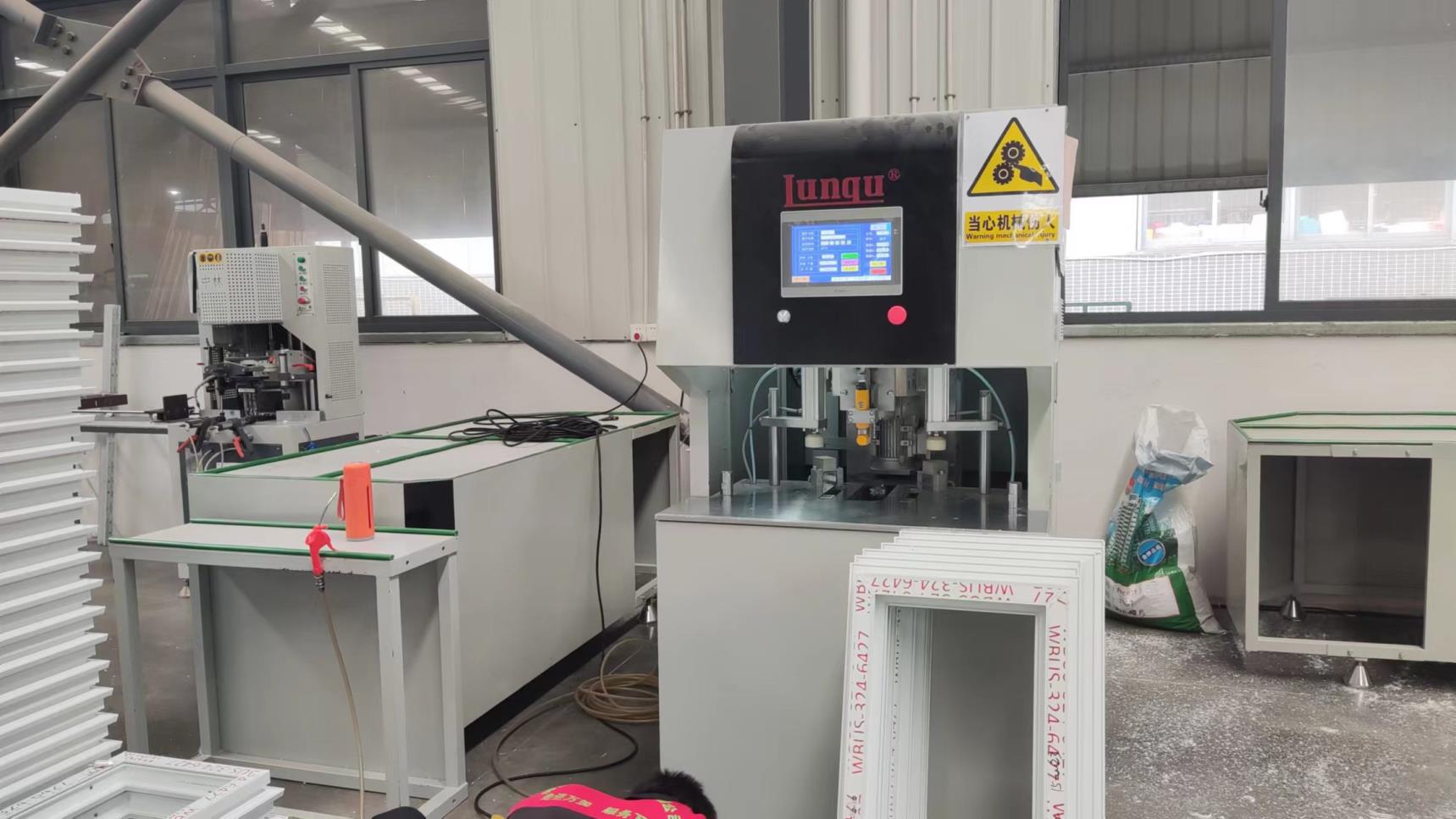
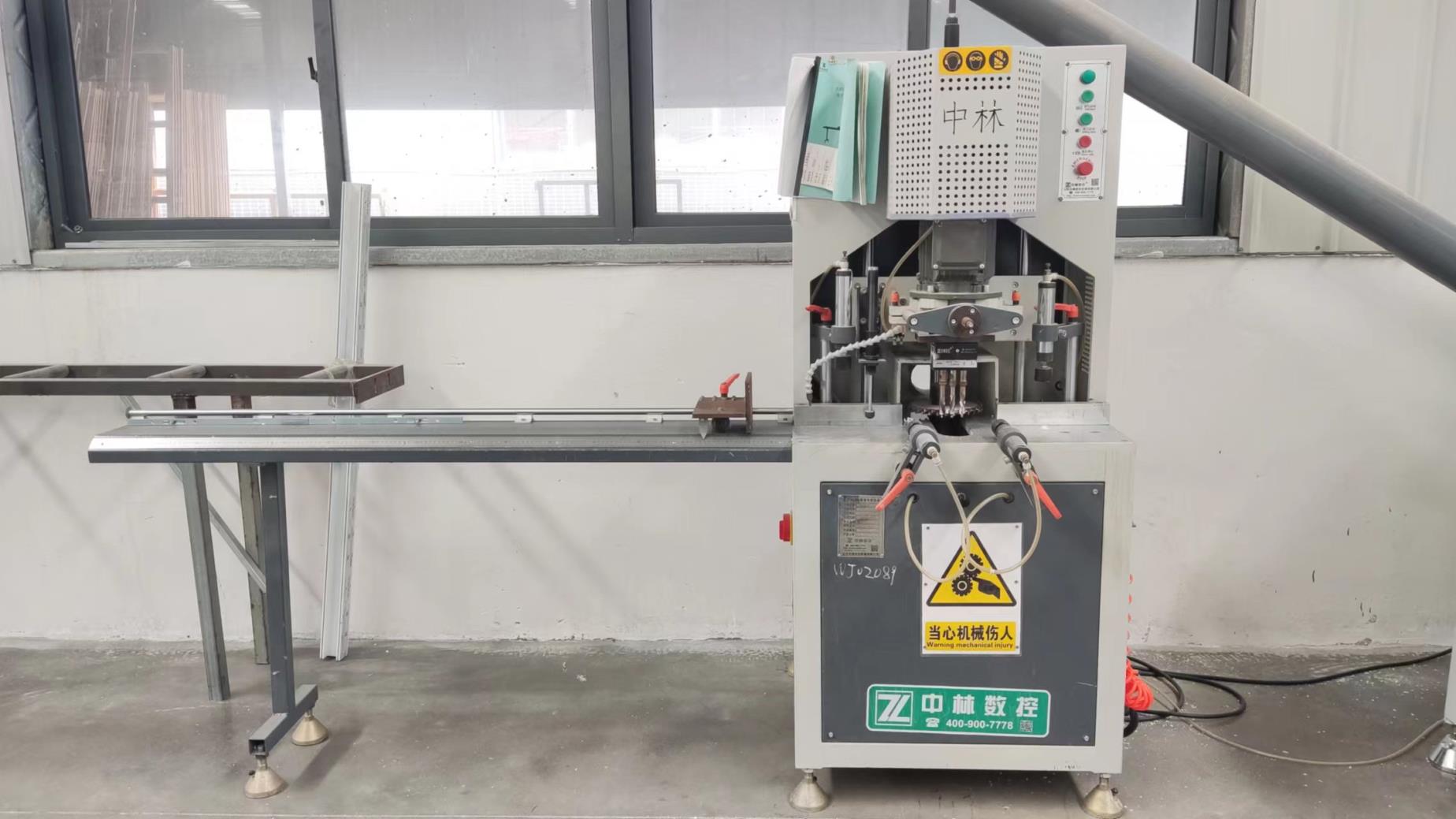
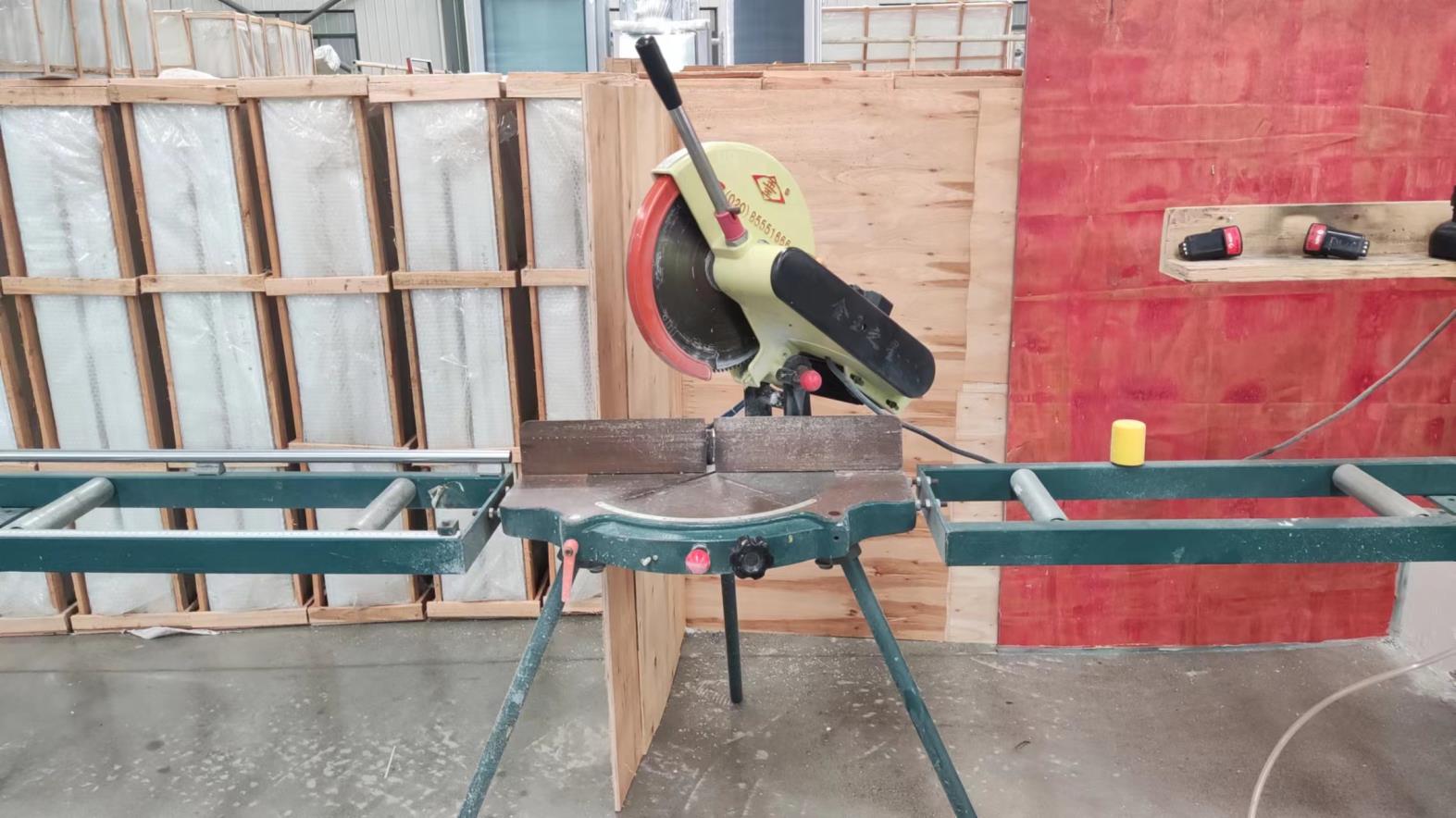
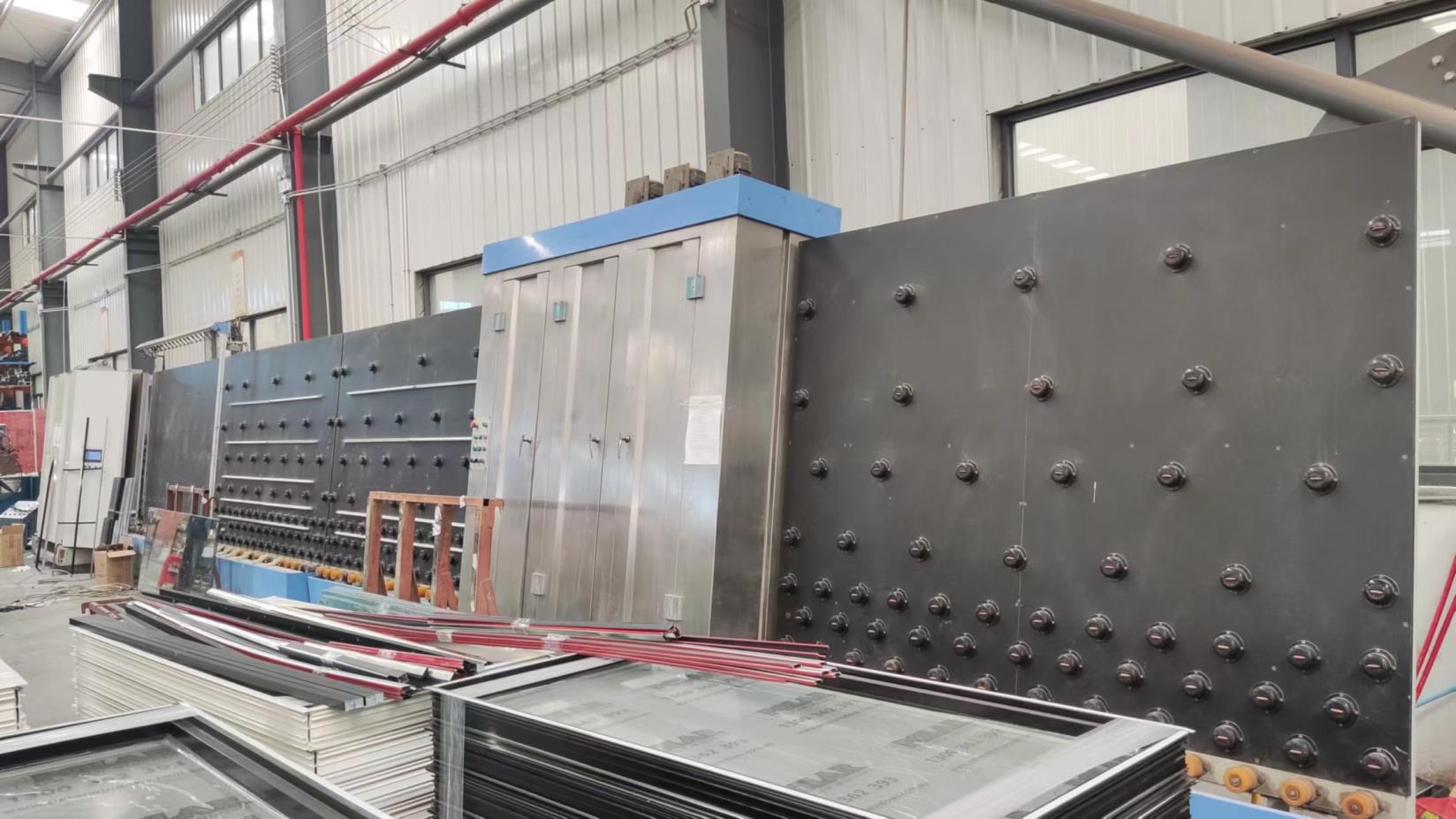
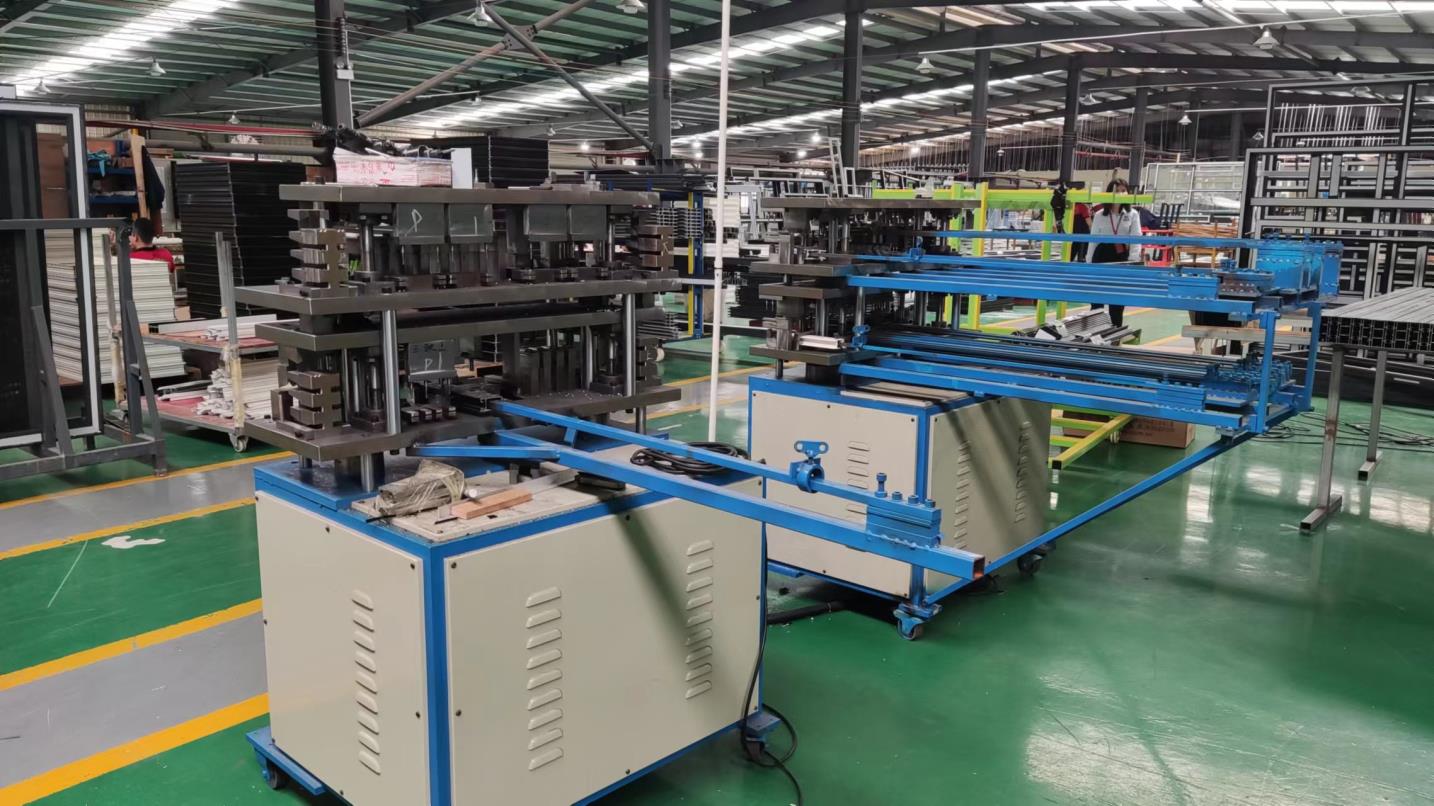
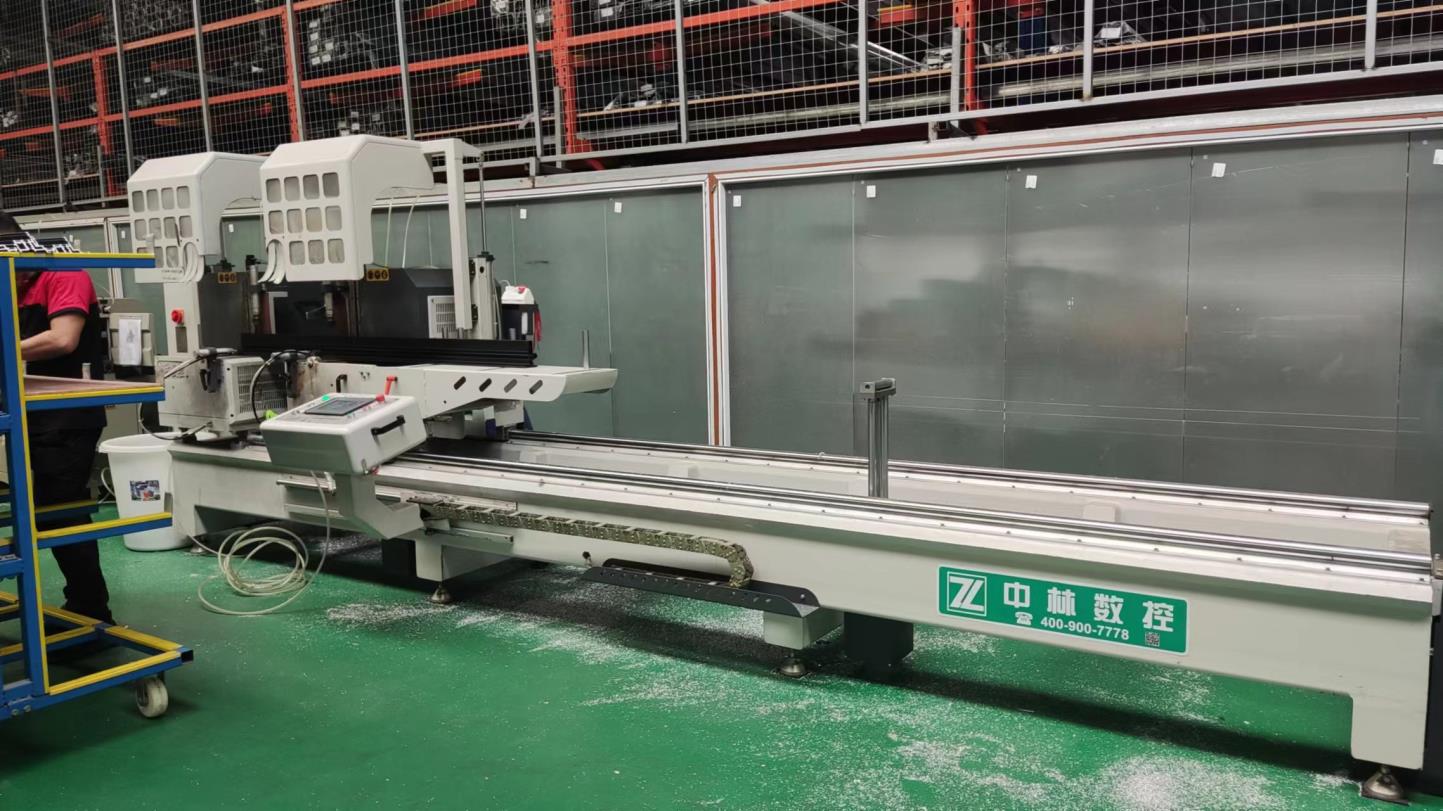
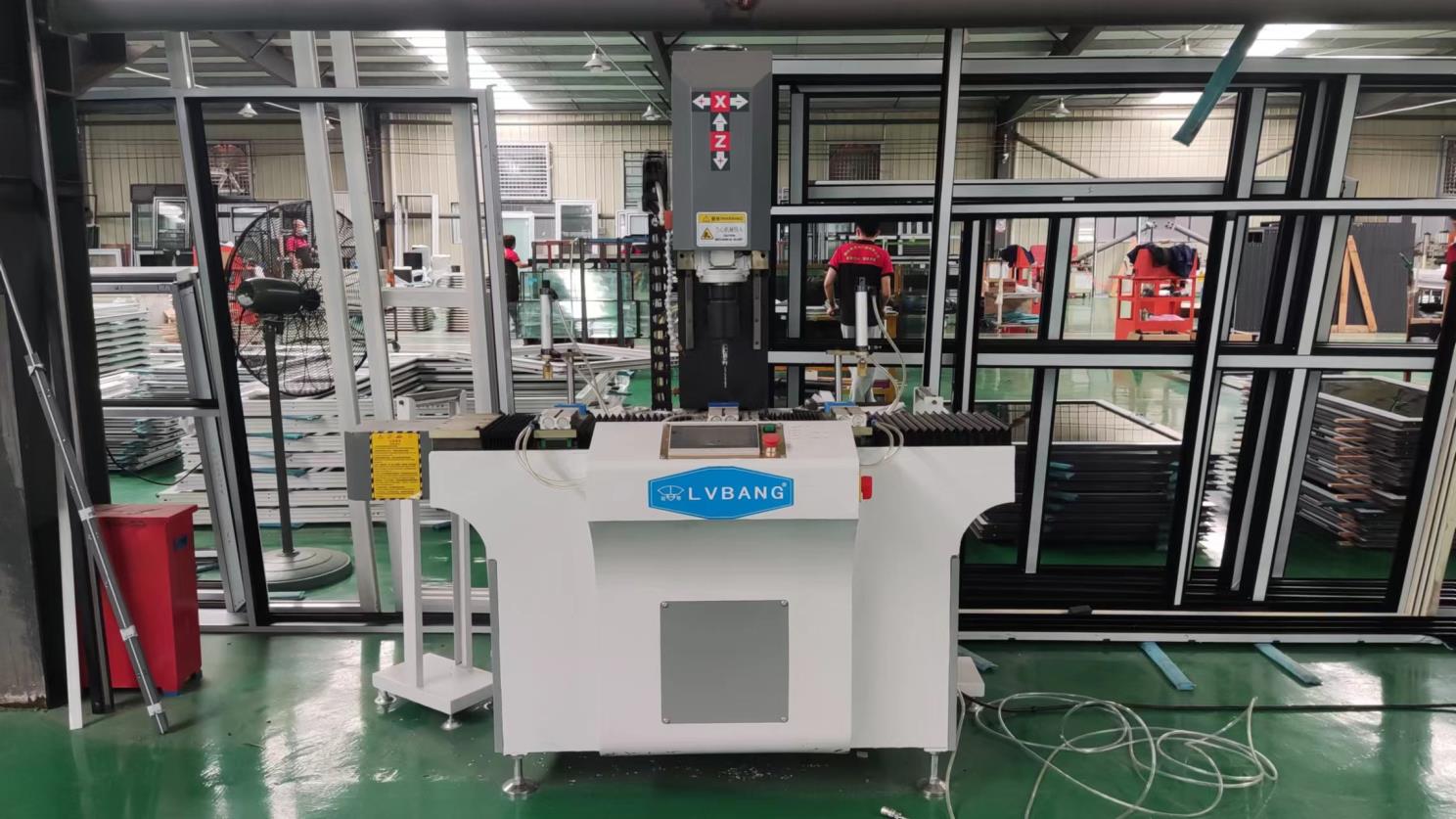
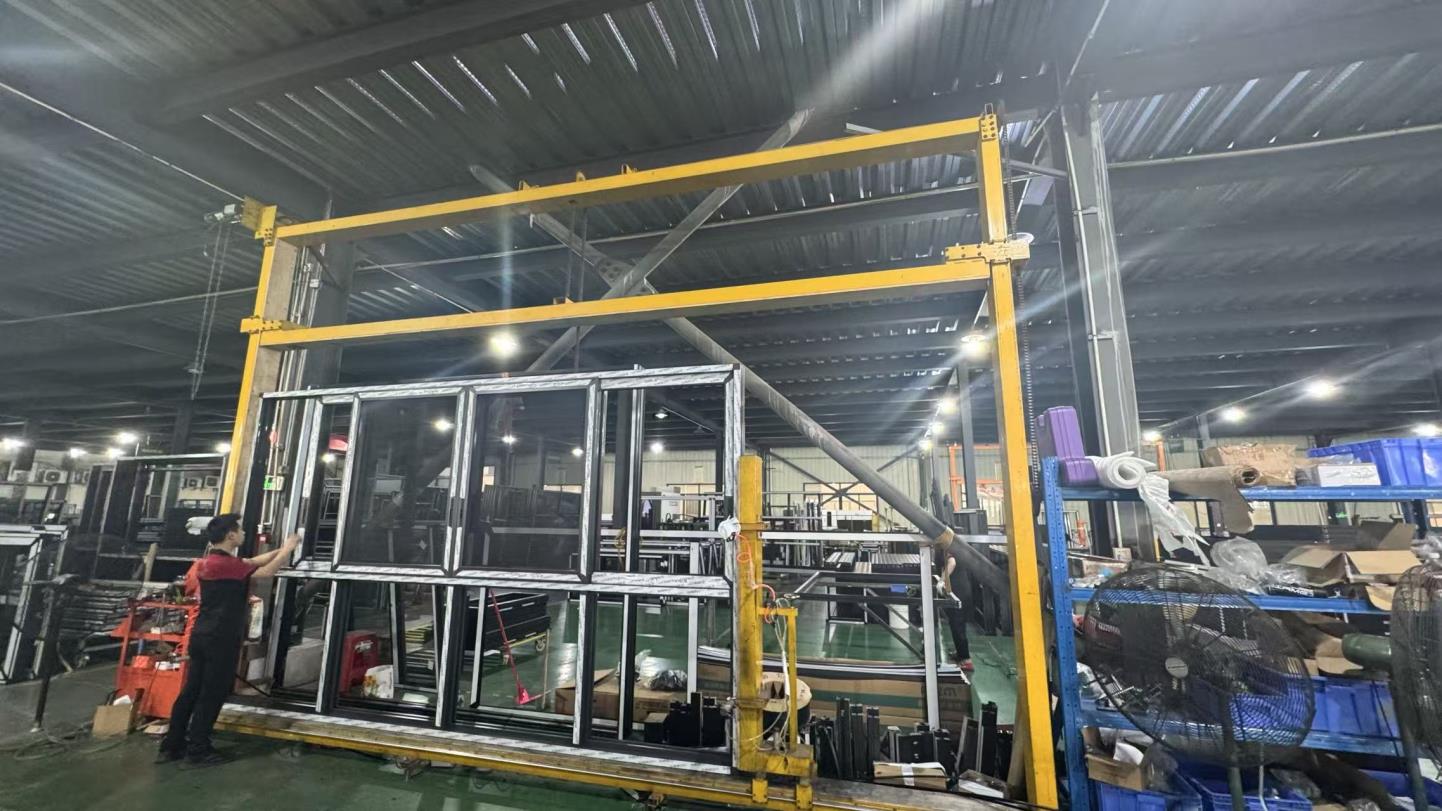
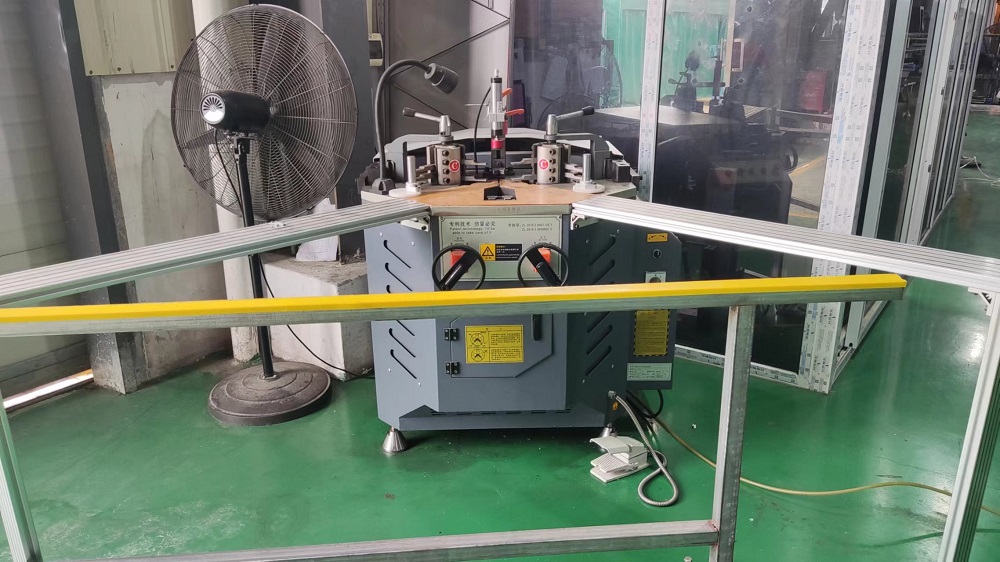
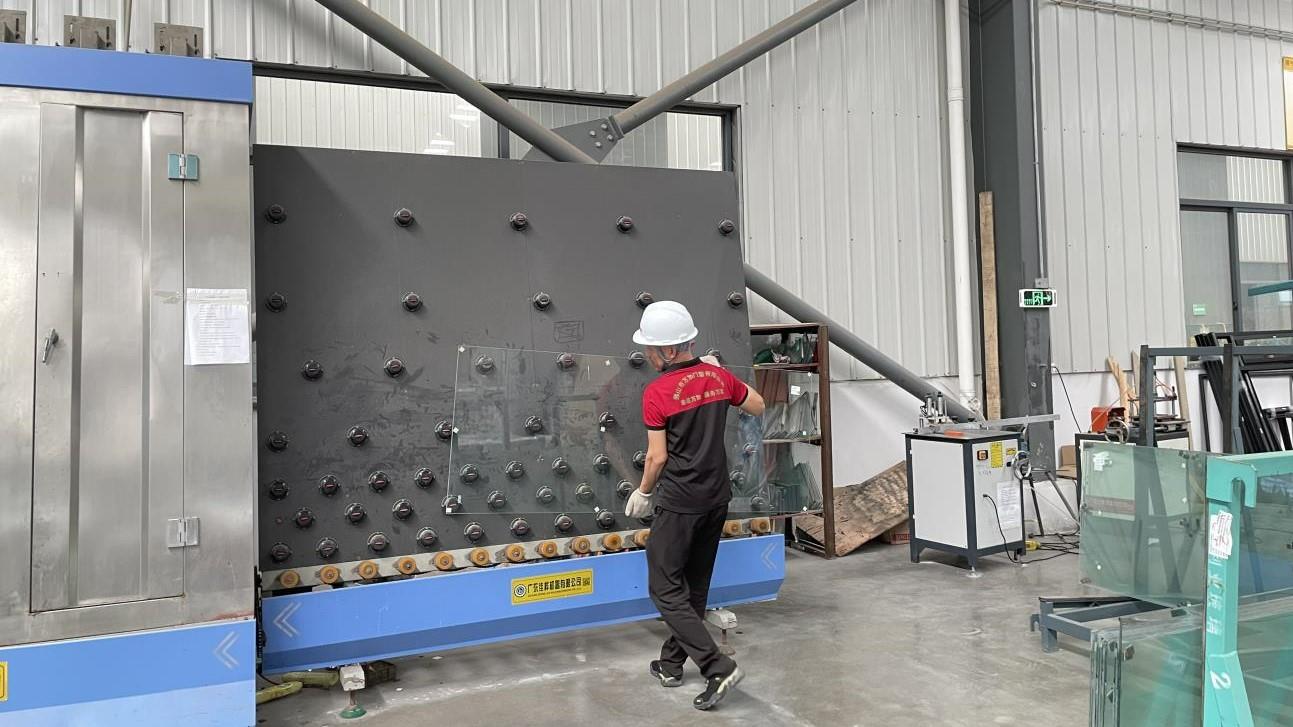
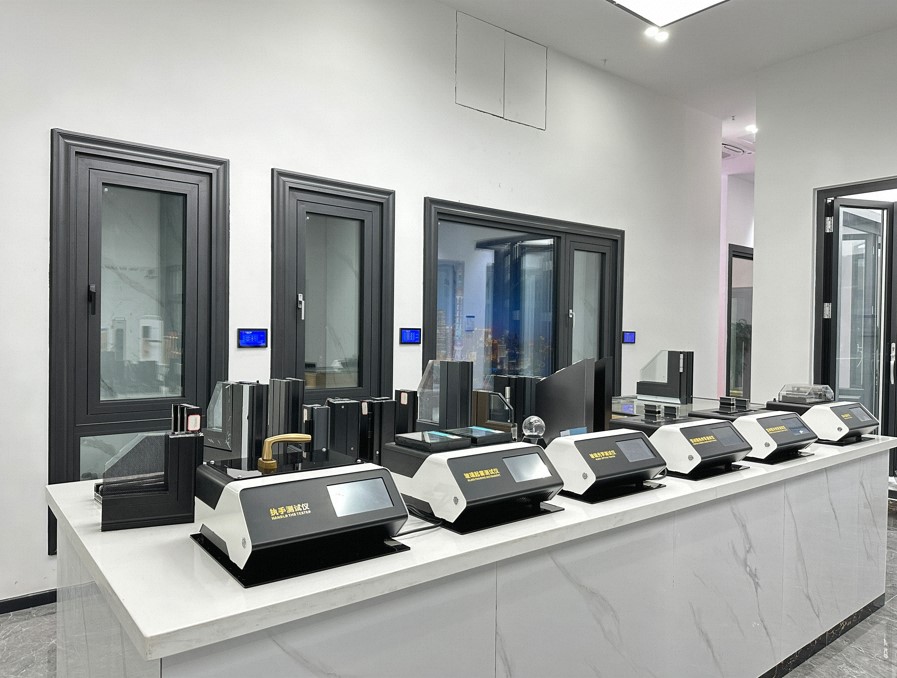
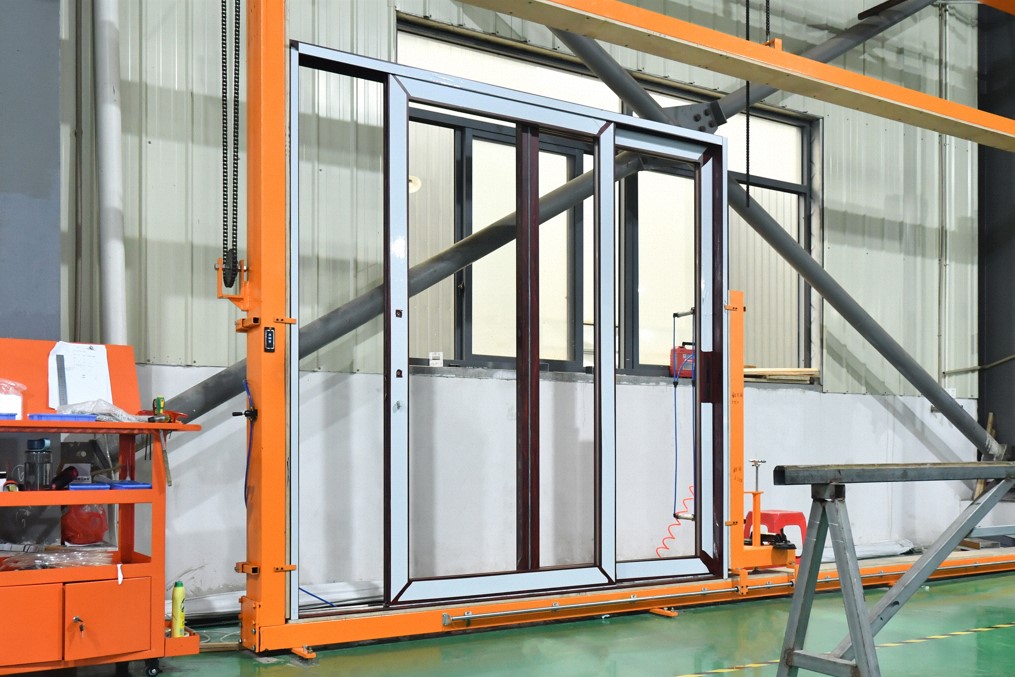
32,000 m² automated manufacturing facility equipped with CNC precision machinery and stringent testing apparatus.
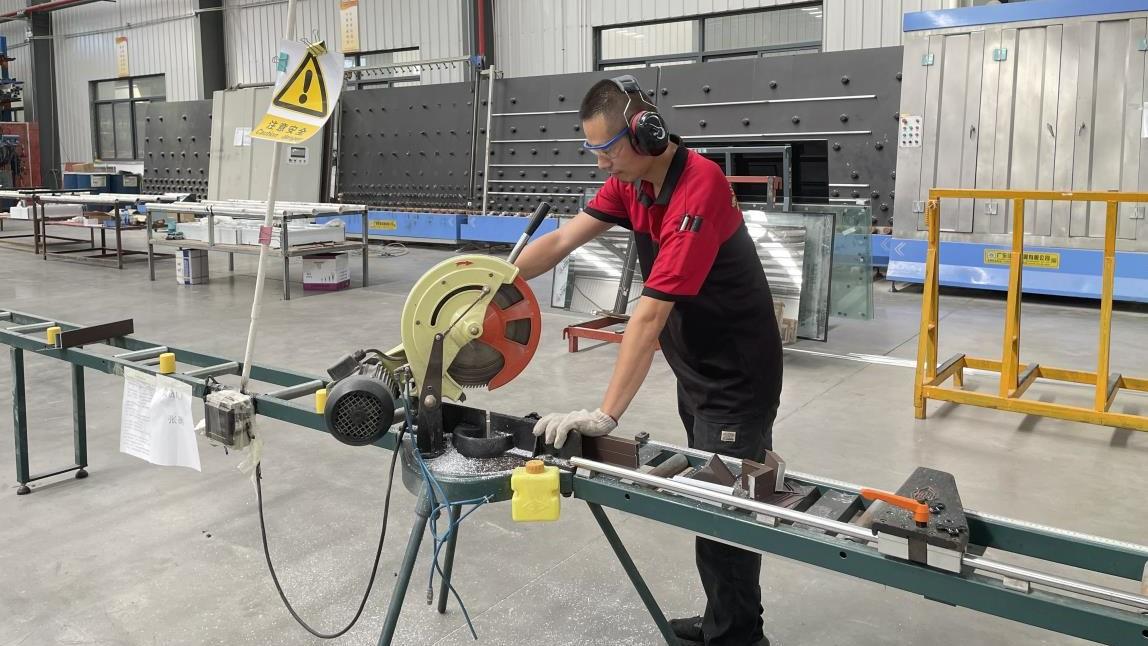
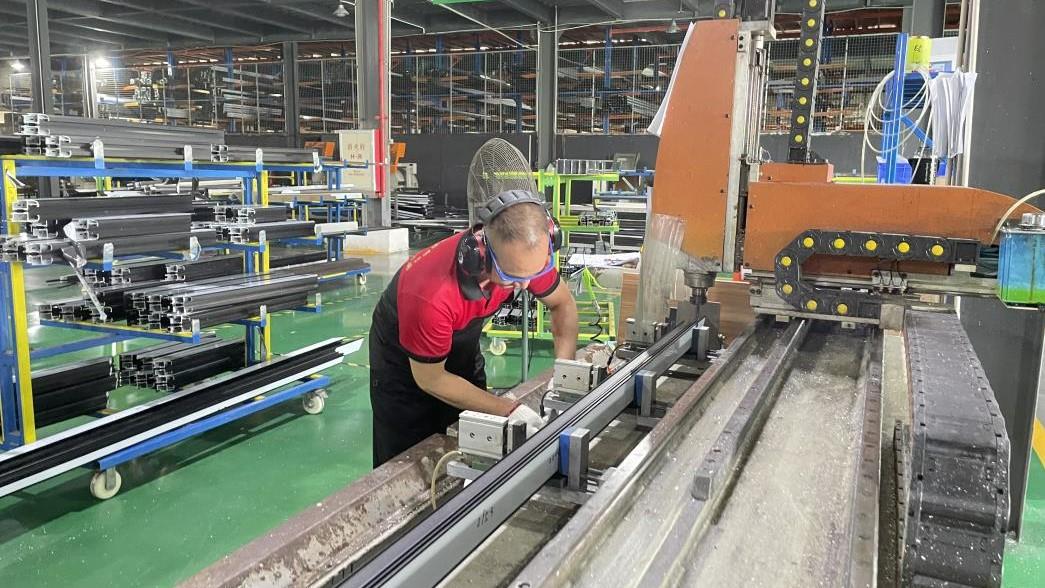
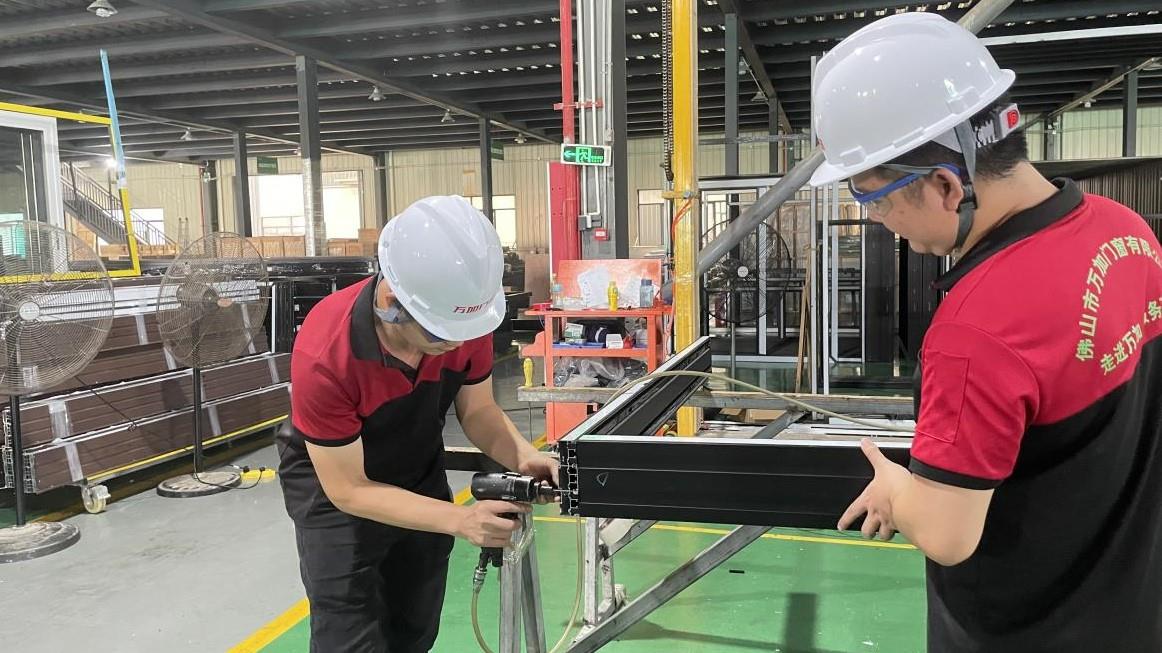
Customized B2B Procurement Models tailored to North American, European, and Oceanian Architectural Standards.
Full alignment with NFRC 100/200/400 thermal testing, Florida NOA (Notice of Acceptability) for High-Velocity Hurricane Zones (HVHZ), and AAMA/WDMA/CSA 101/I.S.2/A440 structural loading. Integrated motorized blinds, heavy-duty single/double hung configurations, and impact-resistant laminated glazing options.
Compliant with EN 14351-1 harmonization criteria. Features high-density polyamide PA66 thermal breaks, multi-point lock mechanisms (RC2, RC3 anti-burglary ratings), and triple-seal EPDM weatherstripping engineered for Scandinavian thermal efficiency and Mediterranean UV resistance.
Rigorously tested to AS2047 (Windows and External Glazed Doors in Buildings) and AS1288 (Glass in Buildings). Equipped with 316 marine-grade stainless steel hardware, engineered to resist harsh coastal salt-spray environments and severe wind pressures up to ultimate limit state (ULS) requirements.
Pioneering the Next Era of Smart, Carbon-Neutral Architectural Building Envelopes.
Transitioning from traditional gas-filled double glazing to ultra-thin Vacuum Insulated Glass units. VIG technology achieves U-factors below 0.40 W/m²K in a profile thickness of under 10mm, dramatically reducing frame sightlines while providing unprecedented thermal barrier protection.
Seamless integration of hidden electronic multi-point lock hardware supporting facial recognition, RFID, home automation APIs (KNX, Zigbee, Matter), and automated electrochromic glass tinting directly powered by integrated frame micro-solar panels.
Commitment to utilizing primary aluminum extruded with renewable hydroelectric power, incorporating minimum 75% post-consumer recycled aluminum scrap (PCR) to deliver EPD (Environmental Product Declaration) certified low-embodied carbon entry door systems.
Engineered laminated acoustic interlayers targeted at dampening low-frequency urban traffic noises (100 Hz–500 Hz), achieving sound reduction indices (Rw) exceeding 48 dB for high-density urban residential towers and commercial hotel developments.
Expert insight into compliance, installation structural engineering, and minimum order specifications.
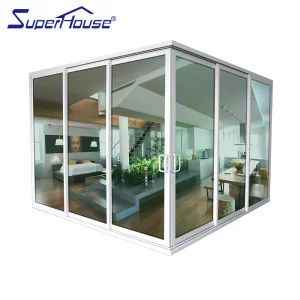
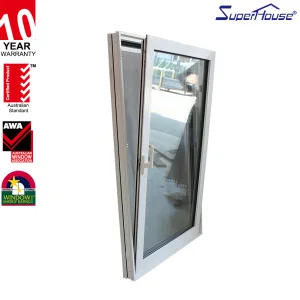
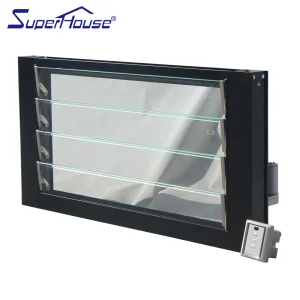
Explore our full line of commercial impact glass windows, sliding entry portals, and motorized louvers.
 Fortisdor