Why Choose a Premium Aluminum Entry Door?

Time:2026-11-05 Author:Sophia
0%

A Premium Aluminum Entry Door can sharpen a home’s curb appeal, but its value goes beyond a clean, modern profile. A well-built unit can resist corrosion, support reliable daily operation, and accommodate insulated glazing. Look closely at the frame corners, weather seals, threshold, and hardware. These details matter on a rainy morning, when a loose seal or poorly adjusted latch becomes obvious. Performance still depends on installation and the quality of the complete door system.

For this draft, the following is an illustrative quotation, not a verified published statement. Elena Ward is a fictional building-envelope specialist; replace her attribution with a real expert’s approved comment before publication: “A door earns its premium through the details you touch and the drafts you never feel.” That is the right test. Still, aluminum is not a cure-all. A dark finish may show dust, and a strong frame cannot compensate for weak glazing or careless fitting. Compare thermal-break design, finish warranty, security hardware, and installer experience—not appearance alone. Ask to see a sample corner and feel the latch. Small checks reveal a lot. A Premium Aluminum Entry Door makes sense when its durability, comfort, and design fit the home and budget.
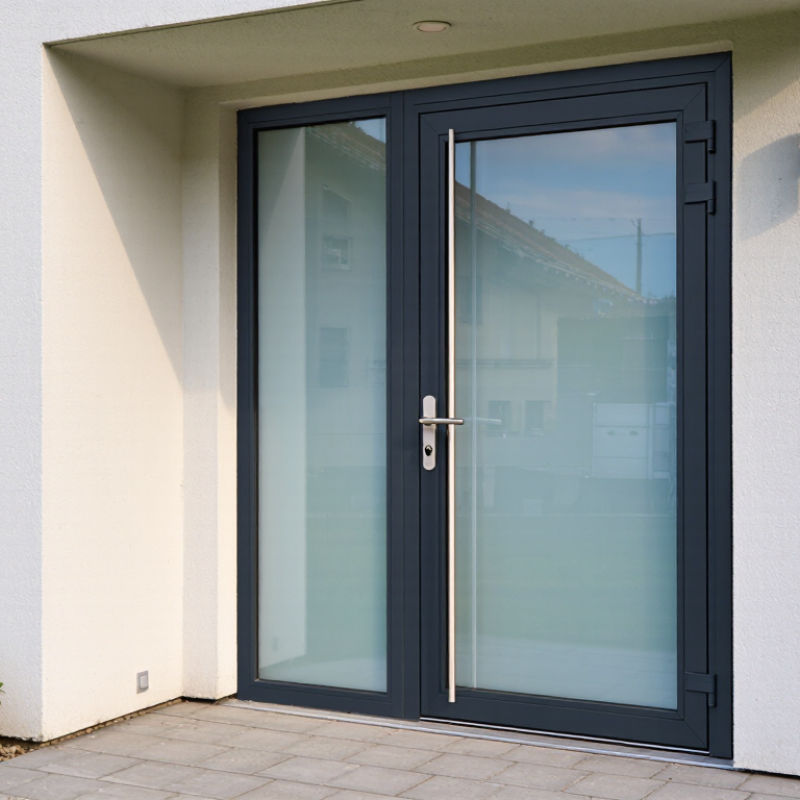
Why Choose a Premium Aluminum Entry Door?

What Defines a Premium Aluminum Entry Door?

A premium aluminum entry door is defined by its complete system, not just a thick metal skin. Look for a thermally broken frame, where a nonconductive strip separates interior and exterior aluminum. This detail helps limit heat transfer and reduces the chance of a cold interior frame. The door should also have a well-sealed perimeter, a stable core, and hardware that closes the panel evenly. Small gaps matter.

Performance needs numbers. The U.S. Environmental Protection Agency’s ENERGY STAR guidance says certified windows, doors, and skylights can save an average of 12% on household energy bills compared with non-certified products; actual savings vary by home and climate. Check the door’s independently certified NFRC label for its U-factor and, where listed, solar heat gain coefficient. A lower U-factor indicates less heat transfer. Ask for documented air, water, and structural test results for the specific size and configuration—not just claims about the product line.

Finish and installation count, too. A durable coating should resist fading and weathering, while adjustable hinges and a secure multipoint lock help the door operate consistently. Still, “premium” is not a test rating. A high-spec door can disappoint if the sill is poorly flashed or the frame is out of square. The details show.

A premium aluminum entry door is defined by more than its metal frame. A thermal break separates interior and exterior aluminum, helping reduce heat transfer; quality seals, insulated glazing, and secure hardware also matter. These approximate material conductivity values are not whole-door performance ratings—look for tested whole-door U-factor data when comparing products.

How Aluminum Construction Supports Strength and Longevity

A premium aluminum entry door earns its reputation through a strong frame, not simply a sleek finish. Aluminum offers a favorable strength-to-weight ratio, helping the frame resist everyday knocks without feeling overly heavy. That matters when a door opens and closes repeatedly, especially in a busy household. Look closely at the corners. Secure joints and reinforced connection points help keep the frame square over time.

The material naturally forms a thin oxide layer that helps protect it from corrosion. Still, aluminum is not maintenance-free. Paint or powder-coated finishes can wear, and coastal air or standing moisture may increase upkeep needs. Check the finish, weather seals, hinges, and threshold periodically. Small signs matter. A loose hinge or compressed seal can affect operation before the frame itself shows damage.

Longevity also depends on design and installation. Thermal breaks, which separate the interior and exterior portions of the frame, can reduce heat transfer. Proper anchoring helps prevent movement as the building settles or temperatures change. Ask how the frame is reinforced and what care its finish requires. Aluminum can be durable, but it is not indestructible; dents and scratches may be difficult to repair invisibly. That trade-off is worth weighing against its resistance to rot and its ability to support narrow sightlines.

Which Energy and Security Features Improve Everyday Performance?

A premium aluminum entry door should make comfort measurable, not just look substantial. The U.S. Energy Information Administration’s 2020 Residential Energy Consumption Survey reports that space heating accounts for about 42% of household energy use. A well-fitted door cannot solve every energy problem, but thermal-break construction, insulated cores, and continuous weather seals can reduce heat flow and drafts near the entry. Check the National Fenestration Rating Council label for U-factor; a lower value indicates less heat transfer. Look at air-leakage information too, where available. Small gaps matter.

Security depends on the complete assembly. A reinforced frame, multipoint locking system, and properly anchored strike plate can help resist forced entry. If the door includes glass, laminated glazing can make penetration more difficult while retaining natural light. Hardware alone is not enough. Poor installation can leave the frame loose or create gaps that weaken both security and insulation. Confirm that the door, frame, and locking hardware are designed to work together.

Tips: Ask for the door’s NFRC ratings and written installation details. Inspect the threshold and weatherstripping after installation; you should not feel a cold draft or see daylight around the closed door. Ratings are useful, but they cannot fully predict performance in your home. That part takes careful fitting.

How Do Design Options Shape Curb Appeal?

A premium aluminum entry door can make the entrance feel sharper without competing with the rest of the home. Its slim frame suits clean, modern lines, while a carefully chosen color can connect the doorway to roof trim, window frames, or exterior lighting. Small details matter. A warm bronze finish may soften pale siding; a deep charcoal tone can give brick a more defined edge.

Glass changes the impression, too. A narrow vertical pane draws the eye upward and can bring daylight into a dim foyer. Frosted glass offers privacy, while clear glass keeps the entrance visually open. Panel patterns and hardware also shape the result. A simple pull handle often fits contemporary façades, but it may look stark beside traditional details. The best choice depends on the whole exterior, not a showroom sample. That part is easy to misjudge.

Tips: View finish samples outdoors, beside your siding, in morning and afternoon light. Check the door’s proportions against nearby windows. If every feature competes for attention, remove one; restraint usually reads better from the street.

What Should You Consider When Choosing a Premium Door?

A premium aluminum entry door should fit your climate, opening, and daily use—not just the façade. Check the full assembly: frame, insulated core, threshold, seals, and any glass sidelights. Thermal breaks help limit heat transfer through aluminum. For glazed units, compare the NFRC-labeled U-factor; lower values indicate better insulation. The U.S. Department of Energy’s Energy Saver guidance estimates that heat gain and loss through windows account for 25–30% of home heating and cooling energy use. That figure is not specific to doors, but it makes glazing and frame performance worth checking. Looks can mislead.

Ask for documented air-leakage, water-penetration, and structural-pressure test results for the exact door configuration. AAMA/WDMA/CSA 101/I.S.2/A440 sets performance classes for exterior windows, doors, and skylights; ask which class the product meets and whether it suits your local exposure. Coastal wind, driving rain, and a sheltered porch call for different priorities. Also inspect the finish sample in direct sun, and ask how it is maintained. A heavy slab is not automatically a better door. The detail that is easy to miss is installation: even a well-rated unit can leak if the sill is poorly flashed or the opening is out of square. Have the installer explain that junction before you order.

FAQS

How can an aluminum entry door help reduce drafts?

Thermal breaks, an insulated core, and continuous weather seals can limit heat flow and drafts. Small gaps matter. Check the threshold after installation.

Which rating helps compare insulation?

Compare the door’s U-factor. A lower value means less heat transfer. Ask for air-leakage details too, if available.

What features can improve door security?

A reinforced frame, multipoint lock, and well-anchored strike plate can help resist forced entry. The parts must work together.

Does glass make an entry door less secure?

Not necessarily. Laminated glazing can make penetration more difficult while still bringing daylight indoors. Installation still matters.

How can I choose a finish that suits my home?

Compare samples beside your siding and trim outdoors. Check them in morning and afternoon light. A sample indoors can mislead.

What glass and panel styles affect the entrance?

A narrow vertical pane can draw the eye upward and brighten a dim foyer. Frosted glass adds privacy; clear glass feels more open.

What should I check for my local weather?

Ask for test results covering air leakage, water penetration, and structural pressure. Coastal wind and driving rain need different priorities from a sheltered porch.

Can a highly rated door still perform poorly?

Yes. A poorly flashed sill or an opening that is out of square can cause leaks. Ask how the installer will fit the frame. I would not skip that conversation.

Conclusion

A Premium Aluminum Entry Door combines refined design with the practical benefits of durable aluminum construction. Its strength helps it resist everyday wear and maintain its appearance over time, while quality finishes and well-designed components can support reliable operation. Depending on the door’s construction, features such as insulated cores, weather seals, secure locking hardware, and sturdy frames may also help improve comfort, energy efficiency, and peace of mind.

Design choices can make the entryway feel distinctly your own, with options for different colors, finishes, glass details, and panel styles to complement the home’s exterior. When choosing a door, consider its dimensions, installation requirements, climate performance, maintenance needs, security features, and overall fit with your home. Balancing these practical considerations with the look you want can help you select an entry door that is attractive, dependable, and suited to everyday use.

Sophia

Sophia

Sophia is a dedicated marketing professional with an exceptional depth of knowledge about her company's products and services. With a keen understanding of market trends and customer needs, she crafts insightful blog posts that not only inform but also engage readers, enriching the company’s online......