Choosing a Luxury Aluminum Entry Door in 2026 means balancing appearance with daily performance. A slim frame and broad glass panel can make an entrance feel bright and refined. But appearance alone tells you little about comfort, security, or long-term upkeep. Details matter.
Start by considering your home’s climate, exposure, and existing opening. Ask how the frame manages heat transfer, what glazing options are available, and how the door seals against wind and rain. Check the finish sample in daylight; a color that looks warm indoors may appear cooler outside. Hardware deserves a close look, too. A solid handle should feel comfortable, and the lock should suit your household’s needs. Ask the supplier for product specifications, warranty terms, and installation guidance, rather than relying on showroom claims alone. Local conditions can change what matters most.
Installation is easy to underestimate. Even a well-made door may perform poorly if it is measured or fitted incorrectly. Confirm who handles site measurements, preparation, and final adjustment before placing an order. Compare complete quotes, including glazing, hardware, delivery, and installation. A lower initial price may omit important items. Some details are easy to miss. This guide explains how to assess design, construction, energy performance, security features, and service in 2026. It also leaves room for a practical truth: no single specification guarantees a perfect result. Your home, installer, and maintenance habits all play a part.
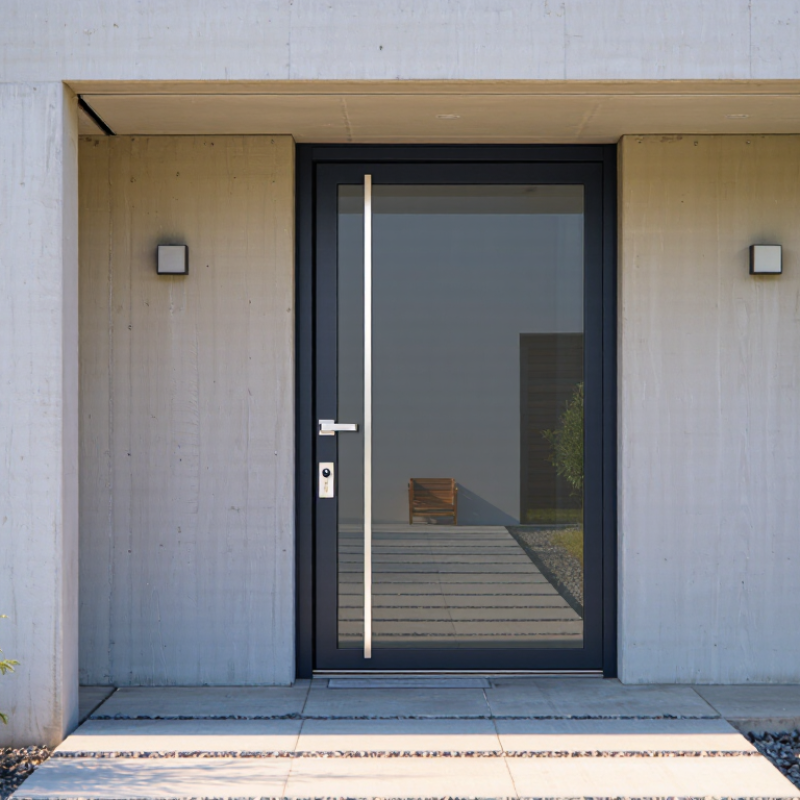
Choosing a luxury aluminum entry door in 2026 starts with how your entrance works every day. Note the clear opening needed for furniture, whether the door faces a covered porch, and where afternoon sun lands. Measure twice. A heavy door can feel reassuring, but its operation, handle height, and threshold should suit everyone who uses it.
Climate changes the details. In cold or hot regions, ask about the thermal break, glazing, weather seals, and documented performance for the exact door configuration. For coastal or rainy locations, check how the finish and hardware are specified for moisture and salt exposure. Listen to the rain. If wind-driven water reaches your entrance, discuss drainage and installation details with a qualified installer; the frame alone cannot compensate for a poor fit.
Design should support the house, not compete with it. A wide glass panel can brighten a dim hallway, while textured or frosted glazing offers more privacy. Compare finish samples outdoors, since a charcoal surface may look softer in shade and harsher in direct sun. I would not choose by appearance alone. Ask for clear product specifications, warranty terms, and a written installation plan, then consider whether the bold choice will still feel right after years of daily use.
| Decision Dimension | What to Assess | Practical Guidance | Priority |
|---|---|---|---|
| Entryway layout | Available opening, wall structure, door swing, and clearance for nearby furniture or steps. | Measure the finished opening and confirm handing, threshold height, and installation requirements with the installer before selecting a configuration. | Essential |
| Daily use and accessibility | Household traffic, delivery access, mobility needs, and whether a wider clear opening is important. | Compare single-door, wider single-door, and paired-door layouts. Check the clear passage width and hardware operation, not just the nominal door size. | High |
| Cold or highly variable climates | Winter temperatures, wind exposure, and heating and cooling costs. | Consider a thermally broken aluminum frame, insulated door construction, effective weatherstripping, and a well-sealed threshold. Review the complete assembly’s published thermal-performance data. | High |
| Hot, sunny climates | Direct sun, heat gain, and exposure to intense ultraviolet light. | Ask about durable exterior finishes and, if using glass, compare glazing options for solar heat gain and visible light. Shading from an overhang can also help limit direct exposure. | High |
| Rain, coastal air, or wind exposure | Driving rain, salt-laden air, strong winds, and the entry’s level of shelter. | Check the specified finish, hardware materials, drainage details, and tested water and air performance. Confirm that the selected door is appropriate for the site’s exposure. | High |
| Security | Locking points, cylinder protection, hinge security, and the strength of the surrounding frame and installation. | Evaluate the door, frame, hardware, and installation as one system. Ask for documented security or forced-entry test information where available. | High |
| Privacy and daylight | Whether the entry needs natural light, a view, or screening from the street. | Choose between a solid panel, clear glazing, or privacy glazing. Consider glass location and visibility from outside as well as the amount of daylight desired. | Medium |
| Architectural style | Facade materials, window proportions, trim details, and the home’s overall design. | Coordinate frame color, panel layout, glazing shape, and hardware finish with the exterior. Request finish samples to compare in natural light. | Medium |
| Finish and maintenance | Desired appearance, cleaning routine, and exposure to sun, moisture, or airborne contaminants. | Review the finish-care instructions and warranty terms. Aluminum does not rust like iron or steel, but its coating and hardware still require appropriate care. | Medium |
| Installation and verification | Opening condition, sill and flashing details, wall type, and applicable local requirements. | Use a qualified installer, confirm that the opening is properly prepared and weather-sealed, and check local energy and building-code requirements before ordering. | Essential |
Look for a multi-point lock and a reinforced strike plate anchored into the framing. Check that hinges resist removal and the lock cylinder resists drilling and forced rotation. A heavy door alone proves little.
Ask for test documentation and compare the hardware grade with your household’s needs. Test the latch and deadbolt with the door open, then closed. They should move smoothly. No gritty feeling.
South- and west-facing doors may benefit from low-emissivity glass. Ask about the whole door’s thermal performance, not only the glass. A thermally broken frame can help limit heat transfer.
Consider textured or obscure glass, especially in sidelights. Check a sample in daylight; its pattern may look different indoors. Small differences matter.
Compare samples with your exterior cladding in morning and evening light. Salt air and strong sun can affect upkeep. I could still be swayed by a glossy sample.
A single door with narrow sidelights can suit a tight entry. A wider pair needs room to swing. Specify handle height, hinges, and threshold before fabrication.
Confirm that strike-plate and hinge fasteners reach structural framing. Ask the installer what anchors will be used. If the answer is vague, pause and clarify.
No. One report’s estimate for a steel door replacement is not an aluminum-door forecast. Treat it as context, not a promise. A site measure is less glamorous, but useful.
Choosing a Luxury Aluminum Entry Door in 2026 begins with understanding how your entryway is used, the climate it must withstand, and the look you want to achieve. Consider exposure to heat, cold, moisture, and wind, then compare aluminum grades and frame construction for durability and stability. Thermal performance also matters: suitable insulation and carefully designed frames can help reduce unwanted heat transfer and improve indoor comfort.
Next, evaluate security features, locking systems, and hardware quality, along with glazing options, finishes, door configurations, and custom details that suit your home. Before making a decision, confirm that the door meets relevant performance standards and that installation requirements are clear. Review the warranty, maintenance expectations, and total cost, including fitting and any necessary preparation. Weighing these factors together helps you choose a door that balances appearance, performance, security, and long-term value.

 Fortisdor