Why Choose an Aluminium Entry Door for Your Home?

Time:2026-10-01 Author:Henry
0%

Choosing the right entrance door affects more than your home’s appearance. It influences security, insulation, maintenance, and daily comfort. An Aluminium Entry Door offers a practical balance between these needs, especially for modern homes exposed to rain, sunlight, and changing temperatures.

Aluminium is naturally resistant to rust and usually requires less maintenance than many traditional materials. A powder-coated finish can protect the surface while providing colours such as charcoal, white, or muted bronze. Imagine wiping dust from a smooth frame after a storm, rather than repainting it every season. The material also supports slim profiles, allowing wider glass panels and more natural light near the entrance.

Security depends on more than the door material. Strong hinges, a reliable multi-point lock, reinforced panels, and professional installation matter just as much. A poorly fitted premium door can still allow drafts or movement. This is where careful measurement becomes essential.

Energy performance deserves close attention. Aluminium frames may conduct heat, but modern thermal breaks can reduce that weakness. Quality seals also help prevent cold air, rain, and street noise from entering. However, product claims should be checked against independent specifications, not attractive showroom language.

An Aluminium Entry Door can suit homeowners seeking durability and clean design. It may also support long-term value when selected for the local climate and installed correctly. Still, no door is perfect. Budget, orientation, glazing, and maintenance expectations should guide the final decision. The best choice is not simply the most expensive one. It is the door that performs reliably every day.
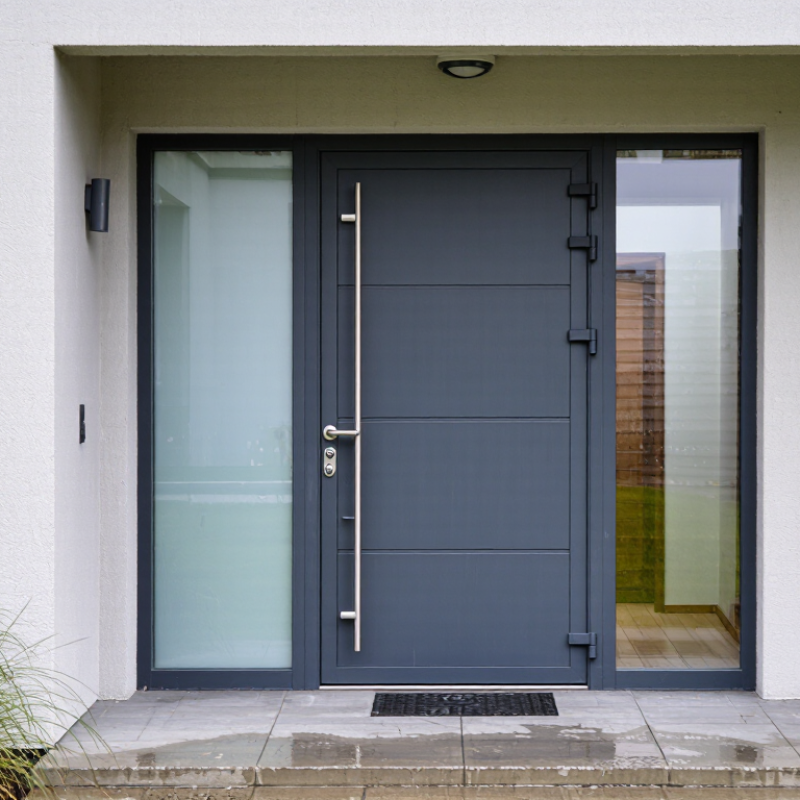
Why Choose an Aluminium Entry Door for Your Home?

What Is an Aluminium Entry Door?

Why Choose an Aluminium Entry Door for Your Home?

What Is an Aluminium Entry Door?

An aluminium entry door is an engineered entrance system, not merely a metal slab. It usually includes an aluminium frame, door leaf, threshold, hinges, seals, and optional glazing. The frame may contain a thermal break, which separates interior and exterior aluminium surfaces. This reduces direct heat transfer. An insulated core can improve comfort further. Not every model performs equally.

The National Fenestration Rating Council evaluates door systems through measures such as U-factor and air leakage. Lower U-factor values generally indicate better resistance to heat flow. Proper installation still matters. A skilled installer should check the sill, perimeter seals, wall alignment, and drainage path. Small gaps can create cold drafts beside an otherwise efficient door. The U.S. Department of Energy also identifies weatherstripping and careful fitting as practical ways to reduce air leakage around exterior doors.

Aluminium offers another measurable advantage. The International Aluminium Institute reports that recycled aluminium requires about 5% of the energy used for primary production. It also reports that roughly 75% of all aluminium ever produced remains in use. That supports long service life and future recycling. However, sustainability claims need caution. Coatings, glass, insulation, and transport also affect a door’s total footprint. It is not flawless. A well-specified aluminium entry door combines strength, stable dimensions, controlled heat flow, and carefully fitted seals.

How Aluminium Entry Doors Are Designed and Manufactured

Aluminium entry doors begin with performance targets, not just a drawing. Designers select alloy profiles, glazing thickness, hardware, and threshold drainage together. A thermal break, usually made from reinforced polyamide, separates the inner and outer aluminium sections. This reduces conductive heat transfer through the frame. Low-emissivity glass can improve the result, but the complete door assembly still matters more than one component.

Manufacturing starts with aluminium billets heated and pushed through precision dies. The extruded profiles are then cut, CNC-machined, and assembled with reinforced corners. Gaskets must sit evenly around the frame. A poorly compressed seal can create drafts or water entry. Factory testing commonly follows standards such as EN 12207 for air permeability, EN 12208 for watertightness, and EN 12210 for wind resistance. These tests provide useful evidence, although site installation can change actual performance.

The International Aluminium Institute reports that recycled aluminium uses roughly 5% of the energy needed for primary aluminium production. This supports lower-impact manufacturing when recycled content is traceable and suitable. Powder coating adds a durable surface, but colour, exposure, and maintenance still influence service life. A 2023 International Energy Agency report notes that buildings consume about 30% of global final energy, making efficient doors a practical design consideration. Yet an aluminium door is not automatically energy efficient. Poor detailing, incorrect glazing, or rushed installation can undermine excellent factory work. That uncomfortable gap deserves more attention.

Why Choose an Aluminium Entry Door for Your Home? - How Aluminium Entry Doors Are Designed and Manufactured

Design or Manufacturing Dimension Typical Aluminium Entry Door Detail Practical Benefit for Homeowners Common Verification or Quality Check
Material composition Aluminium profiles are formed from aluminium alloy and may include recycled content, depending on the production specification. Provides a strong, relatively lightweight frame with good resistance to corrosion when correctly finished. Material certificates, profile dimensions, and alloy or temper documentation.
Thermal-break design A thermal barrier, commonly made from a low-conductivity polyamide section, separates the inner and outer aluminium parts. Reduces heat transfer through the frame and helps limit interior surface condensation under suitable indoor conditions. Whole-door U-value calculation or test report, including the frame, panel, glazing, and edge conditions.
Door panel construction The panel may use insulated cores, aluminium skins, decorative inserts, glazing, or a combination of these elements. Allows designers to balance insulation, weight, appearance, daylight, and security requirements. Panel flatness, adhesive coverage, core placement, skin bonding, and moisture protection checks.
Profile fabrication Profiles are cut to size, machined for hardware and drainage, then assembled using mechanical joints, corner cleats, fasteners, or approved connectors. Accurate fabrication supports smooth operation, consistent sightlines, and reliable sealing. Dimensional inspection, corner alignment, diagonal measurements, and hardware-position checks.
Surface finishing Common finishes include powder coating or anodising, applied after suitable cleaning and pretreatment. Offers a broad colour range and helps protect the aluminium surface from normal outdoor exposure. Colour consistency, coating thickness, adhesion, surface defects, and pretreatment records.
Weather sealing Multiple gaskets, compression seals, drainage paths, and a properly installed threshold work together to manage air and water exposure. Helps reduce draughts, water penetration, and noise transfer when the door is correctly installed. Air permeability, watertightness, and wind-load testing to the applicable local standard.
Glazing options Glazing may be single, double, or triple pane, with options such as low-emissivity coatings, laminated glass, or patterned glass. Can improve daylight, thermal performance, acoustic comfort, privacy, or impact resistance according to the selected specification. Glass thickness, safety-glass marking, spacer condition, seal integrity, and correct orientation.
Security hardware Typical components include a multipoint locking mechanism, reinforced keeps, security cylinders, hinges, and a strong strike-side frame. Improves resistance to forced entry when the complete door assembly and installation meet the required security level. Locking-point operation, cylinder protection, hinge adjustment, and testing against the applicable security standard.
Dimensional stability Aluminium frames have a relatively low thermal expansion compared with many plastics and are not susceptible to rot. Supports long-term alignment and reduces maintenance associated with swelling, decay, or insect damage. Opening-size survey, frame squareness, sash-to-frame clearances, and operation after installation.
Manufacturing sequence Design review → profile cutting → machining → surface finishing → frame assembly → panel and glazing installation → hardware fitting → final inspection. A controlled sequence helps prevent dimensional errors, finish damage, and incorrect hardware installation. Production checklist, traceability records, visual inspection, and functional testing.
Maintenance profile Routine care generally includes cleaning the frame and seals, clearing drainage openings, and lubricating or adjusting hardware as recommended. Requires less repainting and repair than many exposed timber doors, although seals and moving parts still need periodic attention. Inspection for blocked drains, damaged gaskets, coating damage, loose fasteners, and lock operation.
End-of-life considerations Aluminium can be separated from some other door components and is widely recyclable, subject to local collection and processing facilities. May support material recovery and reduce disposal impacts when the door is dismantled responsibly. Check local recycling requirements and separate glass, hardware, seals, coatings, and composite materials where practical.

Note: Actual thermal, acoustic, weather, and security performance depends on the complete door system, glazing, hardware, installation quality, and the standards used for testing.

What Benefits Do Aluminium Entry Doors Provide?

An aluminium entry door offers a strong, practical choice for busy homes. Its frame is lighter than many steel alternatives, yet it can support wide panels and reinforced locking systems. This makes daily opening easier, especially for children or older residents. Aluminium also resists rust, which matters near coasts or damp streets. Still, poor surface treatment can fade or scratch, so quality finishing deserves careful inspection.

Thermal performance depends on more than the metal itself. A door with a thermal break, insulated core, and accurate weather seals can reduce draughts around the entrance. You may notice a steadier hallway temperature during winter. Good seals also soften outside noise. Not every aluminium door performs equally. Ask for tested insulation values and check how the frame meets the wall.

Maintenance is refreshingly simple. Wipe the surface with mild soap, clean the drainage channels, and inspect hinges twice yearly. Aluminium supports many colours and slim profiles, helping natural light reach a darker hallway. It is also recyclable, although recycling depends on local collection systems and the product’s construction. The surface may feel colder than timber, and some people dislike that touch. Security still relies on the lock, hinges, glass, and installation—not aluminium alone. A careful site measurement can prevent expensive gaps later.

Why Choose an Aluminium Entry Door?

Aluminium combines low density with high structural strength, making it suitable for durable, slim-profile entry doors.

Aluminium is substantially lighter than steel while providing a strong, stable frame material. Its high thermal conductivity means that quality aluminium entry doors should use insulated cores and thermally broken frames to improve energy efficiency.

Values are representative material-property figures from standard engineering reference ranges. Actual door performance depends on the complete door design, glazing, seals, insulation and installation.

How to Choose the Right Aluminium Entry Door

Why Choose an Aluminium Entry Door for Your Home?

How to Choose the Right Aluminium Entry Door

Choosing an aluminium entry door starts with performance, not appearance. Check the U-factor, air-leakage rating, and weather resistance. Lower U-factors generally indicate better insulation. The U.S. Department of Energy reports that windows can cause 25–30% of residential heating and cooling energy use. A well-sealed door can reduce uncomfortable drafts around the hallway and threshold. Look for a thermal break inside the frame. Without one, aluminium may transfer outdoor cold or heat too easily.

Measure the opening carefully, including wall depth, sill height, and swing clearance. A door with insulated glazing may improve comfort, but glass size affects heat gain and privacy. NFRC labels provide tested U-factor and solar heat gain information, helping buyers compare products more reliably. Check the locking points, hinge strength, gasket quality, and drainage channels. Security is not only about the lock. The frame and installation matter too. A beautiful door can still perform poorly when fitted unevenly.

Tips: Ask for test reports, not only marketing claims. Confirm the local climate zone before choosing glass. Inspect the threshold after rain. Think about maintenance, too. Powder-coated surfaces usually need gentle cleaning, while damaged finishes should be repaired early. The common mistake is choosing colour first. It feels practical, but it can become expensive later. A certified installer should verify the opening, insulation, and sealant before final fixing.

How to Maintain an Aluminium Entry Door Over Time

An aluminium entry door can remain sturdy and attractive for years, but it still needs regular care. I usually inspect mine every three months, especially after heavy rain or winter weather. Dust often gathers along the lower frame and blocks drainage openings. I remove it with a soft brush, then rinse the surface with clean water. A mild soap solution works well for greasy marks. Avoid abrasive pads, strong solvents, and metal scrapers. They can dull or scratch the protective finish.

Check the hinges, handles, locks, and weather seals during each inspection. A small amount of manufacturer-approved lubricant can keep moving parts smooth. Do not force a stiff lock. The problem may come from frame movement or moisture. Look closely at the seals around the edges. Cracked rubber allows drafts and water to enter. Coastal homes need more frequent rinsing because salt settles on aluminium surfaces. I once ignored a tiny gap near the threshold, and the damaged seal became harder to replace later. That was avoidable.

Keep the drainage path clear. Never drill extra holes without professional advice, because they may weaken water control. If the coating blisters, the frame bends, or corrosion appears around fittings, photograph the damage and contact a qualified door technician. Small marks are usually manageable, but rushed repairs can create larger finish problems. A maintenance record with dates and photographs also helps identify gradual changes. Keep it simple.

FAQS

What is an aluminium entry door?

It is an engineered entrance system, not merely a metal slab. It usually includes a frame, door leaf, threshold, hinges, seals, and optional glass.

How does a thermal break improve an aluminium door?

A thermal break separates the inner and outer aluminium sections. This reduces direct heat transfer through the frame. An insulated core may improve indoor comfort further.

Does every aluminium entry door provide strong energy performance?

No. Design details matter. A lower U-factor usually means better resistance to heat flow. Glazing, seals, and installation also affect the final result.

How can poor installation reduce door performance?

Small gaps can create cold drafts beside an efficient door. Installers should check the sill, wall alignment, perimeter seals, and drainage path. A rushed fitting can undermine careful factory work.

How are aluminium entry doors manufactured?

Aluminium billets are heated and pushed through precision dies. Profiles are cut, machined, and joined with reinforced corners. Gaskets must sit evenly around the frame. Small details matter.

Can aluminium entry doors resist rain and strong wind?

Properly designed systems can undergo air, water, and wind-resistance testing. Factory results provide useful evidence. They do not guarantee identical performance after poor site installation.

Are aluminium entry doors environmentally responsible?

Recycled aluminium requires far less energy than primary aluminium production. Much aluminium remains in use for many years. However, glass, coatings, insulation, and transport also affect the total footprint.

What surface finish and maintenance do aluminium doors need?

Powder coating can provide a durable surface. Colour, weather exposure, and maintenance influence its service life. Clean the frame and inspect seals periodically. Perfection is unlikely.

Conclusion

An Aluminium Entry Door is a modern entrance solution made from lightweight yet strong aluminium profiles, typically combined with insulated panels, glass, secure locks, and durable protective finishes. This article explains how these doors are designed and manufactured to balance appearance, strength, energy efficiency, and practical performance. From simple contemporary styles to more decorative options, aluminium doors can be customized in different colors, sizes, glazing choices, and configurations to complement a home’s architecture.

The article also explores the main benefits of choosing an Aluminium Entry Door, including resistance to rust, weather exposure, warping, and everyday wear. It provides guidance on selecting the right door by considering security, thermal insulation, design, dimensions, glazing, and installation quality. Finally, it outlines straightforward maintenance steps, such as cleaning the frame, checking seals and hardware, and addressing minor issues promptly, helping the door remain attractive, secure, and functional for many years.

Henry

Henry

Henry is a dedicated marketing professional with a profound expertise in the company's offerings. With years of experience in the industry, he possesses an impressive understanding of the market dynamics and consumer behaviors that drive success. Henry is committed to sharing his insights through......